
 1 day ago
4
1 day ago
4
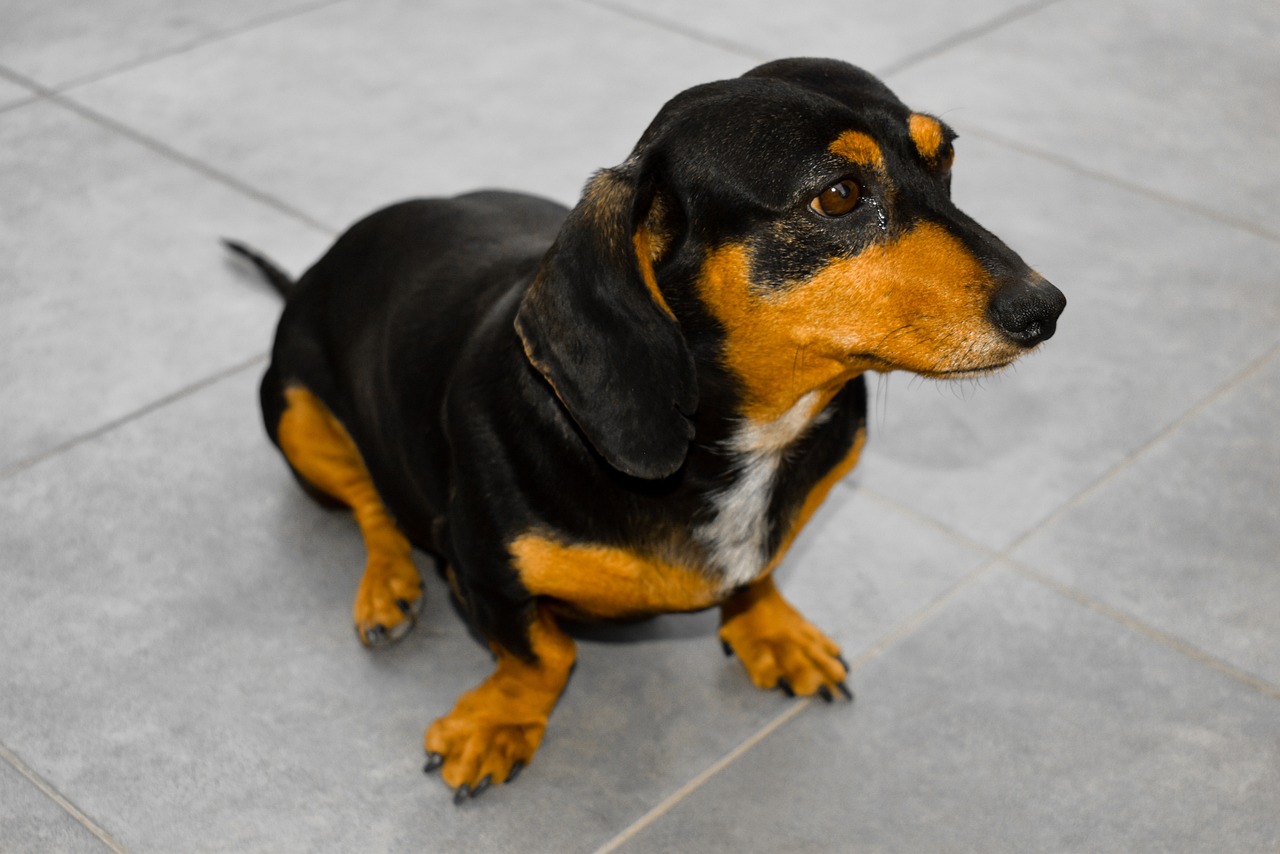
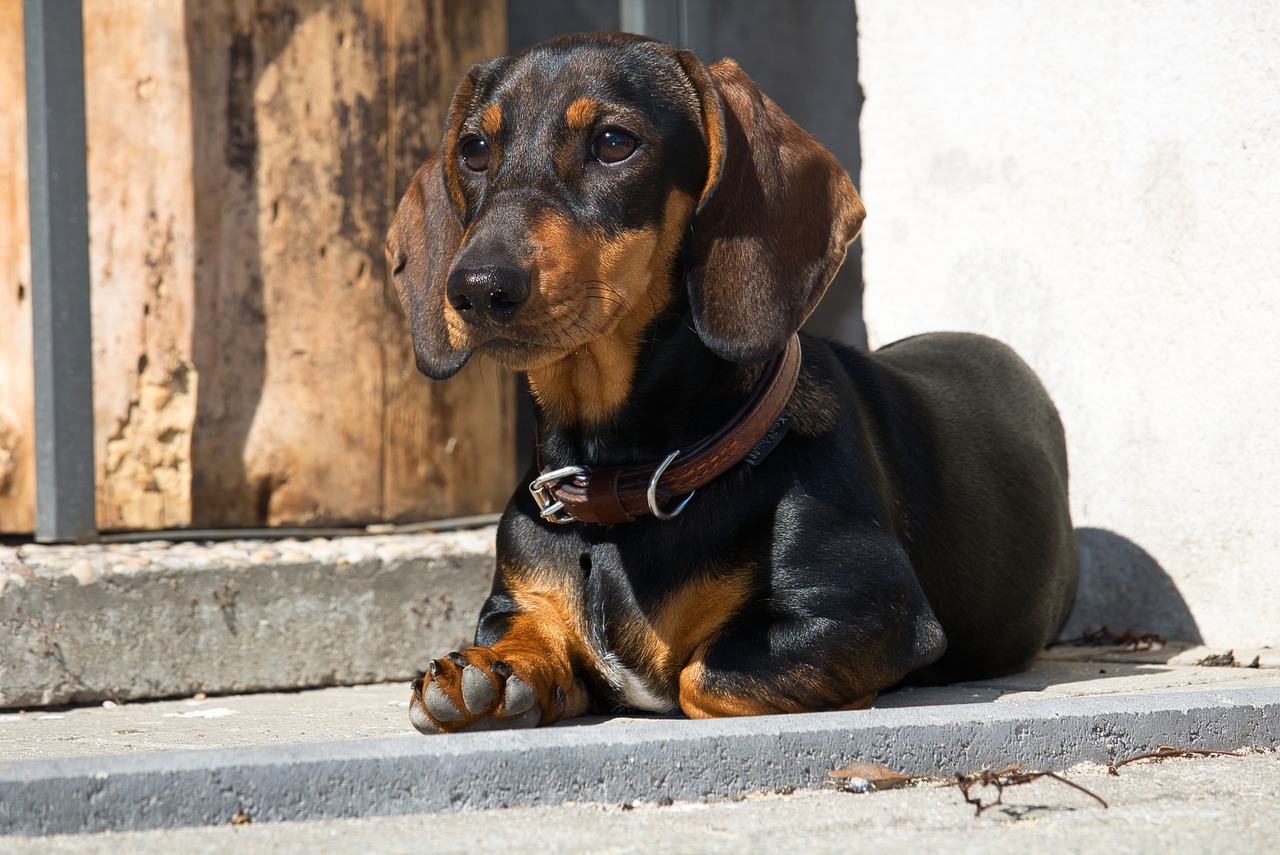
Dachshunds are hard to forget. That long body, those short legs, and that big personality packed into a small frame make them unlike almost any other dog. But what if you’re not sure a Dachshund is quite right for you, or you’re simply curious about similar breeds? You’re not alone.
This guide covers the best dog breeds similar to Dachshunds in 2026, whether you love their body type, their bold-but-loyal temperament, or their hunting instincts. Some of these breeds share the Dachshund’s elongated frame, others mirror their personality, and a few hit both marks.
Here’s what you need to know to find your perfect match.
🐾 Dachshund at a Glance
| Origin | Germany (17th century) |
| Size | Standard (16-32 lbs) or Miniature (under 11 lbs) |
| Coat Types | Smooth, Long-haired, Wire-haired |
| Lifespan | 12-16 years |
| Primary Trait | Long body, short legs (chondrodysplasia) |
| Best For | Families, singles, apartment dwellers |
| Known Health Risk | IVDD (intervertebral disc disease) |
1. Basset Hound
If you love the Dachshund’s low-slung look, the Basset Hound is a natural fit. They share that same short-legged, long-bodied silhouette, and both breeds were built for scent tracking. The Basset Hound just comes in a bigger, more lumbering package.
Personality-wise, Bassets are laid-back in a way that Dachshunds usually aren’t. Where a Dachshund might bark at every sound and want to investigate everything, a Basset is more of a “let me nap and think about it” type. But that stubborn streak? Completely shared. Both breeds can be hilariously difficult to train if you don’t approach them right.
Bassets are great with kids and generally fine with other dogs. They need moderate exercise but don’t require as much mental stimulation as a Dachshund does. learn about Basset Hound care before bringing one home, especially their ears, which need regular cleaning to prevent infections.
2. Pembroke or Cardigan Welsh Corgi
Corgis are built similarly to Dachshunds: low to the ground with big personalities in a small frame. The comparison breaks down once you factor in temperament. Corgis are herding dogs at heart, energetic, alert, and highly biddable. Dachshunds are hunters. Both are smart, but they apply it differently.
Pembrokes tend to be slightly more social and outgoing; Cardigans are a bit more reserved. Either way, you’re getting a dog that’s deeply attached to its family, quick to learn, and surprisingly athletic for its size. If you want something with Dachshund energy but fewer back concerns, a Corgi is worth a serious look.
Corgis do shed heavily, heads up for allergy-prone households, and they need real daily exercise. A 20-minute leash walk won’t cut it. read our Corgi breed guide to see whether their grooming and exercise needs fit your lifestyle.
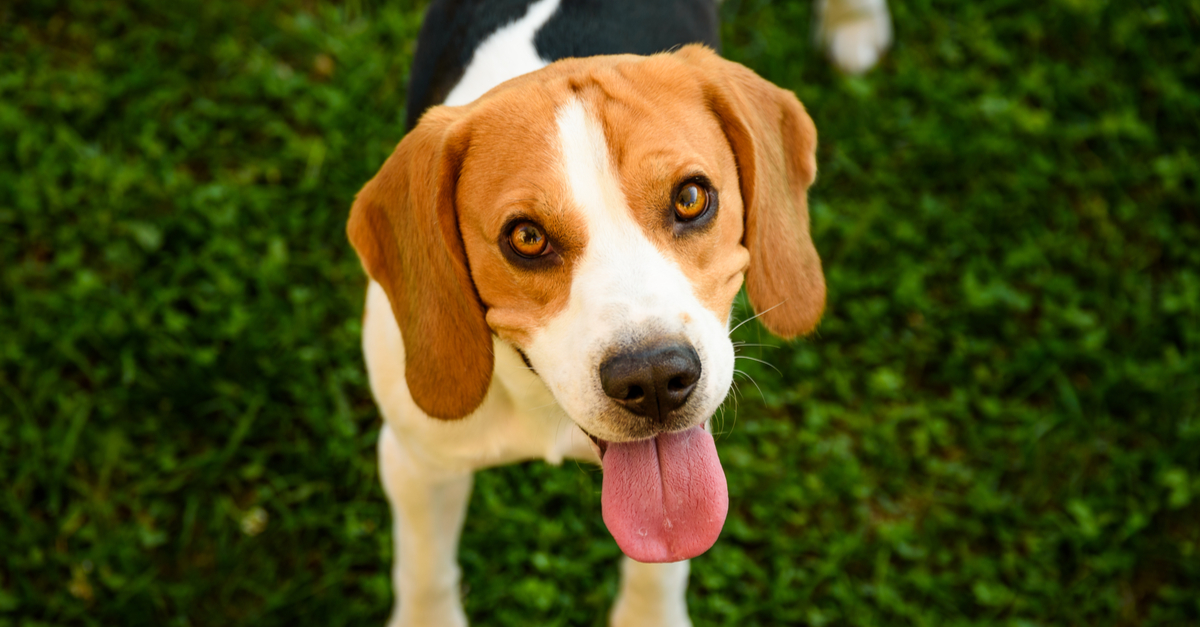
3. Beagle
Beagles share the Dachshund’s most fundamental trait: an obsessive nose. Both breeds were purpose-built for scent tracking, and both will absolutely disappear down a trail if you let them off-leash in the wrong area. The Beagle is larger and more compact in body shape, but the curious, determined, sometimes-too-clever temperament is strikingly similar.
Beagles are arguably easier to live with day-to-day. They’re generally more tolerant of strangers, a bit calmer around other dogs, and tend to have fewer of the Dachshund’s territorial tendencies. That said, they can be vocal. A bored Beagle is a loud Beagle.
These dogs do well in active families. They need 45-60 minutes of real exercise daily, not just a backyard sniff session. If you want a scent-driven dog without worrying about IVDD, the Beagle is a solid choice. Check out Beagle training tips to get ahead of that stubborn streak early.
4. Miniature Pinscher
The Min Pin looks like someone took a Dachshund and a Doberman and merged them. It’s a compact, confident dog with a high-stepping gait, a huge attitude, and almost zero chill. Sound familiar?
They’re often called the “King of Toys” because of how boldly they carry themselves. Like Dachshunds, they’re fearless to a fault, will challenge dogs three times their size, and need owners who can set clear boundaries without shutting down their personality. These dogs don’t respond well to harsh corrections.
Min Pins are lower-maintenance on the grooming front (short, smooth coat) and don’t carry the same spinal risks as Dachshunds. But they’re high energy, need a securely fenced yard, and tend to be one-person dogs. Not the best choice for homes with very young children.
5. Skye Terrier
The Skye Terrier doesn’t get nearly enough attention, and that’s a shame. They’re rare, striking dogs with a long, low body and flowing coat that shares the Dachshund’s basic architecture. Originally bred in Scotland to hunt otters and foxes in rocky terrain, Skyes have that same fierce determination packed into a small frame.
Temperamentally, they’re loyal almost to a fault. Skye Terriers bond intensely with one person, sometimes to the point of ignoring everyone else in the household. They can be aloof with strangers and need early socialization to prevent excessive wariness. If you want a Dachshund alternative that’s truly distinctive, this is one to research.
Fair warning: they’re genuinely hard to find. You’ll likely need to connect with a specialty breeder and may be on a waiting list. That long coat also needs consistent grooming several times a week.
6. Scottish Terrier
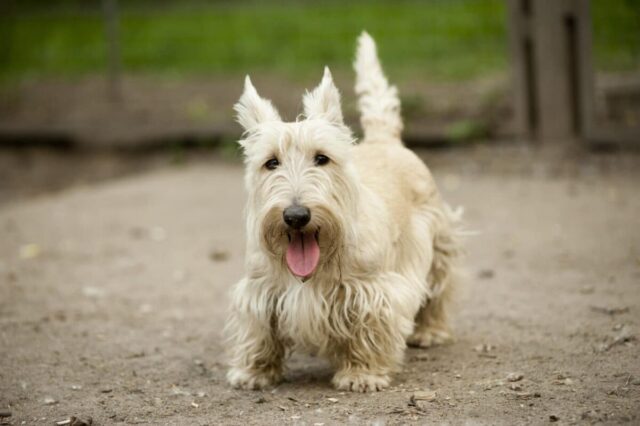
Scotties are small, sturdy, and completely sure of themselves. They share the Dachshund’s independent streak and that willingness to stand their ground no matter the size of the opponent. Both breeds were built to go after quarry underground, and that burrowing, stubborn-but-brave spirit shows up in their daily behavior.
Scotties are generally calmer indoors than Dachshunds but can be just as territorial. They’re not especially cuddly with strangers but are deeply affectionate with their people. Training is possible but requires patience. You’re not going to break a Scottish Terrier’s will, but you can redirect it effectively.
Health-wise, Scotties are prone to a condition called Scottie Cramp, and some lines carry a higher cancer risk than average. Do your research and choose a reputable breeder. more about Scottish Terrier health is worth reading before you commit.
7. Italian Greyhound
This one surprises people. Italian Greyhounds don’t look much like Dachshunds at all, but the temperament overlap is real. Both are sensitive, highly bonded to their owner, and prone to anxiety when left alone too long. Both are also notorious for being difficult to house-train. (Yes, really.)
IGs are elegant and fast, built for speed rather than digging. But their affectionate, sometimes clingy personality and their love of burrowing under blankets will feel very familiar to Dachshund owners. They shiver easily in cold weather and genuinely need warmth, so keep that in mind if you’re in a colder climate.
These dogs are physically fragile. They break bones easily if they jump from furniture or rough-house with larger dogs. The flip side is that they’re low-maintenance on the grooming front and easy to bathe. They’re great apartment dogs if their exercise needs are met daily.
8. Dandie Dinmont Terrier
Another low-profile breed that deserves more attention. The Dandie Dinmont has a long back, short legs, and a distinctive topknot of fluffy hair on its head that makes it look like no other dog. They share the Dachshund’s elongated frame and were bred for hunting badgers and otters in the Scottish Borders.
Dandies are gentler in temperament than most terriers. They’re calm, affectionate, and less likely to pick fights than a Scottie or a Min Pin. Don’t let the soft appearance fool you, though. They’re still determined hunters with a strong prey drive, and they need a secure yard.
Like Dachshunds, Dandies are susceptible to spinal issues because of their long backs. Monitor jumps and stairs carefully. They’re also rare enough that finding a responsible breeder might take some searching.
9. Manchester Terrier
Manchester Terriers look almost regal with their sleek black-and-tan coat and athletic build. They’re smart, quick, and deeply loyal to their families. The personality overlap with Dachshunds is mostly in the alert, watchdog-style vigilance and the strong bond with their primary person.
They’re a bit more trainable than a Dachshund on average, less likely to selectively listen, and don’t carry the same spinal risks. On the downside, they can be reactive around other dogs and need firm, consistent handling from the start. These dogs were ratters by trade. That prey drive is very much still present.
10. Wirehaired Pointing Griffon
The Griffon is the odd one out on this list in terms of size, coming in at 35-70 pounds compared to a Dachshund’s 16-32. But they share hunting roots, a love of outdoor adventure, and a wiry coat that requires real grooming attention. If you want a similar spirit in a bigger, more athletic body, the Griffon is a legitimate option.
They’re known for being highly affectionate and easy to live with for a sporting breed. Less stubborn than a Dachshund, more eager to please. If you’re an active household that wants a loyal, hunting-instinct-driven dog without the small-dog attitude, this breed is worth considering.
📊 Side-by-Side Breed Comparison
| Dachshund | Long/Low | Small | Medium | Moderate | High |
| Basset Hound | Long/Low | Medium | Low | Moderate | Medium |
| Corgi | Long/Low | Small-Med | High | High | Low |
| Beagle | Compact | Small-Med | High | Moderate | Low |
| Min Pinscher | Compact | Small | High | Moderate | Low |
| Skye Terrier | Long/Low | Small-Med | Medium | Moderate | Medium |
| Scottish Terrier | Sturdy/Low | Small | Medium | Challenging | Low |
| Italian Greyhound | Slender | Small | Medium | Moderate | Low |
| Dandie Dinmont | Long/Low | Small | Medium | Moderate | Medium |
| Griffon | Athletic | Large | High | High | Low |
What Actually Makes the Dachshund Different?
Spend a few hours with a Dachshund and you’ll understand why people get obsessed with them. They have this wild combination of loyalty and independence that shouldn’t work together but somehow does. They want to be with you constantly, but on their own terms.
That chondrodysplasia, the genetic trait responsible for their short limbs, is what connects them to most of the breeds above. It’s also what causes IVDD, the back condition that affects roughly 25% of Dachshunds at some point in their lives. understanding Dachshund back problems is essential reading if you’re considering the breed or a close relative.
Their hunting history also means they have a high prey drive and a tendency to be vocal. They were bred to bark at prey underground, and that instinct doesn’t disappear in a suburban house. If your neighbors are close, that’s worth factoring in.
But their size, their personality, and their ridiculous loyalty make them one of the most rewarding breeds for the right owner. If you want something with a similar vibe but a different package, the breeds above are your best starting point.
How to Choose the Right Breed for Your Home
The “right” Dachshund alternative depends on what part of the breed draws you in. Here’s a quick way to think through it:
- Love the low body and scent instinct? Look at Basset Hounds or Dandie Dinmont Terriers.
- Love the loyalty and small size? Miniature Pinschers or Italian Greyhounds might be your match.
- Want something more athletic but still compact? Beagles or Corgis are excellent choices.
- Want the boldness without the back problems? Scottish or Skye Terriers deliver that spirit.
- Want a bigger dog with similar hunting drive? Wirehaired Pointing Griffon is hard to beat.
Whatever direction you go, picking the right breed for your life matters way more than picking based on appearance alone. Temperament and energy level compatibility will make or break the relationship long-term.
Frequently Asked Questions
What dog looks the most like a Dachshund?
The Basset Hound and Dandie Dinmont Terrier come closest physically, sharing the long body and short-leg structure. The Skye Terrier is another strong visual match. For body type and temperament combined, the Basset Hound is probably the most immediately recognizable Dachshund cousin.
Are Corgis related to Dachshunds?
They’re not directly related, but both breeds share the chondrodysplastic gene responsible for short legs. This trait showed up independently in different breed lines. Corgis were developed in Wales for herding; Dachshunds were developed in Germany for hunting. Different jobs, similar build.
What’s the best Dachshund alternative for apartment living?
Italian Greyhounds and Miniature Pinschers are both solid apartment dogs, similar in size and personality to Dachshunds without the heavy spinal risk. Beagles can work too, but they’re vocal, which can be a real problem in close-quarters living. The Italian Greyhound is probably the most apartment-friendly of the bunch.
Do any of these breeds share the Dachshund’s back problems?
Yes. Basset Hounds, Skye Terriers, and Dandie Dinmont Terriers all have elongated backs and can be susceptible to IVDD or other spinal problems. If avoiding back issues is a priority, Corgis, Beagles, and Min Pins are safer bets. Always ask breeders directly about health testing for spinal conditions.
Which Dachshund-like breed is easiest to train?
Corgis are the standout here. They’re herding dogs, which means they’re bred to respond to direction and take cues quickly. Beagles and Manchester Terriers are also more trainable than Dachshunds on average. Scottish Terriers and Skye Terriers are probably the hardest, even compared to a famously stubborn Dachshund.
Are there Dachshund mixes that are similar but easier to own?
Dachshund mixes are popular for exactly this reason. A Dorgi (Dachshund x Corgi) or a Doxle (Dachshund x Beagle) can blend the looks and personality of Dachshunds with slightly different temperament traits. Mixed breeds are harder to predict, though, and you may still end up with the full Dachshund stubbornness regardless. explore popular Dachshund mixes to see what’s out there.
Bottom Line
There’s no perfect replacement for a Dachshund. If you love the breed, you already know that. But if you’re looking for something that scratches a similar itch, whether it’s the shape, the tenacity, the loyalty, or the hunting instinct, the ten breeds above give you real options.
Bassets and Dandies if you want the body. Beagles and Corgis if you want the drive with less drama. Skye Terriers if you want rare and regal. And if you want something genuinely different but emotionally similar, the Italian Greyhound will probably surprise you.
Do your research, connect with breed-specific rescues, and ask plenty of questions of reputable breeders. browsing small dog breeds on iHeartDogs can also help you compare options side by side before you decide.
Whatever you choose, you’re getting a dog with real character. That’s what all these breeds have in common.





 English (US) ·