
 1 day ago
3
1 day ago
3
You already know your pug is obsessed with you. But there’s obsessed, and then there’s pug-level obsessed — two very different things. Pugs were bred for one purpose and one purpose only: to be devoted human companions. No hunting, no herding, no guarding. Just shadow-following, lap-sitting, face-staring companionship, day after day.
That kind of devotion shows up in specific, unmistakable ways. And if you’re seeing most of the signs below, congratulations. You’ve been officially chosen.
Here are 10 signs you are your pug’s favorite human in 2026 — backed by real pug behavior, not wishful thinking.
🐾
Pug Bonding: By the Numbers
2,000+
Years pugs have been bred as human companions
Top 3
Most velcro dog breeds (clingy attachment style)
~15 lbs
Average adult weight — small dog, giant personality
12-15 yrs
Typical pug lifespan — years of loyalty ahead
1. They Follow You from Room to Room
If your pug can’t let you walk to the kitchen without becoming your personal escort, you’re their person. This behavior has a name — it’s called “velcro dog” syndrome — and pugs are basically the breed mascot for it. They don’t follow everyone. They follow you.
It’s not anxious behavior in most cases. It’s attachment. Your pug feels safest when they can see you, hear you, and confirm you haven’t left without them. Some pugs even learn to predict which direction you’re headed based on your footstep pattern. That’s not coincidence. That’s devotion with a very good memory.
Pugs aren’t alone in this — check out these loyal shadow dog breeds that behave the same way. But among companion dogs, pugs take it to a whole other level.
2. The Greeting Is Pure Theater
You were gone for 45 minutes. Your pug acts like you survived a six-month arctic expedition. Full-body wiggles, happy snorting, spinning in circles — sometimes all three simultaneously. It’s a little chaotic and completely sincere.
Dogs reserve this level of greeting for the people who matter most to them. If your pug goes noticeably more wild for you than for other family members, that’s data. You’re the one they were counting the minutes for.
The snorting is particularly pug. It’s part excitement, part respiratory reality — those flat faces come with some interesting sound effects. But when it’s directed at you the moment you walk through the door, it’s basically a standing ovation.
3. They Choose Your Spot, Every Time
Your pug could sleep anywhere. But they pick the end of your bed, your side of the couch, the corner of the room where your scent is strongest. This isn’t random. Dogs are deeply scent-oriented, and sleeping near you means sleeping near your smell — which is their version of comfort food.
Pugs also run a little warm and love body heat, which makes lap-sitting especially appealing. But the preference for your lap over anyone else’s? That’s emotional, not just thermal. They feel safe with you specifically.
If your pug has ever climbed over a sleeping family member to get to your side of the bed, you’ve got your answer.
4. They Bring You Their Best Stuff
Toy offerings are a big deal in pug world. When your pug trots over with a squeaky toy in their mouth the moment you sit down, they’re not just asking to play. They’re sharing. Pugs bring their prized possessions to the people they trust most — it’s a genuine gift, delivered with a very earnest expression.
This behavior comes from deep in dog social instincts. Sharing food and valued objects is something bonded dogs do. Your pug is saying, “This is mine and I want you to have it.” Pretty hard not to feel special about that.
To keep those toy-gifting sessions going, you’ll want toys that hold up. Here’s a guide to the best dog ball options for different play styles — pugs especially love anything soft and squeaky.
5. They Can Tell When You’re Not Okay
Rough day at work? Your pug knows before you even sit down. Pugs are unusually attuned to human emotion. Research has confirmed that dogs can detect stress-related chemical changes in human breath and sweat — and pugs, being so close to their humans, get a lot of practice.
When you’re sad, anxious, or just worn out, a bonded pug tends to respond by getting closer. They’ll push their face against your knee, climb into your lap uninvited, or just sit pressed against your leg until things feel better. It’s not trained behavior. It’s instinct directed specifically at the person they love most.
You’ll see this more with clingy companion breeds in general — but pugs tend to be especially perceptive about it.
📋
Pug Favorite-Human Behavior Cheat Sheet
| Follows you everywhere | You’re their safe base | Very High |
| Excited greetings | They missed you specifically | Very High |
| Sleeps in your spot | Your scent = comfort | High |
| Brings toys to you | Sharing = deep trust | High |
| Comfort when you’re sad | Real emotional bonding | Very High |
| Separation anxiety | You’re irreplaceable to them | Very High |
6. They Position Themselves Between You and Strangers
Pugs aren’t guard dogs — they’ll generally make friends with anyone who looks at them long enough. But when someone new enters the space and your pug plants themselves between you and that person? That’s protective instinct aimed at their favorite human.
It’s subtle. A slight lean against your leg, a watchful posture, maybe a quiet snort in the direction of the newcomer. They’re not threatening anyone. They’re just making sure you know they’re there, and making sure the newcomer knows it too.
This protective body-blocking is something pugs tend to do almost exclusively with their chosen person. Consider it a bodyguard service, offered by a 14-pound dog with wrinkles.
7. They Make Direct Eye Contact with You
Prolonged eye contact between a dog and their favorite human actually triggers oxytocin release — the same bonding hormone involved in parent-child attachment. It’s not staring. It’s a chemical event.
Pugs are known for their big, expressive eyes, and they use them deliberately. If your pug locks eyes with you during calm moments, during meals, or right before they curl up next to you, they’re strengthening the bond on purpose. Whether they know it consciously or not, the effect is real.
Notice whether your pug does this with you specifically, or with everyone. There’s usually a clear difference. The gaze they give you is longer, softer, and comes with more face-squishing proximity.
8. They Get Anxious When You Pack a Bag
You grab your suitcase and your pug loses it. Not in a destructive way — more like a sad, hovering, “please don’t go” way. Pugs are very good at pattern recognition, and they learn quickly which cues predict your absence. Suitcases. Work bags. Shoes by the door.
This kind of pre-departure anxiety is almost always pug-to-favorite-human specific. They’re not this worried when other family members leave. Just you. Which is sweet in a slightly heartbreaking way.
If this sounds familiar, you might want to look into gradual departure training — it helps a lot. But first: know that the anxiety exists because your pug genuinely can’t imagine being comfortable without you around.
9. They Seek You Out After Something Scary
Thunder, a car backfiring, the vacuum cleaner — whatever sends your pug into panic mode, notice where they run. If the answer is “directly to you,” that’s a textbook sign of secure attachment.
Dogs have a concept that behaviorists call a “safe haven” — a specific person or place they return to when they feel threatened. For bonded pugs, that safe haven is their favorite human. They’re not running to you out of habit. They’re running to you because you’re where they feel protected.
This is one of the most honest signals of all. A scared dog doesn’t fake who they trust. They just go to that person.
10. They Mirror Your Energy
When you’re relaxed, your pug chills out. When you’re excited, they bounce off the walls. Pugs are exceptional at reading and matching their human’s emotional state, and they do it best with the person they’re most attuned to.
This emotional mirroring is a pretty advanced social skill. It means your pug is constantly paying attention to you — watching your body language, your tone of voice, your pace. They’re calibrated to you in a way they’re not calibrated to anyone else in the household.
If you’ve ever noticed your pug seem to “calm down” or “perk up” right when you do, without any obvious trigger, that’s them reading you. It’s one of the quieter signs of a deep bond, but it’s consistent and real.
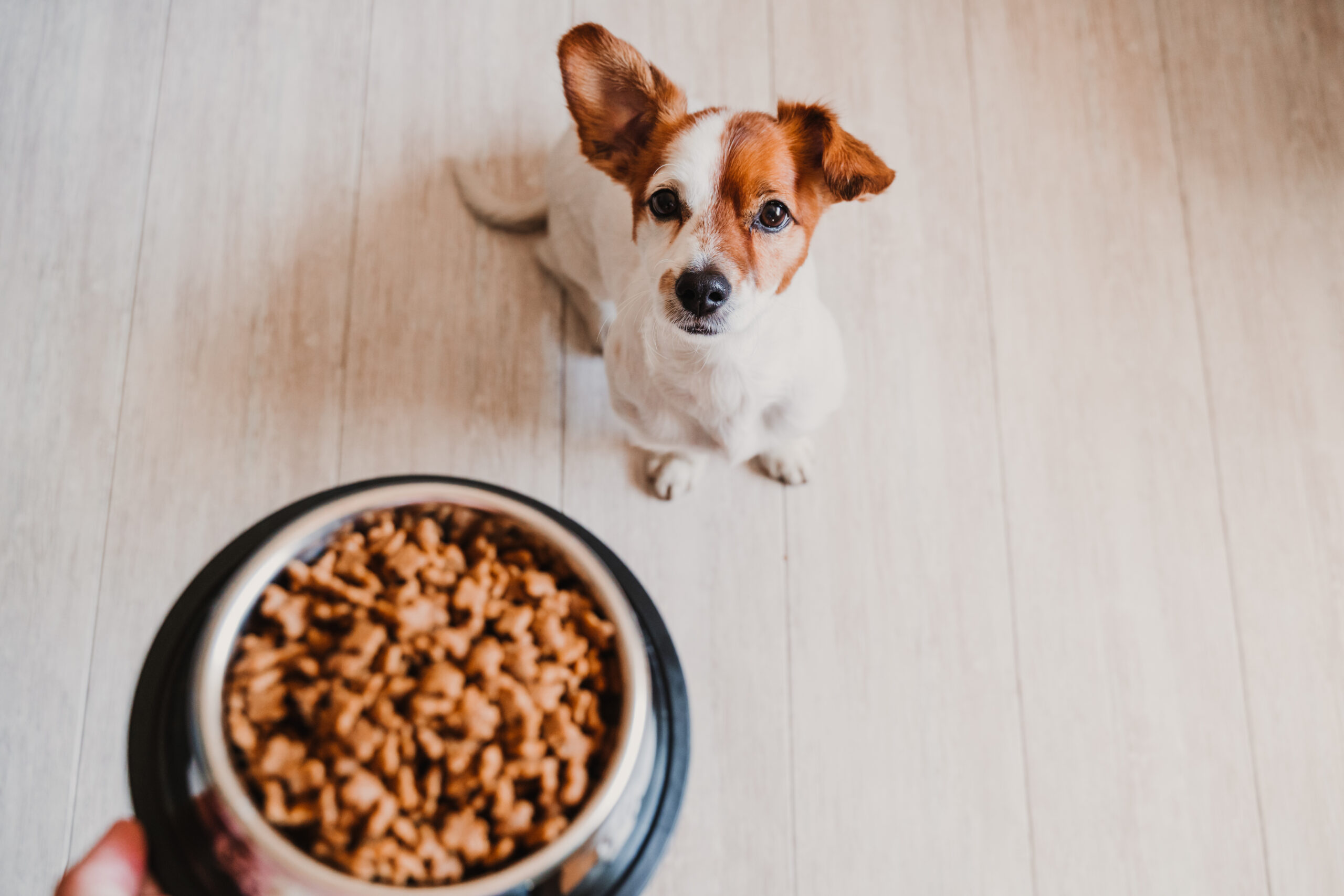
Keeping a pug well-fed also plays into how connected and happy they feel — here’s the ultimate pug feeding guide if you want to get their nutrition dialed in. And if you’ve got a pug puppy, this resource on puppy food for pugs is worth bookmarking.
Frequently Asked Questions
How do I know if I’m my pug’s favorite human?
Your pug will show you pretty clearly. They’ll follow you specifically, choose to sleep against you, run to you when scared, and greet you with noticeably more enthusiasm than they show anyone else. If you score 6 or more signs on this list, you’re almost certainly their number one person.
Do pugs bond with one person more than others?
Yes, pugs often pick a primary person. It’s usually whoever feeds them, spends the most time with them, and responds when they need comfort. They’ll still be friendly with the whole family — pugs aren’t really capable of being standoffish — but one person tends to get that extra level of devotion.
Why does my pug follow me everywhere but not other family members?
Because you’re their anchor. You likely represent safety, food, routine, and the best cuddles. Pugs are food-motivated by nature, but it goes beyond food. The person who shows up consistently becomes the person they can’t function without.
Can pugs sense when you’re sad or stressed?
Absolutely. Research confirms dogs can detect changes in human body chemistry related to stress. Pugs in particular tend to respond to emotional cues by moving closer and offering physical comfort. If your pug makes a beeline for you when you’re upset, that’s genuine empathy — not a coincidence.
Is it normal for my pug to get anxious when I leave?
Very normal, especially with a strongly bonded pug. They’re companion dogs through and through — separation anxiety is almost baked in. Gradual departure training and providing enrichment items (like a Kong filled with their favorite pug food) while you’re gone can help manage it significantly.
How can I strengthen my bond with my pug?
Consistency is everything with pugs. Feed them on a schedule. Be the one who takes them for short walks, does their training sessions, and responds when they’re anxious. Even five minutes of focused play per day builds trust faster than most people realize. And yes, belly rubs absolutely count as bonding time.
Your Pug Already Knows
Here’s the thing about pugs: they don’t play favorites casually. When a pug decides you’re their person, it’s a commitment. Two thousand years of selective breeding went into making them this way — loyal, affectionate, and completely focused on the humans they love most.
So if your pug follows you to the bathroom, stages a dramatic reunion every single time you walk in the door, and parks themselves on your feet while you watch TV, take it as the compliment it is. You didn’t just adopt a dog. You got chosen by one.
That’s a pretty good deal.
Want to keep that bond strong? Make sure you’re giving your pug what they need physically too. Check out our guide to feeding your pug right and explore which quirky dog breeds share that same lovably odd energy. You’ve got a great one.



 English (US) ·