
 1 month ago
47
1 month ago
47
 Shutterstock
Dogs experience heat differently from humans, and some breeds have a much harder time staying comfortable during the hottest months of the year. Factors such as thick coats, large body size, and shortened airways can make warm weather especially challenging. While many dogs enjoy outdoor activities, certain breeds are more vulnerable to overheating and heat related stress. Understanding which dogs struggle most in summer conditions helps owners take appropriate precautions. Their physical traits often make cooling less efficient, requiring extra attention, shade, hydration, and comfortable environments during hot weather.
Bulldog
 Shutterstock
Bulldogs are among the breeds most affected by heat because of their short muzzles and breathing challenges. Their ability to cool themselves efficiently is limited, making hot weather uncomfortable and potentially dangerous. They often prefer staying indoors during peak summer temperatures. Careful monitoring is important during warm conditions.
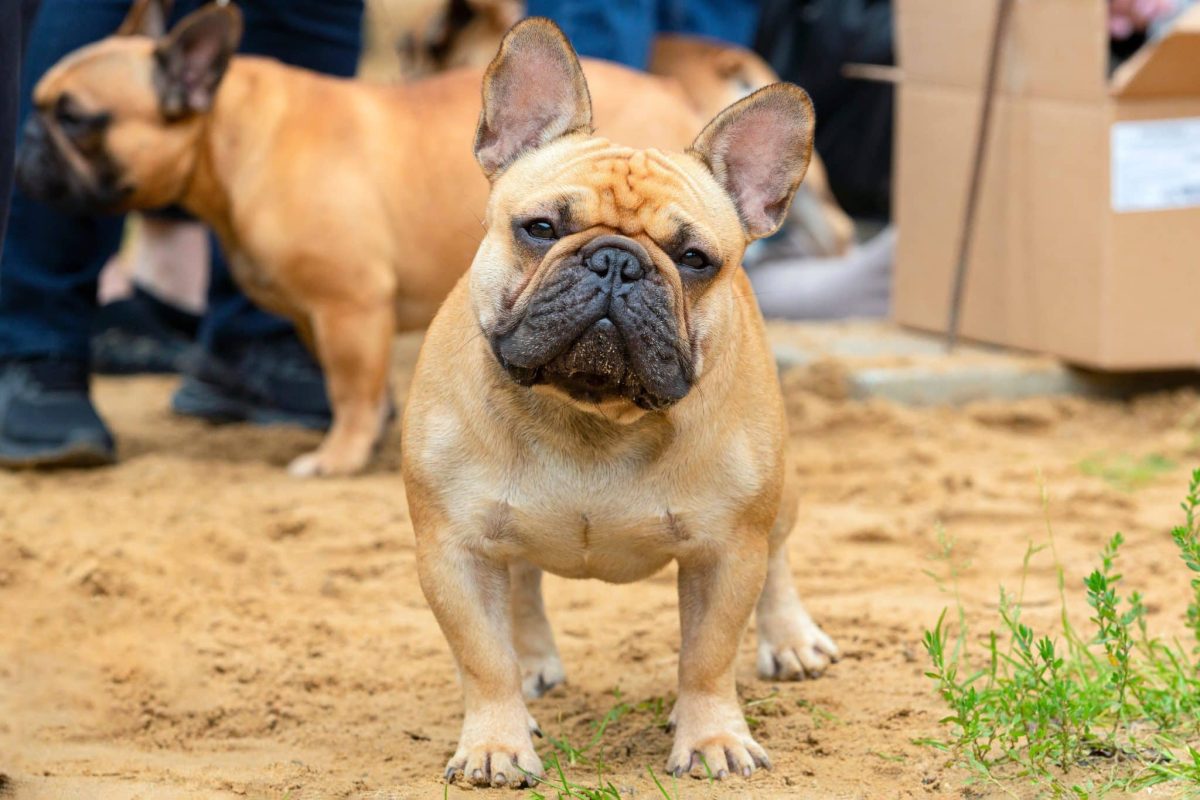
French Bulldog
 Shutterstock
French Bulldogs struggle in summer heat due to their brachycephalic facial structure. Their shortened airways can make panting less effective, reducing their ability to cool down. Warm temperatures often require shorter outdoor activities and increased access to shade. They generally do best in cooler environments.
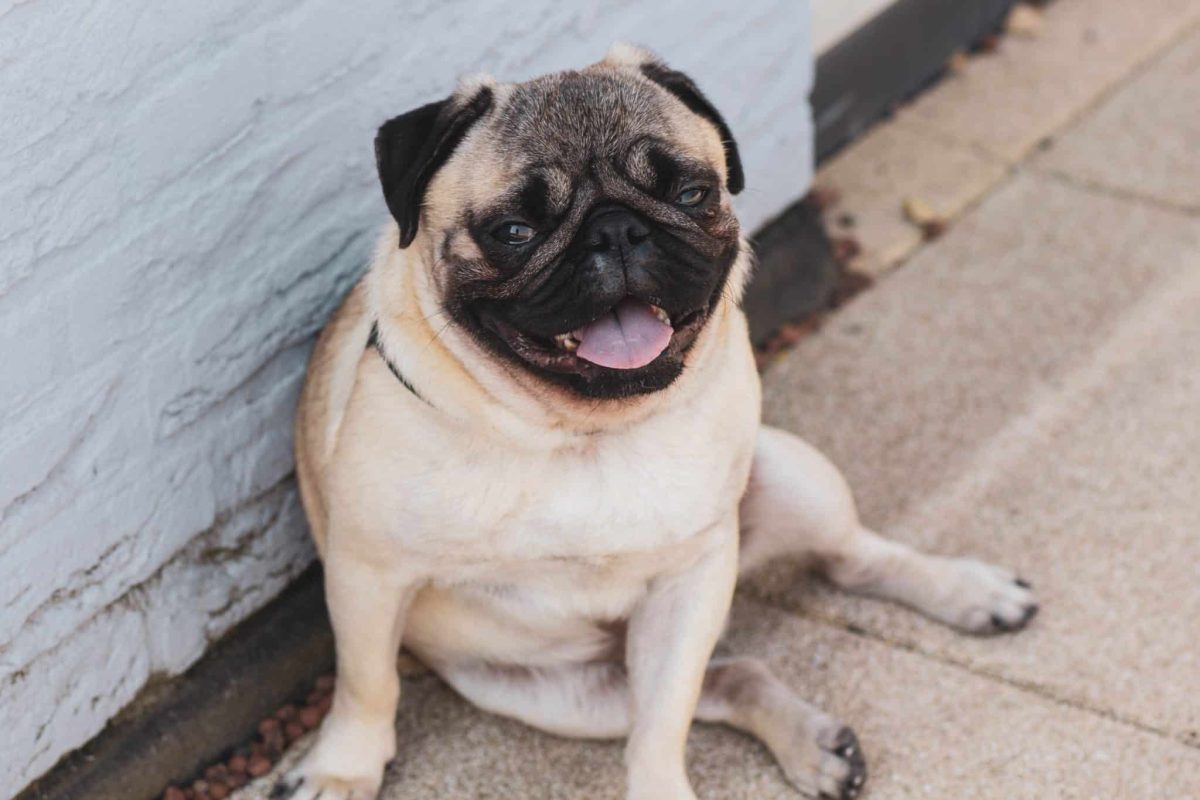
Pug
 Shutterstock
Pugs are charming companions, but their compact faces can make heat management difficult. They are prone to overheating when temperatures climb and often need extra care during summer. Short walks and cool indoor spaces help them remain comfortable. Owners must pay close attention during hot weather.
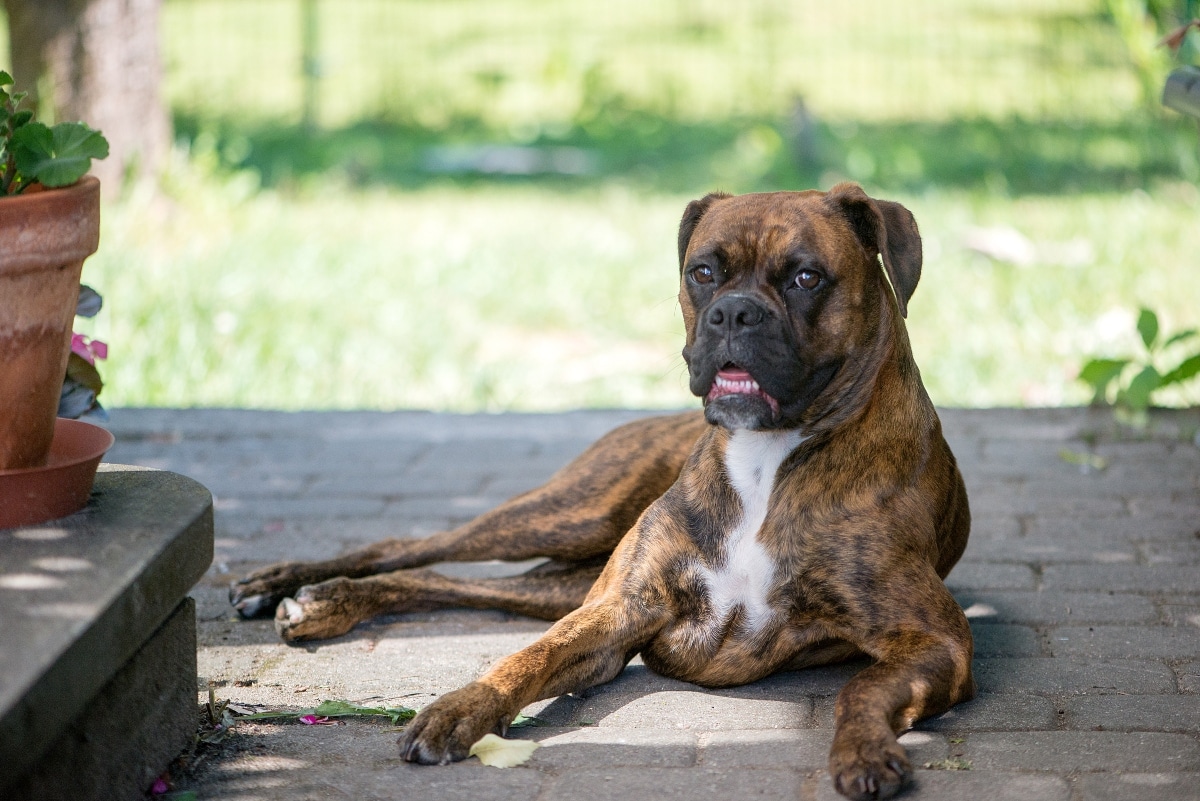
Boxer
 Shutterstock
Boxers combine high energy levels with a facial structure that can make cooling more difficult. Their enthusiasm sometimes causes them to overexert themselves in warm weather. Summer activities should be scheduled during cooler parts of the day. Proper hydration and rest are essential.
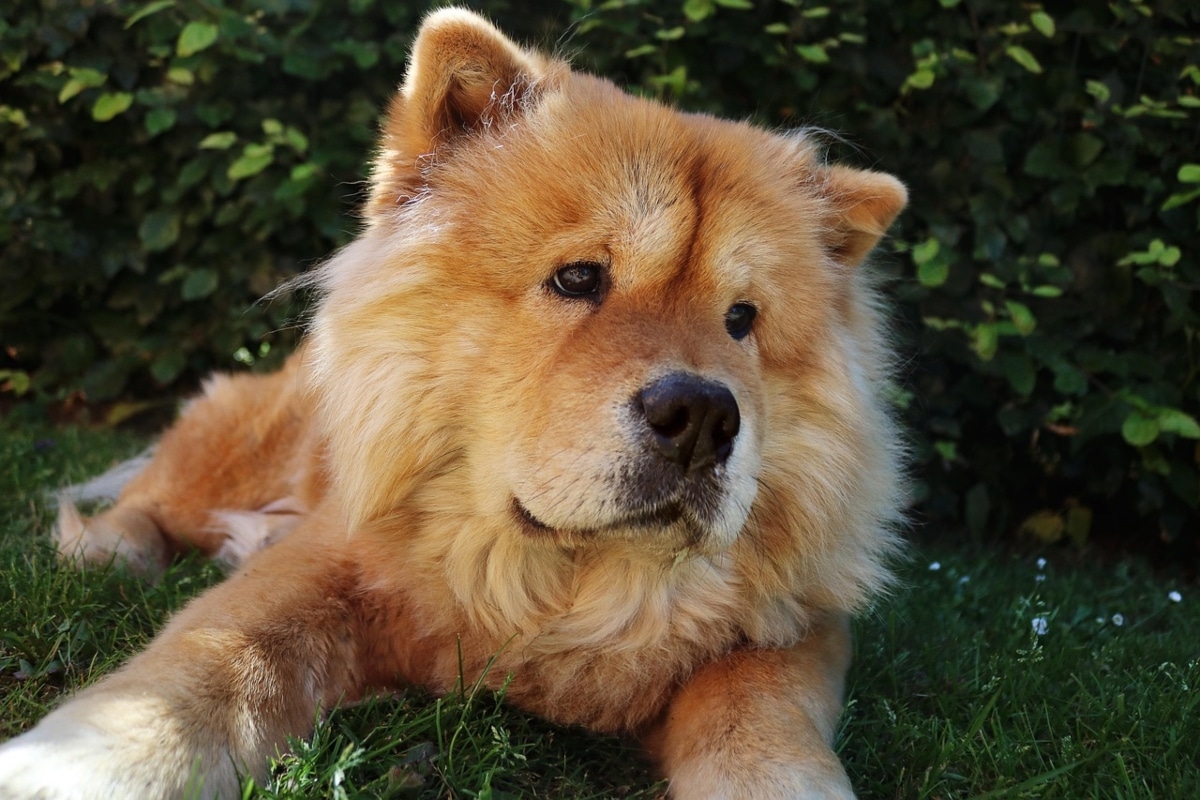
Chow Chow
 Shutterstock
Chow Chows were developed for colder climates and carry dense double coats that provide significant insulation. While beneficial in winter, that coat can make summer temperatures challenging. They often prefer cooler environments and reduced activity during hot weather. Shade and climate controlled spaces help keep them comfortable.
Alaskan Malamute
 Shutterstock
Alaskan Malamutes were bred to work in Arctic environments and are naturally suited to cold temperatures. Their dense coats can make warm weather difficult to tolerate. They often require limited outdoor activity during extreme heat. Cooling measures become especially important during summer.
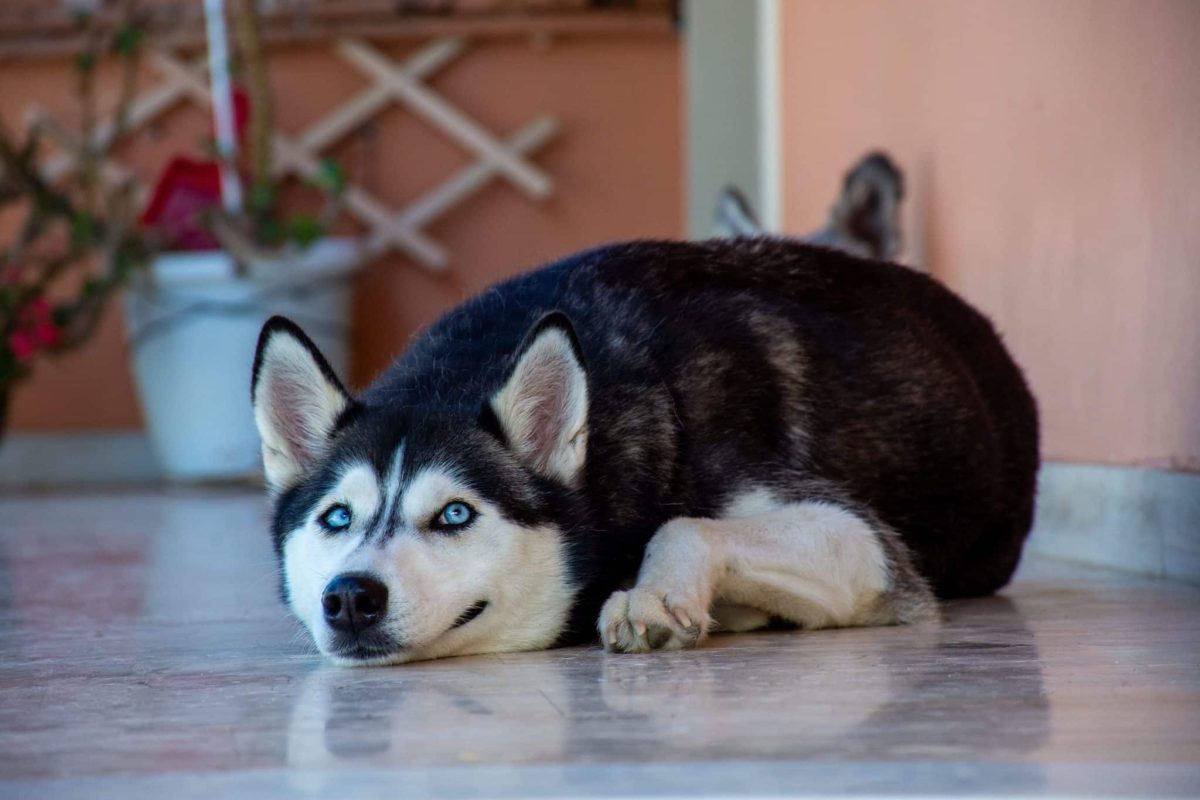
Siberian Husky
 Shutterstock
Siberian Huskies are famous for thriving in cold climates, but summer heat can present challenges. Their thick double coats and active nature require careful management during warm weather. Owners often adjust exercise schedules to cooler times of day. Proper hydration is especially important.
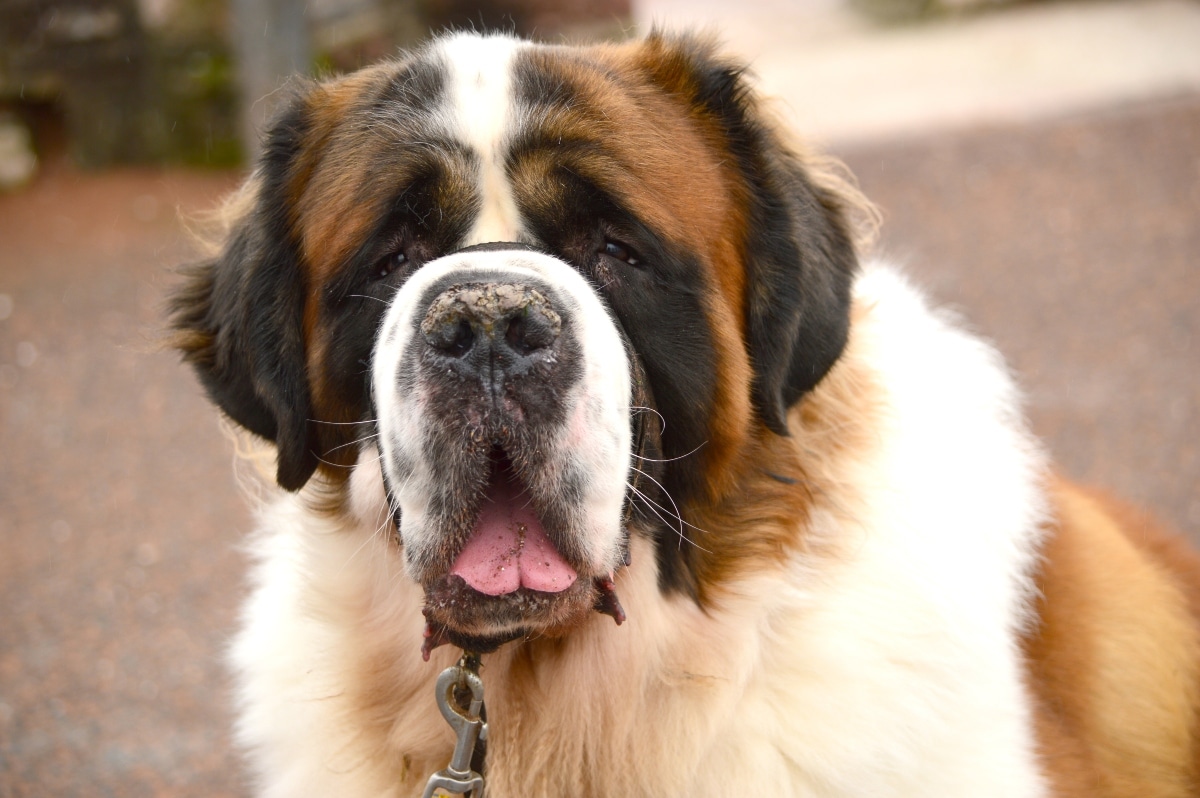
Saint Bernard
 Shutterstock
Saint Bernards are large dogs with heavy coats that can make heat retention a concern. Their size alone contributes to difficulty staying cool in high temperatures. They often become less active during summer months. Cool resting areas help improve comfort.
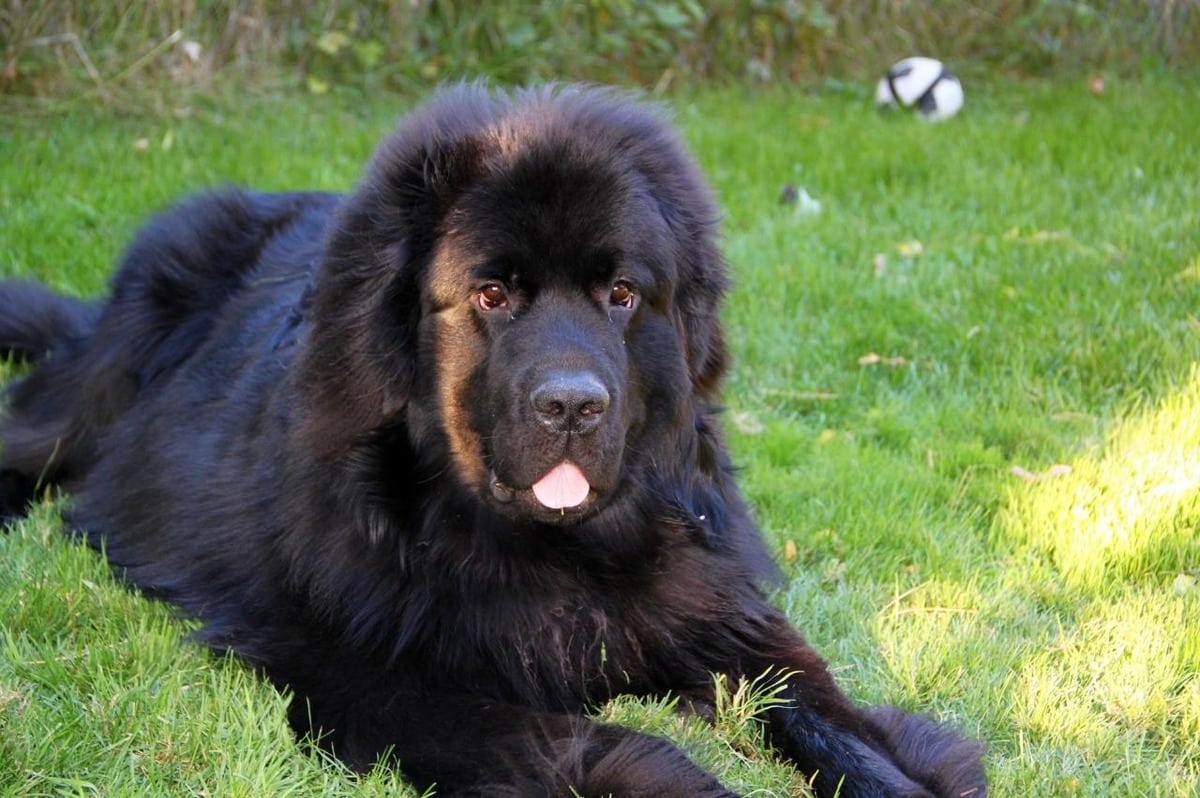
Newfoundland
 Shutterstock
Newfoundlands possess dense coats that helped them work in cold water environments. Warm weather can make them uncomfortable and increase the risk of overheating. They benefit from access to cool spaces and limited activity during peak heat. Water can provide welcome relief during summer.
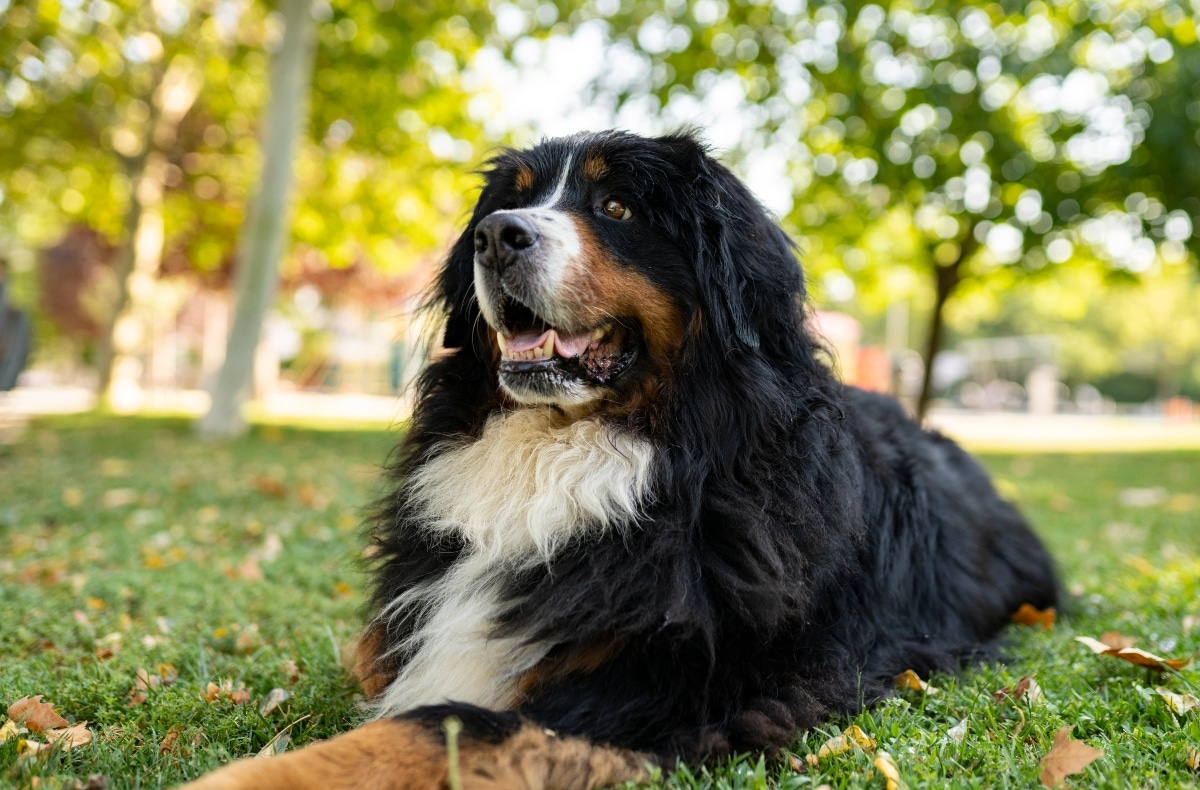
Bernese Mountain Dog
 Shutterstock
Bernese Mountain Dogs were developed for cooler mountain climates and often struggle during hot weather. Their thick coats provide insulation that becomes less helpful during summer. Many prefer spending warm days indoors with access to cooler temperatures. Activity levels often decrease as temperatures rise.

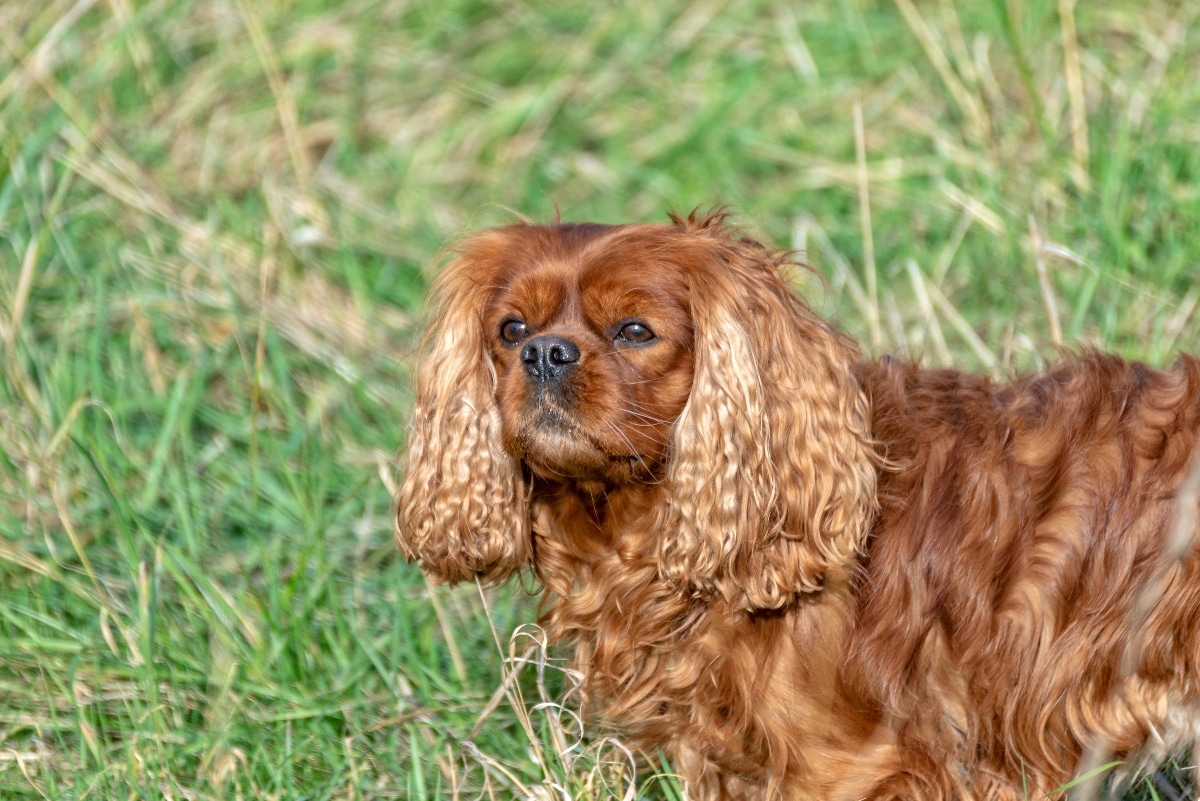
Cavalier King Charles Spaniel
 Shutterstock
While smaller than many other breeds on this list, Cavalier King Charles Spaniels can still experience heat related difficulties, especially during intense summer conditions. Their moderate coat and sensitivity to environmental stressors require thoughtful care. Shorter outdoor sessions and adequate hydration are important. They generally enjoy cooler conditions more comfortably.
The Air Conditioning Fan Club
 Shutterstock
Living with a heat sensitive dog means understanding that summer comfort often requires extra planning and attention. These breeds may need shorter walks, cooler environments, and carefully timed outdoor activities to remain safe and comfortable. Their physical traits make them more vulnerable to rising temperatures, but responsible care can help them continue enjoying daily life. Paying attention to hydration, shade, and signs of overheating becomes especially important during warm weather. These dogs remind us that every breed has unique needs, and meeting those needs is an important part of responsible ownership. A little extra preparation during summer can make a significant difference in their comfort, health, and overall well being.











 English (US) ·