
 1 month ago
35
1 month ago
35
Choosing the best dog food isn’t just about brand reputation. It’s about understanding the ingredient list. Many harmful dog food ingredients, like preservatives, artificial additives, and low-quality fillers, are still legally allowed in commercial pet food, even though they’ve been linked to digestive upset, inflammation, metabolic stress, and long-term health risks. But why are they still allowed? Simple… these additives are designed for cost efficiency and long shelf life, not long-term canine health.
If you’ve ever wondered what ingredients to avoid in dog food, we’ve got the answer you need. Let’s break down exactly what these substances are, what they’re made from, and why they don’t belong in your dog’s bowl.
Why These Ingredients Are Used in Dog Food
Understanding why harmful dog food ingredients exist can help you make smarter decisions. Manufacturers use them to:
- Extend shelf life
- Reduce production costs
- Improve taste artificially
- Enhance visual appeal for humans
- Inflate protein percentages cheaply
Unfortunately, cost efficiency often outweighs nutritional quality in mass-produced pet foods.
What to Look for Instead
When avoiding toxic ingredients in dog food, look for:
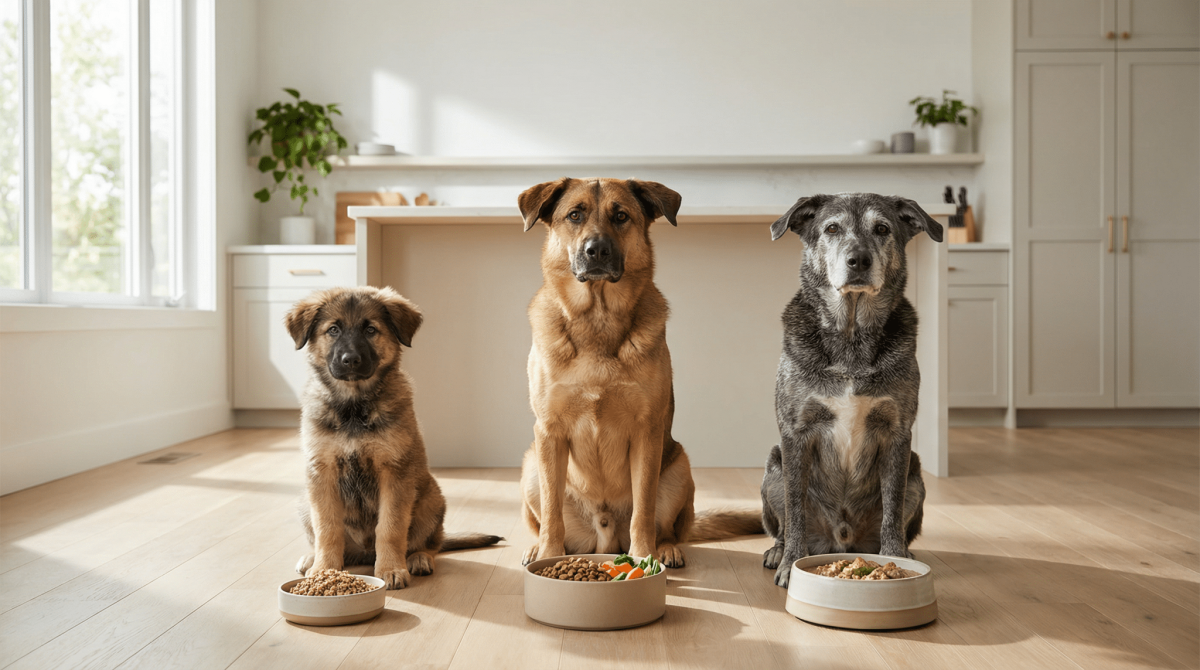
- Named animal protein sources (chicken, turkey, beef)
- Natural preservatives like mixed tocopherols (vitamin E)
- Limited ingredient lists
- Whole food carbohydrates (sweet potato, pumpkin)
- Transparent sourcing
These qualities often indicate a more thoughtfully formulated recipe that prioritizes ingredient transparency, nutritional integrity, and long-term canine health over shelf life and cost-cutting shortcuts.

Ingredients to Avoid in Dog Food: Preservatives, Fillers, and Artificial Additives Explained
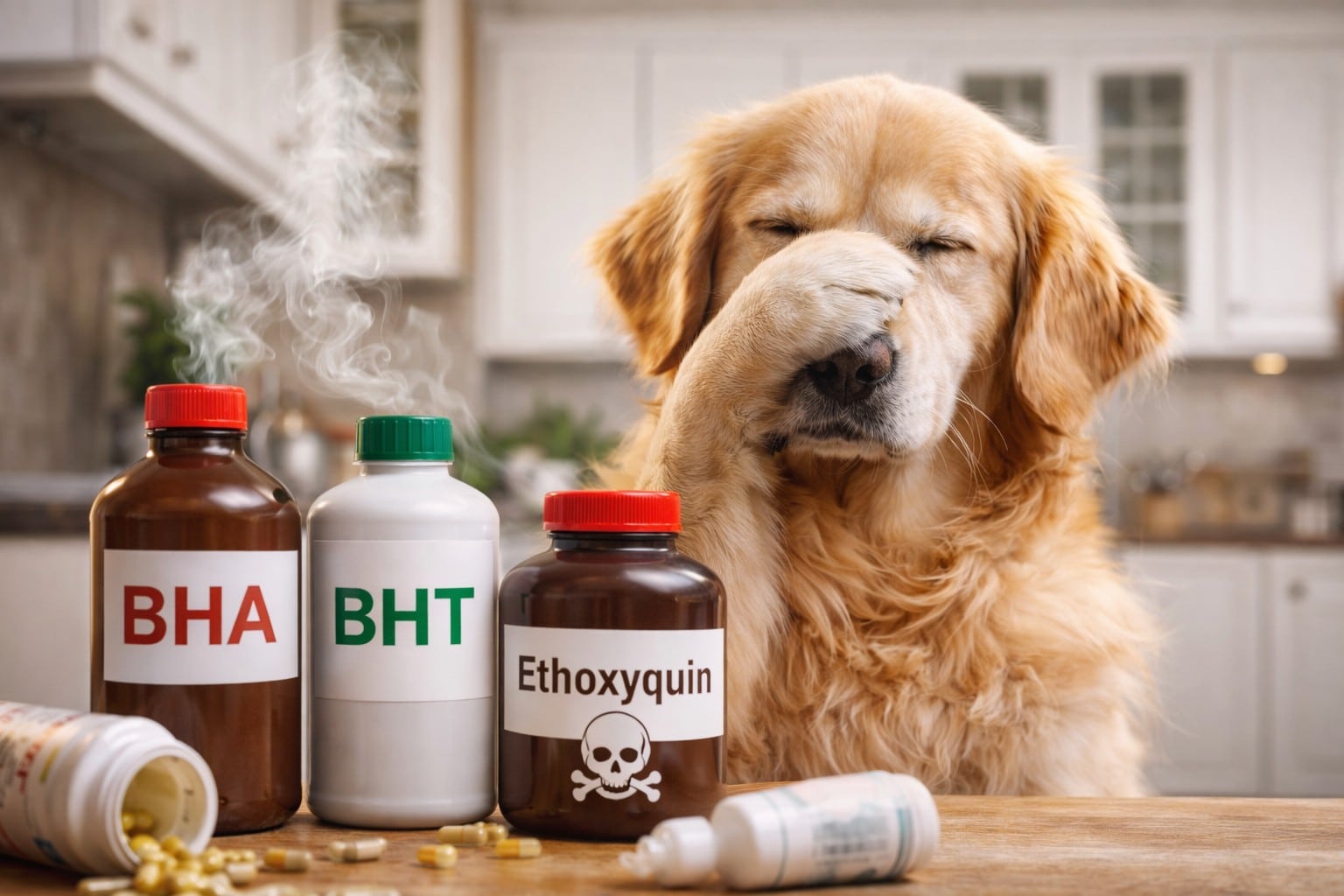
1. BHA (Butylated Hydroxyanisole)
What it is:
BHA is a synthetic antioxidant created from petroleum-derived chemicals. It is produced through chemical reactions involving tert-butylhydroquinone and anisole compounds, resulting in a waxy solid that is fat-soluble. Because it dissolves easily in fats and oils, it integrates well into dry dog food formulas that contain rendered animal fats.
Chemically, BHA works by donating hydrogen atoms to unstable oxygen molecules, slowing the oxidation process that causes fats to become rancid.
Why it’s used:
BHA is added to preserve fat in kibble and prevent spoilage during long storage and transportation periods. It significantly extends shelf life, often allowing dry dog food to remain stable for 12 to 24 months. For manufacturers distributing products nationwide, this stability reduces financial loss from rancidity and spoilage.
Why it’s controversial:
The U.S. National Toxicology Program classifies BHA as “reasonably anticipated to be a human carcinogen” based on high-dose animal studies. Some research has shown tumor formation in laboratory animals exposed to large amounts. Although regulatory agencies allow small quantities in pet food, critics argue that chronic, low-level exposure over a dog’s lifetime raises questions.
Its petroleum origin, combined with its carcinogenic classification in animal models, places it on many lists of preservatives to avoid in dog food. While considered safe at approved levels, it remains one of the more debated synthetic antioxidants used in commercial pet food.
2. BHT (Butylated Hydroxytoluene)
What it is:
BHT is a synthetic antioxidant derived from toluene, a compound found in crude oil and coal tar. It is manufactured through chemical modification of phenolic compounds to create a fat-soluble preservative that slows oxidation.
Like BHA, BHT works by neutralizing free radicals that would otherwise cause fats and oils to break down.
Why it’s used:
BHT stabilizes fats in dry dog food and prevents nutrient degradation caused by oxygen exposure. Oxidized fats not only smell unpleasant but can lose nutritional value and potentially form harmful byproducts. By preventing oxidation, BHT helps maintain flavor and texture over long shelf periods.
Why it’s controversial:
Some laboratory studies have linked high-dose BHT exposure to liver enlargement, kidney changes, and alterations in thyroid hormone levels in animals. While the amounts used in pet food are regulated and considered low, critics question cumulative lifetime exposure, especially in dogs eating the same kibble daily for years.
Though permitted in the United States, BHT is restricted or limited in certain international markets. Its association with industrial chemical production contributes to consumer concern, particularly among pet owners seeking to avoid synthetic preservatives in dog food.
When researching harmful dog food ingredients, BHA and BHT are often discussed together because of their similar structure and function.
 3. Ethoxyquin
What it is:
Ethoxyquin is a synthetic antioxidant belonging to the quinoline family of chemicals. It was originally developed in the 1950s as a pesticide and rubber stabilizer before being adopted by the animal feed industry. It is synthesized through petroleum-based chemical processes and designed to prevent oxidation in fats.
Why it’s used:
Ethoxyquin is particularly effective at stabilizing fish meal and preventing spontaneous combustion during transport and storage. Fish meal, which contains high levels of unsaturated fats, can oxidize quickly without preservatives. Ethoxyquin helps prevent rancidity and nutrient loss in these ingredients before they are incorporated into kibble.
Why it’s controversial:
Ethoxyquin has faced regulatory scrutiny for decades. Some reports have linked it to liver enzyme elevation, allergic reactions, and reproductive concerns in laboratory animals at higher exposure levels. While regulatory bodies limit its concentration in animal feed, it is not approved for direct use in human food in many countries.
One complication is that fish meal may be treated with ethoxyquin before arriving at a pet food facility, meaning it may not always appear clearly on final ingredient labels. Because of its pesticide origins and regulatory history, ethoxyquin frequently appears on lists of toxic dog food ingredients to avoid.
4. Propylene Glycol
What it is:
Propylene glycol is a synthetic liquid alcohol produced from propylene oxide, which itself is derived from petroleum refining. It is colorless, nearly odorless, and hygroscopic, meaning it attracts and retains moisture.
Although chemically related to ethylene glycol, the highly toxic antifreeze compound, propylene glycol is structurally different and significantly less toxic. It is also used in cosmetics, pharmaceuticals, and some human food products in controlled amounts.
Why it’s used:
In dog food, propylene glycol functions as a humectant. It helps semi-moist foods retain softness and prevents them from drying out. It also enhances sweetness and texture, making certain products more appealing.
Why it’s controversial:
Propylene glycol has been banned in cat food because it was shown to cause Heinz body anemia in cats, which are more sensitive to its effects. While dogs metabolize it differently and regulatory agencies consider it safe at approved levels, some veterinarians and pet owners remain cautious about long-term exposure.
The primary concern is not acute toxicity but cumulative intake over years of daily feeding. Because it is a petroleum-derived compound and not nutritionally necessary, it is often listed among ingredients to avoid in dog food when cleaner alternatives are available.
5. Artificial Food Dyes (Red 40, Blue 2, Yellow 5)
What they are:
These dyes are synthetic color additives derived from petroleum or coal tar sources. They are manufactured through complex chemical reactions that convert aromatic hydrocarbons into stable pigment compounds used in food and pet products. For example:
- Red 40 (Allura Red) is synthesized from petroleum-derived aromatic hydrocarbons and undergoes multiple chemical processing steps to produce its bright red pigment.
- Yellow 5 (Tartrazine) is derived from coal tar and produced through diazotization reactions involving petroleum-based compounds.
- Blue 2 (Indigo Carmine) is created from petroleum intermediates through chemical synthesis that produces an indigo-colored compound. It was originally developed for use in textiles before being adapted as a food dye. Blue 2 has been studied for potential links to tumor development in laboratory animals at high exposure levels, which has raised safety concerns among some researchers.
Why they’re used:
To make kibble visually appealing to humans.
Why they’re controversial:
Dogs do not perceive color the way humans do, so dyes serve no nutritional or functional purpose. Some dyes have been linked to behavioral changes and potential carcinogenic concerns in laboratory studies.
They are classic examples of unnecessary chemicals in dog food.
6. Meat By-Products
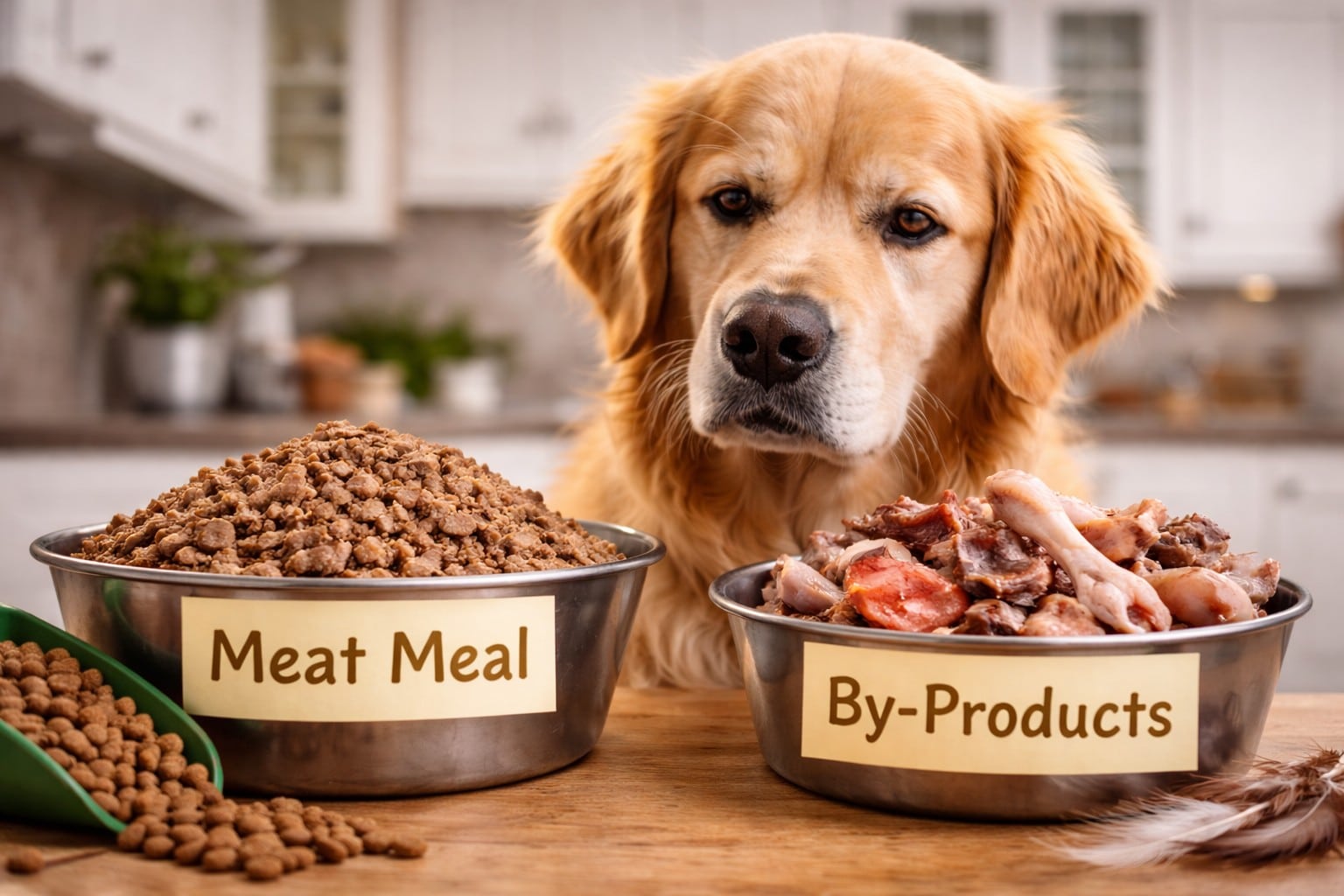
What they are:
Meat by-products consist of non-muscle animal parts such as lungs, spleen, kidneys, brain, liver, bone, blood, and fatty tissue. They are typically produced through rendering, a high-heat industrial process that separates fat and protein from animal waste materials. During rendering, animal tissues are cooked at high temperatures to remove moisture and fat, leaving behind a concentrated protein material that can be ground into meal and added to pet food.
Why they’re used:
Meat by-products are used because they are significantly less expensive than whole, named muscle meats. Rendering allows manufacturers to repurpose leftover animal materials from slaughterhouses that are not sold for human consumption. These ingredients can boost protein percentages on the label at a lower cost, helping keep production expenses down while still meeting minimum nutritional requirements established by regulatory guidelines.
Why they’re controversial:
The term does not specify species or quality. Sources may include animals not approved for human consumption. High-heat rendering can degrade nutrients and increase oxidation byproducts.
The concern is not organ meat itself, but the lack of sourcing transparency and quality control surrounding how these materials are selected and processed.
7. Meat & Bone Meal
What it is:
Meat and bone meal is a dry, rendered product made by cooking animal tissues at high temperatures, then grinding the remaining material into a fine powder. It can include bone, fat, connective tissue, cartilage, and unspecified meat remnants.
Rendering involves heating animal byproducts to separate fat and moisture from protein and mineral components. The final product is shelf-stable and highly concentrated, making it easy to incorporate into dry dog food formulas.
Why it’s used:
Meat and bone meal is inexpensive and protein-dense. Because much of the moisture has been removed during processing, it allows manufacturers to list a higher protein percentage on the label. It also provides calcium and phosphorus from bone content, helping meet minimum mineral requirements in kibble.
From a manufacturing standpoint, it is cost-efficient, shelf-stable, and easy to transport in bulk.
Why it’s controversial:
Rendering temperatures can exceed 250°F, which may damage heat-sensitive amino acids and reduce overall protein bioavailability. High heat processing can also lead to the formation of advanced glycation end products, compounds associated with inflammation and oxidative stress.
Another concern is ingredient vagueness. Unlike “chicken meal” or “beef meal,” the term “meat and bone meal” does not specify the animal source. This lack of transparency makes it difficult for pet owners to assess quality or identify potential allergens.
There is also variability in composition. Because it can include differing ratios of bone to soft tissue, the nutritional consistency may vary between batches.
The issue is not that bone or organ tissues are inherently harmful. The concern lies in sourcing, processing intensity, and the absence of clear labeling, all of which can impact nutrient quality and long-term digestive health.
8. Corn Syrup
What it is:
Corn syrup is a highly processed sweetener made by breaking down cornstarch into simple glucose molecules using industrial enzymes. The process typically involves treating cornstarch with acids and enzymes such as alpha-amylase and glucoamylase, which convert complex starch chains into concentrated glucose syrup.
Why it’s used:
Corn syrup is added to some dog foods and treats to enhance flavor and increase palatability, especially in lower-quality formulas that may not taste appealing on their own. Its sticky texture can also help bind ingredients together in soft or semi-moist products.
Why it’s controversial:
Corn syrup provides calories without meaningful nutritional value. It rapidly increases blood sugar levels, which can contribute to weight gain, insulin spikes, and metabolic stress when consumed regularly. Over time, excessive added sugars may increase the risk of obesity and related health issues.
Because dogs do not require added sugars in their diet, many experts consider corn syrup an unnecessary filler and one of the more avoidable additives in dog food.
9. Corn Gluten Meal
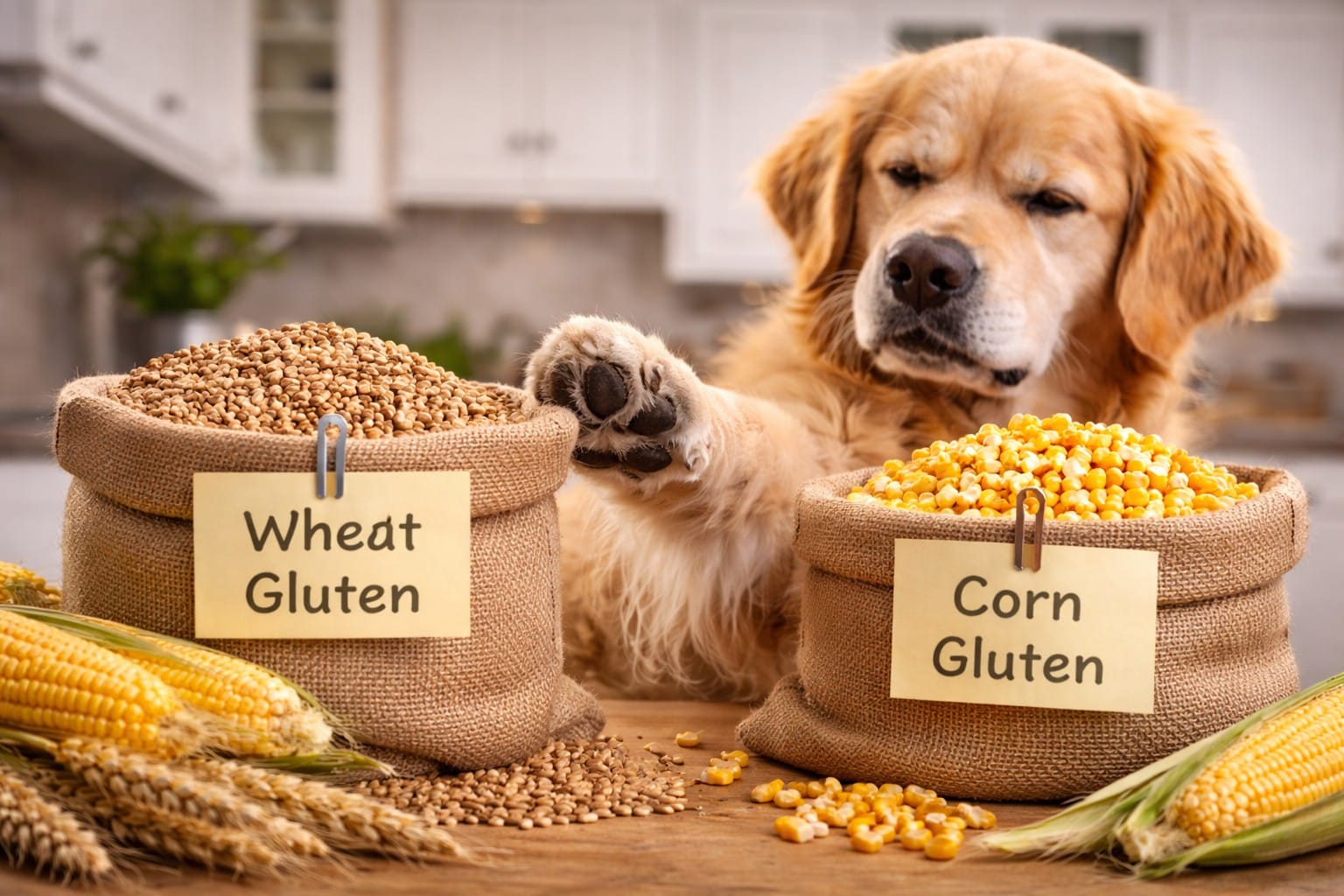
What it is:
Corn gluten meal is a byproduct of industrial corn processing. After corn kernels are soaked, ground, and separated to extract starch (used in sweeteners and other products), the remaining protein-rich fraction is dried into a yellow powder. Despite the name, it does not contain gluten in the same way wheat does. It is primarily composed of plant proteins such as zein and glutelin.
Why it’s used:
It is inexpensive, shelf-stable, and highly concentrated in crude protein. Because it contains roughly 60 percent protein by weight, manufacturers use it to increase the protein percentage listed on dog food labels without adding costly animal meat.
Why it’s controversial:
While corn gluten meal does contain protein, it lacks the full amino acid profile dogs require, particularly adequate levels of lysine and tryptophan. Dogs are biologically adapted to utilize animal-based proteins more efficiently. Using plant concentrates to inflate protein numbers can create the impression of a high-protein formula, even when animal protein levels are lower. For pet owners reviewing ingredients to avoid in dog food, this is often considered a “protein booster” rather than a quality protein source.
10. Wheat Gluten
What it is:
Wheat gluten is the concentrated protein portion of wheat flour. During processing, wheat dough is washed with water to remove starch, leaving behind a sticky, elastic mass composed mostly of gluten proteins such as gliadin and glutenin. This material is then dried and powdered for use in food manufacturing.
Why it’s used:
Like corn gluten meal, wheat gluten is a cost-effective way to increase crude protein percentages in dry kibble. It also acts as a binding agent, helping kibble maintain structure during extrusion.
Why it’s controversial:
Wheat gluten is less biologically appropriate than animal protein and may be harder for some dogs to digest. While not all dogs are sensitive to wheat, it is one of the more common ingredients associated with food sensitivities. The primary concern is not toxicity, but nutritional quality and digestibility compared to named animal protein sources.
11. Beef Tallow (Low-Quality Rendered Fat)
What it is:
Beef tallow is rendered fat obtained from cattle tissues. During rendering, fatty tissues are heated to separate fat from water and solids. The resulting fat is clarified and solidifies at room temperature.
Why it’s used:
Fat enhances flavor and palatability in dog food. It also increases calorie density and improves texture. In lower-cost formulas, rendered fats are used because they are inexpensive and widely available.
Why it’s controversial:
Fat itself is not harmful and is essential in a dog’s diet. The concern arises when fat sources are low quality, poorly preserved, or exposed to oxygen and heat. Oxidized fats can form lipid peroxides and free radicals, compounds associated with cellular stress and inflammation. Additionally, when the ingredient is listed simply as “animal fat” or generic tallow, it lacks transparency regarding sourcing and quality control.
12. Carrageenan
What it is:
Carrageenan is a polysaccharide extracted from red seaweed. It is processed by boiling seaweed in alkaline solutions to isolate the thickening compounds, which are then purified and dried into powder form. It is commonly used in wet dog food to improve texture and create a uniform consistency.
Why it’s used:
It stabilizes moisture, prevents ingredient separation, and gives canned food a smooth, gel-like structure.
Why it’s controversial:
There are two forms: food-grade carrageenan and degraded carrageenan (also called poligeenan). Degraded carrageenan has been shown in laboratory studies to promote intestinal inflammation. Although food-grade carrageenan is different, critics argue that acid digestion in the stomach may partially break it down. While regulatory agencies consider it safe at approved levels, some pet owners choose to avoid it due to its potential link to gastrointestinal irritation.
13. Sodium Hexametaphosphate
What it is:
Sodium hexametaphosphate is a synthetic inorganic phosphate created by heating monosodium phosphate to form long-chain phosphate polymers. It is commonly used in both human and pet products.
Why it’s used:
In dog food, it is added to help reduce tartar buildup by binding calcium in saliva, preventing it from forming plaque on teeth.
Why it’s controversial:
Phosphates are necessary minerals, but excessive intake may contribute to kidney strain, particularly in senior dogs or those with underlying kidney disease. While small amounts are generally considered safe, some pet owners prefer avoiding synthetic phosphate additives when possible.
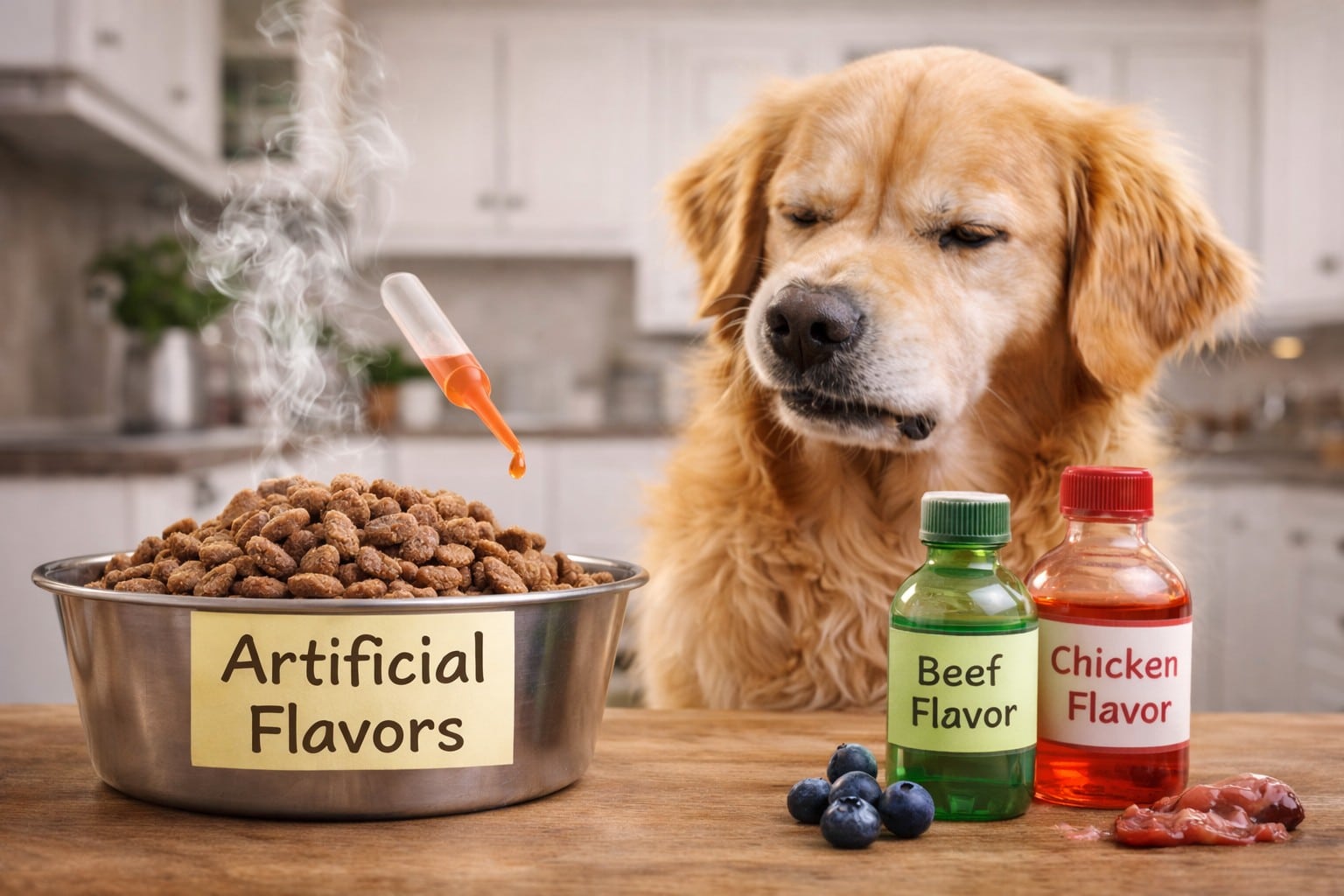
14. Artificial Flavor
What it is:
Artificial flavor in pet food often refers to chemically processed flavor enhancers made from hydrolyzed animal tissues. During hydrolysis, animal byproducts are treated with heat, acids, or enzymes to break proteins into smaller amino acids and peptides, creating a concentrated savory spray.
Why it’s used:
It improves palatability, especially in formulas that may lack high-quality fresh meat ingredients. The spray is typically applied to the surface of kibble after cooking.
Why it’s controversial:
The term “artificial flavor” lacks specificity. It does not require manufacturers to disclose the animal species or quality of source materials. This lack of transparency can make it difficult for pet owners to evaluate ingredient quality or identify allergens.
15. MSG (Monosodium Glutamate)
What it is:
MSG is the sodium salt of glutamic acid, produced through fermentation of carbohydrate sources such as corn, sugar beets, or molasses. The fermentation process uses bacteria to convert sugars into glutamate, which is then purified and crystallized.
Why it’s used:
It enhances savory taste, making food more appealing. In pet food, it may increase acceptance of lower-quality formulations.
Why it’s controversial:
MSG is generally recognized as safe at regulated levels. However, it is sometimes criticized because it can be used to compensate for weaker natural flavors in heavily processed kibble. The concern is not necessarily toxicity, but the reliance on flavor enhancers instead of whole-food ingredients.
16. Generic “Animal Fat”
What it is:
Generic animal fat is rendered fat sourced from mixed or unspecified animal species. It is produced by heating animal tissues to separate fat from protein and moisture, similar to other rendering processes.
Why it’s used:
It is inexpensive, calorie-dense, and enhances flavor and aroma.
Why it’s controversial:
When the species is not identified, pet owners cannot assess sourcing quality or allergen risk. Additionally, like other rendered fats, improper storage or preservation can lead to oxidation. Transparent labeling, such as “chicken fat” or “salmon oil,” is generally considered preferable to vague ingredient names.
Why Dog Food Ingredient Awareness Matters
Many bad additives in dog food exist for one primary reason: cost efficiency. Synthetic preservatives extend shelf life. Artificial flavors make low-grade ingredients taste appealing. Fillers inflate protein percentages cheaply. And your dog’s body processes these substances daily when it’s included in their food.
Understanding harmful ingredients in dog food helps you avoid unnecessary chemicals and choose foods that prioritize biological nutrition over industrial convenience. When scanning labels, remember: shorter ingredient lists, named protein sources, and natural preservatives are typically safer choices. Your dog relies entirely on you to read what they cannot.















 English (US) ·