
 1 month ago
42
1 month ago
42
Most dog owners spend more time choosing a new collar than decoding ingredient labels. That’s understandable , those lists are dense, full of chemical names, and genuinely hard to parse. But here’s the thing: what goes into your dog’s bowl every single day has a direct effect on their long-term health. Some ingredients common in commercial dog food have been linked in studies to digestive upset, hormonal disruption, inflammation, and increased cancer risk in laboratory animals.
This guide covers the most concerning harmful ingredients in dog food , what each one is, why it’s in there, and what the research actually says. You don’t need a chemistry degree. You just need to know what to look for the next time you flip a bag over.
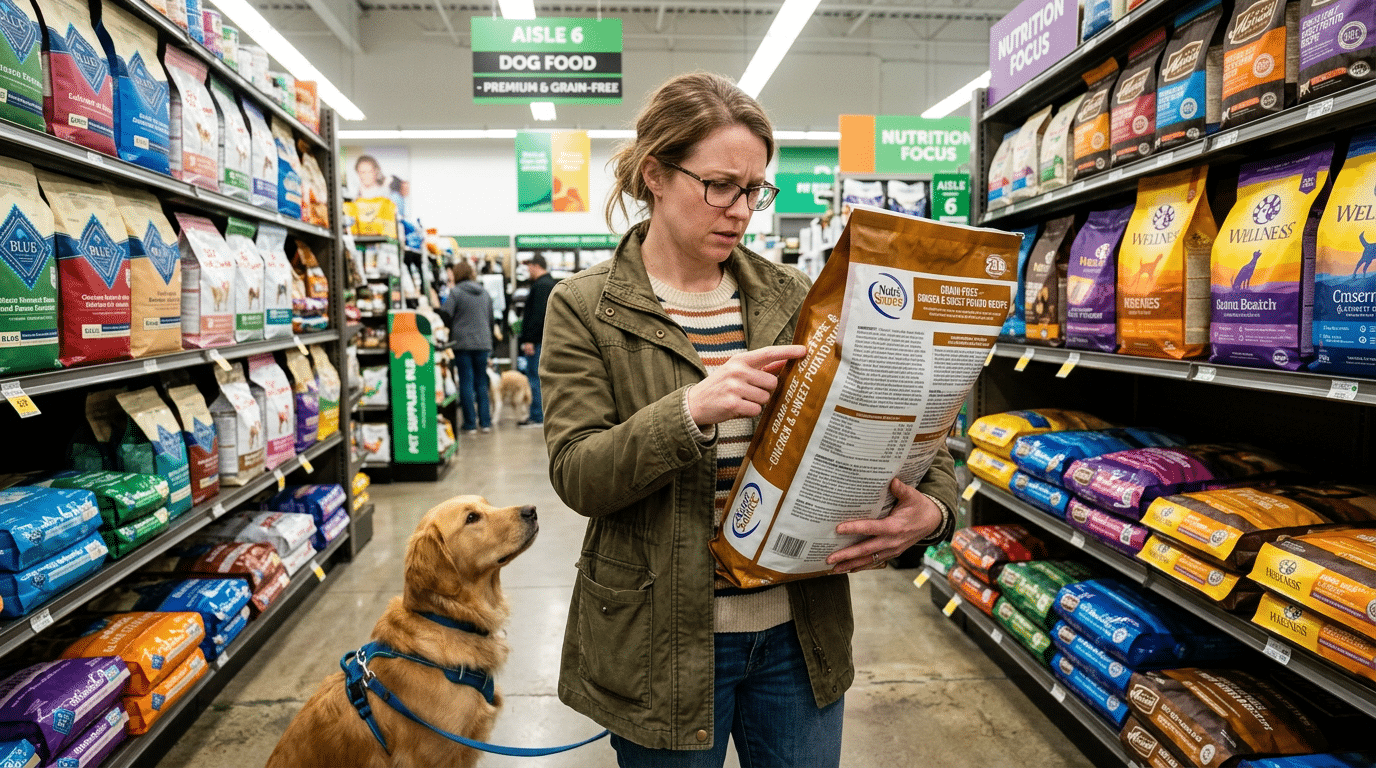
1. BHA and BHT
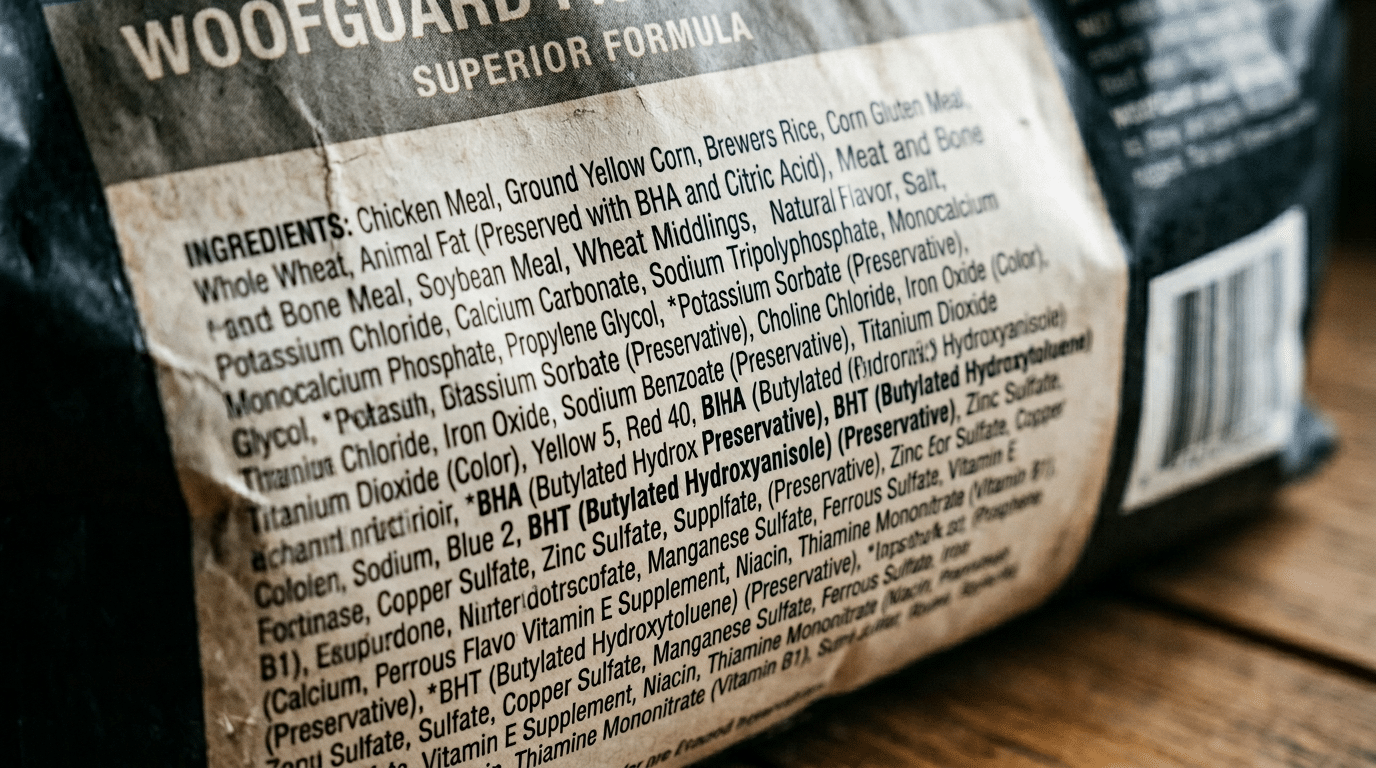
What they are: BHA (butylated hydroxyanisole) and BHT (butylated hydroxytoluene) are synthetic antioxidants derived from petroleum. Manufacturers add them to prevent fats from going rancid during long shelf storage, often 12 to 24 months. They’re among the most widely used synthetic preservatives in commercial kibble.
BHA is classified by the U.S. National Toxicology Program as “reasonably anticipated to be a human carcinogen,” based on animal studies. BHT has been linked in some research to liver and kidney changes at high doses. Both are still legal in pet food in the United States, though several international markets restrict or limit their use.
The real concern isn’t a single serving. It’s your dog eating the same kibble preserved with these compounds every day for a decade. That cumulative exposure is what keeps these preservatives on the radar of veterinary nutritionists.
On labels, look for: “BHA,” “BHT,” or their full chemical names. Better alternatives include mixed tocopherols (vitamin E) and rosemary extract.
2. Ethoxyquin
What it is: Ethoxyquin is a synthetic preservative originally developed as a pesticide and rubber stabilizer in the 1950s. It’s particularly effective at preventing fish meal , which contains highly unsaturated fats , from oxidizing during transport and storage.
It isn’t approved for direct use in human food in most countries. Some studies have linked it to elevated liver enzymes, reproductive concerns, and allergic responses in animals at higher exposure levels.
Here’s the tricky part: fish meal is often treated with ethoxyquin before arriving at a pet food facility, meaning it may not always appear on the final ingredient label. If you see “fish meal” without any preservative listed, it may still be present in the raw ingredient. If you’re concerned, contact the manufacturer directly and ask.
On labels, look for: “ethoxyquin.” Its absence on the label doesn’t always guarantee the ingredient is ethoxyquin-free if the formula contains fish meal.
3. Propylene Glycol
What it is: Propylene glycol is a petroleum-derived alcohol used as a humectant , it helps food retain moisture and stay soft. You’ll find it most often in semi-moist dog foods and chewy treats.
The FDA already banned propylene glycol from cat food after studies showed it caused Heinz body anemia in cats. Dogs metabolize it differently, so it’s still permitted for canine products. Even so, it’s a synthetic compound with no nutritional value, and some veterinarians recommend avoiding it given questions about cumulative long-term exposure.
On labels, look for: “propylene glycol.” It shows up most frequently in soft, chewy treat formulas and semi-moist products.
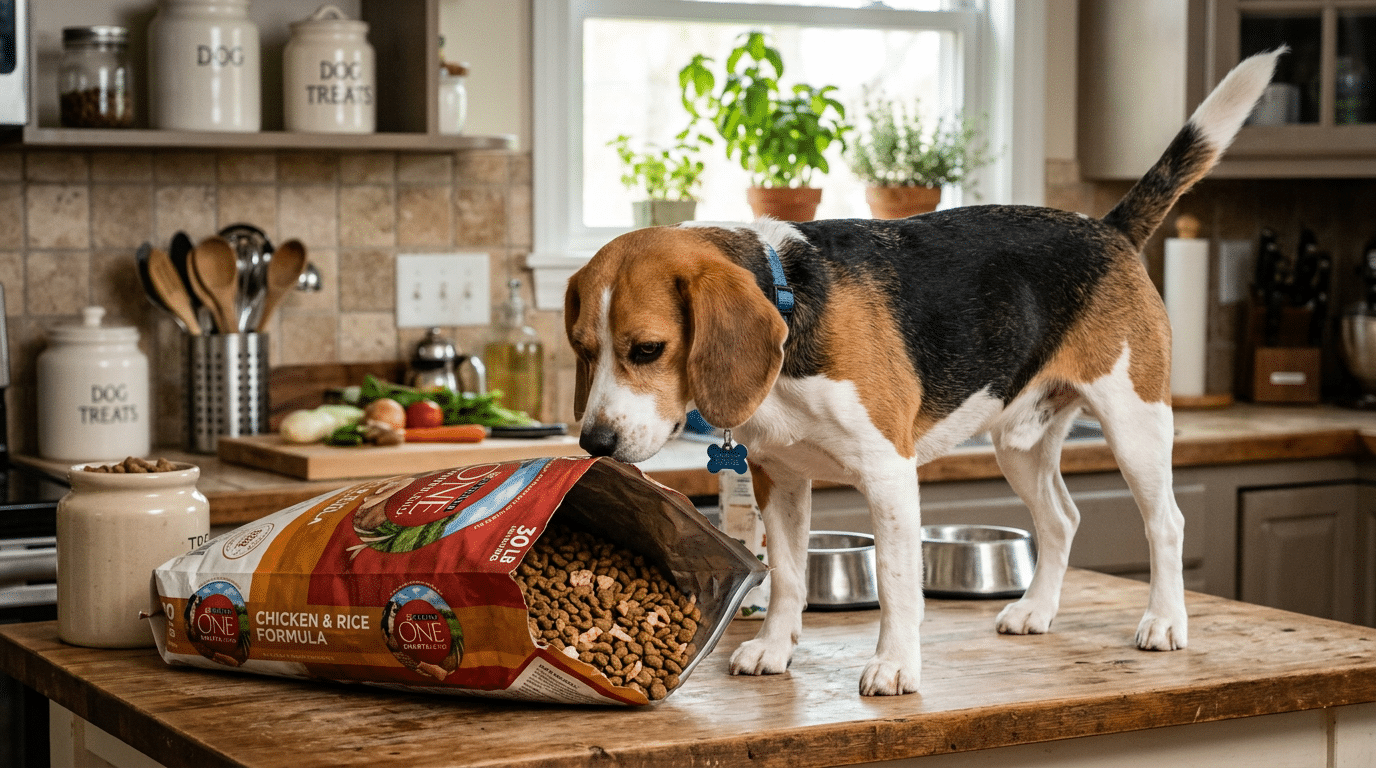
4. Artificial Food Colors (Red 40, Yellow 5, Yellow 6, Blue 2)
What they are: These are synthetic dyes derived from petroleum or coal tar. Red 40, Yellow 5, Yellow 6, and Blue 2 are added to kibble , not for your dog’s benefit, but for yours. Dogs don’t perceive color the way humans do, so bright, multicolored kibble shaped like little steaks is pure shelf appeal.
Some of these dyes raise genuine concerns. Blue 2 has been studied for potential links to tumor development in laboratory animals at high exposure levels. Yellow 5 and Yellow 6 have been associated with hypersensitivity reactions, raising questions about similar effects in dogs exposed repeatedly over time.
Honestly, if your dog’s food is artificially colored, ask yourself what the manufacturer is trying to dress up. Quality ingredients don’t need a paint job.
On labels, look for: “Red 40,” “Blue 2,” “Yellow 5,” “Yellow 6,” or any label starting with “FD&C” followed by a color name.
5. Low-Quality Meat By-Products
What they are: Meat by-products include non-muscle animal parts: lungs, spleen, brain, kidneys, blood, fatty tissue, and bone. Produced through rendering , a high-heat industrial process , they allow manufacturers to repurpose animal material not sold for human consumption at a fraction of the cost of whole meat.
Organ meat itself isn’t inherently bad. Fresh liver, kidney, and heart can be nutritious. The problem is quality control and transparency. “Meat by-products” doesn’t tell you which species it came from, what condition the animals were in, or whether those organs are nutritious tissue or low-grade waste material.
If you’re trying to understand what’s really in your dog’s dry food, by-products are one of the first places to scrutinize.
On labels, look for: “meat by-products,” “poultry by-products,” or any by-product without a named species. Prefer: “chicken,” “beef,” “turkey,” or “chicken meal” , named, single-species proteins you can actually identify.
6. Corn Syrup and Added Sugars
What they are: Corn syrup is a concentrated sweetener made by breaking down cornstarch with industrial enzymes. It provides calories with zero nutritional benefit and causes rapid blood sugar spikes after consumption.
Dogs don’t need added sugar. Period. Regular consumption can contribute to weight gain, insulin resistance, dental decay, and metabolic stress over time. Corn syrup is often added to make cheap, low-palatability formulas taste better , which should tell you something about the quality of the base ingredients.
On labels, look for: “corn syrup,” “cane sugar,” “molasses,” “fructose,” or “glucose.” Any sweetener in a savory dog food is a red flag worth investigating.
7. Artificial Flavors
What they are: “Artificial flavor” in pet food often means hydrolyzed animal tissues , byproducts treated with heat, acids, or enzymes to create a savory spray applied to kibble after cooking. The term doesn’t require manufacturers to disclose the animal species used or the quality of source materials.
The core issue isn’t necessarily toxicity. It’s that artificial flavoring compensates for low-quality base ingredients. A food that needs a chemical spray to smell appealing probably doesn’t contain much real, high-quality protein.
Brands worth trusting typically rely on quality protein sources for natural palatability. Learn what most people don’t realize about kibble and you’ll start reading labels very differently.
On labels, look for: “artificial flavor,” “flavor,” or “digest” (as in “chicken digest”) , which is a palatability spray made from processed animal tissue.
8. Carrageenan
What it is: Carrageenan is a thickening agent extracted from red seaweed. It’s widely used in wet dog food to create a smooth, gel-like texture and prevent ingredient separation during storage.
There are two forms: food-grade carrageenan and degraded carrageenan, also called poligeenan. Degraded carrageenan has been shown in laboratory studies to promote intestinal inflammation. The concern with food-grade carrageenan is that stomach acid may partially convert it into the degraded form during digestion. Some researchers have flagged this as a potential issue worth more study.
Regulatory agencies classify food-grade carrageenan as safe at approved levels. But if your dog has chronic digestive sensitivity, it may be worth checking. If you’re deciding whether wet food is the right choice for your dog, carrageenan content is one factor to consider.
On labels, look for: “carrageenan.” It appears most often in canned and wet dog food formulas.
9. Generic Rendered Fat
What it is: Rendered fat is produced by heating animal tissues to separate fat from protein and moisture. “Animal fat” as a label term means the species is unspecified , it could come from a mix of unknown sources.
Fat isn’t harmful. Your dog needs it. Named fat sources like “chicken fat” or “salmon oil” are perfectly fine and nutritionally useful. The red flag is the vague catch-all term “animal fat,” which offers zero transparency about sourcing or quality. Oxidized fats , formed when fat is stored poorly or insufficiently preserved , can contribute to cellular inflammation and reduce overall food quality.
On labels, look for: “animal fat,” “beef tallow,” or any rendered fat without a named species. Prefer: “chicken fat,” “salmon oil,” or “herring oil.”
10. Xylitol
What it is: Xylitol is a sugar alcohol used as a sweetener. It’s completely safe for humans , and acutely toxic to dogs.
Even small amounts can trigger a rapid insulin release in dogs, causing severe hypoglycemia (a dangerous drop in blood sugar). Higher doses can cause liver failure. The ASPCA Animal Poison Control Center lists xylitol as one of the most common causes of serious pet poisoning each year.
Xylitol shows up most often in dog dental products, flavored supplements, and treats rather than standard dry kibble. But its presence in the broader pet product market makes it critical to know. Always check ingredient labels on dental chews, breath fresheners, and flavored vitamins.
On labels, look for: “xylitol,” “birch sugar,” or “wood sugar.” If you see it in any dog product, don’t use it.
11. MSG (Monosodium Glutamate)
What it is: MSG is the sodium salt of glutamic acid, produced by fermenting carbohydrates like corn or sugar beets. It intensifies savory flavor, making food taste richer and more appealing than the underlying ingredients would suggest on their own.
MSG itself isn’t overtly toxic to dogs at low levels. The concern is what its presence implies: a formula relying on flavor enhancement rather than quality ingredients. If a food needs MSG to taste good, the underlying protein sources are probably not impressive.
It can also show up in disguised forms. “Hydrolyzed protein” and “yeast extract” both contain free glutamates that function similarly to added MSG.
On labels, look for: “monosodium glutamate,” “MSG,” “hydrolyzed vegetable protein,” “autolyzed yeast,” or “yeast extract.”
12. Excessive Salt
What it is: Some sodium is necessary in a dog’s diet for proper fluid balance and nerve function. The problem is when dog food contains excessive amounts , used mainly to boost palatability in cheaper, lower-quality formulas.
Too much sodium over time can strain the kidneys, raise blood pressure, and increase water consumption significantly. For dogs with heart disease, kidney issues, or hypertension, high sodium intake is especially concerning. AAFCO sets minimum sodium requirements for commercial dog food, but there’s no firm enforced upper limit on most products.
On labels, look for: where “salt” appears in the ingredient list. Ingredients are listed by weight, with the heaviest first. Salt listed in the top half of a long ingredient list signals excessive use , it should appear near the bottom.
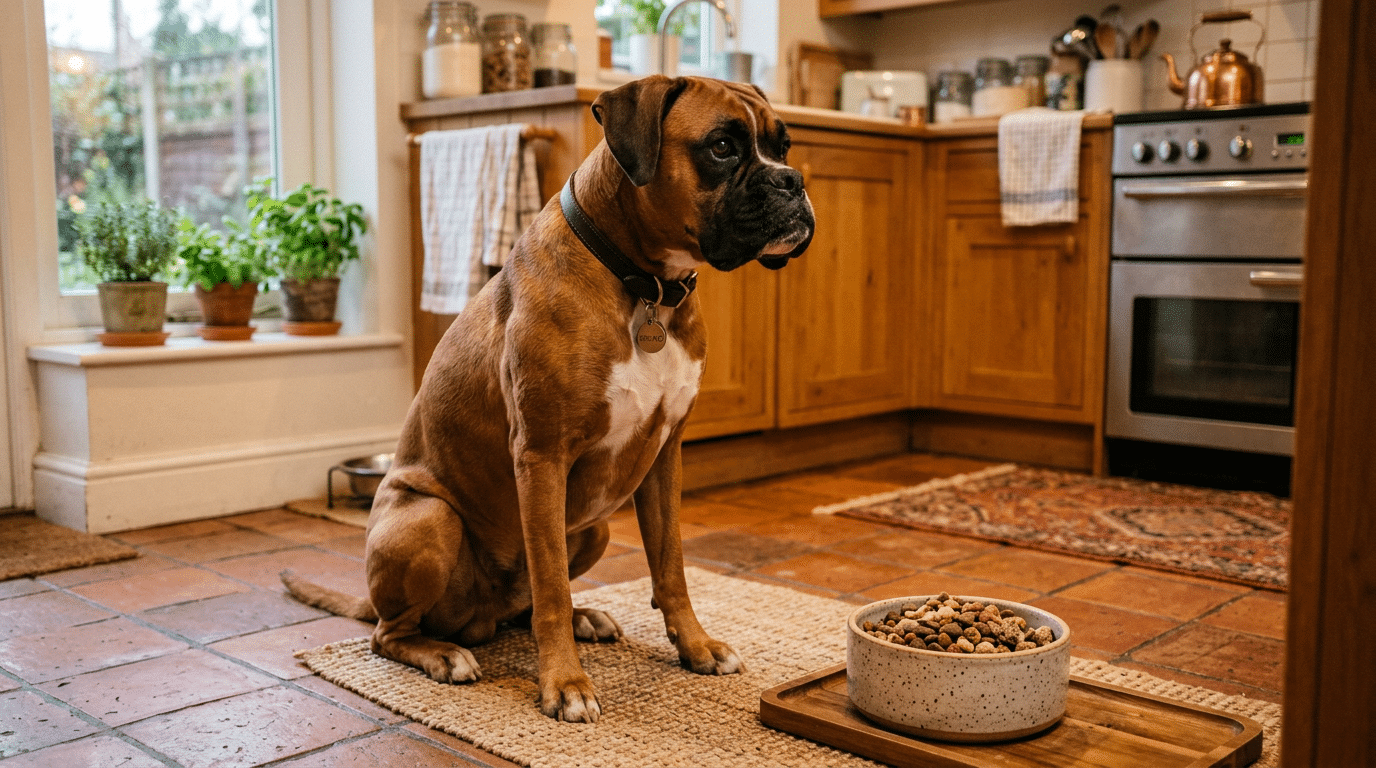
How to Read a Dog Food Ingredient Label
The ingredient list on a dog food bag can look like a chemistry exam. Here’s how to break it down quickly without getting overwhelmed.
Ingredients are listed by weight before processing. So fresh chicken listed first means raw chicken, which is mostly water. After processing, that chicken shrinks considerably. “Chicken meal,” which is pre-dried, actually delivers more concentrated protein per pound than fresh chicken listed first. Neither is inherently better or worse , understanding the distinction just helps you read the label accurately.
So don’t just look at what’s first. Look at what appears in the first five ingredients overall. If the first five are mostly corn, wheat, and soy with one vague protein source, that’s a low-quality formula no matter how appealing the packaging.
A few labeling rules the FDA and AAFCO actually require manufacturers to follow:
- The 95% rule: If a product says “Chicken Dog Food,” at least 95% of the total formula (minus water) must be chicken.
- The 25% rule: If it says “Chicken Dinner” or “Chicken Formula,” chicken must make up at least 25% of the product.
- The “with” rule: “Dog Food with Chicken” means chicken needs to be only 3% of the product.
- Flavor labeling: “Chicken Flavor” means there’s just enough chicken to be detectable , no minimum percentage required at all.
Reading wet food labels comes with its own learning curve. If you’re deciding between wet and dry options for your dog, here’s a solid breakdown of wet vs. dry dog food to guide that decision.
And if you want foods that may actively support your dog’s health rather than just meeting minimums, check out these whole foods you can add over your dog’s kibble for extra nutritional benefit.
Safe vs. Concerning Ingredients Quick Reference
| Preservatives | Mixed tocopherols (vitamin E), rosemary extract, ascorbic acid | BHA, BHT, ethoxyquin |
| Protein Sources | Named meats (chicken, beef, salmon), named meals (chicken meal, turkey meal) | Meat by-products, meat and bone meal, generic “animal protein” |
| Fat Sources | Chicken fat, salmon oil, herring oil, flaxseed oil | Generic “animal fat,” beef tallow (unspecified source) |
| Colors | No artificial colors (whole food ingredients provide natural color) | Red 40, Yellow 5, Yellow 6, Blue 2, any FD&C dye |
| Sweeteners | No added sweeteners needed in a complete dog food | Corn syrup, cane sugar, molasses, xylitol (toxic), fructose |
| Flavor Enhancers | Natural flavor from whole meat ingredients | Artificial flavor, MSG, hydrolyzed protein, chicken/beef digest |
| Thickeners (wet food) | Guar gum, agar, tapioca starch | Carrageenan (especially for sensitive dogs) |
| Humectants | Vegetable glycerin (from plant sources) | Propylene glycol |
Are you feeding your dog a food that shows up on the safer side of this chart? If you’re unsure and currently feeding dry kibble, it’s worth a closer look at what most people don’t know about dry dog food before your next bag purchase.
Frequently Asked Questions
What are the most harmful ingredients in dog food?
The ingredients that raise the most concern for long-term canine health are BHA and BHT (synthetic preservatives classified as potential carcinogens), ethoxyquin (a pesticide-derived preservative), artificial food colors like Red 40 and Blue 2 (petroleum-derived dyes with no nutritional purpose), propylene glycol (a petroleum-derived humectant banned in cat food), and xylitol (which is acutely toxic to dogs and can cause liver failure even in small amounts). Vague ingredient terms like “meat by-products,” “animal fat,” and “artificial flavor” are also worth scrutinizing because they indicate low sourcing transparency.
Is BHA in dog food dangerous?
BHA is classified by the U.S. National Toxicology Program as “reasonably anticipated to be a human carcinogen” based on animal studies. While the amounts approved for use in pet food are regulated and considered low by individual meal standards, the real concern is cumulative exposure over a dog’s lifetime of eating the same preserved kibble every day. Many pet owners and veterinarians prefer foods preserved with natural alternatives like mixed tocopherols (vitamin E) or rosemary extract.
What should I look for on a dog food ingredient list?
Look for named animal proteins in the first several ingredients: chicken, beef, salmon, or their meal equivalents like “chicken meal.” Natural preservatives (mixed tocopherols, rosemary extract) are preferable to BHA, BHT, or ethoxyquin. Named fat sources like “chicken fat” or “salmon oil” are better than generic “animal fat.” Shorter, more transparent ingredient lists with recognizable whole-food components are generally a positive sign. Avoid foods where the first several ingredients are grains, starches, or vague protein concentrates.
Is carrageenan bad for dogs?
Food-grade carrageenan is classified as safe by regulatory agencies at approved levels. However, some researchers have raised concerns that stomach acid may partially convert it into degraded carrageenan (poligeenan) during digestion, which has been shown to promote intestinal inflammation in laboratory studies. For most healthy dogs, carrageenan in wet food is unlikely to cause acute problems. But for dogs with chronic digestive sensitivity or inflammatory bowel conditions, it may be worth choosing a carrageenan-free wet food as a precaution.
Can xylitol kill a dog?
Yes. Xylitol is one of the most acutely toxic substances your dog can ingest. Even small amounts can cause a rapid and severe drop in blood sugar (hypoglycemia), and larger doses can lead to liver failure. The ASPCA Animal Poison Control Center treats xylitol poisoning as a veterinary emergency. If your dog has consumed anything containing xylitol, contact your veterinarian or the ASPCA Poison Control hotline (888-426-4435) immediately. Check ingredient labels carefully on dental chews, breath treats, flavored supplements, and any human food you share with your dog.
How do I know if my dog’s food has bad ingredients?
Flip the bag over and read the ingredient list, not the front-of-package claims. Look specifically for BHA, BHT, ethoxyquin, artificial colors (Red 40, Blue 2, Yellow 5/6), propylene glycol, corn syrup, “meat by-products” without a named species, and “artificial flavor.” If you see several of these in a single formula, it’s worth considering a higher-quality alternative. The AKC and several veterinary nutrition organizations publish guidance on evaluating pet food labels that can help you assess any specific product.
You Have More Control Than You Think
Dog food labels are designed to be confusing. Long ingredient lists, vague terms, and health claims that don’t mean what they sound like , it’s a lot to sort through. But now you know what to look for.
The next time you’re shopping, flip the bag over before you put it in the cart. Check the first five ingredients. Scan for BHA, BHT, ethoxyquin, corn syrup, and artificial colors. If the list reads more like a chemistry textbook than a recipe, that tells you something.
You don’t have to find the perfect food. You just have to find a better one than what your dog is eating now. That’s always within reach.














 English (US) ·