
 2 days ago
4
2 days ago
4
Searching for dog breed information and can’t quite remember the name? Sometimes all you know is it started with a “P.” Turns out, that narrows it down to a pretty impressive group. From tiny lapdog royalty to powerful working giants, the letter P covers a surprisingly wide range of personalities, sizes, and purposes.
We’ve pulled together 20 dog breeds that start with P for 2026, with real details on each breed’s temperament, size, and what kind of home they do best in. Whether you’re researching your next dog or just satisfying some curiosity, this list has you covered.
🐾 Quick Reference: 20 Dog Breeds Starting with P
| Papillon | Small (5-10 lbs) | Toy | High |
| Pekingese | Small (7-14 lbs) | Toy | Low |
| Pembroke Welsh Corgi | Medium (25-30 lbs) | Herding | High |
| Peruvian Inca Orchid | Small-Large | Hound | Medium |
| Petit Basset Griffon Vendeen | Small (25-40 lbs) | Hound | High |
| Pharaoh Hound | Medium (45-55 lbs) | Hound | High |
| Plott Hound | Medium (40-60 lbs) | Hound | High |
| Pointer | Large (44-75 lbs) | Sporting | Very High |
| Polish Lowland Sheepdog | Medium (30-50 lbs) | Herding | High |
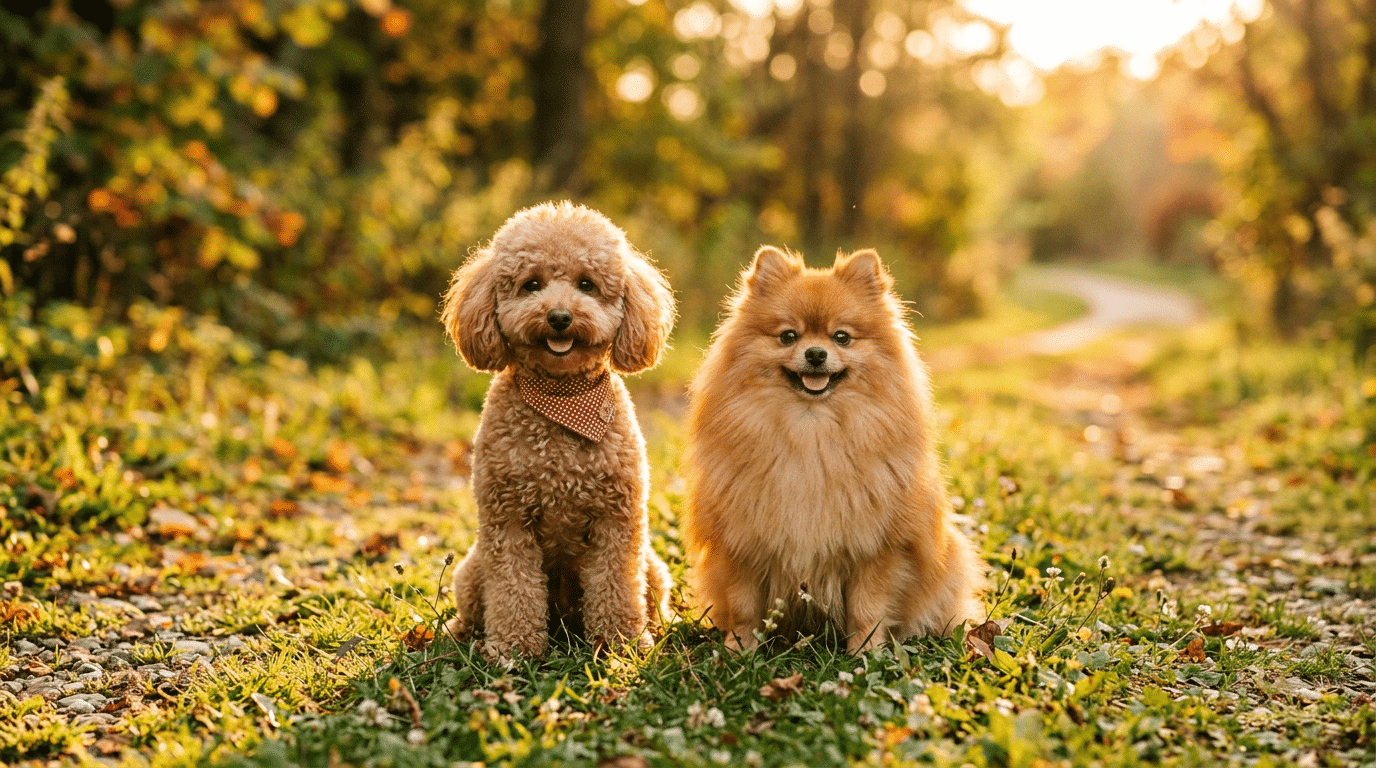
| Pomeranian | Small (3-7 lbs) | Toy | Medium |
| Poodle | Toy to Standard | Non-Sporting | Medium-High |
| Portuguese Podengo Pequeno | Small (9-13 lbs) | Hound | High |
| Portuguese Water Dog | Medium (35-60 lbs) | Working | High |
| Presa Canario | Large (80-110 lbs) | Working | Medium |
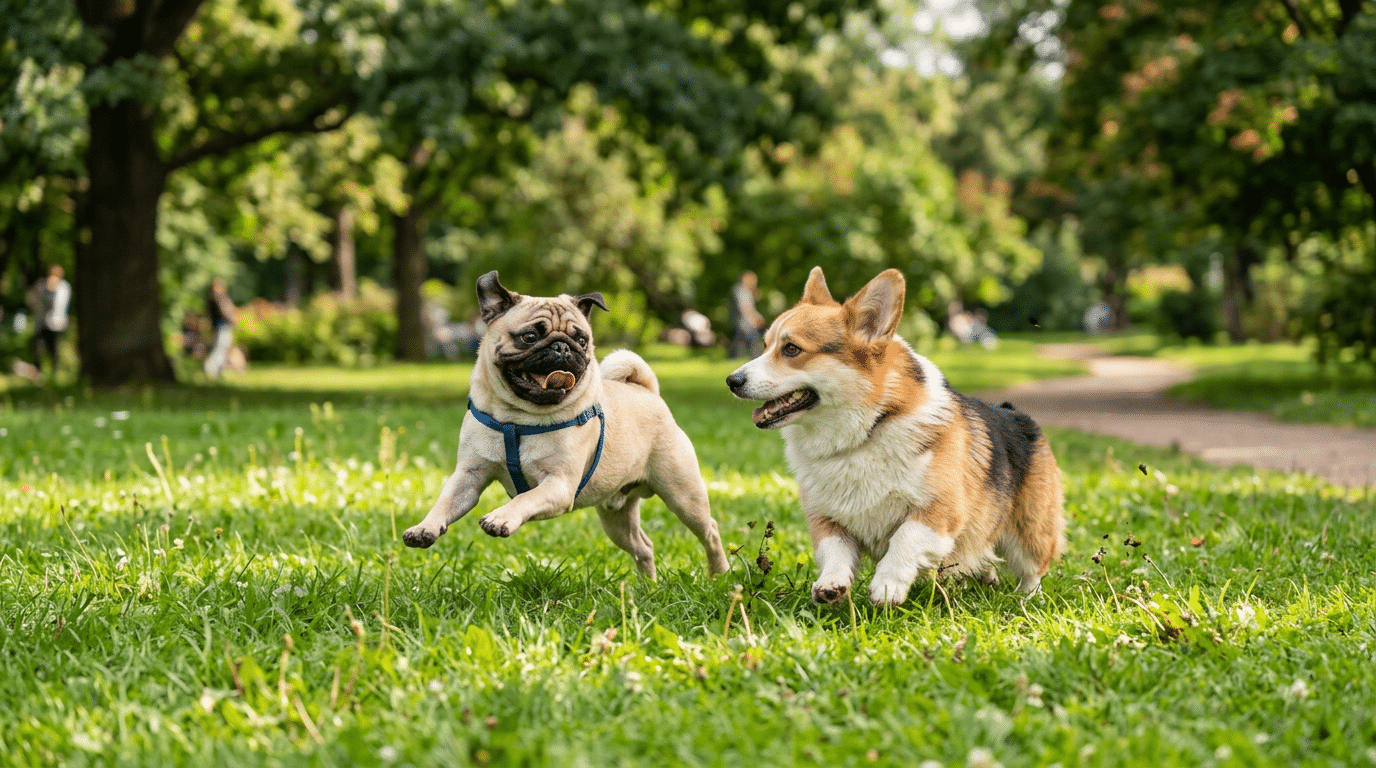
| Pug | Small (14-18 lbs) | Toy | Low-Medium |
| Puli | Medium (25-35 lbs) | Herding | High |
| Pumi | Medium (22-29 lbs) | Herding | Very High |
| Pyrenean Mastiff | Giant (120-240 lbs) | Working | Low-Medium |
| Pyrenean Shepherd | Small-Medium (15-30 lbs) | Herding | Very High |
| Peruvian Inca Orchid | Small-Large | Hound | Medium-High |

1. Papillon
The name means “butterfly” in French, and once you see those wing-like ears, you’ll never forget it. Papillons are small dogs with massive energy and an even bigger personality. They weigh between 5-10 pounds but move with the confidence of a dog three times their size.
What surprises most owners? These little guys are genuinely athletic. Papillons regularly compete in and win agility trials against much larger breeds. They’re quick learners and absolutely thrive with daily mental challenges. Without enough stimulation, they’ll find their own entertainment, which isn’t always great for your furniture.
Good with kids, adaptable to apartment life, and surprisingly sturdy for a toy breed. If you want a small dog that doesn’t act like a small dog, the Papillon delivers.
2. Pekingese
For over 2,000 years, the Pekingese lived exclusively with Chinese royalty. Commoners weren’t allowed to own them, and theft was punishable by death. That history left a mark on the breed’s personality, honestly. They still carry themselves like they deserve the royal treatment, and they’re not wrong.
These dogs are affectionate with their family but notoriously stubborn. Training works best when you make them think it was their idea. They’re not the breed for someone who wants an eager-to-please pup. But if you want a loyal, low-energy companion who’ll curl up next to you and look gorgeous doing it, the Pekingese delivers every time.
One real consideration: those adorable flat faces put them in the brachycephalic category, meaning they can struggle in heat and humidity. Keep them cool in summer.
3. Pembroke Welsh Corgi
You probably know this one. The Pembroke Welsh Corgi exploded in popularity over the past decade, boosted by Queen Elizabeth II’s lifelong love of the breed and a tidal wave of social media photos. But popularity aside, these dogs genuinely earn their fanbase.
Corgis are herding dogs packed into a surprisingly small frame. They weigh 25-30 pounds, stand about 10-12 inches tall, and those short legs don’t slow them down one bit. They’re smart, trainable, and surprisingly athletic. They need real exercise, not just a stroll around the block.
The herding instinct means they may try to “herd” your kids or other pets by nipping at heels. A bit of consistent training redirects this easily. Corgis are one of the best all-around family dogs you’ll find, full stop.
4. Peruvian Inca Orchid
One of the world’s oldest and rarest breeds, the Peruvian Inca Orchid (PIO) dates back to pre-Incan civilizations. You’ve likely never seen one in person, and that’s a shame. They’re strikingly elegant dogs, available in three sizes (small, medium, large) and two coat varieties: hairless and coated.
The hairless version is particularly distinctive, with smooth skin that can range from pale to dark chocolate or spotted. Their skin needs sunscreen in strong sun, just like yours would. Despite their exotic appearance, they’re affectionate family dogs that bond intensely with their people. They can be cautious with strangers, so early socialization matters a lot for this breed.
5. Petit Basset Griffon Vendeen
Say that five times fast. Most people just call them PBGVs. These French scent hounds were built for hunting in the dense, rough terrain of the Vendeen region, and they still have that same stubborn, independent streak today.
They’re cheerful, curious, and always ready for an adventure. That nose leads the way wherever they go, which means a fenced yard is pretty much a non-negotiable. Off-leash anywhere near interesting smells equals a dog that won’t come back until they’re ready. They’re charming and funny, though, and hard not to love.
6. Pharaoh Hound
Malta’s national dog is one of the most ancient breeds still alive today. The Pharaoh Hound’s appearance has barely changed in thousands of years, with a lean, elegant build, amber eyes, and those distinctive large ears. What really sets them apart? They blush. When excited or happy, their nose and ears flush bright pink, which is one of the most endearing things you’ll ever see a dog do.
Pharaoh Hounds are fast, athletic, and prey-driven. They need a lot of exercise and a secure yard. They’re affectionate with family but independent by nature. If you’ve had a sighthound before, you know the drill. If you haven’t, read up on the breed before committing, because they’re not for everyone.
7. Plott Hound
North Carolina’s state dog, the Plott Hound traces back to 1750 when Johannes Plott brought five Hanoverian hounds from Germany to the American colonies. His family bred them for over 200 years before the breed gained wider recognition. The AKC officially recognized Plotts in 2006.
These are tenacious hunting dogs, bred to track and bay at big game including bear and boar. They have a powerful nose, an impressive endurance, and a baying voice that carries for miles. As family dogs, they’re loyal and good-natured, but they need a job or serious exercise. A bored Plott is a destructive Plott.
8. Pointer
When a Pointer locks onto a scent, the whole body freezes, nose forward, one paw lifted, tail rigid. It’s one of the most dramatic instinctive behaviors in any dog breed, and it’s still just as strong today as it was 300 years ago when hunters first used them to locate game birds.
Pointers are built for speed and endurance. They need significant daily exercise, ideally 90 minutes or more. For active families with space to run, they’re wonderful. Sleek, powerful, friendly, and trainable. But if your lifestyle is more Netflix than trail running, look elsewhere. A Pointer cooped up in a small apartment becomes a very unhappy dog very quickly.
9. Polish Lowland Sheepdog
Known in Poland as the PON (Polski Owczarek Nizinny), the Polish Lowland Sheepdog nearly went extinct during World War II. Dedicated breeders, particularly Dr. Danuta Hryniewicz, rebuilt the breed from just a handful of surviving dogs. Today they’re a recognized AKC breed, but still pretty rare in the US.
They’re smart, confident, and sometimes stubborn. That shaggy coat covers a working dog through and through. PONs have a good memory and can hold a grudge, so consistent, positive training from puppyhood really pays off. They make devoted family dogs for owners who understand the herding dog temperament.
10. Pomeranian
Don’t be fooled by the fluff. Pomeranians have a big-dog attitude packed into a 3-7 pound frame. They’re alert, feisty, and surprisingly confident confronting dogs ten times their size, which occasionally gets them into trouble.
Their thick double coat sheds quite a bit, especially twice a year during seasonal blowouts. Regular brushing is non-negotiable. Beyond the grooming commitment, Poms are relatively low-maintenance compared to high-energy working breeds. They adapt well to apartment life, love short walks and play sessions, and are devoted to their people.
Worth noting: Poms can be prone to small dog health issues including dental problems (their mouths are tiny but have the same number of teeth), patellar luxation, and tracheal collapse. Regular vet checkups matter.
11. Poodle
If there’s one breed on this entire list that deserves more credit than it gets, it’s the Poodle. People think “fancy haircut and dog shows,” but the Poodle is actually one of the most capable, intelligent, and versatile breeds in the world. They were originally water retrievers, bred to fetch waterfowl for hunters. That elaborate pom-pom trim? It was functional, keeping joints and vital organs warm while reducing drag in cold water.
Poodles come in three sizes: Standard (over 15 inches, 40-70 lbs), Miniature (10-15 inches, 10-15 lbs), and Toy (under 10 inches, 4-6 lbs). All three sizes share the same intelligence and personality. They’re ranked as the second most intelligent dog breed by canine psychologist Stanley Coren, behind only the Border Collie.
Low-shedding, hypoallergenic-friendly, athletic, trainable, and great with kids. The Poodle is honestly hard to beat as an all-around family dog.
12. Portuguese Podengo Pequeno
The smallest of the three Portuguese Podengo varieties, the Pequeno (meaning “small” in Portuguese) weighs just 9-13 pounds. What they lack in size they more than make up for in energy and attitude. These quick, nimble little hunters were bred to chase rabbits through rocky terrain, and they’ve still got that drive in spades.
They come in two coat types: smooth and wire-haired. Both are equally spirited. Pequenos are curious, energetic, and surprisingly independent for such a small dog. They do well with active owners who can provide daily exercise and mental stimulation. Not ideal for couch potatoes, but perfect for someone who wants a small adventure partner.
13. Portuguese Water Dog
The Portuguese Water Dog hit its peak fame when President Obama’s family brought Bo and Sunny to the White House in 2009 and 2013. But PWDs have been working alongside Portuguese fishermen for centuries, herding fish into nets, retrieving lost gear, and carrying messages between boats.
They’re athletic, intelligent, and genuinely love water. Their wavy or curly coat is low-shedding, making them a solid choice for allergy-prone households. They do need significant exercise, around 60-90 minutes daily, and they’re happiest when they have a job to do. Without enough stimulation, they get creative about finding trouble.
14. Presa Canario
The Presa Canario (Perro de Presa Canario) is a powerhouse. These dogs weigh 80-110 pounds and were originally used in the Canary Islands for livestock work and as all-purpose farm dogs. They have a calm, watchful presence, but don’t mistake that for passivity. They’re protective and can be dominant with other animals.
This is not a breed for first-time dog owners. The Presa needs an experienced handler who understands how to establish leadership confidently and consistently. Early socialization and obedience training aren’t optional; they’re essential. With the right owner? They’re devoted, calm family protectors. In the wrong hands? The outcome isn’t good.
15. Pug
Few breeds have achieved the cultural staying power of the Pug. They’ve been internet stars, mascots, and beloved companions for centuries. Chinese emperors kept them. European royalty adored them. Today they’re one of America’s most recognizable dogs.
Pugs are genuinely hilarious. They snore, snort, grunt, and generally act like a tiny old man who’s seen it all and finds most of it slightly amusing. They want to be next to you, all the time. That’s not an exaggeration. They’re velcro dogs through and through.
The flat face does come with health tradeoffs. Pugs are brachycephalic, meaning they can struggle with breathing, especially in heat and humidity. They also love food and gain weight easily, which puts extra strain on their respiratory system. Pug health requires some vigilance, but for most owners, the personality more than compensates.
16. Puli
The Puli’s corded coat is one of the most distinctive looks in the dog world. Those natural rope-like cords develop over time from the breed’s thick, woolly undercoat and coarser outer coat. It looks high-maintenance, but mature cords are actually pretty easy to care for once established. Getting there takes a couple of years of dedicated work though.
Underneath all that hair is a quick, agile herding dog from Hungary. Pulis are smart and independent, with a sharp sense of humor. They’re devoted to their families but can be wary of strangers. Regular exercise is important; these aren’t dogs that are happy sitting around.
17. Pumi
The Pumi is Hungary’s other herding dog, and while it shares some ancestry with the Puli, it’s a distinctly different breed. The Pumi has a shorter, curlier coat (no cords), half-erect ears that fold forward, and a terrier-like attitude that makes them endlessly entertaining.
They’re athletic, vocal, and really smart. The AKC added them to its fully-recognized breed list in 2016, so they’re still relatively uncommon in the US. But breeders are out there, and the breed is gaining fans quickly. If you want a medium-energy, highly trainable dog that can do everything from agility to dog sports to family life, the Pumi is worth a serious look.
18. Pyrenean Mastiff
The Pyrenean Mastiff is one of those breeds that genuinely stops people in their tracks. These are enormous dogs, weighing anywhere from 120 to 240 pounds, with a thick white coat and a calm, dignified presence. They were bred in the Spanish Pyrenees to guard flocks from wolves and bears, and they took that job seriously.
Despite their size, they’re known for being gentle and even-tempered. They’re not aggressive by default, but they are protective, and a strange dog or person acting threateningly will absolutely get a response. They don’t need excessive exercise but they do need a lot of space. A Pyrenean Mastiff in a studio apartment is not a recipe for success.
19. Pyrenean Shepherd
While the Pyrenean Mastiff guarded the flock, the Pyrenean Shepherd did the actual herding. These two breeds worked together for centuries in the same mountain region, with totally different roles and totally different sizes. The Pyrenean Shepherd tops out around 30 pounds, quick and wiry where the Mastiff is massive and deliberate.
Pyrenean Shepherds are intense working dogs with serious energy levels. They need a lot of exercise and a lot of mental stimulation. They’re exceptionally smart and thrive in dog agility and herding competitions. For active, experienced owners, they’re brilliant companions. They’re not the right fit for sedentary homes.
🏠 Which P Breed Fits Your Life?
🏠 Apartment Living
- Pug
- Pomeranian
- Papillon
- Pekingese
👥 Families with Kids
- Poodle
- Pembroke Welsh Corgi
- Portuguese Water Dog
- Pointer
🌿 Allergy-Friendly
- Poodle
- Portuguese Water Dog
- Peruvian Inca Orchid (hairless)
🏃 Active Owners
- Pointer
- Pumi
- Pyrenean Shepherd
- Pharaoh Hound
🛡 Experienced Owners Only
- Presa Canario
- Plott Hound
- Puli
👤 First-Time Owners
- Poodle
- Pug
- Pembroke Welsh Corgi
- Pomeranian
Frequently Asked Questions About Dog Breeds That Start with P
How many dog breeds start with the letter P?
The AKC recognizes over 20 dog breeds that start with P, from tiny toy breeds like the Papillon and Pomeranian to large working dogs like the Pyrenean Mastiff and Presa Canario. Including rare and internationally recognized breeds, that number climbs even higher.
What is the most popular dog breed that starts with P?
The Poodle consistently ranks among the most popular breeds in the US and worldwide. Pomeranians and Pugs are also perennial favorites. The Pembroke Welsh Corgi surged in popularity in recent years, partly thanks to social media and its royal associations.
What dog breeds starting with P are good for families?
Several P breeds make fantastic family dogs. The Poodle is smart, gentle, and allergy-friendly. The Pembroke Welsh Corgi is playful and adaptable. The Pug thrives on human affection and does well with kids. The Pointer and Portuguese Water Dog are great for active families who love outdoor adventures.
Are there hypoallergenic dog breeds that start with P?
Yes. The Poodle is one of the most well-known low-shedding breeds, and the Portuguese Water Dog is another solid option. The hairless variety of the Peruvian Inca Orchid produces very little dander as well. No dog is 100% allergen-free, but these breeds cause fewer reactions for most allergy sufferers.
What is the smallest dog breed starting with P?
The Papillon and Pomeranian are among the smallest, typically weighing 3-7 pounds. The Portuguese Podengo Pequeno is also quite small at 9-13 pounds. For the absolute tiniest, the Prague Ratter (not covered above but worth mentioning) is considered one of the world’s smallest breeds overall.
What P breed is best for apartment living?
Pugs and Pomeranians adapt well to smaller spaces thanks to their compact size and moderate exercise needs. The Papillon is another good choice. Just avoid high-energy P breeds like the Pointer, Pumi, or Pyrenean Shepherd in an apartment unless you’re committed to giving them extensive daily outdoor exercise.
Finding Your Perfect “P” Breed
Twenty breeds, and we’ve barely scratched the surface of how different they all are. The Papillon and the Pyrenean Mastiff share a first letter and not much else. That’s what makes the letter P such an interesting slice of the dog world: it spans every size, energy level, coat type, and purpose imaginable.
A few things worth keeping in mind as you explore:
- High-energy working breeds (Pointer, Pumi, Pyrenean Shepherd) need real jobs or intense exercise, not just a daily walk.
- Brachycephalic breeds (Pug, Pekingese) need extra care in hot weather and regular vet monitoring for breathing issues.
- Guard-oriented breeds (Presa Canario, Pyrenean Mastiff) require experienced handling and early socialization.
- Several P breeds are excellent for allergy-sensitive families, especially the Poodle and Portuguese Water Dog.
The best dog isn’t the most popular one or the prettiest one. It’s the one whose energy, temperament, and needs actually match your lifestyle. Do that research before you fall in love with a photo, and you’ll end up with a dog that fits your life for the next 10-15 years.
Want to dig deeper? Browse our full breed profiles directory for detailed information on any of the dogs above, including health considerations, training tips, and what real owners say about life with each breed.






 English (US) ·