
 4 weeks ago
45
4 weeks ago
45
iHeartDogs is reader-supported. When you buy via links on our site, we may earn an affiliate commission at no extra cost to you.
Your dog’s gut does a lot of heavy lifting. It breaks down every meal, extracts nutrients, and supports the immune system. But sometimes that process hits a snag. Maybe your pup deals with loose stools, gassy episodes, or a stomach that just won’t settle. That’s where digestive enzyme supplements come in. They give your dog’s system a boost when it can’t quite keep up on its own.
We looked at dozens of options and narrowed it down to seven that actually deliver. Here are the best digestive enzyme supplements for dogs in 2026, based on ingredient quality, real owner feedback, and veterinary backing.

📊 Quick Facts: Digestive Enzymes for Dogs
- What they do: Help break down proteins, fats, and carbs so your dog absorbs more nutrients
- Who needs them: Dogs with sensitive stomachs, chronic gas, loose stools, or stool-eating habits
- Key enzymes: Protease, lipase, amylase, cellulase, papain, bromelain
- Best time to give: With meals, once daily (check label for specific dosage)
- Forms available: Soft chews, powders, capsules, liquids
Best Digestive Enzyme Supplements for Dogs in 2026
1. Zesty Paws Probiotic for Dogs
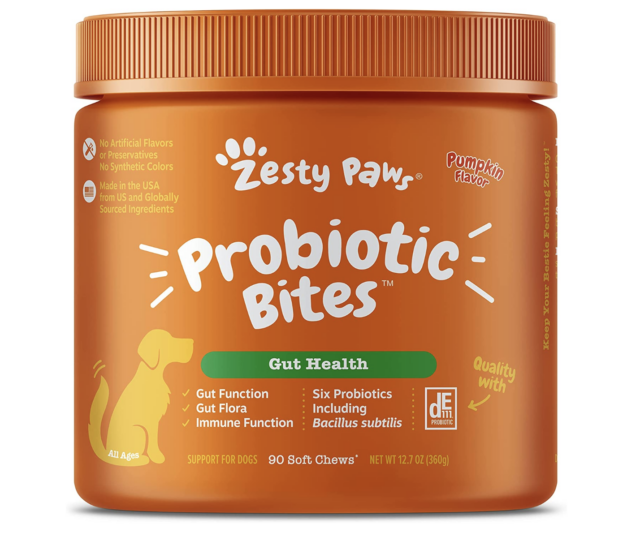
Zesty Paws is one of the most recognized names in pet supplements, and their probiotic bites live up to the reputation. These pumpkin-flavored soft chews contain six strains of probiotics, including Bacillus subtilis, along with natural digestive aids such as papaya, pumpkin, and flaxseed.
What makes these stand out? They tackle more than just digestion. The probiotic blend supports immune function, skin health, and nutrient absorption simultaneously. Most dogs love the flavor, and many owners report firmer stools within the first two weeks. No artificial flavors or preservatives, either.
Pros
- Soft, tasty pumpkin-flavored chews
- Six probiotic strains plus natural enzymes
- Free from artificial flavors and preservatives
- Noticeable results within 1-2 weeks for most dogs
Cons
- Chews can be crumbly in warm weather


2. Vetnique Labs Glandex
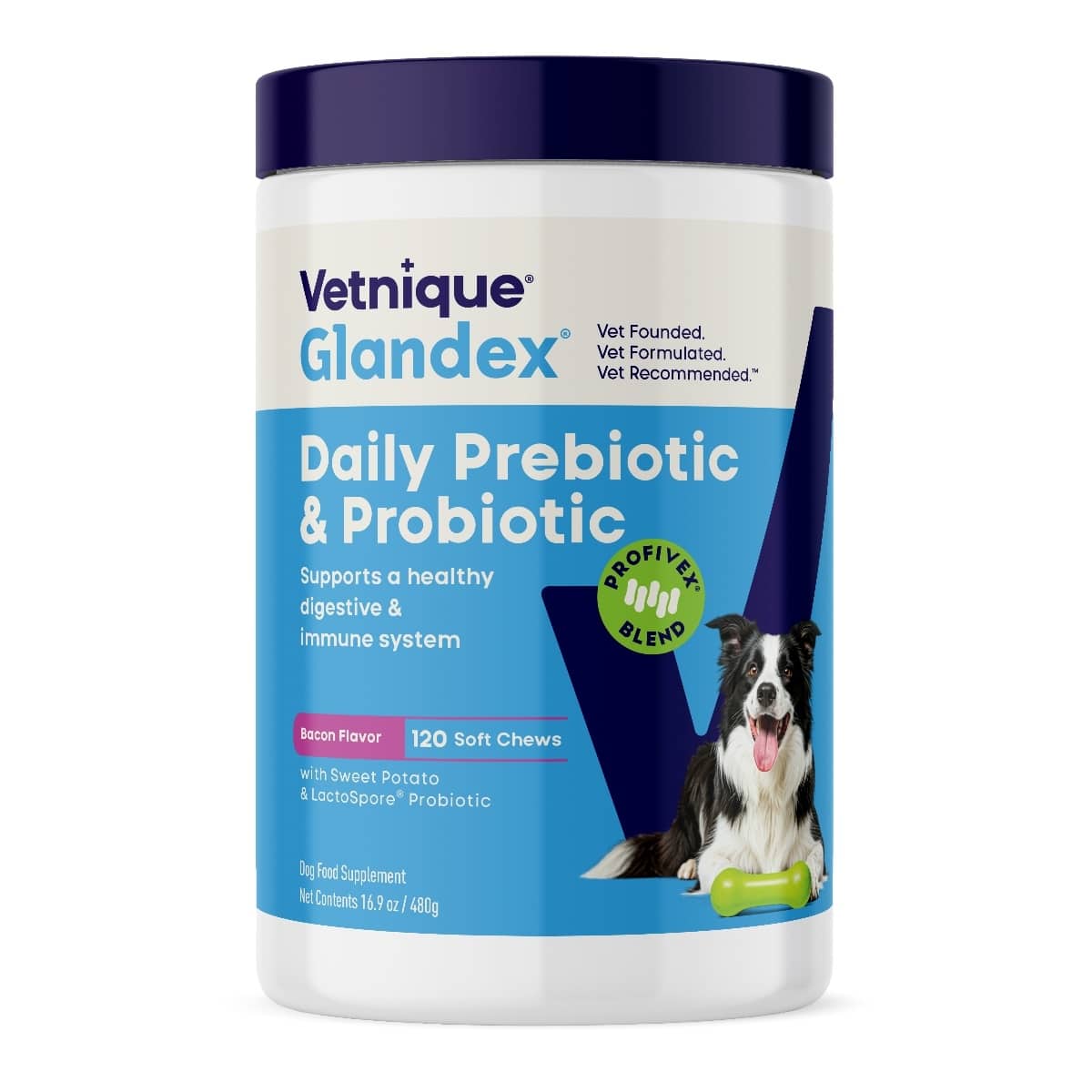
Runny poop and foul-smelling gas can make life miserable for everyone in the house. Glandex by Vetnique Labs was designed to address a problem most supplements ignore: anal gland health. These peanut butter-flavored chews contain a targeted blend of digestive enzymes, probiotics, and prebiotics that work together to firm stools and support regular gland expression.
The ingredient list is solid. Pumpkin, pineapple, flaxseed, and apple all help promote healthy digestion naturally. Vets recommend Glandex frequently, and it’s suitable for dogs of all ages and sizes. If your dog scoots across the carpet or has recurring gland issues, this one is worth trying first.
Pros
- Vet-recommended for anal gland support
- Firms up stools with natural fiber and enzymes
- Made with pumpkin, pineapple, and other whole-food ingredients
- Peanut butter flavor dogs love
Cons
- May cause vomiting in sensitive dogs when first introduced

3. TummyWorks Probiotic Soft Chews for Dogs
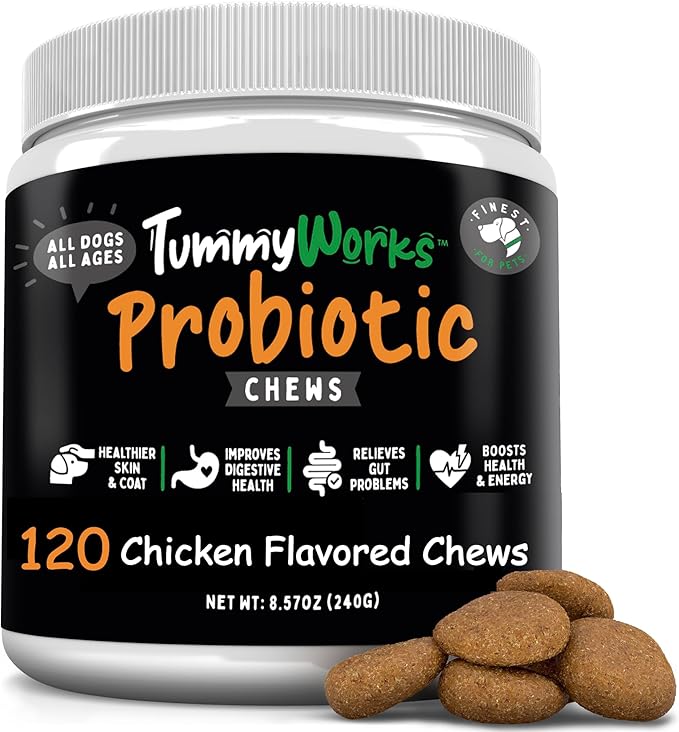
When your dog’s stomach is off, everything else suffers. Energy drops. Appetite fades. Coat quality declines. TummyWorks tackles the root cause with a blend of digestive enzymes, probiotics, and prebiotics packed into a chicken-flavored soft chew.
These supplements work quickly to relieve diarrhea, foul gas, and general stomach discomfort. The chicken flavor and enticing smell make them easy to give, even to picky eaters. They’re suitable for all breeds and ages, from puppies with sensitive systems to senior dogs who need extra support. Many owners notice improvements in both digestion and coat condition within a few weeks.
Pros
- Chicken flavor that even picky dogs enjoy
- Soft, treat-like texture for easy dosing
- Works well across all breeds and age groups
- Supports skin and coat health alongside digestion
Cons
- Chew texture can vary between batches
4. Nutri-Vet Pre and Probiotic Soft Chews for Dogs

Nutri-Vet partnered with veterinarians to create these pre- and probiotic chews, and the formula shows it. Over a billion microorganisms per serving work alongside dietary fiber and digestive enzymes to get your dog’s gut back on track. The cheese-and-liver flavor is a hit with most dogs, making daily dosing painless.
You can mix these into meals or hand them over as treats. Either way, the prebiotics and probiotics get to work fast, reducing gas, firming up loose stools, and supporting the immune system. The soft texture makes them manageable for dogs at every life stage, from teething puppies to older dogs with dental sensitivity.
Pros
- Cheese and liver flavor most dogs can’t resist
- Over a billion beneficial microorganisms per chew
- Flexible dosing: mix with food or give as a treat
- Supports immune and digestive health together
Cons
- Packaging occasionally arrives damaged
5. NaturVet Advanced Probiotics and Enzymes Supplement

Some dogs swallow their kibble like it’s a race. Others have systems that just don’t produce enough enzymes on their own anymore. NaturVet built this supplement for both scenarios. The vet-formulated blend includes amylase, lipase, cellulase, a PB6 probiotic, and papaya to help break down food when your dog’s digestive system falls short.
The chews taste good enough that most dogs eat them without any tricks. Whether you’re dealing with a young puppy who can’t keep food down or a senior dog whose digestion has slowed, NaturVet covers the bases. High-quality ingredients and a straightforward formula make this a reliable daily addition.
Pros
- Vet-formulated with targeted enzyme blend
- Includes amylase, lipase, cellulase, and PB6 probiotic
- Soft chews that double as treats
- Good for puppies through seniors
Cons
- Chews may crumble if stored improperly
Related: Best Prebiotic Supplements for Dogs
6. iHeartDogs 3-In-1 Probiotic Dog Chews

iHeartDogs designed their 3-in-1 probiotic to hit three targets at once: immune support, enzyme deficiency, and everyday digestive discomfort. These soft chews combine pumpkin, papaya, Bacillus coagulans, and key digestive enzymes, such as papain and bromelain, into a single daily supplement.
Dogs dealing with diarrhea, burping, or general stomach upset should see real improvement within a few weeks. The chews taste good and are easy to serve with meals or on their own. Made in the USA, this product also gives back: every bag purchased donates 12 healthy meals to shelter dogs. That’s a win for your pup and dogs in need.
Pros
- Three-in-one formula: probiotics, enzymes, and immune support
- Contains papain, bromelain, pumpkin, and Bacillus coagulans
- Rich in vitamins and minerals
- Every purchase donates 12 meals to shelter dogs
Cons
- Chews may be tough for very small dogs to handle

7. Vet’s Best Probiotic Soft Chews Dog Supplement

Vet’s Best keeps things clean with this one. No artificial flavors, no wheat, no gluten. Just a focused probiotic formula built around ocean kelp, a natural source of antioxidants and prebiotics that supports both gut health and immune function.
The chicken-flavored chews work to reduce loose stools, gas, and burping while promoting better oral hygiene on the side. Even picky eaters tend to take these willingly. If your dog does well on simple, no-nonsense formulas without a long ingredient list, Vet’s Best is a smart pick.
Pros
- Developed by veterinarians
- Contains ocean kelp for natural antioxidant support
- Free from artificial flavors, wheat, and gluten
- Chicken flavor appeals to picky eaters
Cons
- Flavor doesn’t work for every dog
How to Pick the Right Digestive Enzyme for Your Dog
Ingredients That Matter
The best digestive enzyme supplements share a few common traits. Look for probiotics (like Bacillus subtilis or Bacillus coagulans), prebiotics to feed those good bacteria, and actual enzymes like amylase, protease, and lipase. Natural ingredients such as pumpkin, papaya, and pineapple are bonuses that bring their own enzymatic properties to the table.
Red Flags to Watch For
Skip supplements loaded with artificial colors, flavors, or fillers like wheat and soy. These can actually make digestive problems worse in sensitive dogs. If your pup has known allergies, read the full ingredient list carefully before buying. And here’s a tip many owners miss: always check with your vet before starting a new supplement, especially if your dog takes medication.
If your dog vomits or has diarrhea after starting a supplement, stop using it and call your vet. Not every formula agrees with every dog. Start with a half dose for the first few days to give your pup’s system time to adjust.
Types of Digestive Enzyme Supplements
Soft chews are the most popular form because dogs treat them like snacks. But digestive enzymes also come as powders (great for mixing into wet food), capsules, and liquids. Some whole foods are natural enzyme sources too, including papaya, pumpkin, pineapple, and apple cider vinegar. You can serve those plain or pick a supplement that already includes them.
Most supplements work best when given with meals, though some flavored chews taste good enough for dogs to eat on their own. Once a day is standard, but always follow the dosage instructions on the label or your vet’s recommendation.
⚠️ When to Skip Digestive Enzymes
Not every dog needs an enzyme supplement. If your pup has regular, firm stools, no gas issues, and eats a balanced diet, they’re probably doing fine on their own. Digestive enzymes are most helpful for dogs showing clear signs of digestive trouble, such as loose stools, excessive gas, or stool-eating. Check with your vet before adding any supplement to your dog’s routine.
Frequently Asked Questions About Dog Digestive Enzymes
Are digestive enzymes good for dogs?
Yes, they can be. If your dog struggles with gas, loose stools, or nutrient absorption issues, digestive enzyme supplements help break down food more efficiently. They’re especially useful for dogs with enzyme deficiencies, a history of pancreatitis, or sensitive stomachs. That said, a healthy dog with no digestive issues doesn’t necessarily need them.
What are the side effects of digestive enzymes for dogs?
Most dogs tolerate digestive enzymes without problems. Some may experience mild nausea or diarrhea when first starting, especially at full dose. In rare cases, mouth irritation can occur with certain enzyme formulas. Start with a smaller dose and gradually increase it over a week to reduce the chance of side effects. If symptoms persist, stop the supplement and talk to your vet.
What are signs my dog needs digestive enzymes?
Watch for these common signs of enzyme deficiency:
- Chronic loose or greasy stools
- Excessive gas or burping
- Eating unusual items, including their own stool
- Weight loss despite eating normal portions
- Visible discomfort after meals
- Dull coat or dry skin
If you’re seeing several of these signs together, a vet visit is a good first step. They can determine whether an enzyme supplement or a dietary change makes more sense. Related: Best Urinary, Kidney, and Bladder Supplements for Dogs
What health benefits do digestive enzymes provide?
Beyond addressing gut issues, digestive enzymes support immune function (about 70% of immune function starts in the gut), promote healthy cell turnover, improve skin and coat quality, reduce bad breath, and help the body remove toxins. They work best as part of a consistent daily routine alongside a balanced diet.
Can I give my dog natural digestive enzymes from food?
Absolutely. Papaya, pumpkin, pineapple, and leafy greens all contain natural enzymes that aid digestion. Papaya has papain and pineapple has bromelain, both of which break down proteins. You can offer these foods directly or choose a supplement that includes them. Just keep portions small to avoid stomach upset, and always remove seeds or rinds.
How long does it take for digestive enzyme supplements to work?
Most owners notice changes within one to three weeks. Firmer stools and less gas are usually the first signs of improvement. Full benefits, including better coat quality and consistent energy levels, may take four to six weeks of daily use. If you don’t see any improvement after a month, talk to your vet about trying a different formula or investigating other causes.

Giving Your Dog’s Gut the Help It Needs
A happy gut makes for a happier dog. If your pup has been dealing with digestive issues, the right enzyme supplement can make a noticeable difference in just a few weeks. The seven options on this list all bring something different to the table, from targeted anal gland support to broad-spectrum probiotic blends.
Pick one that matches your dog’s specific needs, start slow with the dosing, and give it time to work. And if you’re ever unsure whether a supplement is the right move, your vet can help you figure out the best approach for your dog’s unique situation.
Your dog counts on you to make the right call for their health. A little digestive support can go a long way.

![Blue Buffalo vs. Taste of the Wild: Who Wins? [2026]](https://iheartdogs.com/wp-content/uploads/2025/05/portrait-business-large-dog-breed-labrador-light-coat-sitting-chair-near-dining-table-plate-with-food-pets-1.jpg)














 English (US) ·