
 1 month ago
39
1 month ago
39
iHeartDogs is reader-supported. When you buy via links on our site, we may earn an affiliate commission at no extra cost to you.
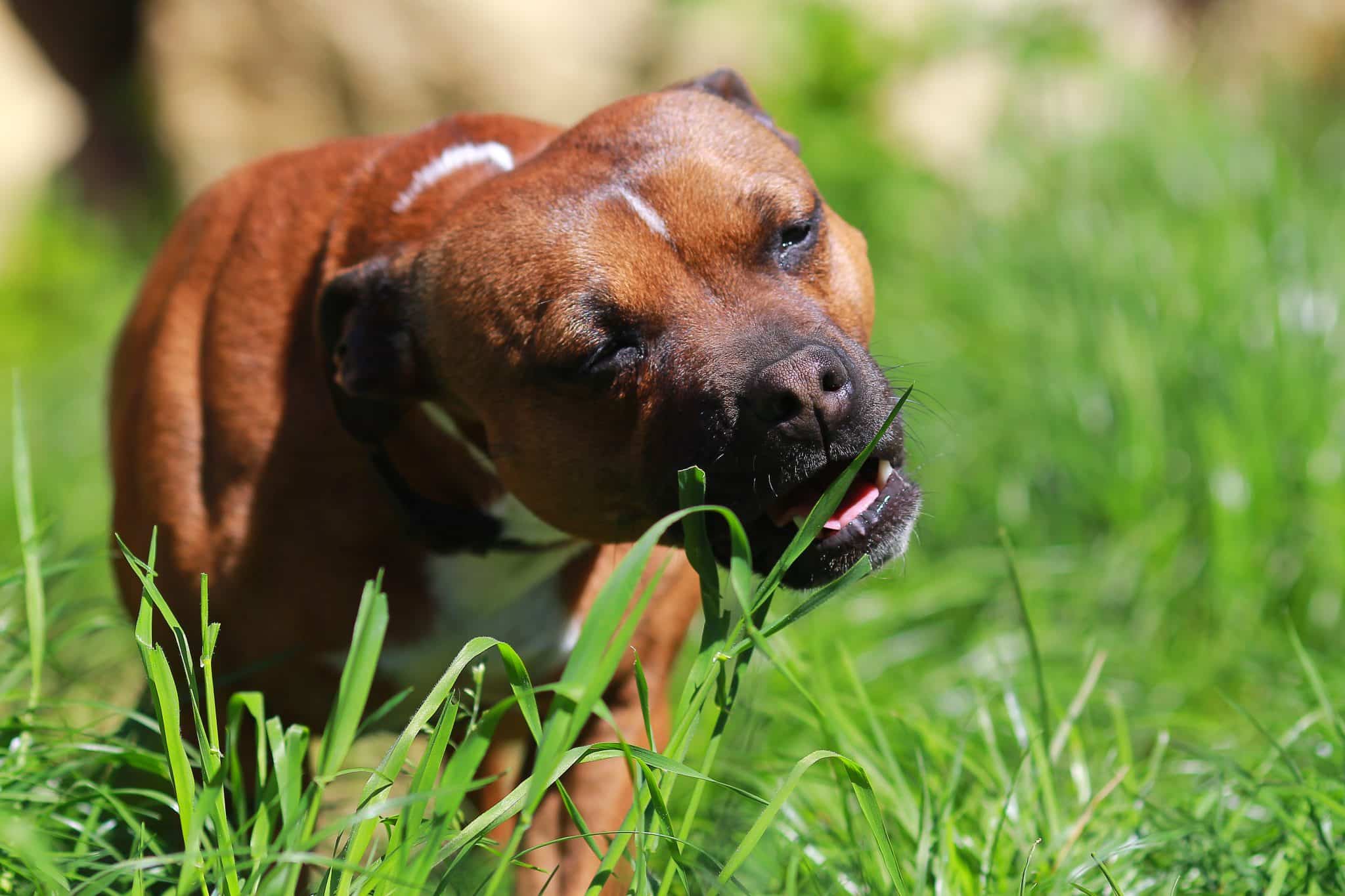
If your dog keeps eating grass, you’re not alone, and you’re probably wondering why it keeps happening. While this behavior is often harmless, it can sometimes be linked to sensitive stomachs or mild digestive discomfort.
Many dogs nibble grass occasionally without any issues, but when it becomes frequent, pet parents often start looking for answers. Is it a sign of an upset stomach? A habit? Or something more?
The truth is, there isn’t just one reason. However, if your dog tends to have digestive issues, supporting their gut health can make a noticeable difference. The right products can help promote smoother digestion, better nutrient absorption, and overall comfort.
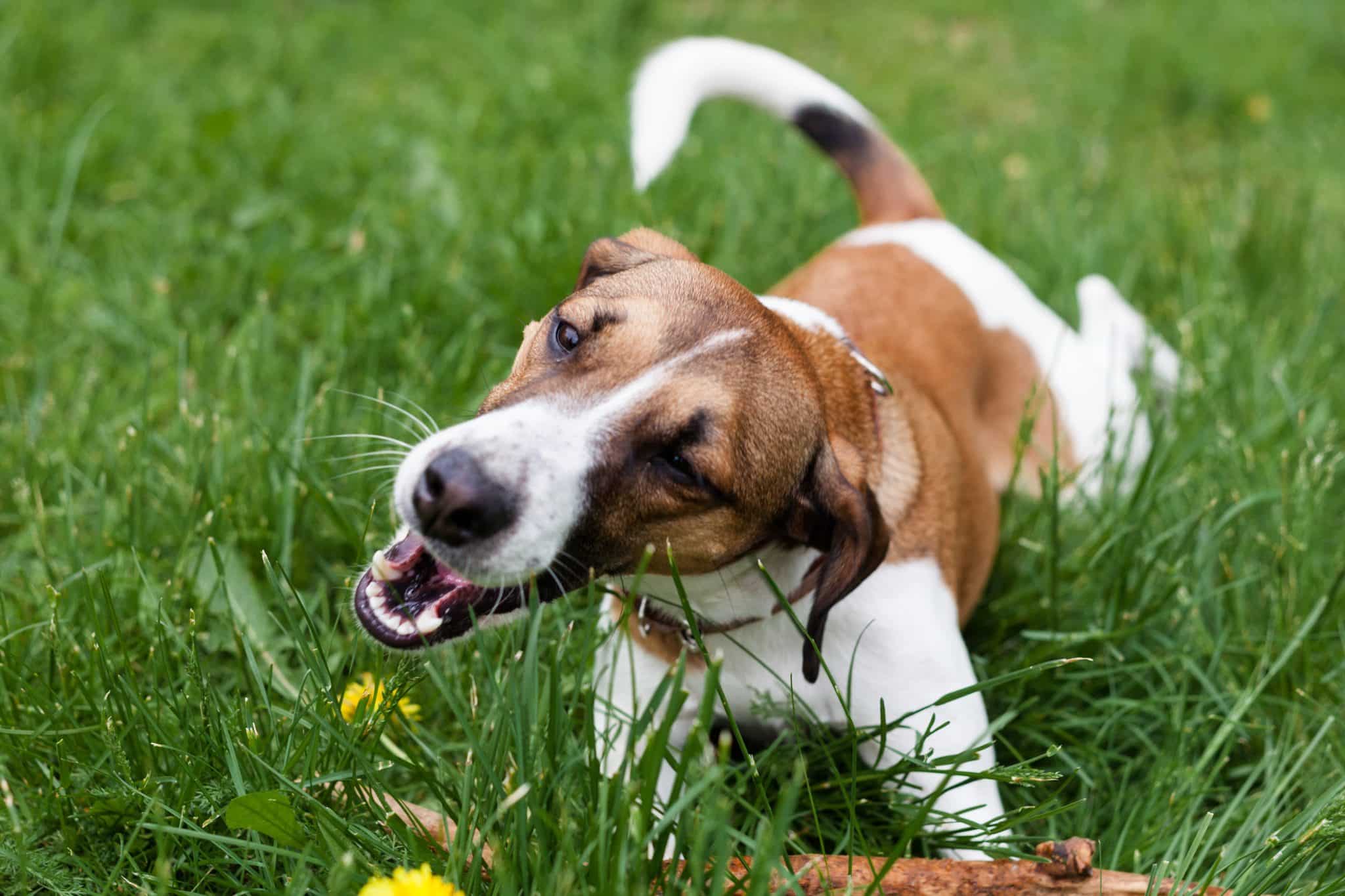
Why Do Dogs Eat Grass?
Dogs eat grass for a variety of reasons, and it’s not always cause for concern. In many cases, it’s simply normal behavior.
Some of the most common reasons include:
- Mild stomach discomfort
- Natural instinct or inherited behavior
- Curiosity or boredom
- Attraction to texture or taste
- Eating too quickly or having inconsistent digestion
For dogs with sensitive stomachs, grass eating may happen more often, especially if their digestion feels slightly off. While it doesn’t always mean something is wrong, it can be a sign that their digestive system could use a little extra support.
When Should You Be Concerned?
Occasional grass eating is typically harmless. However, it’s important to watch for patterns or additional symptoms that could point to a bigger issue.
Keep an eye out for:
- Frequent vomiting after eating grass
- Diarrhea or changes in stool
- Loss of appetite
- Low energy or unusual behavior
- Repeated or excessive grass consumption
If you notice any of these signs, it’s a good idea to check in with your veterinarian to rule out underlying health concerns.
11 Products for Sensitive Stomachs and Better Digestion
1. Purina Pro Plan Veterinary Supplements FortiFlora Daily Probiotics
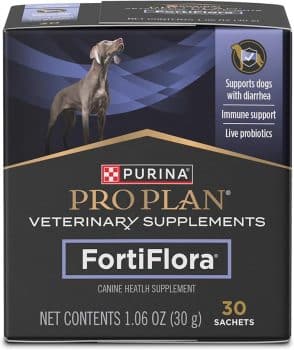
FortiFlora is one of the most widely recommended probiotic supplements for dogs, especially those with sensitive stomachs or inconsistent digestion. It’s designed to support gut balance, which may help reduce behaviors like frequent grass eating when they’re linked to digestive discomfort.
Why it helps: Promotes healthy gut bacteria and supports digestive balance
Best for: Dogs with sensitive stomachs or frequent grass eating
What to look for: Easy-to-use powder packets that mix right into food


2. Bernie’s Perfect Poop Digestion & General Health Supplement for Dogs

This all-in-one digestive supplement combines fiber, prebiotics, probiotics, and enzymes to support overall gut health. It’s a great option for dogs that experience irregular digestion, which can sometimes lead to grass eating.
Why it helps: Supports stool quality, digestion, and gut balance
Best for: Dogs with ongoing digestive sensitivity or inconsistent stools
What to look for: Multi-functional formula that covers several digestive needs
3. Native Pet Pumpkin for Dogs
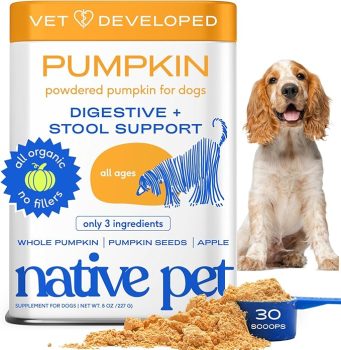
Pumpkin is a natural source of fiber that can help regulate digestion and support stool consistency. This powder form makes it easy to add to meals and is especially helpful for dogs with mild tummy issues.
Why it helps: Supports digestive regularity and gut health
Best for: Dogs with occasional stomach upset or loose stools
What to look for: Simple, natural ingredients with no unnecessary fillers
4. NaturVet Digestive Enzymes
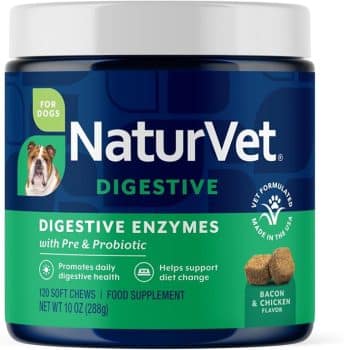
Digestive enzymes help break down food more efficiently, which can improve nutrient absorption and reduce digestive strain. This can be especially helpful for dogs that eat too quickly or have trouble processing certain foods.
Why it helps: Aids digestion and supports nutrient absorption
Best for: Dogs with sensitive stomachs or poor digestion
What to look for: Enzyme blends designed specifically for dogs
5. Zesty Paws Probiotics for Dogs
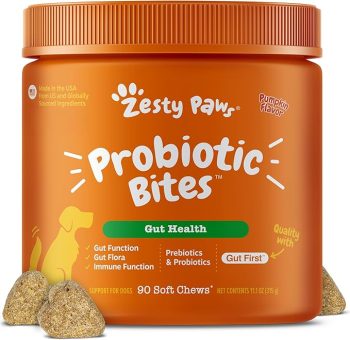
Zesty Paws offers a popular probiotic chew that supports gut health while also being easy to give daily. It’s a convenient option for maintaining digestive balance and helping reduce occasional stomach issues.
Why it helps: Supports healthy digestion and gut flora
Best for: Daily digestive support and maintenance
What to look for: Chewable format with added digestive ingredients
6. Outward Hound Fun Feeder Slo Bowl
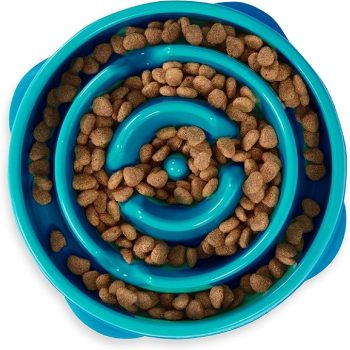
Fast eating can contribute to digestive discomfort, which may lead some dogs to eat grass. This slow-feeder bowl helps regulate how quickly your dog eats, supporting better digestion.
Why it helps: Encourages slower eating and reduces digestive strain
Best for: Dogs that gulp their food too quickly
What to look for: Durable design with maze-like patterns
7. LUKITO Lick Mat for Dogs
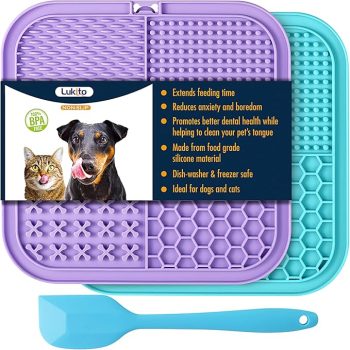
Lick mats promote slower, calmer eating by encouraging dogs to lick rather than gulp their food. This can help reduce stress and support better digestion overall.
Why it helps: Slows eating and encourages calmer behavior
Best for: Dogs that eat too quickly or experience mealtime anxiety
What to look for: Textured surface and easy-to-clean design
8. Instinct RawBoost Functional Mixers – Gut Health

This freeze-dried food topper is packed with ingredients that support digestive health, making it an easy way to upgrade your dog’s meals. It’s especially helpful for picky eaters who need a little extra support.
Why it helps: Adds gut-friendly nutrients and supports digestion
Best for: Dogs needing a boost in digestive support
What to look for: High-quality, minimally processed ingredients
9. Olewo Original Carrots for Dogs
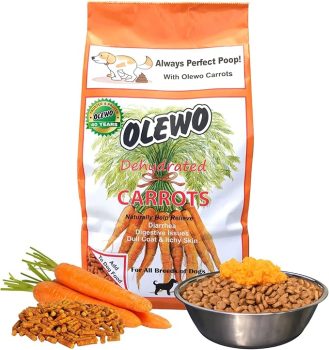
These dehydrated carrots are a natural fiber source that can help regulate digestion and support gut health. They’re a simple, wholesome addition to your dog’s diet.
Why it helps: Supports healthy digestion and stool consistency
Best for: Dogs with mild digestive issues or irregular stools
What to look for: Single-ingredient, natural fiber source
10. KOHA Limited Ingredient Bland Diet Sensitive Stomach Chicken & White Rice Wet Dog Food

This bland diet formula is designed specifically for dogs with sensitive stomachs. With limited ingredients and easy-to-digest components, it’s a great option during digestive upset.
Why it helps: Gentle on the stomach and easy to digest
Best for: Dogs recovering from digestive issues or needing a simple diet
What to look for: Limited ingredient, vet-recommended formulas
11. Stella & Chewy’s Beef Bone Broth for Dogs – Joint & Gut Health
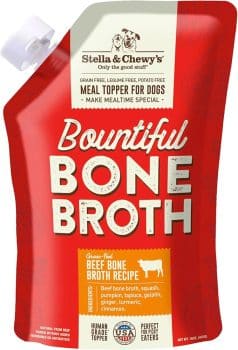
Bone broth is a great way to support hydration and digestion while making meals more appealing. It’s rich in nutrients that can support gut health and overall wellness. Plus, when added to your dog’s bowl as a food topper, it can encourage a picky eater to dive in.
Why it helps: Supports digestion, hydration, and gut health
Best for: Picky eaters or dogs needing extra digestive support
What to look for: High-quality broth with clean ingredients
What Helps Dogs with Sensitive Stomachs?
If your dog frequently eats grass and seems to have digestive sensitivity, focusing on gut health can be a helpful step. Many products are designed to support digestion and reduce common stomach-related issues.
Some of the most effective options include:
- Probiotic chews that support healthy gut bacteria
- Digestive enzyme supplements that help break down food
- Pumpkin or fiber supplements for stool consistency
- Sensitive stomach or limited ingredient dog food
- Slow feeder bowls to prevent fast eating
- Lick mats to encourage calmer, slower meals
- Nutrient-rich toppers or broths to support picky eaters
Using a combination of these tools can help address digestion from multiple angles, which is especially useful for dogs with ongoing stomach sensitivities.
Helping Your Dog Feel Better from the Inside Out
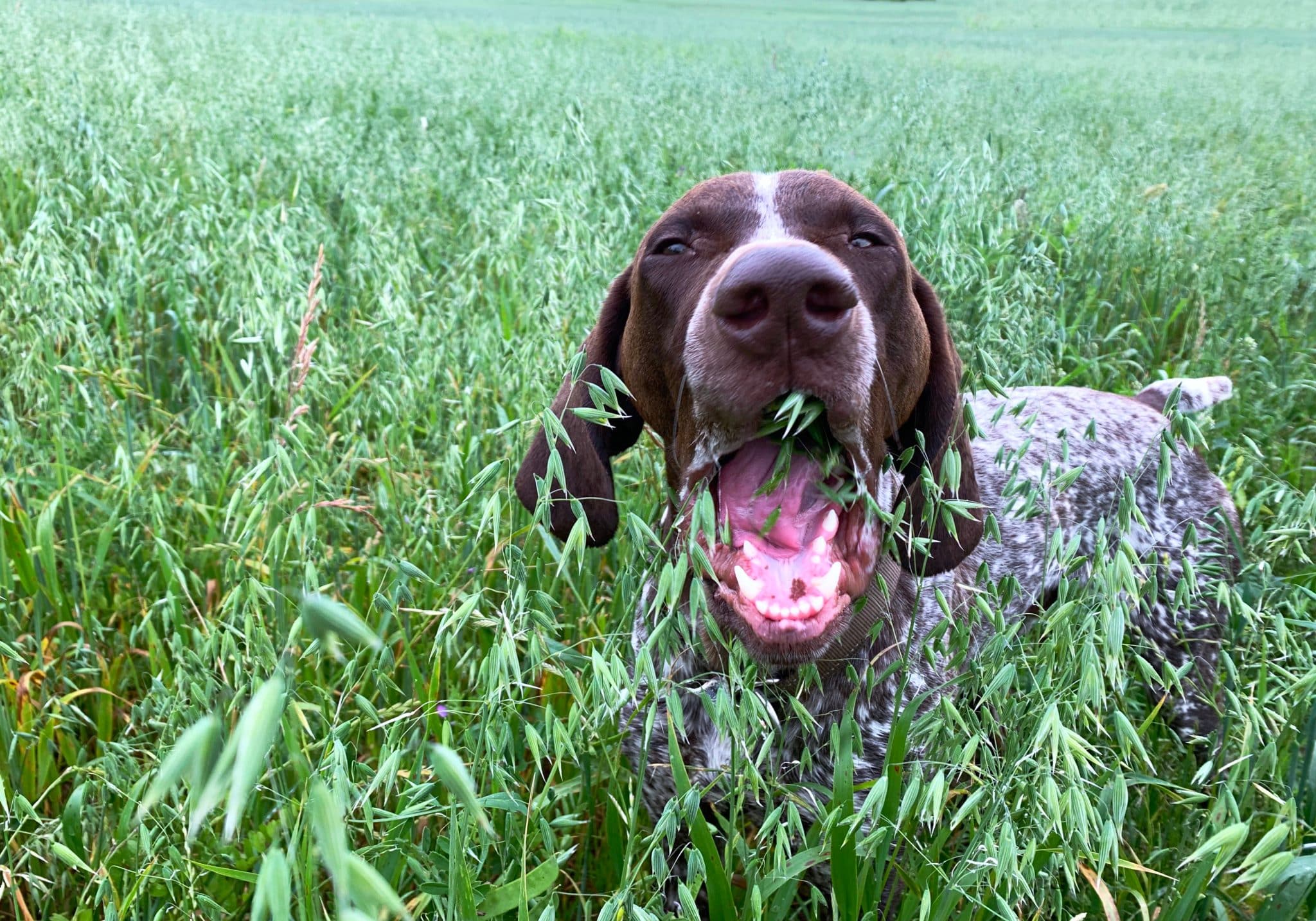
If your dog eats grass from time to time, it’s usually nothing to worry about. But when it becomes a regular habit, it may be a sign that their digestion isn’t as comfortable as it could be.
Supporting your dog’s gut health with the right products can help improve digestion, reduce discomfort, and potentially decrease the urge to eat grass. Even small changes can make a noticeable difference over time.
And as always, if your dog’s behavior seems unusual or is paired with other symptoms, your veterinarian is the best source of guidance.
















 English (US) ·