
 3 weeks ago
34
3 weeks ago
34
iHeartDogs is reader-supported. When you buy via links on our site, we may earn an affiliate commission at no extra cost to you.
Goldendoodles, the affable and fluffy crossbreeds that have captured the hearts of dog lovers worldwide, require a balanced diet to maintain their health and energy. But how much should you feed a Goldendoodle? Determining the right amount involves considering the calories in the food, the dog’s age, size, and activity level. This comprehensive guide will take you through the nutritional needs of a Goldendoodle, approximate feeding amounts, and the cost implications of their diet.
1. Understanding Goldendoodle Nutritional Needs
Goldendoodles come in various sizes, which means their nutritional requirements can differ significantly. It’s vital to understand that what fuels a Miniature Goldendoodle won’t necessarily suffice for a Standard Goldendoodle. These dogs need a balanced diet rich in proteins, carbohydrates, fats, vitamins, and minerals. Puppies, especially, require more protein and fat to aid their rapid growth and development.
2. Factors Affecting Food Quantity
Several factors influence how much your Goldendoodle should eat. Age is a significant factor; puppies generally eat more than adult dogs. Your dog’s activity level also plays a role – a more active Goldendoodle will need more calories than a sedentary one. Moreover, the dog’s metabolism and health status will affect its dietary needs.
3. Calculating the Right Amount
The amount of food a Goldendoodle requires hinges on the calorie content of the food. A typical adult Goldendoodle may need about 20 calories per pound of body weight per day, while puppies could require up to twice that amount. To calculate the right amount, start by looking at the caloric content on the food packaging and adjust according to your dog’s needs.
4. Estimating Food Portions
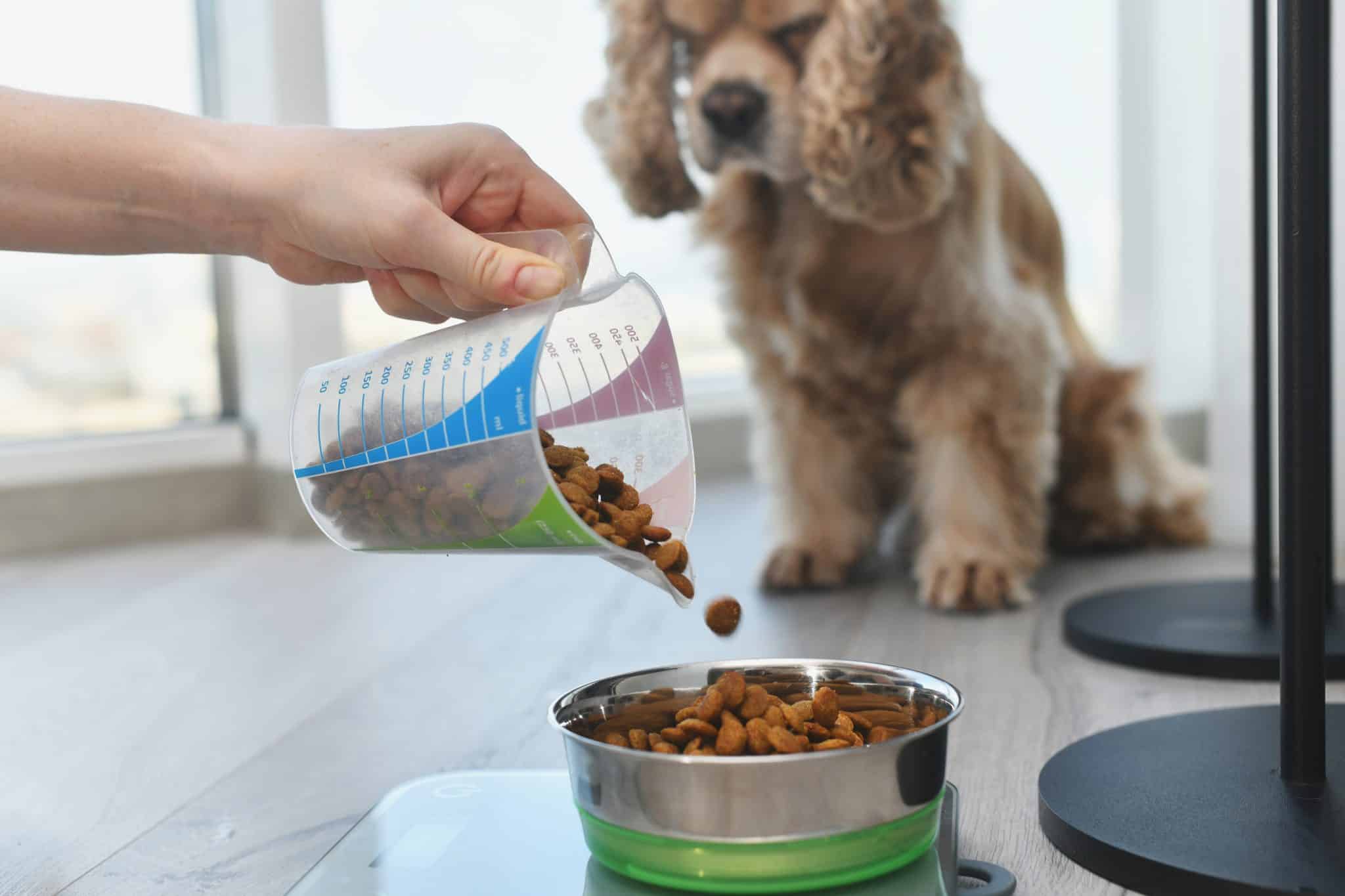
For a standard adult Goldendoodle weighing around 50 pounds, you would start with a baseline of around 1,000 calories a day. If you’re feeding your dog a commercial diet, this could translate to approximately 2.5 to 3 cups of kibble per day. However, for a more accurate measurement, refer to the feeding guide on your dog food’s packaging and consult with your veterinarian.
5. Adjusting for Weight Management
Weight management is crucial for Goldendoodles, as obesity can lead to health issues. If your dog needs to lose weight, you will need to reduce its daily calorie intake gradually. Conversely, underweight dogs may need more food or a diet with higher calorie density. Monitor your dog’s weight and body condition closely and adjust feedings as necessary.
6. The Role of Treats and Extras
Treats and extras should not make up more than 10% of your Goldendoodle’s daily caloric intake. Overfeeding with treats can lead to obesity and nutritional imbalances. Choose low-calorie, nutritious treats, and always account for them in the total daily food allowance.
7. Sample Feeding Schedule
A sample feeding schedule for an adult Goldendoodle might involve two meals a day – morning and evening – with the daily food allowance divided between these meals. Puppies may require three to four smaller meals spread throughout the day to support their developmental needs.
8. Special Dietary Considerations
Some Goldendoodles may have special dietary needs due to health issues such as allergies or sensitivities. In such cases, a specialized diet may be necessary, and the feeding amount might differ from standard recommendations. Always work with a veterinarian to determine the best diet for your dog’s specific needs.
9. Cost of Feeding a Goldendoodle
The monthly cost of feeding a Goldendoodle will vary based on the type and quality of food you choose. On average, for premium dog food, you might expect to spend anywhere from $40 to $100 per month. This estimate can fluctuate with the dog’s size, appetite, and any additional dietary requirements.
10. Monitoring and Adjusting Over Time
Regularly monitoring your Goldendoodle’s response to its diet and making necessary adjustments is key. As dogs age, their dietary needs can change. Regular check-ups with the vet will help you keep track of these changes and ensure that your Goldendoodle remains healthy and happy throughout its life.
RELATED: The Complete Dog Food Guide: Nutrition, Ingredients, Feeding & How to Choose
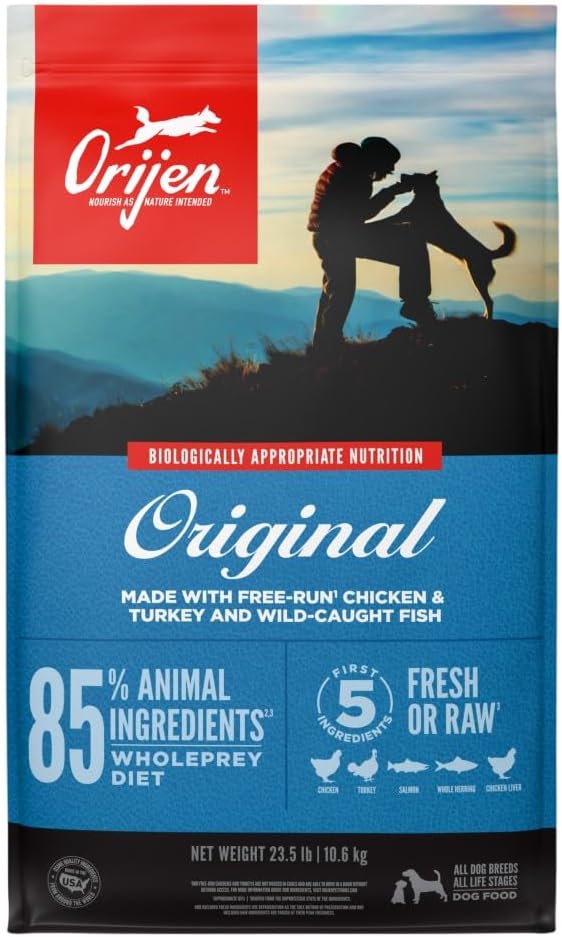
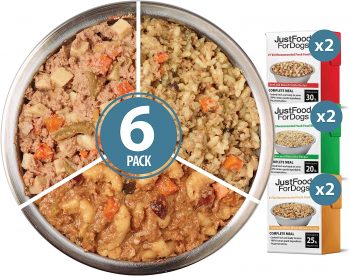
Our 5 Top Foods for Goldendoodles
The diets were selected by our founder Justin Palmer, a certified canine nutrition expert, specifically with Goldendoodles in mind:
|
|
|
|
Check Today's Price on: |
|
|
Check Today's Price on: |
|
|
Check Today's Price on: |
|
|
Check Today's Price on: |
|
|
 Check Today's Price on:
Feeding the Right Amount Matters
Conclusion Feeding your Goldendoodle the right amount is a dynamic process that requires attention and adjustments as your dog grows and changes. Start with the guidelines provided, but be prepared to tailor your dog’s diet to their individual needs. With careful monitoring and a little bit of knowledge, you can ensure that your Goldendoodle is well-fed, healthy, and full of life.











 English (US) ·