
Why Dogs Pee When They’re Scared or Excited
Before you can stop it, you need to understand why dogs pee when scared—or even when excited. The reason is seldom disobedience. It’s emotion.
When dogs feel overwhelmed—by fear, nervousness, or over-the-top joy—their bodies react instinctively. This is called submissive or excitement urination, and it’s especially common in puppies and sensitive dogs.
Submissive (Fear-Based) Urination
This happens when your dog feels intimidated or anxious. You’ll often see it when:
- You lean over them or make direct eye contact
- A stranger approaches too quickly
- They’re scolded or startled by loud noises
It’s your dog’s way of saying, “Please don’t hurt me—I mean no harm.”
Excitement Urination
This usually happens when your dog’s emotions spike in a positive way—like when you walk through the door or grab their favorite toy. Puppies and younger dogs are especially prone to this because their bladder control and emotional regulation are still developing.
💡Pro Tip: Yelling or scolding after an accident only makes things worse. It reinforces fear, which triggers more urination. Stay calm, clean it up quietly, and redirect behavior with kindness.
By recognizing which type of peeing you’re dealing with—fear or excitement—you can start using the right correction approach.
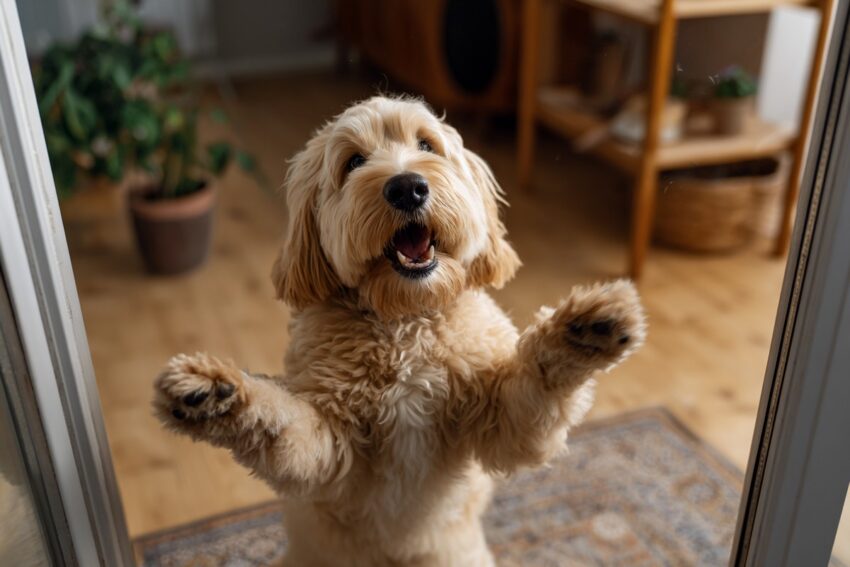
How to Get a Dog to Stop Peeing When Scared
When your dog pees out of fear, the solution isn’t discipline—it’s emotional safety. Submissive urination is your dog’s way of saying, “I’m nervous, please don’t be mad.” The goal is to replace fear with trust and predictability.
Here’s how to gently guide them toward confidence:
1. Keep Your Energy Calm and Soft
Dogs mirror human emotion. If you respond with frustration or raised tones, they’ll associate your presence with stress.
- Speak in a quiet, reassuring voice.
- Move slowly and avoid sudden gestures.
- Squat or kneel instead of looming over your dog.
2. Avoid Eye Contact During Stress
Direct eye contact can feel threatening to anxious dogs. Instead, glance sideways or use gentle body language. This signals safety rather than dominance.
3. Build Confidence with Small Wins
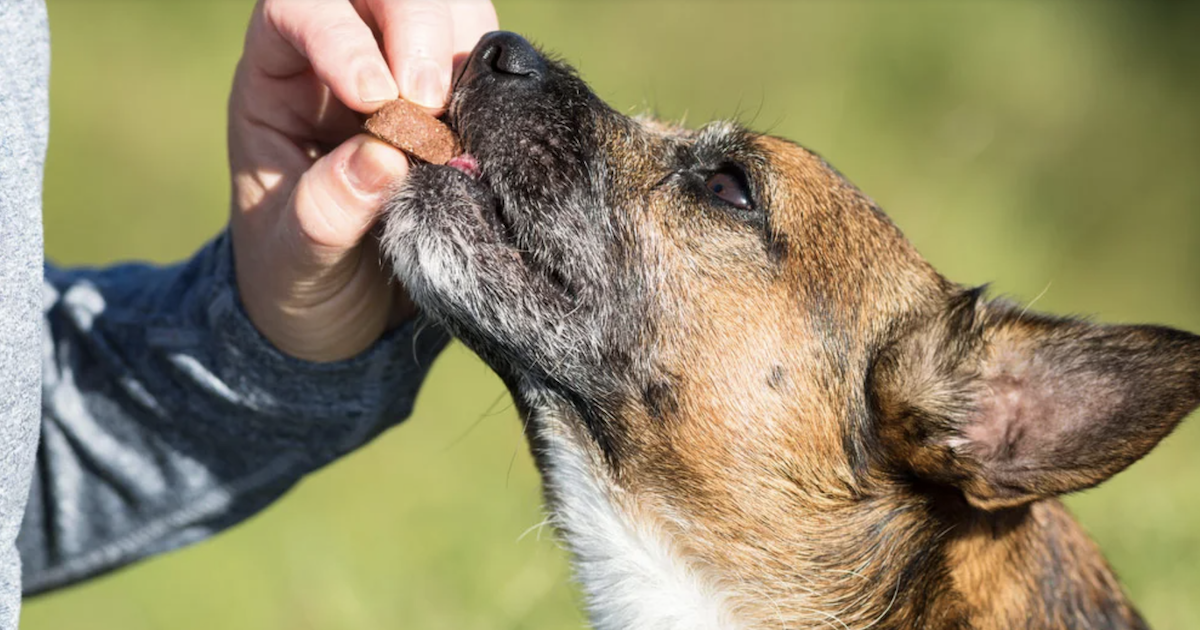
Encourage your dog’s independence with simple “success” moments: short walks, calm greetings, or treat-based obedience games. Every positive experience helps them feel secure.
💡 Pro Tip: Try “find it” games—toss small treats on the floor and say find it! This redirects focus and builds self-assurance through fun.
4. Desensitize Triggers Gradually
If your dog pees when hearing loud sounds or seeing strangers, expose them slowly and gently over time.
- Pair the trigger (like knocking) with a treat.
- Keep sessions short and upbeat.
- Never force contact—let your dog choose the pace.
5. Create a Safe Retreat Zone
Provide a crate, cozy bed, or designated room where your dog can decompress. This isn’t punishment—it’s emotional reset space.
🩺 Vet Tip: If your dog suddenly begins urinating out of fear and it’s not typical for them, rule out medical causes first—like urinary tract infections, bladder inflammation, or incontinence.
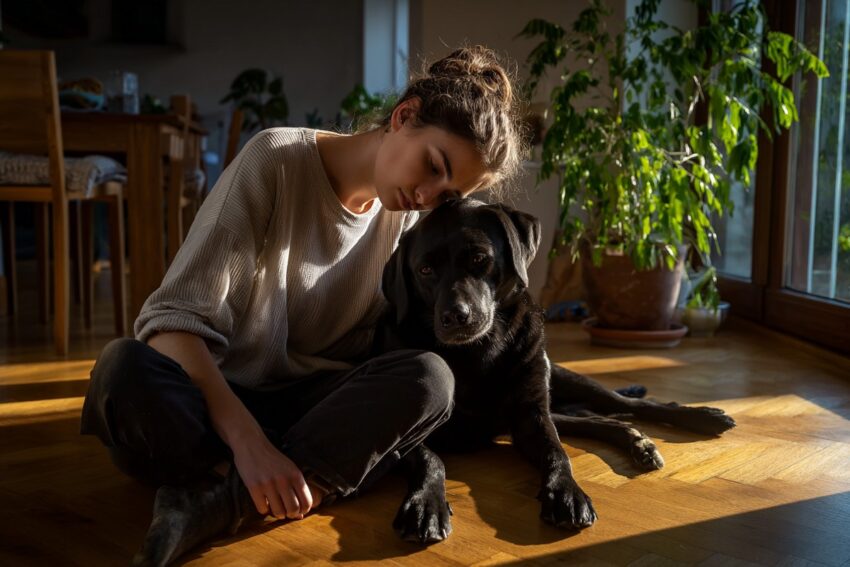
What to Do If Your Dog Pees When Excited
If your dog pees when you come home, greet guests, or grab their leash, you’re dealing with excitement urination—not fear. It’s one of the most common (and fixable) puppy problems. The goal here is to teach calm behavior before interaction.
1. Keep Greetings Low-Key
When you walk in the door, ignore your dog for the first minute. No eye contact, no squealing, no hugs—just calm energy. Once they’ve relaxed, kneel down, say a quiet “hi,” and offer a treat for staying composed.
💡 Pro Tip: Have guests follow the same rule. Calm entrances teach dogs that excitement doesn’t equal attention.
2. Practice the “Sit Before Hello” Rule
Train your dog to sit before anyone greets them. Reward with gentle praise and a treat only when they stay seated. Over time, sitting becomes their automatic “I’m calm now” behavior.
3. Manage Energy Before Triggers
Take your dog on a short walk or play a quick game before situations that usually cause excitement. A tired dog is a calmer dog, and less likely to lose bladder control.
4. Avoid Overly Stimulating Cues
Excited dogs respond to your tone and body language.
- Skip the baby talk or squeaky “Who’s a good boy?!” for now.
- Use a calm, even voice.
- Avoid crouching and clapping hands—these amplify arousal.
⚠ Heads-up: Punishing or scolding after an excited-pee accident can flip it into fear-based peeing, which is much harder to fix. Instead, stay neutral, clean up quietly, and reward calm behavior next time.
5. Celebrate Calm Successes
When your dog greets someone politely or stays relaxed after play, mark it immediately with praise and a treat. You’re reinforcing the exact moment they chose calm over chaos.
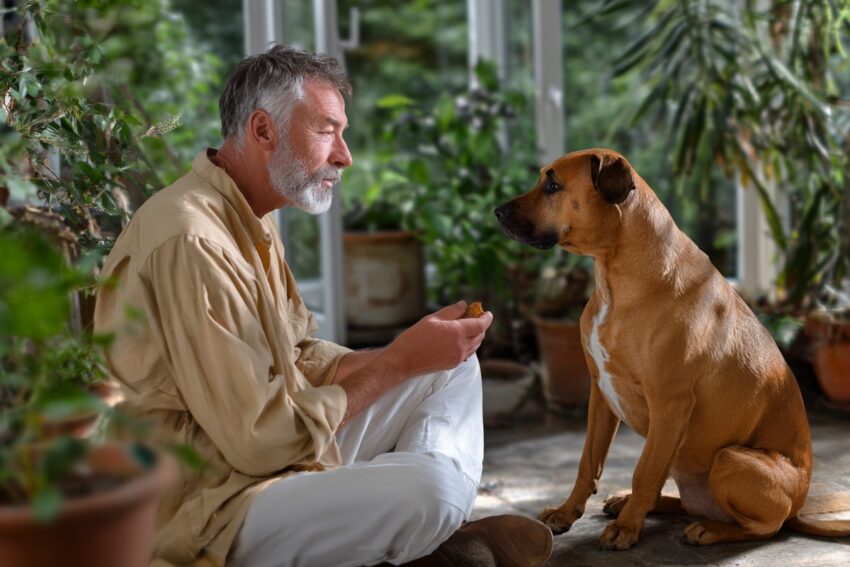
Training Techniques That Help Both Types
Whether your dog pees when scared or when excited, the solution always centers around confidence, consistency, and calm communication. Here are the most effective training methods that work for both situations:
Build Predictability Through Routine
Dogs thrive when life feels predictable. Set consistent times for meals, walks, and play. The more your dog knows what to expect, the less anxiety—or overstimulation—they’ll feel.
💡 Pro Tip: Sudden schedule changes can trigger both fear and excitement accidents. Keep daily rhythms steady, especially during training.
Teach “Stay” and “Leave It” Early
Simple impulse-control commands help your dog manage emotions before they escalate. Practice them in calm settings, not in the middle of high-energy moments.
Start small—reward the first few seconds of calm stillness and build from there.
Use Positive Reinforcement Only
Punishment creates confusion and fear, which reinforces the very behavior you’re trying to stop. Instead:
- Reward calm body language.
- Praise quiet confidence.
- Ignore nervous or hyperactive responses without scolding.
Check out: 30 Positive Reinforcement Tips to Make Training Your Dog a Walk in the Park!
Confidence Games That Reduce Anxiety
Turn training into fun confidence-building activities:
- Nose work or “find it” games: Builds independence and focus
- Gentle agility or puzzle feeders: Encourages problem-solving.
- Desensitization walks: Short, calm strolls in new environments with treats on hand.
These small challenges help your dog learn that new doesn’t mean scary—and that calm earns rewards.
Clean Accidents Thoroughly
Even if you fix the emotional cause, leftover scent can invite repeat peeing. Always use an enzymatic cleaner (not ammonia-based) to break down urine odor completely.
We Like…
Nature’s Miracle Urine Destroyer Plus Dog, 32 Ounces, Enzymatic Formula, Ready-to-Use
Make cleanups a breeze with Nature’s Miracle Urine Destroyer Plus Dog. This enzymatic cleaner is tough on dog urine and the yellow, sticky residue it leaves behind. The bacteria-based formula produces enzymes when it comes into contact with urine and continues working until the mess is gone. Plus, it leaves behind a pleasant scent made from essential oils.

We earn a commission if you make a purchase, at no additional cost to you.
Pro Tip: Dogs have up to 300 million scent receptors—if they smell even a trace of old urine, they’ll assume that spot is still “approved.”
When to See a Vet or Trainer
Sometimes, peeing when scared or excited goes beyond training—it’s your dog’s way of saying something deeper is going on. If gentle methods haven’t helped, or if the behavior suddenly worsens, it’s worth checking with a vet or certified trainer.
Rule Out Medical Causes First
A sudden change in bathroom habits can point to physical issues like a urinary tract infection, bladder stones, or inflammation. Even stress can affect bladder control. Your vet can rule out these medical concerns and give peace of mind before assuming it’s behavioral.
🩺Vet Tip: Dogs can associate physical discomfort with specific people or events—so a painful UTI might make your dog “fear-pee” when you approach, even after it’s healed.
Persistent Behavior Beyond Puppyhood
Most dogs grow out of submissive or excitement urination as their confidence and bladder control improve. But if it continues well past puppyhood—or worsens under stress—it may stem from deeper anxiety or a past trauma.
A certified trainer or behaviorist can observe your dog’s environment, spot subtle triggers, and create a custom plan using positive reinforcement only.
💡Pro Tip: Look for trainers certified in Fear Free® or CPDT-KA techniques. They specialize in reducing anxiety through calm correction, not dominance.
When Fear Reactions Escalate
If your dog hides, shakes, or avoids you after accidents, this isn’t just submissive—it’s a sign of emotional shutdown. Pushing them harder won’t help. Instead, pause and bring in expert support before those fears deepen.
Sometimes, outside eyes make all the difference—especially when frustration creeps in. Remember, you’re not failing your dog; you’re giving them their best shot at feeling safe again.
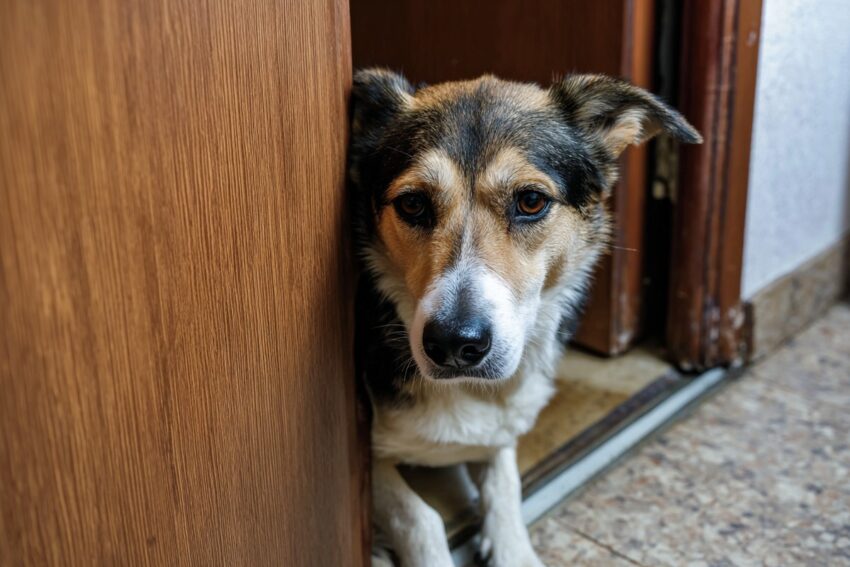
Final Thoughts: Patience Pays Off
When it comes to how to get a dog to stop peeing when scared, there’s one universal truth: fear fades with trust, not punishment. What feels like a frustrating habit is often just your dog saying, “I’m unsure right now—please go slow with me.”
Dogs who pee from fear or excitement aren’t broken—they’re communicating. Every calm greeting, gentle word, and quiet cleanup teaches them that your presence means safety, not stress. Over time, that emotional shift transforms everything.
💡 Pro Tip: Focus less on stopping the peeing and more on building confidence. Once your dog feels secure, the accidents naturally disappear.
If your dog is still struggling, don’t hesitate to lean on your vet or a positive reinforcement trainer for help. With consistency and compassion, your pup will learn that there’s nothing to fear—and your bond will be stronger for it.







 English (US) ·