
 1 month ago
41
1 month ago
41
Few animals capture the imagination quite like giraffes. Rising high above the African savanna with their elegant movements and unmistakable silhouettes, these gentle giants have fascinated people for centuries. Every year on June 21, World Giraffe Day celebrates the tallest land animals on Earth while drawing attention to their remarkable beauty and importance. Yet beneath the admiration lies a growing concern. Giraffe populations have been steadily declining across Africa, leaving conservationists worried about the future of a species that has quietly become one of the continent’s most vulnerable large mammals.
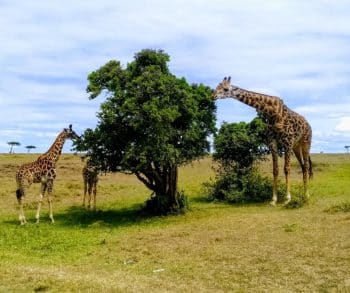
World Giraffe Day is not only a celebration of the tallest land animals on Earth. It is also a chance to shine a light on the challenges they face and the urgent need to protect them. While species such as elephants, lions, and rhinos often dominate conservation conversations, giraffes are experiencing their own population crisis. Today, experts estimate that only about 117,000 giraffes remain across Africa, and their numbers continue to decline.
Habitat loss, poaching, expanding human settlements, and climate-related pressures have pushed many giraffe populations into a dangerous downward trend. In some areas, their numbers have fallen dramatically over the past few decades. Because their decline often happens quietly, many people are unaware of how vulnerable these remarkable animals have become.
The Amazing Biology of Giraffes
Understanding giraffes is often the first step toward appreciating why they deserve protection.
Scientifically known as Giraffa camelopardalis, the giraffe is among the most specialized animals in the world. Adult males can grow up to 18 feet tall, allowing them to browse leaves high above the reach of most other herbivores. Standing beneath a fully grown giraffe is a humbling experience. Their long necks seem almost impossible, yet every part of their body is perfectly adapted for survival.
One of the most surprising facts about giraffes is that they have the same number of neck vertebrae as humans: seven. The difference is that each vertebra can measure more than 10 inches long. Supporting such a massive neck requires an extraordinary cardiovascular system. A giraffe’s heart can weigh more than 20 pounds and pumps blood with enough force to reach the animal’s brain several feet above its chest.
Their adaptations do not stop there. Giraffes possess tongues that can reach up to 20 inches in length. These powerful tongues help them strip leaves from thorn-covered acacia trees with remarkable precision. Thick saliva protects their mouths from sharp thorns, allowing them to feed where many other animals cannot.
Life begins at an impressive height as well. A newborn giraffe enters the world standing roughly six feet tall. Within hours of birth, the calf can walk beside its mother. Despite this remarkable start, young giraffes face significant dangers from predators and environmental challenges. Survival is never guaranteed, and every calf that reaches adulthood represents a small victory for the species.
The Different Types of Giraffes
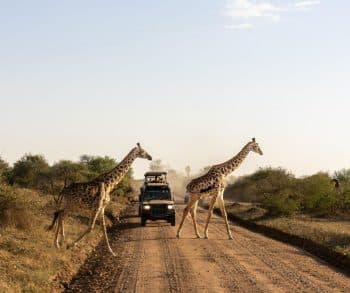
Many people think of giraffes as a single animal, but several subspecies live across different regions of Africa. Each faces unique conservation challenges.
Northern Giraffe
The Northern Giraffe is among the most threatened. This group includes the Nubian and Kordofan giraffes, which survive in scattered populations across East and Central Africa. Political instability, habitat destruction, and poaching have made conservation efforts especially difficult. Small, isolated populations continue to fight for survival in countries such as Uganda, Kenya, Ethiopia, and South Sudan.
Reticulated Giraffe
Known for their striking coat pattern, reticulated giraffes are easy to recognize. Their rich orange-brown patches are outlined by bright white lines that create a beautiful geometric appearance. Found mainly in northern Kenya and parts of Somalia and Ethiopia, these giraffes have suffered major population declines due to habitat fragmentation and illegal hunting.
Masai Giraffe
The Masai giraffe is the tallest giraffe subspecies and one of the most photographed animals on African safaris. Their irregular, vine-like markings set them apart from other giraffes. Found primarily in Kenya and Tanzania, they remain relatively widespread, but their numbers have dropped significantly because of land conversion and poaching.
Southern Giraffe
Southern giraffes include the South African and Angolan giraffes. They inhabit regions of Namibia, Botswana, Zimbabwe, and South Africa. While they face many of the same threats as other giraffe populations, conservation programs in southern Africa have produced encouraging results. Protected reserves, responsible wildlife management, and habitat preservation have helped stabilize or increase populations in some areas.
Why Giraffes Matter to Ecosystems
Giraffes do far more than add beauty to the African landscape. They play an important role in maintaining healthy ecosystems.
As they browse leaves high in the canopy, giraffes help shape the growth patterns of trees and shrubs. Their feeding habits encourage new plant growth and influence which vegetation thrives in certain areas. This, in turn, affects countless other species that depend on those plants for food and shelter.

Giraffes also help maintain the balance of open savanna habitats. Without large herbivores controlling vegetation, some landscapes can become overly dense, creating ecological imbalances that affect many forms of wildlife.
Another valuable contribution comes through seed dispersal. As giraffes travel across vast distances in search of food, they spread seeds through their digestive process. This helps plants establish themselves in new areas and supports the long-term health of entire ecosystems.
Even their vulnerability plays a role in nature. Young giraffe calves are prey for lions, hyenas, leopards, and wild dogs. Their presence supports the complex predator-prey relationships that help keep ecosystems functioning properly.
A Future Worth Protecting
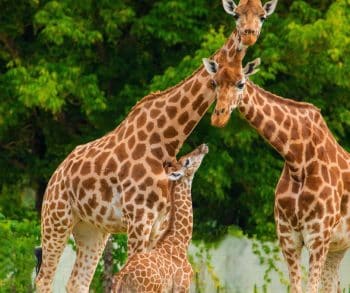
Although the challenges facing giraffes are serious, there is still reason for hope. Conservation organizations, wildlife reserves, researchers, and local communities are working together to protect habitats, reduce poaching, and monitor giraffe populations. In regions where these efforts have been sustained, some populations have begun to recover.
World Giraffe Day serves as a reminder that even the tallest animals on Earth need our attention and protection. Their quiet nature may keep them out of the spotlight, but their importance to Africa’s ecosystems cannot be overstated.
Losing giraffes would mean losing more than an iconic species. It would mean losing a vital part of the natural world that has shaped African landscapes for generations. By recognizing their value and supporting conservation efforts, we can help ensure that future generations will continue to look across the savanna and see these gentle giants standing tall against the horizon.
Want to see your pup featured on iHeartDogs? Share your cute, amazing, heartwarming, or funny story, and we just might share it with our audience of more than 5 million animal lovers!















 English (US) ·