
The Red Nose Pitbull stands out for its strong build and loyal, loving nature. Even though the name “Pitbull” can cause confusion, the Red Nose is just a type of American Pit Bull Terrier, recognized by its reddish nose and warm personality. In this guide, I’ll cover what makes this breed special, including their background, traits, and how to care for them.
Breed Overview
Here’s a quick snapshot of the Red Nose Pitbull:
- Height: 17 to 21 inches
- Weight: 30 to 60 pounds
- Life Expectancy: 12 to 16 years
- Temperament: Loyal, affectionate, intelligent, confident
- Coat Type: Short, smooth, and dense
- Colors: Red, fawn, or brown; often with a white chest and paws
- Group Classification: Working Group (often categorized as a Pitbull or American Pitbull Terrier)
Red Nose Pitbulls aren’t a separate breed—they’re a variation of the American Pit Bull Terrier, easy to spot thanks to their reddish-brown nose and coat. They might look tough, but with good training and socialization, they’re usually gentle and affectionate.
Breed Characteristics
Personality Traits
Red Nose Pitbulls are affectionate and loyal, always eager to be close to their people. They bond deeply with their families and are smart enough to pick up on training or even try out agility. These dogs love being around people and do best when they get plenty of attention.
They can be protective, which is great for families since they’re so tuned in to their loved ones. It’s important to start socializing them early so they’re comfortable with other pets and people.
Energy Level
Red Nose Pitbulls have lots of energy and need regular exercise to stay happy and healthy. They love running, hiking, or playing fetch. If they don’t get enough activity, they can get bored and might start chewing or digging.
Trainability
Red Nose Pitbulls want to please and do well with positive, consistent training. They’re smart and can be a good fit for first-time dog owners who are ready to put in the effort. Sometimes they can be a bit stubborn, so patience and sticking to routines really help.
Friendliness Ratings
- With People: 9/10 – They are affectionate, friendly, and love being part of the family.
- With Other Dogs: 7/10 – With proper socialization, they can get along well with other dogs, though they may exhibit a strong prey drive.
- With Children: 9/10 – They are gentle and protective of children, making them great family pets.
History of the Breed
Origins
Red Nose Pitbulls come from the same background as the American Pit Bull Terrier, with history in both the UK and the US. They were first bred for bull-baiting, which thankfully ended in the 1800s. After that, people started using them as farm dogs, family pets, and working dogs because of their strength and smarts.
Development
The Red Nose is just one type of Pitbull, known for its reddish-brown nose that comes from a recessive gene. Their coats can be red or fawn, and many have white on their chest and paws. They weren’t bred for a special job, but their looks and calm nature have made them popular with many dog lovers.
Purpose
Pitbulls have been used for hunting and guarding, jobs that need strength and loyalty. The Red Nose type wasn’t bred for anything special, but people liked them for their good nature, strong build, and smarts, which made them great family and working dogs.
Care Requirements
Grooming
Red Nose Pitbulls have short coats, so grooming is pretty simple. They shed a bit all year, so brushing them regularly keeps their coat healthy and helps cut down on loose hair in your house.
- Brushing: Once a week with a soft brush or grooming glove.
- Bathing: Bath as needed, but avoid overbathing, as it can dry out their skin.
- Ear Care: Check and clean ears regularly to avoid infections, especially if the dog spends time in wet or dirty environments.
- Nail Care: Trim nails every 2-3 weeks to prevent overgrowth.
- Dental Care: Brush their teeth regularly to avoid dental issues.
Exercise Needs
Red Nose Pitbulls need at least an hour to an hour and a half of exercise every day. Walks, runs, or playing in a fenced yard are great ways to help them burn off energy. They do best in homes with space to play, but they can live in apartments as long as they get enough activity.
Training Tips
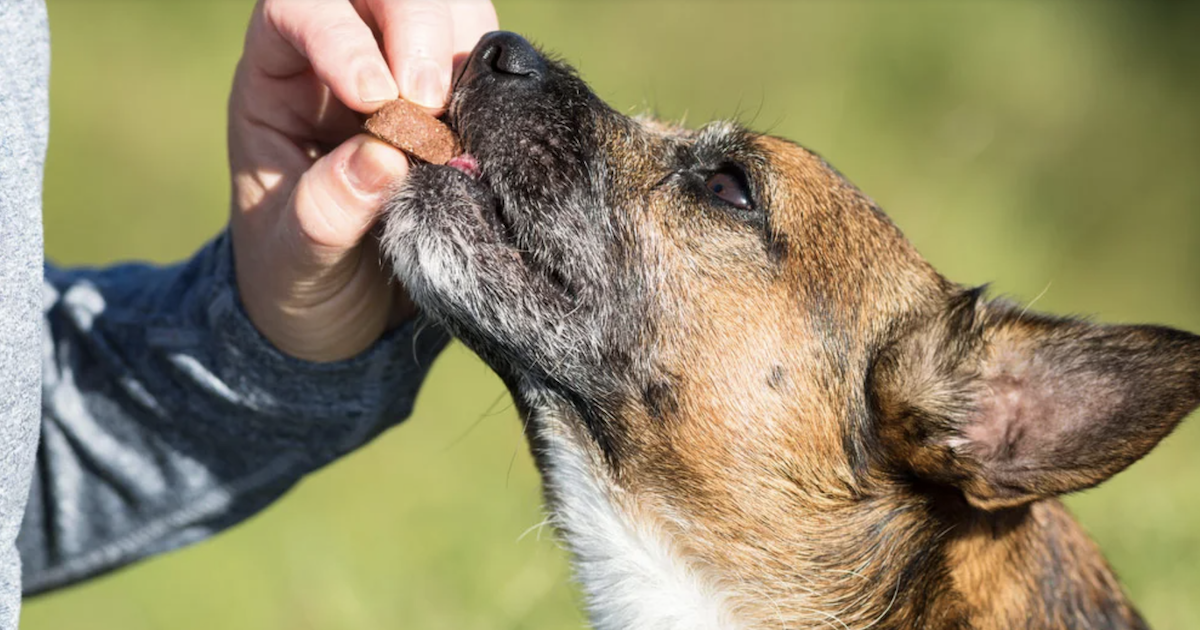
- Positive Reinforcement: Use treats, praise, and toys to reward good behavior.
- Consistency: Establish clear boundaries early and stick to them.
- Early Socialization: Introduce them to various people, animals, and environments to help them develop into well-rounded dogs.
Health and Safety
Red Nose Pitbulls are usually healthy, but they can have some health issues. Regular vet checkups and good care go a long way in keeping them well.
Common Health Issues
- Hip Dysplasia: A genetic condition affecting the hip joints, which can lead to arthritis. Regular exercise and maintaining a healthy weight can reduce the impact.
- Allergies: Pitbulls can suffer from food or environmental allergies. Watch for signs like itchy skin, ear infections, or digestive issues.
- Heart Disease: Certain breeds, including Pitbulls, can be prone to heart problems. Regular check-ups and monitoring their weight are crucial.
Preventive Care
- Vaccinations: Ensure your Red Nose Pitbull is up to date on all vaccinations to protect against common diseases.
- Parasite Control: Use flea, tick, and heartworm preventatives as recommended by your vet.
- Spaying/Neutering: If you’re not planning to breed your dog, spaying or neutering can prevent various health issues and help manage unwanted behaviors.
Diet and Nutrition
Feeding Guidelines
Red Nose Pitbulls are medium-sized and full of energy. They do best on good-quality dog food with plenty of protein, healthy fats, and the right nutrients to keep them strong.
- Puppies: Feed them a puppy-formulated diet until they reach about 12 months of age to support their growing muscles and bones.
- Adult Dogs: Once fully grown, switch to a high-protein diet (around 20-30% protein) to sustain their energy and muscle mass.
- Feeding Frequency: Puppies should be fed three times a day, while adults can be fed twice a day.
Special Considerations
- Weight Management: Red Nose Pitbulls can put on weight if they eat too much or don’t get enough exercise. Make sure to feed the right amount for your dog’s age, size, and how active they are.
- Hydration: Always provide access to fresh, clean water, especially after exercise.
Where to Adopt or Buy
Ethical Sourcing Information
If you want to add a Red Nose Pitbull to your family, look for an ethical breeder or think about adopting from a rescue. Sadly, a lot of Pitbulls end up in shelters because of their reputation, so adoption is a great way to give one a second chance.
How to Find a Good Breeder
- Visit the breeder’s facility: Ensure the facility is clean and the dogs are well-cared for.
- Ask about health testing: Reputable breeders will screen for common genetic issues like hip dysplasia and heart disease.
- Socialization: A good breeder will ensure puppies are raised in a stimulating environment and socialized with people and other animals.
Adoption and Rescue
If you’re thinking about adopting a Red Nose Pitbull, try breed-specific rescues or your local shelter. Rescue dogs might need a little more patience and training, but they can turn out to be some of the most loving pets you’ll ever have.
Further Research
Breed Clubs
- American Pit Bull Terrier Association: A great resource for information on the breed, including health standards, training tips, and community events.
- United Kennel Club (UKC): Offers information on breed standards and events related to Pitbulls.
Rescue Organizations
- Pit Bull Rescue Central: A nonprofit organization dedicated to rescuing and rehoming Pitbulls.
- Red Nose Pit Bull Rescue: A breed-specific rescue organization focused on the Red Nose variation.







 English (US) ·