
 1 day ago
2
1 day ago
2
If you’ve ever searched for a Rottweiler puppy and noticed breeders advertising “rare blue” or “red” dogs at premium prices, you’re not alone. Rottweiler colors are a surprisingly misunderstood topic, and plenty of buyers get taken advantage of because they don’t know what’s standard versus what’s a genetic quirk. This guide breaks down all seven recognized and non-standard coat variations, explains what the AKC actually requires, and tells you what certain “rare” colors might mean for your dog’s health.
The short version: most Rottweilers you’ll see are black with rust or tan markings. That’s not boring, that’s the breed doing exactly what it’s supposed to do. But there’s a lot more nuance once you dig in.
Rottweiler Color Quick Reference (2026)
| Black and Tan | Yes | Yes | None coat-related |
| Black and Mahogany | Yes | Yes | None coat-related |
| Black and Rust | Yes | Yes | None coat-related |
| Solid Black | No | No | Possible mixed breeding |
| Blue | No (fault) | No | Color Dilution Alopecia risk |
| Red | No (fault) | No | Possible skin issues |
| Albino | No | No | Vision, skin, sun sensitivity |
The 3 AKC-Standard Rottweiler Colors
The American Kennel Club recognizes exactly three marking shades for Rottweilers: tan, mahogany, and rust. All three share the same black base coat and the same pattern of markings. The only difference is how dark and rich those markings look. Here’s what each one actually looks like in person.
1. Black and Tan

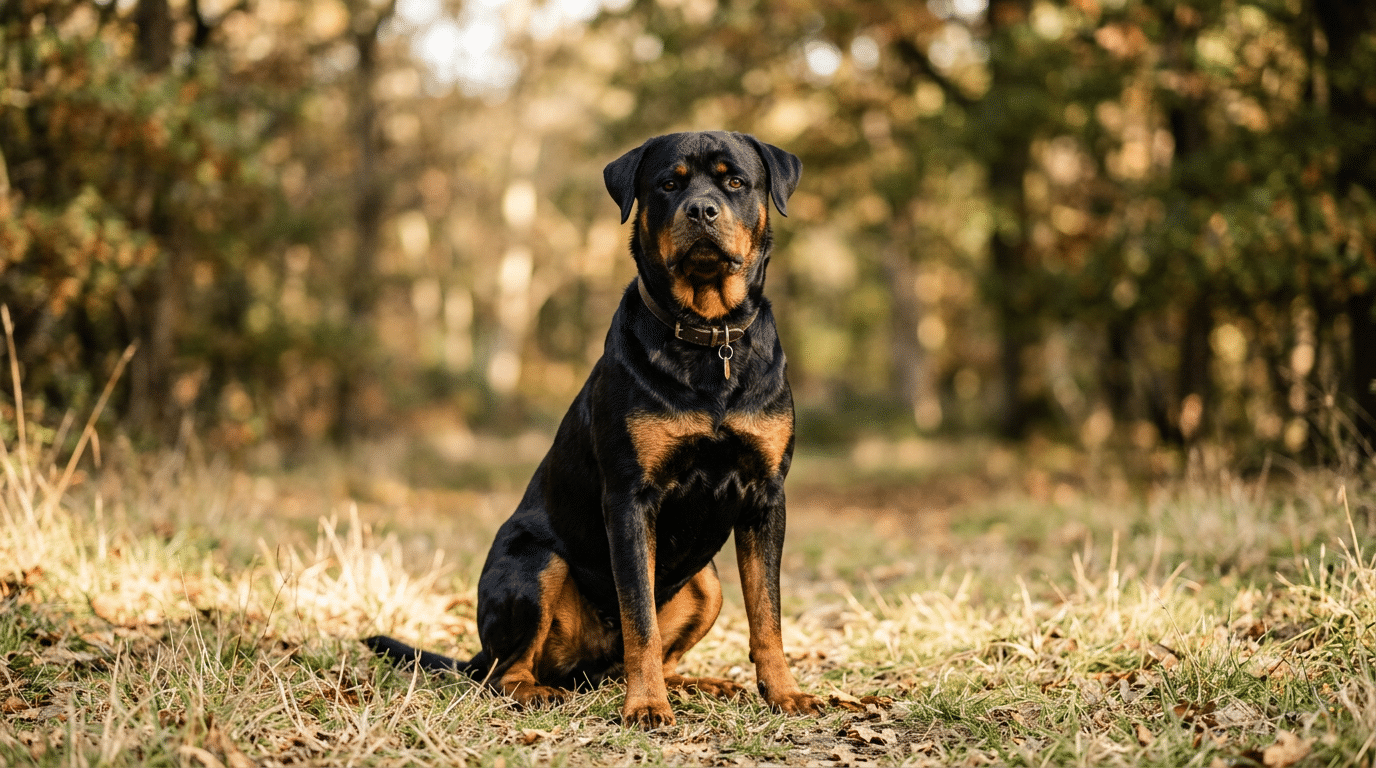
This is the Rottweiler most people picture. Black and tan is the most common coloring in the breed, with lighter golden-to-medium brown markings above the eyes, on the cheeks, alongside the muzzle, on the chest, legs, and under the tail. The tan shade ranges from a warm honey color to a light caramel, always sitting in contrast against the deep black of the main coat.
If you’re looking at the cost of a Rottweiler puppy, black and tan dogs are typically the most widely available from quality breeders. That’s not a knock against them at all. This is the classic look for a reason. The AKC’s breed standard specifies that markings should be “clearly defined” and “not smudged or blurred.” A well-bred black and tan Rottweiler is one of the most striking dogs you’ll ever see.
2. Black and Mahogany
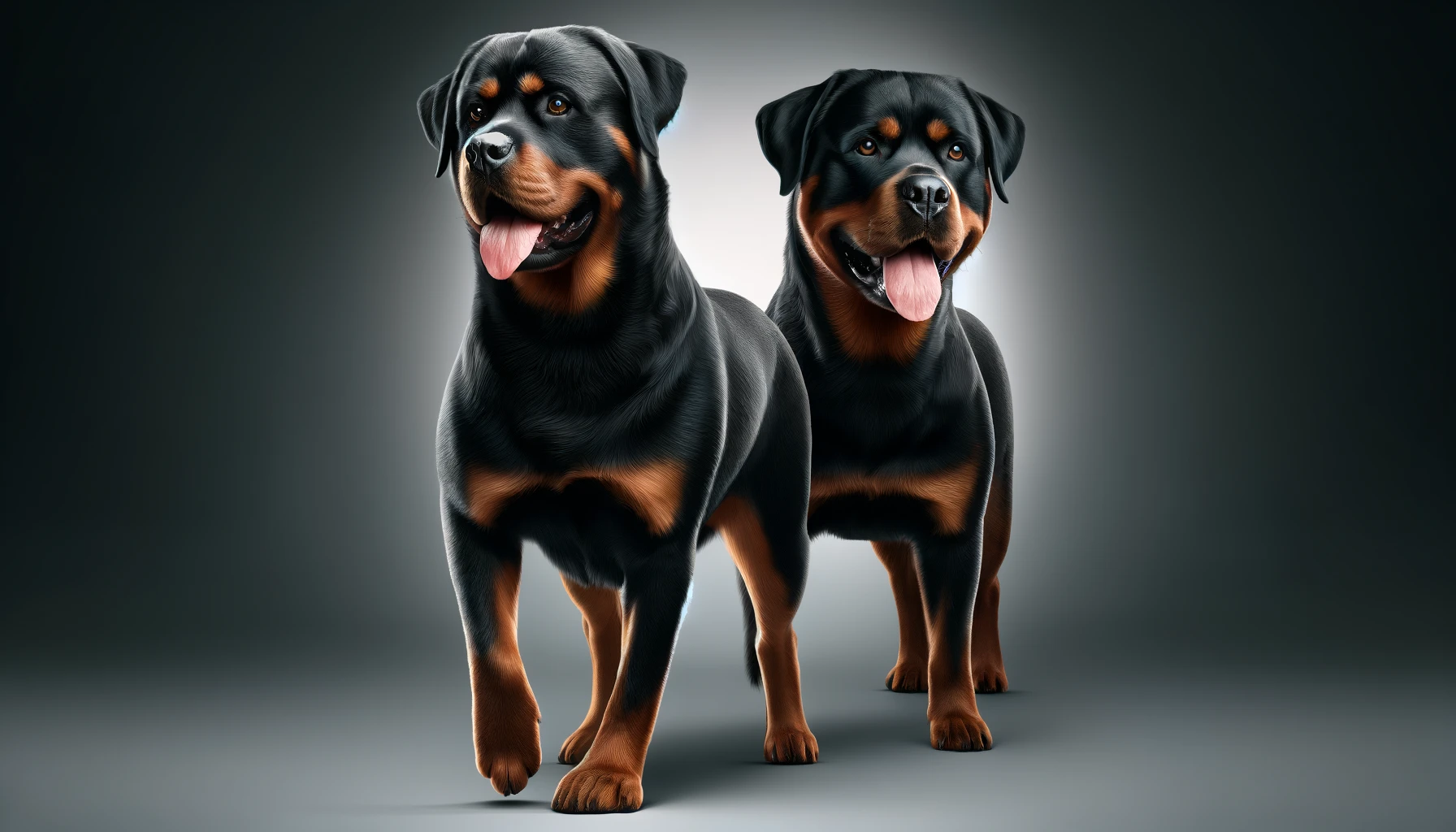
Mahogany is the richest of the three standard marking shades. Think of it as a deep reddish-brown, several shades darker than standard tan. In good light, mahogany markings can look almost amber. They follow the exact same placement as tan markings, but the dramatic contrast between the deep black base and the rich mahogany creates a coat that genuinely turns heads.
Many seasoned Rottweiler owners consider mahogany markings the most visually striking of the standard colors. That’s not an official designation, just a common preference you’ll hear at shows. From a health and temperament standpoint, marking shade makes zero difference. A black and mahogany Rottweiler still needs the same Rottweiler feeding plan and exercise routine as any other.
3. Black and Rust
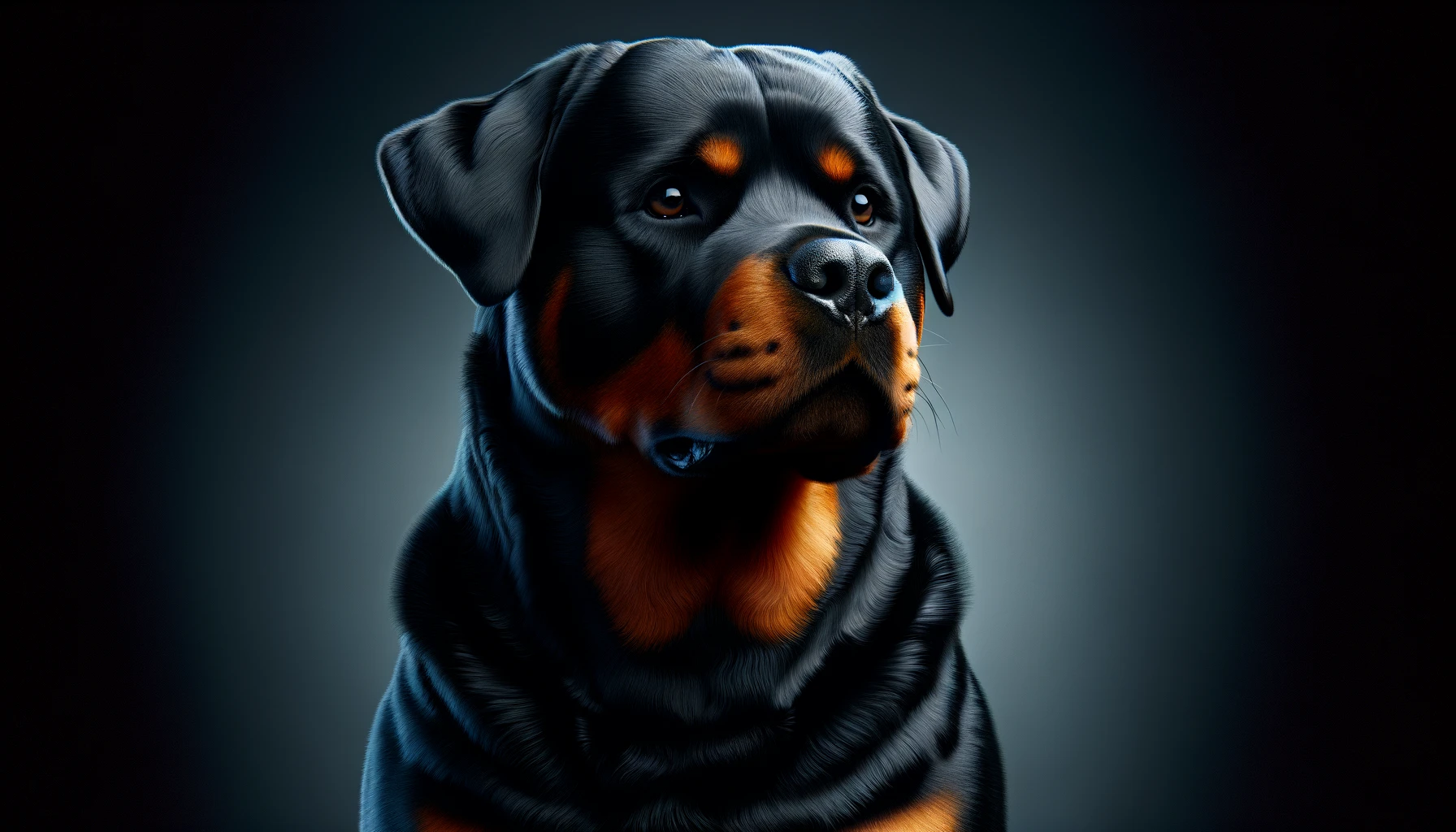
Rust falls between tan and mahogany on the shade spectrum. It’s warm, slightly orange-toned, and sits darker than classic tan without reaching mahogany’s deep red. The rust marking on a Rottweiler often looks especially vivid on sunny days when the orange tones really pop against the glossy black base.
Rust is less common than tan but still fully within the breed standard and perfectly show-legal. If you’re choosing between marking shades, honestly, all three look fantastic. Don’t overthink it.
Standard Rottweiler Marking Locations
Per AKC breed standard, markings must appear at these locations in tan, mahogany, or rust:
- Two spots above the eyes
- On the cheeks and muzzle sides
- A triangular patch on the chest
- On all four legs and feet
- Under the tail
- A strip of gray or light hair permitted under the coat
Note: Markings that are straw-colored, excessive, or poorly defined are listed as faults in the AKC standard.
Rare and Non-Standard Rottweiler Colors
Here’s where it gets interesting, and where some buyers get misled. Several color variations exist outside the AKC standard. These dogs are still Rottweilers, they can be wonderful pets, but they can’t compete in breed shows and some carry real health risks worth knowing about before you buy.
4. Solid Black

A solid black Rottweiler has no visible tan, rust, or mahogany markings. The coat is entirely black from nose to tail. These dogs do exist, though they’re uncommon.
Most solid black Rottweilers are the result of recessive genes from both parents, but some are mixed-breed dogs with Rottweiler ancestry. If you see a breeder advertising “rare solid black purebred Rottweilers” at a big premium, proceed carefully and ask for pedigree documentation. Reputable breeders don’t typically seek to produce this coloring since it’s a disqualifying fault in the show ring. That said, a verified solid black Rottweiler can still be a healthy, loving dog. Just don’t pay extra for the color.
5. Blue Rottweiler
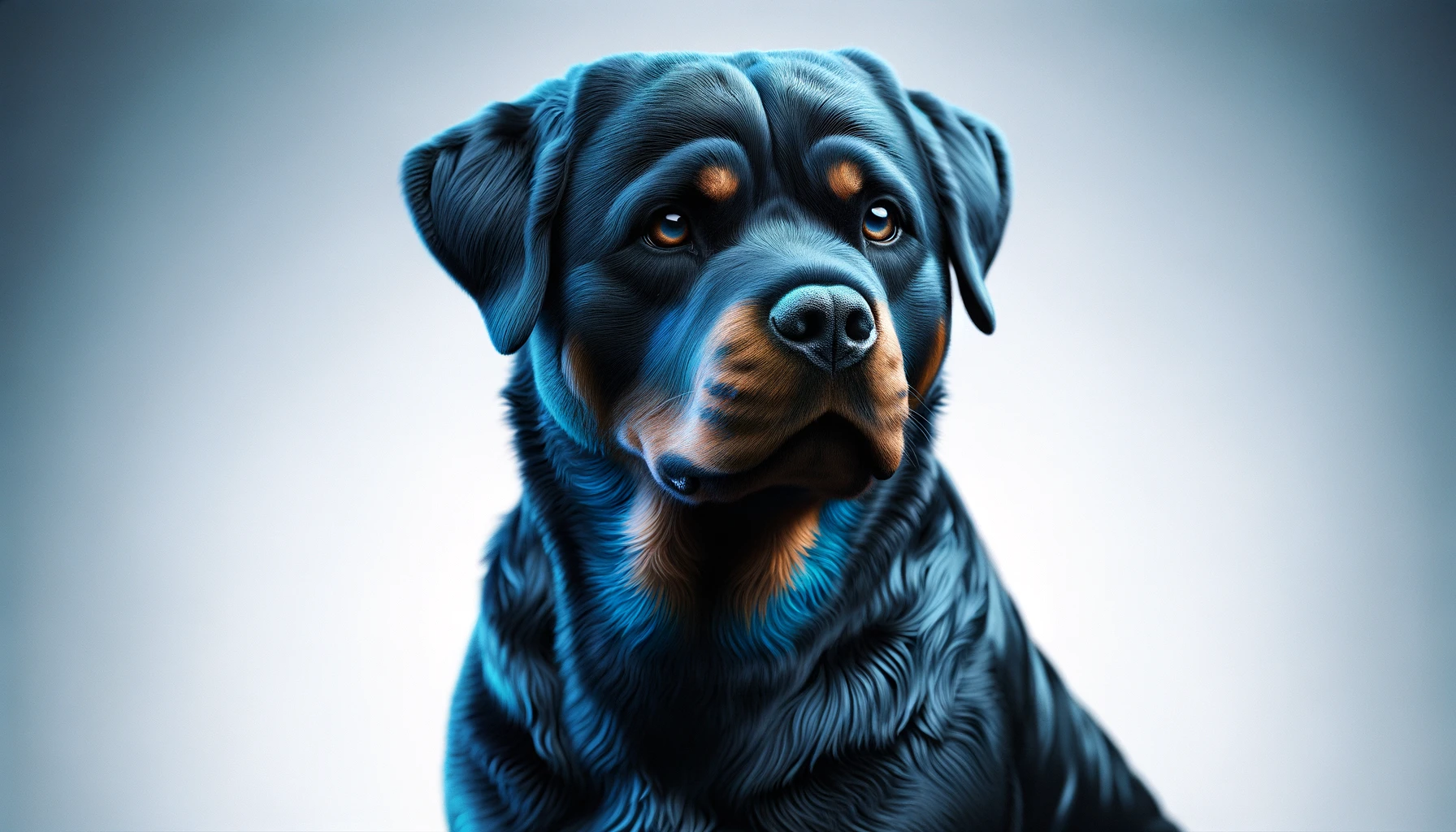
Blue Rottweilers carry a recessive dilution gene (the “d” allele) that dilutes black pigment to a steel gray or blue-gray shade. The result can look almost charcoal or slightly bluish depending on lighting. Their markings, if present, are also diluted and appear as a pale tan or silver.
Here’s the part to pay attention to: the dilution gene is linked to a condition called Color Dilution Alopecia (CDA). Not every dilute dog develops it, but CDA causes patchy hair loss and chronic skin problems. There’s no cure, just management. If you’re considering a blue Rottweiler, ask the breeder specifically about CDA history in their lines and get a vet check before finalizing anything.
6. Red Rottweiler
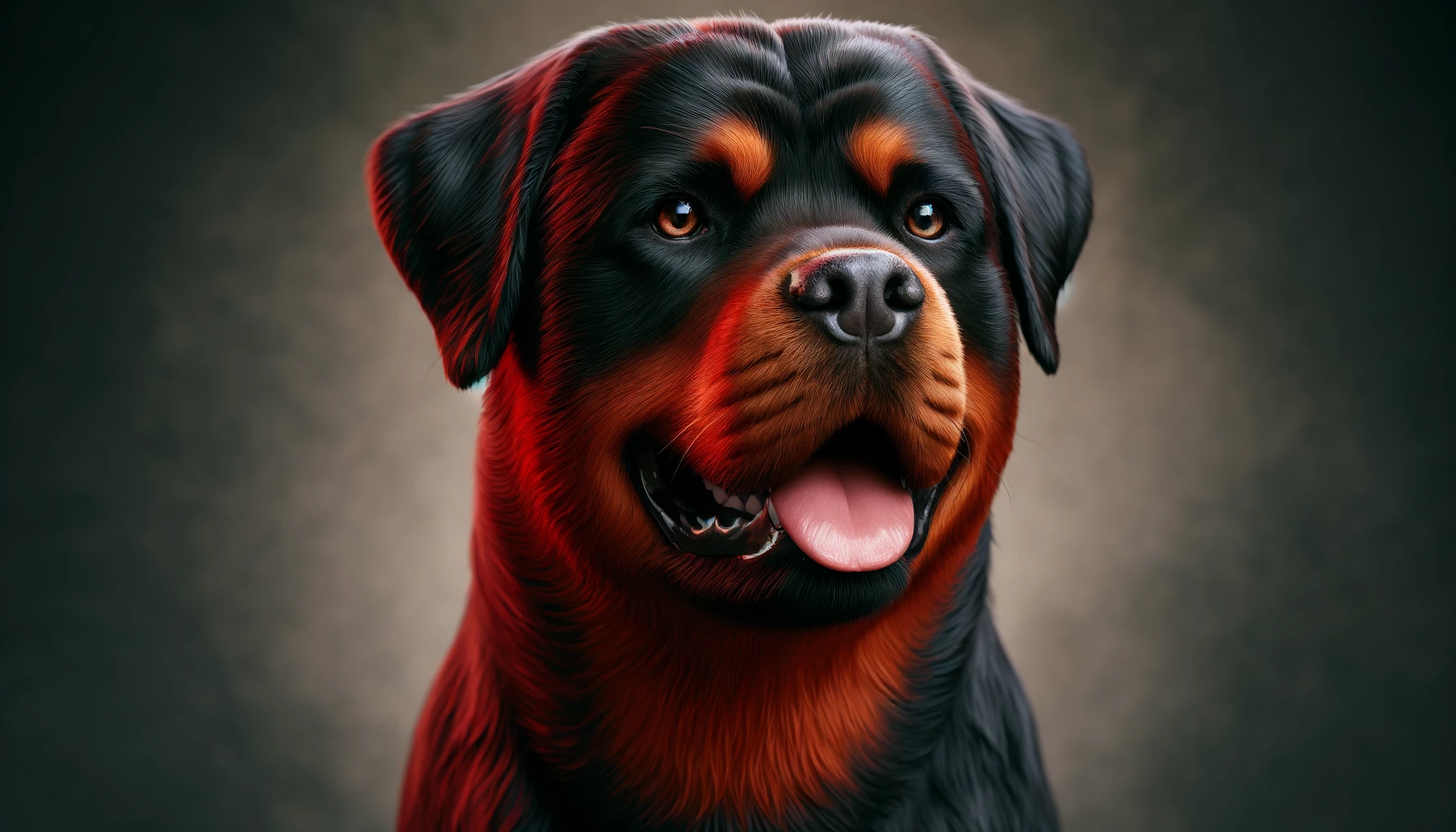
A red Rottweiler has a base coat that’s a light reddish-brown instead of black. It’s caused by another recessive gene that replaces the typical black pigment with phaeomelanin (the same pigment behind reddish coats in Golden Retrievers and Irish Setters). The markings, if present, are a lighter tan shade on a warm brown base.
Red Rottweilers are extremely uncommon. Many sold as “red Rottweilers” are actually mixed-breed dogs. If you’re considering one, look for a full pedigree and be skeptical of any claim that the red color makes the dog more valuable. It doesn’t, and some red dogs show skin and coat issues similar to what’s seen in dilute dogs.
7. Albino Rottweiler
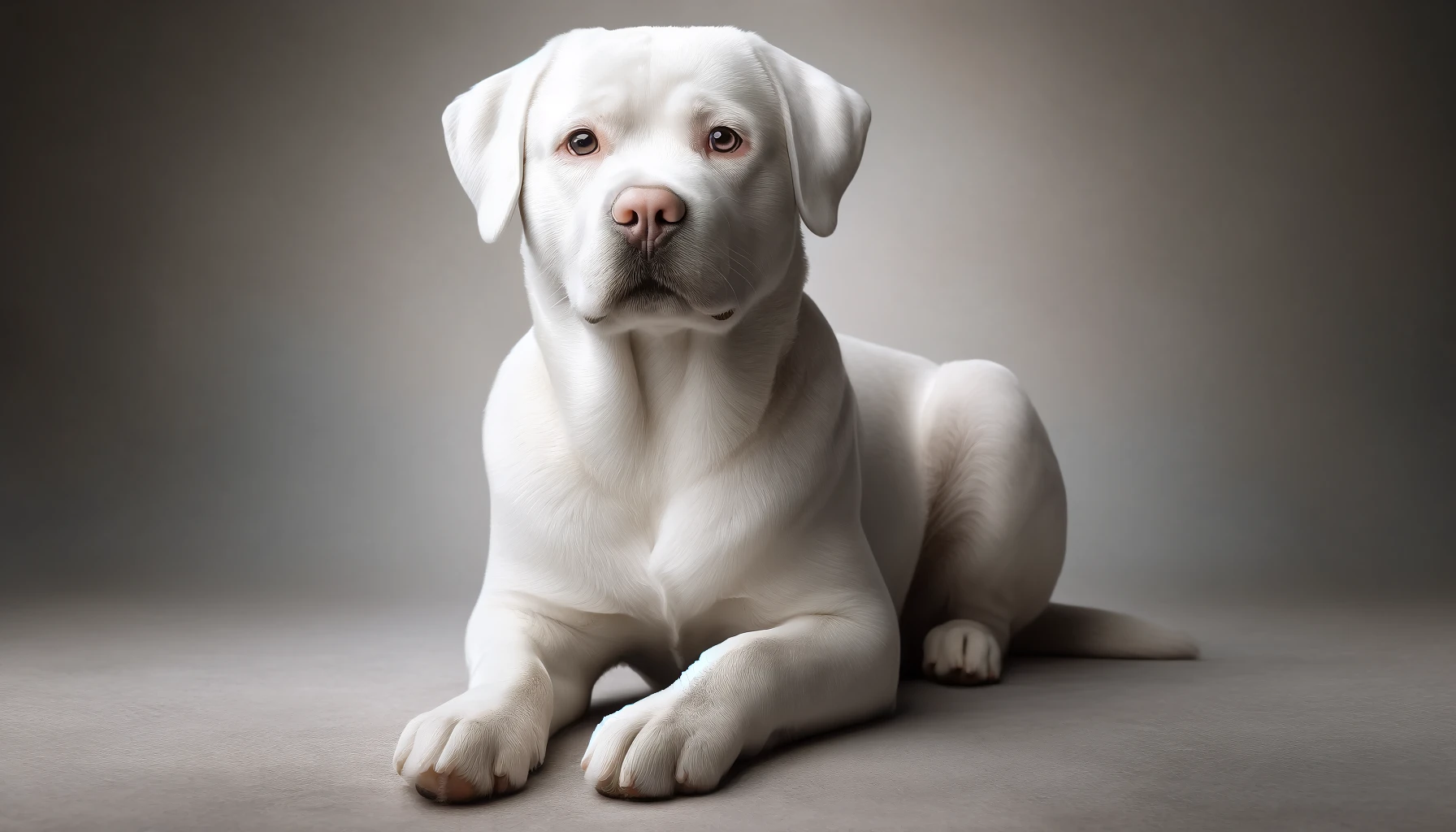
Albino Rottweilers have no melanin at all. Their coat is white, their eyes are pink or very pale blue, and their skin is unpigmented. True albinism in Rottweilers is extraordinarily rare.
This is the one color variation where the health implications are significant. Albino dogs are highly sensitive to UV light, prone to sunburn, at risk for skin cancer with prolonged exposure, and frequently have vision impairment. Responsible breeders don’t intentionally produce albinos. If you encounter one for sale, the dog needs careful management for life, including sun protection, limited outdoor time in bright conditions, and regular vet checkups.
What Actually Causes These Color Variations?
Rottweiler coat color is controlled by a handful of genes. The big ones to know:
The A (agouti) locus controls the basic black-and-tan pattern. All standard Rottweilers express the “at” allele, which creates the classic bicolor look. The E locus controls whether black pigment can be expressed at all. And the B and D loci are where dilution happens. Two copies of the recessive “d” allele produce blue dogs. Two copies of “b” would produce a liver (brown) dog, which is vanishingly rare in Rottweilers.
True albinism is even simpler: it’s a failure of the pigment-producing pathway entirely, usually due to mutations in genes like TYR (tyrosinase). The result is a dog with no pigment anywhere in its body.
Within the three standard colors, the variation you’re seeing is less about distinct gene variants and more about expression level. A dog with very rich, dark tan markings has higher melanin expression in the pheomelanin pathway. That’s influenced by multiple minor genes plus environmental factors like nutrition and sun exposure.
Does Coat Color Affect Your Rottweiler’s Health?
For standard colors (black and tan, mahogany, or rust), the answer is no. Color and health aren’t linked in normally pigmented Rottweilers.
For dilute colors (blue, red), there’s a real but not universal risk of Color Dilution Alopecia. It doesn’t affect every dilute dog, but you should know it’s possible. Signs include recurring patches of hair loss, typically starting around age 6 months to 3 years, and chronic dry or flaky skin in those areas.
For albino dogs, health concerns are much more serious and essentially guaranteed to some degree. Nutrition, meanwhile, can affect how vivid the markings look on any Rottweiler. Dogs on poor diets sometimes show faded or dull markings. If you want your Rottweiler’s coat to look its best, feeding a high-quality diet built for large breeds makes a real difference. You can also check out the best dry dog foods for Rottweilers if you’re not sure where to start. And if your dog’s been gaining weight, their coat condition can change too, so it’s worth checking whether your Rottweiler’s weight is in a healthy range.
Frequently Asked Questions About Rottweiler Colors
What is the standard Rottweiler color?
The AKC standard recognizes one base color (black) with three acceptable marking shades: tan, mahogany, and rust. All three follow the same marking pattern. Any other coloring is considered a fault or disqualification in the breed standard.
Are there rare Rottweiler colors?
Yes. Solid black, blue, red, and albino Rottweilers all exist but are not accepted by major kennel clubs for showing. Blue and red dogs carry dilution genes that can cause skin and coat problems. Albino dogs have serious health concerns. “Rare” doesn’t mean better, and you shouldn’t pay a premium for non-standard colors.
Can a Rottweiler be white?
Only through true albinism, which involves a complete absence of pigment. These dogs have white coats and pink or pale blue eyes. It’s extremely rare and comes with significant health challenges including sun sensitivity, vision problems, and higher skin cancer risk.
What causes blue and red Rottweilers?
Both result from recessive dilution genes. Blue dogs carry two copies of the “d” allele, which dilutes black pigment to a grayish-blue. Red dogs carry genes that replace black pigment with reddish-brown (phaeomelanin). Neither is a recognized AKC color.
Do Rottweiler puppies change color as they grow?
Not significantly. They’re born with their markings in place, and those markings deepen and clarify as the puppy matures. The black typically gets richer and the tan or rust becomes more vibrant by 12-18 months. Any dramatic color shift suggests a non-standard gene or mixed breeding.
Why do some Rottweilers have lighter or faded markings?
Genetics, nutrition, age, and sun exposure all play a role. Puppies often show lighter markings that darken with maturity. Dogs on lower-quality diets may show duller markings. Prolonged sun exposure can fade the marking color slightly. If fading is sudden or patchy, a vet check makes sense to rule out an underlying condition.
Is a black and gold Rottweiler a thing?
Not officially. Gold or yellow-toned markings aren’t recognized in the AKC standard. A dog showing very bright, almost yellow markings might have genetics outside the breed standard or could be a mix. The approved shades are tan (light golden-brown), mahogany (deep reddish-brown), and rust (warm orange-brown).
Can Rottweilers have brindle coats?
No. Brindle is not a recognized pattern in Rottweilers. If a dog advertised as a Rottweiler shows brindle stripes, it’s almost certainly a mixed breed with another dog that carries the brindle gene, such as a Mastiff or Boxer. That’s fine if you want a great dog, but it’s not a purebred Rottweiler.
Does color affect a Rottweiler’s temperament?
No. Coat color has no effect on personality, intelligence, or trainability. A blue Rottweiler isn’t calmer or more aggressive than a black and tan one. Temperament comes from breeding lines, socialization, and training.
How do I make sure my Rottweiler puppy will have correct markings?
Buy from a reputable breeder who follows the AKC standard and provides health clearances and full pedigree documentation. Rottweiler puppies are born with their markings visible, so what you see at 8 weeks is a good indicator of what you’ll get at maturity, just richer and more defined. If you’re trying to figure out what to feed your new Rottweiler puppy to support coat health from day one, starting with the right nutrition matters more than most people realize.
Are there health tests I should ask about beyond color?
Definitely. Color is the least of your concerns when choosing a Rottweiler. Ask breeders about hip and elbow dysplasia clearances, cardiac evaluation, and eye certification. The OFA (Orthopedic Foundation for Animals) maintains a public database where you can look up health clearances. These health factors matter far more than what shade the markings are. You’ll also want to know exactly how much to feed your Rottweiler once you bring them home, since overfeeding is one of the most common issues in this breed.
Bottom Line
Rottweiler colors come down to this: three are AKC-standard, four are not. The three standard shades (tan, mahogany, rust) are all variations on the same classic black-and-marked look that’s defined this breed for over a century. They’re equal in the eyes of the standard, equal in health implications, and all three look genuinely great on a well-built Rottweiler.
The non-standard colors (solid black, blue, red, albino) exist, can make wonderful pets in most cases, but shouldn’t command premium prices and come with health considerations you need to understand. Don’t let a breeder charge you extra for a “rare” color. Ask about health clearances instead.
If you’re bringing home a Rottweiler, what really matters is that the dog comes from a health-tested line, is well-socialized, and gets the right nutrition and care. Check out the complete Rottweiler feeding guide to make sure you’ve got the nutrition side dialed in from day one. And if you’re still in the shopping phase, understanding what a Rottweiler puppy actually costs by US region will help you spot when a price is reasonable versus inflated.
A Rottweiler’s color is the last thing that should drive your decision. Their loyalty, intelligence, and that unmistakable presence are the same in every coat.












 English (US) ·