
 7 hours ago
1
7 hours ago
1
Every year, roughly 3.1 million dogs enter US shelters, according to the ASPCA. That’s a staggering number. And while any dog can find itself homeless, certain breeds show up in shelters again and again at rates that are hard to ignore. Some are there because they were impulse buys that turned out to be “too much dog.” Others landed there because of breed-specific legislation, unexpected life changes, or simply because their owners didn’t understand what they were signing up for.
This isn’t about shaming anyone. Life happens, and sometimes surrendering a dog really is the most responsible option. But understanding which breeds are most at risk, and why, can make a real difference. It helps potential adopters go in with eyes open. It helps rescue volunteers prepare. And it helps dog lovers everywhere advocate for the animals who need it most.
Here are the 15 most abandoned dog breeds in the US right now, along with honest explanations of why they end up in shelters and what you should know before bringing one home.
📊 Quick Stats: Dog Abandonment in the US
3.1M
Dogs enter US shelters every year
~47%
Pit bull-type dogs in some urban shelters
~25%
Of shelter dogs are purebred
12.5 days
Average shelter stay before adoption or outcome
Sources: ASPCA, National Council on Pet Population Study, shelter intake data aggregates
Why Dogs End Up in Shelters
Before getting into specific breeds, it helps to understand the root causes behind shelter surrenders. Most of the time, it isn’t one big dramatic reason. It’s a slow build of mismatched expectations, unmet needs, and circumstances beyond anyone’s control.
Top Reasons Dogs Are Surrendered to Shelters
- Impulse adoption – A puppy looked cute online, but the reality of ownership wasn’t researched
- Unmet exercise needs – High-energy breeds become destructive when they don’t get enough activity
- Behavioral issues – Aggression, anxiety, and reactivity that owners weren’t prepared to manage
- Life changes – Moving, divorce, new baby, job loss, or housing restrictions
- Breed-specific legislation (BSL) – Certain breeds are banned in specific cities or rental properties
Impulse adoption is the biggest culprit. Social media makes dogs look adorable and easygoing, but the breeds on this list are anything but low-maintenance. When reality doesn’t match the fantasy, surrender rates spike. Understanding why these breeds end up in shelters so often is the first step toward fixing it.
The 15 Most Abandoned Dog Breeds in the US (2026)
1. Pit Bull Terrier
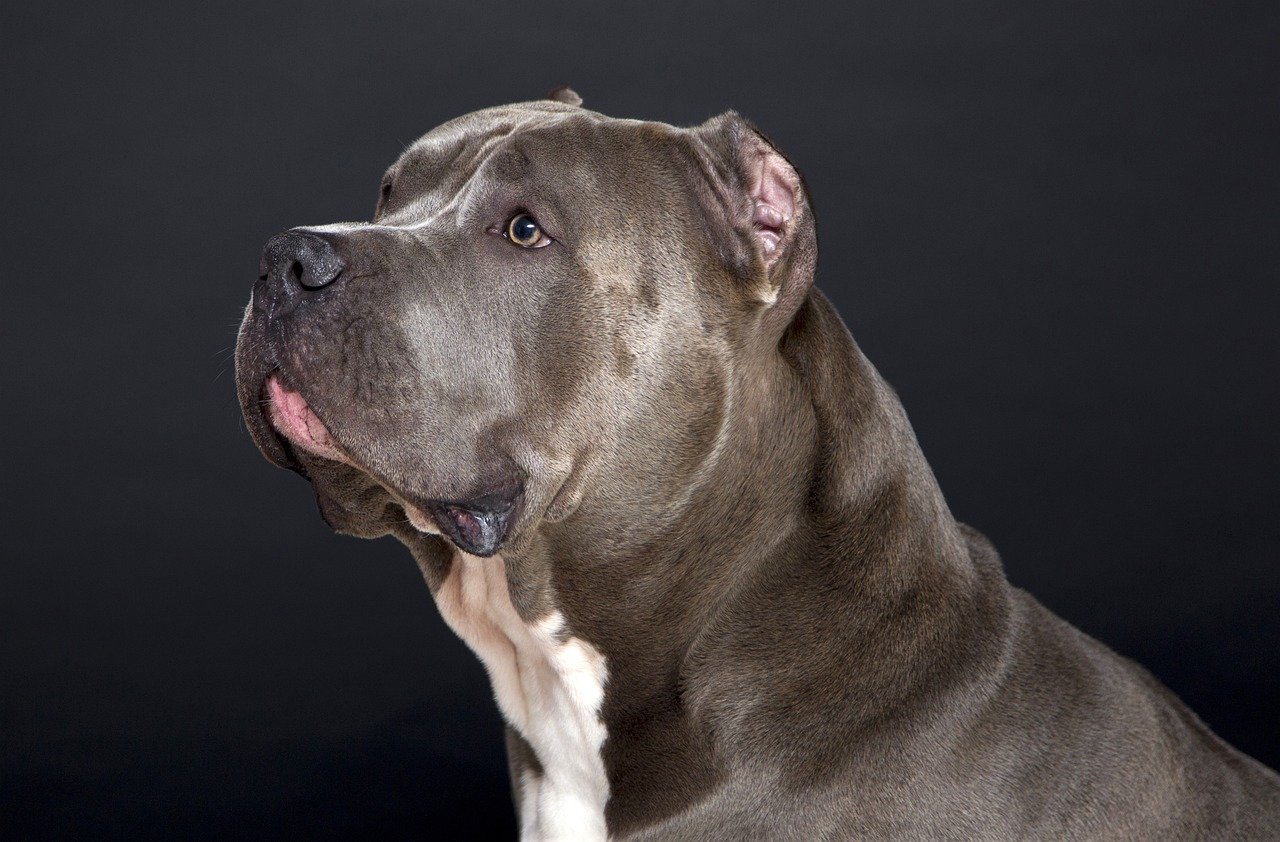
No breed appears in American shelters more often than the Pit Bull Terrier. In some urban shelters, pit bull-type dogs make up nearly half of all intakes. That’s a heartbreaking statistic for a breed that is, at its core, affectionate, loyal, and eager to please.
So why are there so many in shelters? The reasons stack up fast. Breed-specific legislation bans them outright in certain cities and counties. Many landlords and rental properties won’t allow them. Their strength and high energy can overwhelm inexperienced owners. And because they reproduce quickly and are sometimes bred irresponsibly, their numbers in the general population are enormous.
Pit Bulls are incredibly responsive to training when it’s consistent and positive. They thrive with experienced owners who understand canine body language and can provide structure. They’re not the right dog for a passive household, but in the right home, they’re one of the most devoted companions you’ll ever have. Don’t let the stigma fool you.
2. Chihuahua
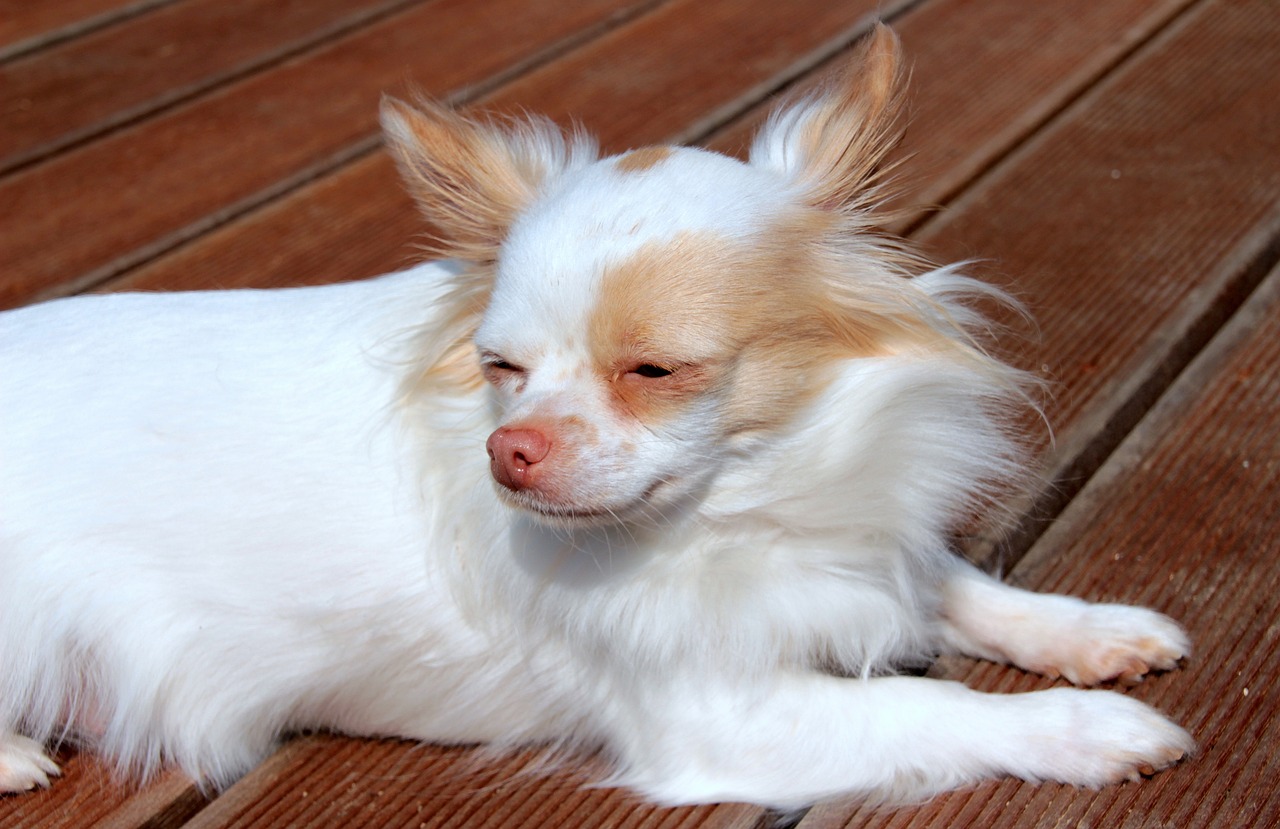
It might surprise you to see a tiny dog so high on this list, but Chihuahuas flood shelters across the US, especially in California and the Southwest. Part of the problem is that people assume small means easy. It doesn’t.
Chihuahuas are bold, opinionated, and fiercely loyal to one person. They can be territorial, snappy with strangers, and genuinely miserable if they don’t get adequate socialization and training from puppyhood. A Chihuahua that isn’t properly trained is often labeled “aggressive” and surrendered, even though the behavior was entirely preventable.
They’re also victims of overbreeding. Because they’re small and inexpensive to keep, people breed them casually, creating a surplus that shelters can’t keep up with. If you’re considering a Chihuahua, know that they need just as much training and socialization as any larger breed. The small size is not a substitute for structure.
3. Husky
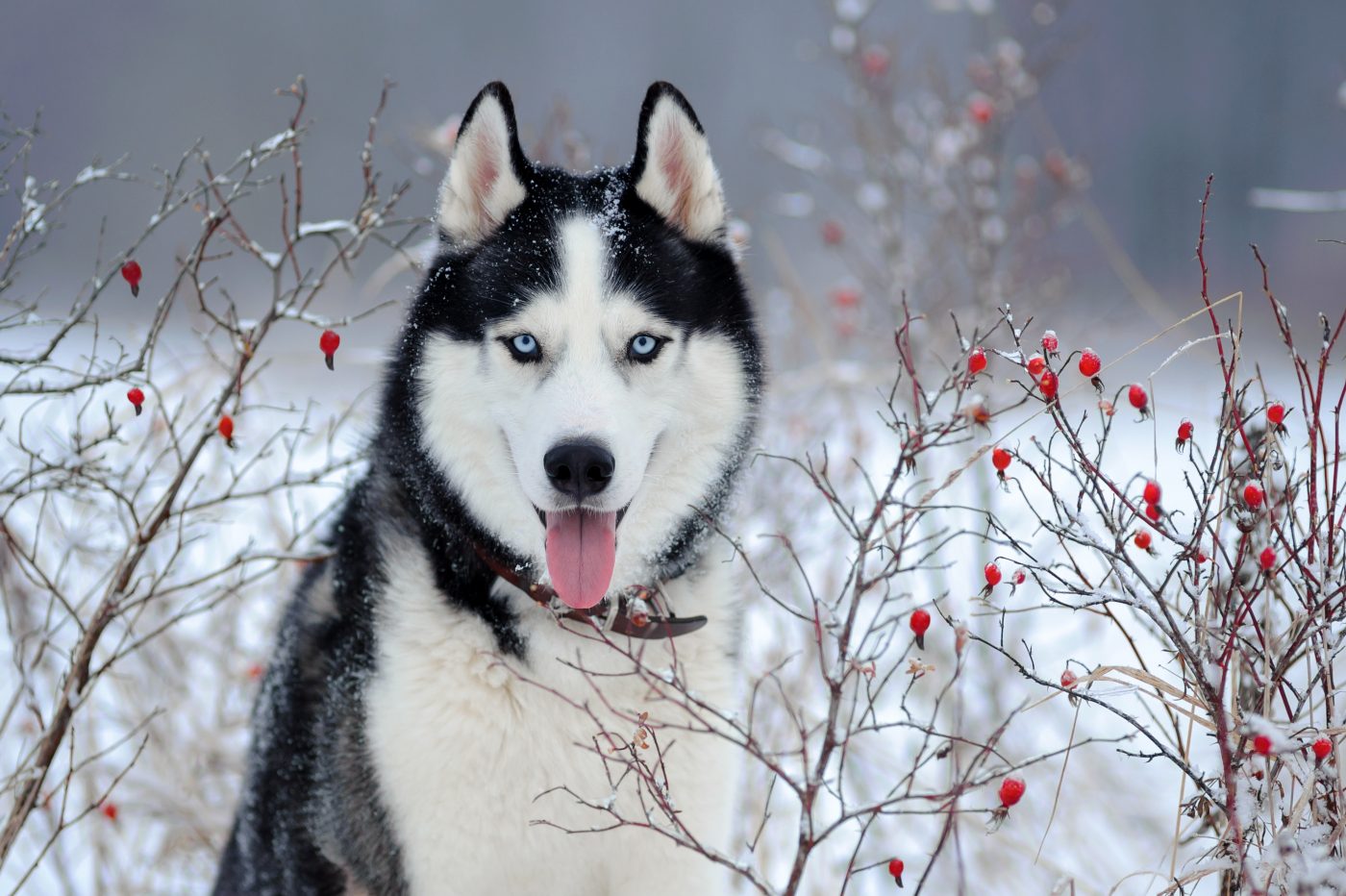
The Husky is one of the most visually stunning dogs on earth. Those ice-blue eyes and wolf-like looks make them a constant target for impulse adoption. And then reality sets in.
Huskies were bred to run. Not jog. Not walk around the block. Run for miles, every single day, pulling sleds across frozen terrain. When they don’t get that outlet, they destroy furniture, escape yards with almost frightening ease, and howl for hours. They shed aggressively twice a year and moderately the rest of the time. They’re also notoriously independent and can be difficult to train.
Surrender rates spike every spring, right after the holidays, when all those Christmas puppies hit their adolescent phase. Huskies need a very specific lifestyle to be happy. Active, experienced owners who understand the breed’s needs are the only real fit. Anything else, and you’re setting both of you up for frustration.
4. German Shepherd

German Shepherds are one of the most popular dog breeds in the US, which also makes them one of the most surrendered. Popularity and high volume always come with a cost.
They’re working dogs through and through. Without a job to do or serious mental stimulation, German Shepherds develop anxiety, destructive behavior, and sometimes aggression. They bond intensely with their families, which sounds great until you realize that bond can tip into separation anxiety and reactivity if it’s not balanced with proper training.
Many German Shepherds arrive at shelters with behavioral issues that developed because their owners weren’t prepared for the commitment. They’re also prone to hip dysplasia and other health conditions that can lead to surrender when veterinary costs become overwhelming. This is a breed that needs an experienced, dedicated owner with time and energy to invest.
5. Beagle

Beagles look like the perfect family dog. They’re medium-sized, friendly, gentle with kids, and adorable. What many new owners don’t anticipate is the nose.
A Beagle’s sense of smell is one of the most powerful in the dog world. When that nose catches an interesting scent, the rest of the dog’s brain essentially goes offline. Recall? Gone. Fence? Irrelevant. Leash manners? Forget it. Beagles are escape artists who will follow a scent trail right out of a yard and miles down the road without looking back.
They’re also vocal. That classic Beagle bay is beautiful to some and absolutely maddening to neighbors, especially in urban apartments. Owners who weren’t prepared for the noise or the containment challenges often end up surrendering them. With the right training, secure yard, and patient owner, Beagles are wonderful. But they’re not the easygoing couch dog they appear to be.
6. Jack Russell Terrier
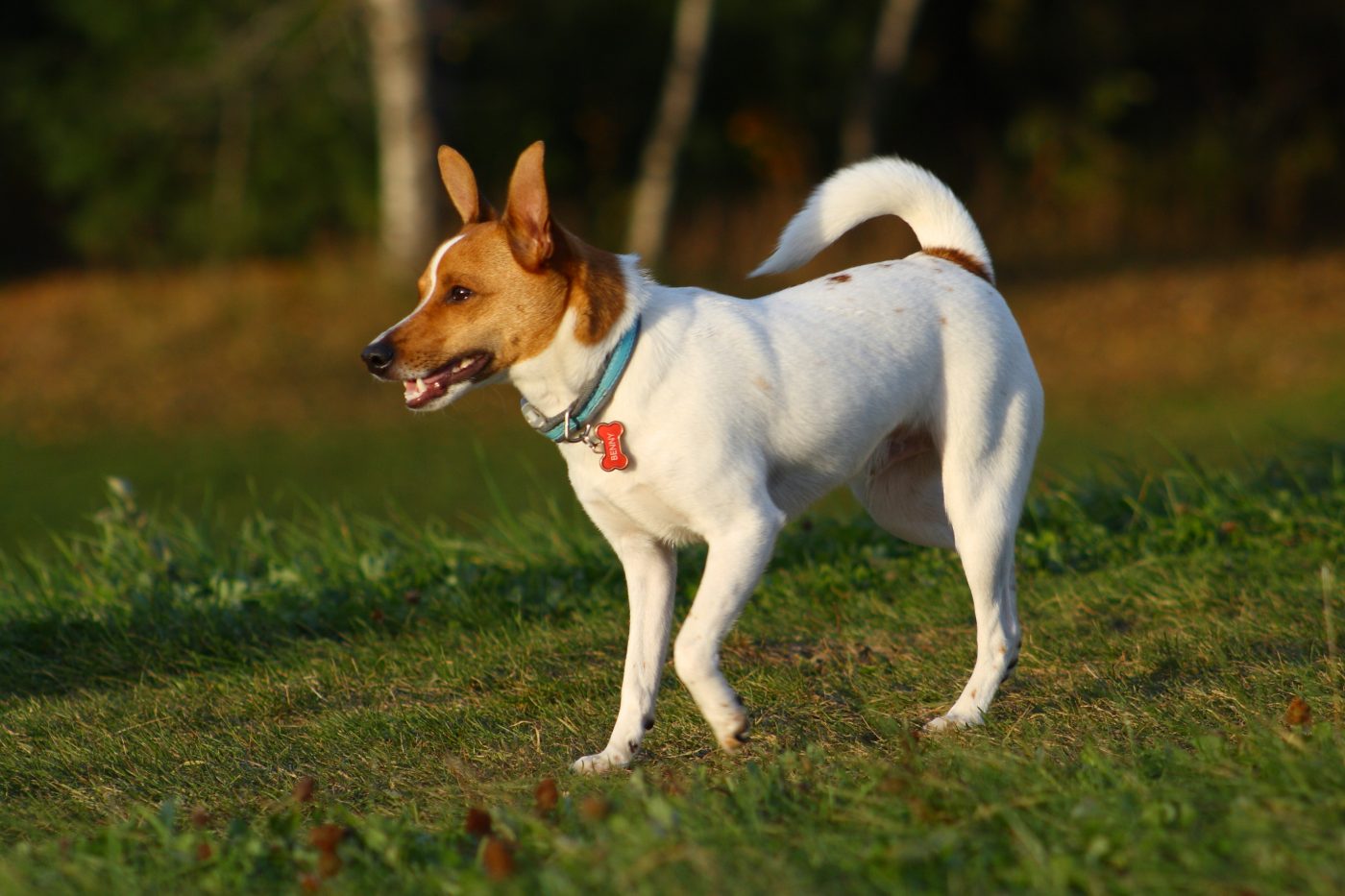
Jack Russell Terriers are often described as ten pounds of dog in a five-pound body. That’s not a compliment, exactly. It’s a warning.
These dogs were bred to hunt foxes. They’re fearless, relentless, and have energy levels that seem physically impossible for their size. They can be dog-aggressive, they dig like it’s their life’s purpose, and they won’t back down from anything. A bored Jack Russell is a destructive Jack Russell, and they bore easily unless given constant stimulation and structured activity.
They end up in shelters frequently because families with young children or other pets discover the hard way that Jack Russells can be difficult to live with without proper training. They’re also strong-willed enough that novice owners often feel like they’ve lost control entirely. In the right hands, they’re hilarious and brilliant. In the wrong hands, they’re a handful that often ends up surrendered.
7. Boxer
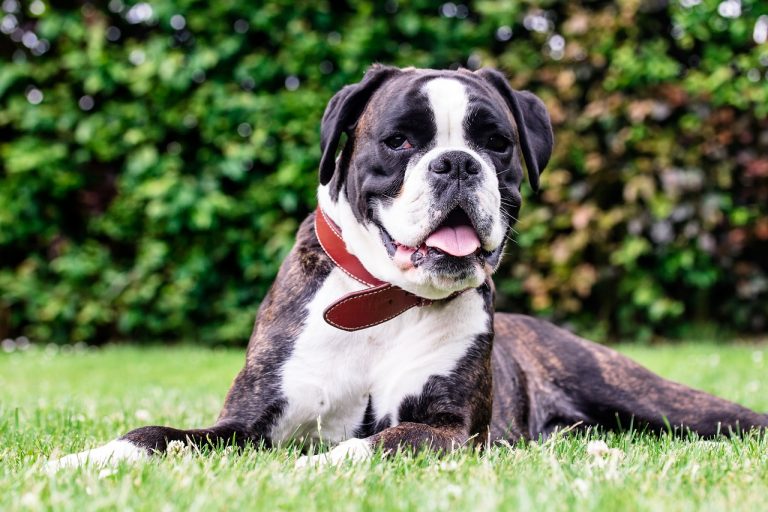
Boxers are exuberant, goofy, and incredibly loving. They’re also a lot. A young Boxer has seemingly endless energy and a body big enough to cause real chaos when that energy isn’t channeled properly.
They’re prone to jumping on people, counter-surfing, and general bounciness that can overwhelm families with small children or elderly members. They can be stubborn in training, though they respond well to positive reinforcement when you’re consistent. Boxers also don’t do well when left alone for long stretches. They’re deeply social and can develop destructive habits or anxiety when isolated.
Health problems are another common reason for surrender. Boxers are prone to cancer, heart conditions, and hip dysplasia, and the associated vet bills can catch owners off guard. If you’re adopting a Boxer, budget for regular vet care and be ready for a dog who will love you with every ounce of their very large heart.
8. Belgian Malinois
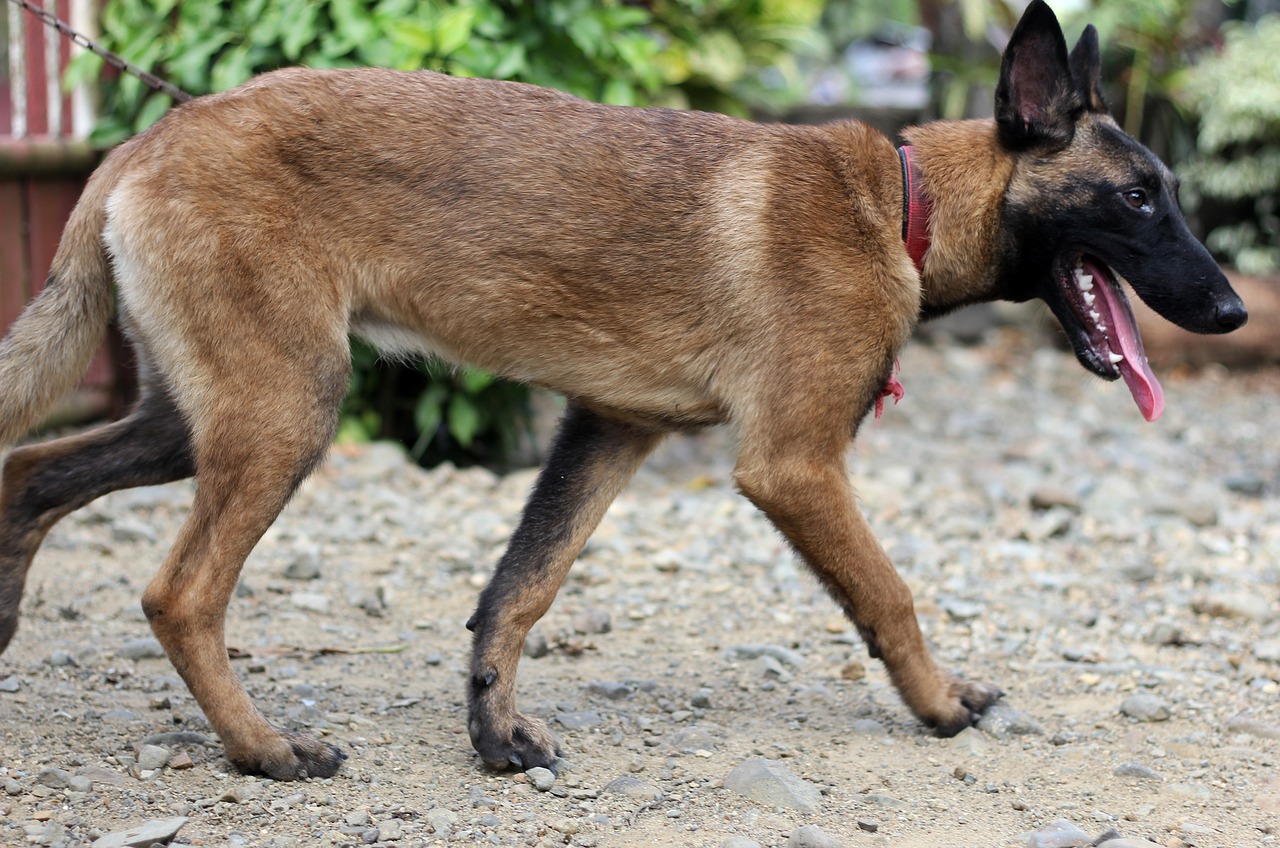
The Belgian Malinois rose to mainstream fame when people saw them working alongside Navy SEALs and police K-9 units. The result was predictable: a wave of impulse adoptions by people who had no idea what they were getting into.
The Malinois is not a pet dog in the traditional sense. It’s a working dog. It needs a job, intense daily exercise, advanced training, and an owner who can keep up with a dog that is always operating at full speed. Without that outlet, a Malinois becomes genuinely difficult to manage. They can become destructive, anxious, and in some cases dangerous if their needs aren’t met.
Rescue organizations that specialize in the breed frequently report a surge in surrenders after any high-profile Malinois appearance in media. This breed is best suited for experienced owners who have worked with high-drive dogs before. They’re not for first-time owners, apartment dwellers, or anyone who works long hours away from home.
9. Alaskan Malamute
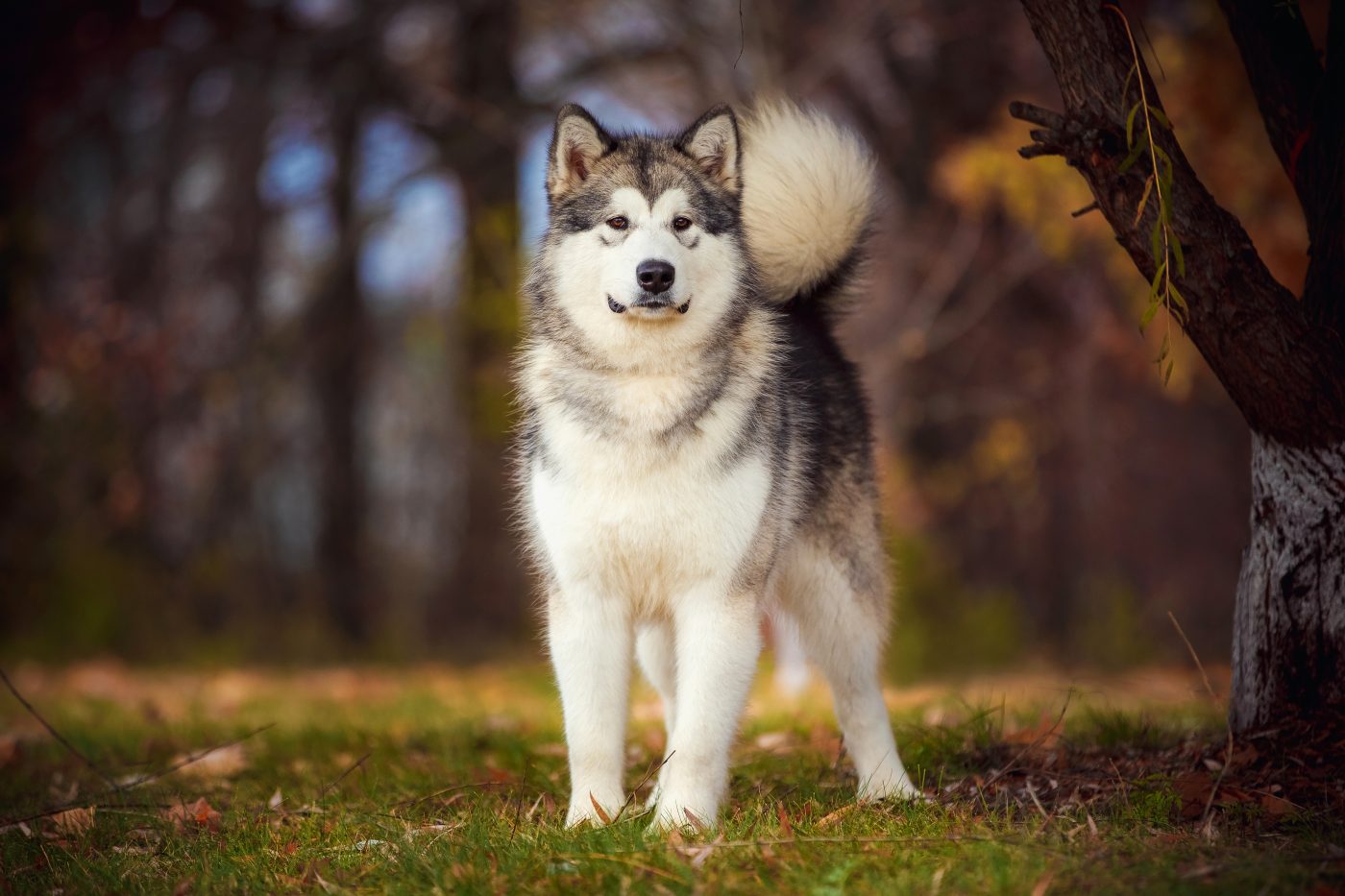
Often confused with Huskies, Alaskan Malamutes face many of the same challenges in homes. They’re even larger and arguably even more stubborn. Malamutes were bred to haul heavy loads over long distances, and that working instinct doesn’t disappear just because they’re living in a suburb.
They require serious daily exercise, are known to be independent thinkers (translation: they’ll ignore you when it suits them), and they dig. A lot. Malamutes can also be dog-aggressive, particularly with same-sex dogs, which limits adoption options and makes multi-dog households tricky.
They shed heavily year-round and are notorious for testing every boundary you set. People fall in love with how majestic they look and adopt without fully researching the breed. The result is a dog that ends up in rescue once the reality of ownership sets in. They need experienced owners with access to plenty of outdoor space and a genuine understanding of working dog behavior.
10. Akita
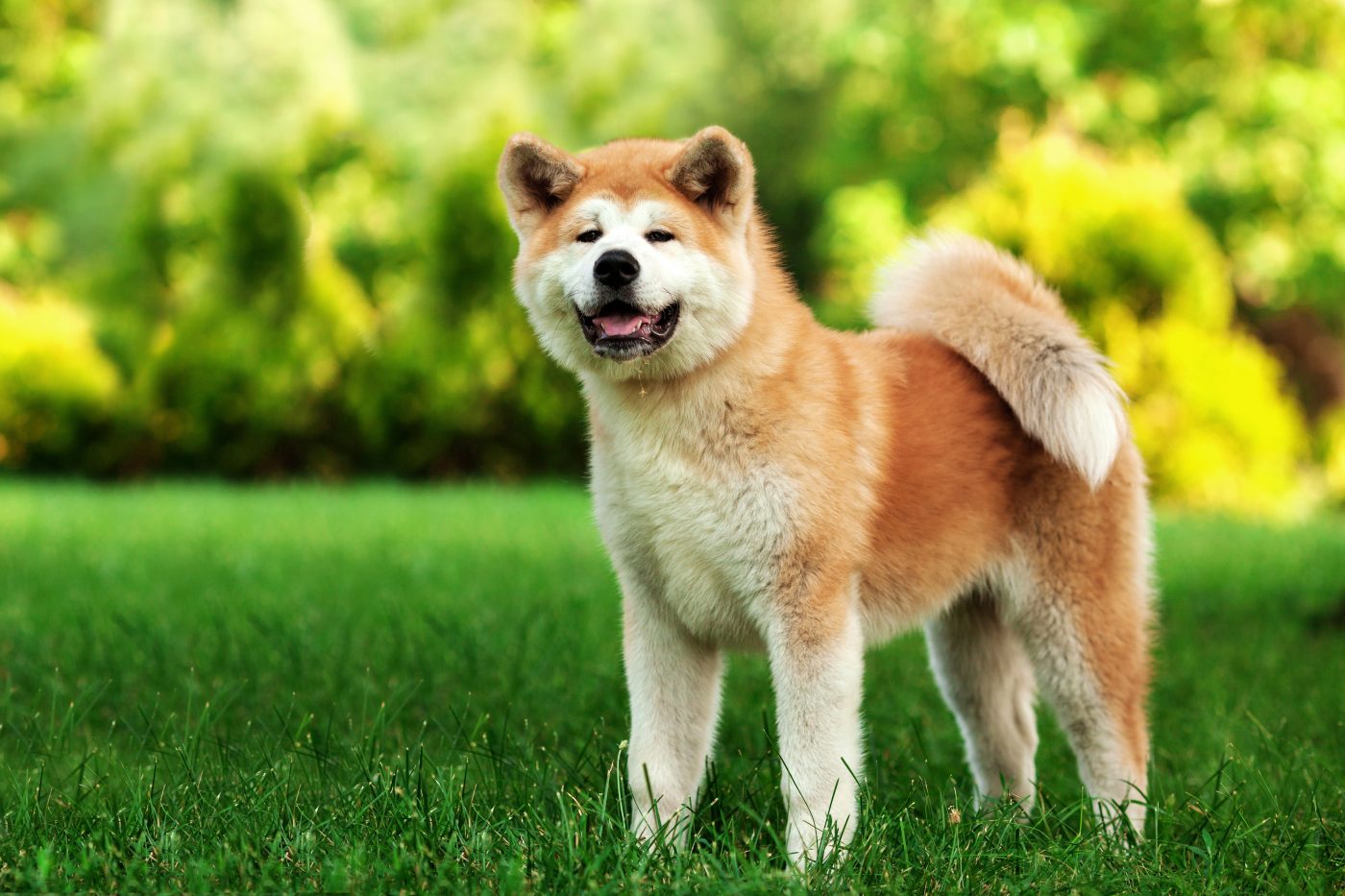
Akitas are loyal, dignified, and absolutely devoted to their families. But they can be deeply challenging for anyone who doesn’t understand what makes them tick.
They’re reserved with strangers and can be aggressive toward other dogs, especially of the same sex. They don’t do well in chaotic households and aren’t naturally kid-friendly unless raised with children from a young age. Training an Akita requires patience and consistency, and they don’t respond well to harsh methods. An Akita who doesn’t respect their owner can become very difficult to manage at their size.
Surrender rates are high because people are attracted to their beauty and loyalty without understanding their complex temperament. Many Akitas end up in shelters after a biting incident or because a family couldn’t manage their dog-aggression. They need experienced owners who can provide firm, loving leadership and a stable environment where the Akita knows exactly what’s expected of them.
11. Dalmatian
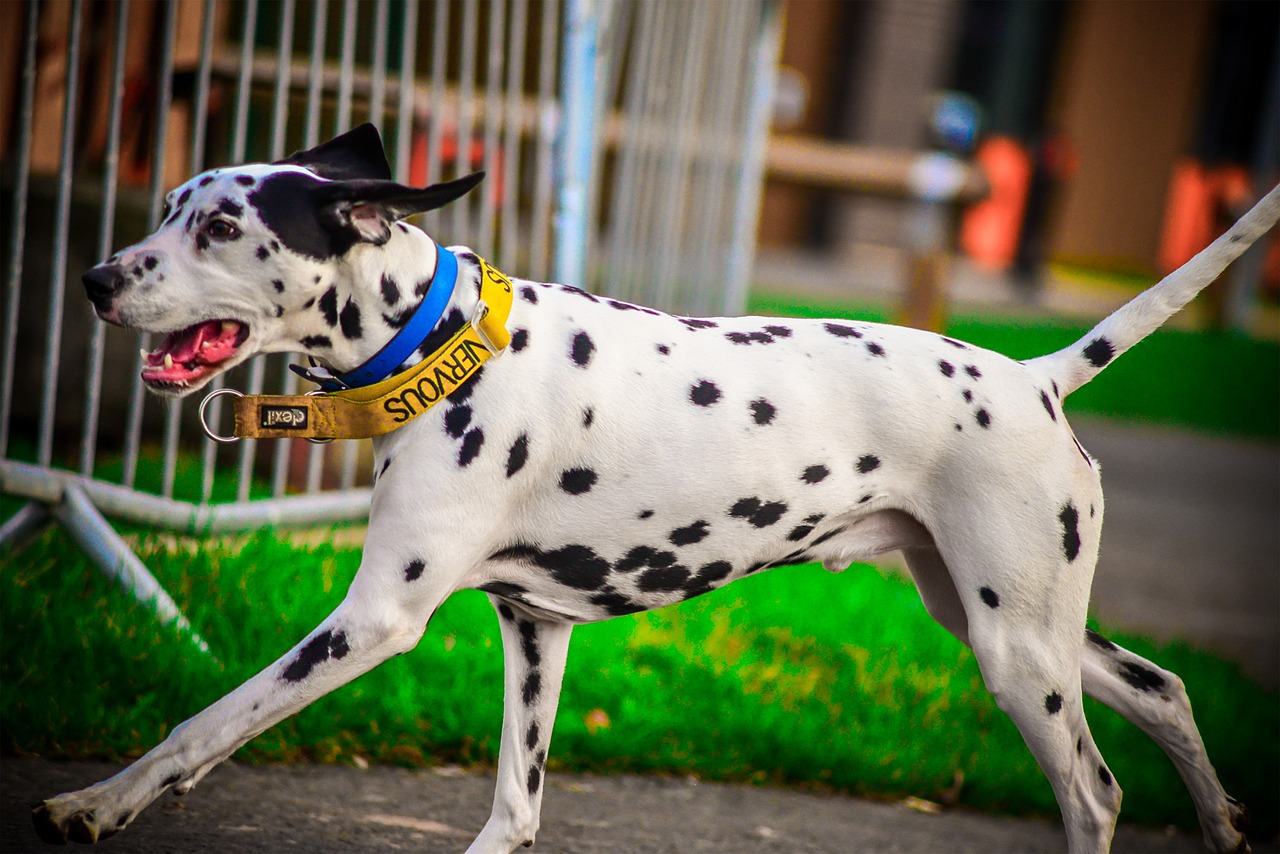
The classic post-movie phenomenon hit Dalmatians hard after the release of 101 Dalmatians. Shelters were flooded with surrendered dogs from families who didn’t realize what the breed actually requires.
Dalmatians are high-energy, intelligent, and need a lot of daily exercise. They’re also somewhat sensitive and can develop anxiety or destructive behavior if their physical and mental needs aren’t met. They can be stubborn and independent, and they don’t always get along well with other animals.
A lesser-known issue is deafness. Roughly 30% of Dalmatians are born with some degree of hearing impairment, and some owners aren’t prepared to manage a deaf dog. Between the energy demands, the potential health challenges, and the sheer number of people who adopted them on impulse after the movies, Dalmatians have consistently high shelter intake rates. They need committed, active owners who’ve done their homework.
12. Shih Tzu
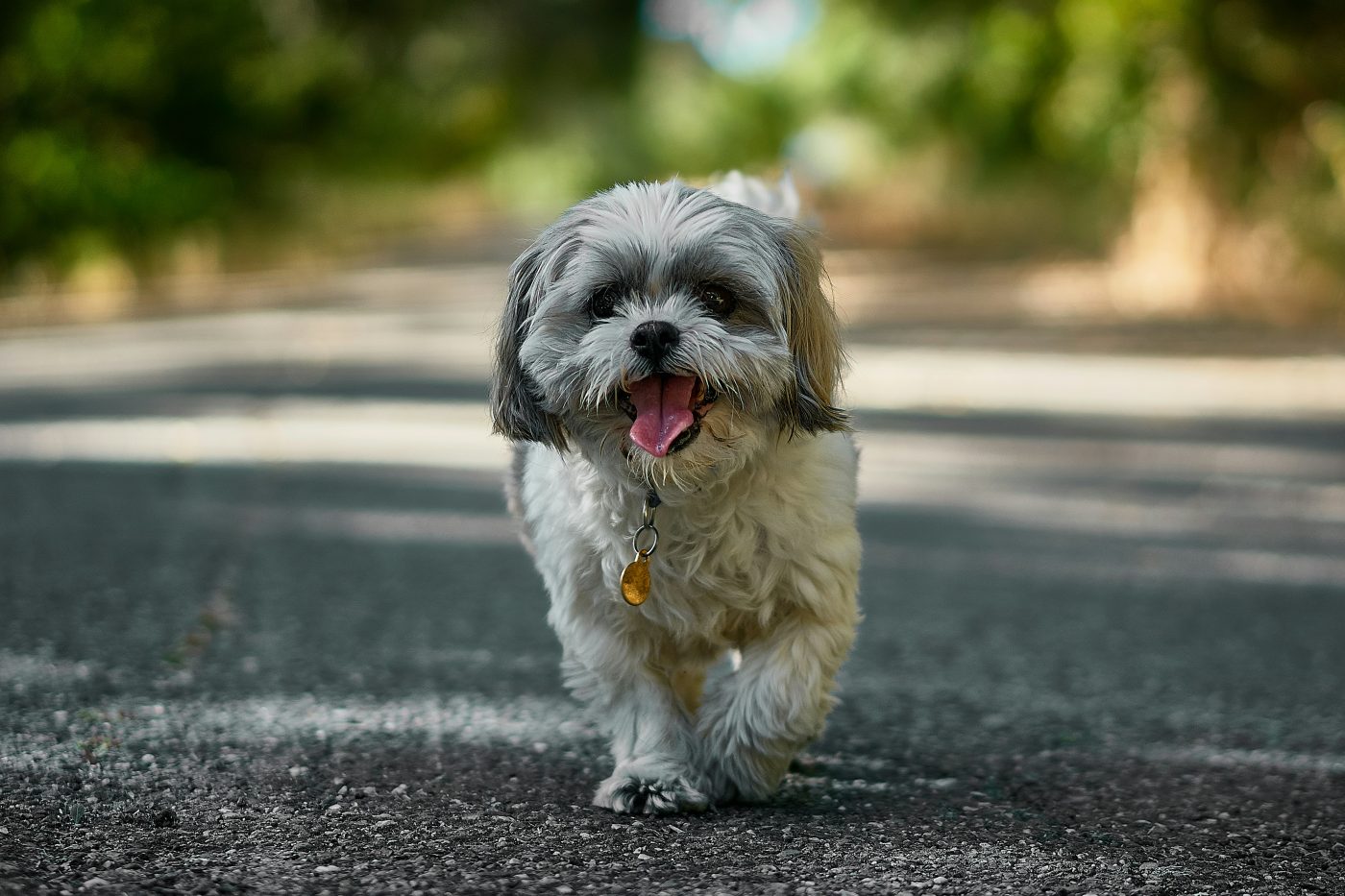
Shih Tzus might be small and fluffy, but they come with their own set of challenges that land them in shelters more often than you’d think.
Their grooming needs are significant. That beautiful coat requires regular brushing and professional grooming on a consistent schedule, which adds up in both time and cost. Many owners adopt Shih Tzus without fully budgeting for grooming expenses, and the dog ends up matted, uncomfortable, and eventually surrendered.
Shih Tzus are also prone to separation anxiety. They bond closely with their people and don’t do well when left alone for long periods. They can be difficult to house-train, which frustrates owners who expected a calm, easy small dog. Add in the respiratory issues common to flat-faced breeds, and the vet bills can catch people off guard. They’re sweet and loving dogs, but they need more attention and care than their size suggests.
13. Chow Chow
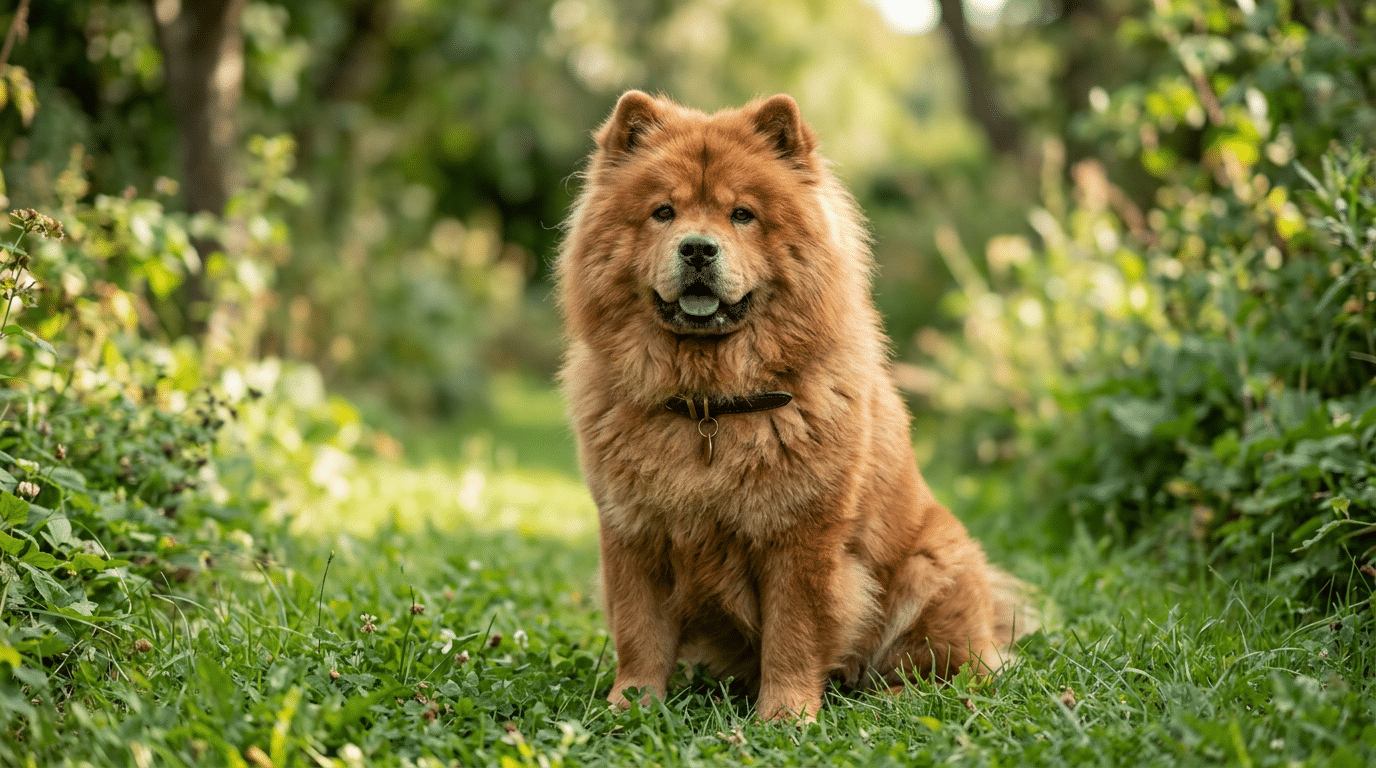
Chow Chows are one of the oldest dog breeds in the world, and they carry themselves like they know it. They’re independent, aloof with strangers, and intensely loyal to a small circle of people. That combination makes them a poor fit for many households.
Unlike most dogs, Chow Chows aren’t naturally eager to please. They’re cat-like in their independence and won’t perform tricks or respond to commands just because you asked nicely. Without early, consistent socialization, they can become territorial and suspicious of anyone outside their immediate family. That territorial tendency, combined with their size and protective nature, can escalate into aggression if not properly managed.
Many Chow Chows end up in shelters because their owners expected a fluffy, cuddly companion and got something much more complex. They do best with experienced dog owners who understand and respect their independent nature, and who start training and socialization from day one.
14. Doberman Pinscher
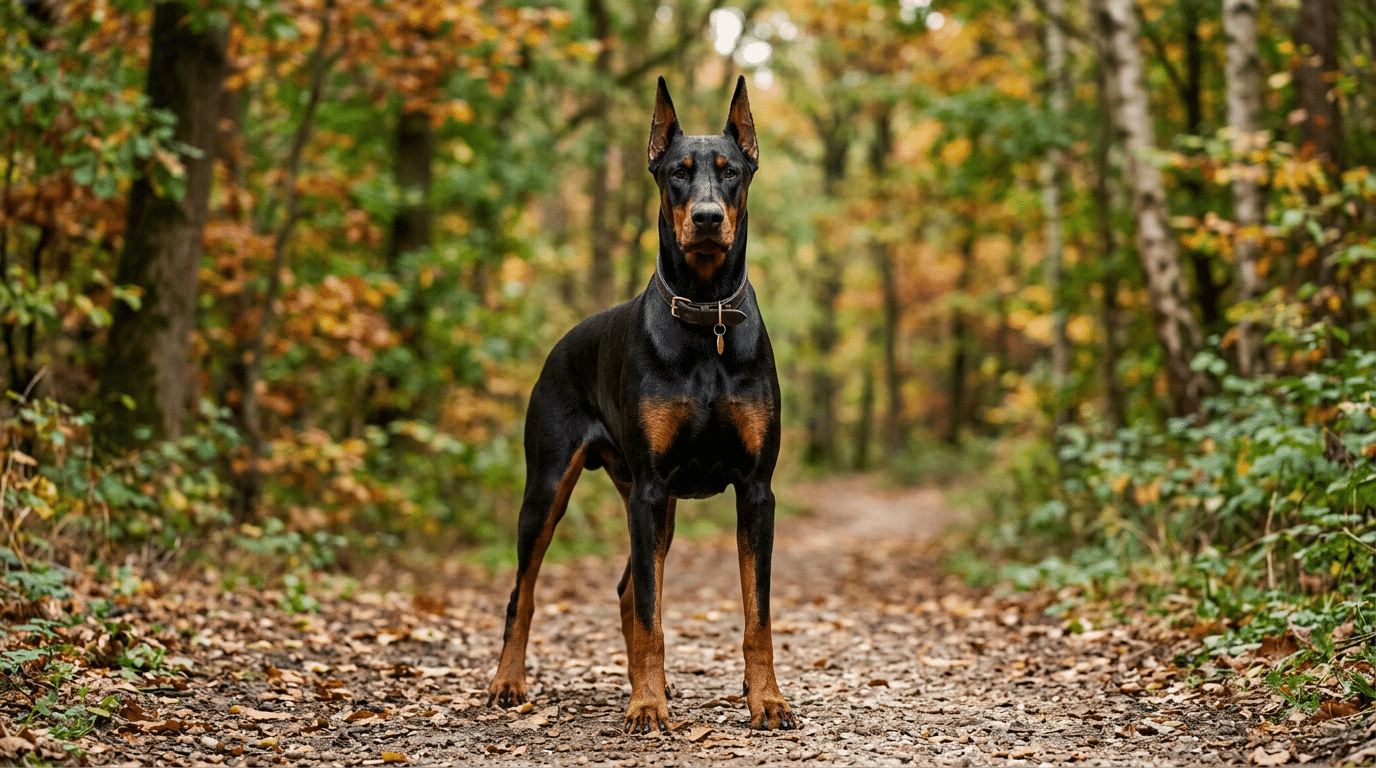
Dobermans are athletic, intelligent, and deeply loyal. They’re also one of the most misunderstood breeds in the country, which contributes to their steady presence in shelters and rescues.
They need a serious amount of exercise, and a bored Doberman can become destructive fast. They’re highly intelligent, which means they’re also highly sensitive. Inconsistent training, harsh handling, or a chaotic home environment can trigger anxiety and behavioral issues that owners struggle to address. Without proper training and socialization, their protective instincts can become problematic.
Breed-specific legislation affects Dobermans in some jurisdictions, and insurance companies sometimes refuse coverage for households that own them. Many Dobermans are surrendered because of rental restrictions or moves. Others arrive at shelters because their owners couldn’t keep up with their training needs. In the right home, they’re extraordinary companions. They’re just not a breed you can wing.
15. Border Collie
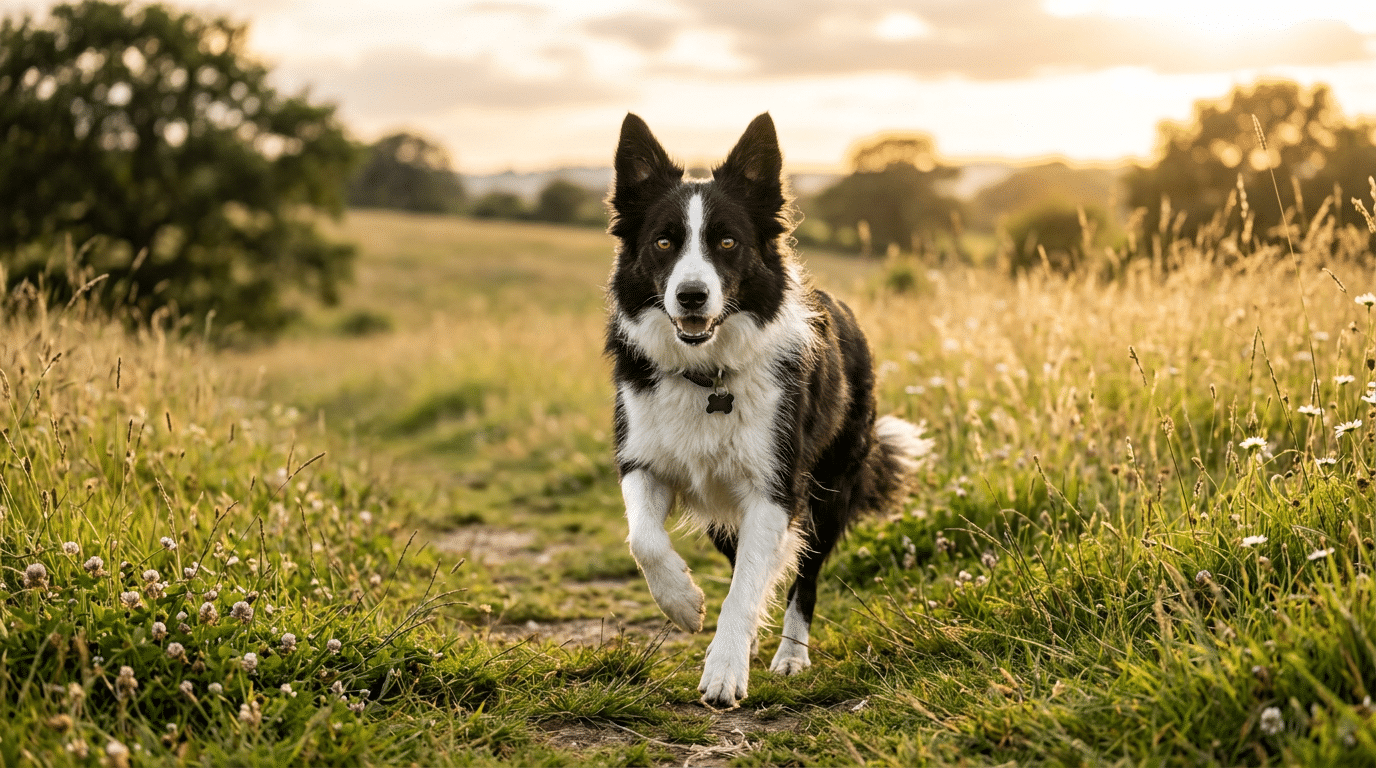
Border Collies are widely considered the most intelligent dog breed in the world. That’s a compliment with serious consequences for unprepared owners.
A Border Collie without enough mental and physical stimulation doesn’t just get bored. It gets creative. Destructive creative. They’ll herd your children, stare at you with unsettling intensity when they want something, and find ways to entertain themselves that you will not appreciate. They need multiple hours of vigorous exercise per day, along with puzzle feeders, training sessions, and ideally a job or sport to channel their energy.
They end up in shelters because people see them in movies or on farms and think they’re calm, obedient working dogs. The reality is that they’re working dogs who require work. A Border Collie in an apartment with a 9-to-5 owner is a recipe for misery on both sides. They need active owners who can genuinely match their energy and intelligence every single day.
What to Consider Before Adopting Any of These Breeds
Adopting a dog is one of the most rewarding things you can do. Adopting the right dog is even better. If any of the breeds on this list caught your eye, here’s what to think about before you commit.
First, be honest about your lifestyle. Do you have time for two or more hours of exercise per day? Can you afford professional training? Do you have a secure yard? These aren’t rhetorical questions. They’re the difference between a great adoption story and another shelter surrender. Research breeds similar to Border Collies if you love the look but want something slightly less intense.
Second, understand energy levels before you fall for a face. Many surrendered dogs come from households where the owner fell in love with a photo and didn’t research the breed’s actual needs. There’s a big difference between high-energy breeds and dogs that are genuinely happy on the couch. Know which one you’re bringing home.
Third, read up on breed-specific personality traits before you finalize anything. Every breed has quirks, tendencies, and communication styles that are unique to them. Understanding those in advance sets you up for success.
Fourth, watch for behavioral changes in dogs after you bring them home. Shelter dogs often take weeks to decompress, and their true personality may not show up right away. Be patient.
Finally, make sure you’re realistic about exercise and environment needs for your specific breed. A dog who doesn’t get what it needs physically will find other ways to meet those needs, and you probably won’t like the results.
Frequently Asked Questions About Abandoned Dog Breeds
What is the most abandoned dog breed in the US?
Pit Bull Terriers are consistently the most abandoned dog breed in the US. In many urban shelters, pit bull-type dogs account for nearly half of all intakes. This is driven by a combination of factors: overbreeding, breed-specific legislation that bans them in certain cities and counties, landlord restrictions that prohibit them in rental housing, and the reality that their strength and energy can overwhelm unprepared owners. It’s worth noting that “pit bull” is often used as a catch-all label for multiple breeds and mixed-breed dogs, which inflates the numbers further. In the right home, with proper training and socialization, Pit Bulls are affectionate, loyal, and highly trainable family dogs.
Why do so many Pit Bulls end up in shelters?
Several forces combine to push Pit Bulls into shelters at such high rates. Breed-specific legislation in cities and counties makes them illegal to own in many areas, forcing owners to surrender dogs when they move. Many rental properties and homeowners insurance policies exclude them outright, creating housing crises for owners who want to keep their dogs. Irresponsible overbreeding keeps supply far above demand. And their size, strength, and energy level can be too much for owners who didn’t prepare adequately before adopting. Stigma plays a role too. Dogs labeled as “pit bulls” at shelters have historically faced lower adoption rates and higher euthanasia rates, even when they’re behaviorally sound.
Are purebred dogs abandoned more than mixed breeds?
Studies estimate that roughly 25% of dogs in shelters are purebred. So while mixed breeds make up the majority of shelter populations, purebreds are far from rare. Some purebreds end up in shelters because of overbreeding and the resulting surplus. Others arrive because owners bought a specific breed without understanding its needs and found they couldn’t manage the dog. Breed-specific rescues exist for many popular purebreds, including German Shepherds, Huskies, Beagles, and Boxers, which pull dogs from shelters and place them in foster homes. If you’re looking for a specific breed, checking breed-specific rescues is often a faster path to a match than waiting for a purebred to appear at your local shelter.
What should I know before adopting a high-energy breed?
High-energy breeds like Border Collies, Belgian Malinois, Huskies, and Jack Russell Terriers need significantly more than a daily walk. Many require two or more hours of vigorous exercise per day, along with mental stimulation in the form of training, puzzle games, or a sport like agility or dock diving. Before adopting, honestly assess your schedule and activity level. If you work long hours or live in a small apartment, a high-energy breed will likely struggle. Budget for professional training, especially if it’s your first time with the breed. Start obedience training immediately and be consistent. Understand that the first few weeks are often the hardest as the dog settles in, and many behavioral issues resolve with structure, patience, and the right amount of daily exercise.
How can I help reduce dog abandonment?
There are several meaningful ways to help. Adopting from a shelter or rescue instead of buying from a breeder or pet store directly reduces demand and gives a waiting dog a second chance. Spaying and neutering your pets reduces the number of unplanned litters that flood shelters each year. Supporting breed-specific rescues financially, even if you can’t foster or adopt, helps them pull more dogs from at-risk situations. Advocating against breed-specific legislation in your community protects dogs from being surrendered simply because of how they look. And spreading accurate information about breeds on your social media or in conversations with friends can prevent impulse adoptions that end in surrender. Every action, no matter how small, adds up.
Is it safe to adopt a dog that was abandoned?
Yes, the vast majority of shelter dogs are safe to adopt. Most dogs end up in shelters through no fault of their own. An owner’s financial hardship, a move to a no-pets building, a death in the family, or a new baby can all lead to surrender without the dog having any behavioral issues whatsoever. That said, it’s smart to spend time with a dog before adopting, ask shelter staff about any known behavioral history, and arrange a meet-and-greet if you have other pets or children. Some dogs do arrive with behavioral challenges from past trauma or neglect, but most respond beautifully to a stable, loving home. Working with a qualified trainer in the first few months can make the transition much smoother for everyone.
Every One of These Dogs Deserves a Second Chance
The breeds on this list aren’t problems. They’re mismatches. A Husky in the wrong home becomes a liability. That same Husky with an active, experienced owner becomes a trail-running, adventure-ready best friend. A Border Collie bored out of its mind is destructive. That same Border Collie with a job to do is breathtaking to watch. If you’re considering adopting, do the research first. Visit your local shelter. Talk to breed-specific rescues. Ask the hard questions about your lifestyle honestly. The right dog is out there waiting for you, and giving them that second chance might just be the best thing you’ve ever done.












 English (US) ·