
 1 month ago
30
1 month ago
30
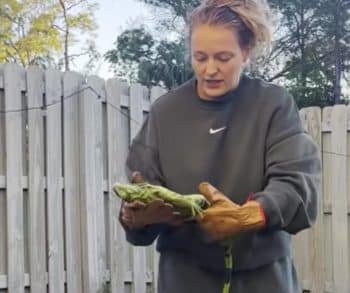
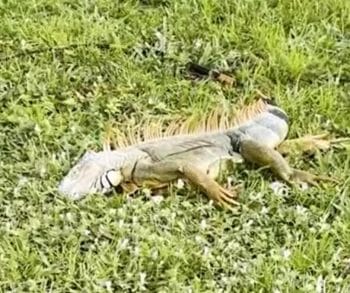
When an unexpected cold snap swept through Florida, Kayla walked into her backyard expecting nothing more than a brisk morning. Instead, she was met with a heartbreaking sight that made her freeze in place. Two iguanas lay stretched out across the grass, completely still. One was large and heavy-bodied, the other much smaller and delicate. Their limbs were stiff, their eyes closed, their bodies pale from the chill. At first glance, they looked lifeless. But as Kayla stared at them, a quiet hope stirred inside her that they might not be gone after all.
 Credit: YouTube
The cold had swept through the state with unusual force. For reptiles, whose bodies depend on warmth to function, it can be devastating. Iguanas often fall into a state called torpor when temperatures drop too low. Their bodies slow down. They become rigid and unresponsive. To many, they appear dead.
Kayla’s heart sank. But she knew there was still a chance.
Despite strict rules discouraging people from helping iguanas because they are considered invasive in Florida, she could not ignore what she saw. In that moment, they were not a policy issue. They were two vulnerable creatures caught in circumstances they did not choose.
She gently picked them up and placed them inside a sturdy box. The box had once served as a shelter for stray cats, offering warmth and protection during rough weather. She lined it carefully and draped a towel over the top to shield them from the biting wind.
The iguanas were cold to the touch. Their bodies felt heavy and fragile. Kayla knew they might not recover, but she also knew that leaving them outside would guarantee they would not.
Hours passed slowly.
She checked on them with quiet hope, bracing herself for disappointment. Then she noticed something small but miraculous. The larger iguana’s body was no longer stiff. Its sides rose and fell with shallow breaths. A faint flick of movement followed.
Life was returning.
The smaller iguana soon showed signs of warmth, too. Its limbs loosened. Its eyes fluttered open slightly, as if confused by the sudden change from cold paralysis to cautious awareness. They were not out of danger yet, but they were fighting.
Kayla watched in awe as the warmth worked its way back into their bodies. What had seemed like lifeless forms only hours earlier were now living animals, slowly reclaiming their strength.
A Compassionate Choice in a Complicated Debate
 Credit: YouTube
Iguanas in Florida are often viewed through a harsh lens. Because they are not native to the region, many people see them only as pests. They are blamed for property damage and ecosystem disruption. Conversations about them frequently center on eradication.
Kayla sees it differently.
She acknowledges the environmental concerns, but she also believes compassion should not be selective. Humans brought iguanas to Florida decades ago through the pet trade and accidental releases. The animals adapted and survived in a landscape shaped by human development.
To her, it feels unfair to condemn them without recognizing our own role.
She speaks openly about humane alternatives to population management. Removing eggs from nesting sites can prevent growth without cruelty. Adjusting landscaping to make yards less appealing to iguanas can reduce conflict. Installing barriers can protect gardens and property.
There are solutions that do not rely solely on killing.
Watching the two iguanas regain strength reinforced her belief. She saw not invaders, but living beings responding to warmth and care. The larger iguana eventually became alert enough to lift its head and survey its surroundings. The smaller one clung close, still weak but improving.
The next morning brought a final, quiet surprise.

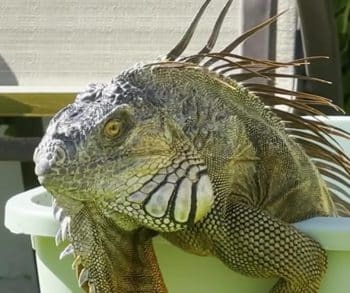
Kayla stepped outside and looked up. Perched on her roof was the larger iguana. It appeared steady and strong, basking in the returning Florida sun. The smaller one was nowhere to be seen, likely tucked safely away to continue recovering.
 Credit: YouTube
To Kayla, that rooftop visit felt like a silent acknowledgment. Not a grand gesture, but a simple presence. A reminder that kindness can ripple outward in unexpected ways.
In the end, the cold snap passed. The yard returned to normal. But for Kayla, the experience left a lasting impression. Two animals that could have been written off as frozen casualties were given a second chance.
Sometimes compassion is not convenient. Sometimes it challenges rules and popular opinion. But on one frigid Florida morning, it warmed two small lives back into motion.










 English (US) ·