
 3 weeks ago
38
3 weeks ago
38
Shepherd dog breeds are some of the most capable, versatile, and loyal dogs ever developed. They’ve been working alongside humans for centuries — herding flocks across mountain passes, guarding livestock from wolves, and more recently serving in military units, police departments, and search-and-rescue teams. There are more shepherd breeds than most people realize, and each one comes with a distinct personality, size, and set of needs.
Whether you’re looking for a working farm dog, an active family companion, or you’re just curious about how many herding breeds actually exist, this guide covers 16 shepherd dog breeds with everything you need to know.
| German Shepherd | Germany | Large (50-90 lbs) | High | Working, family |
| Australian Shepherd | USA | Medium (40-65 lbs) | Very High | Active families, dog sports |
| Border Collie | Scotland/England | Medium (30-55 lbs) | Extreme | Working farms, agility |
| Belgian Malinois | Belgium | Medium (40-80 lbs) | Extreme | Military, police, sport |
| Shetland Sheepdog | Scotland | Small (15-25 lbs) | Moderate-High | Families, obedience |
| Rough Collie | Scotland | Large (50-75 lbs) | Moderate | Families, gentle households |
| Old English Sheepdog | England | Large (60-100 lbs) | Moderate | Families, laid-back households |
| Australian Cattle Dog | Australia | Medium (35-50 lbs) | Very High | Working farms, active owners |
| Welsh Corgi (Pembroke/Cardigan) | Wales | Small (25-38 lbs) | Moderate-High | Families, apartment-friendly |
| Icelandic Sheepdog | Iceland | Medium (20-30 lbs) | High | Families, cold climates |
| Belgian Tervuren | Belgium | Medium-Large (45-75 lbs) | Very High | Active families, dog sports |
| Caucasian Shepherd | Caucasus region | Giant (100-220 lbs) | Low-Moderate | Guardian, experienced owners only |
| Berger Picard | France | Medium (50-70 lbs) | High | Active families |
| Puli | Hungary | Medium (25-35 lbs) | High | Active families, unique look |
| Anatolian Shepherd | Turkey | Giant (80-150 lbs) | Moderate | Livestock guardian, rural homes |
| Dutch Shepherd | Netherlands | Medium (42-75 lbs) | Very High | Police, military, active owners |
1. German Shepherd
The German Shepherd is one of the most recognizable shepherd breeds, renowned for intelligence, strength, and versatility. Originally bred in Germany for herding and guarding sheep, this breed has transcended its pastoral origins to become a favorite in law enforcement, search and rescue, and as a loyal family pet. Their keen intelligence and eagerness to please make them highly trainable, while their protective nature ensures they are vigilant guardians of their homes and loved ones.
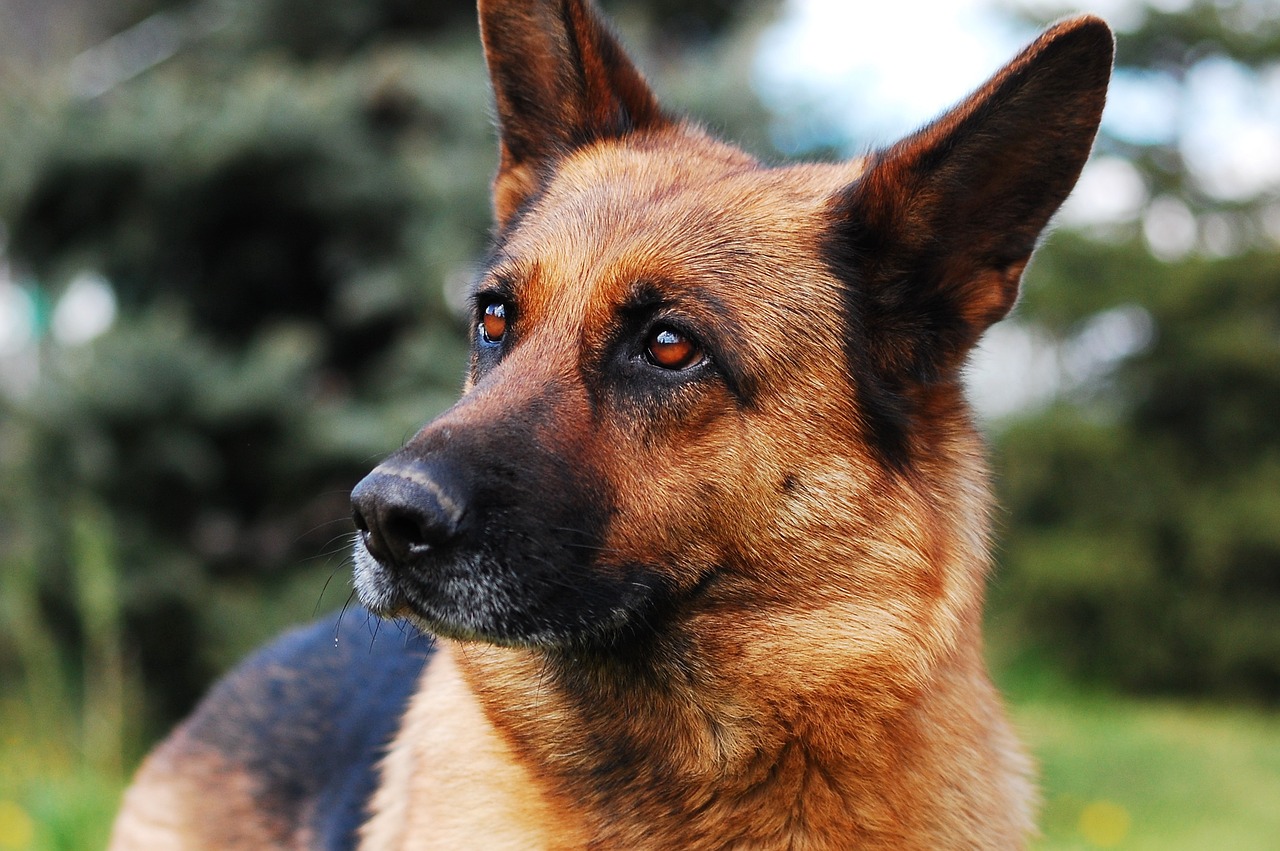
Size: 50-90 lbs | Lifespan: 9-13 years | Trainability: Exceptional
German Shepherds rank second on the AKC’s list of most popular breeds in the United States, and they’ve held top positions for decades. Their combination of intelligence, athleticism, and loyalty is almost unmatched. They do shed heavily and require daily exercise and consistent mental stimulation — this is not a dog that does well left alone for long stretches. But for active families or working roles, they’re close to the gold standard. If you want to learn more, check out our full guide on breeds similar to German Shepherds.
2. Australian Shepherd
Despite its name, the Australian Shepherd was developed in the United States to herd livestock. Known for striking, often blue or multicolored eyes, these dogs are energetic, intelligent, and highly trainable. Australian Shepherds thrive on having a job to do, whether it’s herding, participating in dog sports like agility, or performing tricks. Their friendly demeanor and adaptability make them excellent family pets, as long as they get plenty of exercise.
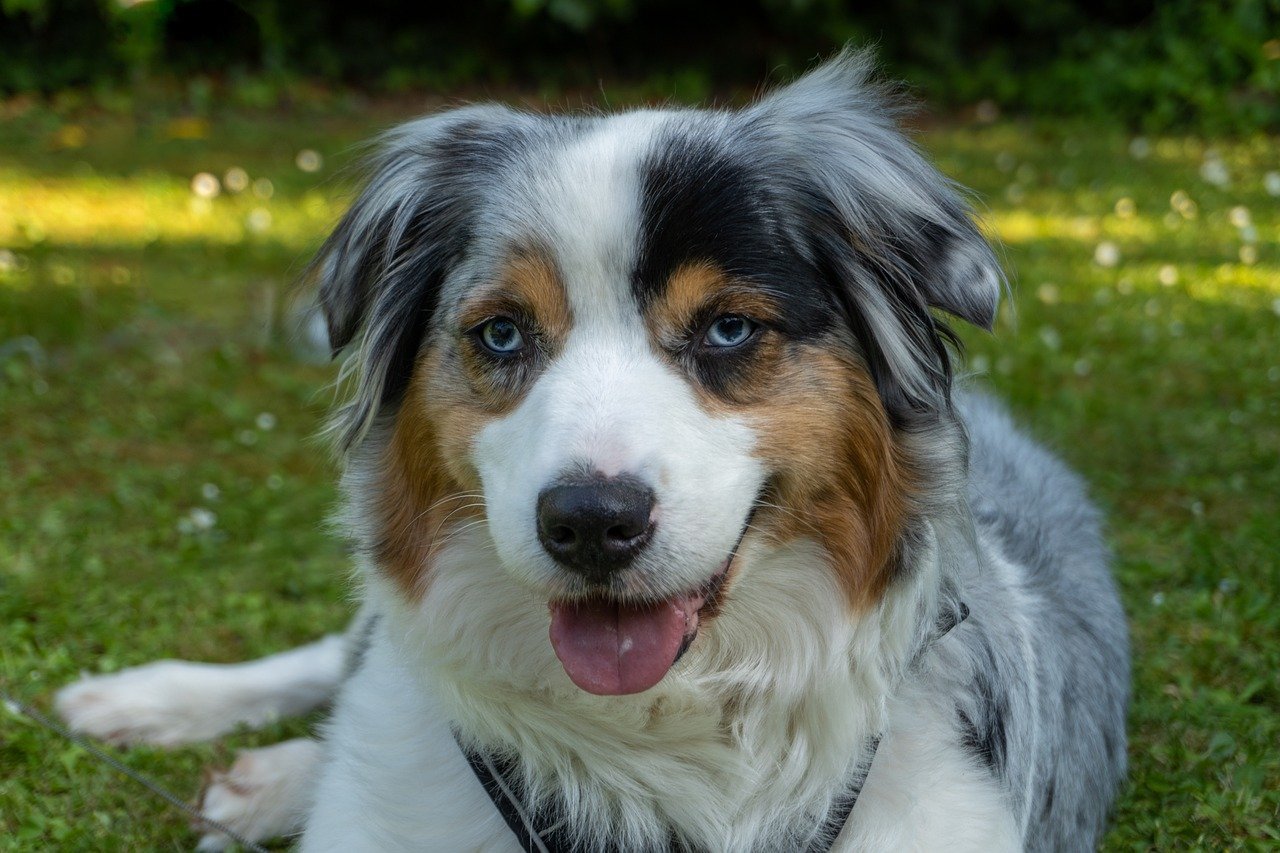
Size: 40-65 lbs | Lifespan: 12-15 years | Trainability: Exceptional
Aussies are one of the top breeds for dog sports. They’re competitive in agility, flyball, disc, and obedience — partly because they have the drive to work and partly because they genuinely love learning. The downside: an under-stimulated Australian Shepherd will invent their own jobs, and those jobs usually involve rearranging your furniture or herding your children. They need an owner who matches their energy. See our guide on Australian Shepherd colors if you want to explore the stunning variety in this breed.
3. Border Collie
Border Collies are considered one of the smartest dog breeds, excelling in obedience and agility. Originating from the Anglo-Scottish border region, these dogs were bred for herding sheep, often working long days in challenging terrain. Their incredible intelligence and drive to work make them unmatched in sheepdog trials. Border Collies require a lot of mental and physical stimulation, making them best suited for active families or rural environments.
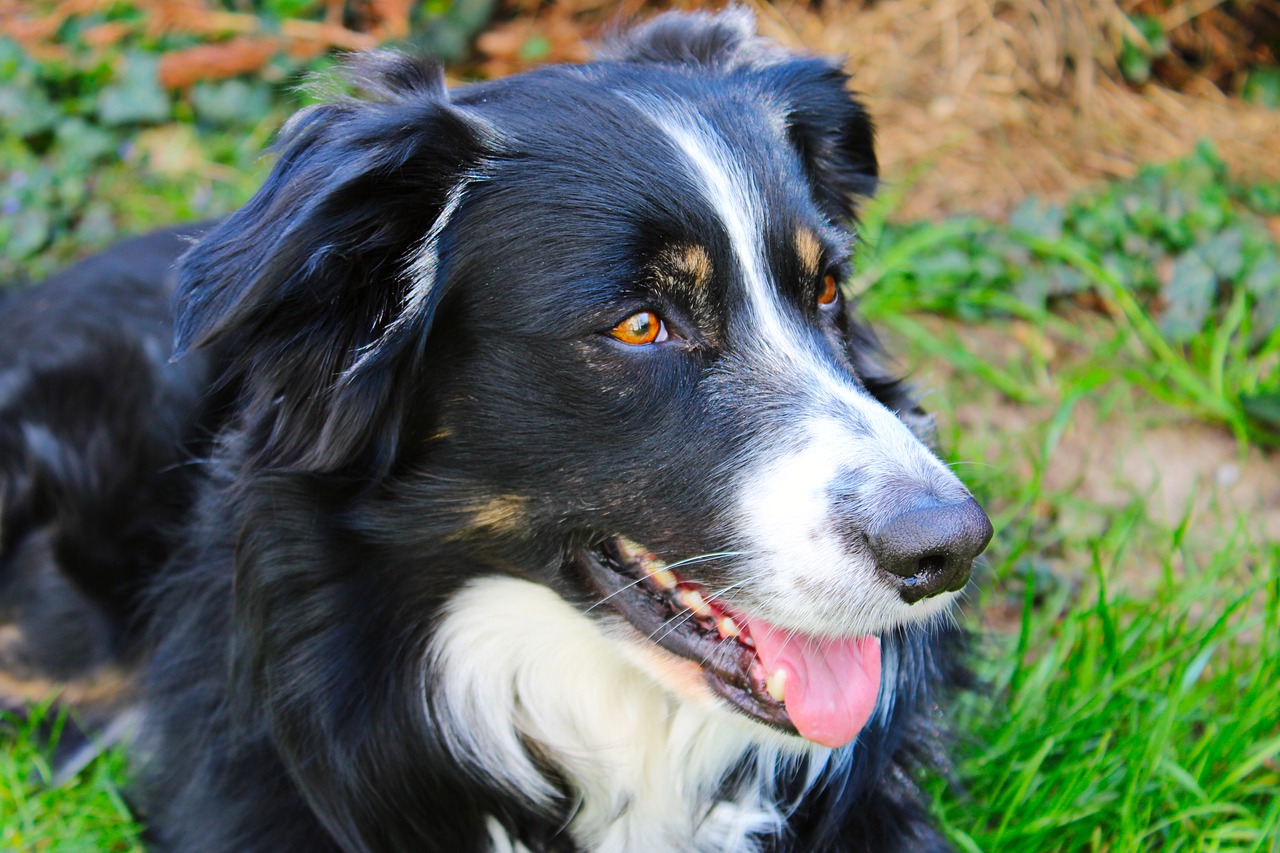
Size: 30-55 lbs | Lifespan: 12-15 years | Trainability: Extraordinary
Stanley Coren’s famous dog intelligence research ranked the Border Collie #1 in working intelligence. They can learn a new command in under 5 repetitions and obey known commands 95% of the time or better. The flip side: they need that intelligence to be occupied constantly. A Border Collie in a quiet apartment with nothing to do is a recipe for anxiety and destructive behavior. These dogs belong with active handlers who will give them genuine tasks to complete. For breeds with similar qualities, see our guide to breeds similar to Border Collies.
4. Belgian Malinois
The Belgian Malinois is often mistaken for a short-coated German Shepherd, but it is a distinct breed known for its agility, intelligence, and strength. Originally bred in Belgium for herding, the Malinois has become a favorite among military and police forces worldwide for its work ethic and versatility. These dogs are loyal and protective, making excellent guard dogs, but they require experienced handling and plenty of exercise.
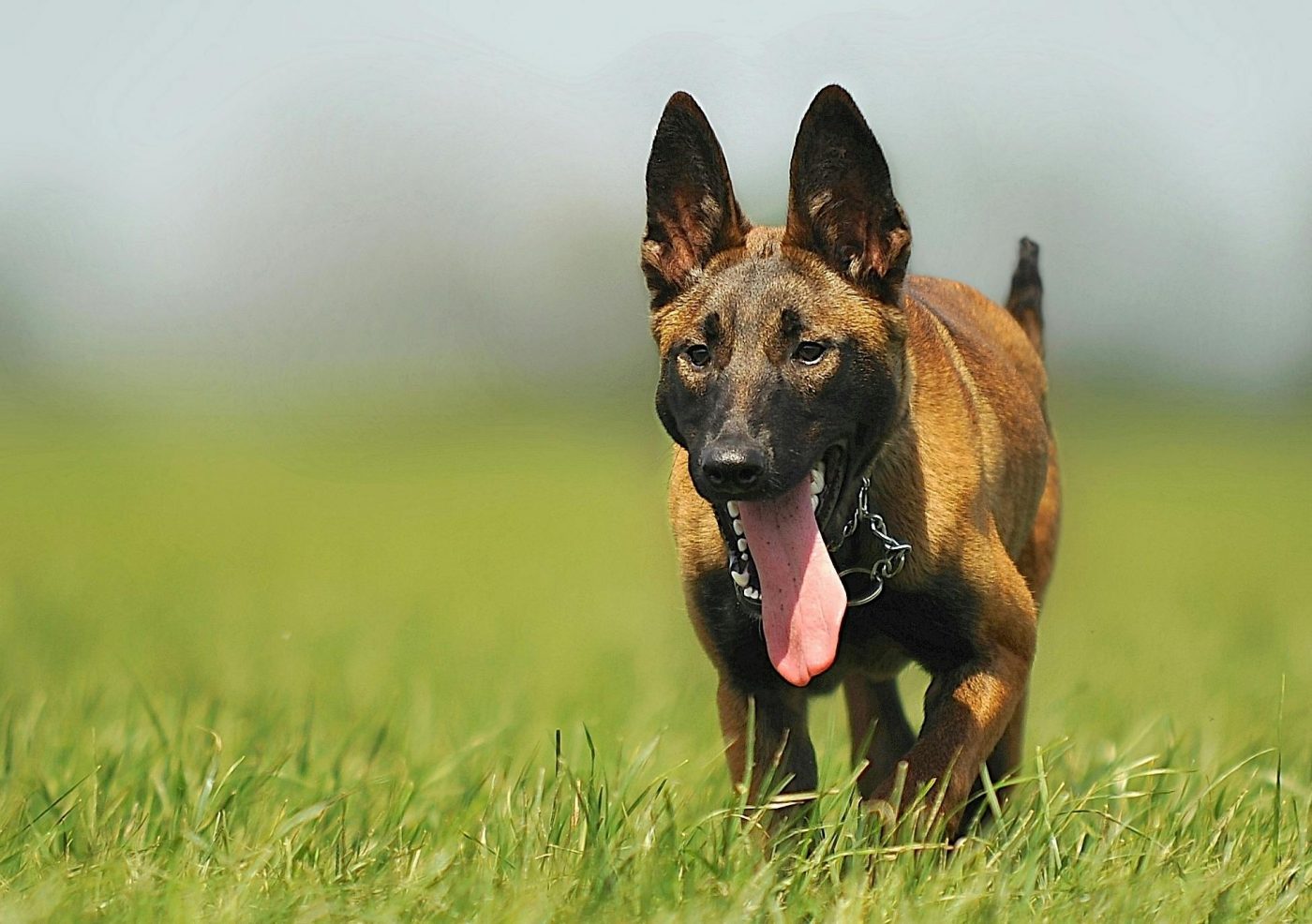
Size: 40-80 lbs | Lifespan: 14-16 years | Trainability: Very high (but not for beginners)
Belgian Malinois dogs have become the go-to breed for military and police K9 units — not because German Shepherds aren’t good, but because Mals are faster, lighter, and have an almost supernatural drive to work. They’re used in Navy SEAL operations, bomb detection, and narcotics work worldwide. As a family pet? Challenging. This is a breed for experienced handlers who understand how to channel that intensity. See Belgian Malinois weight and growth charts here.
5. Shetland Sheepdog
The Shetland Sheepdog, or “Sheltie,” resembles a miniature Rough Collie and was originally bred to herd sheep on the Shetland Islands of Scotland. These small, agile dogs are intelligent, vocal, and willing to please, making them excellent companions and family pets. Shelties are particularly good with children and other animals, and they excel in obedience, agility, and herding trials.
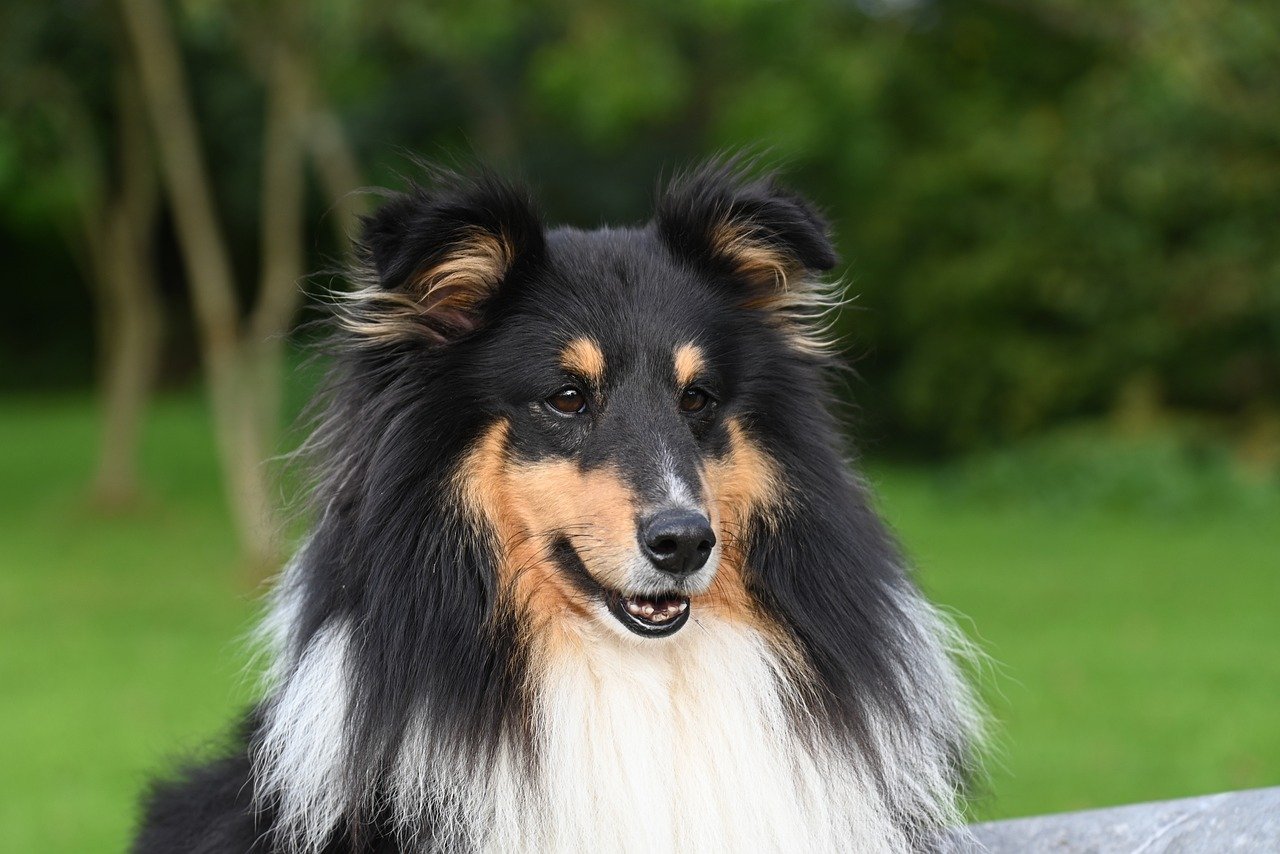
Size: 15-25 lbs | Lifespan: 12-14 years | Trainability: Excellent
Shelties consistently rank near the top of obedience trial results. They’re smart, responsive, and genuinely eager to please — a rare combination in a small package. They do bark more than most breeds (which was useful for herding, not as useful in apartment buildings), and they can be shy with strangers. But with their family, they’re deeply devoted and affectionate.
6. Rough Collie
Famous for the “Lassie” TV series, the Rough Collie is known for its beautiful, flowing coat and gentle, intelligent nature. Originally bred for herding and guarding sheep in Scotland, Rough Collies have a strong work ethic and are highly trainable. They are known for their loyalty and protective instincts, making them excellent family pets that are good with children and other animals.
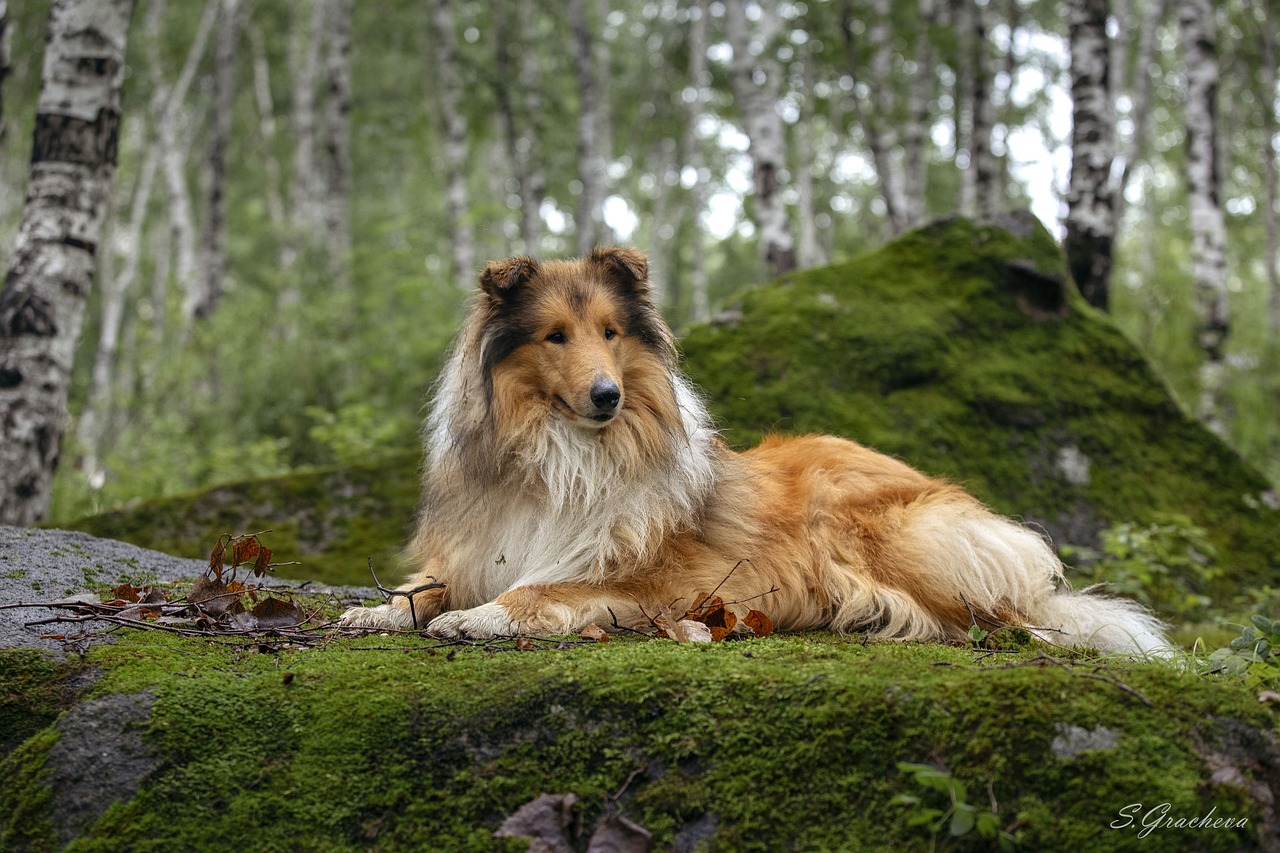
Size: 50-75 lbs | Lifespan: 12-14 years | Trainability: Very good
Rough Collies are a good choice for families who want an intelligent, gentle dog without the extreme energy level of Border Collies or Australian Shepherds. They’re sensitive, loyal, and good with kids. That gorgeous double coat, though, requires regular brushing — plan on spending real time on grooming, especially during shedding seasons.
7. Old English Sheepdog
The Old English Sheepdog is a large, shaggy breed known for its distinctive bear-like gait and friendly, clownish demeanor. Originally bred for driving cattle and sheep, these dogs are strong and resilient, with a gentle nature that makes them excellent family companions. Despite their size, they’re adaptable and can do well in various living situations, as long as they receive enough exercise and mental stimulation.
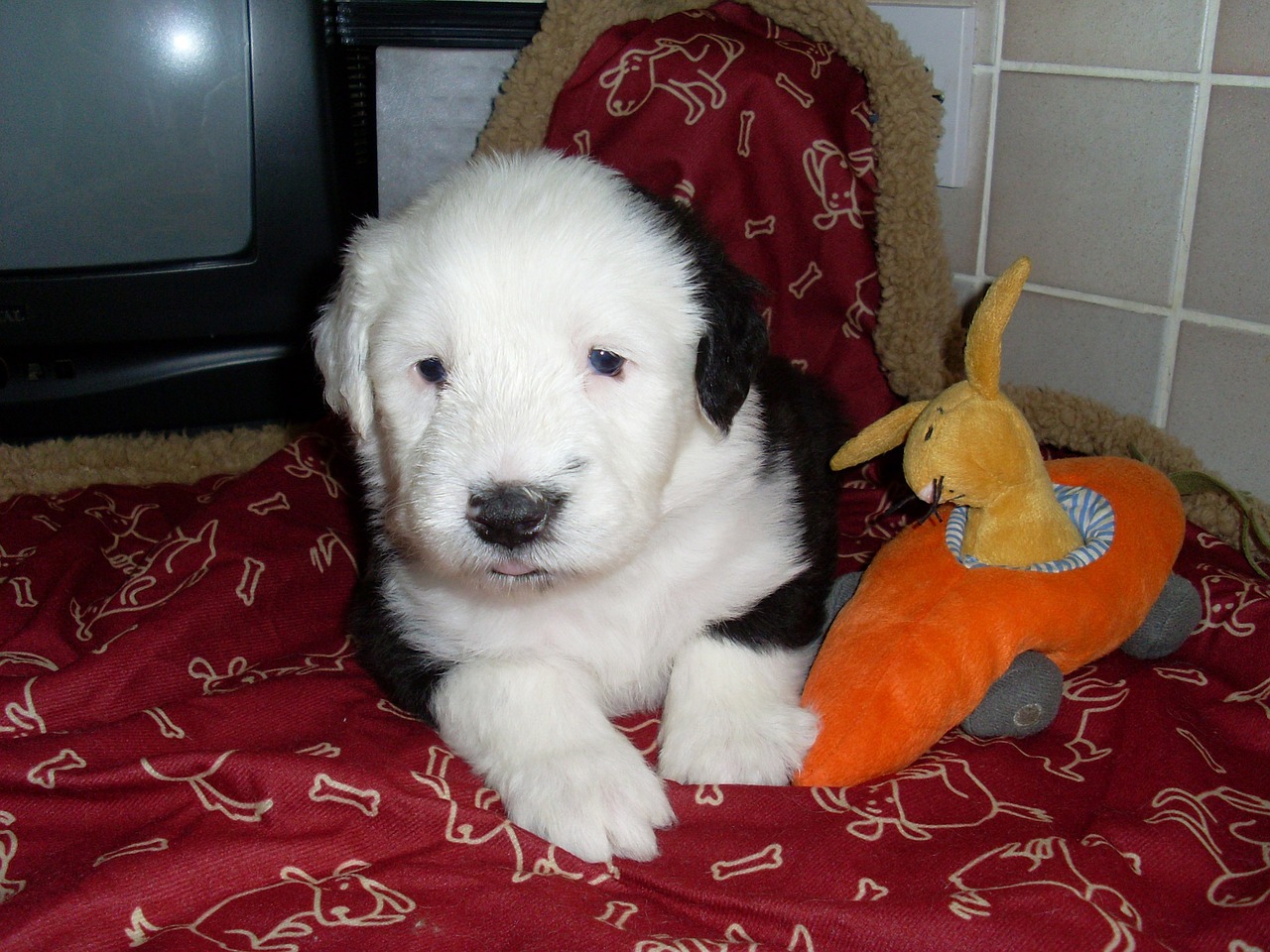
Size: 60-100 lbs | Lifespan: 10-12 years | Trainability: Good
Old English Sheepdogs are big, lovable goofballs. The grooming commitment is significant — that shaggy double coat mats easily and needs frequent attention. Some owners opt for professional clips every few months to keep it manageable. But personality-wise, these dogs are some of the sweetest and most entertaining in the herding group.
8. Australian Cattle Dog
The Australian Cattle Dog, also known as the Blue Heeler, is a sturdy, hard-working breed developed in Australia for herding cattle over long distances. These dogs are intelligent, alert, and loyal, with an innate drive to work. Australian Cattle Dogs are known for their endurance and agility, making them suitable for active families or as working farm dogs.
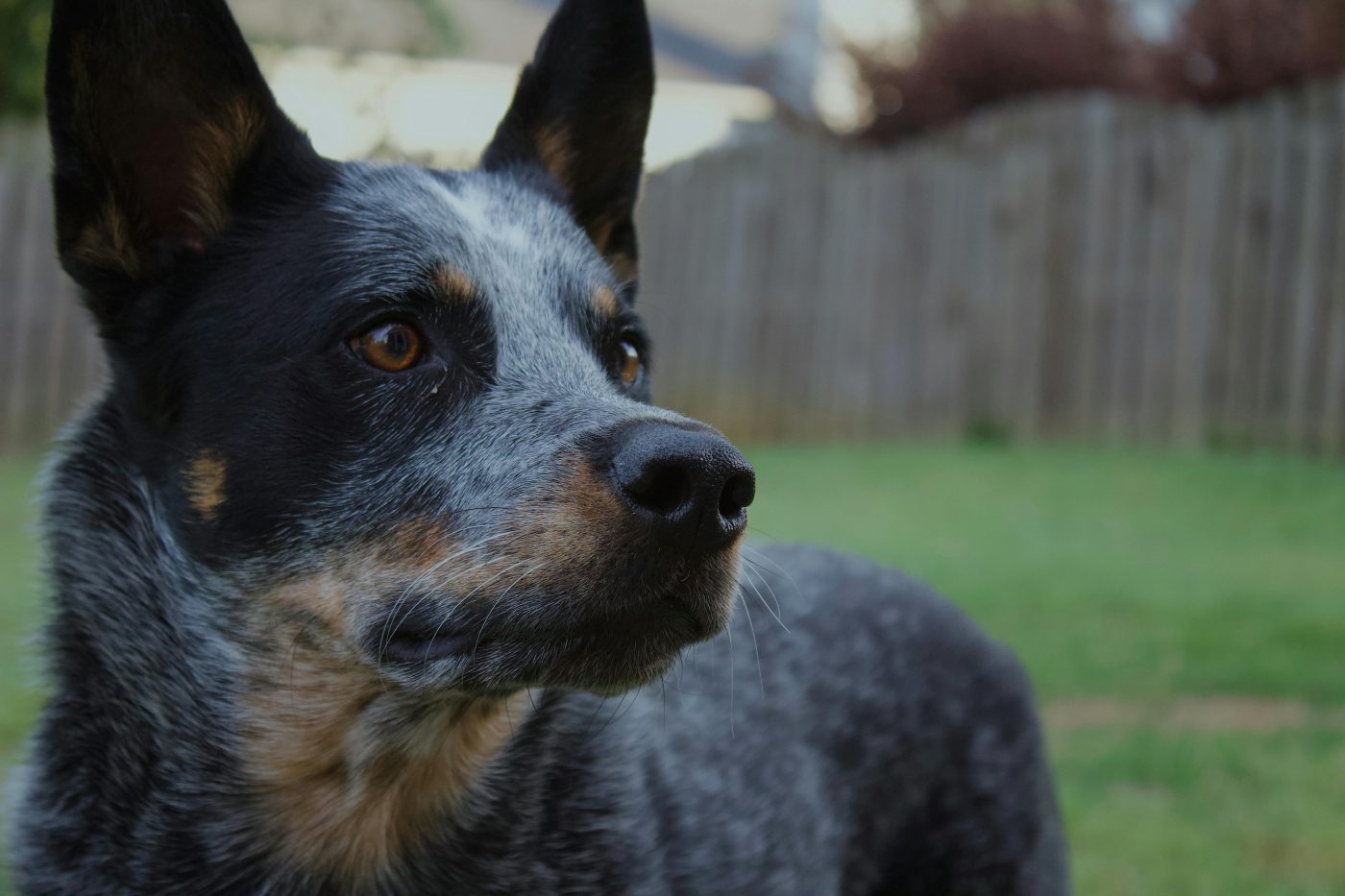
Size: 35-50 lbs | Lifespan: 12-16 years | Trainability: Very high
Cattle Dogs were bred to nip at the heels of cattle — they still carry that instinct. Owners with young children should be aware that the “heeling” behavior can extend to kids. With proper training and socialization, it’s manageable, but it’s a natural behavior, not a character flaw. On the plus side: this breed is incredibly healthy and long-lived. Bluey, an Australian Cattle Dog, held the Guinness World Record for oldest dog at 29 years and 5 months.
9. Welsh Corgi (Pembroke and Cardigan)
The Welsh Corgis, both Pembroke and Cardigan, are small herding dogs known for their short stature, intelligence, and friendly disposition. Despite their size, Corgis were originally bred for herding cattle and sheep, using their low height to avoid kicks. These breeds are adaptable, making great family pets that do well in various environments. They’re also known for their agility and obedience.

Size: 25-38 lbs | Lifespan: 12-13 years | Trainability: Excellent
Corgis pack a herding dog’s drive into a surprisingly compact package. They’re more athletically capable than they look and genuinely enjoy dog sports. The Pembroke and Cardigan are separate breeds — Cardigans have a tail, Pembrokes are born with or have a naturally bobbed tail. Both are friendly, outgoing, and adapt reasonably well to apartment living as long as they get daily exercise. Corgi weight and growth information is here.
10. Icelandic Sheepdog
The Icelandic Sheepdog, Iceland’s only native dog, is a hardy breed known for its cheerful temperament and versatility. Bred for herding sheep in the rugged terrain of Iceland, these dogs are alert, friendly, and eager to please. They are excellent family pets, known for their loyalty and affectionate nature.
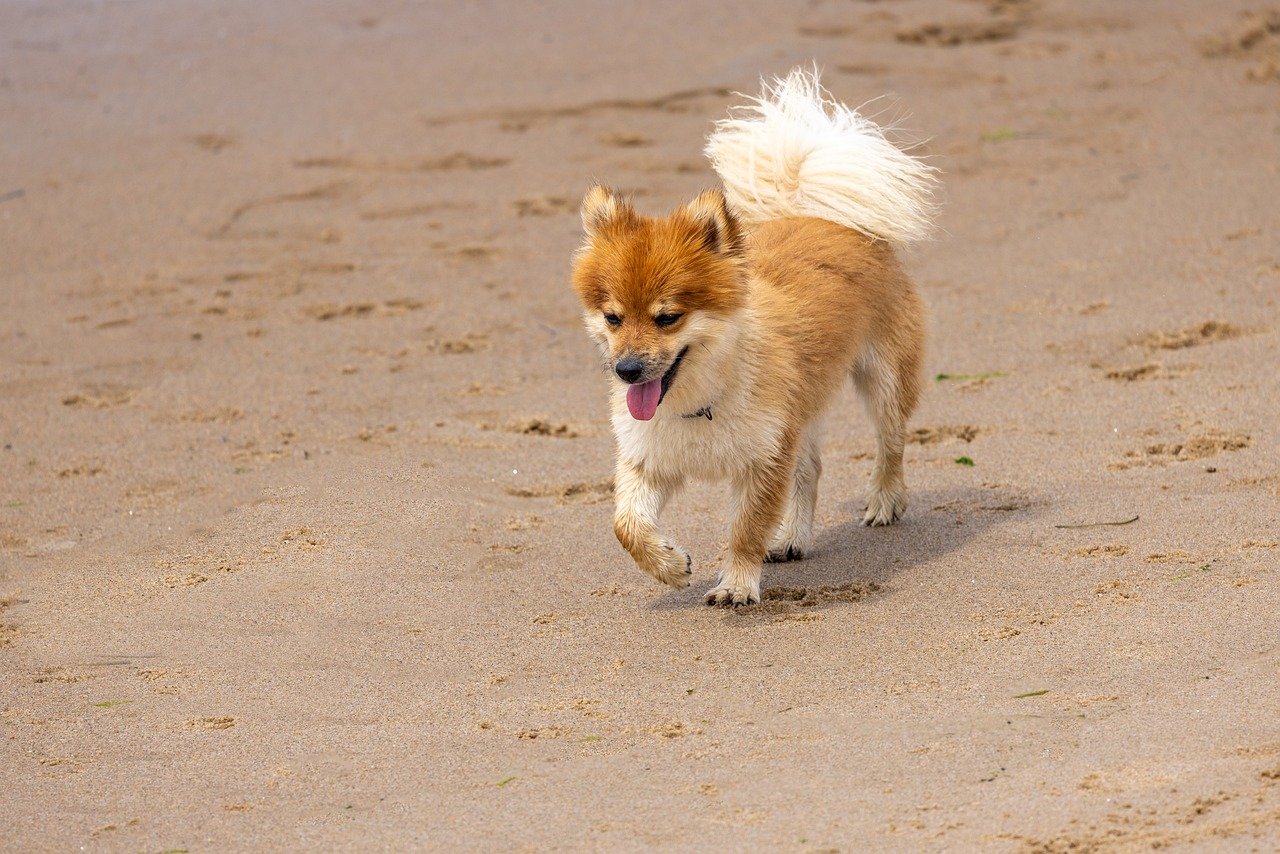
Size: 20-30 lbs | Lifespan: 12-14 years | Trainability: Good
The Icelandic Sheepdog descended from dogs brought to Iceland by Viking settlers over 1,000 years ago. They’re genuinely ancient dogs. Friendly, curious, and cheerful — they’re the type of dog that greets every new person like an old friend. Great for families who want an energetic but manageable medium-sized dog.
11. Belgian Tervuren
The Belgian Tervuren is one of four Belgian shepherd varieties and is distinguished by its long, mahogany-colored double coat with black overlay. Like the Malinois, they are highly intelligent and driven, with strong herding and protection instincts. They thrive in active households where they can participate in dog sports, obedience, or other structured activities.
Size: 45-75 lbs | Lifespan: 12-14 years | Trainability: Excellent
If you want the intelligence and drive of a Belgian Malinois but with a more elegant appearance, the Tervuren is worth considering. They’re slightly calmer than Mals in most cases, but still require an active, engaged owner. Not for first-time dog owners.
12. Dutch Shepherd
The Dutch Shepherd was developed in the Netherlands for general farm work — herding, pulling small carts, and guarding property. They come in three coat varieties (short, long, and rough) and a distinctive brindle pattern. Like their Belgian cousins, Dutch Shepherds have become popular in police and military work due to their intelligence, athleticism, and intense work drive.
Size: 42-75 lbs | Lifespan: 11-14 years | Trainability: Exceptional
Dutch Shepherds are less common than German Shepherds or Belgian Malinois, but they’re equally capable. Some military handlers prefer them for their versatility and strong health. They’re not easy dogs — they need serious training, serious exercise, and an experienced handler who knows how to establish structure.
13. Anatolian Shepherd
The Anatolian Shepherd is an ancient breed from Turkey, developed to protect livestock from predators — wolves, bears, and large cats. They weren’t bred to herd; they were bred to guard. Anatolians are large, territorial, and fiercely independent. They’re still used extensively as livestock guardian dogs across the world, including in conservation programs to protect cheetahs in Africa.
Size: 80-150 lbs | Lifespan: 11-13 years | Trainability: Moderate (independent thinkers)
These are not dogs that will follow your commands eagerly. They’re bred to make independent decisions about threats — that’s what makes them excellent livestock guardians and challenging pet dogs. Anatolians are best suited to rural homes with lots of space, experienced large-dog handlers, and clear purpose.
14. Puli
The Puli is a Hungarian herding breed instantly recognizable by its distinctive corded coat, which forms naturally as the dog matures. Those cords aren’t just for looks — they provided protection against both weather and predators in the Hungarian plains. Pulis are agile, intelligent, and surprisingly athletic under all that hair.
Size: 25-35 lbs | Lifespan: 10-15 years | Trainability: Good
Maintaining a corded coat is a serious commitment — it takes years to form properly and requires regular separating to prevent matting. Some owners opt for keeping the coat trimmed short instead. Personality-wise, Pulis are playful, intelligent, and devoted to their families, with a bit of a clownish side.
15. Berger Picard
The Berger Picard is an ancient French herding breed that nearly went extinct after both World Wars. They’re scruffy-looking, with a rough, tousled coat and alert, curious expression. Berger Picards gained some attention after appearing in the 2005 film “Because of Winn-Dixie.” They’re friendly, energetic, and form strong bonds with their families.
Size: 50-70 lbs | Lifespan: 13-14 years | Trainability: Good
If you want a shepherd breed that turns heads because no one recognizes it, the Picard might be your dog. They’re still relatively rare outside of France. Good family dogs, need regular exercise, and tend to be more laid-back than the high-drive Belgian and Dutch varieties.
16. Caucasian Shepherd Dog
The Caucasian Shepherd (also called the Caucasian Ovcharka) is one of the largest dog breeds in the world, developed in the Caucasus mountains to guard livestock and property. These dogs are massively built, with thick double coats and a fearless temperament. They’ve been used for centuries to fend off bears and wolves.
Size: 100-220+ lbs | Lifespan: 10-12 years | Trainability: Moderate (very independent)
The Caucasian Shepherd is not a pet for most people. These dogs are territorial, can be aggressive toward strangers and other dogs if not properly socialized, and require a handler with genuine large-dog experience. But in the right environment — guarding property or livestock with an experienced owner — they’re remarkably effective.
Frequently Asked Questions About Shepherd Dog Breeds
What is the most popular shepherd dog breed?
The German Shepherd is by far the most popular shepherd breed worldwide. It’s consistently ranked in the top 3 of AKC registrations and is the most commonly used breed in law enforcement and military work. Australian Shepherds and Border Collies are also widely popular, especially among active families and dog sport enthusiasts.
What is the difference between a herding dog and a livestock guardian dog?
Herding dogs (like Border Collies and Australian Shepherds) are bred to actively move livestock using their body, gaze, and controlled movement. Livestock guardian dogs (like Anatolian Shepherds and Caucasian Shepherds) are bred to live with the flock and protect it from predators — they’re typically much larger, calmer, and more independent. The two categories have very different temperaments and training needs.
Are shepherd dogs good family pets?
Many shepherd breeds make excellent family pets — especially Rough Collies, Shelties, Australian Shepherds, and German Shepherds. But most shepherd breeds need significant daily exercise and mental stimulation. A bored shepherd dog in a quiet home can develop anxiety, destructive behaviors, or both. They thrive with active families who involve them in activities.
What is the easiest shepherd breed for first-time owners?
Rough Collies and Shetland Sheepdogs are generally the most manageable for first-time owners who want a herding breed. They’re intelligent and trainable but not as extreme in energy or drive as Border Collies, Australian Shepherds, or Belgian Malinois. Welsh Corgis are also a solid choice for less experienced owners.
Which shepherd breed is the smartest?
Border Collies are widely recognized as the most intelligent dog breed overall, not just among shepherds. But “smart” isn’t always a synonym for “easy” — Border Collies need that intelligence engaged constantly. German Shepherds, Belgian Malinois, and Australian Shepherds aren’t far behind, and all are highly trainable with the right approach.
Finding the Right Shepherd Breed for Your Life
The shepherd breeds covered here range from 15-pound Shelties to 200-pound Caucasian Shepherds — from dogs that need two hours of daily exercise to dogs that are happiest lying by a flock they’re quietly guarding. The category “shepherd dog breeds” is broader than most people realize, and the right fit depends almost entirely on your lifestyle and experience level.
If you’re active and experienced with dogs, the Border Collie, Belgian Malinois, or Dutch Shepherd will rise to meet anything you throw at them. If you want intelligence and trainability with a calmer daily energy level, the Rough Collie or Sheltie hits a sweet spot that works for most families. And if you want a livestock guardian that will patrol your property with calm authority, the Anatolian Shepherd does a job no other breed quite replicates.
Whatever you choose, go in knowing what the breed was built for. Every dog on this list was developed with a purpose — and they’ll be happiest, healthiest, and most well-behaved when that purpose is understood and respected.






 English (US) ·