
Key Takeaways
- Plain, fully cooked grits may be safe in small amounts for many healthy dogs.
- Grits should not replace a complete, balanced dog food.
- Added butter, salt, cheese, garlic, onion, gravy, or spicy seasonings can make grits unsafe for dogs.
- Grits are high in carbohydrates and may not be appropriate for dogs with diabetes, obesity, or weight-management needs.
- Some dogs may experience digestive upset, such as vomiting, diarrhea, or gas, especially after eating unfamiliar or rich foods.
- Dogs with known corn sensitivities or allergies should avoid grits entirely.
If your dog has a medical condition or is on a special diet, ask your veterinarian before offering grits.
It’s natural to wonder whether a simple breakfast food is safe to share with your dog. Grits show up on a lot of tables, especially in Southern households, and it’s easy to understand why an owner might want to offer a small spoonful to a curious pup waiting nearby.
The short answer is that plain, fully cooked grits are generally not toxic to dogs and may be safe in small amounts for healthy adult dogs. However, the word “plain” carries a lot of weight here. Plain grits and fully loaded grits are not the same from a dog-safety standpoint. The moment you add butter, salt, cheese, garlic, onion, cream, or spicy seasonings, the risk picture changes significantly.
Grits are made from ground corn, which means they are primarily a starchy carbohydrate. They do not offer meaningful nutritional benefits for dogs and should never take the place of a complete, balanced dog food. Whether grits are appropriate for your dog also depends on portion size, how often they are offered, and your dog’s individual health status.
This article will walk you through the risks, possible benefits, safer preparation methods, portion guidance, and warning signs so you can make an informed decision.
Can Dogs Eat Grits Safely?
For most healthy adult dogs, a small taste of plain, fully cooked grits is unlikely to cause harm. Corn is not inherently toxic to dogs, and plain grits cooked in water without added salt or fat do not contain ingredients that are known to be dangerous in small quantities.
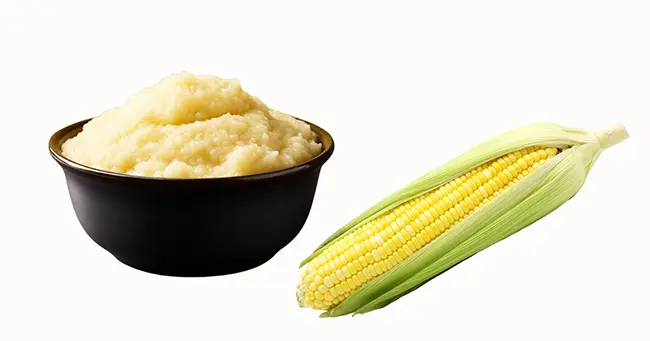
That said, “safe” does not mean “beneficial.” Safety in this context means a small plain portion is unlikely to make a healthy dog sick. It does not mean grits are a recommended food or that they provide something your dog needs.
Several factors affect whether grits are appropriate for a specific dog:
- Portion size — even safe foods can cause problems in large quantities
- Preparation method — plain grits are very different from seasoned grits
- Added ingredients — butter, salt, cheese, garlic, and onion are the real concern
- Frequency — occasional tastes are different from regular feeding
- Your dog’s size, weight, age, and activity level
- Existing health conditions such as diabetes, obesity, pancreatitis, food allergies, or digestive disease
Are Grits Good for Dogs?
Grits are not especially good for dogs. They are mainly a source of carbohydrates, offering starch and some calories without the protein, essential fatty acids, vitamins, or minerals that dogs require in meaningful amounts from their diet.
Dogs get complete, balanced nutrition from high-quality commercial dog food formulated to meet their specific needs. Grits do not add to that balance in any significant way.
Iron and B vitamins are present in enriched grits at low levels, but your dog already receives these nutrients in adequate amounts from a complete dog food. There is no nutritional gap that grits help fill.
What Are the Risks of Feeding Grits to Dogs?
The main risks associated with feeding grits to dogs fall into a few categories:
High Carbohydrate Load
Grits are a starchy food. Feeding them regularly, or in large portions, can add unnecessary calories to your dog’s diet. Over time, extra calories contribute to weight gain, which increases the risk of joint problems, metabolic disease, and other health concerns.
Digestive Upset
Some dogs have sensitive digestive systems and may react poorly to unfamiliar foods, even relatively plain ones. Rich or large portions of any human food can cause vomiting, diarrhea, gas, bloating, or a reduced appetite. Every dog is different, so even a food that is technically safe may not agree with your specific dog’s stomach.
Corn Sensitivity or Allergy
True food allergies in dogs are less common than many owners assume, but they do occur. If your dog has a known sensitivity to corn or corn-based ingredients, grits should be avoided entirely. Signs of a food sensitivity may include itching, skin irritation, recurring ear infections, or chronic digestive issues.
Risks From Added Ingredients
This is often the most important risk. Many of the ingredients commonly added to grits can be genuinely harmful to dogs. Plain grits are a very different food from grits prepared the way most people actually eat them.
⚠ Warning: Seasoned Grits Can Be Unsafe for Dogs
Grits prepared with garlic, onion, heavy salt, hot sauce, Cajun seasoning, bacon grease, or other rich toppings are not safe for dogs. Garlic and onion — even in small amounts — can damage red blood cells and cause a condition called hemolytic anemia over time. Watch for these signs if your dog ate seasoned grits:
• Vomiting or diarrhea
• Weakness or unusual tiredness
• Loss of appetite
• Pale gums
• Abdominal discomfort or bloating
Contact your veterinarian if your dog ate grits containing garlic, onion, or heavy seasonings, or if any of these symptoms appear.
Can Dogs Eat Buttered, Cheesy, or Seasoned Grits?
No. Grits prepared with butter, cheese, cream, salt, garlic, onion, gravy, hot sauce, or heavy seasoning are not appropriate for dogs. Each of these additions carries its own set of concerns:
- Butter, cheese, and cream are high in fat and can contribute to weight gain or trigger pancreatitis, especially in dogs that are prone to it.
- Salt and sodium-heavy seasonings can be problematic for dogs on sodium-restricted diets and may cause increased thirst, urination, or, in large amounts, sodium toxicity.
- Garlic and onion, in any form — raw, cooked, powdered, or flaked — are toxic to dogs and should never be included.
- Hot sauce, Cajun seasoning, and pepper-heavy blends can irritate a dog’s digestive tract.
- Bacon grease adds significant saturated fat and may contain salt.
Many owners only want to offer a small bite, but ingredients and portion size matter. Even a spoonful of richly prepared grits can be too much for a small dog.
⚠ Warning: Rich or Fatty Grits May Trigger Pancreatitis
Dogs that have a history of pancreatitis — inflammation of the pancreas — are especially sensitive to high-fat foods. Grits made with butter, cheese, cream, or bacon grease can be enough to trigger a painful flare-up. Signs of pancreatitis in dogs include:
• Vomiting
• Diarrhea
• Abdominal pain (the dog may hunch its back or resist being touched near the belly)
• Lethargy
• Loss of appetite
• Fever in some cases
If your dog shows these signs after eating fatty food, contact your veterinarian promptly. Pancreatitis can range from mild to life-threatening.
Can Dogs with Diabetes, Pancreatitis, or Obesity Eat Grits?
Dogs with certain medical conditions need extra caution around high-carbohydrate or high-fat foods like grits.
- Diabetes: Grits are carbohydrate-dense and can affect blood sugar levels. Dogs managed for diabetes typically do best on consistent, controlled diets. Any variation — even a small one — can interfere with glucose regulation. Check with your veterinarian before offering grits to a diabetic dog.
- Obesity or weight management: Extra calories from starchy foods like grits can work against a weight-loss plan. If your dog is on a calorie-controlled diet, it is best to avoid grits as a treat.
- Pancreatitis history: As noted above, fatty grits are a concern, but even plain grits add carbohydrates and calories that may not be appropriate for a dog recovering from or prone to pancreatitis.
- Chronic digestive disease: Dogs with inflammatory bowel disease or other ongoing digestive conditions may react poorly to unfamiliar human foods, even plain ones.
- Kidney or heart disease with sodium restrictions: If your dog’s grits contained any added salt, this is especially important. Dogs on low-sodium diets need to avoid any food that could increase their sodium intake.
⚠ Warning: Dogs with Diabetes or Obesity Need Extra Caution
Grits are a starchy, carbohydrate-rich food. For dogs with diabetes, even small amounts of extra carbohydrates can affect blood sugar control. For overweight dogs, grits add calories without meaningful nutritional benefit. If your dog has either of these conditions, speak with your veterinarian before offering grits, even in a small amount.
Can Puppies Eat Grits?
Puppies have more specific nutritional needs than adult dogs because they are actively growing. Their digestive systems are also more sensitive to new or unusual foods. While a very small amount of plain cooked grits is unlikely to cause serious harm in a healthy puppy, there is no good reason to offer grits to a puppy. Puppies should get their calories and nutrients from a complete, age-appropriate dog food designed to support healthy development.
If your puppy accidentally eats a small amount of plain grits, monitor for digestive signs. If the grits contained any unsafe ingredients, or if your puppy shows signs of distress, contact your veterinarian.
How Much Grits Can a Dog Eat?
There is no universal serving size because dogs vary so much in size, weight, age, activity level, and health status. What matters most is that grits stay a very occasional treat — not a regular addition to your dog’s meals.
As a general guideline, treats and extras should account for only a small portion of your dog’s total daily calorie intake. Keep the following in mind:
- Small dogs (under 20 pounds): A teaspoon or very small spoonful of plain cooked grits is more than enough as a rare treat.
- Medium dogs (20–50 pounds): A tablespoon or so may be acceptable on an occasional basis.
- Large dogs (over 50 pounds): A slightly larger taste is less likely to cause problems, but moderation still matters.
Always introduce any new food slowly. The first time you offer grits, keep the portion tiny and watch your dog for 24 hours for any signs of digestive upset.
How Should You Prepare Grits for a Dog?
If you want to offer grits to your dog, the safest approach is to set aside a small plain portion before seasoning the rest for yourself. Here is how to do it safely:
- Use plain grits — no instant flavored varieties that may contain added salt or other ingredients.
- Cook the grits fully in water only — no butter, milk, or cream.
- Add no salt, garlic, onion, cheese, hot sauce, gravy, or any seasoning.
- Let the grits cool completely before offering them to your dog — hot food can burn a dog’s mouth and throat.
- Serve a small amount as a side treat, not mixed into your dog’s regular food.
The simplest rule: if it sounds like a recipe for people, it is probably not right for your dog. Stick to the plainest possible version.
What Should You Do If Your Dog Ate Seasoned Grits?
If your dog got into a bowl of seasoned grits, here are the steps to take:
- Identify what was in the grits. Check for garlic, onion, salt, butter, cheese, hot sauce, or other potentially harmful ingredients. Garlic and onion are the highest-priority concerns.
- Estimate how much your dog ate. A small lick of seasoned grits is a very different situation from a dog that ate a full bowl.
- Consider your dog’s size. A small dog that ate a large amount is at greater risk than a large dog that tasted a small amount.
- Monitor your dog closely for 24 to 48 hours. Watch for vomiting, diarrhea, lethargy, weakness, pale gums, loss of appetite, or abdominal discomfort.
- Contact your veterinarian if the grits contained garlic or onion, if your dog ate a large quantity, if your dog is small or has a known health condition, or if any symptoms develop.
When in doubt, it is always safer to call your veterinarian or a pet poison helpline rather than wait and hope for the best.
When Should You Call a Veterinarian?
Contact your veterinarian if:
- Your dog ate grits that contained garlic or onion.
- Your dog ate grits with heavy salt, cream, butter, or bacon grease and has a history of pancreatitis, heart disease, or kidney disease.
- Your dog is showing vomiting, diarrhea, weakness, pale gums, or abdominal pain.
- Your dog ate a large amount of any type of grits.
- Your dog is a small breed, a puppy, or a senior dog with health concerns.
- You are unsure whether the grits contained a harmful ingredient.
Conclusion
Plain, fully cooked grits are unlikely to cause harm to a healthy adult dog in small amounts. But plain grits and fully seasoned grits are entirely different foods from a safety perspective. The toppings and seasonings — not the grits themselves — are usually the bigger concern.
Grits are not nutritionally necessary for dogs. They are a starchy carbohydrate that can add unnecessary calories without contributing to a complete, balanced diet. Offered occasionally and in small amounts, plain grits are a minor indulgence at most. Offered regularly, in large portions, or with rich toppings, they can contribute to weight gain, digestive problems, or more serious health issues depending on your dog’s condition.
The safest approach is to set aside a small plain portion for your dog before seasoning your own serving, keep the amount small, and treat grits as a very occasional extra rather than a routine part of your dog’s diet.
When in doubt about what is right for your specific dog, your veterinarian is your best resource.
Talk to Your Veterinarian
Every dog is different, and general guidance can only go so far. Consider reaching out to your veterinarian for personalized advice if:
- Your dog has diabetes or another metabolic condition.
- Your dog is overweight or on a calorie-restricted diet.
- Your dog has had pancreatitis in the past.
- Your dog has a history of sensitive digestion or food allergies.
- Your dog is on a prescription diet for kidney, heart, or liver disease.
- Your dog ate grits with garlic, onion, heavy salt, or other potentially harmful ingredients.
- Your dog develops vomiting, diarrhea, lethargy, or any other symptoms after eating grits.
Your veterinarian knows your dog’s complete health history and can give you guidance tailored to their specific needs.
Frequently Asked Questions
Can dogs eat plain grits?
Yes, plain grits cooked in water with no added salt, fat, or seasonings are generally safe for healthy adult dogs in small amounts. They are not toxic, but they are not especially nutritious either. Treat them as a minor occasional extra, not a dietary staple.
Can dogs eat cooked grits?
Cooked grits are safer than raw grits because they are easier to digest and less likely to cause gastrointestinal upset. Always make sure grits are fully cooked and cooled to room temperature before offering a small amount to your dog. Raw or undercooked grits can be harder on your dog’s stomach.
Can dogs eat buttered grits?
No. Butter adds saturated fat that is unnecessary for dogs and can be problematic for dogs prone to pancreatitis or weight gain. Even for healthy dogs, buttered grits are not a good choice. If you want to share grits, set aside a small plain portion cooked in water before adding butter for yourself.
Can dogs eat cheese grits?
Cheese grits are not a good choice for dogs. Cheese is high in fat and may contain salt, and the combination of fat and starch in cheesy grits adds extra calories without nutritional benefit. Dogs that are lactose-sensitive may also experience digestive upset. Plain grits are always the safer option.
Can puppies eat grits?
A tiny taste of plain cooked grits is unlikely to seriously harm a healthy puppy, but there is no reason to offer grits to a growing puppy. Puppies need complete, age-appropriate nutrition from a quality puppy food. Their digestive systems are also more sensitive to new foods. It is best to avoid grits for puppies entirely.
Are grits good for dogs with upset stomachs?
Grits are not a recommended home remedy for dogs with upset stomachs. Plain cooked rice or boiled chicken are more commonly suggested as easy-to-digest options during a temporary digestive upset. If your dog has an upset stomach that lasts more than a day or two, contact your veterinarian for appropriate guidance.
How much grits can I give my dog?
There is no single answer because portion size depends on your dog’s size, weight, and health. As a general rule, keep grits to a teaspoon-sized taste for small dogs and no more than a tablespoon for medium to large dogs. Grits should be a rare treat, not a regular supplement to your dog’s diet.
What should I do if my dog ate seasoned grits?
Check the ingredients. If the grits contained garlic, onion, or heavy salt, contact your veterinarian. If they contained mostly butter or cheese, monitor your dog for vomiting, diarrhea, or lethargy over the next 24 to 48 hours. For large amounts or a small dog, call your vet rather than waiting to see what happens.
Can dogs be allergic to grits?
Yes, dogs can be sensitive or allergic to corn, the main ingredient in grits. True food allergies in dogs are relatively uncommon, but they do occur. Signs may include skin itching, recurrent ear infections, or digestive issues. If your dog has a known corn sensitivity or allergy, avoid grits entirely and discuss alternatives with your veterinarian.















 English (US) ·