
 1 month ago
47
1 month ago
47
You stepped on their tail. Or maybe you snapped at them after a rough day at work. Now your dog is giving you that look, and the guilt is eating you alive.
Here’s the good news: dogs don’t hold grudges the way people do. Their brains simply aren’t wired for long-term resentment. But that doesn’t mean they don’t feel hurt in the moment or that trust can’t be damaged over time.
So how do you know when your dog has moved past whatever just happened? And what can you do to make things right faster? That’s exactly what we’re covering here.
Do Dogs Actually Forgive? What the Science Says
The short answer: yes, but probably not the way you’re imagining it.
Dogs don’t sit around replaying the moment you accidentally kicked them while getting out of bed. Research from Emory University using fMRI brain scans has shown that dogs process emotions in ways similar to humans, but their emotional memory works differently. They experience real feelings like fear, joy, and anxiety, yet they tend not to stew on specific events the way we do.
A 2018 study published in Current Biology found that dogs have a form of episodic-like memory, meaning they can remember specific events. But here’s the key difference: they don’t attach the same narrative to those memories. Your dog remembers that something unpleasant happened near you, but they’re not constructing a story about how you’re a terrible person.
What dogs are really good at is reading your current emotional state. If you’re radiating guilt and acting weird, your dog picks up on that tension. Once you relax and return to normal behavior, they typically follow your lead.
Think of it less like “forgiveness” in the human sense and more like emotional recalibration. Your dog is constantly asking one simple question: “Are we good right now?” And most of the time, they’re ready for the answer to be yes.
9 Signs Your Dog Has Forgiven You
Not sure where you stand? Watch for these behaviors. They’re your dog’s way of saying, “We’re okay.”
1. The Tail Is Wagging Again
This one seems obvious, but pay attention to how the tail moves. A broad, full-body wag that swings their whole back end? That’s genuine happiness. A stiff, slow wag held high? That’s still cautious. After a rough moment, you’re looking for that loose, relaxed, whole-body wiggle that says all is well.
2. They Come to You for Comfort
If your dog was keeping their distance but then walks over and leans against your leg or pushes their head into your hand, that’s a big deal. Dogs don’t seek physical contact with someone they feel unsafe around. This voluntary closeness is one of the clearest signs of restored trust.
3. They Bring You a Toy
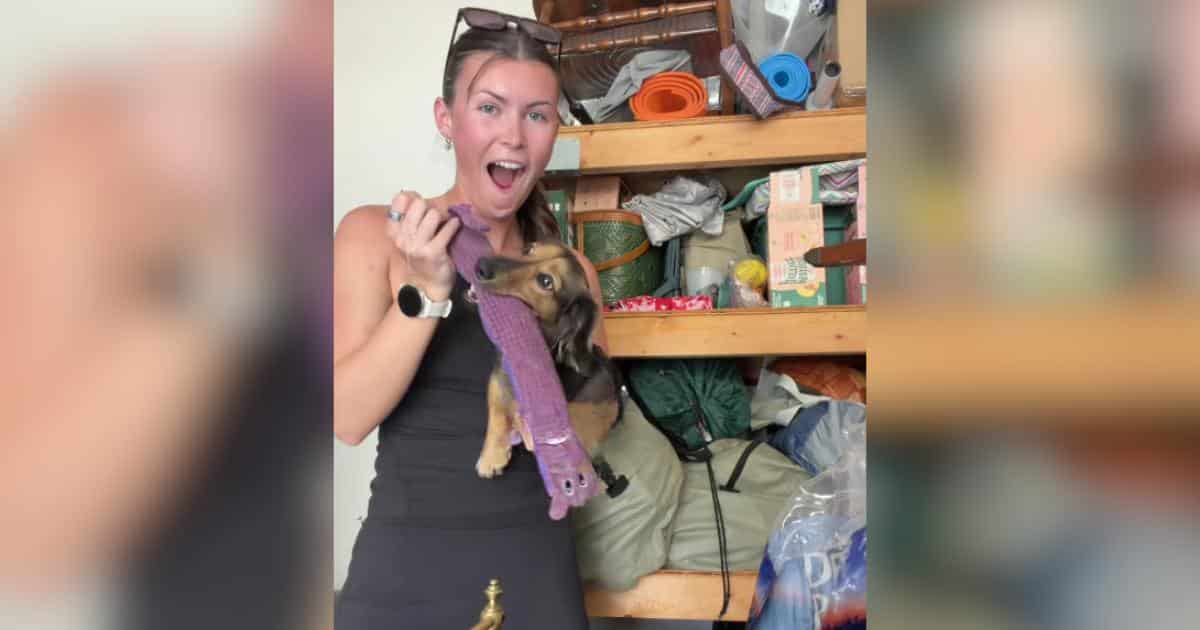
This one is genuinely sweet. When a dog drops their favorite ball or squeaky toy at your feet after a tense moment, they’re doing two things: initiating play (which requires feeling safe) and sharing something they value. It’s the dog equivalent of an olive branch.
4. Soft Eye Contact Returns
Dogs use eye contact in nuanced ways. Avoiding your gaze can signal stress or discomfort. But when your dog looks at you with soft, relaxed eyes and maybe those slightly squinted “happy eyes,” that’s oxytocin flowing for both of you. A 2015 study in Science showed that mutual gazing between dogs and owners triggers an oxytocin feedback loop, the same bonding hormone that connects mothers and infants.
5. They Roll Over and Show Their Belly
Exposing the belly is a vulnerable position. A dog showing this kind of body language around you means they feel safe enough to be defenseless. If they’re rolling over for belly rubs after you messed up, consider yourself officially forgiven.
6. Their Routine Clicks Back Into Place
Dogs are creatures of habit. When something disrupts their world, you might notice them skipping meals, ignoring walks, or sleeping in unusual spots. Once they bounce back to waiting by the door at walk time or doing their dinner-time dance, the emotional disruption has passed. Routines returning to normal is actually one of the most reliable indicators that your dog is emotionally settled again.
7. They Follow You Room to Room
Your dog shadowing you from the kitchen to the bathroom to the couch isn’t clinginess. It’s attachment behavior. After a rift, a dog who goes back to being your little shadow is showing that their bond with you is intact. They want to be near you, and that says everything.
8. The Licking and Nose Nudges Start Up
Face licks, hand nudges, those little nose boops against your arm? These are active bids for connection. Some researchers believe licking specifically has a pacifying function in canine social behavior. Your dog may literally be trying to soothe the tension between you.
9. They Fall Asleep Next to You
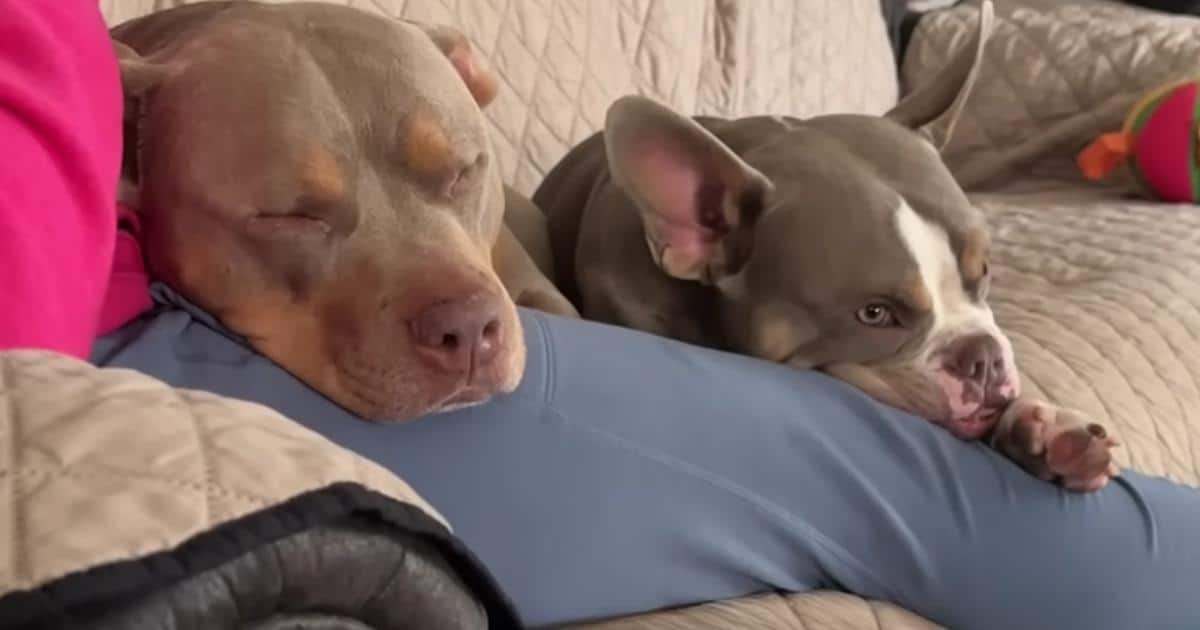
This is the ultimate sign. A dog who feels anxious or wary won’t let their guard down enough to sleep near you. If your dog curls up at your feet, stretches out on the couch beside you, or returns to their usual sleeping spot next to your bed, they feel completely safe. Sleep requires vulnerability, and vulnerability requires trust.
What If Your Dog Seems Scared, Not Just Upset?
There’s an important distinction between a dog who’s mildly annoyed (you bumped into them, you were too loud) and a dog who’s genuinely frightened. Occasional mistakes are normal and your dog will bounce back quickly. But repeated negative experiences can cause lasting anxiety.
Watch for these warning signs that go beyond normal temporary upset:
- Cowering or tucking their tail whenever you move quickly
- Flinching when you raise your hand, even to pet them
- Submissive urination when you approach
- Hiding in another room consistently
- Showing whale eye (the whites of their eyes visible) around you
If you’re seeing these patterns, the issue isn’t about forgiveness anymore. It’s about fear, and that requires a different approach. A certified animal behaviorist (look for CAAB or ACVB credentials) can help you rebuild trust through structured desensitization.
The behavior changes in dogs that signal deeper issues are worth learning to recognize early.
How to Apologize to Your Dog (Yes, Really)
You can’t say “I’m sorry” and have your dog understand the words. But you can absolutely communicate remorse through actions. Dogs are experts at reading human body language, tone of voice, and behavioral patterns. Here’s how to make things right:
Keep Your Voice Calm and Warm
After a tense moment, speak to your dog in a soft, higher-pitched voice. This isn’t baby talk (though dogs don’t mind that either). It’s about vocal tone signaling safety. Research from the University of York found that dogs pay attention to both the words we use and the tone we deliver them in.
Get Down to Their Level
Standing over a dog who’s already unsure can feel intimidating. Crouch down, turn your body slightly sideways (direct frontal posture can read as confrontational), and let them come to you. Don’t force it.
Offer a High-Value Treat
This isn’t bribery. It’s classical conditioning. You’re creating a positive association to counterbalance the negative one. A piece of chicken or their favorite chew can help shift their emotional state back to positive.
Respect Their Space
If your dog walks away, let them go. Chasing after an upset dog to “make up” often backfires because it doesn’t give them the space to self-regulate. Most dogs will come back on their own within minutes. When they do, be ready with calm affection.
Resume Normal Activities
Dogs take enormous cues from your behavior. If you’re acting guilty and hovering, they pick up on that nervous energy. The fastest way to tell your dog “everything is fine” is to actually act like everything is fine. Go for a walk, play a game, or simply go about your routine.
Can You Damage the Bond Permanently?
Short answer: it takes a lot. Dogs are remarkably resilient. A single accidental tail-step isn’t going to undo years of love and treats. Research on shelter dogs who’ve experienced genuine abuse shows that even dogs with significant trauma histories can form trusting bonds with new people over time.
That said, consistency matters more than individual moments. A dog who lives in a generally positive, predictable environment can absorb the occasional mishap without lasting effects. But a dog who faces frequent unpredictable negativity will develop chronic stress, and that changes behavior in ways that look a lot like “not forgiving.”
The signs your dog trusts you are worth checking if you’re worried about the strength of your bond.
Understanding Canine Emotions: What Dogs Actually Feel
One reason people worry so much about dog forgiveness is that we project human emotional complexity onto our pets. It’s worth understanding what dogs actually experience.
Dogs have the emotional maturity roughly equivalent to a 2 to 2.5-year-old human child, according to canine cognition researcher Dr. Stanley Coren. That means they feel:
- Joy and excitement (absolutely)
- Fear and anxiety (definitely)
- Anger (briefly, yes)
- Disgust (sure, watch them encounter a lemon)
- Love and attachment (without question)
What they probably don’t feel: guilt, shame, or contempt. That “guilty look” your dog gives you when you find a chewed-up shoe? That’s actually a submissive response to your body language, not an admission of wrongdoing. A study from Barnard College confirmed that the “guilty look” correlated with the owner’s scolding behavior, not with whether the dog had actually done anything wrong.
This is good news for the forgiveness question. If dogs don’t experience grudge-holding emotions like contempt or resentment, they’re naturally inclined toward “forgiveness” as their default state. They just need to feel safe again.
Things That Commonly Make Dog Owners Feel Guilty
You’re not alone if you’ve done any of these. Every dog owner has been there:
- Accidentally stepping on paws or tails
- Raising your voice when frustrated
- Not noticing they needed to go outside
- Coming home too late
- Having to leave them at the vet or groomer
- Accidentally startling them awake
- Not understanding their whining signals
Here’s something worth remembering: the fact that you feel guilty about it means you care. And a dog who’s cared for consistently will always bounce back from a single rough moment.
Frequently Asked Questions
Do dogs forgive you for yelling at them?
Yes, dogs can move past being yelled at, usually within minutes to hours. They respond more to your tone and body language than to specific words. The best thing you can do after raising your voice is return to calm, normal behavior and offer gentle affection when they’re ready for it.
How long does it take for a dog to forgive you?
Most dogs recover from minor incidents within minutes. More significant scares might take a few hours. If your dog still seems fearful after 24 hours, the issue may be deeper than a single event, and it’s worth consulting a veterinarian or behaviorist.
Do dogs remember when you hurt them?
Dogs have associative memory, meaning they remember feelings connected to events rather than detailed replays of what happened. They might remember that a certain situation felt scary, but they’re not holding onto a specific grievance. Consistent positive experiences will always outweigh occasional negative ones.
Can dogs tell when you’re sorry?
Dogs can’t understand the concept of an apology, but they’re extremely skilled at reading shifts in your emotional state. When you go from tense or upset to calm and affectionate, your dog notices and responds to that shift. Your body language, voice, and energy communicate more than words ever could.
Is the “guilty look” on a dog really guilt?
No. Research has shown that what we interpret as a “guilty expression” is actually a submissive response to their owner’s body language and tone. Dogs display this look when they sense you’re upset, regardless of whether they’ve actually done something wrong.
Every dog deserves patience, and every dog owner makes mistakes. What matters isn’t perfection. It’s what you do next.




 English (US) ·