
Key Takeaways:
- Skunk spray has a strong, unpleasant odor because it contains sulfur-based chemicals known as thiols. These compounds bind to proteins in your dog’s fur, which causes the smell to linger.
- Many people try to use tomato juice to remove skunk odor, but this method does not neutralize the chemicals in the spray and can sometimes make the smell more noticeable.
- A hydrogen peroxide-based solution is an effective home remedy for neutralizing skunk odor. This mixture breaks down the thiols and helps remove the smell from your dog’s coat.
- If your dog shows signs of irritation, discomfort, or illness after being sprayed by a skunk, contact your veterinarian for further advice and treatment.
Did Your Dog Get Skunked? Here’s How to Remove That Stubborn Smell
A skunked dog can leave your home with a persistent, unpleasant odor that is difficult to remove. Skunk spray is well known for its stubbornness, but with the correct approach, you can safely and effectively neutralize the smell. Use this guide to learn how to address skunk odor and care for your dog after an encounter.
What Makes Skunk Smell So Hard to Remove from Dogs?
Skunk spray is not a typical odor. It contains chemicals called thiols, which are sulfur-based compounds. These thiols are highly pungent and can adhere to your dog’s skin and fur, even after washing. Because thiols bond to proteins in the fur, the smell can persist for an extended period, and common remedies such as tomato juice are usually ineffective.
Why doesn’t tomato juice work?
Tomato juice is a common suggestion, but it does not neutralize the thiols responsible for the odor. At best, it may temporarily mask the smell. A more effective approach is to use a solution that breaks down these chemicals.
How Does Skunk Spray Affect Your Dog’s Skin and Eyes?
Skunk spray is not only unpleasant; it can also irritate your dog’s skin, eyes, and mucous membranes.
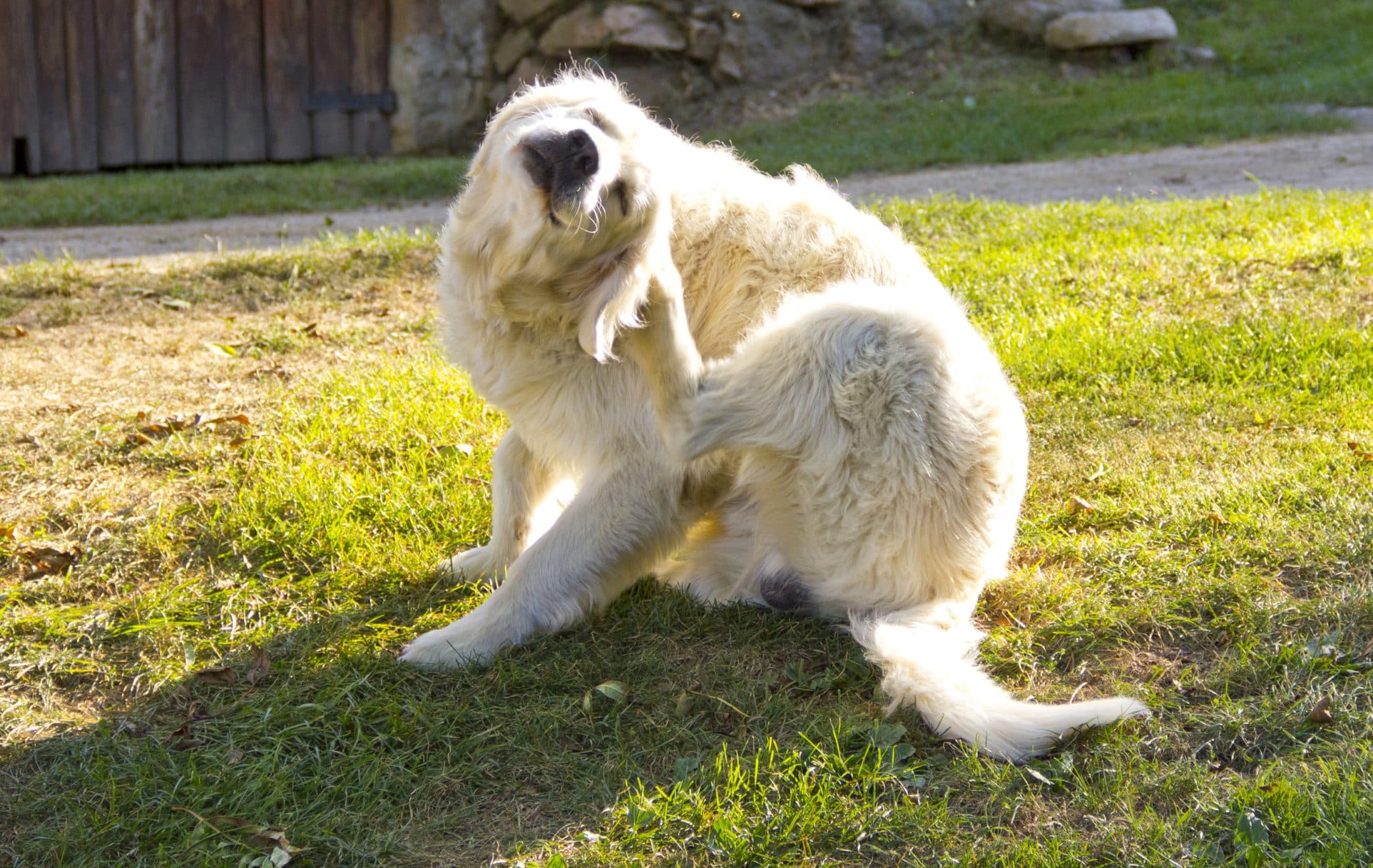
- Skin irritation: The spray can cause redness, itching, and a burning sensation, especially if left on for too long.
- Eye irritation: If the spray gets into your dog’s eyes, it can cause squinting, excessive tearing, or even temporary blindness in extreme cases.
- Respiratory distress: While rare, inhaling the spray can lead to coughing or difficulty breathing.
It is important to remove skunk spray from your dog promptly to reduce irritation. If your dog displays signs of distress or discomfort, contact your veterinarian for further guidance.
What’s the Best DIY De-Skunking Recipe?
A hydrogen peroxide-based solution is one of the most effective home treatments for skunk spray. The following recipe outlines how to prepare this mixture:
DIY De-Skunking Solution:
- 1 quart (4 cups) 3% hydrogen peroxide
- 1/4 cup baking soda
- 1-2 teaspoons dish soap (preferably unscented)
Why this recipe works:
- Hydrogen peroxide breaks down the thiols in the skunk spray, neutralizing the odor.
- Baking soda helps absorb and further neutralize the smell.
- Dish soap cuts through the oils in the spray and helps the mixture stick to your dog’s fur.
Important: Use this solution immediately after mixing. Do not store it for future use, as hydrogen peroxide loses effectiveness over time.
How to Safely Apply the Treatment Step-by-Step
If your dog is sprayed by a skunk, it is important to act quickly. Follow these steps to apply the de-skunking solution safely:
- Prepare the Solution: Mix the hydrogen peroxide, baking soda, and dish soap in a large bowl. Make sure everything is thoroughly combined.
- Apply to Dry Fur: Wear rubber gloves and apply the mixture to your dog’s dry fur, concentrating on the areas most affected by the spray, such as the face and neck.
- Gently Massage: Work the solution into your dog’s fur and skin, avoiding the eyes, ears, and mouth.
- Let it Sit for 5-10 Minutes: Allow the solution to remain on your dog’s fur for several minutes, but do not let it dry completely.
- Rinse Thoroughly: Rinse your dog with lukewarm water, making sure to remove all of the solution. Repeat the process if any odor remains.
Warning: Avoid contact with your dog’s eyes and mouth. If the solution enters the eyes, rinse immediately with water. If your dog appears to be in pain or discomfort, contact your veterinarian.
Can Commercial Products Work Better Than Home Remedies?
Several commercial de-skunking products are available and can be effective. These products are typically formulated using the same principles as the DIY solution, but may offer greater convenience or ease of use.
Examples of commercial products:
- Nature’s Miracle Skunk Odor Remover
- Vet’s Best Enzymatic Skunk Odor Eliminator
These products are intended to break down thiols and neutralize odor, similar to the hydrogen peroxide solution. While they are often more expensive, they may save time if you prefer not to prepare a homemade remedy.
How to Prevent Future Skunk Encounters
Although skunks are most active at night, you can reduce the risk of your dog being sprayed by taking several precautions:
- Keep your dog on a leash during walks, especially at dusk or night when skunks are most active.
- Avoid skunk-prone areas like thick brush, wooded areas, or places where your dog could easily surprise a skunk.
- Use a skunk deterrent spray around your yard to keep skunks away.
Warning: If you see a skunk in your yard or neighborhood, do not allow your dog to approach. Skunks are more likely to spray when they feel threatened, and a curious dog may provoke this response.
Conclusion
Removing skunk spray from your dog can be difficult, but with the correct method, you can neutralize the odor and reduce discomfort for your pet. Act promptly, avoid ineffective remedies such as tomato juice, and use a proven solution to address the smell. If you have concerns or your dog exhibits signs of irritation, consult a veterinarian to ensure your dog’s well-being.
Call to Expert Consultation
If you are concerned about your dog’s health or require specific advice, consult a veterinarian. While most cases can be managed at home, a professional can check for hidden injuries or irritation and help ensure your dog’s recovery.
FAQs
Is the baking soda recipe safe for all dogs?
Yes, the baking soda recipe is generally safe for most dogs, but avoid it for puppies under 8 weeks old. Always do a small patch test on your dog’s skin to ensure there are no allergic reactions.
How long should I leave the de-skunking solution on my dog?
Leave the solution on for 5-10 minutes, but not longer. Rinse thoroughly to avoid skin irritation.
Can skunk spray make my dog sick?
Skunk spray is not toxic but can cause nausea or vomiting if ingested. If your dog eats the spray or shows signs of illness, consult your vet immediately.
Can I use a commercial de-skunking product instead of a DIY remedy?
Yes, commercial products can be effective and are formulated to neutralize skunk odor. Just follow the instructions carefully for the best results.
How do I know if my dog needs to see a vet?
If your dog shows signs of eye irritation, excessive drooling, vomiting, or appears distressed after getting skunked, consult a vet. These could be signs of a more serious reaction.
Can I wash my dog with regular dog shampoo after de-skunking?
Yes, you can bathe your dog with regular shampoo after using the de-skunking solution to ensure their fur is clean and free of the odor.
What if my dog keeps rubbing their face after being sprayed?
This could be a sign of irritation. Rinse their face with clean water and apply the de-skunking solution carefully. If the rubbing continues, consult a vet.
Does skunk spray affect certain dog breeds more?
No, skunk spray affects all dogs equally, regardless of breed. However, dogs with sensitive skin may experience more irritation. Always monitor your dog for any signs of discomfort.











 English (US) ·