
 1 month ago
42
1 month ago
42
When it comes to feeding your dog, not all foods are created equal. Some ingredients are considered superfoods for dogs because they’re naturally rich in vitamins, minerals, antioxidants, and other nutrients that support overall canine health.
But what exactly are superfoods for dogs—and which human foods are actually safe?
According to Dr. Ernie Ward, DVM, a member of the Petplan Veterinary Advisory Board, the following 13 superfoods can provide powerful health benefits when served properly and in moderation. As always, talk to your veterinarian before adding new foods to your dog’s diet, especially if your dog has allergies or underlying health conditions.

What Are Superfoods for Dogs?
Superfoods are whole, minimally processed foods that deliver concentrated nutrition. For dogs, these foods can help support:
-
Healthy digestion
-
Strong immunity
-
Skin and coat health
-
Brain and heart function
-
Joint support and healthy aging
When used as treats or meal toppers (not meal replacements), superfoods can be a smart way to boost your dog’s diet naturally.
1. Apples (Without the Seeds)
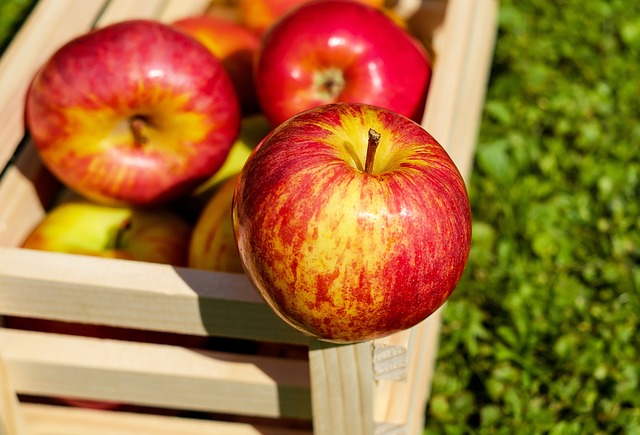
Apples are a crunchy, low-calorie snack packed with fiber and vitamin C. Chewing apples can help clean your dog’s teeth and freshen breath.
How to serve:
Remove seeds and core (apple seeds contain cyanide). Slice into bite-size pieces.
Best for: Digestion, dental health, weight management
2. Canned Pumpkin Purée (Plain, Not Pie Filling)
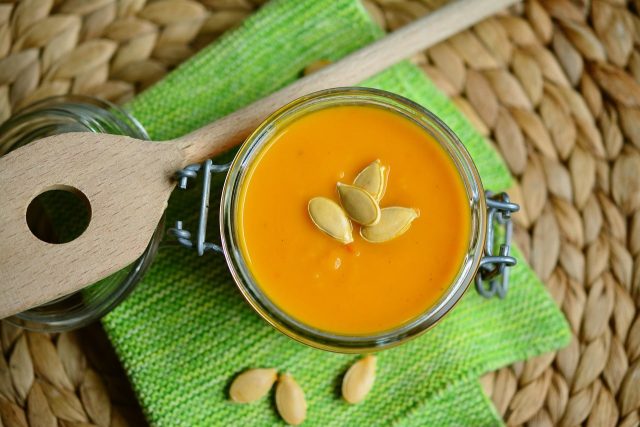
Pumpkin is one of the best superfoods for dog digestion. It’s rich in fiber, vitamins, minerals, and carotenoids that support gut health, immunity, and skin.
Pumpkin may help with both diarrhea and constipation, depending on your dog’s needs.
How to serve:
Plain canned pumpkin or cooked fresh pumpkin only.
Best for: Digestive health, immune support, skin health
3. Eggs
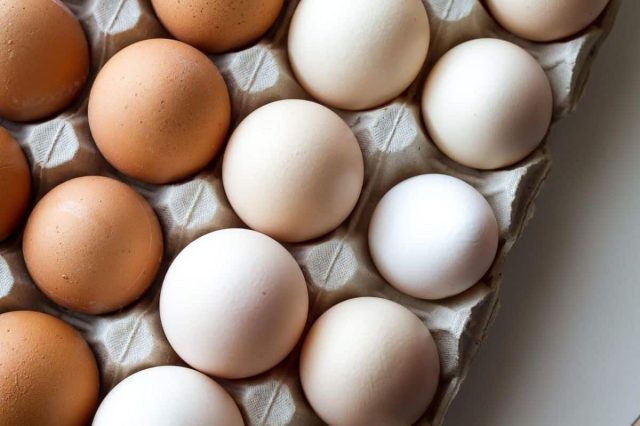
Eggs are a highly digestible protein source loaded with essential amino acids, vitamins, and healthy fats. They support eye health, brain function, and heart health.
Eggs can also be helpful for dogs with a low appetite.
How to serve:
Cooked (scrambled or boiled), unseasoned.
Best for: Muscle health, coat shine, recovery
4. Bananas

Bananas are excellent for active or athletic dogs. They contain natural sugars for quick energy, along with potassium, vitamin C, fiber, and electrolytes.
How to serve:
Small slices, occasionally—bananas are high in sugar.
Best for: Energy, muscle function
5. Carrots
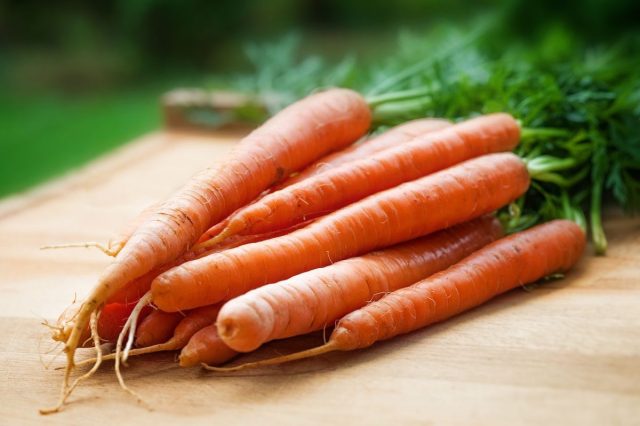
Carrots are a low-calorie snack high in beta-carotene, which the body converts to vitamin A. This supports eye health and may help reduce the risk of cataracts.
How to serve:
Raw or lightly steamed. Baby carrots are safer for small dogs.
Best for: Vision, dental health, weight control
6. Turkey (Skinless & Unseasoned)

Turkey is a lean protein that provides essential amino acids and potassium without excess fat when prepared properly.
How to serve:
Cooked, boneless, skinless, and unseasoned only.
Best for: Muscle maintenance, protein variety
7. Sweet Potatoes
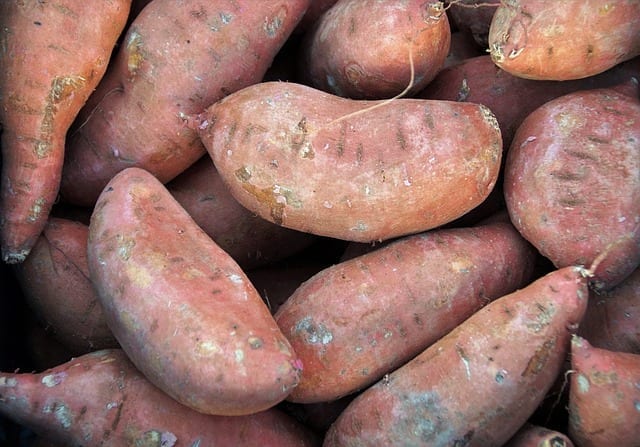
Sweet potatoes are a favorite among veterinarians for good reason. These nutrient-dense tubers contain fiber, antioxidants, and complex carbohydrates that help regulate digestion and support healthy aging.
How to serve:
Cooked and mashed or sliced; no added sugar or spices.
Best for: Digestive health, immune support, senior dogs
8. Kelp
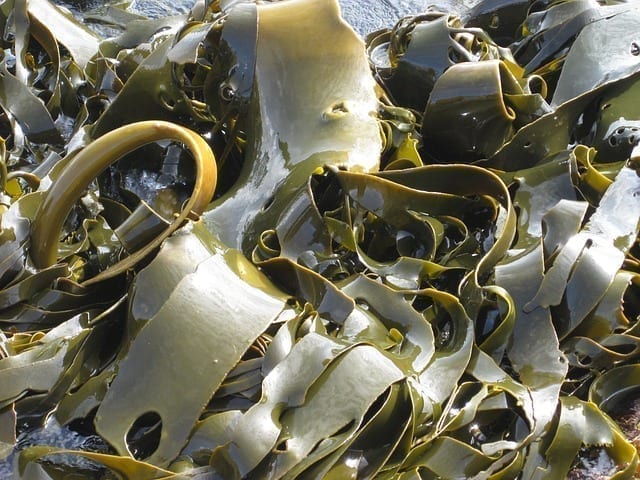
Kelp is a natural source of iodine, calcium, vitamin A, folic acid, and trace minerals. It may support thyroid health, energy levels, and immune function.
How to serve:
As a powdered supplement in very small amounts.
Best for: Metabolism, immune health
9. Quinoa
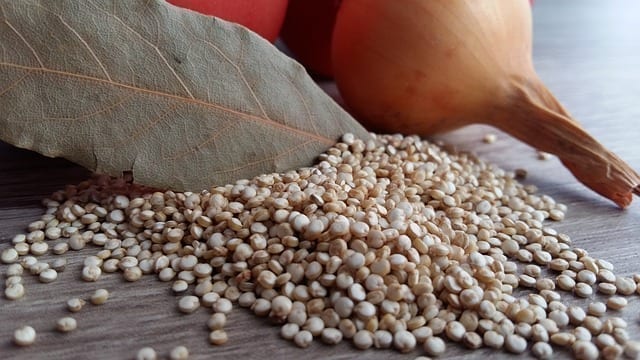
Often called the “mother of all grains,” quinoa is technically a seed and is gluten-free, protein-rich, and easy to digest. It also contains fiber and important minerals.
How to serve:
Cooked plain, in small portions.
Best for: Dogs with grain sensitivities, protein variety
10. Sardines
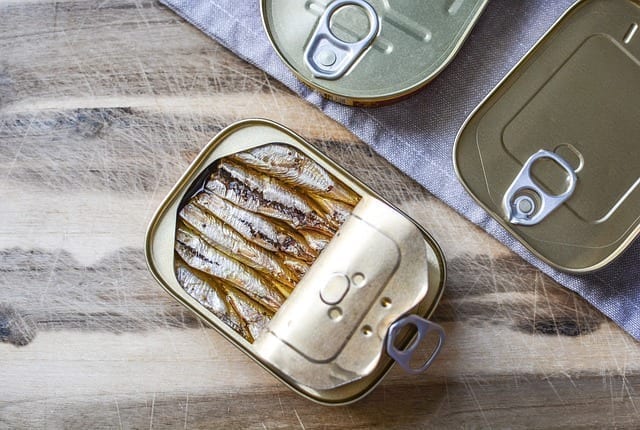
Sardines are one of the best natural sources of omega-3 fatty acids. They’re packed with vitamin B12, vitamin D, protein, and healthy fats that support joints, skin, and brain health.
How to serve:
Canned in water only, no added salt.
Best for: Coat health, joints, active dogs
11. Raw Local Honey
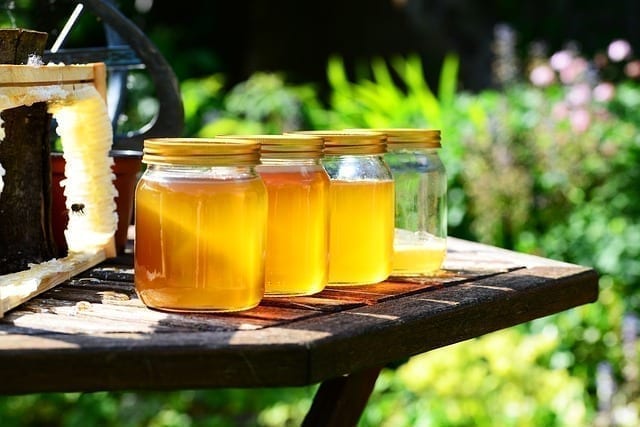
Raw, local honey may help dogs with seasonal allergies by exposing them to trace amounts of local pollen, potentially increasing tolerance over time.
It also has natural antibacterial properties.
How to serve:
Very small amounts only; not for puppies under 1 year.
Best for: Allergy support, immune health
12. Broccoli

Broccoli contains cancer-fighting compounds, lutein for eye health, and essential nutrients like potassium, calcium, and fiber.
How to serve:
Lightly steamed and chopped; limit quantity to avoid gas.
Best for: Antioxidant support, training treats
13. Blueberries
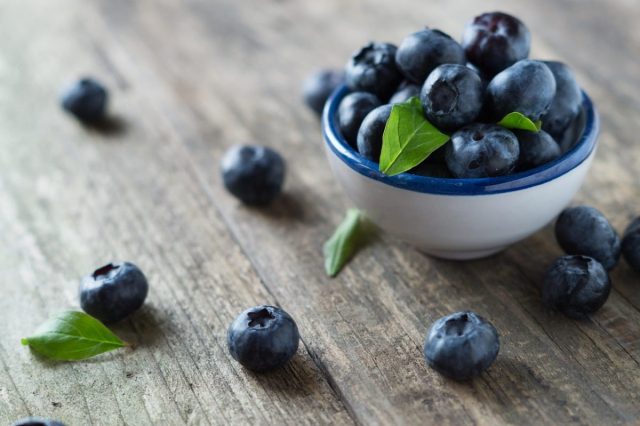
Blueberries are a true antioxidant powerhouse and one of the best fruits you can safely share with your dog. They’re rich in vitamins C and K, fiber, and phytochemicals that help fight inflammation and oxidative stress.
Studies suggest blueberries may support brain health and memory, especially in senior dogs.
How to serve:
Fresh or frozen, whole or lightly mashed.
Best for: Brain health, immune support, anti-aging
Final Tips on Feeding Superfoods to Dogs

-
Always introduce new foods slowly
-
Keep superfoods as treats or toppers, not meal replacements
-
Avoid seasoning, salt, sugar, onions, garlic, or artificial additives
-
When in doubt, ask your veterinarian
When used correctly, these dog-safe superfoods can be a simple, natural way to support your dog’s long-term health and happiness.
















 English (US) ·