
 2 days ago
8
2 days ago
8
If you’ve ever pulled a clump of dog fur off your black sweater and wondered if it could build its own separate dog, you might be living with one of the breeds on this list. Some dogs shed a little. These dogs shed a lot – like, vacuum-twice-a-week, find-fur-in-your-coffee, explain-it-to-house-guests a lot.
Understanding which dog breeds shed the most can save you from a lot of frustration (and cleaning bills) down the road. Whether you’re picking your next dog or trying to survive your current one, here’s the real deal on the heaviest shedders – and how to manage the fur avalanche.
Quick Shedding Reference
| Siberian Husky | Extreme | Double coat, medium-length | 2-3x per week + daily during blowout |
| Alaskan Malamute | Extreme | Dense double coat | 3x per week + daily during blowout |
| German Shepherd | Very High | Double coat, medium | 2-3x per week year-round |
| Golden Retriever | Very High | Double coat, long feathering | Daily brushing, 2x year heavy |
| Akita | High | Double coat, short-medium | Weekly + 2x year heavy shed |
| Labrador Retriever | High | Dense double coat, short | Weekly + more during shedding season |
| Great Pyrenees | High | Long, thick double coat | 2-3x per week minimum |
| Bernese Mountain Dog | High | Long tricolor double coat | Daily brushing recommended |
| Pembroke Welsh Corgi | High | Double coat, medium | 2x per week + daily during blowout |
| Cardigan Welsh Corgi | High | Double coat, medium | 2x per week year-round |
| Chow Chow | High | Dense double coat (rough or smooth) | 3x per week minimum |
| Saint Bernard | High | Long or short, dense | 2-3x per week minimum |
| American Eskimo Dog | High | Dense double coat, stand-off | 2x per week minimum |
If none of these appeal to you from a fur-management perspective, small dog breeds that don’t shed much might be worth a look instead.
#1 – Siberian Husky
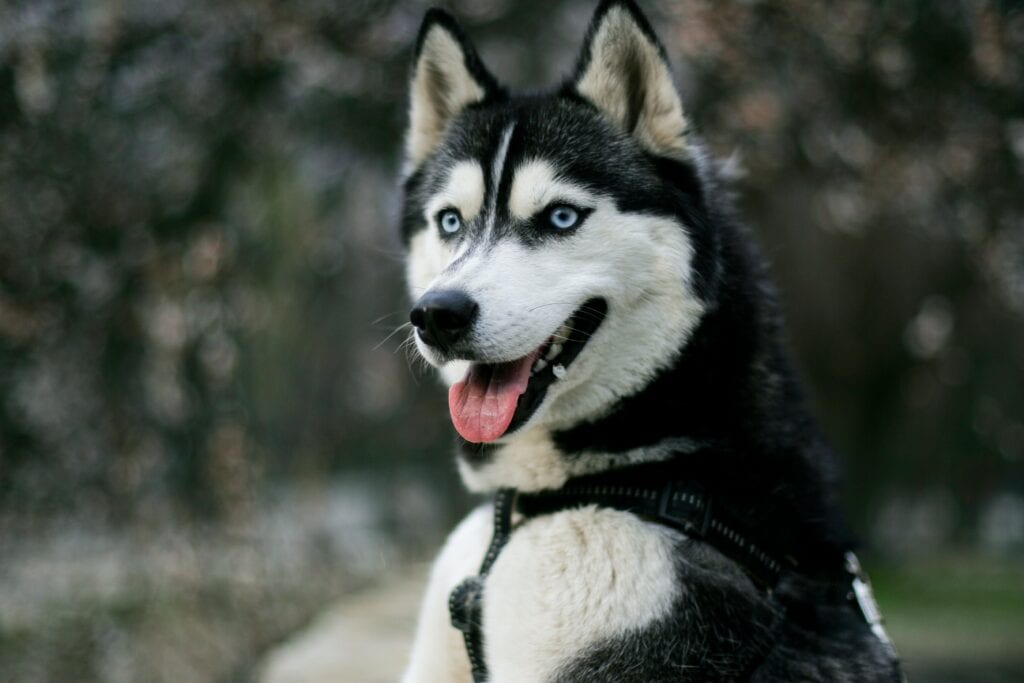
The Siberian Husky takes the top spot on any heavy-shedding list – and it’s not even close. Bred for hauling sleds across Siberia’s frozen tundra, Huskies have a thick double coat designed to survive temperatures that would stop most humans cold. That coat sheds constantly and “blows” dramatically twice a year in spring and fall.
During blowout season, the fur comes out in handfuls. You’ll fill grocery bags with it. Daily brushing during these periods is the only way to keep up. A high-velocity dryer can help blast the dead coat loose faster, cutting the process from weeks to days.
Grooming tip: Use a slicker brush for the topcoat and an undercoat rake for the dense underlayer. Never shave a Husky – the double coat actually helps regulate body temperature in both heat and cold.
#2 – Alaskan Malamute
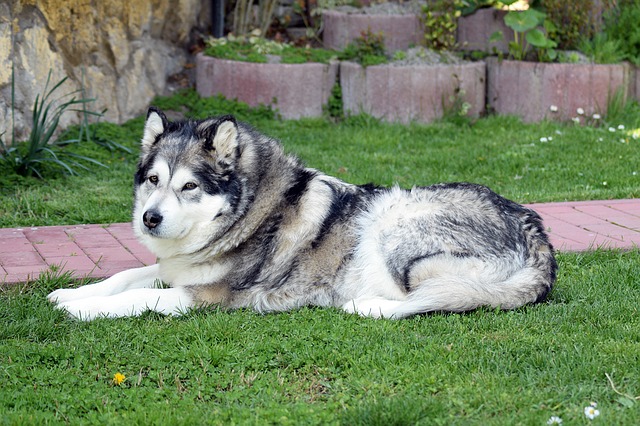
Malamutes are basically Huskies’ bigger, fluffier cousins – and they shed just as heavily. These dogs were bred to haul massive loads across Alaska, and their coat reflects that extreme environment. The undercoat is dense and woolly, and when it comes in or out, it comes out in clumps you could practically knit with.
Unlike Huskies (who at least blow their coat in relatively predictable seasons), Malamutes can seem to shed heavily year-round. A good deshedding tool like the Furminator or a similar undercoat rake used weekly will dramatically cut down on what ends up on your couch.
Grooming tip: Brush at least 3 times per week. During shedding season, daily brushing is worth it. Regular baths with a deshedding shampoo and conditioner help loosen dead fur before it ends up on your furniture.
#3 – German Shepherd
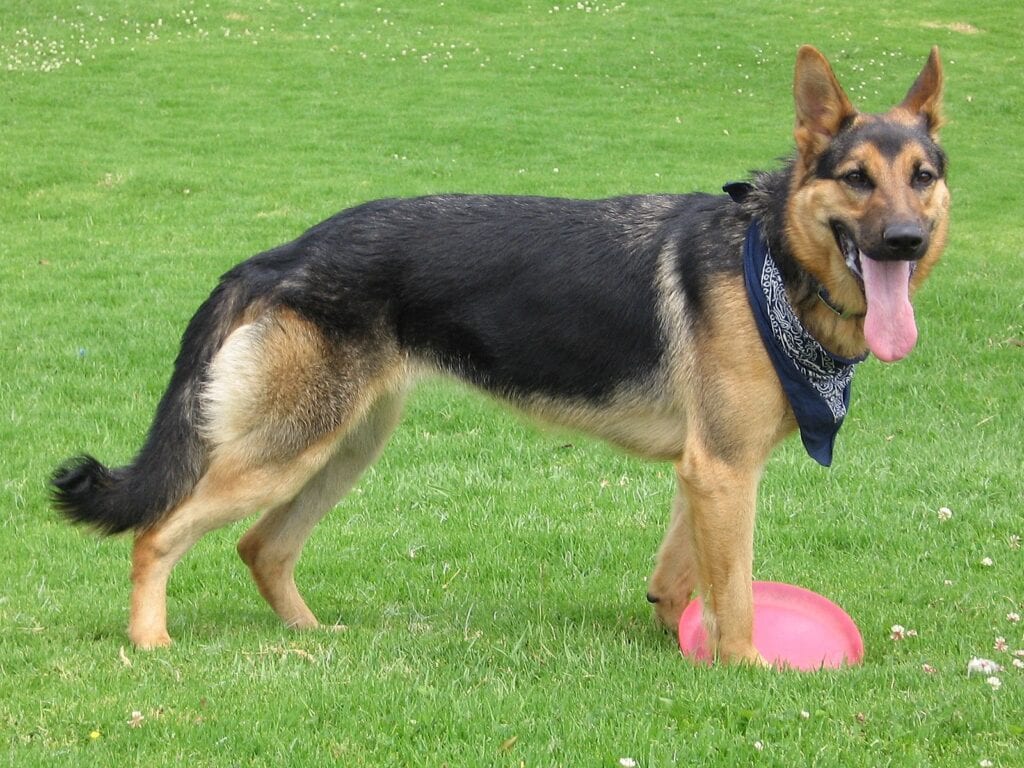 Image: SaNtINa/kIKs via Wikimedia Commons
German Shepherds are sometimes called “German Shedders” by their owners – and it’s earned. These dogs shed constantly year-round, then blow their coat twice a year in what can only be described as a fur explosion. The dark fur shows up dramatically on light furniture, and the lighter undercoat is visible on almost everything else.
Regular brushing 2-3 times per week is the minimum to keep it manageable. A solid pet hair remover tool is basically required equipment if you share a couch with a GSD. The good news: their coats are relatively easy to brush and don’t mat easily.
Grooming tip: Use a pin brush for routine maintenance and an undercoat rake during shedding season. Omega-3 supplements can also improve coat health and reduce excessive shedding over time.
#4 – Golden Retriever
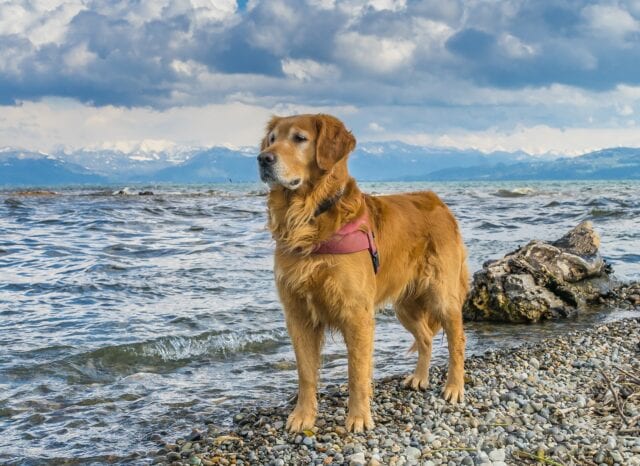
Golden Retrievers are the most popular family dog in America, and they pay for that title in fur. Their beautiful long golden coats are double-layered and shed heavily year-round, with two intense blowout periods in spring and fall. The feathering on their legs, tail, and chest adds even more fur volume to the mix.
Goldens also love outdoor adventures, which means they track in debris that gets tangled in all that fur. Budget for daily brushing if you want to stay ahead of it, especially around the ears and collar area where mats can develop quickly.
Grooming tip: A slicker brush removes surface tangles; follow with an undercoat rake for the dense underlayer. Professional grooming every 6-8 weeks can help manage the coat between at-home sessions.
#5 – Akita
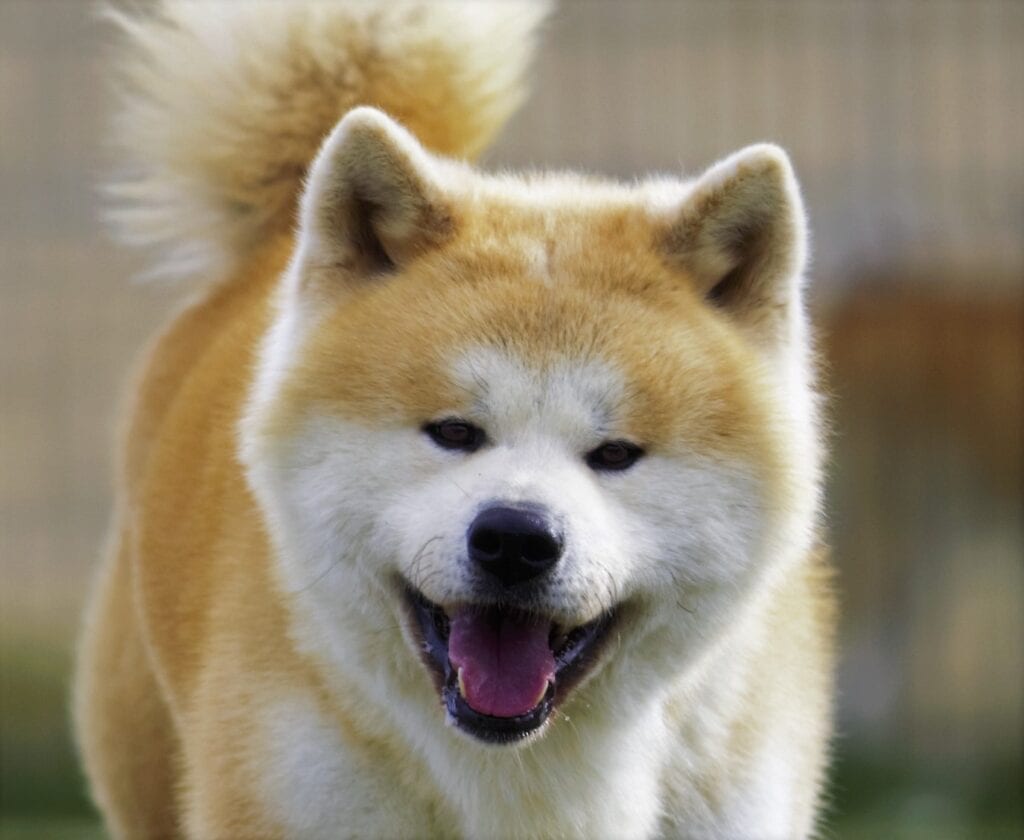 Image: John Cano via Wikimedia Commons
Akitas are large, powerful Japanese dogs with thick double coats built for cold mountainous regions. Their coats look short-to-medium length, but don’t be fooled – there’s a dense, plush undercoat underneath that sheds heavily, especially twice yearly during blowout season.
Akitas are actually fastidious self-groomers (almost cat-like in their cleanliness), but that doesn’t reduce how much fur they shed. Weekly brushing handles routine shedding; daily brushing is necessary during the two major seasonal coat changes.
Grooming tip: A pin brush and deshedding tool combination works well for Akitas. Their coat is fairly coarse and doesn’t mat easily, which makes brushing sessions less labor-intensive than with some other heavy shedders.
#6 – Great Pyrenees
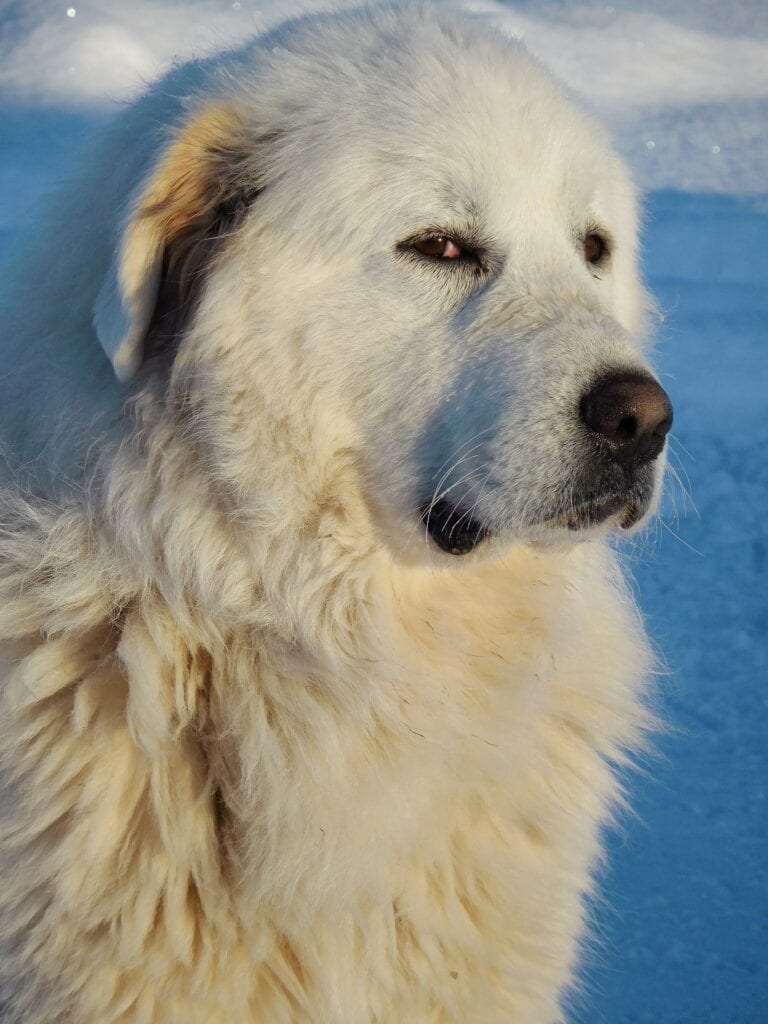
You might look at a Great Pyrenees and think “those giant white fur clouds can’t be that bad.” They are that bad. These livestock guardian dogs from the Pyrenean mountains have long, thick double coats that shed massively – and the white fur shows up on literally everything you own.
The Pyr’s coat doesn’t tend to mat as aggressively as some longer-coated breeds, but the sheer volume of fur it produces is remarkable. Brushing 2-3 times per week is the minimum to stay ahead of it.
Grooming tip: A slicker brush and a long-tooth undercoat rake are both useful for Great Pyrenees. During shedding season, a professional grooming session with a high-velocity dryer can remove enormous amounts of dead coat in one sitting.
#7 – Labrador Retriever
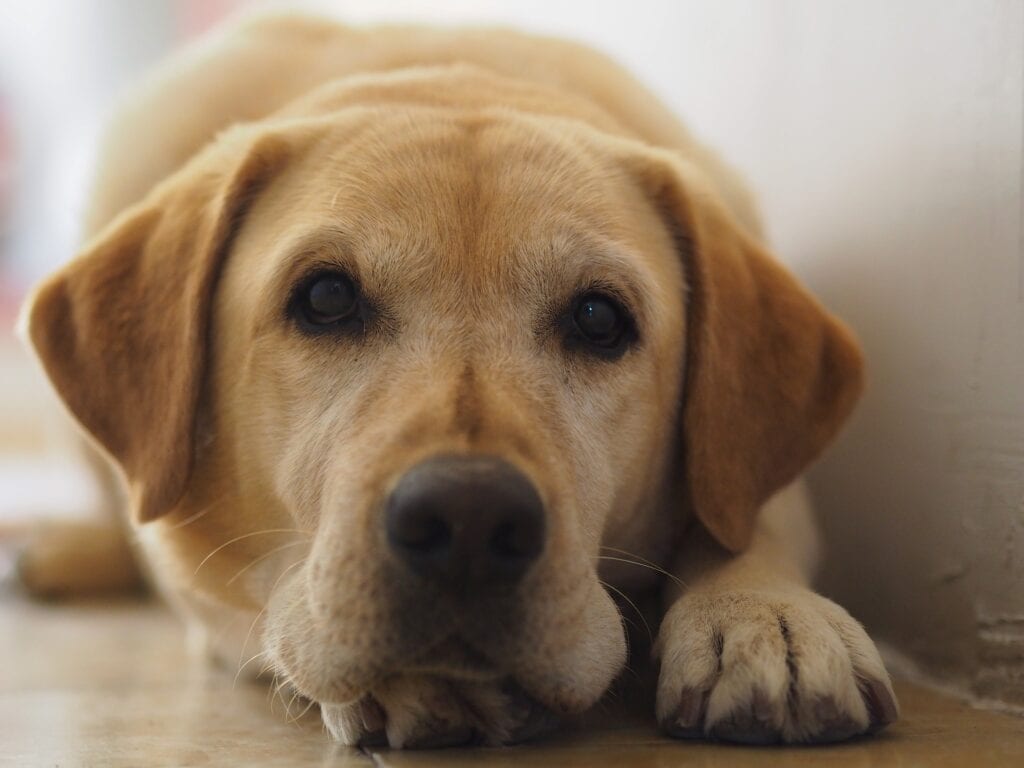
Labs have short coats that fool a lot of first-time owners. Short doesn’t mean low-shedding. The Labrador’s dense double coat is designed for water retrieval work, and it sheds heavily and constantly. The short hairs also have a way of embedding themselves in fabric more stubbornly than longer hairs do.
Labs are America’s most popular breed, which means millions of dog owners are dealing with this exact issue. Consistent weekly brushing and a good vacuum are your best tools.
Grooming tip: A rubber curry brush works great on Labs – it pulls dead coat from the dense undercoat without any discomfort. Use it during bath time and you’ll pull out enormous amounts of fur that would otherwise end up on your floor all week.
#8 – Bernese Mountain Dog
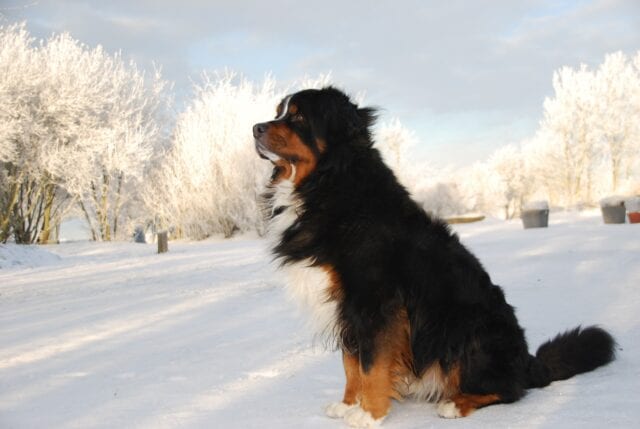
The Bernese Mountain Dog’s tricolor coat is stunning and unmistakable. It’s also constantly shedding. The dark fur shows up clearly on light furniture, and the white markings are equally visible on dark surfaces – so there’s really no escaping it no matter what color your home decor is.
Without regular brushing, loose fur gets trapped in the undercoat and can form painful mats, especially behind the ears and around the collar area. Daily brushing is ideal; every other day at minimum.
Grooming tip: A long-pin slicker brush and a metal comb are both essential for Berners. Pay extra attention to the feathering on the legs and tail, which tangles faster than the rest of the coat.
#9 – Saint Bernard
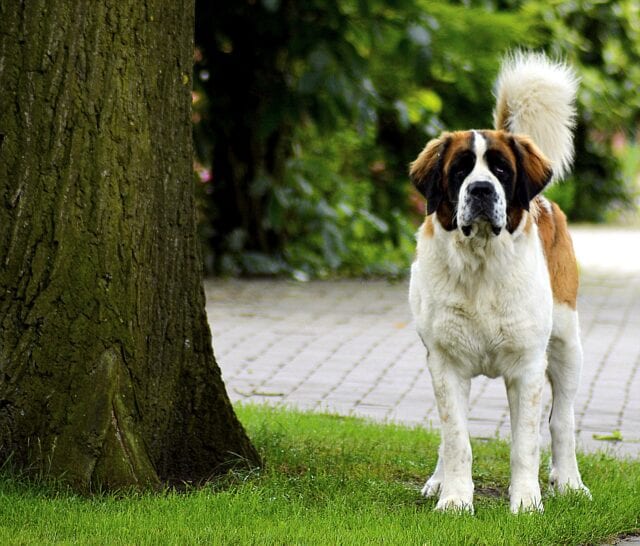
Saint Bernards are gentle giants that shed almost as much as they drool – which is saying something. Both the shorthaired and longhaired varieties shed heavily. The shorthaired Saint Bernard actually sheds more noticeably because the hairs are coarser and get into everything differently than the longer coat does.
Plan on vacuuming several times a week and brushing your dog at least 2-3 times weekly. The payoff is a dog that’s endlessly patient and loving, but the housework commitment is real.
Grooming tip: A rubber grooming glove works well for short-coated Saints during routine sessions. For the longer coat variety, use a slicker brush followed by a wide-tooth comb to catch any developing tangles.
#10 – Pembroke Welsh Corgi
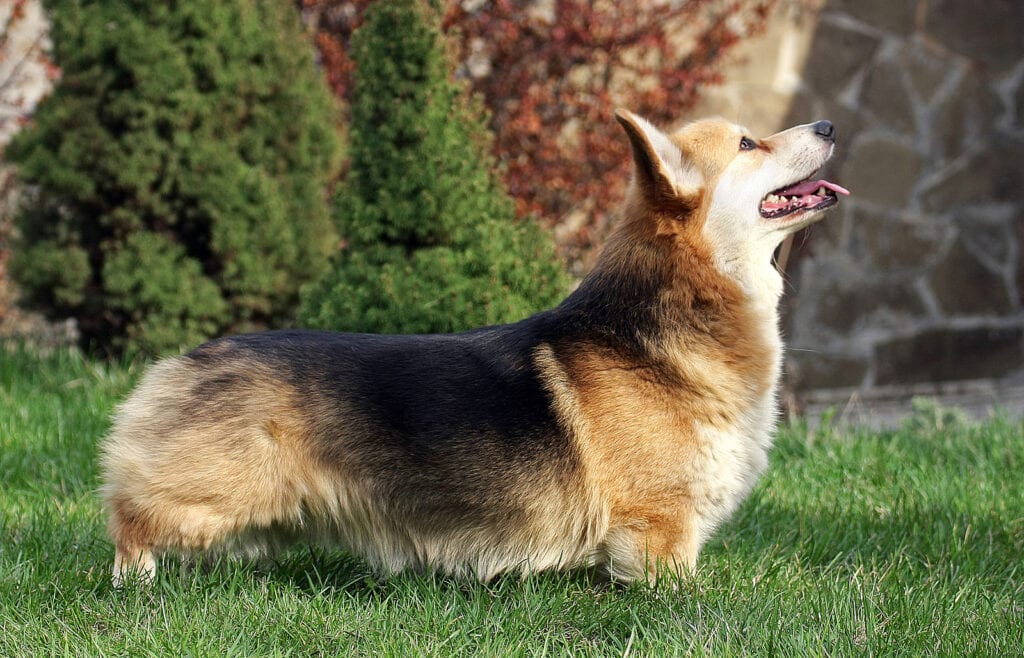 Image: Marsiyanka via Wikimedia Commons
Corgis are small dogs with a big shedding problem. Their “wash and wear” double coat was developed for working cattle in cold, wet Welsh weather. It kept them warm and clean – and it sheds constantly. Small dog, surprisingly large volume of fur.
Pembrokes have two major shedding seasons, but honestly the in-between shedding is enough to keep you busy on its own. Brushing 2-3 times weekly helps, and a deshedding tool during the heavy seasons can make a real difference.
Grooming tip: The Corgi’s undercoat is quite dense relative to their size. An undercoat rake reaches the dense underlayer that a regular brush misses. Focus extra attention on the “pants” (the long fur around the hindquarters) and behind the ears.
#11 – Cardigan Welsh Corgi
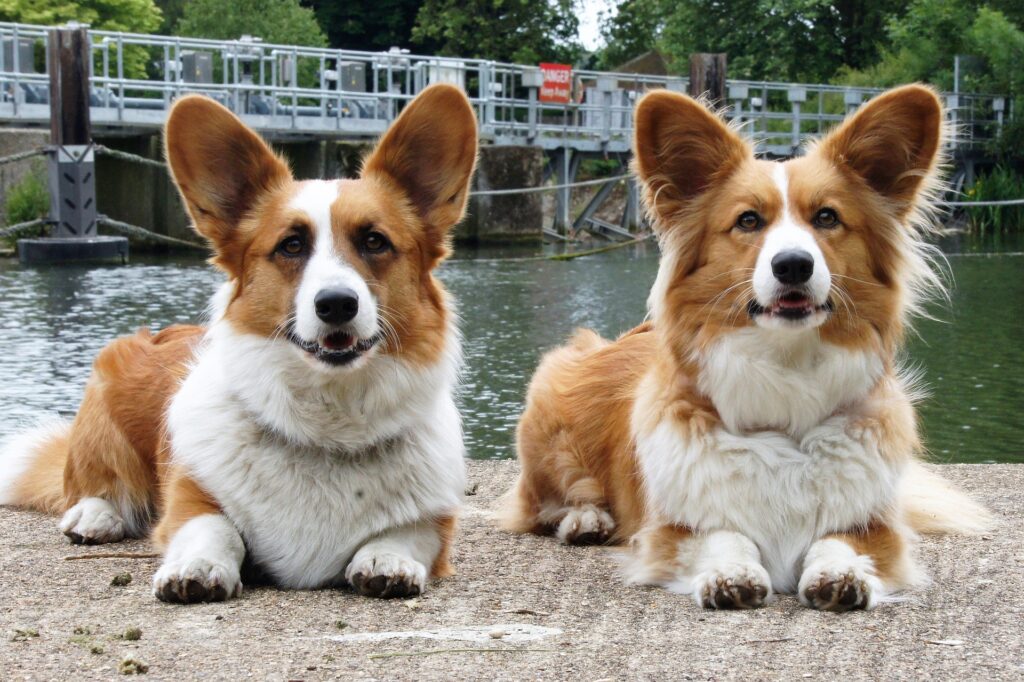
Cardigan Welsh Corgis – the ones with tails – shed just as much as their Pembroke cousins. Double-coated and bred for outdoor work in rough weather, Cardigans shed heavily year-round with two seasonal peaks. Cardigans can also have a longer, coarser outer coat on some individuals, which adds a bit more brushing work.
The Cardigan’s shedding is manageable with consistent grooming, but skipping sessions for a week or two will make it noticeably worse.
Grooming tip: Same tools as the Pembroke: slicker brush plus undercoat rake. Regular baths with a deshedding conditioner help release dead coat before it ends up on your floors.
#12 – Chow Chow
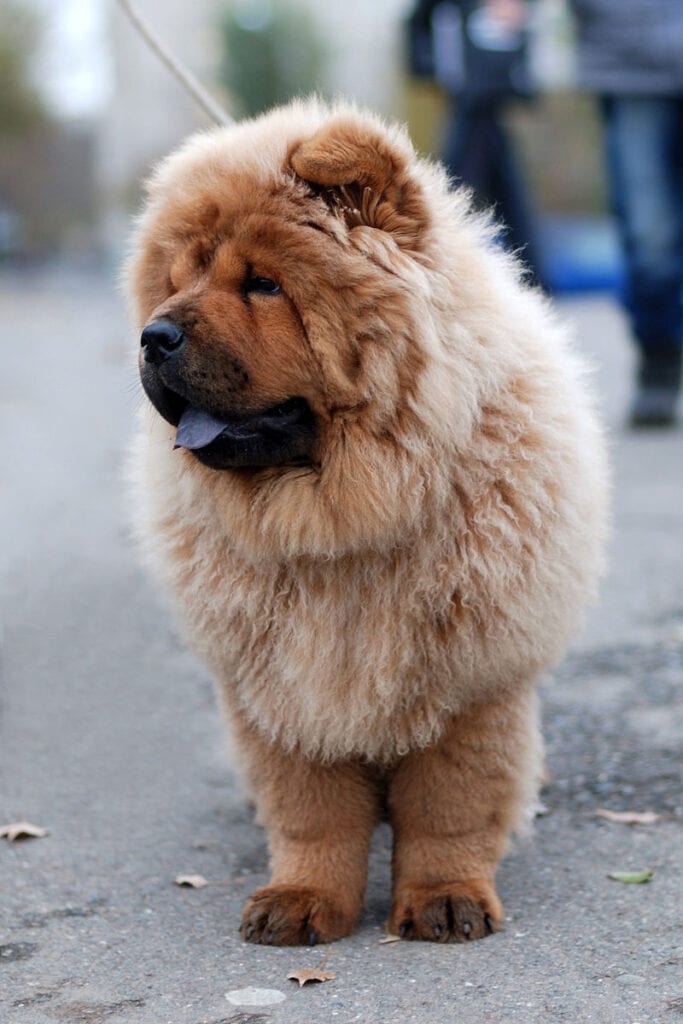 Image: Olga Filonenko via Wikimedia Commons
Chow Chows have two coat varieties: rough (the big fluffy lion look) and smooth. Both shed significantly, and the rough coat in particular requires serious grooming commitment. The dense, woolly undercoat sheds heavily twice yearly, and the long outer coat can develop mats without regular attention.
Unlike some breeds on this list, Chow Chows tend to be more independent and less tolerant of being groomed. Starting grooming sessions early in puppyhood and keeping sessions short and positive helps a lot.
Grooming tip: Use a wide-tooth comb to work through sections of the rough coat, then follow with a slicker brush. Never brush a dry Chow Chow coat too aggressively – it can cause breakage. A light mist of water or conditioning spray before brushing helps.
#13 – American Eskimo Dog
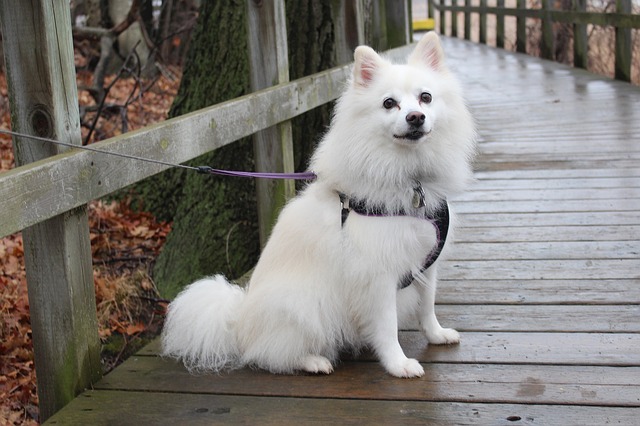
American Eskimo Dogs come in three sizes – toy, miniature, and standard – but all three have the same striking white double coat that sheds constantly. Their fluffy coats stand out from their bodies like a cloud, which is part of their charm. It’s also why their white fur ends up on every dark piece of clothing you own.
Despite originating from northern European breeds (related to the German Spitz), American Eskimo Dogs are smaller, which means the shedding is somewhat more manageable than the northern giants – but still very real.
Grooming tip: Brush 2-3 times weekly using a slicker brush and undercoat rake. The white fur shows dirt easily, so regular baths (every 4-6 weeks) also help keep the coat looking its best.
How to Actually Manage All That Shedding
So you have or are getting one of these breeds. Here’s what actually works to keep the fur situation under control.
Brush consistently, not reactively. Brushing once a week isn’t ideal if you skip 3 weeks and then try to catch up. Consistent weekly (or more frequent) sessions pull dead fur out before it ends up on your furniture. Missing sessions means more fur everywhere and more tangles to deal with later.
Don’t skip the undercoat. The topcoat is what you see, but the undercoat is where the real shedding happens in double-coated breeds. Regular brushes often miss it. An undercoat rake or deshedding tool (like a Furminator) reaches the dense underlayer where most of the dead fur lives.
Diet makes a difference. A high-quality diet with adequate protein and omega-3 fatty acids supports coat health from the inside out. Some dogs shed more because of nutritional deficiencies, not just genetics. Dry, flaky skin also increases shedding – so making sure your dog is well-hydrated matters too.
Professional grooming during blowout season. For double-coated breeds in the middle of a seasonal coat blow, one professional grooming session with a high-velocity dryer can remove more dead coat in an hour than you’d pull out in a month of at-home brushing. It’s worth the cost twice a year.
And if you want to see which tools are most effective at removing pet hair from furniture and fabric, there are some genuinely excellent options that make the daily cleanup much faster. Also worth knowing: you can learn about whether shaving your dog actually helps with shedding (spoiler: for double-coated breeds, it usually doesn’t).
Frequently Asked Questions About Dogs That Shed the Most
What dog breed sheds the most?
Siberian Huskies and Alaskan Malamutes are consistently considered the heaviest shedders due to their extremely dense double coats that “blow” twice yearly in addition to constant year-round shedding. German Shepherds and Golden Retrievers are close behind.
Do short-haired dogs shed less than long-haired dogs?
Not necessarily. Labrador Retrievers have short coats but shed very heavily because of their dense double coat. Short hairs can actually be harder to remove from fabric than longer hairs, since they embed more deeply into upholstery and clothing.
What grooming tools work best for heavy-shedding dogs?
For most double-coated breeds, a combination of a slicker brush (for the topcoat), an undercoat rake or deshedding tool (for the underlayer), and a rubber curry brush (for short-coated dogs during baths) covers most situations. A high-velocity dryer is also extremely useful during heavy shedding seasons.
Does shaving a heavy-shedding dog help?
For most double-coated breeds, no. Shaving can actually damage the coat structure and interfere with the coat’s ability to regulate temperature. The undercoat often grows back coarser and the double coat may never return to its original texture. Consistent brushing is a better long-term strategy.
Can diet reduce excessive shedding?
Yes, to some extent. High-quality food with adequate omega-3 fatty acids and protein supports coat health and can reduce shedding beyond a dog’s genetic baseline. Nutritional deficiencies and dehydration can both increase shedding. A vet can help rule out dietary causes of excessive shedding.
When do dogs shed the most?
Most double-coated breeds experience two major shedding seasons in spring (shedding the winter undercoat) and fall (shedding the lighter summer coat before growing the winter coat). These “blowout” periods can last 2-4 weeks and involve dramatically more fur than the rest of the year.
The Fur Is Worth It (Most Days)
Every single breed on this list is popular for a reason. Huskies are athletic and funny. Labs are endlessly loyal. Golden Retrievers are the kind of dog that makes everyone’s day better. The shedding is real, but so is what you get in return.
The key is going in with eyes open. If you choose a Malamute or a German Shepherd, a good vacuum and a solid brushing routine aren’t optional – they’re part of the deal. Build the grooming habit early, find the right tools, and keep up with it consistently. That way, the fur stays mostly on the dog (and in the trash can) instead of on your couch, your coffee, and your Monday morning meeting clothes.
If you’d rather skip the fur situation entirely, take a look at breeds that barely shed. There are some great ones out there. But if one of these heavy shedders already has your heart, embrace the fur – it’s a small price for a pretty great dog.





 English (US) ·