
 1 month ago
47
1 month ago
47
 Shutterstock
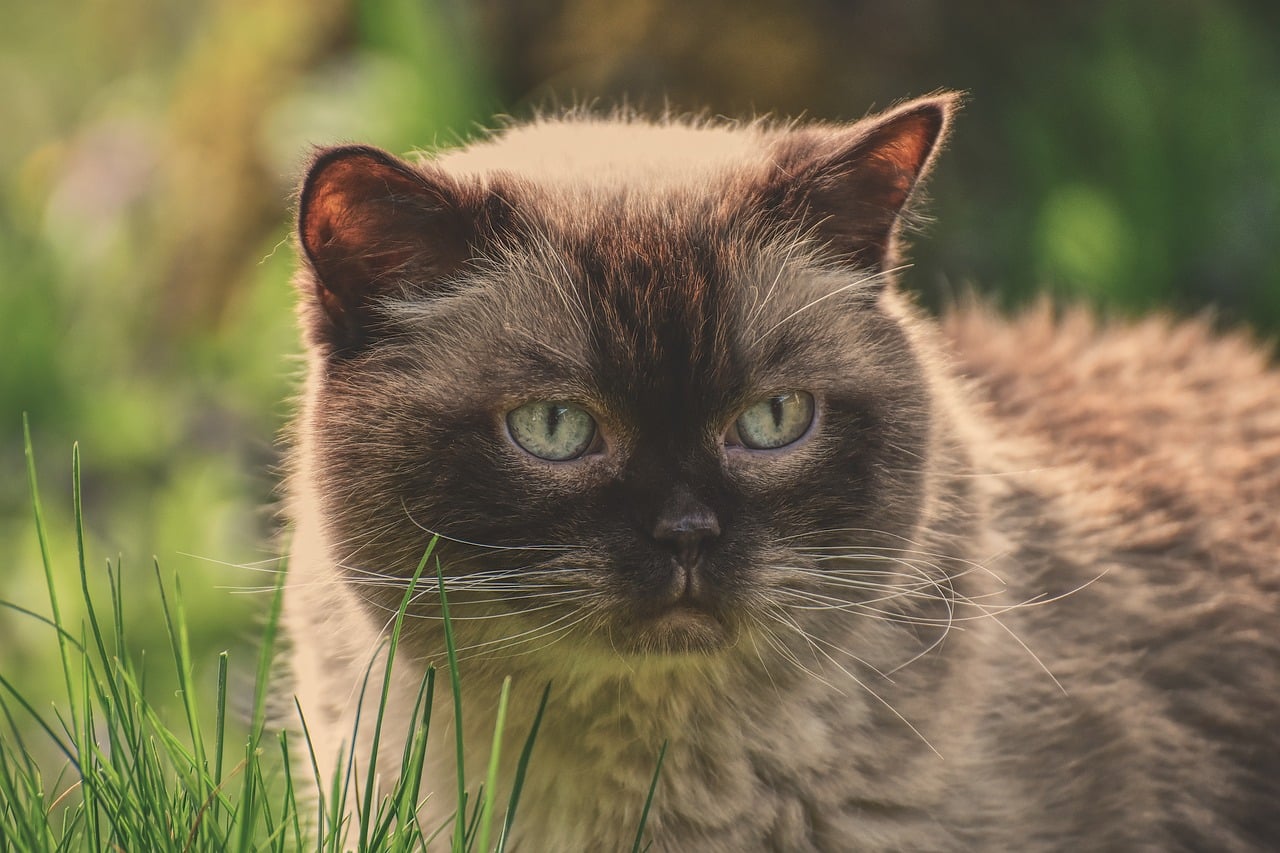
When people think about strong animals, cats don’t always come to mind first. But spend five minutes with a Maine Coon or a Savannah Cat, and that changes fast. The strongest cat breeds aren’t just powerful in a relative sense — some of them are genuinely impressive athletes who can outrun a greyhound for short distances, leap over your refrigerator from a standing start, and hunt prey larger than themselves in the wild.
Strength in cats comes in different forms. There’s raw physical mass and muscle (Maine Coon, British Shorthair). There’s explosive speed and agility (Egyptian Mau, Abyssinian). There’s wild-hybrid power (Bengal, Savannah). And there’s the kind of endurance and cold-weather toughness built over thousands of years of natural selection (Siberian, Norwegian Forest Cat).
Here are 12 of the strongest cat breeds — what makes each one physically remarkable, and what you actually need to know before bringing one home.
| Maine Coon | 20+ lbs | Size/Muscle mass | High jump, cold-weather hunting | Moderate-High |
| Norwegian Forest Cat | 16 lbs | Endurance/Climbing | Tree climbing, harsh weather survival | Moderate |
| Siberian | 17 lbs | Muscle/Agility | Powerful leaping, hunting in snow | Moderate-High |
| Savannah Cat | 25 lbs | Wild hybrid speed | Extreme jumping height, wild ancestry | Very High |
| Bengal | 15 lbs | Agility/Wild instincts | Climbing, water play, intense hunting drive | Very High |
| Egyptian Mau | 12 lbs | Speed | Fastest domestic cat (30 mph) | High |
| Turkish Van | 18 lbs | Strength/Swimming | Powerful swimmer, high jumper | High |
| Abyssinian | 10 lbs | Lean athleticism | Exceptional agility, stamina | Very High |
| Chartreux | 16 lbs | Dense muscle | Swift, powerful hunter | Moderate |
| British Shorthair | 17 lbs | Broad muscle mass | Sustained strength, longevity | Low-Moderate |
| Manx | 13 lbs | Hind leg power | Exceptional jumping despite no tail | Moderate-High |
| Ocicat | 15 lbs | Athletic build | Running, climbing, active play | High |
Maine Coon
 Shutterstock
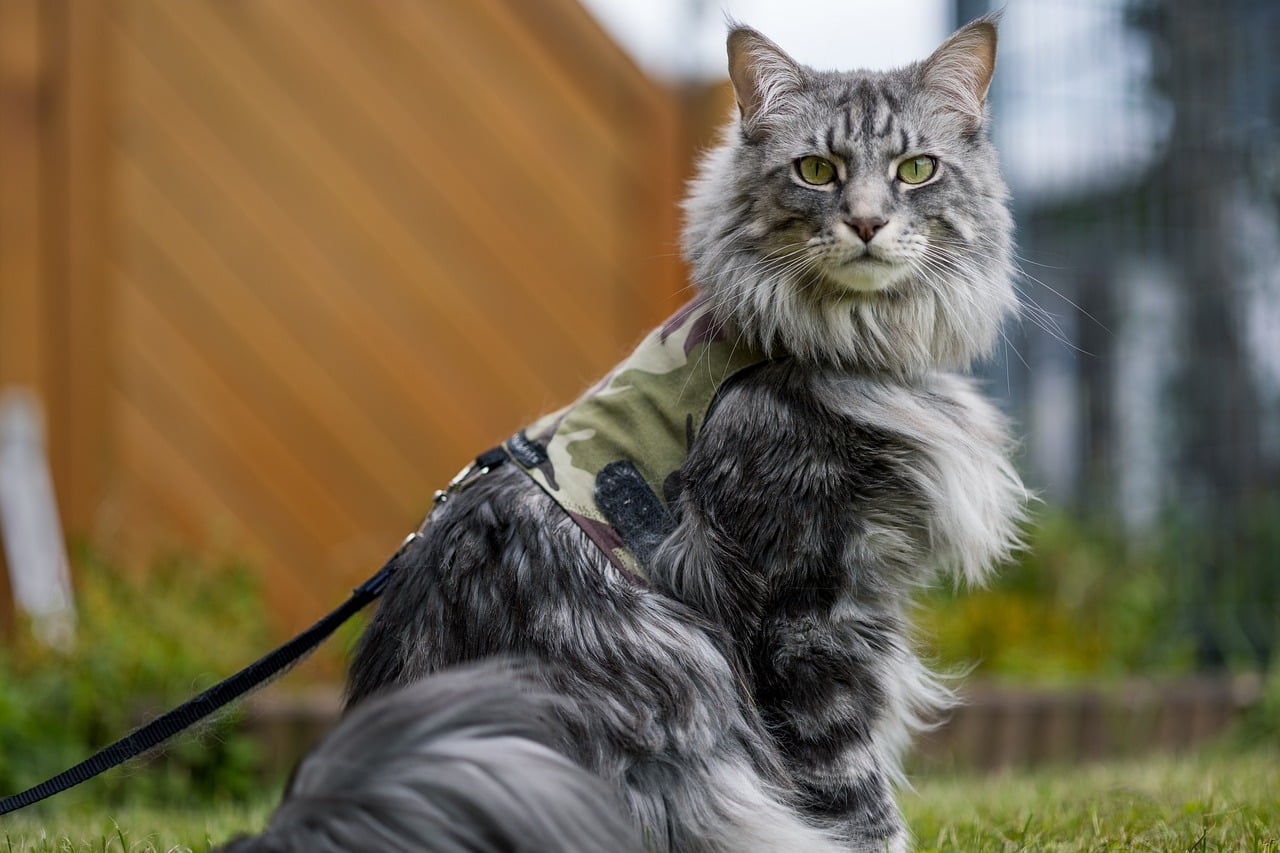
The Maine Coon is the big one — literally. Males regularly hit 18-20 pounds, and exceptional individuals have been recorded even heavier. They’re one of the largest domestic cat breeds in the world, and that size comes with genuine muscle mass. Their legs are thick and powerful, built for jumping and sprinting across the rough terrain of New England winters.
Maine Coons developed naturally over centuries in Maine, selected by the environment for cold-weather hardiness. Their water-resistant, triple-layer coat, tufted paws (essentially built-in snowshoes), and dense musculature are all adaptations to survive and hunt in serious weather. Despite all of this physical firepower, they’re one of the gentler and more dog-like cat breeds — affectionate, playful, and often willing to be walked on a leash. The “gentle giant” reputation is genuinely earned.
Norwegian Forest Cat
 Shutterstock
The Norwegian Forest Cat (affectionately called the “Wegie” by enthusiasts) is built to survive Scandinavian winters and climb the rocky cliff faces of Norway’s fjord country. These cats are exceptional climbers — one of the most capable of any domestic breed. Their hind legs are actually slightly longer than their front legs, which helps them descend steep surfaces headfirst, something most cats do poorly.
Their thick double coat kept them warm in a climate that would kill most domestic cats. They’re independent in the way that wilderness survivors tend to be, though they form deep bonds with their families. Norwegian Forest Cats also appear in Norse mythology — Freya’s chariot was said to be drawn by large cats, which many historians believe were inspired by this breed. That’s a genuinely impressive historical reference point for a cat who is currently destroying your curtains.
Siberian
 Shutterstock
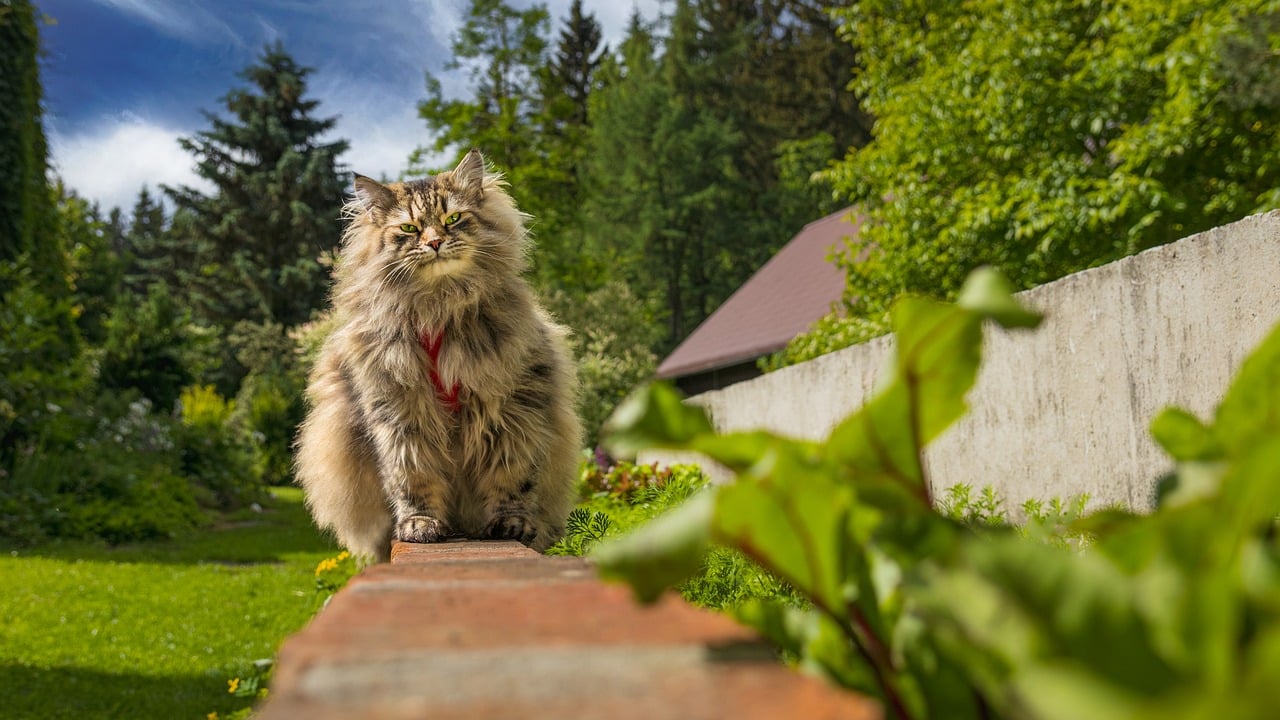
Russia’s national cat breed is a powerhouse. Siberians weigh up to 17 pounds and carry most of that as muscle — their bodies are dense and round, with thick necks and broad chests that make them look almost bear-like compared to sleeker breeds. They’ve been surviving the Russian wilderness for at least 1,000 years, hunting in deep snow and temperatures that would finish most other cats quickly.
What’s particularly interesting about Siberians is that they may produce lower levels of the allergen Fel d 1 than most other cat breeds. That’s not universal and doesn’t mean they’re hypoallergenic — individual sensitivity varies — but it’s meaningful for people who love cats but struggle with allergies. Their triple coat needs regular brushing but is surprisingly odor-resistant. They’re also one of the friendlier large breeds, sociable and good with children and other pets.
Savannah Cat
 Shutterstock
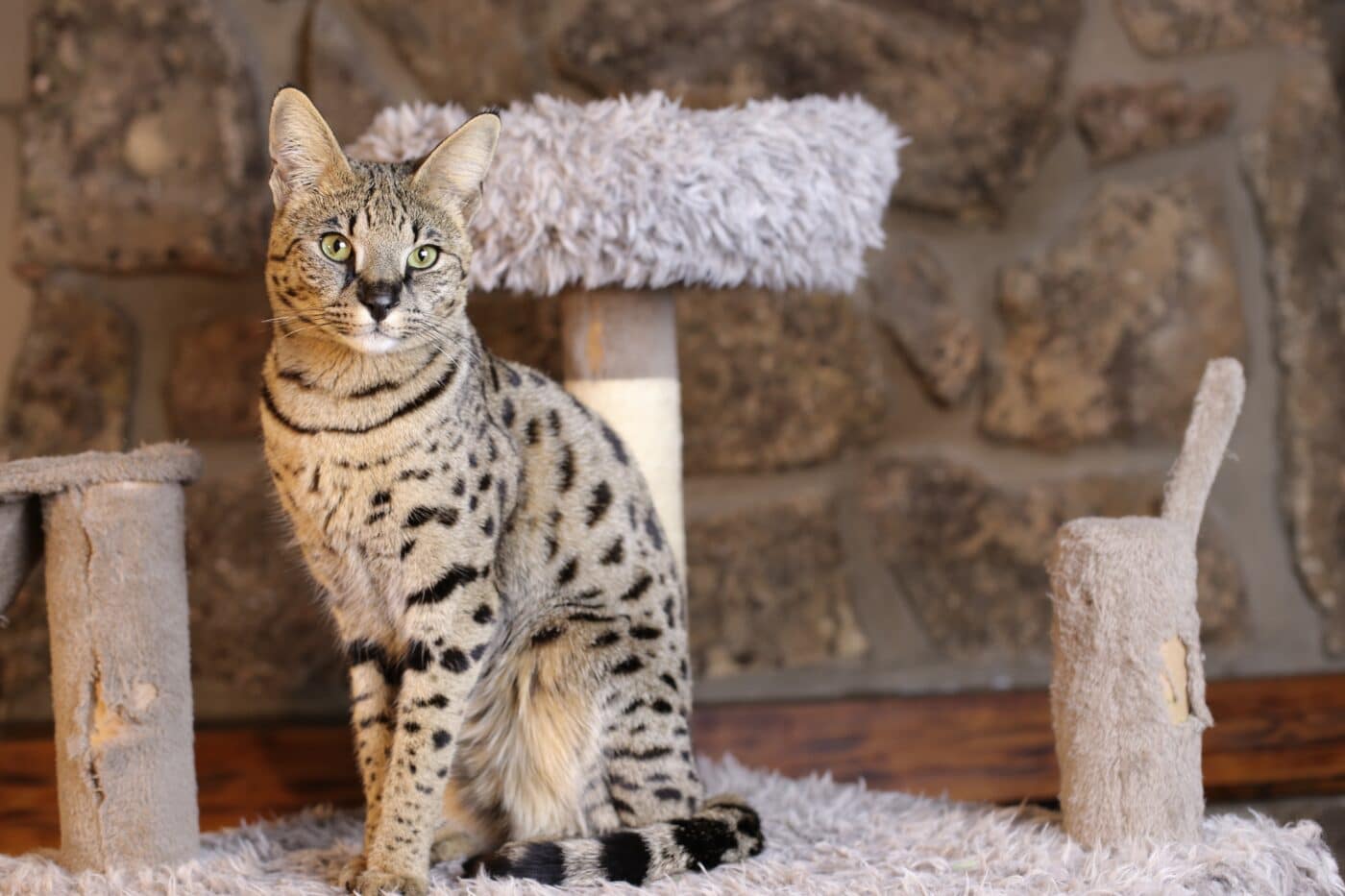
The Savannah Cat is in a category of its own. A hybrid between a domestic cat and an African serval, early-generation Savannahs (F1, F2) are genuinely wild-adjacent animals. They can reach 25 pounds and jump over 8 feet straight up from a standing start — a capability that serves the serval well when hunting birds in the African savanna, and that serves Savannah owners primarily as a reminder to never underestimate their cat.
They’re also one of the most controversial breeds on this list. Several US states restrict or ban Savannah Cat ownership, particularly early-generation animals. They require significant space and enrichment, and they’re not a good fit for most households. Later-generation Savannahs (F4, F5) are more domesticated and more legal, but they’re still high-energy cats that need serious commitment from their owners. Exotic hybrid cats like Bengals and Savannahs can genuinely transform a household — worth thinking about hard before committing.
Bengal
 Shutterstock
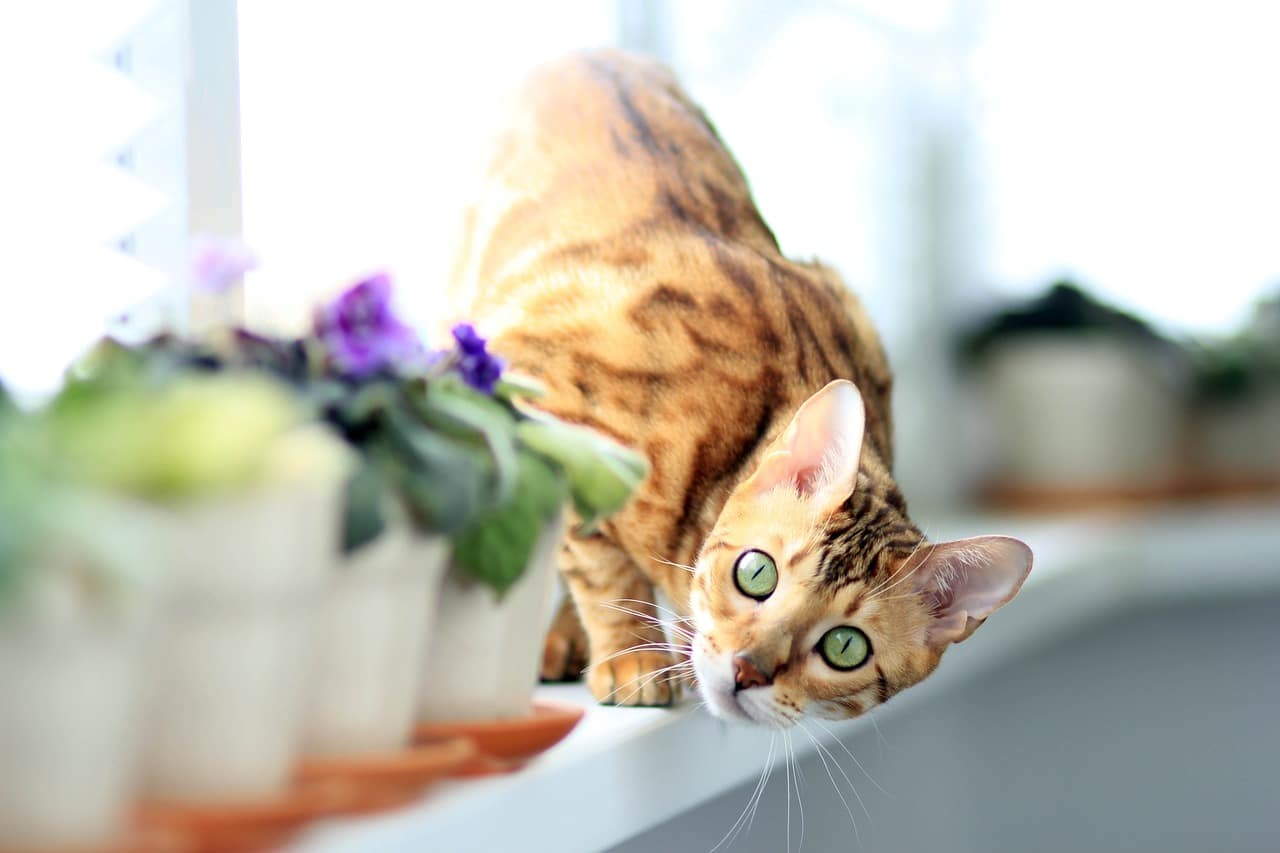
The Bengal cat looks like someone hit “print” on a leopard and scaled it down to apartment size. That wild appearance isn’t just cosmetic — Bengals carry genetic heritage from Asian leopard cats, and their musculature and athleticism reflect it. They’re not the largest cats on this list, but pound for pound they’re among the most powerful and agile.
Bengals are exceptionally active. They need significant daily play and mental stimulation, and they’ll find their own entertainment if you don’t provide it — usually at the expense of something you like. They’re also one of the few domestic cat breeds that genuinely enjoy water, thanks to the Asian leopard cat ancestry. They’re social, vocal, and deeply engaging as pets. They’re also a serious commitment for anyone who prefers a calm, low-key companion. This is a cat that needs an active owner.
Egyptian Mau
 Shutterstock
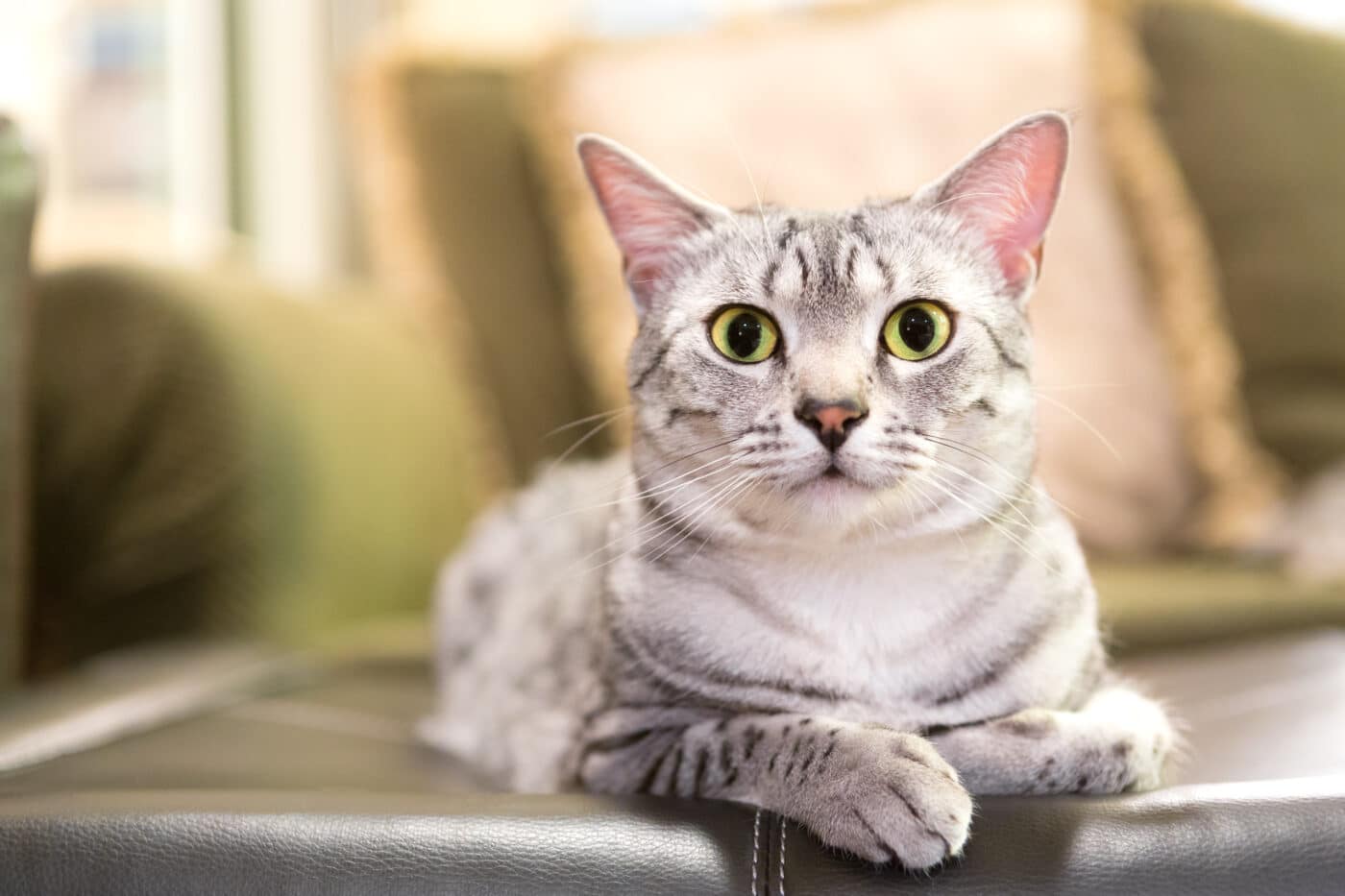
Speed is strength, and no domestic cat is faster than the Egyptian Mau. Verified at up to 30 miles per hour, they’re the cheetahs of the cat world at the domestic scale. That speed comes from a unique physical feature: a flap of skin that extends from the flank to the hind knee, which allows for an extra-long stride that gives them their explosive acceleration.
Maus are ancient. They appear in Egyptian art from 1550 BC, and modern DNA testing confirms they’re among the oldest naturally occurring domestic breeds. They’re loyal to their family in a way that’s more dog-like than typical for cats — bonding intensely with specific people and sometimes following their person around the house. They can be reserved with strangers but warm up quickly. If you want a genuinely athletic cat with a deep history and a coat that looks hand-painted, the Egyptian Mau delivers.
Turkish Van
 Shutterstock
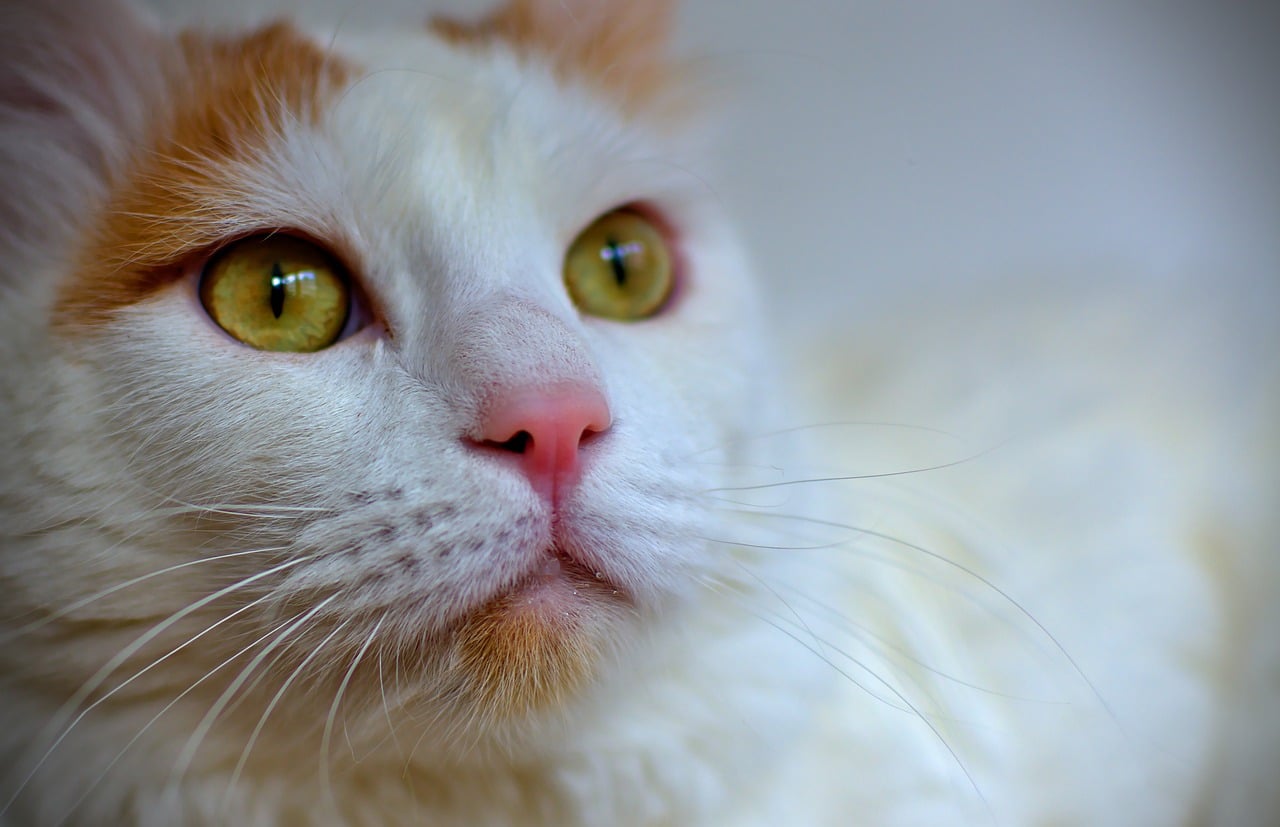
The Turkish Van is famous for two things: its unusual colored-tail-on-white-body pattern and its inexplicable love of water. These cats have been swimming in and around Lake Van in eastern Turkey for centuries, and their water-resistant coats and powerful swimming ability are real. If you leave a Turkish Van near a pond or pool, don’t be surprised if they jump in.
They’re large cats with powerful legs built for jumping. Turkish Vans are energetic and playful well into adulthood, and they need active engagement to stay balanced and happy. They’re also strongly bonded to their people, though they’re not always lap cats — they prefer being near you to being on you. Independent, strong-willed, and physically impressive, they’re a breed that commands respect.
Abyssinian
 Shutterstock
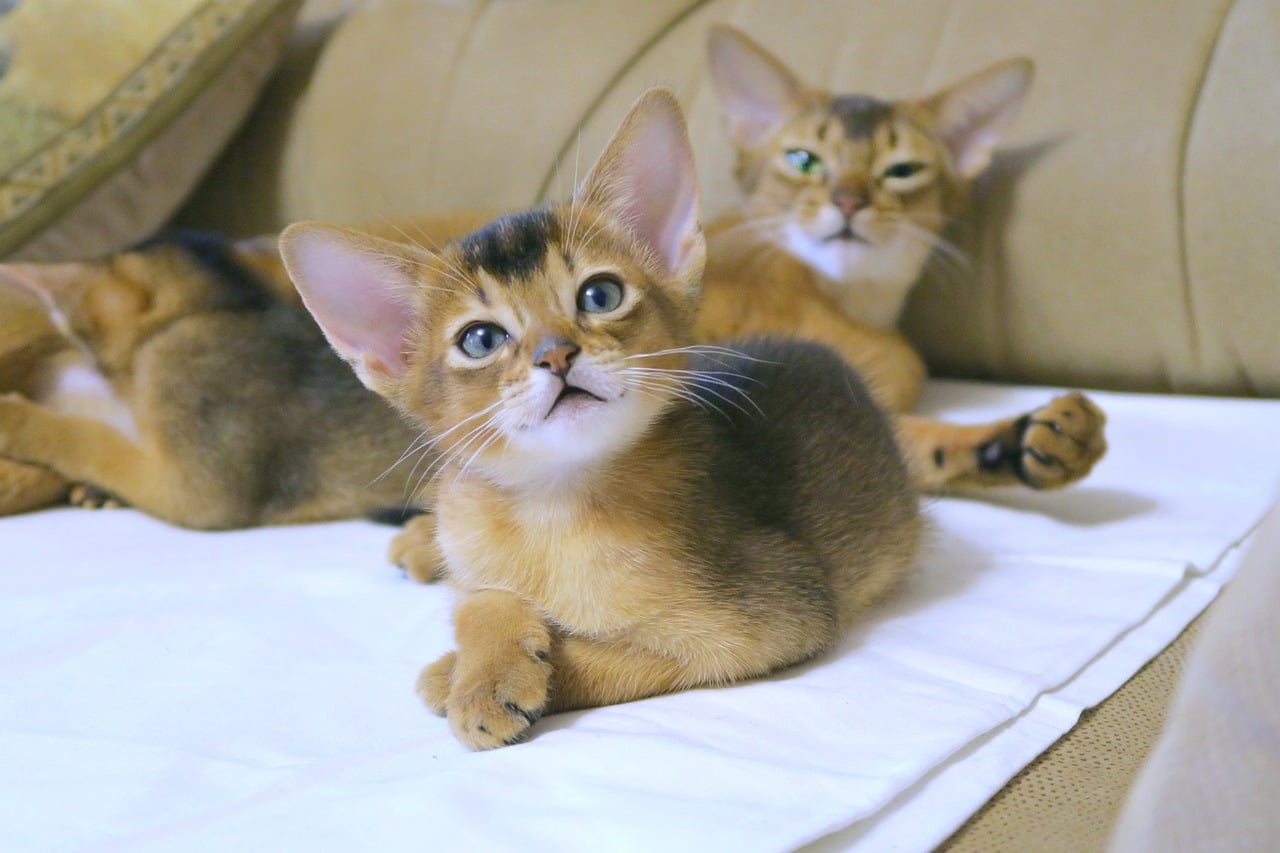
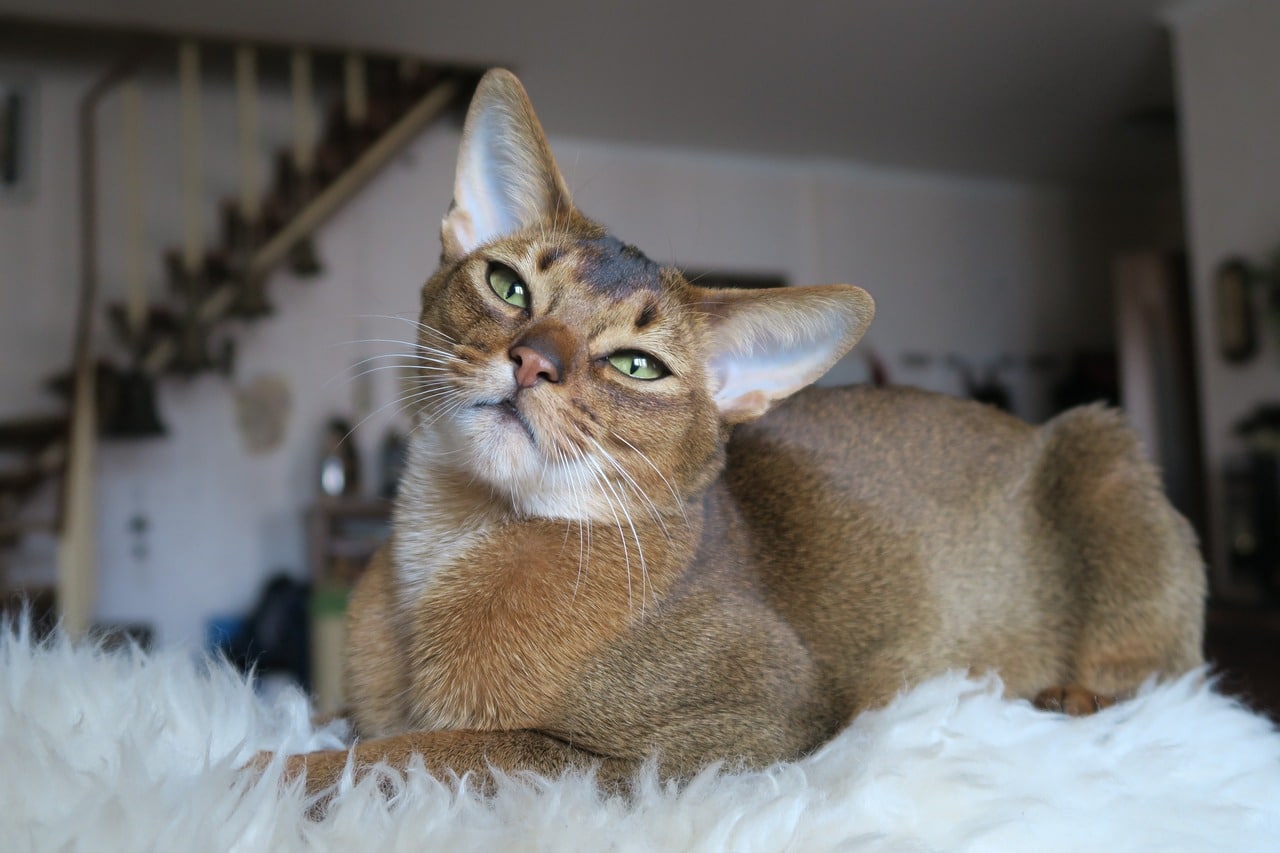
The Abyssinian is the marathon runner of domestic cats. They’re not the biggest or heaviest, but their lean, muscular bodies are built for sustained activity at a level most other breeds don’t approach. They’re almost never still. They’re always investigating, climbing, or launching themselves at something. Their “ticked” coat — each hair banded with multiple colors — gives them a wild, ruddy appearance that matches their personality.
Abyssinians are highly intelligent and need mental stimulation as much as physical exercise. A bored Aby is a destructive Aby. They’re also one of the more social cat breeds — they’ll often try to “help” with whatever you’re doing, which is charming until you’re trying to work from home. For active households who want a cat as engaged with life as they are, the Abyssinian is extraordinary.
Chartreux
 Shutterstock
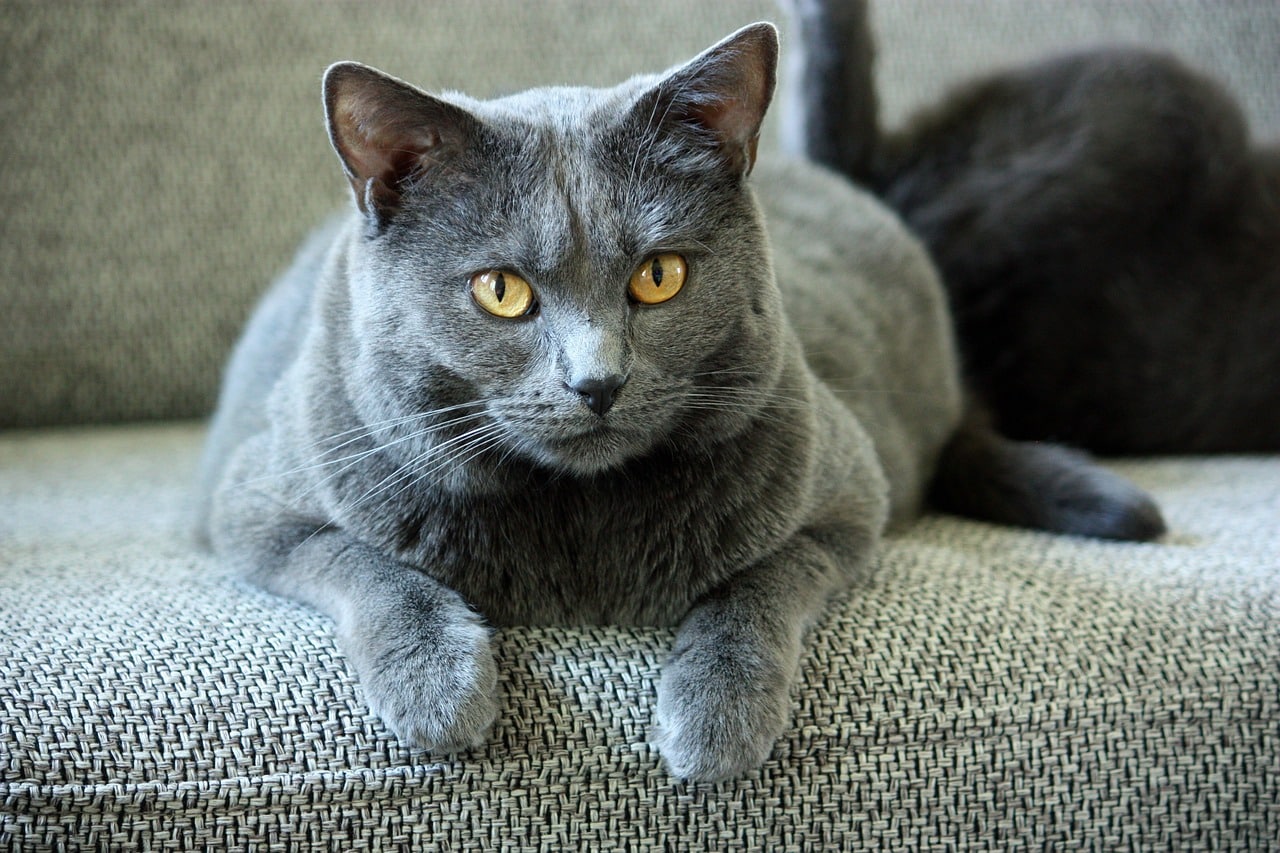
The Chartreux is France’s national cat breed, and it looks like the cat version of a muscular bouncer — dense, compact, and capable, with a blue-gray coat and copper-colored eyes that give it a distinctive look. They were historically kept by Carthusian monks in France and prized for their hunting ability. The monks needed a cat that could handle rat problems in monastery cellars without constant supervision. The Chartreux was that cat.
They move with surprising speed and precision for their build, and they’re excellent mousers. Unlike some of the higher-energy breeds on this list, Chartreux are calm and adaptable — happy in quieter homes and content to watch the world from a comfortable perch. They’re quiet cats (they rarely meow, preferring chirps and trills), deeply loyal to their family, and remarkably good with children.
British Shorthair
 Shutterstock
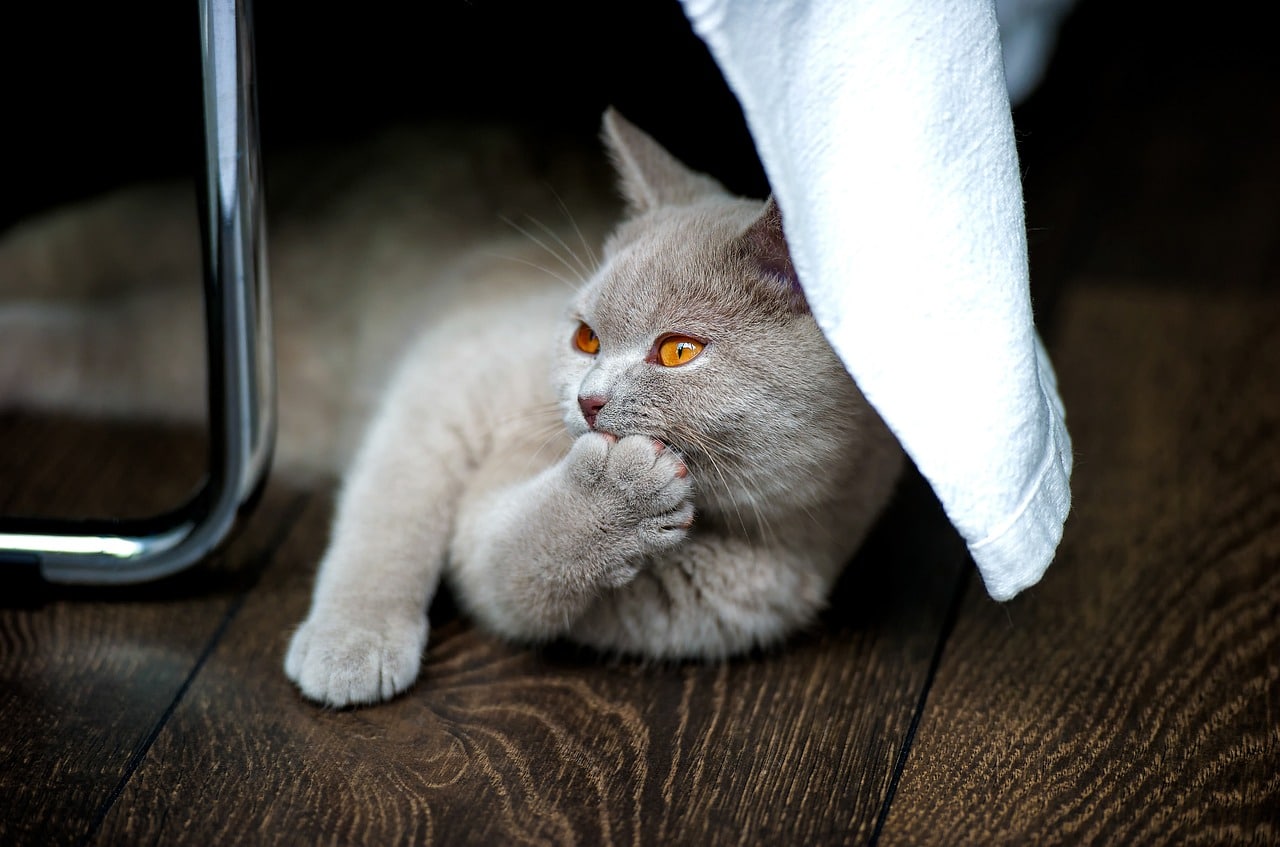
The British Shorthair is built like a tank — broad-chested, round-faced, and genuinely heavy with dense muscle mass. They’re not the most athletic breed on this list in terms of agility or speed, but they’re one of the strongest in terms of sheer physical substance. Their compact, powerful bodies carry a lot of cat.
They’re also one of the most emotionally stable and low-maintenance breeds you’ll find. They don’t demand constant attention, they get along with other pets well, and they maintain their strength and good health well into senior years. The British Shorthair is the Clydesdale of the cat world — substantial, steady, and reliably impressive.
Manx
 Shutterstock
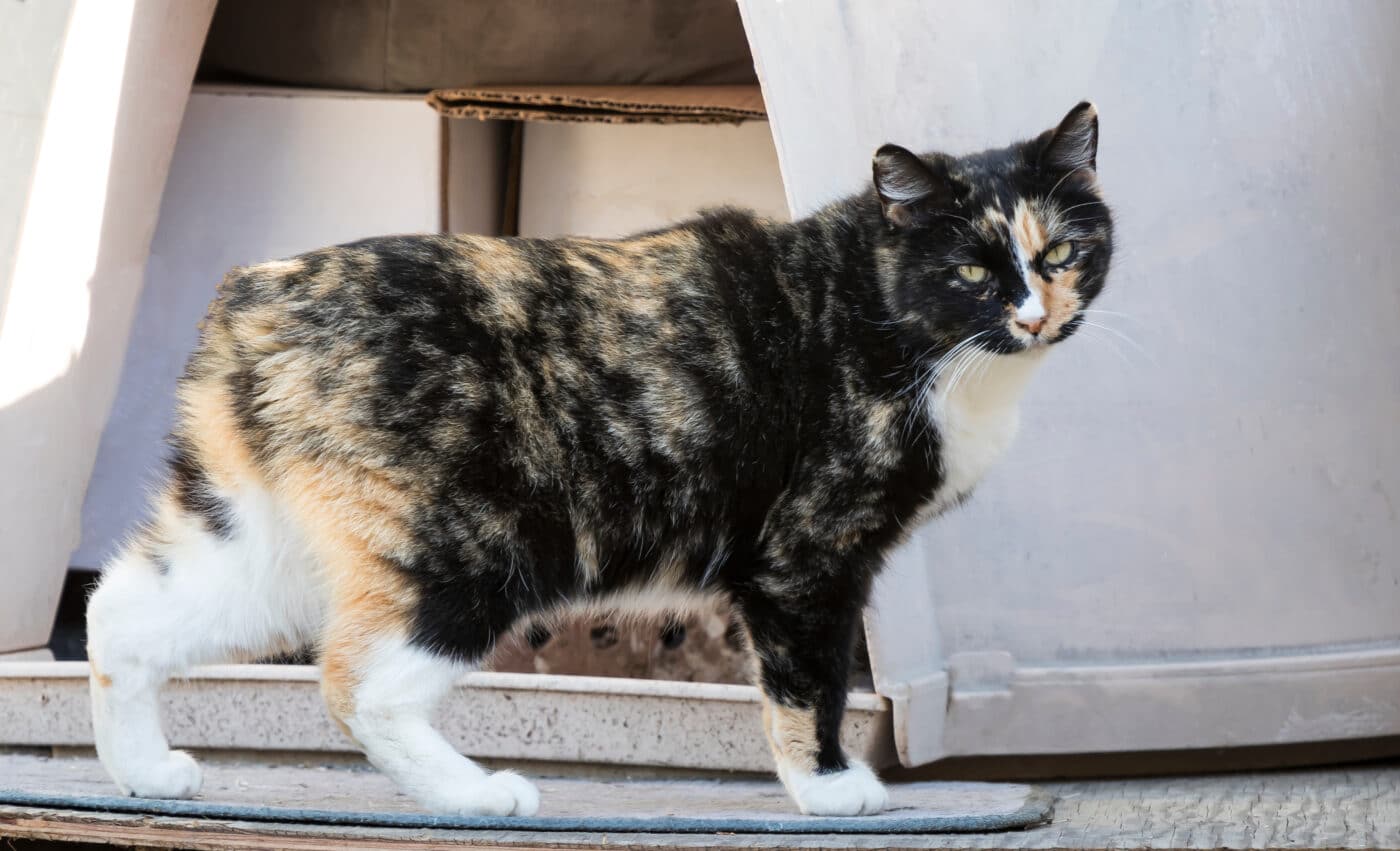
The Manx is a legitimately unusual cat. The tail mutation that gives them their distinctive look also affects their spinal structure, resulting in powerful, overdeveloped hind quarters that make them exceptional jumpers. Some Manx cats can jump higher than cats much larger than themselves. Their gait is distinctive — a slight, rabbit-like hop — but their athleticism is undeniable.
Manx cats originate from the Isle of Man, off the coast of England, where the isolated population allowed the tailless gene to become fixed in the breeding population. They’re affectionate, playful, and devoted companions. One thing worth knowing: the gene that causes taillessness can also cause spinal problems (Manx Syndrome) in some individuals, which makes health screening from reputable breeders especially important.
Ocicat
 Shutterstock
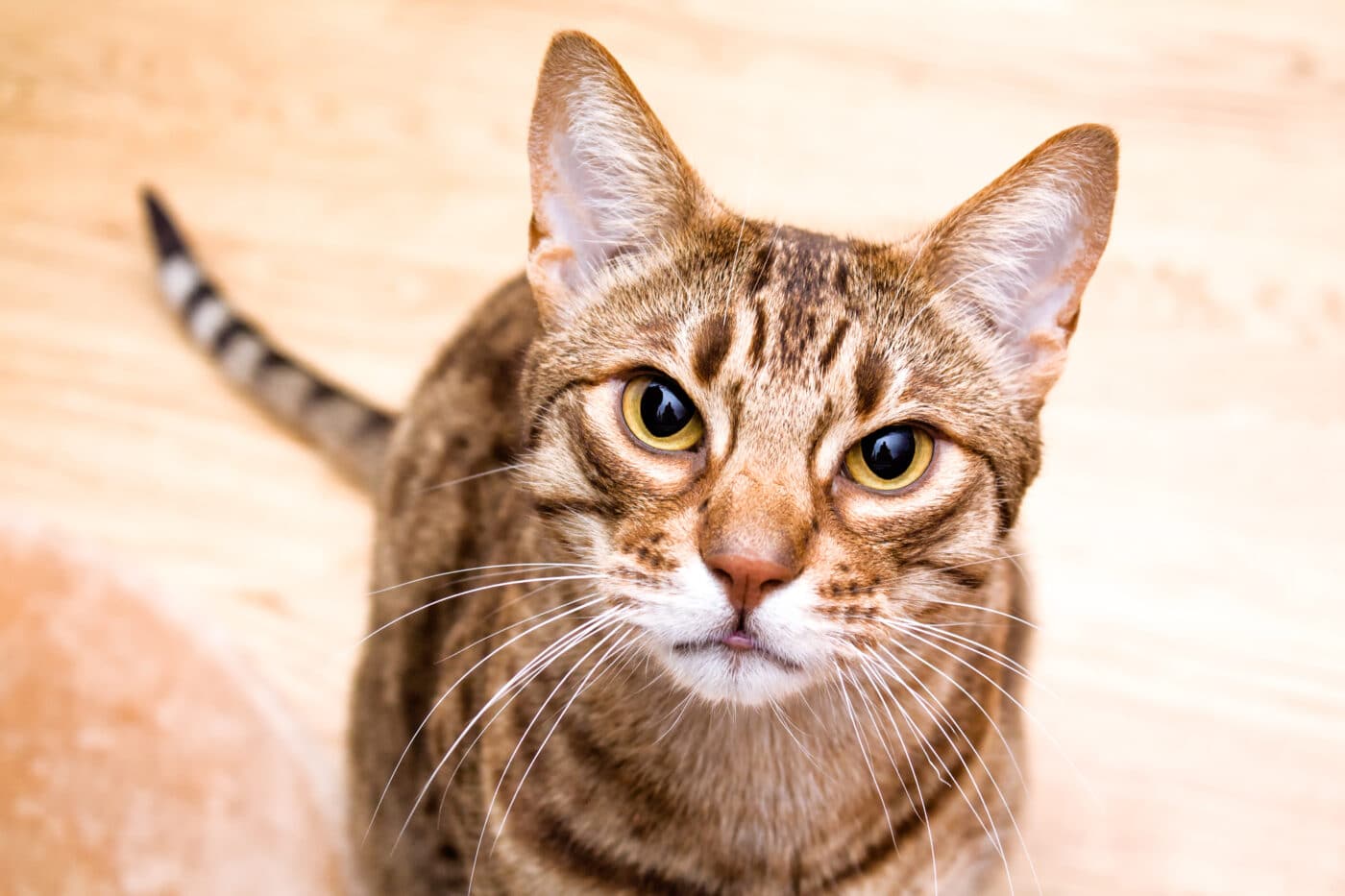
The Ocicat looks wild but is entirely domestic — a mix of Siamese, Abyssinian, and American Shorthair that produced a spotted, muscular cat with a wild aesthetic and an utterly sociable personality. They’re named for the ocelot they resemble, but you won’t need wildlife permits to own one.
They’re highly active and athletic, and they love interactive play. Unlike many cats, they tend to be social and people-oriented rather than aloof. They do well with other pets and with children who respect their space. The Ocicat is a strong, beautiful cat that fills a niche for people who want the look of a wild cat with the temperament of a friendly, engaged companion.
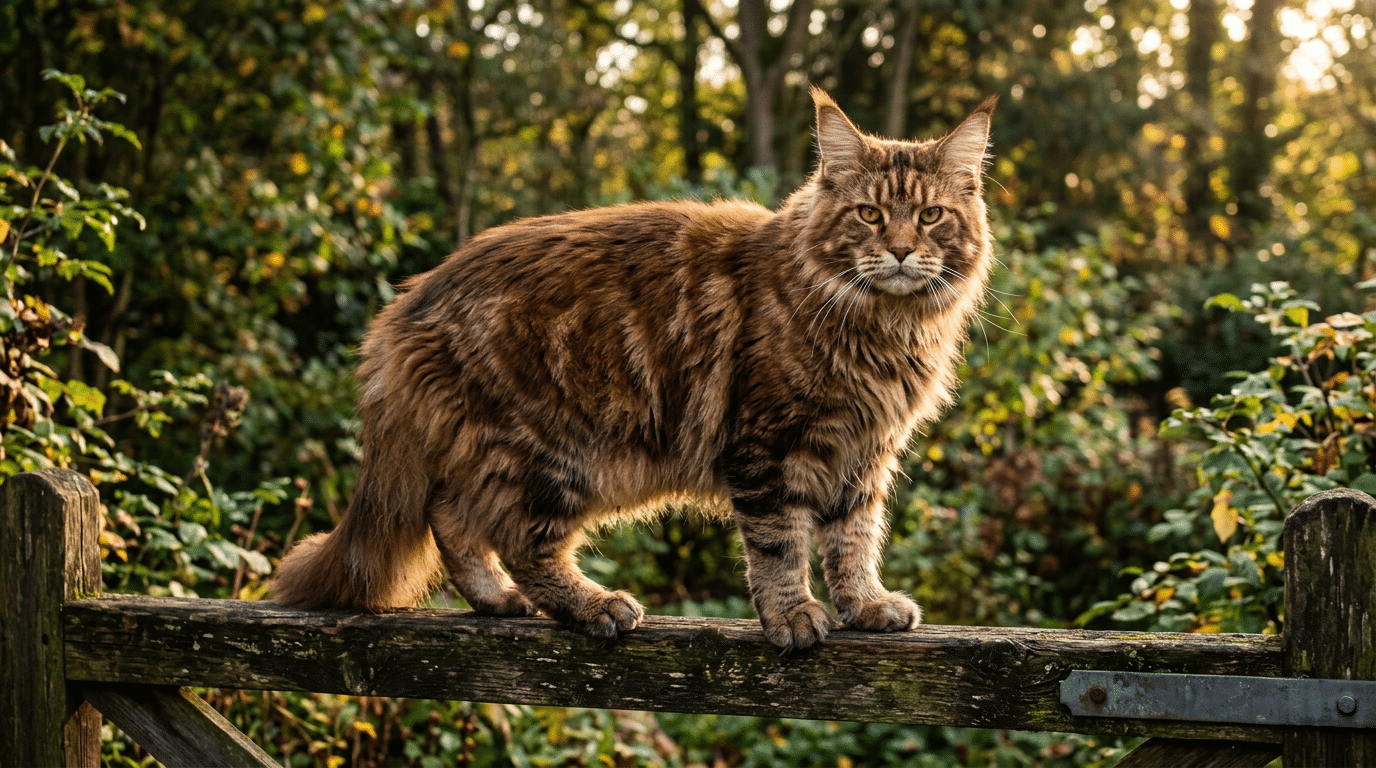 Maine Coons are the heavyweight champions of domestic cats — and that muscle is real.
Frequently Asked Questions About the Strongest Cat Breeds
What is the strongest cat breed?
It depends on how you define strength. For raw size and muscle mass, the Maine Coon and Savannah Cat top the list. For explosive speed, the Egyptian Mau (30 mph) is unmatched. For jumping ability, the Savannah Cat can clear 8+ feet vertically from a standstill. For sustained endurance and athletic ability, the Abyssinian and Siberian are exceptional.
Are strong cat breeds harder to manage as pets?
The high-energy breeds on this list — Savannah, Bengal, Abyssinian — require significantly more time, enrichment, and space than average. They’re not harder to love, but they’re harder to keep stimulated. Without enough physical and mental activity, they’ll find their own entertainment, which usually involves something you value. Maine Coons and British Shorthairs, despite their size, are actually among the more easygoing strong breeds.
How big do the largest domestic cat breeds get?
Maine Coons and Savannah Cats (early generation) can exceed 20-25 pounds. Norwegian Forest Cats and Siberian cats regularly reach 15-17 pounds. For context, the average domestic cat weighs 8-10 pounds, so these breeds are genuinely large — comparable in size to a small dog.
Are hybrid cat breeds like Bengals and Savannahs legal everywhere?
No. Several states restrict or ban early-generation hybrid cats (F1-F3 Savannahs and Bengals). Always check your state and local laws before acquiring a hybrid breed. Later-generation animals (F4 and beyond) are generally subject to fewer restrictions and behave more like typical domestic cats.
Do strong cat breeds get along with dogs?
Surprisingly well in many cases. Maine Coons, British Shorthairs, and Siberians have reputations for getting along with dogs. The high-prey-drive breeds like Bengals and Abyssinians can also coexist with dogs, but introductions need to be careful and gradual. The dog’s temperament matters as much as the cat’s.
What should I feed a large, muscular cat breed?
Large cat breeds need high-protein, high-quality food that supports their muscle mass. Look for cat foods where a named meat (chicken, salmon, turkey) is the first ingredient. Avoid foods heavy in corn, wheat, or soy. Large breeds also benefit from joint-support supplements as they age, particularly Maine Coons, who can be prone to hip dysplasia. Ask your vet for breed-specific feeding guidance.
Strength Is Just the Starting Point
 Shutterstock
The strongest cat breeds are impressive for their physical abilities, but what makes them worth knowing about is how that strength shapes their personalities. The endurance bred into a Siberian shows up as a calm, adaptable companion. The hunting speed of an Egyptian Mau shows up as laser-focus in play. The wild hybrid power of a Bengal shows up as a cat that genuinely keeps you on your toes.
Understanding where a breed’s strength comes from helps you understand what they need. High-energy athletic cats need outlets — tall cat trees, interactive play sessions, puzzle feeders. Larger, more laid-back powerful cats like the British Shorthair need quality food and regular vet monitoring as they age. Hybrid breeds need owners who respect their wildness even while enjoying their domesticity.
If you’re drawn to these breeds, lean into that. The most rewarding cat-human relationships tend to happen when the owner truly appreciates what their cat is — not just a pet to be managed, but an animal with genuine instincts, genuine capabilities, and a personality that runs as deep as any of it. These 12 breeds will show you that, in spades.









 English (US) ·