
Key Takeaways
- A small bite of a plain graham cracker is not usually an emergency for a healthy adult dog, but that does not make it a good treat.
- Graham crackers are processed and typically high in sugar, and some versions may also contain more fat or risky add-ins.
- Plain varieties are very different from chocolate-covered, frosted, filled, or sugar-free products. Those can raise the risk significantly.
- Chocolate products can cause anything from stomach upset to more serious heart and nervous system signs, depending on the type, amount, and your dog’s size.
- Sugar-free products are especially concerning because xylitol can cause dangerous low blood sugar and, in some dogs, liver injury.
- Puppies, small dogs, and dogs with diabetes, obesity, pancreatitis, or sensitive stomachs are more likely to have problems after eating graham crackers.
- If your dog ate graham crackers, check the ingredient label, estimate how much was eaten, and call your veterinarian promptly if the product contained chocolate, raisins, or xylitol, or if your dog is showing symptoms.
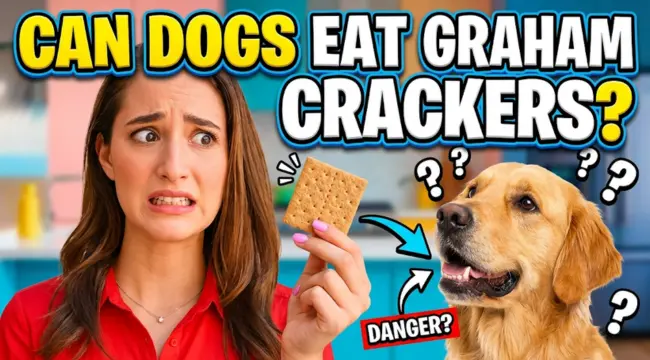
It’s normal to wonder whether a snack in your kitchen is safe to share with your dog. Many owners ask this after their dog grabs a cracker off the table, the floor, or straight out of a grocery bag. The direct answer is this: plain graham crackers are generally not considered toxic to dogs in small amounts, but they are not a healthy treat and some versions can be much more concerning depending on the ingredients, how much your dog ate, and your dog’s size and health.
Table of Contents
- Can dogs eat graham crackers safely?
- Are graham crackers toxic to dogs?
- Why are graham crackers not a good treat for dogs?
- What ingredients in graham crackers can be risky for dogs?
- Does it matter if the graham crackers are plain, cinnamon, chocolate-coated, frosted, or sugar-free?
- What happens if a dog eats too many graham crackers?
- Which dogs are more likely to have problems after eating graham crackers?
- What should you do if your dog ate graham crackers?
- When should you call a veterinarian right away?
- What are safer alternatives to graham crackers for dogs?
- Conclusion
- When should you contact your veterinarian?
- FAQ.
Can dogs eat graham crackers safely?
A small piece of a plain graham cracker may not cause a serious problem in many healthy adult dogs. Still, “not toxic” is not the same as “good for your dog.” Graham crackers are processed snacks, and they usually add calories without offering meaningful nutrition for pets. Extra snack calories can add up quickly, especially in small dogs.
Whether a graham cracker is low-risk or more concerning depends on a few practical details:
- Whether it was plain or flavored
- Whether it contained chocolate, raisins, marshmallow filling, frosting, or a sugar-free sweetener
- How much your dog ate
- Your dog’s body size
- Whether your dog has a medical condition like diabetes, obesity, pancreatitis, or chronic digestive issues
Are graham crackers toxic to dogs?
Plain graham crackers are usually more of a junk-food issue than a true poisoning issue. The bigger problem is that many graham-cracker products are not plain. Some contain ingredients that are clearly hazardous to dogs, including chocolate, raisins, and xylitol. The label matters much more than the name of the snack.
So the best way to think about it is simple. A plain cracker may only cause mild stomach upset or no signs at all. A coated, filled, or sugar-free version can be a very different situation.
Why are graham crackers not a good treat for dogs?
Even when they are not toxic, graham crackers are still not an ideal snack for dogs. They are usually high in sugar and refined carbohydrates, and some versions are also higher in fat. Frequent high-calorie treats can contribute to weight gain, and higher-fat treats can be a problem for dogs prone to pancreatitis. Veterinary nutrition guidance commonly recommends keeping treats to no more than about 10% of a pet’s daily calories.
For some dogs, even one human snack can trigger loose stool, vomiting, gas, or abdominal discomfort. This is especially true in dogs with sensitive stomachs or a history of dietary indiscretion, which means they tend to react when they eat foods their bodies are not used to.
What ingredients in graham crackers can be risky for dogs?
The safest step after any accidental snack is to read the package.
Which ingredients are the main red flags?
- Chocolate: contains methylxanthines such as theobromine and caffeine, which can affect the heart, gut, and nervous system in dogs. Darker chocolate is generally more dangerous than lighter chocolate.
- Xylitol: a sugar substitute that can cause rapid low blood sugar and may also cause liver injury in dogs.
- Raisins: can be associated with kidney injury in dogs and should always be taken seriously.
- Marshmallow fillings or s’mores-style products: plain marshmallow is not the main issue, but these products often add more sugar and may also include chocolate or other risky ingredients. Sugar-free marshmallow products may contain xylitol.
- Frosting and rich fillings: these raise sugar and fat load, which can worsen digestive upset and may be a problem for dogs prone to pancreatitis.
Does it matter if the graham crackers are plain, cinnamon, chocolate-coated, frosted, or sugar-free?
Yes. This matters a lot.
Are plain graham crackers the lowest-risk version?
Usually, yes. A small accidental bite of a plain graham cracker is often low-risk for a healthy adult dog. The concern is mostly digestive upset, excess calories, and poor nutritional value rather than poisoning.
Are cinnamon or honey graham crackers automatically dangerous?
Not necessarily. These are still usually more of a sugar-and-processed-food issue than a poisoning issue, but they may be more likely to upset the stomach because they often contain added flavoring and sugar. They still are not a smart routine treat.
Are chocolate-coated or s’mores-style graham crackers more dangerous?
Yes. Once chocolate is involved, risk assessment changes. Chocolate can cause vomiting, diarrhea, restlessness, panting, increased thirst, racing heart rate, tremors, and seizures, depending on the dose and type of chocolate.
Warning
Chocolate-containing graham crackers should be treated more carefully than plain ones.
Watch for vomiting, diarrhea, restlessness, panting, fast heart rate, tremors, or seizures.
Contact a veterinarian right away if your dog ate chocolate graham crackers, s’mores products, or any large amount of chocolate-containing snacks.
Are sugar-free graham crackers an emergency?
They can be. The main concern is xylitol. In dogs, xylitol can trigger a dangerous insulin release that drops blood sugar quickly, and some dogs also develop liver injury. Signs can begin fast.
Warning
If the product is sugar-free, check for xylitol immediately.
Watch for vomiting, weakness, lethargy, wobbliness, tremors, collapse, or seizures.
If xylitol may be present, call your veterinarian or pet poison service immediately, even if your dog still seems normal.
What happens if a dog eats too many graham crackers?
If your dog eats a large amount of plain graham crackers, the most common issue is digestive upset. You may see vomiting, diarrhea, gas, bloating, or reduced appetite. A large amount also means a high sugar and calorie load, which is harder on small dogs and dogs with underlying health problems.
Very large amounts of rich snack foods may also increase concern for pancreatitis in dogs that are vulnerable to it. Pancreatitis is inflammation of the pancreas, and it can be painful and serious. Higher-fat foods are a known concern in these patients.
Warning
A whole sleeve or pack of graham crackers is more concerning than a few crumbs.
Watch for repeated vomiting, diarrhea, belly pain, lethargy, refusal to eat, weakness, or dehydration.
Contact your veterinarian promptly if a puppy, toy-breed dog, or medically fragile dog ate a large amount.
Which dogs are more likely to have problems after eating graham crackers?
Some dogs have less room for error than others.
Which dogs need more caution?
- Puppies and toy breeds: a smaller body size means the same amount of snack can have a bigger effect.
- Dogs with diabetes: sugary foods can make diet control harder.
- Dogs with obesity or on weight-loss plans: extra treat calories matter more.
- Dogs with pancreatitis or a history of it: richer foods may be poorly tolerated.
- Dogs with chronic digestive disease or food sensitivities: stomach upset may happen more easily.
For these dogs, even a snack that seems minor can be less minor in real life.
What should you do if your dog ate graham crackers?
Start with calm, practical steps.
What should you check first?
- Find the package if possible
- Check whether it contained chocolate, raisins, xylitol, frosting, filling, or marshmallow
- Estimate how much was eaten
- Note your dog’s weight, age, and health conditions
- Watch for symptoms over the next several hours
What can you do in the first few hours?
If the product was plain and your healthy adult dog only had a small amount, you can often monitor closely at home for mild stomach upset. Offer water and avoid giving more rich treats that day. Feed your normal diet unless your veterinarian tells you otherwise. If symptoms develop or the amount was large, contact your veterinarian.
Do not try home remedies to make your dog vomit unless a veterinarian specifically instructs you to do so. That decision depends on the ingredient, timing, and your dog’s condition.
When should you call a veterinarian right away?
Call promptly if any of the following are true:
- The graham crackers were sugar-free or may have contained xylitol
- The product contained chocolate or raisins
- Your dog ate a large amount
- Your dog is a puppy, small dog, or has diabetes, pancreatitis, obesity, or chronic digestive disease
- Your dog is showing vomiting, diarrhea, weakness, wobbliness, panting, tremors, collapse, or seizures
The ASPCA Animal Poison Control Center is also a recognized resource for possible toxin exposure.
What are safer alternatives to graham crackers for dogs?
If you want to share a snack, there are better options than processed crackers.
What treats are usually safer choices?
- Commercial dog treats designed for canine nutrition
- Small pieces of plain cooked lean meat, if your veterinarian says this fits your dog’s diet
- Dog-safe fruits or vegetables in appropriate portions, based on your dog’s needs
- Your dog’s regular kibble used as training treats
- Veterinary-approved low-calorie treats, especially for dogs on weight-control plans
A good rule is to choose treats that are simple, low in extra sugar, and appropriate for your dog’s medical history.
Conclusion
Graham crackers are not a good regular snack for dogs. A small bite of a plain one may not always be an emergency, but they are still sugary, processed, and not nutritionally useful for pets. The real concern is that some graham-cracker products contain ingredients like chocolate, raisins, or xylitol that can be much more dangerous. Ingredient awareness, portion size, and your dog’s health status matter most.
Contact your veterinarian if your dog ate a flavored, chocolate, frosted, filled, or sugar-free graham-cracker product, if your dog ate a large amount, if symptoms are developing, or if your dog has a condition like diabetes, pancreatitis, obesity, or chronic digestive disease. When in doubt, it is safest to check with a veterinary professional.
FAQ.
Can puppies eat graham crackers?
Puppies are more sensitive to mistakes because they are smaller and can become sick faster. A tiny crumb of a plain graham cracker may not be serious, but puppies are more likely to have stomach upset or bigger effects from larger amounts. Call your veterinarian sooner rather than later if you are unsure.
Can dogs eat honey graham crackers?
Honey graham crackers are usually not considered toxic in small amounts, but they are still sugary, processed, and not a healthy dog treat. For most dogs, the concern is stomach upset and extra calories rather than poisoning, unless the product contains other risky ingredients.
Can dogs eat cinnamon graham crackers?
Cinnamon graham crackers are generally not ideal for dogs because they are still processed snacks with added sugar and flavoring. A small accidental bite may be low-risk for many healthy dogs, but they are not recommended as a routine snack and may still upset the stomach.
Can dogs eat chocolate graham crackers?
Chocolate graham crackers are more concerning because chocolate contains theobromine and caffeine, which dogs handle poorly. Risk depends on the amount eaten, the type of chocolate, and your dog’s size. If your dog ate them, contact your veterinarian promptly for advice.
What if my dog ate a whole pack of graham crackers?
A whole pack is more concerning than a few bites, especially in a small dog or puppy. Even plain crackers can cause vomiting, diarrhea, bloating, and a heavy calorie load. If the product also had chocolate, raisins, frosting, or xylitol, call a veterinarian right away.
Can graham crackers upset a dog’s stomach?
Yes. Even plain graham crackers can cause digestive upset in some dogs, especially if your dog has a sensitive stomach or ate a large amount. Watch for vomiting, diarrhea, gas, reduced appetite, or abdominal discomfort over the next several hours.
Are graham crackers bad for dogs with diabetes?
They can be a poor choice because they are usually sugary and provide little nutritional benefit. Dogs with diabetes often do best with a consistent diet and carefully managed treats. It is safest to avoid graham crackers and use treats your veterinarian approves for that condition.
What treats are safer than graham crackers for dogs?
Safer choices usually include properly portioned dog treats, pieces of your dog’s regular food, or other veterinarian-approved low-calorie options. The best treat depends on your dog’s health, weight, and medical history. A treat is only a good treat if it is safe for your individual dog.










 English (US) ·