
 3 weeks ago
44
3 weeks ago
44
Your dog hides when the doorbell rings. They back behind your legs the second a stranger tries to pet them. They’ve lived with you for three months and still won’t let your best friend get close enough to say hello. Sound familiar?
You’re not alone. Plenty of people bring home a dog expecting instant warmth and instead get a cautious, careful animal who seems to be constantly evaluating everyone around them. It can feel frustrating. It can feel like something’s broken. It isn’t.
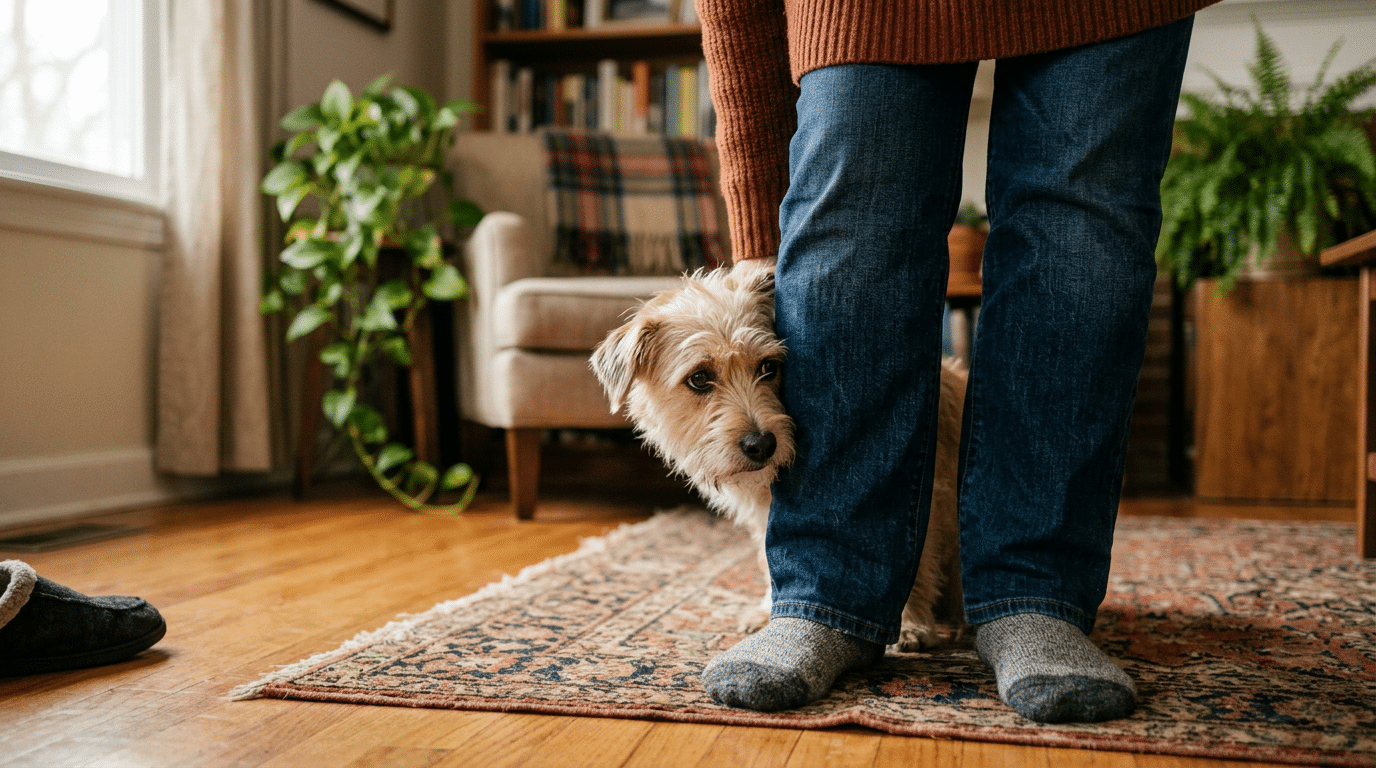
Some breeds are just wired this way. Not broken. Not poorly trained. Not traumatized (though that can be a factor too). Just careful. Thoughtful. Selective about trust. And honestly? Once you understand why that’s the case, living with a shy dog becomes a completely different experience. You stop feeling rejected and start feeling honored when they finally choose you.
This guide covers 12 breeds known for reserved or cautious behavior, explains what’s actually behind their shyness, and gives you real, specific strategies that help. If you love calm, gentle dogs over boisterous ones, you’ll likely also appreciate this list of polite dog breeds known for genuinely gentle manners, many of them overlap with the shy category.
Shy Dog Breed Quick Reference 2026
| Greyhound | Moderate | Large | Yes, with calm kids | Days to weeks |
| Shiba Inu | Moderate-High | Medium-Small | With experienced owners | Weeks to months |
| Basenji | Moderate | Small-Medium | With older children | Weeks |
| Afghan Hound | Moderate-High | Large | In quiet homes only | Weeks to months |
| Italian Greyhound | High | Small | With gentle, older kids | Weeks to months |
| Akita | High | Large | Experienced owners only | Months |
| Whippet | Moderate | Medium | Yes, calm families | Days to weeks |
| Borzoi | Moderate-High | Large | With patient owners | Weeks to months |
| Tibetan Spaniel | Moderate | Small | Yes, consistent homes | Days to weeks |
| Saluki | Moderate-High | Large | With respectful owners | Weeks to months |
| Chinese Shar Pei | High | Medium-Large | Experienced owners only | Months |
| Chow Chow | High | Large | Experienced owners only | Months |
What Actually Makes a Dog Shy?
Dog shyness isn’t one single thing. It’s usually a mix of three factors working together: genetics, early life experiences, and environment.
Some breeds were developed over centuries to be cautious around strangers. That wariness wasn’t a bug, it was a feature. A flock guardian who befriended every passing stranger would be useless. A hunting dog who happily ran up to anyone in the field would be a liability. The selective suspicion was bred in deliberately, and it didn’t disappear just because these dogs moved into living rooms.
Early socialization plays a massive role too. Puppies have a critical developmental window between 3 and 14 weeks where experiences shape how they respond to the world for life. Miss that window, or fill it with frightening experiences, and you’ll likely see a more fearful, reserved adult dog. It’s one reason why reserved breeds often end up in shelters more frequently, their cautious behavior gets misread as aggression or unfriendliness, when they really just need a quieter approach and more time.
There’s also a meaningful difference between genetic shyness (wired into the breed) and situational shyness (triggered by a specific environment or past experience). Both are workable. Both take patience. And knowing which one you’re dealing with changes how you handle it.
1. Greyhound
 Shutterstock
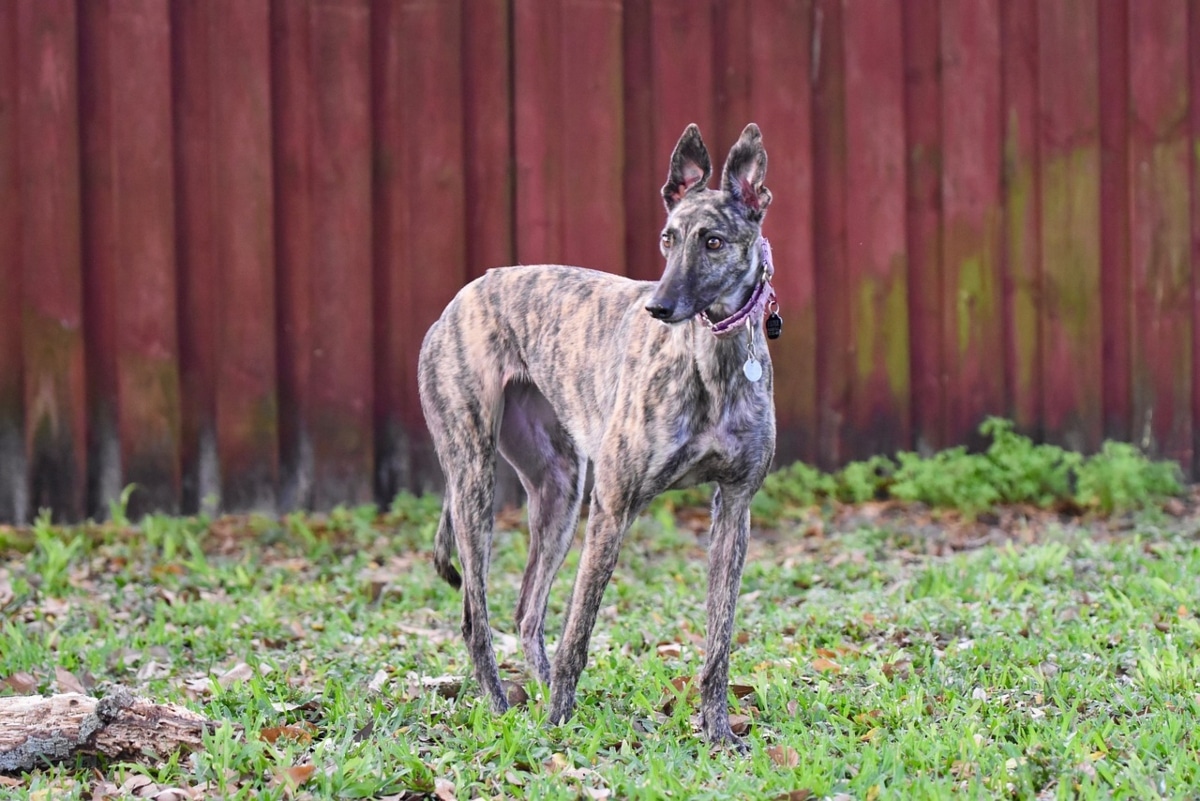
Retired racing Greyhounds spent their entire early lives on a track, kenneled, regimented, and almost completely cut off from the chaos of ordinary home life. Vacuum cleaners, hardwood floors, children’s laughter, windows that reflect their own image back at them, it’s all new and potentially alarming. That’s not a broken dog. That’s a dog who needs time to learn what safe actually feels like.
Greyhounds also feel things deeply. They’re emotionally sensitive in a way that surprises a lot of first-time owners. Loud sounds, unpredictable movements, or strangers who approach too quickly can shut them down fast. But give a retired racer a few quiet weeks, let them explore on their terms, ignore the dog when company visits, let them approach when they’re ready, and something remarkable happens. They relax. Fully. They become couch-loving, affectionate, surprisingly goofy companions.
The turnaround is real. Most greyhounds take between two and six weeks to truly settle in. Some hit that comfortable middle faster. Don’t force it. The wait is worth it.
Key tip: Ask guests to completely ignore your Greyhound when they arrive. No reaching, no cooing, no eye contact. The second the dog decides to approach on its own, that’s your breakthrough moment.
2. Shiba Inu
 Shutterstock
Shiba Inus don’t do warmth on demand. They’re Japanese hunting dogs who worked independently for centuries, tracking prey through forests without direction from humans. That self-sufficiency is still deeply embedded. They assess people carefully. They decide when (and whether) to engage. Trying to accelerate that process by being extra friendly rarely works, it usually results in the Shiba retreating further.
Their shyness looks different from most breeds. It’s not cowering or trembling. It’s more like controlled distance. They’ll sit across the room and study you. They’ll clock every move you make. And then, sometimes days or weeks later, they’ll casually walk over and sit next to you like they’ve always done it. That moment is earned, and it means something.
If you’re drawn to that independent spirit, there are a handful of dog breeds similar to the Shiba Inu with that same selective loyalty, worth checking if you’re still deciding on a breed.
Key tip: When meeting a Shiba for the first time, crouch down, turn slightly sideways, and avert your gaze. Let them sniff you. Don’t reach. This signals safety in a way that direct, forward-facing greetings never will.
3. Basenji
 Shutterstock
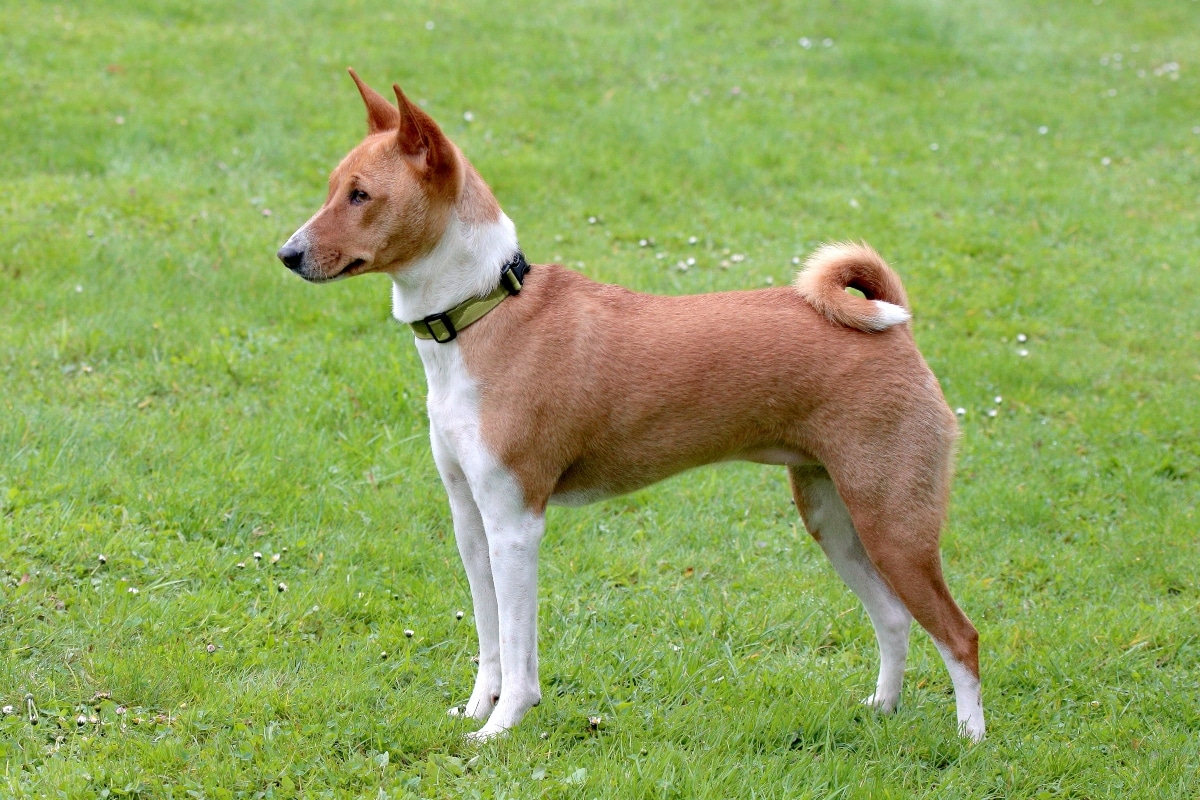
Basenjis are among the oldest dog breeds alive, and they’ve had thousands of years to get comfortable with self-reliance. They didn’t evolve to please humans. They evolved to survive in the African bush. That independence isn’t stubbornness, it’s heritage. And their cautious nature around new people and situations reflects just how deeply that instinct runs.
What surprises most Basenji owners is how intensely genuine the bond becomes once it forms. These dogs don’t give affection casually. They choose their people deliberately. And when they choose you, it’s not because you were charming or persistent. It’s because you were patient and consistent and let them set the pace. That’s a different kind of dog relationship than most people are used to, and for the right owner, it’s the best one they’ve ever had.
Disruptions to routine are particularly hard on Basenjis. Changed feeding times, new furniture arrangements, visitors who stay for extended periods, all of it registers as a potential threat until proven otherwise. Keep their world predictable, especially early on.
Key tip: Never punish a Basenji for hesitating or backing away. Even mild frustration on your part registers with them immediately and can set back weeks of trust-building in a single interaction.
4. Afghan Hound
 Shutterstock
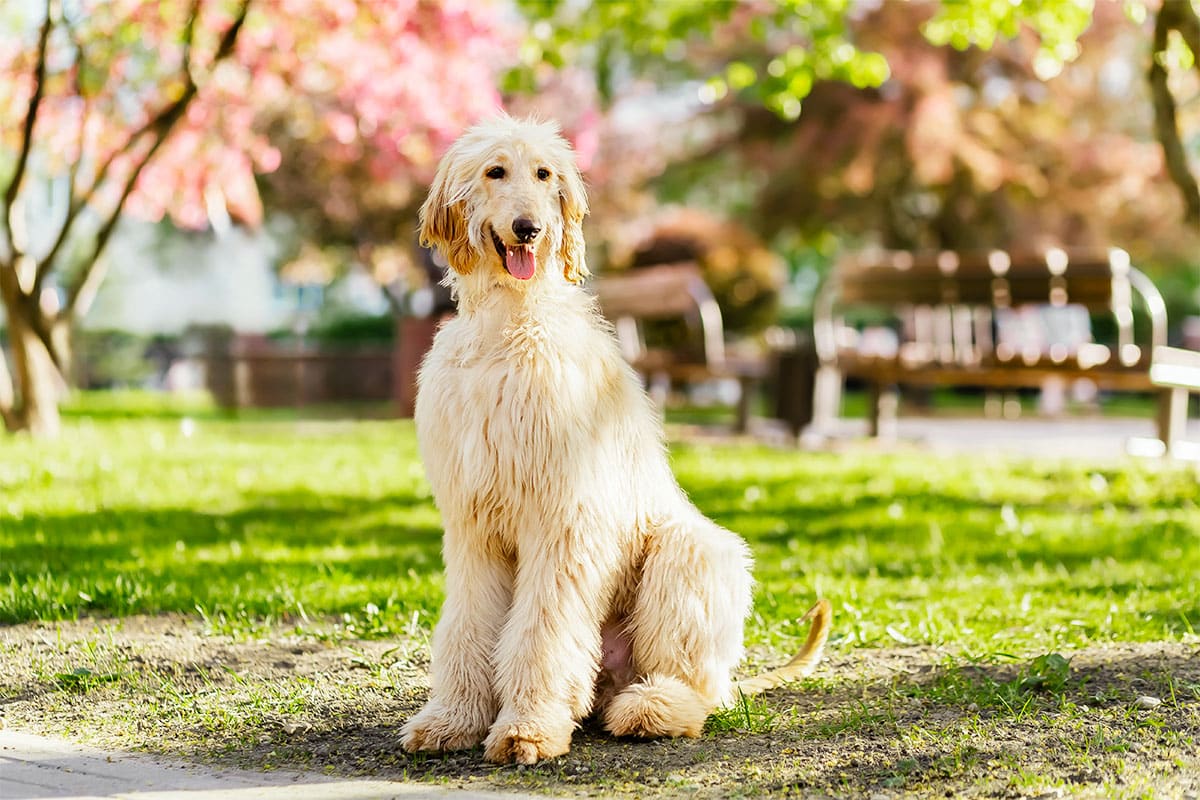
Afghan Hounds look like they belong on a runway, and they carry themselves with that kind of unhurried dignity. Their emotional distance isn’t arrogance, it’s sensitivity. They’re highly attuned dogs who process their environment deeply, and they do not do well with chaos, noise, or people who push for attention before the dog has decided they’re safe.
In noisy or busy environments, Afghans often shut down completely. You won’t get barking or growling. You’ll get a dog who simply checks out, standing still, ears slightly back, gaze averted. That’s their stress response. They’re not being dramatic. They’re at capacity.
Calm, patient handling is non-negotiable with Afghans. Give them space to observe. Let them decide when to approach. Introduce them to new people outdoors in a neutral space first, they tend to be more relaxed in open environments than in their own home territory, which they guard more carefully.
Key tip: Afghans pick up on your energy precisely. If you’re anxious about how the introduction will go, they’ll be anxious too. Go in calm, stay calm, and let them lead.
5. Italian Greyhound
 Shutterstock
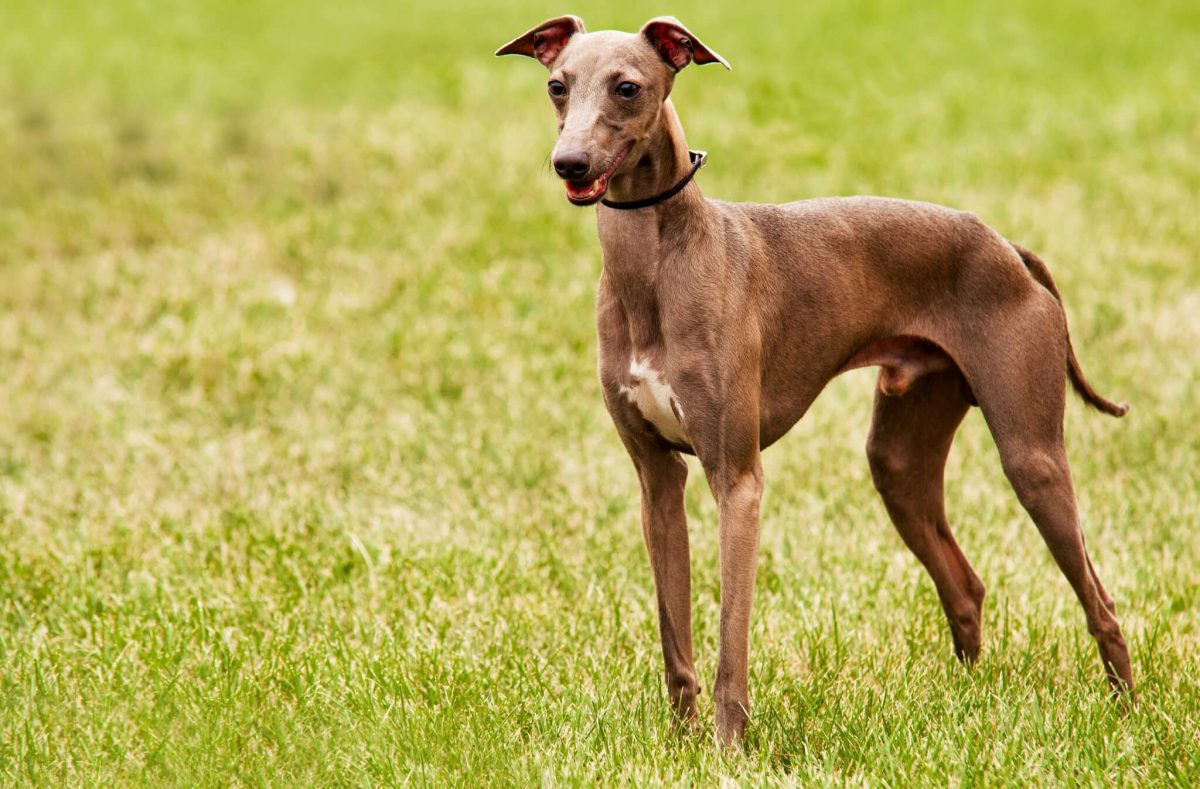
Italian Greyhounds are small dogs with enormous emotional radar. They startle at sudden sounds. They pick up on stress the way a sponge picks up water, instantly and completely. Fast movements, loud voices, strangers who crouch down and reach immediately, all of it triggers their alert system, and once triggered, it takes real time for them to come back down.
Their shyness isn’t stubbornness and it’s not a training problem. It’s a nervous system that’s calibrated to high sensitivity. The things that help most aren’t behavioral techniques. They’re environmental: quiet voices, slow movements, predictable schedules, and a household that runs calmly.
Italian Greyhounds typically bond intensely with one or two people and maintain a polite distance from everyone else indefinitely. That’s not a problem to fix, it’s just who they are. If you’re looking for small breeds that stay manageable and tend toward calmer temperaments, this roundup of small dog breeds that don’t shed covers several worth considering.
Key tip: No raised voices, ever. A single sharp tone from you, even in a different room, directed at something else, can set an Italian Greyhound’s anxiety back by days. Soft and steady wins every time.
6. Akita
 Shutterstock
Akitas are large, powerful dogs who often surprise people with how reserved they are. You expect a dog that size to be bold and confident with strangers. Akitas aren’t. They’re deeply cautious, protective of their family, and genuinely uninterested in being friendly with people they don’t know. That wariness isn’t born from fear, it’s bred-in suspicion that served them well as Japanese guard dogs.
The difference between Akita shyness and other breeds’ shyness is that an Akita’s caution has more protective instinct layered into it. They’re not hiding. They’re watching. Evaluating. And if they decide someone’s a threat, they’ll act on that assessment. That’s why early socialization isn’t optional, it’s essential. An Akita who hasn’t met enough people, kids, dogs, and situations early in life is harder to manage as an adult.
Even well-socialized Akitas stay selective. They love their inner circle completely and tolerate everyone else from a respectful distance. Breeds like this often have layers that surprise you, if you’re curious about dogs who seem tough but aren’t, this piece on dog breeds with soft temperaments and tough exteriors covers that contrast well.
Key tip: Akitas read your confidence level immediately. Hesitant, anxious handling makes them more guarded. Calm, clear, consistent leadership helps them relax.
7. Whippet
 Shutterstock
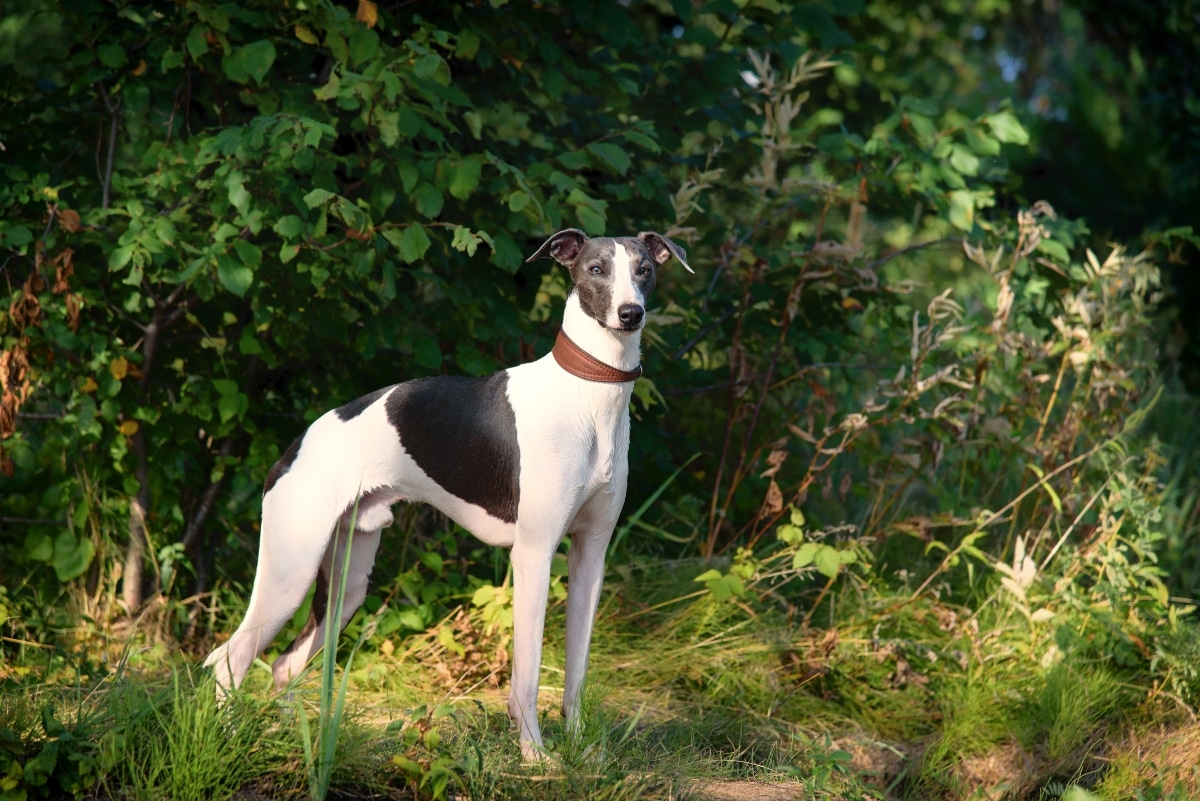
Whippets are athletic, sleek, and built for speed, but emotionally, they’re sensitive in a way that catches people off guard. They handle exercise brilliantly and can run at 35 mph, but they do not handle loud environments, abrupt strangers, or chaotic households nearly as well. Put a Whippet in a calm home and they warm up within days. Put them somewhere noisy and they’ll stay tucked and guarded for much, much longer.
Here’s the thing about Whippets: the shy exterior is almost entirely situational. Once a Whippet feels safe, it transforms. You get a silly, deeply affectionate dog who wants to be pressed against you at all times. They don’t do “personal space.” They do “lying across your entire lap and looking up at you with implausible levels of love.”
Getting to that point just takes patience and a low-key introduction period. Don’t flood them with visitors in the first two weeks. Keep greetings calm. Let them sniff new people without being reached for. The payoff is enormous.
Key tip: If you have another calm, social dog, use them as a confidence-builder during introductions. Whippets relax faster when they can watch another dog interact safely with a new person first.
8. Borzoi
 Shutterstock
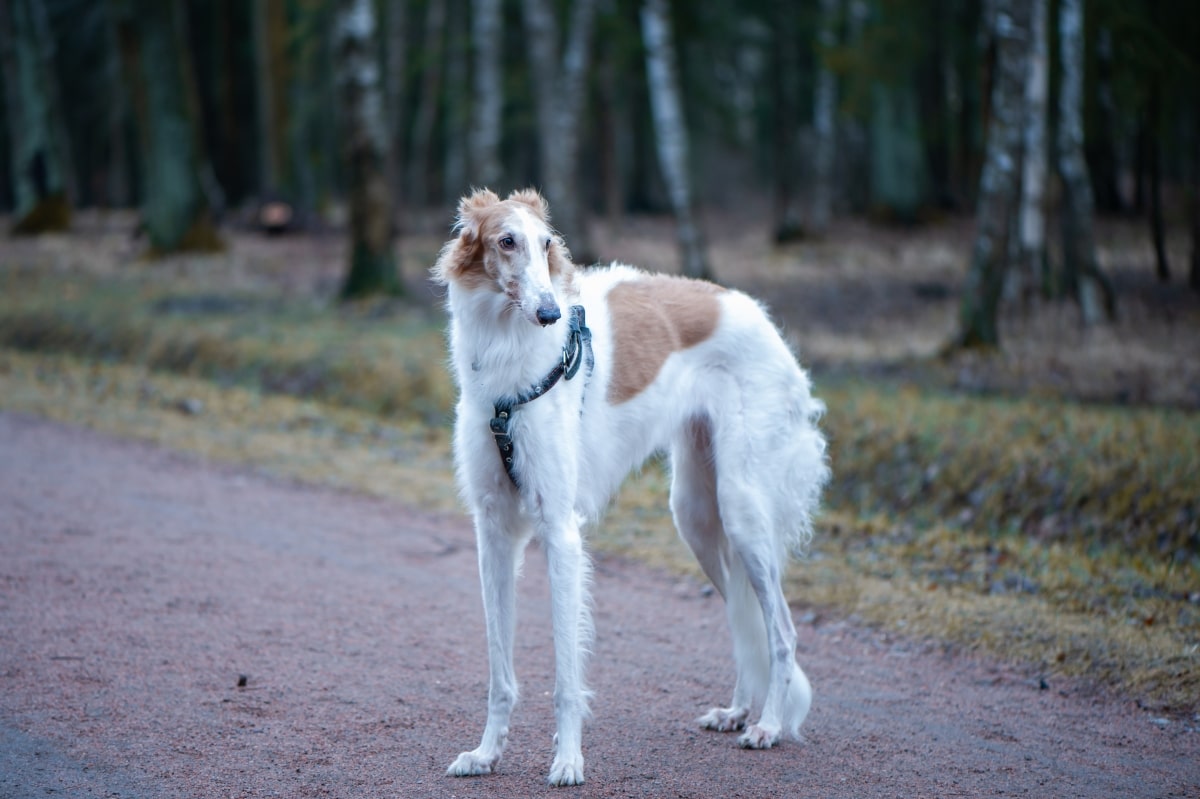
Borzois were bred as Russian aristocratic hunting dogs, elegant, fast, and self-directed. They weren’t designed to be social butterflies. They were designed to spot prey from a distance, give chase, and bring it down. That independent, observational nature carried over completely into how they relate to people.
They keep their distance in new social situations not because they’re scared, but because they’re careful. There’s a real difference. A scared dog trembles and hides. A Borzoi observes from exactly the distance they’ve decided is appropriate and makes no apologies for it.
Once a Borzoi decides you’re worth their time, really decides, not just tolerates you, they’re quietly devoted. They won’t meet you at the door wagging furiously. But they’ll follow you from room to room in their own unhurried way, always nearby, never quite in your face about it. For the right owner, that quiet loyalty is everything.
Key tip: Don’t crowd a Borzoi, especially in the first few weeks. They need physical and emotional space. Give it to them freely, and they’ll use that space to move closer on their own terms.
9. Tibetan Spaniel
 Shutterstock
Tibetan Spaniels spent centuries as monastery watchdogs in Tibet. Their entire job was to observe from high perches, alert the monks to anything unusual, and assess whether visitors were safe. That instinct runs bone-deep in the breed today. They watch before they participate. They assess before they trust. Rushing that process, even with good intentions, sets you back.
The best approach with a Tibetan Spaniel is to make yourself uninteresting at first. Sit on the floor. Ignore the dog. Maybe toss a treat casually in their direction without making a production of it. Let their natural curiosity drive them toward you. It will. These are genuinely curious dogs who eventually want to know what you’re about, you just can’t be the one who initiates.
In a secure home, Tibetan Spaniels are playful, affectionate, and funny in a way that surprises people. They love being elevated, perched on the back of a sofa, looking out a window, which is very much a nod to their monastery heritage. Once they trust you, they want to be with you constantly. Getting there is the only challenge.
Key tip: Ask visitors to sit down and wait. Standing over a Tibetan Spaniel and reaching down feels threatening. Sitting and letting the dog approach removes that threat completely.
10. Saluki
 Shutterstock
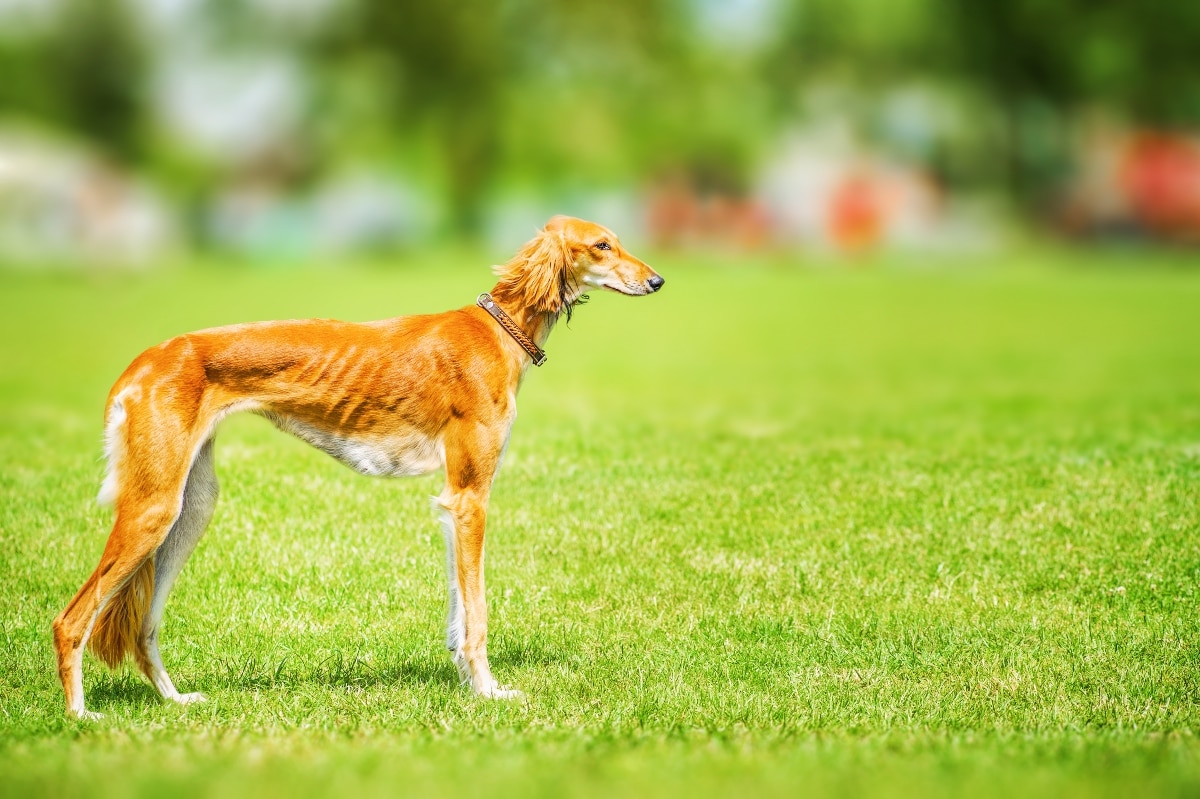
Salukis are one of the oldest domesticated dog breeds on record, with depictions found in ancient Egyptian tombs dating back 4,000 years. They were bred by nomadic Middle Eastern tribes as coursing hunters, dogs who ran alongside humans and took prey independently, without instruction. That selective relationship with people is still central to who they are.
They don’t give trust freely. They don’t warm up to everyone. They choose their people carefully, show them a quiet, genuine loyalty, and maintain a polite distance from everyone outside that circle. Their shyness typically looks like careful body language, a slight turn away, averted gaze, positioned just outside reach. That’s not aggression. That’s communication. They’re saying “I’m not ready yet.”
Trying to speed up a Saluki’s trust timeline almost always backfires. The more you push, the further they step back. Respect their pace completely, give them a canine companion if possible (Salukis relax significantly faster with a calm dog present), and wait them out. The bond you eventually get is genuine in a way that’s hard to describe.
Key tip: Salukis respond well to parallel activities, walks, sitting together quietly, being in the same room without interaction pressure. Side-by-side time builds trust faster than face-to-face attempts at connection.
11. Chinese Shar Pei
 Shutterstock
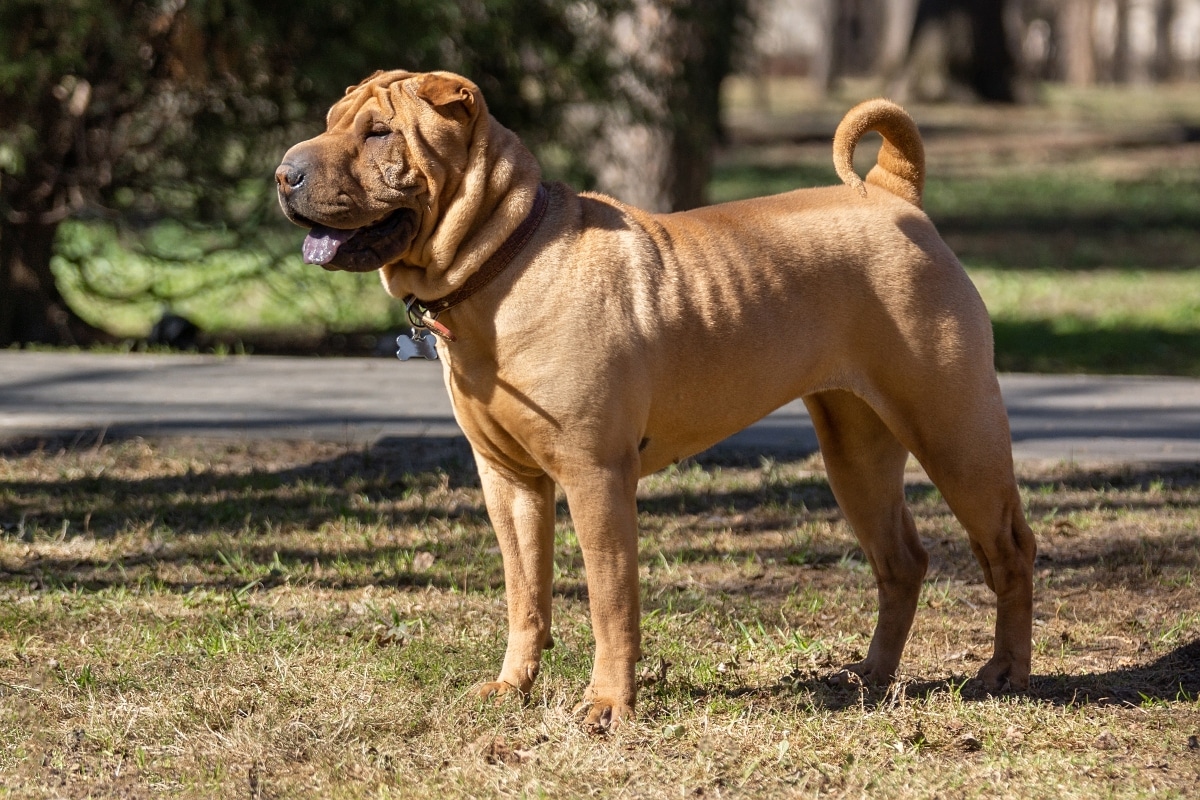
Shar Peis were bred as guard dogs and, historically, as fighting dogs in China. The fighting days are long over, but the instinct to be suspicious of unfamiliar people is still very present. They don’t trust easily. They don’t warm up quickly. And they have very little interest in making strangers feel comfortable until they’ve decided those strangers are safe, which takes time, often months.
What makes Shar Peis worth the patience is who they are inside that trusted circle. Within their own family, they’re devoted and surprisingly tender. They form strong bonds with people who respect their need for space and who provide consistent structure. That last part matters more than most people realize. A Shar Pei who doesn’t understand the household rules is a more anxious Shar Pei. Clear expectations actually help them relax.
Early socialization is critical with this breed. A Shar Pei who didn’t meet a wide variety of people, dogs, and environments in their first four months will be significantly harder to manage as an adult. It doesn’t make them unadoptable, but it makes the patience requirement higher.
Key tip: Shar Peis need structure alongside patience. Establish calm, consistent household rules from day one. Predictability in their environment directly reduces their need to be guarded with new people.
12. Chow Chow
 Shutterstock
Chow Chows are famously compared to cats, and it’s an accurate comparison. They’re independent. They’re selective. They’re emotionally reserved with everyone outside their trusted few. And they’re completely indifferent to making strangers feel welcome, not hostile, just utterly unbothered by whether guests like them or not.
Their shyness looks like aloof disinterest rather than anxious retreating. They won’t hide behind you when someone visits. They’ll sit across the room, watch the situation unfold, and decide privately whether this person deserves any acknowledgment. Sometimes that acknowledgment never comes. The Chow has decided, and that’s that.
Within their family, Chows are affectionate in private, quiet ways. They won’t demand attention. But they’ll be near you. They’ll choose your company. And in their own unhurried, regal way, they’ll let you know you matter to them. This is not a breed for people who want effusive, demonstrative love from their dog. But for people who appreciate subtlety, a Chow’s affection is some of the most meaningful you’ll find.
Key tip: Chows do not respond to correction-based training, especially during trust-building. Positive reinforcement only. Any punishment, even mild verbal corrections, can stall the relationship for weeks.
Why Shy Dogs Make Amazing Pets
Here’s something that doesn’t get said enough: shy dogs are often the best dogs.
Not despite their caution. Because of it.
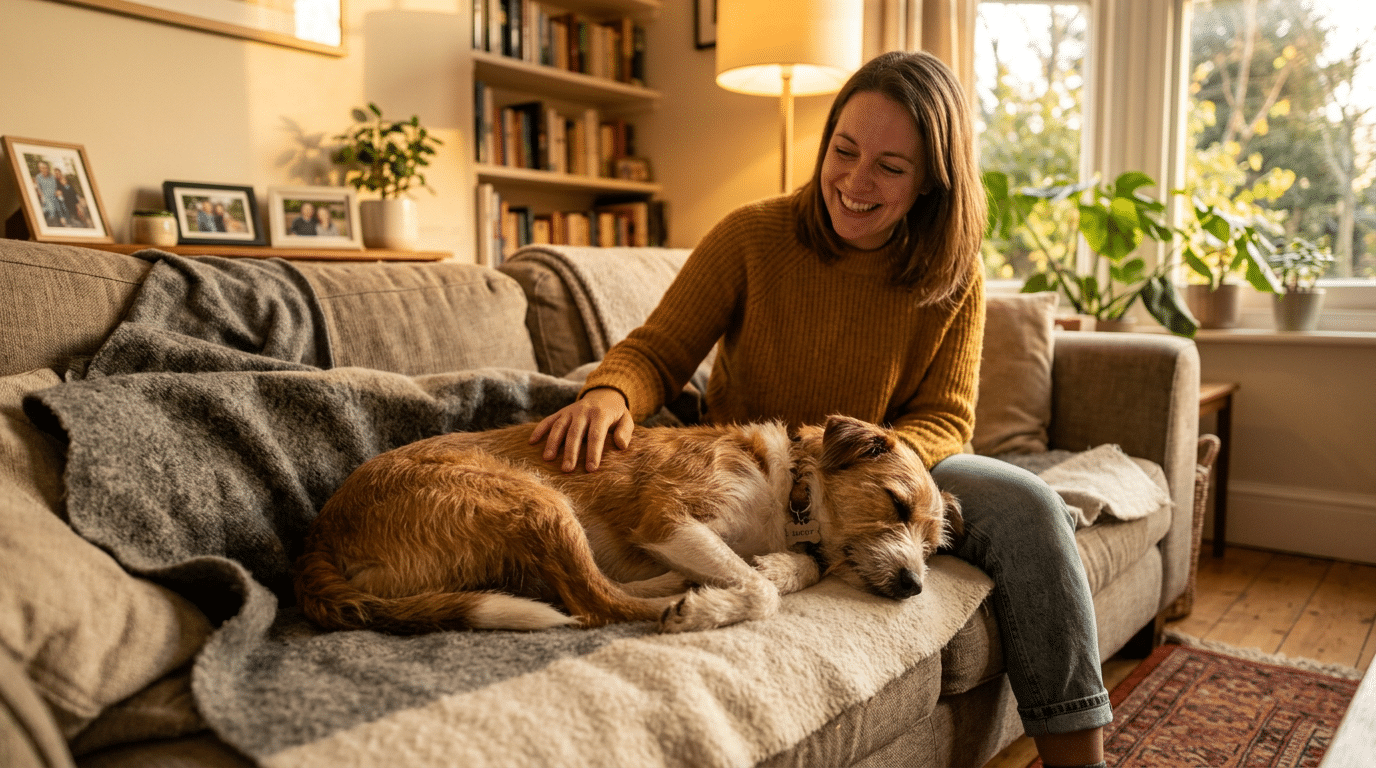
A dog who trusts slowly develops a bond that’s extraordinarily deep once it forms. They chose you, specifically. Not because you gave them a treat on day one or because you had a friendly face. Because you gave them time. Because you didn’t push. Because you were patient when patience felt hard, and they noticed. Dogs like this don’t transfer their loyalty easily, once they’ve decided you’re their person, that’s a decision they rarely walk back.
Shy dogs are also typically calmer to live with. They’re not bouncing off walls or demanding constant stimulation. They’re quiet observers who become deeply attuned to your moods and routines. They’re the dog that meets you where you are, rather than where they want you to be. On hard days, that quality is hard to put a price on.
They’re also highly trainable once the trust is there. Because they’ve been watching you so carefully for so long, they’re often remarkably in sync with your cues by the time they feel secure enough to engage. The work isn’t in teaching them, it’s in getting them to the point where they believe the work is safe. Once you’re there, training often goes faster than you’d expect.
So what makes a shy dog different? Not less than other dogs. Just more deliberate about who they give themselves to. And if they give themselves to you, that means something real.
How to Help a Shy Dog Build Confidence
The instinct most people have is exactly wrong. When a dog is shy, people lean in, they reach out, get lower, use high-pitched encouraging voices. All of it reads as pressure to a cautious dog. Here’s what actually works.
Let them control every interaction. The moment a shy dog feels like they can’t escape a situation, anxiety spikes. Give them physical exits from every introduction. If they back away, stop completely. If they approach, stay still and let them lead. Giving them control over the interaction makes it exponentially safer for them, and paradoxically makes them more likely to choose to stay.
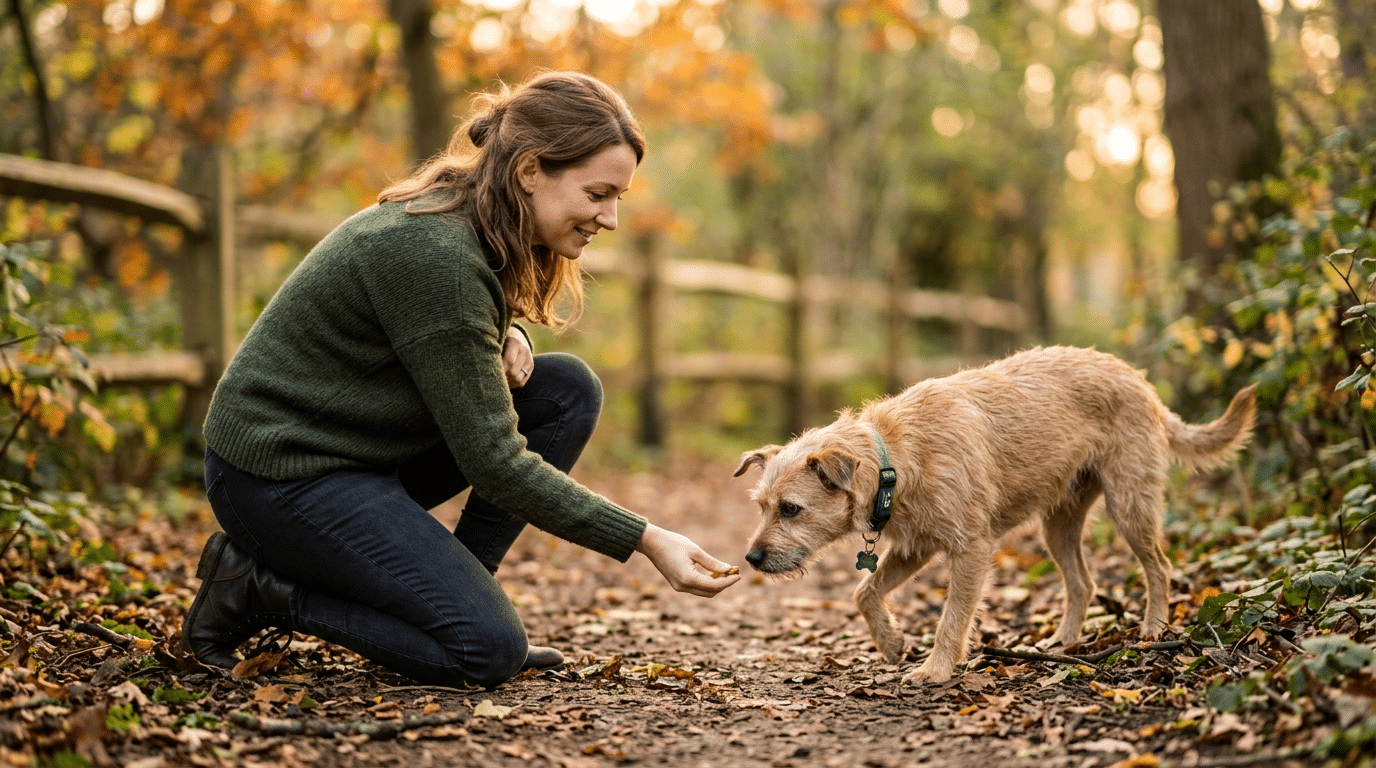
Start with tossed treats, not hand-feeding. Drop a high-value treat, real chicken, cheese, or liver treats work better than dry biscuits, three to four feet away from where the dog is sitting. Don’t make eye contact. Don’t reach. Just drop it. Do this repeatedly over several sessions. Once the dog is consistently approaching to take the treat, you can gradually work toward hand-feeding from an open palm.
Keep sessions at five minutes maximum. End every session while the dog is still calm and comfortable, not after stress behaviors have started. A five-minute positive session does more for trust than a 45-minute session that pushed too far. Frequent short wins beat occasional long battles every time.
Lock in the routine and defend it. Shy dogs process their environment constantly. When feeding times, walk schedules, and daily patterns stay predictable, the dog’s baseline anxiety stays lower. A calmer baseline means less fear reactivity when genuinely new things happen. Feed at the same times. Walk the same routes for the first month. Change things gradually.
Use leash walks as neutral bonding time. Many shy dogs relax on a walk faster than they do in face-to-face household interactions. Side-by-side movement with no eye contact pressure is low-threat and relationship-building. A well-fitted no-pull harness designed for sensitive dogs makes those early walks more comfortable and gives you better control without adding pressure to the neck.
Celebrate small wins quietly. A glance in your direction, a slow tail wag from six feet away, a sniff of your shoe, these are milestones. Acknowledge them softly (“good dog,” quiet voice, look away) and move on. Big reactions to small wins can overwhelm a shy dog just as much as negative pressure.
And one more thing worth saying plainly: don’t rush this. Some dogs take days. Some take six months. Progress isn’t linear, a dog who seemed to be opening up might retreat after a loud thunderstorm or a chaotic holiday gathering. That’s normal. What you’re tracking is the long-term trend, not daily fluctuation. Stay consistent and trust the process.
5 Things That Actually Build Trust With a Shy Dog
- Always give them an exit. Never block their retreat. Knowing they can leave makes them far more likely to choose to stay.
- Toss treats before hand-feeding. Start at distance. Move closer only as they show comfort with each stage.
- Be deliberately boring. Sit on the floor. Read a book. Let curiosity bring them to you. It will.
- Keep routines airtight. Same feeding times, same walk routes, same bedtime. Predictability is safety to a reserved dog.
- Don’t make a big deal of milestones. Quiet acknowledgment. Soft voice. Then move on. Overreaction, even positive overreaction, can startle shy dogs backward.
When Shyness Becomes a Bigger Problem
There’s an important difference between a shy dog and a fearful dog. Shy dogs take time to warm up but are generally functional, they eat normally, play in safe spaces, and don’t show constant stress signals. Fearful dogs are different. They may refuse food, shake in situations that aren’t particularly threatening, urinate submissively, or snap when they feel cornered.
If your dog’s shyness is seriously affecting their quality of life, they can’t go on a walk without shutting down completely, they hide for hours after a single visitor, or they’ve snapped at someone out of fear, a veterinary behaviorist is the right next step. Fear-based behavior doesn’t reliably resolve on its own without intervention. It often escalates instead.
Some dogs also benefit genuinely from anti-anxiety medications combined with behavior modification work. There’s nothing to be ashamed of in that. You’d treat any other condition that was affecting your dog’s wellbeing. This is no different.
Even breeds often labeled as stubborn or challenging respond well to patient, positive methods. If you’re curious which dogs consistently test their owners’ patience most, this honest look at the 16 least obedient dog breeds and why they’re still worth it is a good read, and might make you feel better about where your dog sits on that scale.
Frequently Asked Questions About Shy Dog Breeds
Are shy dogs harder to train?
Not necessarily, and often the opposite is true once trust is established. Shy dogs are frequently very intelligent and extremely attuned to their owners. The key is using positive reinforcement exclusively: treats, calm praise, and play. Correction-based methods or sharp tones set back training with sensitive breeds significantly. Keep sessions short (5-10 minutes), always end on a success, and build obedience alongside confidence rather than separately from it.
Can a shy dog become more confident over time?
Yes. Most shy dogs make real progress with consistent, patient handling over time. The critical word is consistent, sporadic effort or forcing interactions undoes weeks of work. Some dogs become genuinely social and comfortable with new people. Others reach a functional middle ground where they’re relaxed at home and manageable in public without ever becoming the first one to greet strangers. Both of those outcomes are genuine progress worth celebrating.
How do I introduce a shy dog to new people?
Start outdoors in a neutral space, not inside the dog’s home territory. Ask guests to crouch down angled sideways, not facing the dog directly, and avoid prolonged eye contact. Have them hold a treat near their knee without extending their arm outward. Then wait. Let the dog approach if and when they’re ready. No reaching, no loud greetings, no fast movements. If the dog doesn’t approach that session, end calmly and try again another time. Don’t treat it as a failure, it isn’t.
Is shyness in dogs genetic or learned?
Both. Some breeds have been selectively bred for centuries to be cautious around strangers, that’s baked into their genetics. Individual dogs within those breeds also vary based on early socialization experiences, maternal temperament, and anything that happened before they came home with you. A shy breed dog who also missed the 3-to-14-week socialization window will typically need the most patient, consistent support of all.
Should I adopt a shy dog if I have young children?
It depends heavily on both the dog and the children. Some shy breeds do fine with calm, respectful kids who’ve been taught how to approach dogs gently and give them space. Others find young children genuinely overwhelming because of unpredictable movements, noise levels, and the tendency to rush in for hugs. Always do a proper temperament evaluation before adopting, introduce slowly, and never leave any dog unsupervised with young children until you know exactly how the dog responds to them in a range of situations.
What’s the difference between shyness and separation anxiety?
Shyness shows up around unfamiliar people and new situations. Separation anxiety shows up when the dog is left alone, even in a familiar environment they’re otherwise comfortable in. Signs of separation anxiety include destructive behavior specifically when alone, constant vocalization, inappropriate elimination, and visible distress at departure cues like you picking up keys or putting on shoes. Some dogs have both shyness and separation anxiety. If those signs sound familiar, a vet or veterinary behaviorist is the right call.
The Dog Who Chose You
Shy dogs teach something that outgoing dogs don’t.
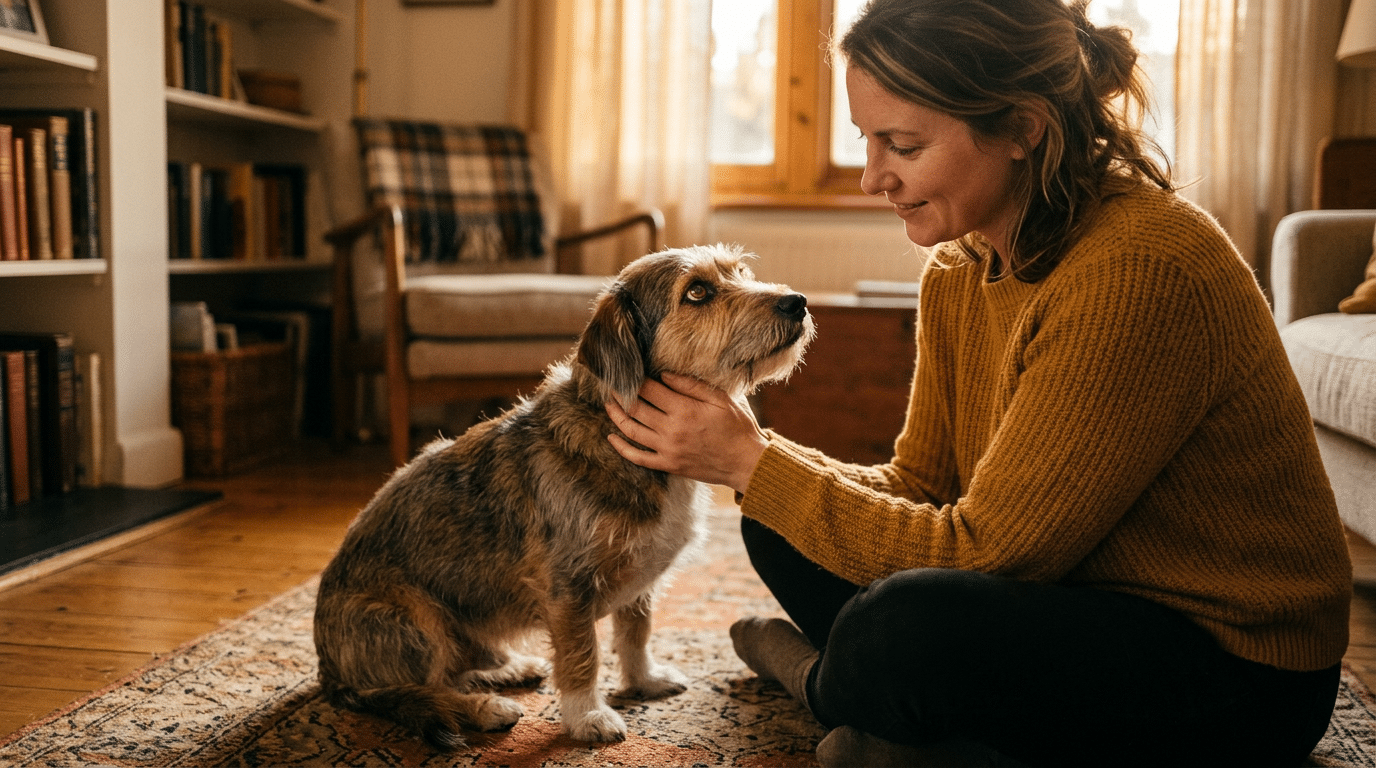
They teach you that trust is earned, not assumed. That patience isn’t a burden, it’s a foundation. And that when a dog who spent six weeks watching you from across the room finally walks over and leans into your hand, that moment means something completely different than when a Golden Retriever does it on day two.
The 12 breeds on this list aren’t broken. They’re not unfriendly. They’re not damaged goods who need to be fixed. They’re careful. Selective. Thoughtful about who they let in. Living with one means celebrating small wins, staying consistent when progress feels slow, and trusting that the patience you’re putting in is accumulating, even when it doesn’t feel that way.
The payoff is a dog whose loyalty is deeply personal. Because it is. They didn’t give it to the last person who was nice to them. They gave it to you. On their own terms, in their own time. That’s worth something.





 English (US) ·