
 1 month ago
39
1 month ago
39
 MidJourney
Some dogs live to fetch, some live to cuddle, and some live to eat. For certain breeds, food is more than fuel. It is motivation, inspiration, and sometimes a full-time obsession. These dogs are the masterminds behind empty treat jars, the reason pantries need child locks, and the champions of dramatic dinner stares. They plan their days around mealtime and treat every crinkle as a personal invitation. Here are dog breeds known for their enormous appetites and powerful food drive, and why their love of snacks runs so deep.
Labrador Retriever
 Shutterstock
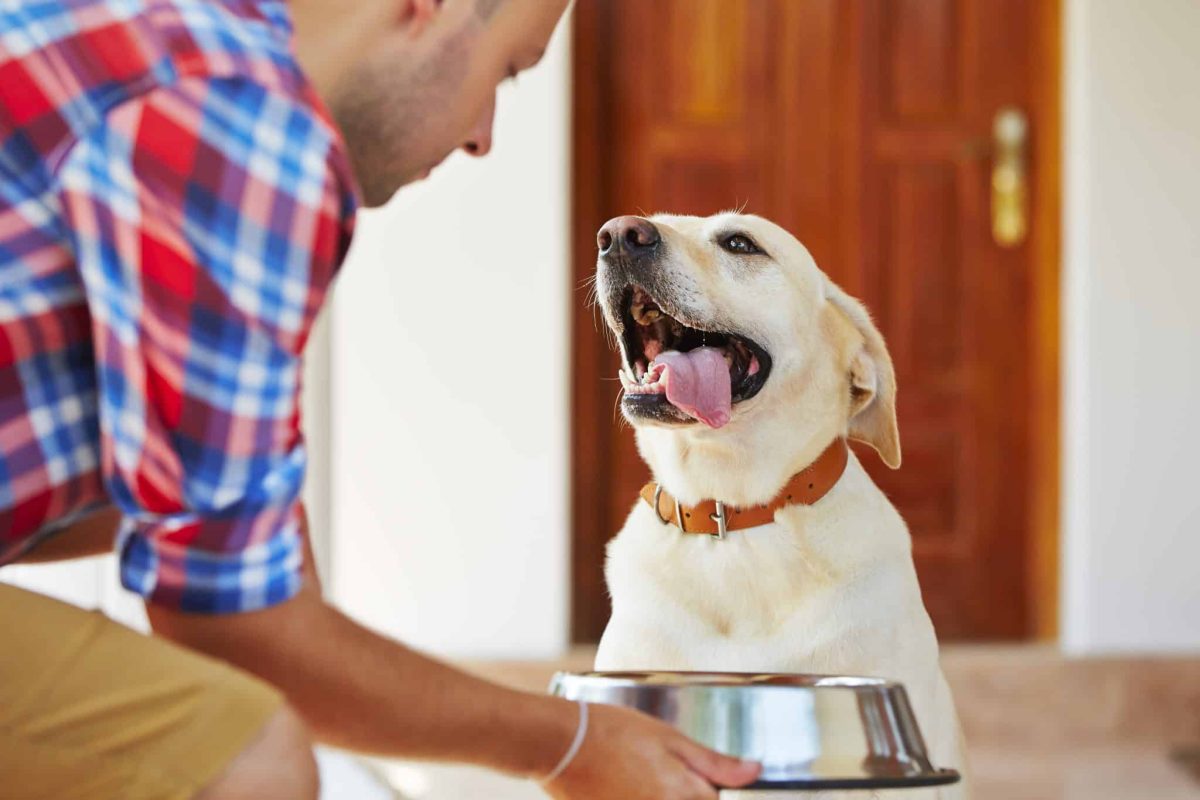
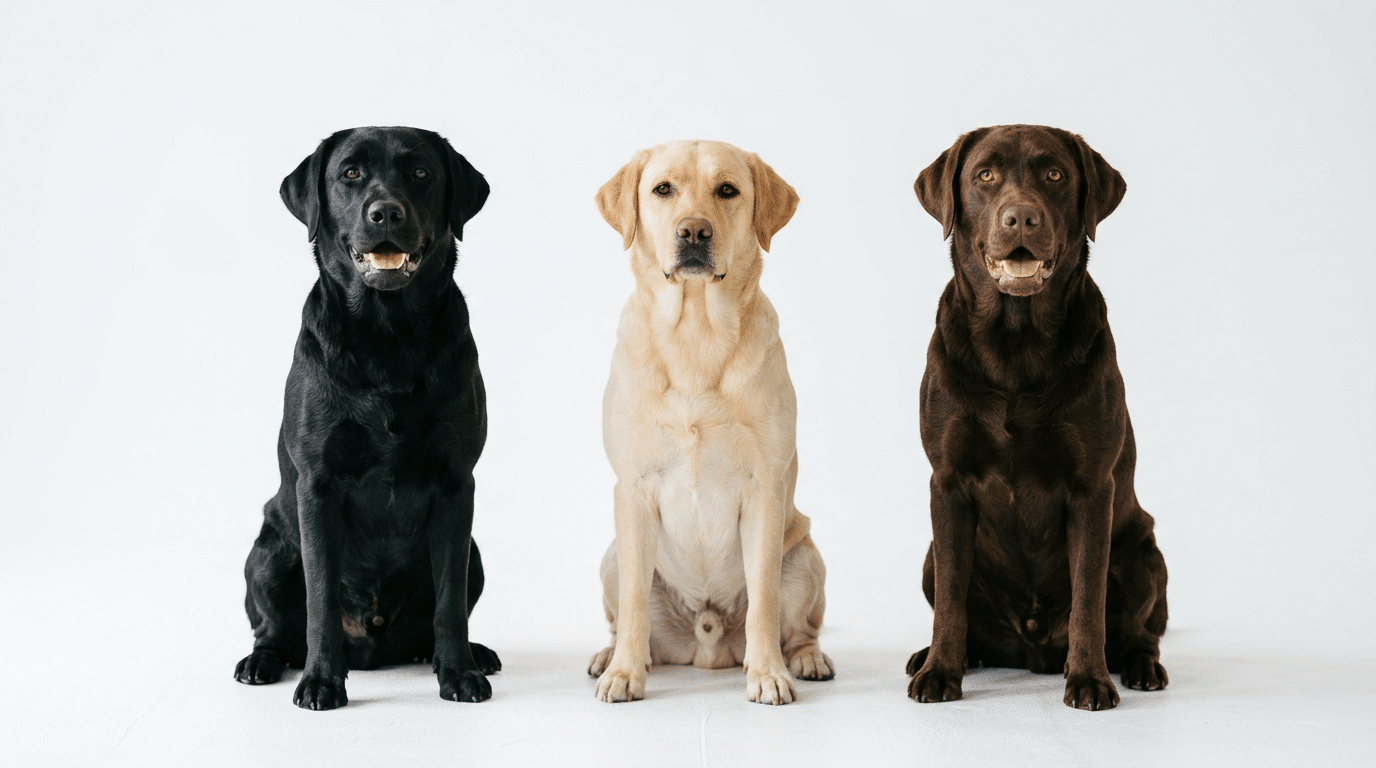
Labrador Retrievers are famous for their friendly personalities, but they are equally famous for their bottomless stomachs. Many Labs have a genetic predisposition that affects appetite regulation, leading them to often feel hungry even when they have eaten enough. Originally bred to work long hours retrieving game in cold waters, they needed substantial calories to fuel their activity. That working heritage, combined with their enthusiastic temperament, makes them highly food-motivated, which is wonderful for training but risky for waistlines if portions are not carefully managed.
Beagle
 Shutterstock
Beagles are scent hounds first and foremost, and their noses often lead them straight to the nearest snack. Bred to track rabbits and other small game over long distances, they developed stamina and a strong drive to seek rewards. Food is a powerful reinforcer for them, and they will follow a smell trail with single-minded dedication if they think it leads to something edible. Their compact size does not match the size of their appetite, so careful feeding and secure food storage are essential in a Beagle household.
Golden Retriever
 Shutterstock
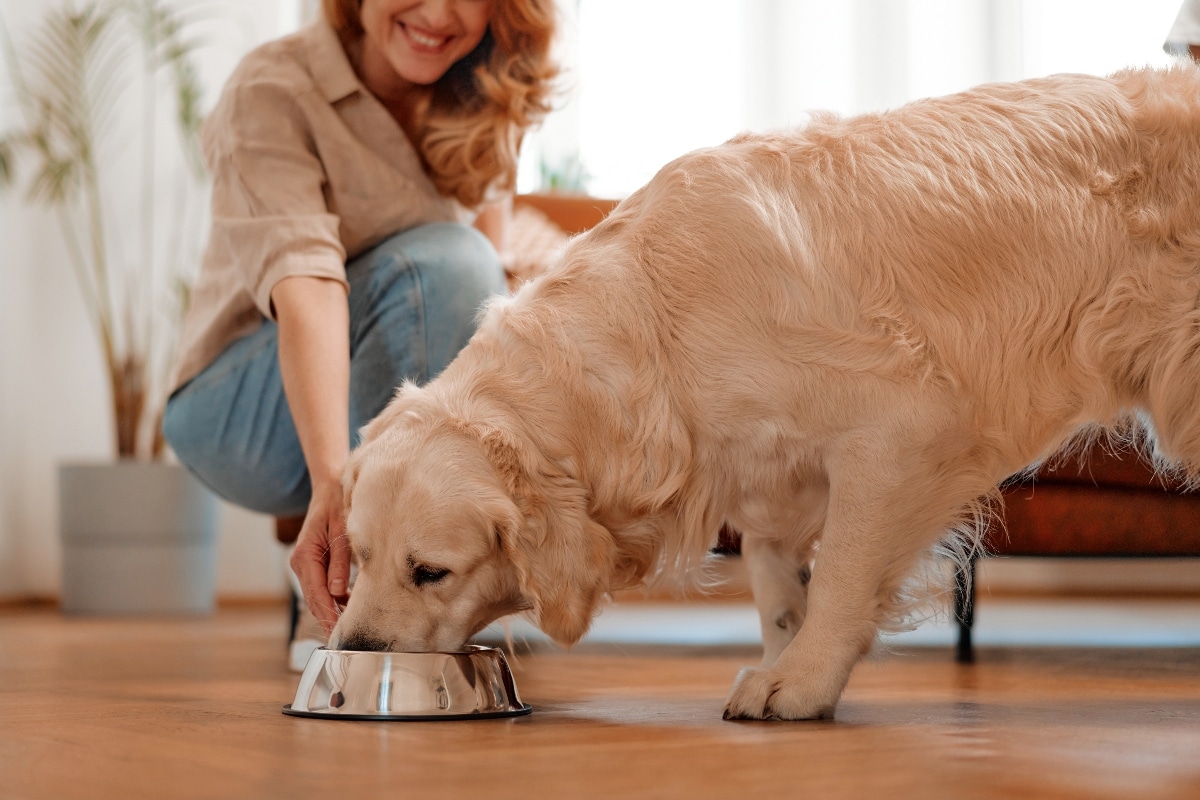
Golden Retrievers share many traits with their Labrador cousins, including a deep love of food. Bred as sporting dogs that retrieved waterfowl, they required energy-dense diets to sustain active days in the field. Their gentle, people-pleasing nature makes them extremely responsive to treats during training, and many Goldens will perform repeated tricks with enthusiasm if snacks are involved. This strong food drive can easily translate into weight gain if exercise and portion control are overlooked, especially since they are masters at convincing owners they are starving.
Dachshund
 Shutterstock
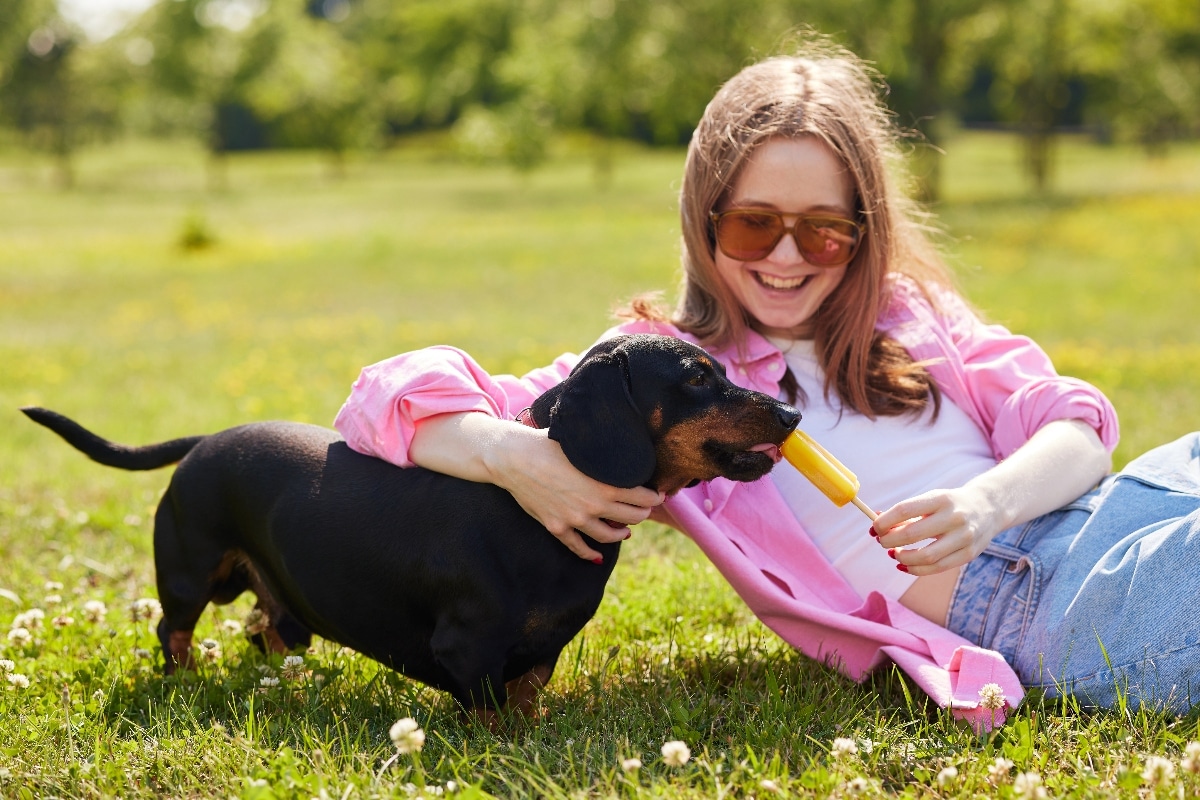
Dachshunds may be small, but their appetites can rival those of much larger breeds. Originally developed to hunt badgers, they needed courage, determination, and plenty of energy for digging and pursuing prey underground. That bold personality often extends to food, with many Dachshunds eagerly begging or sneaking bites whenever possible. Because of their long backs and susceptibility to spinal issues, maintaining a healthy weight is critical, making their strong food drive a management challenge for devoted owners.
Pug
 Shutterstock
Pugs are known for their expressive faces, and those expressions often intensify at mealtime. As companion dogs bred primarily for lap warming rather than labor, they do not require the high-calorie intake of working breeds. However, they frequently display a powerful interest in food and can quickly pack on pounds. Their affectionate, attention-seeking nature means they learn very fast that cute looks can earn treats, and their stocky build makes extra weight especially concerning for their breathing and joint health.
Cocker Spaniel
 Shutterstock
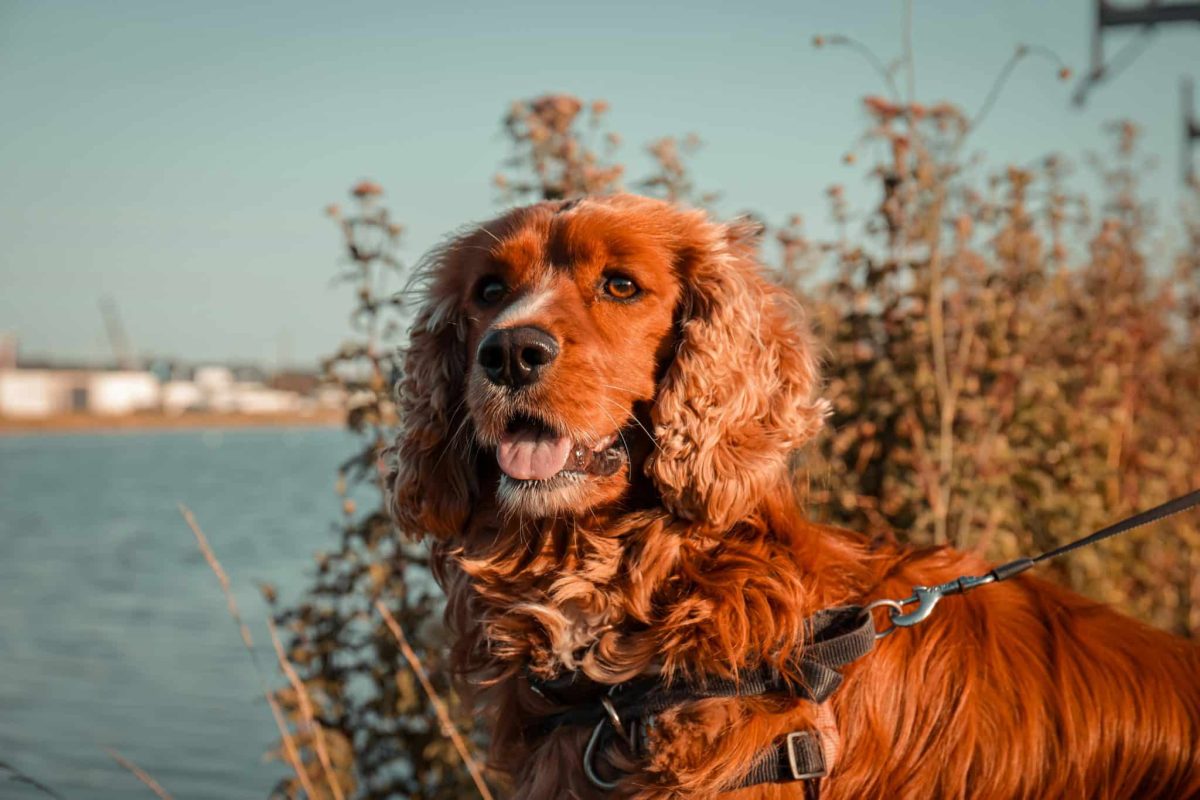
Cocker Spaniels were developed as hunting dogs, flushing and retrieving birds from dense cover. That active background created a need for steady energy and strong motivation, and food has always been an effective reward. Many Cockers have hearty appetites and will happily clean any unattended plate within reach. Their soulful eyes and gentle demeanor can make it difficult for owners to resist sharing snacks, but consistent feeding routines and measured portions are important to prevent obesity in this otherwise energetic breed.
Rottweiler
 Shutterstock
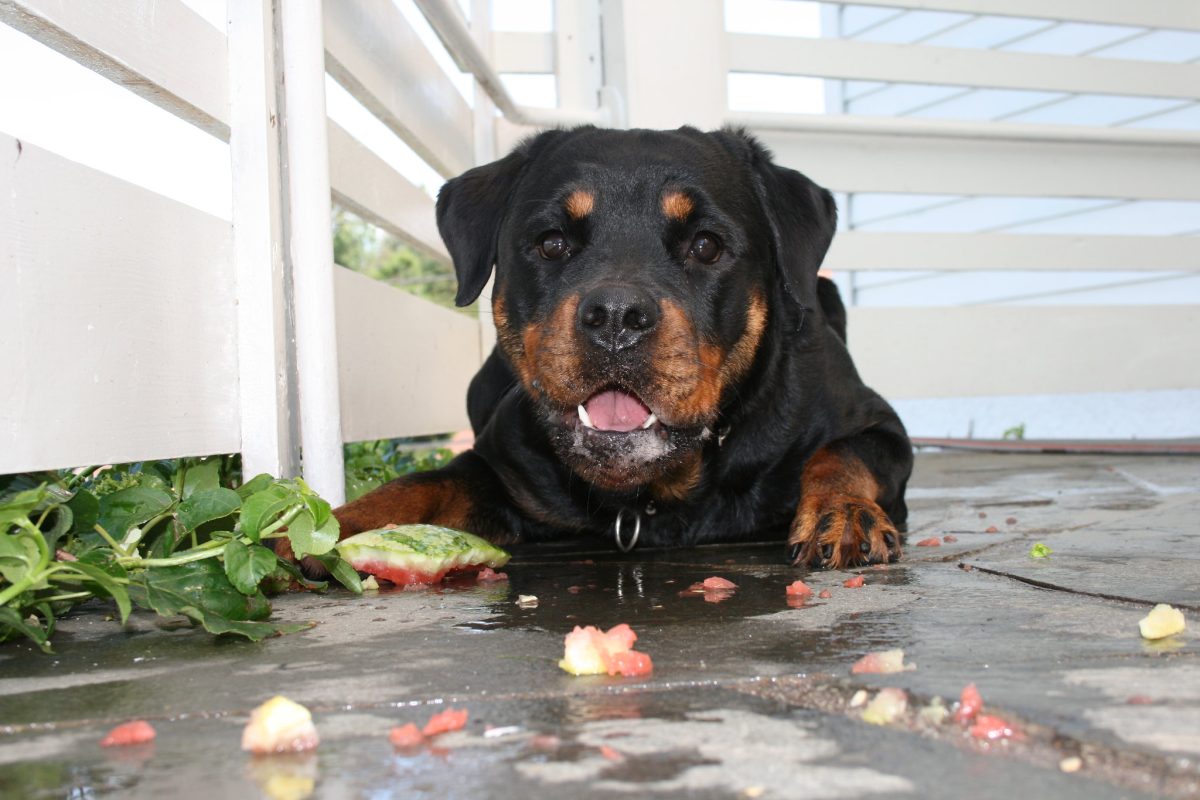
Rottweilers are powerful working dogs that historically drove cattle and guarded property. Such demanding tasks required strength and stamina, which were supported by substantial nutrition. Today, many Rottweilers retain a robust appetite and strong response to food rewards, making them highly trainable with the right incentives. Because they are large and muscular, extra weight can place stress on their joints and heart, so channeling their food drive into structured training sessions rather than free feeding is key to keeping them fit.
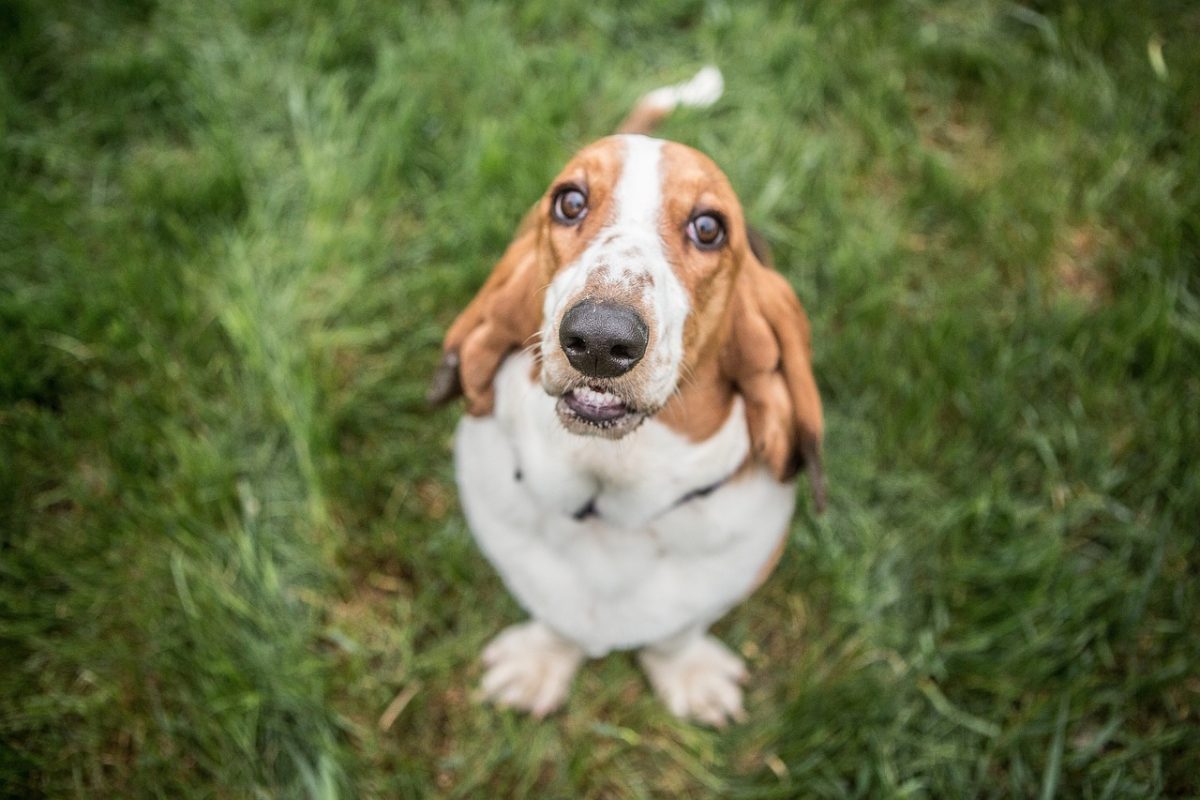
Basset Hound
 Shutterstock
Basset Hounds are scent-driven dogs with a legendary ability to follow their noses straight into trouble, often of the edible variety. Bred for endurance tracking, they were designed to work methodically for long periods, fueled by consistent nourishment. Their laid-back demeanor can disguise a surprisingly intense interest in food, and they are notorious for counter surfing when given the chance. Because they are low to the ground and somewhat heavy-bodied, maintaining a healthy weight is essential to protect their joints and overall mobility.
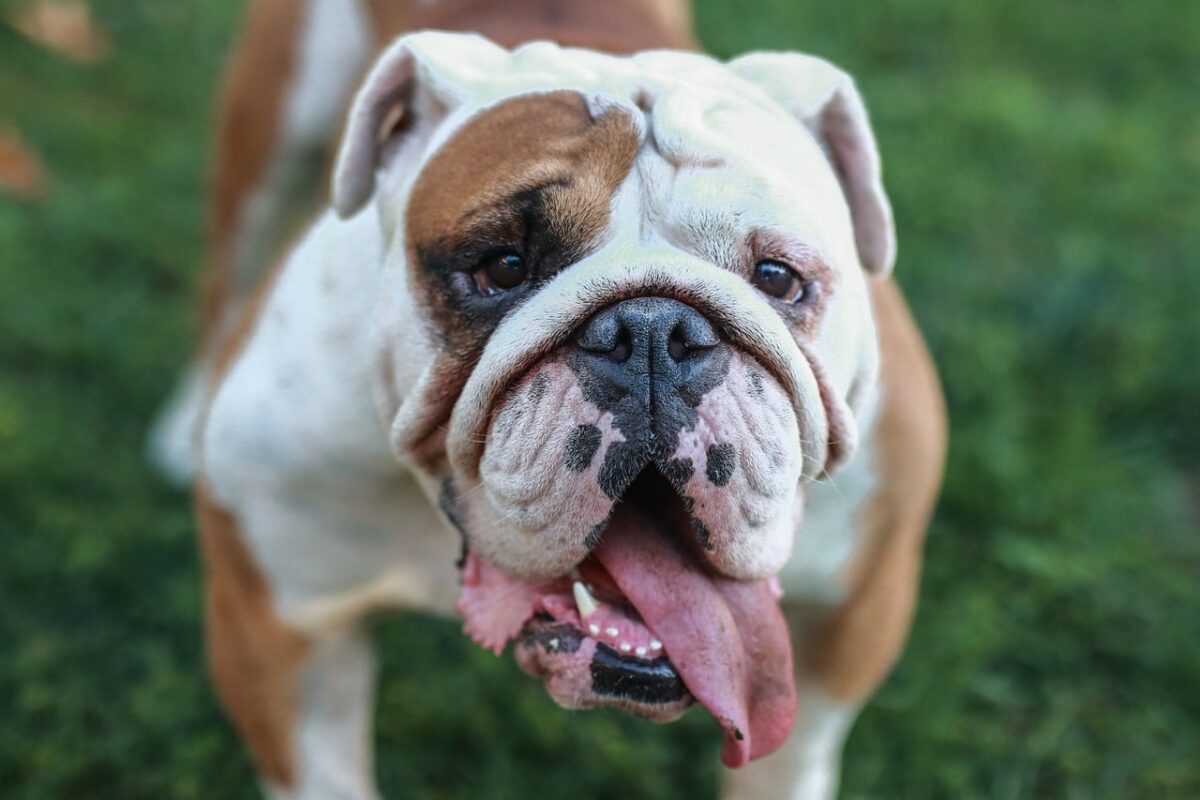
English Bulldog
 Shutterstock
English Bulldogs may not be marathon runners, but they are often enthusiastic eaters. Originally bred for bull baiting and later refined into companion animals, they transitioned from high-intensity work to a more sedentary lifestyle without losing their appreciation for hearty meals. Their stocky frame and slower metabolism mean they can gain weight rapidly if overfed. Bulldogs are also known for their stubborn streak, which can make diet adjustments challenging when they believe they deserve a second helping.
Boxer
 Shutterstock
Boxers are energetic, playful dogs that burn a lot of calories, especially in their younger years. Bred as versatile working dogs, they needed strength, agility, and stamina, all supported by proper nutrition. Many Boxers exhibit a strong food drive that makes them eager participants in reward-based training. While their athleticism helps offset some caloric intake, they can still become overweight if treats are excessive, particularly as they mature and activity levels naturally decline.
Pembroke Welsh Corgi
 Shutterstock
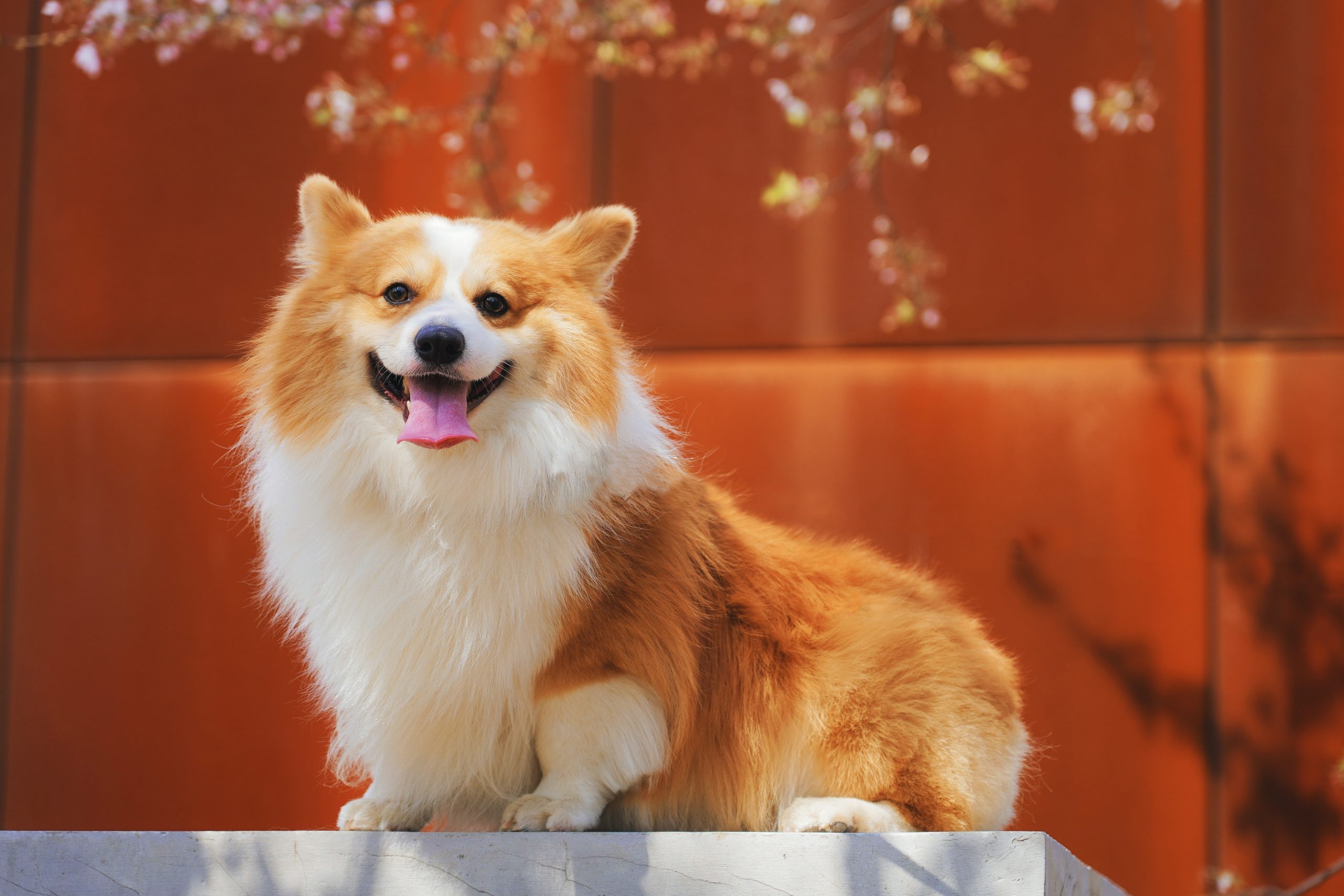
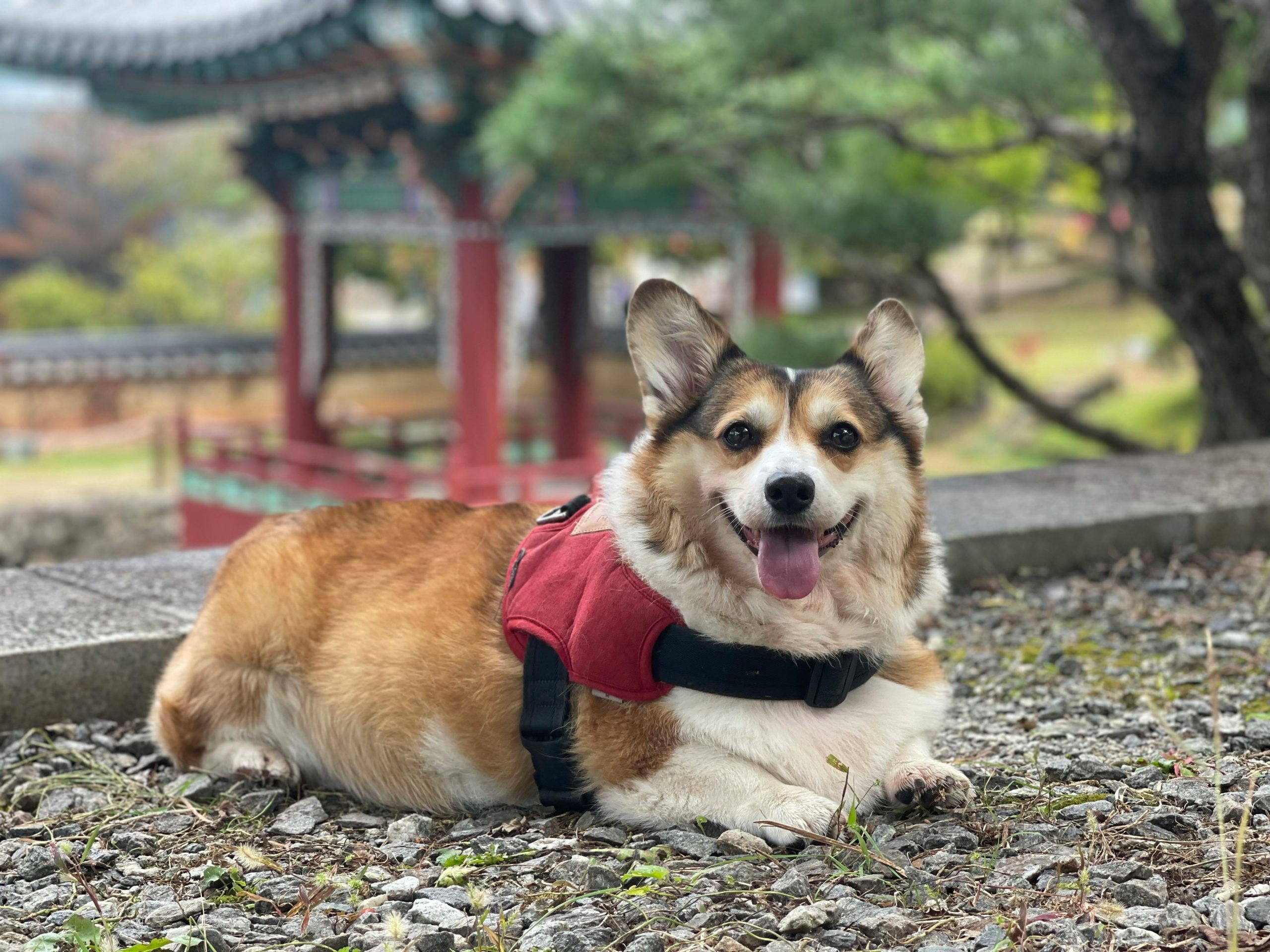
Pembroke Welsh Corgis were bred to herd cattle, a job that required courage and quick reflexes despite their short legs. This active past created an efficient, sturdy dog with a healthy appetite. Corgis are famously intelligent and respond very well to food rewards, often learning new commands with impressive speed when treats are involved. Their compact bodies can gain weight quickly, and excess pounds put strain on their long backs and joints, so their strong food drive must be balanced with careful portion control.
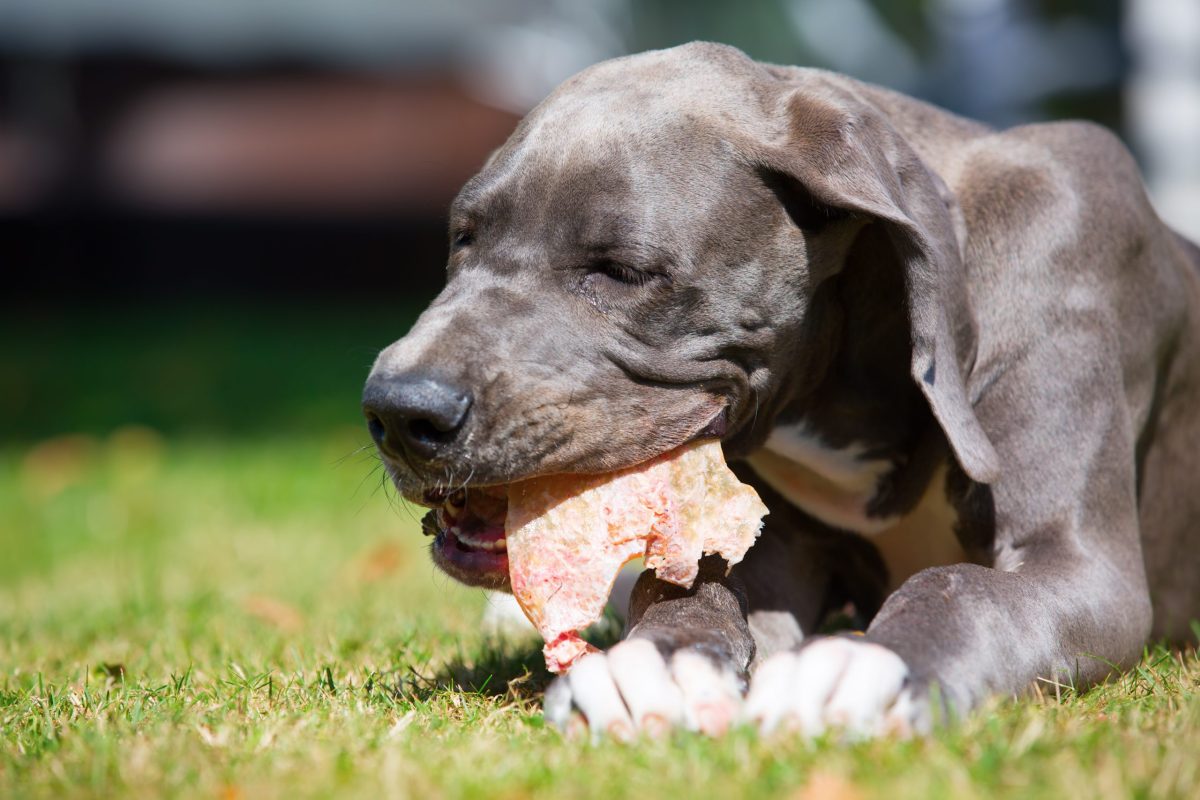
Great Dane
 Shutterstock
Great Danes are gentle giants with equally giant appetites. Originally bred to hunt large game such as boar, they needed substantial nourishment to sustain their impressive size and strength. Even as modern companions, they require carefully managed diets to support growth and maintain healthy muscle mass. Their food drive can be significant, especially during puppyhood when rapid growth demands high caloric intake, making structured feeding schedules essential to prevent both underfeeding and overfeeding in this massive breed.

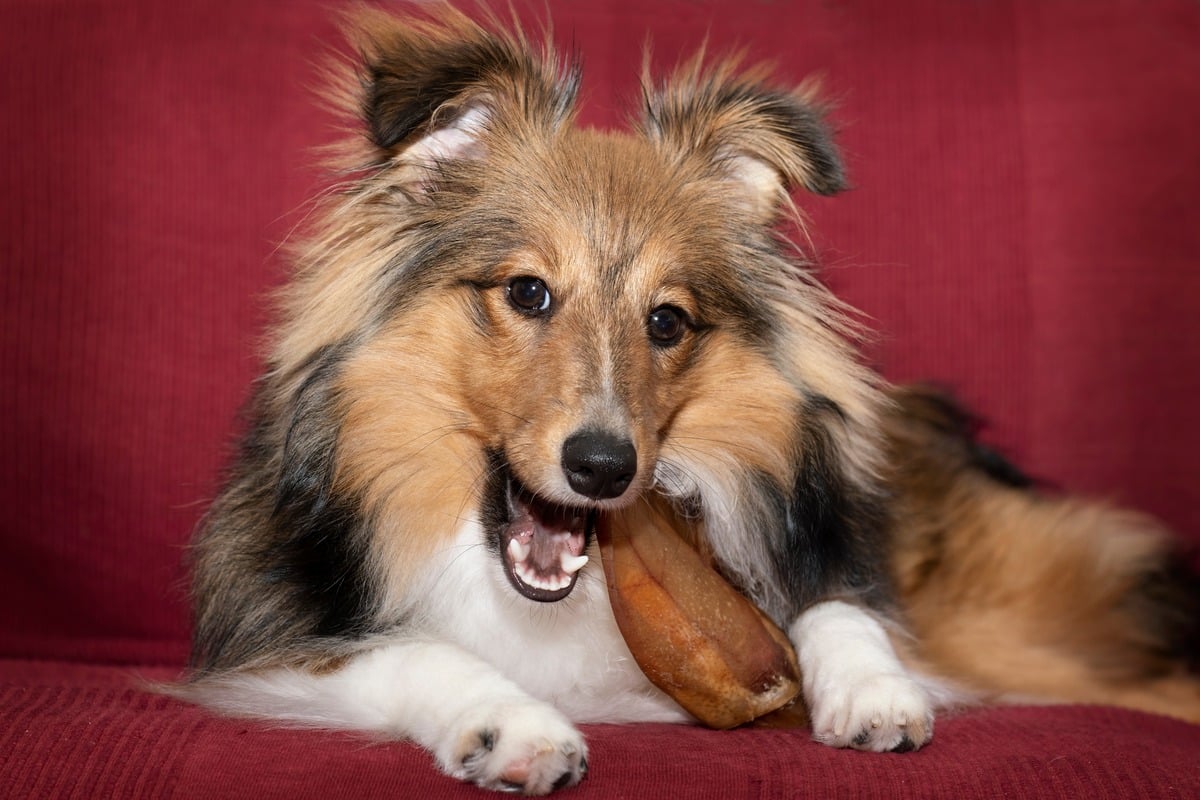
Shetland Sheepdog
 Shutterstock
Shetland Sheepdogs are intelligent herding dogs that thrive on mental and physical stimulation. Developed to work on rugged terrain managing livestock, they required steady energy and quick responsiveness to handlers. Many Shelties are highly food motivated, which makes them stars in obedience and agility training when treats are used effectively. Although they are generally moderate in size, their keen appetite can still lead to weight gain if owners rely too heavily on edible rewards without adjusting daily meal portions.
The Snack Attack Hall Of Fame
 MidJourney
Living with a dog that has a huge appetite and a strong food drive can be both entertaining and challenging. These breeds often excel in training because treats capture their full attention, but their enthusiasm for snacks requires thoughtful management and consistency from owners. Measured portions, high-quality diets, and regular exercise are crucial to prevent obesity and related health issues. Understanding a breed’s history helps explain why that pleading stare feels so powerful and persistent. For many of these dogs, food once meant survival and success at work.









 English (US) ·