
 3 weeks ago
42
3 weeks ago
42
iHeartDogs is reader-supported. When you buy via links on our site, we may earn an affiliate commission at no extra cost to you.
If your dog is struggling with allergies, you might be searching for natural ways to provide relief without relying solely on medications. From regular grooming to soothing remedies like apple cider vinegar and calendula, there are several effective options to help ease your pup’s discomfort. Adding omega fatty acids to their diet can also promote healthier skin and reduce inflammation.
One of the most significant changes you can make is switching to a fresh diet made from human-grade ingredients and free of fillers, which can help address the root cause of many allergies and improve your dog’s overall well-being.

Common Signs Of Allergies In Dogs
Allergies can manifest in various ways, but the most common signs are:
- Itchy skin: Your dog might scratch, bite, or rub themselves excessively.
- Skin redness or inflammation: You might notice hot spots or other irritated areas.
- Excessive licking: Dogs may lick their paws or other body parts due to irritation.
- Ear infections: Allergies can predispose dogs to recurring ear issues.
- Hair loss: Scratching and irritation can lead to patches of missing fur.
- Runny eyes or nose: Some dogs experience allergy-related discharge.
- Vomiting or diarrhea: Dogs with food sensitivities may experience GI symptoms.
If you notice any of these signs, it’s important to consult your veterinarian to determine the cause of your dog’s discomfort and create a treatment plan.
5 Ways To Naturally Reduce Your Dog’s Allergy Symptoms
1. Calm Itchy Skin with Soothing Baths And Regular Grooming

Bathing might not sound like a groundbreaking remedy, but for dogs with environmental allergies, it can be a game-changer. Frequent baths help remove pollen, dust, and other irritants from your dog’s coat and skin.
- Oatmeal Shampoo: Look for shampoos with soothing ingredients like oatmeal, which can moisturize and relieve itchy skin.
- Weekly Bathing: Depending on the severity of your dog’s allergies, a weekly bath could significantly improve their comfort.
- Brushing and Combing: Regular grooming helps remove dead skin and hair, allowing new, healthy growth and removing allergens trapped in the fur.
Note: The ideal frequency of bathing will vary depending on your dog’s specific needs and your veterinarian’s recommendations. Overbathing can strip the skin of natural oils, so it’s important to find a balance. Use a gentle, hypoallergenic shampoo with soothing ingredients like oatmeal.
2. Harness The Power Of Apple Cider Vinegar
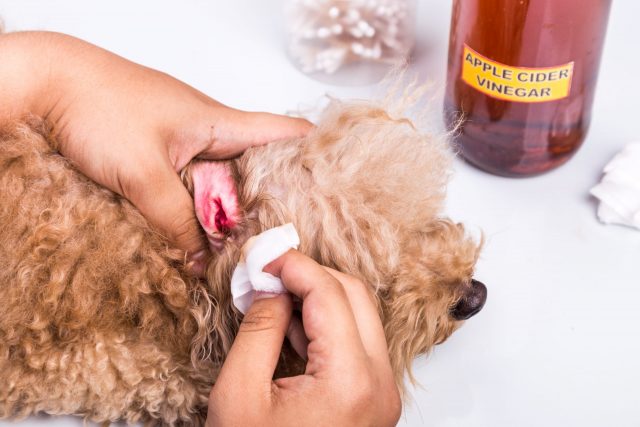
Organic, unfiltered apple cider vinegar is a natural wonder with multiple uses for dogs with allergies:
- Skin Soother: A 50/50 solution of apple cider vinegar and water can be sprayed on hot spots or itchy areas to provide relief.
- Ear Cleaner: Apple cider vinegar’s acidity creates an environment where yeast, a common allergen trigger, cannot thrive.
- Flea and Tick Repellent: A light mist of diluted apple cider vinegar can help deter these pesky parasites.
- Always Dilute: Make sure the vinegar is diluted properly to avoid irritating your dog’s skin.
Note: It’s always a good idea to test a small area of your dog’s skin first and watch for any signs of irritation. Avoid using it on broken skin or near your dog’s eyes. If you have any concerns, consult your veterinarian.
3. Nourish Your Pup with A Wholesome, Fresh Food Diet
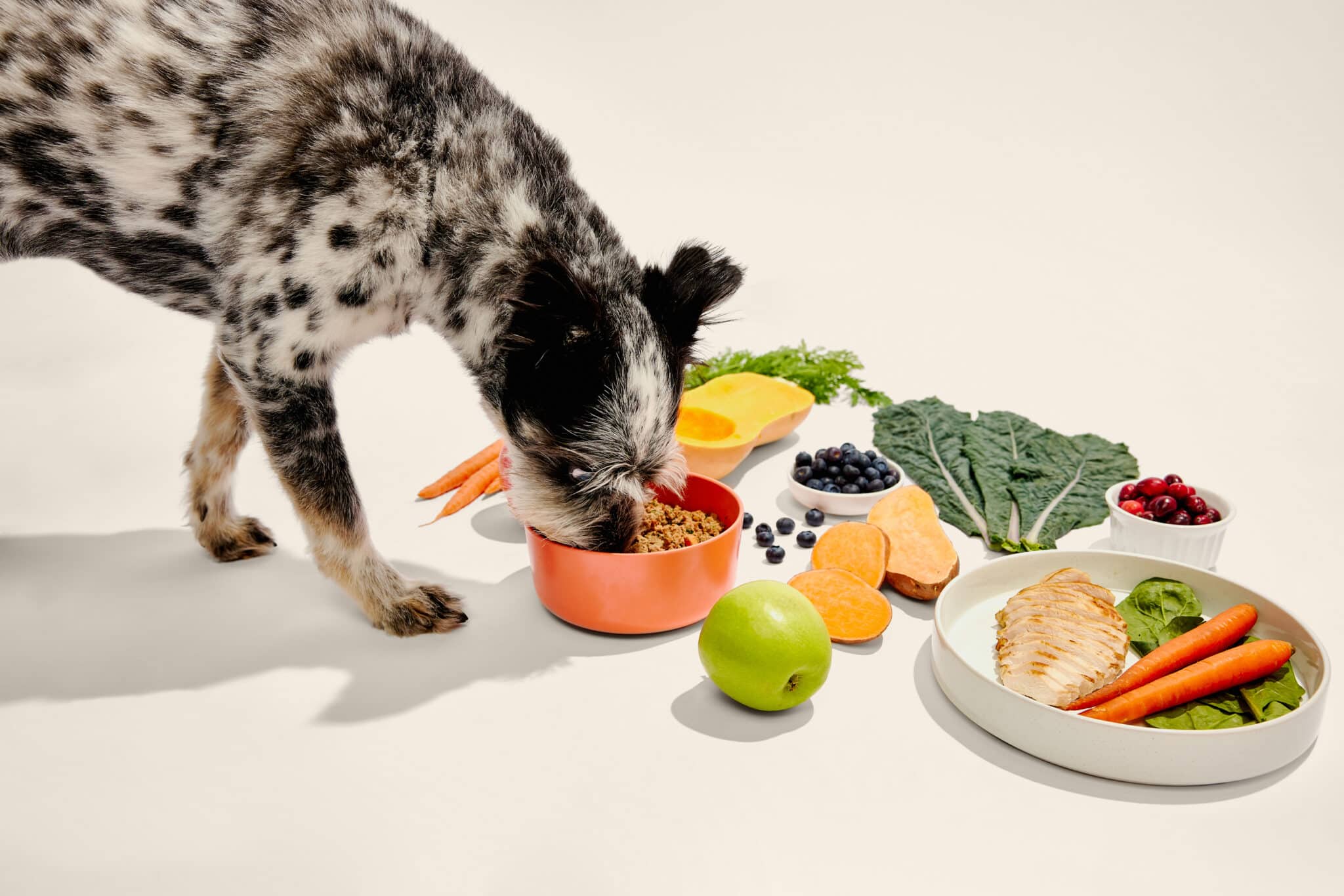
When it comes to relieving your dog’s allergies naturally, choosing the right food is crucial.
- Fresh Dog Food: Consider switching to a fresh dog food brand made with high-quality ingredients. These diets often contain fewer artificial additives and fillers that can trigger allergies.
- Grain-Free Options: If your dog has sensitivities, explore grain-free recipes with nutritious alternatives like sweet potatoes or lentils.
- Consult Your Vet: Always talk to your veterinarian before making significant dietary changes. They can help you choose the right food for your dog’s specific needs.
Diet plays an essential role in your dog’s overall health and immune system function. Many commercial dog foods contain fillers, artificial ingredients, and low-quality proteins that can trigger allergies or sensitivities. That’s why Ollie is such a game-changer.
Switching to a fresh, whole-food diet like Ollie can reduce inflammation, improve skin and coat health, and alleviate many other allergy symptoms. Ollie’s recipes contain only what your dog needs to thrive, including high-quality, human-grade proteins, fruits, and vegetables. They are also free of artificial additives and fillers.
4. Soothe Inflammation With Calendula

This cheerful member of the sunflower family offers several benefits for dogs with allergies:
- Topical Relief: Calendula tea or gel can be applied to irritated skin to reduce inflammation and itching.
- Anti-Fungal and Anti-Yeast: Calendula’s natural properties help combat secondary infections often associated with allergies.
- Immune Support: Some dog parents find that adding calendula to their dog’s diet helps boost their immune system.
5. Support Healthy Skin And Coat With Omega-3 Fatty Acids

Omega-3 fatty acids are essential for maintaining your dog’s skin and coat health, which is crucial for managing allergies:
- Anti-Inflammatory: Omega-3s help reduce inflammation, a key component of allergic reactions.
- Skin Barrier: These fatty acids support the skin’s natural barrier, helping to keep out allergens and irritants.
- Omega 3-6-9 Supplements: Omega supplements provide a balanced blend of omega fatty acids to promote a healthy coat, minimize shedding, and soothe dry skin.
Note: Omega-3 supplements can significantly improve your dog’s skin and coat health. Look for products that contain both EPA and DHA, the two most important types of omega-3 fatty acids for dogs.
The Role of A High-Quality, Natural Diet In Managing Canine Allergies
A high-quality, natural diet is the most crucial aspect in managing canine allergies, as it helps reduce exposure to common allergens and supports overall immune health. Natural ingredients, free from artificial additives and fillers, minimize the risk of triggering allergic reactions. Additionally, a well-balanced diet rich in essential nutrients can strengthen a dog’s immune system, making it better equipped to handle environmental allergens.
By offering recipes that feature single animal proteins, Ollie helps identify and eliminate potential allergens from your dog’s diet. With human-grade ingredients and no common allergens like corn, soy, or wheat, Ollie’s recipes are crafted under the guidance of a veterinary nutritionist to ensure they are both safe and nutritious. Additionally, their grain-free options can be particularly beneficial for dogs with sensitivities, making Ollie a natural choice for managing your dog’s allergies.
Try Ollie today and save 60% on your dog’s first box!
Frequently Asked Questions
1. What are the common signs of allergies in dogs?
Common signs include itchy skin, redness or inflammation, excessive licking, ear infections, hair loss, runny eyes or nose, and even digestive issues like vomiting or diarrhea.
2. Can dog allergies be managed naturally?
Yes, many natural remedies such as regular grooming, soothing baths, apple cider vinegar, fresh diets, and omega fatty acids can help reduce allergy symptoms in dogs.
3. How do soothing baths help dogs with allergies?
Bathing helps remove allergens like pollen and dust from your dog’s skin and coat, while ingredients like oatmeal can soothe irritation and moisturize the skin.
4. Is apple cider vinegar safe for dogs with allergies?
Yes, when properly diluted, apple cider vinegar can help soothe itchy skin, clean ears, and even repel fleas and ticks, but it should never be used on broken skin or near the eyes.
5. Can diet affect my dog’s allergies?
Absolutely. Diet plays a major role in allergies, as low-quality foods with fillers and artificial ingredients can trigger sensitivities, while fresh, natural diets can help reduce inflammation and symptoms.
6. Why is fresh dog food beneficial for allergies?
Fresh dog food made with high-quality, human-grade ingredients is easier to digest and free from common allergens, which can help improve skin health and reduce allergic reactions.
7. What is calendula and how does it help dogs?
Calendula is a natural plant known for its anti-inflammatory and antifungal properties. It can be applied topically to soothe irritated skin and help prevent infections.
8. How do omega-3 fatty acids help dogs with allergies?
Omega-3 fatty acids reduce inflammation, support the skin’s protective barrier, and promote a healthy coat, which can help minimize allergy symptoms.
9. What type of diet is best for dogs with allergies?
A high-quality, natural diet with limited ingredients, free from fillers like corn, soy, and wheat, is ideal for reducing allergic reactions and supporting immune health.
10. Can grain-free diets help with dog allergies?
Grain-free diets can be beneficial for some dogs with sensitivities, as they replace common allergens with alternatives like sweet potatoes or lentils.
11. When should I take my dog to the vet for allergies?
You should consult your veterinarian if your dog shows persistent symptoms like severe itching, infections, digestive issues, or worsening discomfort to determine the proper treatment plan.
12. How can Ollie help dogs with allergies?
Ollie offers fresh, human-grade meals made without fillers or common allergens, helping reduce inflammation, support digestion, and improve overall health in dogs with allergies.

Your Pup Deserves a Happy, Allergy-Free Life!
Natural remedies can offer a gentle and effective way to manage your dog’s allergy symptoms and improve their overall well-being. By combining soothing baths, a fresh food diet, and supportive supplements like omega-3 fatty acids, you can help your furry friend feel their best!
Remember to always consult your veterinarian for personalized guidance and treatment options.









 English (US) ·