
 1 month ago
54
1 month ago
54
iHeartDogs is reader-supported. When you buy via links on our site, we may earn an affiliate commission at no extra cost to you.
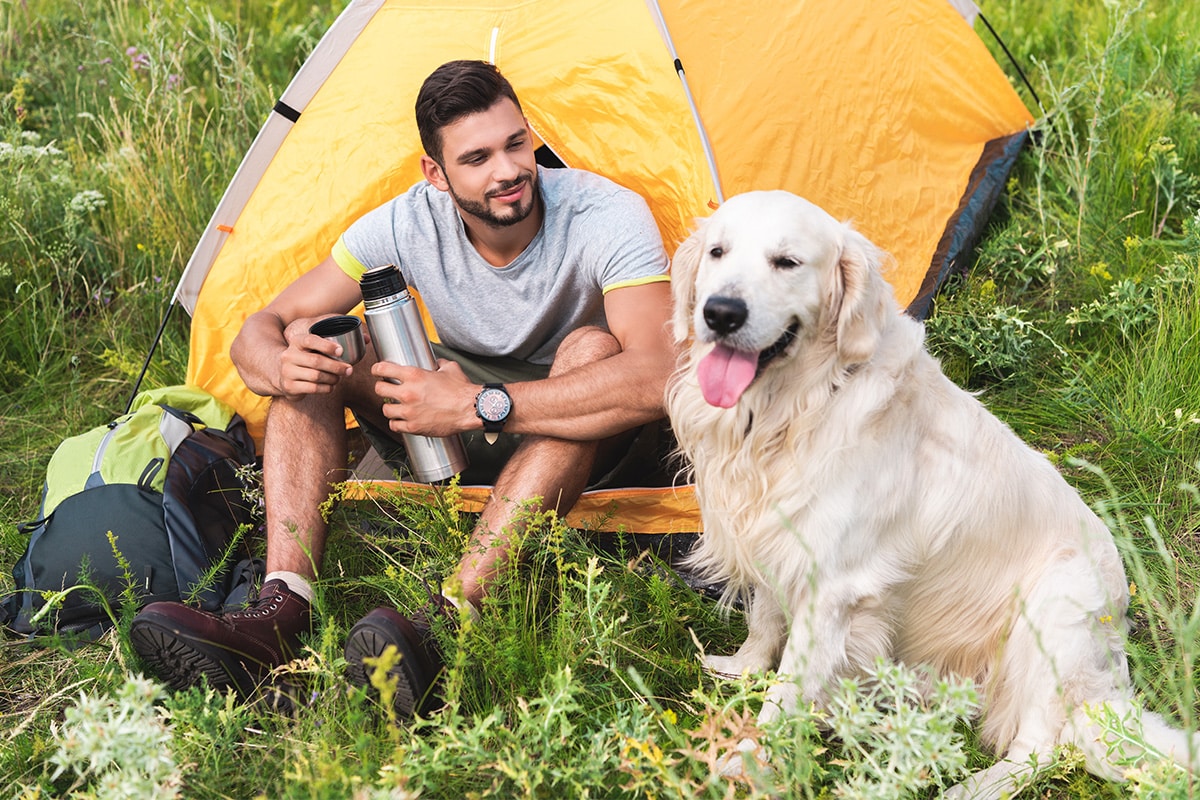
Few adventures are better than spending a weekend in the great outdoors with your dog. Whether you’re pitching a tent beside a mountain lake, relaxing at a wooded campground, or exploring miles of hiking trails, camping gives your pup the chance to experience new sights, smells, and plenty of quality time with their favorite person.
But camping with a dog requires a little more planning than simply tossing a leash in the car. New environments can expose dogs to heat, wildlife, ticks, rough terrain, unfamiliar people, and unexpected hazards. The right preparation and the right gear can help keep your dog comfortable, healthy, and safe throughout your trip.
This guide covers everything you need to know before heading out, from choosing the right camping equipment to keeping your dog hydrated, preventing ticks, practicing campground etiquette, and packing the essentials that make outdoor adventures more enjoyable for everyone.

Camping With Your Dog Safety Tips, Packing Essentials, and Gear You’ll Actually Use
Prepare Your Dog Before You Leave Home
A successful camping trip starts long before you pull into the campground.
Before your adventure, make sure your dog:
- Is comfortable riding in the car
- Has current ID tags and a registered microchip
- Is up to date on vaccinations
- Has flea and tick prevention
- Knows basic commands like “come,” “leave it,” and “stay”
- Is physically healthy enough for hiking or longer walks
If this is your dog’s first camping trip, consider practicing with shorter hikes or spending a night in a tent at home so they become familiar with the experience.
Pack a Comfortable Place to Sleep
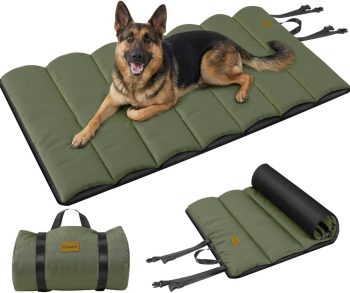
Roll-Up Outdoor Dog Bed
Camping is exciting, but it’s also exhausting. After a day filled with hiking, swimming, sniffing new trails, and exploring camp, your dog will appreciate a comfortable place to recharge.
A roll-up outdoor dog bed creates a clean, insulated sleeping space that keeps your pup off cold ground, rocks, sticks, and damp grass. It’s lightweight enough to pack easily while giving your dog a familiar place to settle down at bedtime.

Hydration Is Important
Dogs lose water quickly during hiking, warm weather, and active play. Dehydration can happen surprisingly fast during summer camping trips.
Bring more water than you think you’ll need, and encourage frequent water breaks throughout the day.
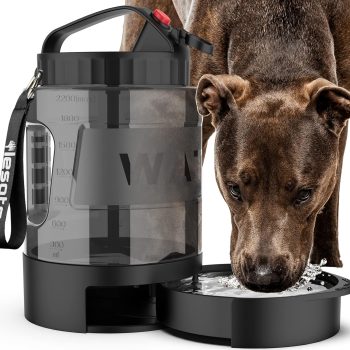
lesotc Portable Dog Travel Water Bottle
A portable water bottle with a built-in drinking bowl makes hydration simple, whether you’re hiking a trail or relaxing around camp. Instead of searching for a clean bowl every time your dog gets thirsty, you can offer fresh water anytime.

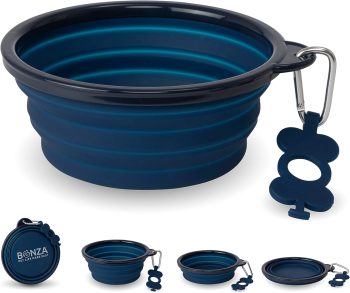
Bonza Collapsible Dog Bowl
Every camping checklist should include at least one collapsible bowl. They weigh almost nothing, fold flat inside backpacks, and work for both food and water throughout your trip.
Keep Food Fresh While Camping
Outdoor adventures can make dogs surprisingly hungry. Bringing enough food and storing it properly is essential, especially during multi-day camping trips.
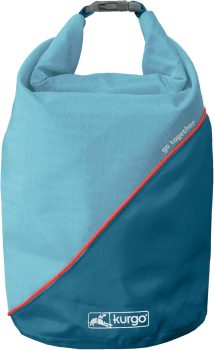
Kurgo Kibble Carrier
Rather than packing an entire bag of kibble, this travel-friendly carrier keeps food organized, protected from moisture, and easy to pour. It’s designed specifically for road trips, camping, and other outdoor adventures.
Choose the Right Walking Gear
Campgrounds are full of distractions. Wildlife. Other campers. Squirrels. New smells. A properly fitted harness gives you better control while reducing pressure on your dog’s neck.
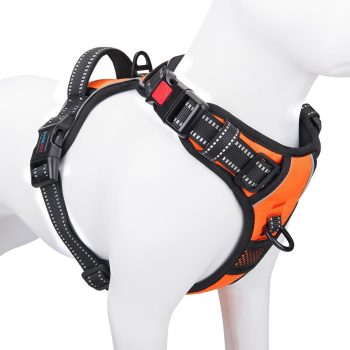
No Pull Dog Harness
Whether you’re walking around camp or tackling hiking trails, a no-pull harness helps make every outing more comfortable. It offers better control for enthusiastic explorers while distributing pressure across the chest instead of the throat.
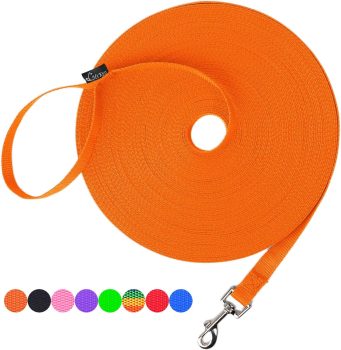
Hi Kiss Dog Lead – Long Length
Many campgrounds require dogs to stay on leash, but that doesn’t mean they can’t enjoy a little freedom. A long training lead gives your dog room to sniff and explore while helping you stay within campground rules.
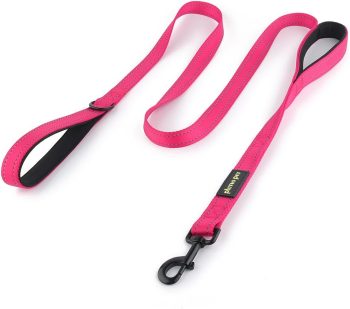
Plutus Pet Reflective Double Handle Dog Leash
Dual handles make navigating crowded campgrounds much easier. The shorter traffic handle provides extra control when passing other campers, while reflective stitching increases visibility during early morning and evening walks.
Give Your Dog Freedom Around Camp
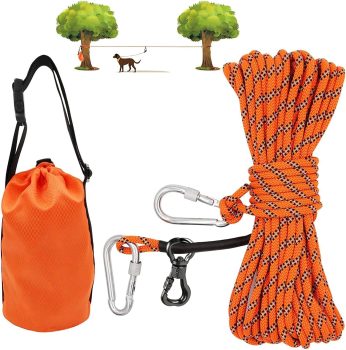
Dog Tie Out Cable with 50-Foot Portable Overhead Trolley System
Once you’ve set up camp, your dog will likely want to investigate every inch of the campsite. An overhead trolley system allows them to move around safely without wrapping themselves around picnic tables, tents, or trees. It gives your dog freedom while keeping them secure and respecting campground leash rules.
Stay Visible After Dark
Camping doesn’t end when the sun goes down. Late-night potty breaks, campfire walks, and early morning hikes all happen in low-light conditions.
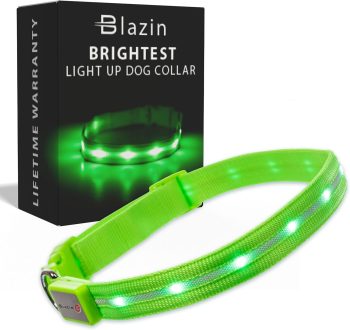
Blazin Light Up Dog Collar
A rechargeable LED collar helps you keep track of your dog around camp while making them more visible to other campers.
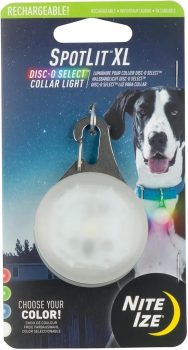
Nite Ize SpotLit XL Rechargeable Collar Light
For even greater visibility, clip this rechargeable light onto your dog’s collar or harness. It’s especially useful if your dog has a dark coat or enjoys wandering around the campsite after sunset.
Protect Against Fleas and Ticks
Ticks are one of the biggest health concerns when camping with dogs.
After every hike, check your dog’s:
- ears
- neck
- between the toes
- armpits
- belly
- under the collar
- around the tail
Removing ticks quickly can reduce the risk of tick-borne diseases.
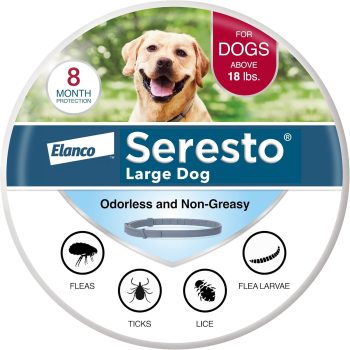
Seresto Flea & Tick Collar
Preventing flea and tick bites is much easier than treating them. If your veterinarian recommends it, make sure your dog is protected before heading into wooded or grassy areas.
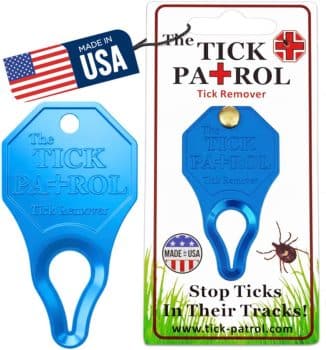
The Tick Patrol Aluminum Tick Remover Tool
Even with prevention, it’s smart to carry a tick removal tool. It’s lightweight, inexpensive, and takes up almost no room in your camping supplies.
Pack a Dog First Aid Kit
Minor injuries can happen when dogs spend time outdoors. Sharp rocks. Thorns. Scraped paw pads. Bee stings. A first-aid kit gives you peace of mind until veterinary care is available, if needed.
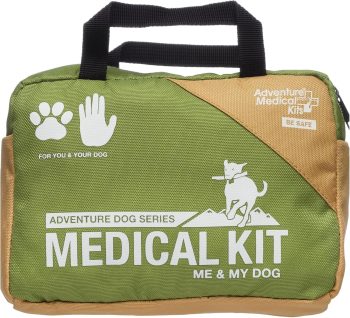
Adventure Medical Kits Me & My Dog Medical Kit
Designed specifically for outdoor adventures with dogs, this kit includes supplies that can help treat minor injuries while you’re away from home.
Help Your Dog Stay Cool While Camping
Summer camping trips can quickly become uncomfortable, or even dangerous, if your dog gets too hot. Dogs don’t sweat the way humans do, so they rely primarily on panting to regulate their body temperature. High temperatures, humidity, and strenuous activity can increase the risk of heat exhaustion or heatstroke.
Plan hikes during the cooler morning and evening hours, take frequent water breaks, and always make shade available.
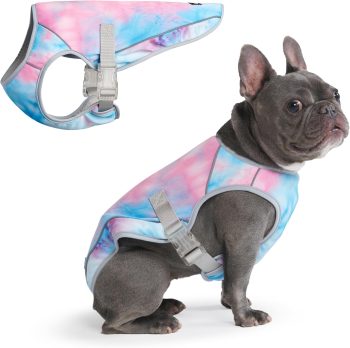
Spark Paws Dog Cooling Vest – SPF 50 UV Sun Protection
Cooling vests are one of the easiest ways to help regulate your dog’s body temperature during warm-weather adventures. Simply wet the vest before heading out, and the evaporative cooling effect helps keep your dog comfortable while also providing SPF 50 UV protection from the sun.
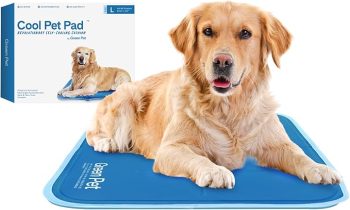
The Green Pet Shop Cooling Dog Mat
After a long hike, your dog will appreciate a cool place to relax. This pressure-activated cooling mat doesn’t require electricity or refrigeration, making it perfect for tents, campers, picnic shelters, or relaxing under a shady tree.
3-in-1 Camping Fan
A portable camping fan can make evenings inside a tent or camper much more comfortable for both you and your dog. Many models include built-in lighting and rechargeable batteries, making them a smart addition to any camping setup.

Bring Plenty of Entertainment
Even active dogs have downtime around camp. Having a few familiar toys helps prevent boredom and gives your dog positive outlets for their energy while you’re cooking dinner or relaxing.
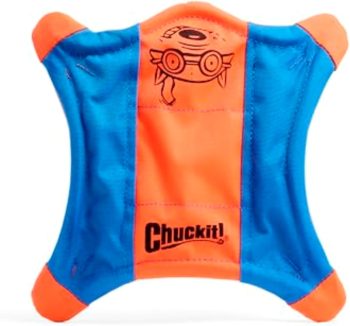
Chuckit! Flying Squirrel Fetch Dog Toy
This flying toy is practically made for camping adventures. It glides through the air, floats on water, and is easy for dogs to catch. Whether you’re playing in an open field or near a lake, it’s an excellent way to burn off extra energy before settling in for the evening.
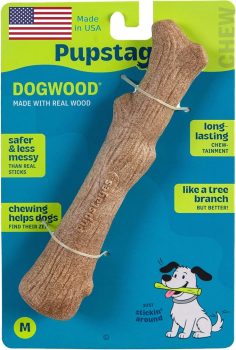
Pupstages Dogwood Dog Chew Toy
Many dogs naturally want to chew on sticks while camping, but real sticks can splinter and cause mouth or digestive injuries. This chew toy offers the look and feel of real wood while providing a much safer alternative.
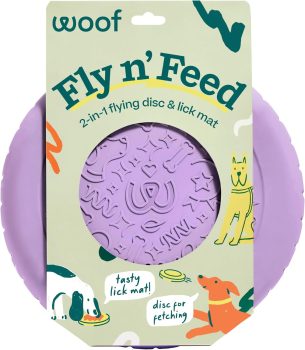
WOOF Fly n’ Feed Flying Disc and Lick Mat
Few toys are as versatile as this one. Use it as a flying disc for an energetic game of fetch, then flip it over and spread on peanut butter, yogurt, or wet food to create a calming enrichment activity back at camp.
Don’t Forget Cleanup Supplies
Camping with your dog also means respecting nature and fellow campers. Always clean up after your dog, even in remote campgrounds.
Earth Rated Poop Bags
Strong, leak-resistant poop bags are a camping essential. Keeping trails and campsites clean protects wildlife, respects other visitors, and helps preserve beautiful outdoor spaces for everyone to enjoy.

A Campfire Treat They’ll Love
One of the best parts of camping is winding down beside the fire at the end of the day. While your dog shouldn’t share your marshmallows or chocolate, they can still enjoy a special camping-themed snack.
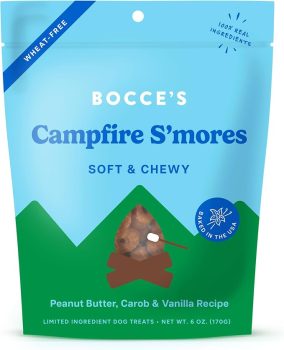
Bocce’s Bakery Campfire S’Mores Treats for Dogs
These peanut butter and carob treats capture the fun of classic campfire s’mores in a recipe made just for dogs. They’re the perfect reward after a day filled with hiking, swimming, and exploring.
Campfire Safety for Dogs
A glowing campfire creates unforgettable memories—but it also presents risks for curious dogs.
Keep these campfire safety tips in mind:
- Never allow your dog to get too close to open flames or hot coals.
- Keep roasting sticks, skewers, and sharp firewood out of reach.
- Don’t allow dogs to chew on burned wood or charcoal.
- Avoid feeding campfire foods like marshmallows, chocolate, onions, grapes, raisins, or foods seasoned with garlic.
- Make sure your dog always has access to fresh drinking water.
- Supervise your dog whenever the fire is burning, even if they normally stay close by.
Even after a fire appears to be out, hot embers can remain dangerous for hours.
Wildlife Safety While Camping With Dogs
Camping often means sharing the outdoors with wildlife.
Your dog may encounter:
- Deer
- Raccoons
- Skunks
- Snakes
- Coyotes
- Bears
- Porcupines
- Birds
- Small mammals
While your dog may simply be curious, wildlife often doesn’t appreciate an unexpected greeting.
To keep everyone safe:
- Keep your dog leashed whenever required.
- Don’t allow them to chase wildlife.
- Store dog food securely overnight.
- Never leave food bowls outside after meals.
- Keep your campsite clean to avoid attracting animals.
- Watch where your dog explores, especially in tall grass or rocky areas.
A strong “leave it” command can be incredibly valuable on camping trips.
Camping Etiquette Every Dog Parent Should Know
Being a responsible camper helps ensure that dogs remain welcome at campgrounds across the country.
Follow these simple guidelines:
- Respect campground leash rules.
- Pick up after your dog immediately.
- Prevent excessive barking, especially during quiet hours.
- Ask before allowing your dog to greet other campers or pets.
- Keep your dog out of neighboring campsites.
- Never leave your dog unattended for long periods.
- Respect wildlife and natural habitats.
- Follow all campground pet policies.
A well-mannered dog makes camping more enjoyable for everyone.
Frequently Asked Questions About Camping With Dogs
1. Is camping safe for dogs?
Yes! Camping can be a wonderful experience for most healthy dogs. It provides physical exercise, mental enrichment, and valuable bonding time with their families. The key is choosing dog-friendly campgrounds, bringing the right gear, staying aware of weather conditions, and supervising your dog around wildlife, campfires, and unfamiliar terrain.
2. What should I pack when camping with my dog?
A basic dog camping checklist should include food and treats, plenty of fresh drinking water, a portable water bottle, collapsible food and water bowls, a comfortable dog bed, a harness and leash, a long lead or tie-out system, waste bags, cooling gear, a first aid kit, flea and tick prevention, a tick remover, favorite toys or chews, and ID tags along with proof of vaccinations if required. Packing ahead helps ensure your dog stays safe, comfortable, and happy throughout your trip.
3. Can dogs drink lake water?
It is best not to let your dog drink from lakes, ponds, rivers, or streams while camping. Natural water sources can contain harmful bacteria, parasites such as Giardia, blue-green algae, and other contaminants that may cause vomiting, diarrhea, dehydration, or more serious illnesses.
Instead, always pack plenty of fresh drinking water and offer frequent drinks using a portable water bottle or collapsible bowl. Keeping your dog hydrated with clean water is one of the easiest ways to help them stay healthy on the trail.
4. Can dogs sleep in tents?
Absolutely! Most dogs are happiest sleeping inside the tent with their family. Sleeping indoors helps protect your dog from changing weather, insects, wildlife, and nighttime distractions while also preventing them from wandering away.
Bringing a familiar dog bed or blanket can also help your pup settle down more easily after an exciting day of exploring.
5. Should dogs be off-leash while camping?
Unless you are in a designated off-leash area, the answer is usually no. Most campgrounds require dogs to remain on a leash at all times. Even dogs with excellent recall can become distracted by squirrels, deer, birds, unfamiliar scents, or other campers.
A long training lead or overhead tie-out gives your dog more freedom while helping keep them safe and respecting campground rules.
6. How do I keep my dog cool while camping?
Dogs can overheat quickly during summer camping trips. Offer fresh water frequently, take breaks in the shade, avoid hiking during the hottest part of the day, use cooling products such as cooling vests or cooling mats, and watch for signs of overheating, including excessive panting, drooling, weakness, vomiting, or lethargy.
If your dog shows signs of heatstroke, move them to a cool area immediately and contact a veterinarian as soon as possible.
7. Do dogs need flea and tick protection before camping?
Yes. Ticks and fleas are common in wooded areas, tall grass, and many campgrounds. Using veterinarian-recommended flea and tick prevention before your trip can help reduce your dog’s risk of parasite bites and the diseases they may carry.
After every hike, check your dog’s ears, neck, belly, armpits, paws, and tail for ticks.
8. What should be in a dog camping first aid kit?
A dog first aid kit should include gauze and bandages, antiseptic wipes, tweezers, a tick remover, medical tape, saline solution, disposable gloves, blunt-tip scissors, an emergency blanket, and any medications your dog takes regularly. A dedicated dog first aid kit can be invaluable if your pup experiences a minor injury while you are far from veterinary care.
9. Are campfires safe around dogs?
Yes, as long as dogs are closely supervised. Keep your dog away from open flames, hot coals, roasting sticks, and campfire food that is not safe for dogs. Even after a fire has been extinguished, hot embers can remain dangerous for hours.
Providing your dog with a comfortable bed and a chew or enrichment toy nearby can help encourage them to relax safely while everyone enjoys the campfire.
10. Can my dog eat campfire food?
Many popular camping foods are not safe for dogs. Avoid sharing chocolate, marshmallows, onions, garlic, grapes, raisins, alcohol, foods containing xylitol, and fatty table scraps. Instead, bring dog-friendly treats so your pup can enjoy a special snack while everyone else enjoys dinner around the fire.
The Best Camping Trips Start With the Right Preparation
Camping with your dog is one of the most rewarding ways to explore the outdoors together. Whether you’re planning a weekend getaway at your favorite campground or a backcountry hiking adventure, a little preparation goes a long way toward keeping your four-legged companion safe, healthy, and comfortable.
Packing the right dog camping gear, including fresh water, portable bowls, a comfortable bed, flea and tick protection, a first aid kit, cooling products, and safe enrichment toys, helps you spend less time worrying and more time making memories.
Most importantly, remember that every dog is different. Some pups are seasoned adventurers who can hike for miles, while others are happiest relaxing beside the campfire after a short nature walk. Pay attention to your dog’s energy level, keep plenty of fresh water available, and always prioritize their comfort and safety.
With the right planning and a few thoughtfully chosen essentials, you’ll be ready to enjoy scenic trails, peaceful campsites, star-filled skies, and unforgettable adventures together. Here’s to happy camping, wagging tails, and many more nights spent under the stars with your best friend by your side.




 English (US) ·