
Key Takeaways:
- Mayo can be harmful to dogs in large quantities.
- Certain ingredients in mayo, like garlic or onion, can be toxic to dogs.
- If you do share mayo, do so sparingly and ensure it’s plain and safe.
- Always check the ingredients before offering mayo to your dog.
- Consult your vet if your dog eats mayo by accident.
Many pet owners are tempted to share their food with their dogs, but not all human foods are safe for canine consumption. Mayonnaise may seem harmless due to its mild flavor and creamy texture, but it is not a suitable treat for dogs. Mayo can pose several health risks, especially if your dog eats it in large quantities or on a regular basis.
Mayonnaise is high in fat and calories, which can contribute to weight gain and digestive problems in dogs. Some varieties of mayo also contain ingredients like garlic and onion, which are toxic to dogs and can cause serious health issues. Before offering your dog any food containing mayonnaise, be aware of these risks and monitor your pet for any symptoms of illness.
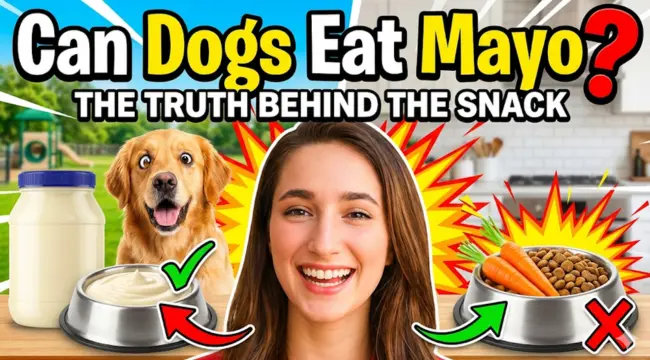
Can Dogs Eat Mayo?
Mayonnaise is not toxic to dogs, but it is high in fat and calories. Feeding your dog mayonnaise regularly can contribute to weight gain and digestive problems. Some brands of mayonnaise also contain garlic or onion powder, which are toxic to dogs and may cause vomiting, diarrhea, or lethargy.
If you choose to give your dog mayonnaise, ensure it is plain and does not contain harmful additives. Only offer mayonnaise as an occasional treat, and do not make it a regular part of your dog’s diet. Watch for any signs of digestive upset after your dog eats mayonnaise, and contact your veterinarian if symptoms persist. When uncertain, avoid feeding your dog mayonnaise and opt for treats that are specifically formulated for dogs.
Why Is Mayo Bad for Dogs?
Mayo is not toxic to dogs, but it is not a healthy option for your pet. This condiment is high in fat and calories, which can lead to weight gain and digestive problems if your dog eats it often or in large quantities. Mayo is also commonly served with other ingredients that may be harmful to dogs.
What Ingredients in Mayo Are Harmful to Dogs?
Not all mayonnaise is the same. Many commercial brands contain ingredients that are dangerous for dogs. Common harmful additives include:
- Garlic and onion: Some mayonnaise contains garlic or onion powder. Both are toxic to dogs and can cause vomiting, diarrhea, and lethargy.
- Excess salt or sugar: Certain mayonnaise varieties contain added salt or sugar. These ingredients can upset your dog’s stomach and may cause more serious health problems if eaten regularly.
Warning: Garlic and Onion Poisoning
Some mayonnaise brands include garlic or onion powder, which can cause toxic reactions in dogs. Watch for symptoms such as vomiting, diarrhea, lethargy, and loss of appetite. Contact your veterinarian if your dog shows any of these signs.
Can Dogs Eat Mayonnaise in Small Amounts?
Plain mayonnaise is not toxic to dogs in small amounts, but it does not offer any nutritional benefits. While a small taste is unlikely to cause harm, it is best to avoid feeding your dog mayonnaise and instead provide foods made for canine health.
If your dog eats a small amount of mayonnaise, watch for signs of digestive upset such as vomiting or diarrhea. Prioritize a balanced diet with foods that are safe and formulated for dogs.
What Should You Do if Your Dog Eats Mayo?
If your dog eats mayonnaise, monitor them for symptoms such as stomach upset, vomiting, or diarrhea. Contact your veterinarian if these symptoms develop or if your dog has eaten a large amount or mayonnaise with harmful ingredients.
Conclusion
Mayonnaise is not toxic to dogs in small amounts, but it is best to avoid feeding it due to potential health risks. Always check ingredients and avoid foods with additives or harmful substances. Consult your veterinarian if you are unsure about what is safe for your dog.
Call to Expert Consultation
If you are unsure about a food, ask your veterinarian for guidance. Your vet can recommend safe options based on your dog’s health and dietary needs.
Frequently Asked Questions
Can dogs eat mayo with mustard or other condiments?
It’s not recommended. Mustard, ketchup, and other condiments often contain ingredients like vinegar, sugar, or artificial additives that may upset your dog’s digestive system. Stick to plain mayo if you choose to share, but it’s best to avoid condiments entirely.
What happens if my dog eats mayo?
If your dog eats a small amount of plain mayo, they are unlikely to experience serious issues. However, mayo is high in fat and can cause digestive upset, diarrhea, or weight gain when consumed in large quantities.
Is it safe for dogs to eat mayo regularly?
No, mayo is not a nutritious food for dogs and can contribute to weight gain, digestive problems, and other health issues when fed regularly. It’s best as an occasional, small treat, if at all.
Can dogs eat vegan mayo or eggless mayo?
Vegan or eggless mayo may still contain harmful ingredients like garlic, onion, or excessive salt. Always check the label before sharing with your dog and ensure it does not contain any toxic additives.
What should I do if my dog eats too much mayo?
If your dog consumes a large amount of mayo, monitor them for signs of gastrointestinal distress, such as vomiting, diarrhea, or lethargy. Contact your veterinarian for advice on how to handle the situation based on your dog’s size and health status.
Can dogs eat mayo with avocado?
No. Avocado contains a substance called persin, which is toxic to some animals, including dogs. If your mayo contains avocado, it should not be shared with your pet.
Can I use mayo as a food topping for my dog?
While small amounts of plain mayo may not harm your dog, it’s best to avoid using it as a topping. There are healthier alternatives specifically designed for pets that can provide flavor without the risks associated with mayo.
















 English (US) ·