
 1 month ago
36
1 month ago
36
So your Pomeranian is growing fast and you’re wondering: is this normal? Good question. These tiny dogs pack a lot of personality into a very small frame, and their weight trajectory is actually pretty fascinating to track. Whether you’ve got a new puppy or you’re trying to figure out if your adult Pom is at a healthy size, this guide breaks it all down.
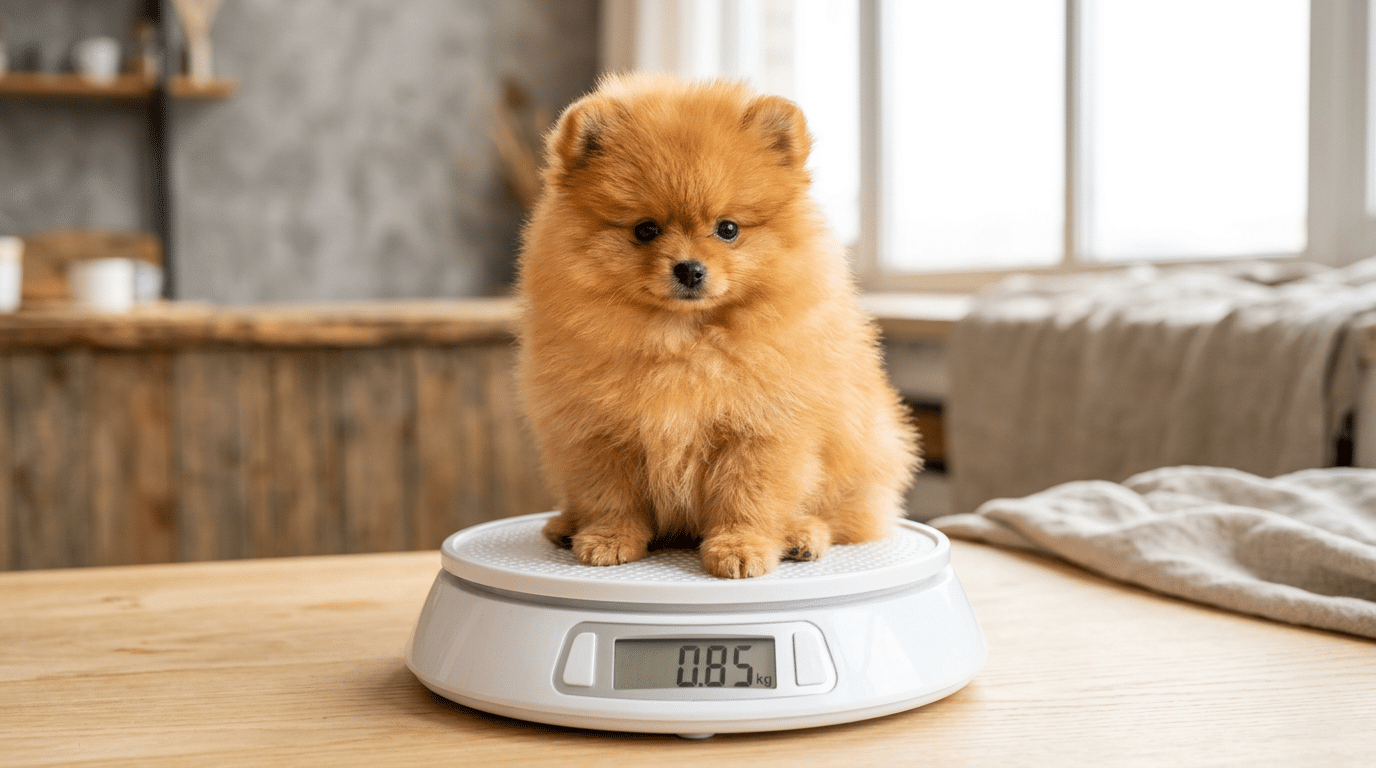
Pomeranians typically weigh between 3 and 7 pounds as adults, but the journey to get there is full of rapid changes. In the first six months alone, they can go from a couple of ounces at birth to nearly their full adult weight. That’s a lot of growth in a short window.
Below you’ll find complete weight and height charts for both male and female Pomeranians, feeding guidelines by age, growth stage info, and answers to the most common questions owners ask. Bookmark this one. You’ll come back to it.
Quick Stats: Pomeranian Size at a Glance
- Adult weight range: 3 to 7 lbs (males and females)
- Adult height: 6 to 7 inches at the shoulder (AKC standard)
- Full grown by: 12 to 18 months
- Growth plates close: 8 to 10 months
- Biggest growth window: Birth to 6 months
- Throwback Pom weight: 10 to 20+ lbs (genetic variation)
Male Pomeranian Weight and Height by Age
Male Poms tend to run very slightly larger than females, though the difference is often just half a pound or so. Here’s what to expect as your male puppy grows from birth through his third year.
| Newborn | 0.2 – 0.5 | 0.09 – 0.23 | 2 – 3 | 5 – 7.6 |
| 1 month | 1 – 2 | 0.45 – 0.9 | 2 – 4 | 5 – 10 |
| 2 months | 2 – 4 | 0.9 – 1.8 | 4 – 6 | 10 – 15 |
| 3 months | 3 – 5 | 1.4 – 2.3 | 5 – 7 | 13 – 18 |
| 4 months | 4 – 6 | 1.8 – 2.7 | 5.5 – 7.5 | 14 – 19 |
| 5 months | 4.5 – 6.5 | 2 – 3 | 6 – 8 | 15 – 20 |
| 6 months | 5 – 7 | 2.3 – 3.2 | 6 – 8.5 | 15 – 21.5 |
| 7 – 9 months | 5 – 7 | 2.3 – 3.2 | 6 – 9 | 15 – 23 |
| 10 – 12 months | 5 – 7.5 | 2.3 – 3.4 | 6 – 9 | 15 – 23 |
| 2 years | 5 – 7.5 | 2.3 – 3.4 | 6 – 9 | 15 – 23 |
| 3 years | 5 – 8 | 2.3 – 3.6 | 6 – 9.5 | 15 – 24 |
Notice that male Poms essentially plateau by around 7 months. That doesn’t mean they’re done developing. Their chest fills out a bit more through year two, and their adult coat comes in fully by 18 months or so.
Female Pomeranian Weight and Height by Age
Female Poms grow along a similar curve but often land at the lighter end of the breed standard. They can also look deceptively smaller than they are because of coat variation during the “puppy uglies” phase (more on that below).
| Newborn | 0.2 – 0.5 | 0.09 – 0.23 | 2 – 3 | 5.1 – 7.6 |
| 1 month | 1 – 1.5 | 0.45 – 0.68 | 4 – 5 | 10.2 – 12.7 |
| 2 months | 1.5 – 2.5 | 0.68 – 1.13 | 5 – 6 | 12.7 – 15.2 |
| 3 months | 2.5 – 3.5 | 1.13 – 1.59 | 6 – 7 | 15.2 – 17.8 |
| 4 months | 3.5 – 4.5 | 1.59 – 2.04 | 7 – 8 | 17.8 – 20.3 |
| 6 months | 4.5 – 5.5 | 2.04 – 2.49 | 8 – 9 | 20.3 – 22.9 |
| 8 months | 5 – 6.5 | 2.27 – 2.95 | 8.5 – 9.5 | 21.6 – 24.1 |
| 10 months | 5.5 – 7 | 2.49 – 3.18 | 9 – 10 | 22.9 – 25.4 |
| 12 months (1 year) | 6 – 7.5 | 2.72 – 3.4 | 9.5 – 10.5 | 24.1 – 26.7 |
| 2 years | 6.5 – 7.5 | 2.95 – 3.4 | 10 – 11 | 25.4 – 27.9 |
| 3 years | 6.5 – 7.5 | 2.95 – 3.4 | 10 – 11 | 25.4 – 27.9 |
These are averages. Some healthy Poms come in at 3.5 pounds, others at 7.5, and both can be perfectly normal depending on their lineage. What matters more than hitting a specific number is a consistent growth curve and a healthy body condition score.
Pomeranian Growth Stages Explained
Poms don’t just grow steadily from newborn to adult. They go through distinct stages, and knowing what to expect makes the whole process less stressful.
Birth to 2 months: Tiny, dependent, and growing fast. Puppies are nursing and starting to open their eyes and ears. Don’t expect much size yet. A 2-month-old Pom weighing 2-3 pounds is right on track.
2 to 4 months: This is when they really start looking like little dogs. They’re curious, bouncy, and putting on weight quickly. This is also when they typically go home with new owners. Feeding them high-quality, small-breed puppy food is critical here. Check out our guide to the best Pomeranian puppy food to make sure you’re starting them off right.
4 to 6 months: Growth starts to slow a little, but they’re still adding weight steadily. You might notice their coat starting to thin out. That’s the “puppy uglies” kicking in, and it’s completely normal. It usually lasts from about 4 to 8 months while they shed their puppy fuzz and grow in the adult double coat.
6 to 10 months: Most of the weight gain is done by now. Your Pom is probably close to their adult weight by 8 or 9 months, though growth plates won’t fully close until 8 to 10 months. Avoid high-impact exercise (jumping off furniture, running on hard surfaces) before those plates close. Adding the right supplements for Pomeranian puppies during this phase can support healthy bone and joint development.
10 months to 18 months: Finishing up. The coat comes in fully, they fill out through the chest and hindquarters, and personality really solidifies. They’re not really “puppies” anymore but they’ll act like it for a few more years.
How Much to Feed Your Pomeranian by Age
Feeding a toy breed correctly is one of those things that matters more than people realize. Too little and you get a hypoglycemia risk, especially in puppies. Too much and you’ve got an overweight dog with joint and heart issues down the road.
Here are general daily feeding guidelines based on age and weight. Always check your specific food’s label for caloric density, since formulas vary.
| 8 to 12 weeks | 1/4 to 1/3 cup | 4 times per day |
| 3 to 6 months | 1/4 to 1/2 cup | 3 times per day |
| 6 to 12 months | 1/3 to 1/2 cup | 2 to 3 times per day |
| 1 year to 7 years (adult) | 1/4 to 1/2 cup | 2 times per day |
| 7+ years (senior) | 1/4 to 3/8 cup | 2 times per day |
Young puppies especially need to eat frequently to keep blood sugar stable. A Pom puppy skipping meals is a vet visit waiting to happen. As they get older, two meals a day works well for most adults.
For senior Poms (7 years and up), caloric needs often drop while joint support becomes more important. Take a look at what supplements work best for senior Pomeranians to help with energy, coat health, and joint mobility.
What’s a Healthy Weight for a Pomeranian?
The AKC breed standard says 3 to 7 pounds. That’s the official guideline, but there’s a much more practical way to check: the rib test.
Run your fingers along your Pom’s ribcage. You should be able to feel each rib fairly easily, but you shouldn’t be able to see them or feel them sticking out sharply. That middle zone is where you want to be. If you’re pressing hard just to find a rib, your dog is carrying extra weight. If the ribs are visible, they might be underweight.
From the top, a healthy Pom should have a visible waist when you look down at them. From the side, their belly should tuck up slightly. A sausage-shaped silhouette is a red flag.
Body condition score (BCS) is a scale vets use to standardize this. On a 1-9 scale, you want your Pom to score a 4 or 5. Most vets will check this at annual exams, so ask about it if they don’t mention it.
Why Your Pomeranian Might Be Over or Underweight
A few pounds in either direction is a big deal for a 5-pound dog. Here’s what usually causes it and what you can do.
Common Causes of Overweight Poms
Treats add up fast with a small dog. A single standard dog biscuit can be 30 to 50 calories, which is a significant chunk of a Pom’s daily allowance (usually 150 to 250 calories depending on size and activity level). If everyone in the household is slipping your dog snacks, the math gets bad quickly.
Spaying and neutering can also lead to a slightly slower metabolism. It doesn’t mean weight gain is inevitable, but it does mean you’ll want to watch portions more carefully after the procedure.
Lack of movement is another big one. Poms are active dogs but they’re also small enough that owners sometimes underestimate how little exercise they’re actually getting. Two short walks a day (10 to 15 minutes each) plus some indoor play usually covers it.
Common Causes of Underweight Poms
Dental issues are surprisingly common and often missed. If eating hurts, your dog eats less. Pomeranians are prone to dental disease, and a mouth that’s uncomfortable can quietly contribute to weight loss over months.
Parasites, thyroid issues, and other health conditions can also cause low weight. If your Pom is eating normally but not holding weight, a vet checkup with bloodwork is the right call. Don’t assume they’re just naturally thin.
Picky eaters are also a real phenomenon with this breed. Some Poms will simply refuse to eat food they don’t like. If that’s your dog, it’s worth trying a few different options. Make sure whatever you choose supports healthy joints from the start. Our guide to joint supplements for Pomeranians covers what to look for as they age.
The Throwback Pomeranian Exception
Some Poms are just big. “Throwback” Pomeranians carry genetics from the breed’s larger sled-dog ancestors and can weigh anywhere from 10 to 20+ pounds. If your Pom is consistently and proportionally large with no fat deposits, you might have a throwback. They’re totally healthy – just not fitting the AKC standard. Get a vet’s opinion if you’re unsure.
Keeping Your Pomeranian at a Healthy Weight
- Weigh monthly during the first year, then every 3 to 6 months as an adult
- Measure food by the tablespoon, not by feel
- Treats = 10% max of daily calories (about 15 to 25 calories for most adult Poms)
- Consistent schedule helps regulate appetite and digestion
- Annual vet checkups include a body condition score evaluation
- Protect their coat: healthy weight supports a better coat and skin condition
Protecting your Pom’s joints and keeping them at a healthy weight go hand in hand. Carrying even one extra pound on a 5-pound frame is proportionally similar to a 150-pound person carrying 30 extra pounds. It adds up fast.
Poms can also be sensitive to stress and environmental changes, which sometimes shows up as appetite changes. If your dog seems anxious or is eating inconsistently, check out these tips on how to calm a Pomeranian’s anxiety – it might be affecting more than just their mood.
Also keep up with parasite prevention year-round. Fleas and ticks aren’t just a nuisance – they can affect your dog’s health and even weight if left unchecked. A solid flea and tick prevention plan for Pomeranians is part of keeping them healthy overall.
Frequently Asked Questions About Pomeranian Weight by Age
How much should a Pomeranian weigh at 3 months?
At 3 months, male Poms typically weigh 3 to 5 pounds and females weigh around 2.5 to 3.5 pounds. There’s natural variation, so don’t panic if yours is a little outside that range. Consistent weight gain is the key indicator, not hitting an exact number.
When is a Pomeranian fully grown?
Most Pomeranians reach their adult weight somewhere between 10 and 12 months. Their coat keeps developing until about 18 months, so they might not look fully “done” until then. Growth plates close around 8 to 10 months, which is why jumping and high-impact activities should be limited before that point.
How much should a Pomeranian weigh at 6 months?
At 6 months, a male Pom typically weighs 5 to 7 pounds and a female weighs around 4.5 to 5.5 pounds. By this age they’re usually 75 to 90% of their adult weight. If they’re significantly below this range and eating well, a vet visit is a good idea.
Do male and female Pomeranians grow at different rates?
Their growth curves are pretty similar, but males tend to run slightly heavier. The difference is often just 0.5 to 1 pound at adulthood. Individual variation within a litter can actually exceed the difference between sexes, so it’s not a reliable predictor on its own.
Is my Pomeranian overweight?
The rib test is your best quick check: you should feel ribs without pressing hard, but they shouldn’t stick out visually. From above, there should be a visible waist tuck. If neither of those is true, talk to your vet about an adjusted feeding plan. Even half a pound of excess weight matters on a small dog.
Why is my Pomeranian bigger than the breed standard?
A few things can cause this. Genetics is the most common. “Throwback” Pomeranians carry ancestral genes from when the breed was larger and can weigh 10 to 20+ pounds. Being a mixed breed is another possibility. And of course, if the extra size is from fat deposits rather than frame size, it’s a weight management issue. Your vet can tell the difference.
What should I feed my Pomeranian puppy for healthy growth?
Look for a high-quality dry kibble specifically formulated for small or toy breed puppies. Small breed formulas have a higher caloric density and smaller kibble size, both of which matter for Poms. Avoid free-feeding. Scheduled meals (3 to 4 times a day for puppies under 6 months) keep blood sugar stable and help you notice early if something’s wrong. See our full breakdown of the best puppy foods for Pomeranians for specific recommendations.
Do growth spurts happen in Pomeranians?
Yes, usually between 3 and 6 months. You might notice your pup eating more and sleeping more than usual during these stretches. That’s normal. Support them with consistent feeding, plenty of sleep, and gentle play on soft surfaces.
When should I switch from puppy food to adult food?
Around 10 to 12 months is the usual transition point for Pomeranians. Switch gradually over 7 to 10 days by mixing the new food with the old to avoid digestive upset. Your vet can confirm the right timing based on your dog’s specific growth progress.
Will spaying or neutering affect my Pomeranian’s size?
It can cause a very slight difference. Spaying or neutering before growth plates close may allow the dog to grow fractionally taller since hormones that trigger plate closure arrive later. But the effect is minimal and not something most owners would notice. The bigger concern post-surgery is a potential metabolic slowdown, which can lead to weight gain if you don’t adjust portions.
Bottom Line
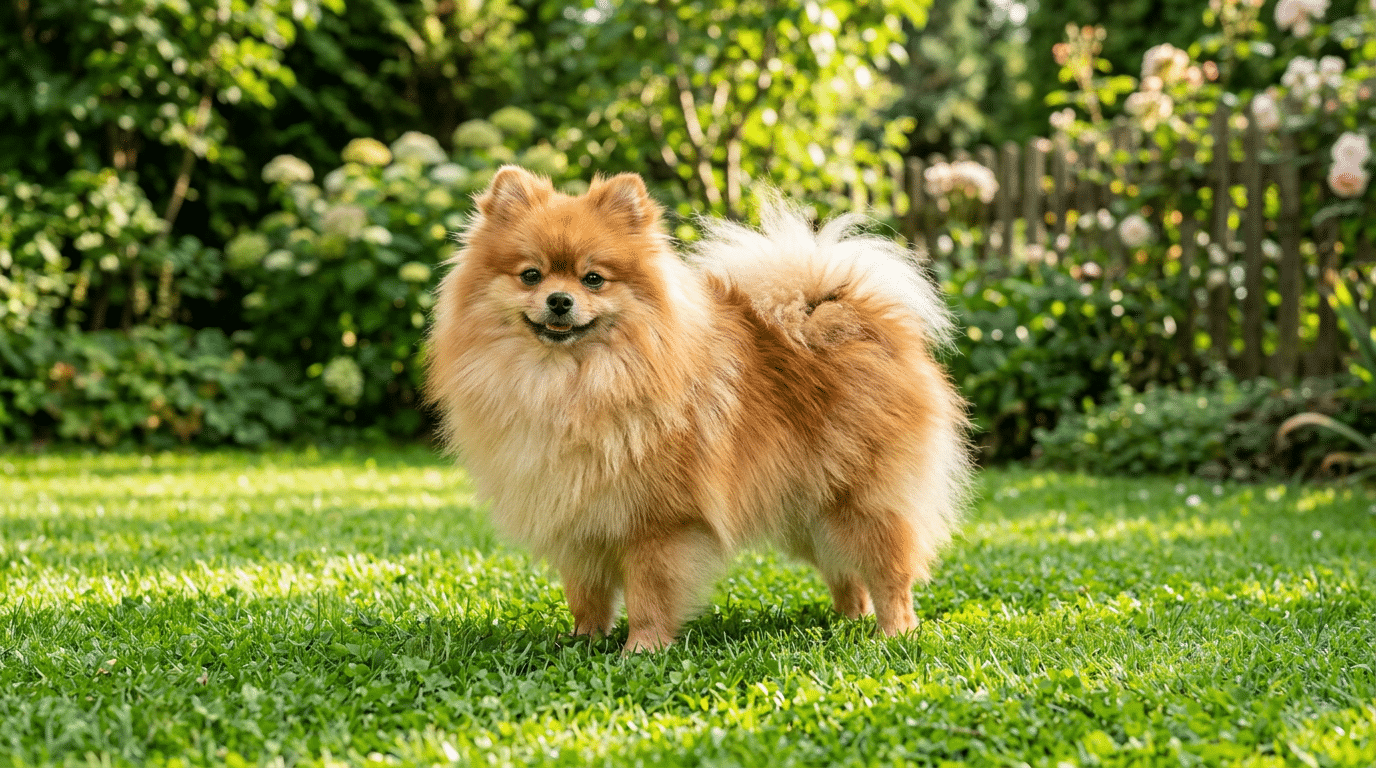
Pomeranians are small dogs with a big range of “normal.” Most adults fall between 3 and 7 pounds, but the individual variation within that range is wide. What matters most is a consistent growth curve in puppyhood, a healthy body condition score throughout adulthood, and a feeding routine that matches their age and activity level.
Track their weight monthly during the first year. After that, a checkup every few months – plus your annual vet visit – is usually enough. If something feels off, trust that instinct and get them looked at. Early detection of weight issues is a lot easier to address than late-stage obesity or undernourishment.
Your Pom doesn’t need to hit a specific number on the scale. They need to be healthy, happy, and light enough that their joints aren’t taking a beating. That’s the goal.
For more on keeping your Pom in great shape as they age, explore our guide to online dog training courses for Pomeranians to keep them mentally active, and check the full list of recommended supplements for Pomeranian puppies to support healthy development from day one.










 English (US) ·