
 1 day ago
2
1 day ago
2
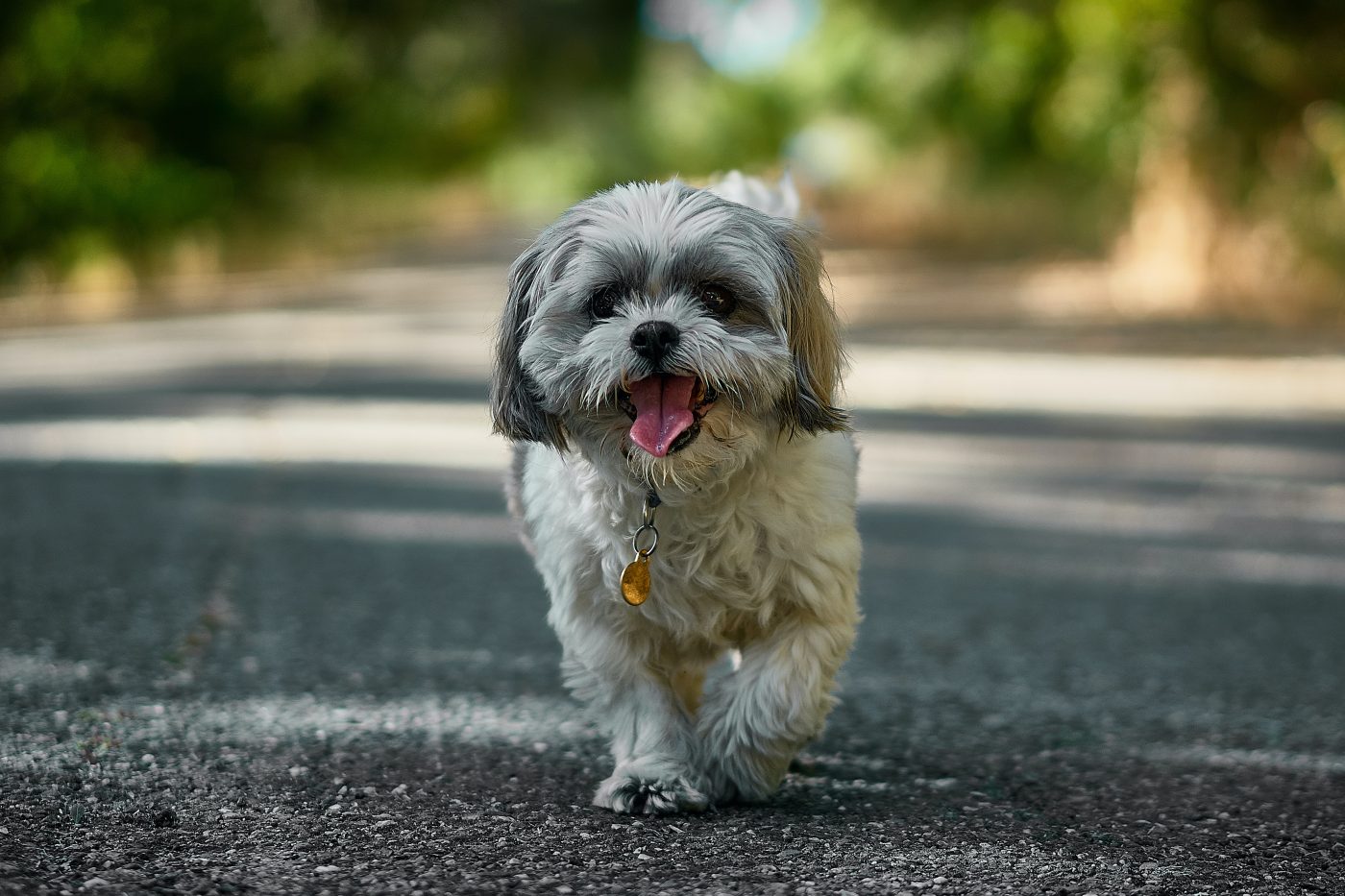
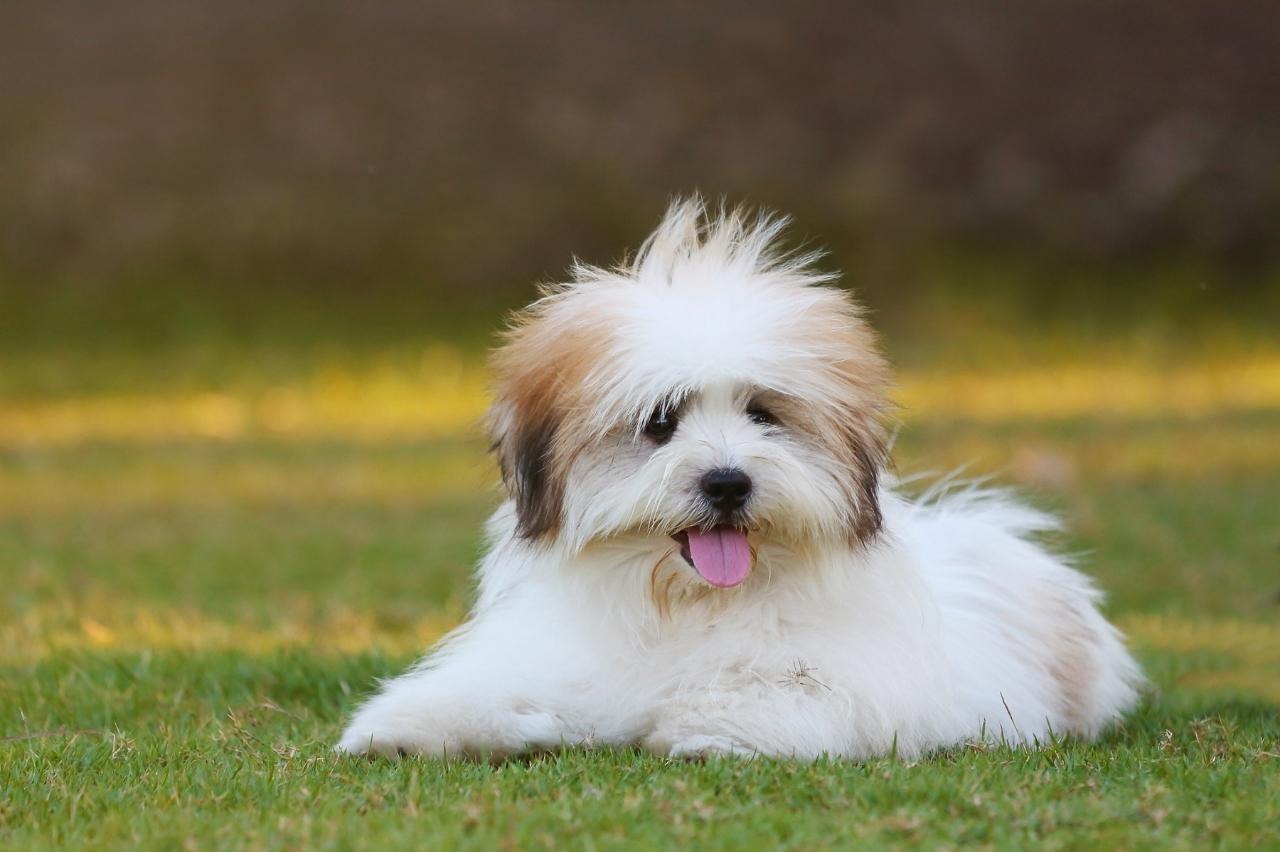
If you’ve just brought home a Shih Tzu puppy, you’re probably already asking the same question every new owner asks: Is my dog the right size for their age? It’s a fair concern. Shih Tzus are tiny dogs, and tiny dogs make people nervous when the numbers don’t look exactly right on a chart.
The good news? Shih Tzus follow a pretty predictable growth curve, and once you know what to expect, tracking your pup’s development becomes a lot less stressful. This guide breaks down Shih Tzu weight by age for both males and females, covers height milestones, feeding amounts, and explains exactly what “healthy weight” actually looks like for this breed.
📊 Shih Tzu Growth: Key Facts at a Glance
- Adult weight range: 9–16 lbs (males typically run heavier)
- Adult height: 8–11 inches at the shoulder
- Full-grown age: Most reach adult size by 10–12 months
- Growth plates close: Around 10–14 months
- Fastest growth phase: Birth through 6 months
- Weight at birth: Just 1–2 lbs — yes, they’re that tiny
Male Shih Tzu Weight and Height by Age
Male Shih Tzus tend to be on the heavier end of the breed’s weight range. They’re not dramatically bigger than females, but you’ll usually notice a pound or two of difference once they’re fully grown. Here’s how a typical male develops from birth through age three:
| Newborn (0 months) | 1–2 | 0.5–0.9 | 2–3 | 5–7.6 |
| 1 month | 2–4 | 0.9–1.8 | 3–4 | 7.6–10.2 |
| 2 months | 4–7 | 1.8–3.2 | 4–5 | 10.2–12.7 |
| 3 months | 5–8 | 2.3–3.6 | 5–6 | 12.7–15.2 |
| 6 months | 8–12 | 3.6–5.4 | 7–8 | 17.8–20.3 |
| 9 months | 9–14 | 4.1–6.4 | 8–9 | 20.3–22.9 |
| 12 months | 10–16 | 4.5–7.3 | 8–11 | 20.3–27.9 |
| 2 years | 11–16 | 5–7.3 | 8–11 | 20.3–27.9 |
| 3 years | 11–16 | 5–7.3 | 8–11 | 20.3–27.9 |
Notice how growth levels off sharply after 12 months. By the time your male Shih Tzu hits his first birthday, he’s basically done growing. The 2-year and 3-year numbers are almost identical to the 12-month numbers because the breed matures quickly.
Female Shih Tzu Weight and Height by Age
Females follow the same general curve but typically land a pound or two lighter at full size. Their growth timeline is nearly the same — fast in the first six months, then tapering off by a year. Here’s what you can expect:
| Newborn (0 months) | 1–2 | 0.5–0.9 | 2–3 | 5–7.6 |
| 1 month | 2–3.5 | 0.9–1.6 | 3–4 | 7.6–10.2 |
| 2 months | 3.5–6 | 1.6–2.7 | 4–5 | 10.2–12.7 |
| 3 months | 4–7 | 1.8–3.2 | 5–6 | 12.7–15.2 |
| 6 months | 7–11 | 3.2–5 | 6–8 | 15.2–20.3 |
| 9 months | 8–13 | 3.6–5.9 | 7–9 | 17.8–22.9 |
| 12 months | 9–15 | 4.1–6.8 | 8–10 | 20.3–25.4 |
| 2 years | 9–15 | 4.1–6.8 | 8–10 | 20.3–25.4 |
| 3 years | 9–15 | 4.1–6.8 | 8–10 | 20.3–25.4 |
Keep these as reference points, not rigid rules. A female who weighs 13 lbs at 12 months isn’t overweight by default — it depends on her bone structure, how much she’s eating, and whether she’s spayed.
Shih Tzu Growth Stages: What’s Happening at Each Phase
Numbers are helpful, but understanding why a Shih Tzu grows the way they do tells you a lot more about what your dog actually needs at each stage.
Birth to 3 Months: The Rapid Phase
Shih Tzu puppies are born weighing roughly 1–2 lbs, sometimes less. They double in size quickly, often tripling their birth weight within the first month. This is when nutrition matters most. If you’re still with a breeder at this stage, they should be providing the mother with quality food and monitoring the litter for runts who aren’t gaining fast enough.
By 8 weeks (when most puppies go home), your Shih Tzu should weigh somewhere between 3 and 6 lbs depending on sex. Don’t panic if yours is at the lighter end of that range. Some lines just run small.
3 to 6 Months: The Growth Spurt
This is the most visible phase of growth. Your pup goes from “tiny potato” to “real dog” in what feels like no time. Appetite increases sharply, energy goes up, and you’ll want to transition to three meals a day if you haven’t already.
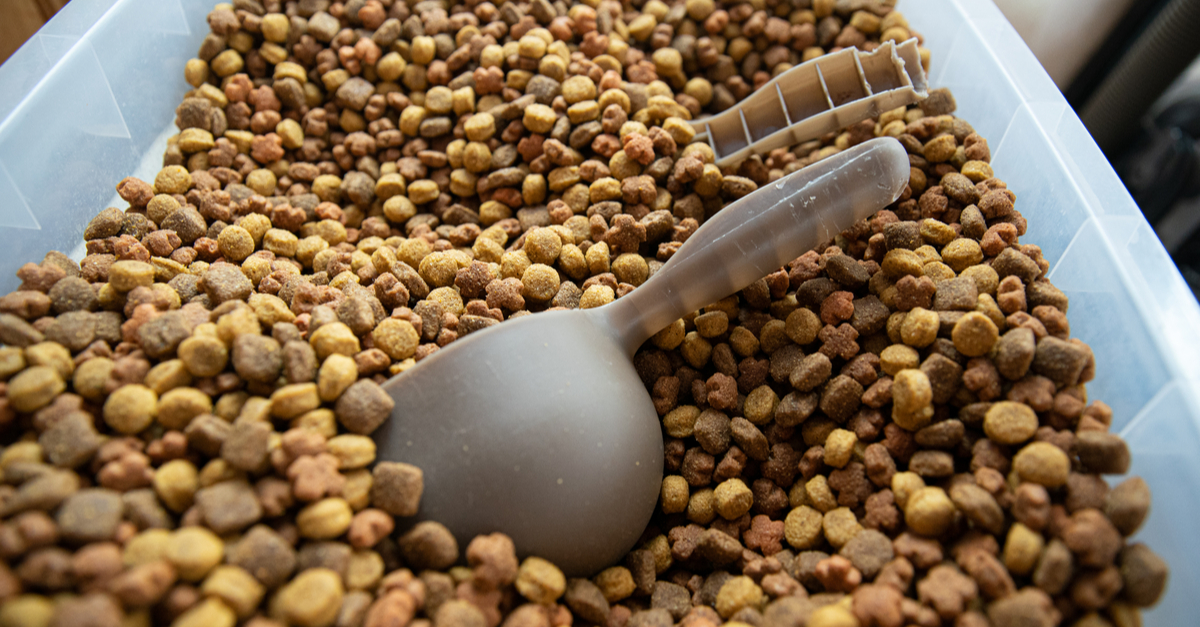
Choosing the right food during this window makes a real difference. The best puppy foods for Shih Tzus are specifically formulated for small breeds, which means smaller kibble, higher calorie density, and the right calcium-to-phosphorus ratio to support bone development without overloading tiny joints.
6 to 9 Months: Slowing Down
Growth rate drops noticeably here. Your Shih Tzu is still gaining weight, but the rapid daily changes you noticed at 4 months are mostly behind you. This is also when adolescent behaviors tend to peak — pushing limits, selective hearing, that kind of thing. Stay consistent with training during this phase.
Joint health starts to matter more now, too. While Shih Tzus aren’t prone to the severe hip dysplasia that affects larger breeds, they can develop joint issues that benefit from early supplementation. Ask your vet if it’s worth starting a glucosamine supplement at this stage.
9 to 12 Months: Nearly Full Grown
By 9 months, most Shih Tzus are close to their adult size. The final 10–15% of growth typically happens in this window. By 12 months, you’re essentially looking at your adult dog in terms of weight and height. Some continue to fill out very slightly through 14–18 months, but height is essentially fixed.
Adult (1 Year and Beyond): Maintenance Mode
Once growth plates close, your job shifts from “supporting growth” to “maintaining healthy weight.” Adult Shih Tzus that are properly fed and exercised stay in the 9–16 lb range for life. Weight gain after age two is usually from overfeeding, lack of exercise, or underlying health issues — not normal development.
What’s a Healthy Weight for a Shih Tzu?
The AKC breed standard says adult Shih Tzus should weigh between 9 and 16 lbs. That’s a fairly wide range because the breed itself has a lot of variation. A Shih Tzu from a “imperial” or “teacup” line might weigh 7 lbs fully grown, while a larger-framed dog from show lines might push 18 lbs. Neither of these is automatically unhealthy — context matters.
The best way to assess weight isn’t a scale. It’s the body condition score method your vet uses at every checkup:
- Underweight: Ribs visible without touching the dog. Spine and hip bones prominent. Obvious waist tuck when viewed from above.
- Ideal weight: Ribs easily felt with light pressure but not visible. Waist visible from above. Slight abdominal tuck from the side.
- Overweight: Ribs hard to feel under fat cover. No visible waist. Abdomen may hang down slightly.
- Obese: Ribs not palpable. No waist definition. Heavy fat deposits around neck and limbs.
Shih Tzus are one of the breeds most prone to obesity, partly because of their low exercise requirements and partly because owners love to give them treats. A 2 lb weight gain in a 12 lb dog is the equivalent of a 30 lb person gaining 5 lbs — it adds up fast on a small frame.
If your dog’s coat makes it hard to assess body condition, try the “feel not look” approach. Run your hands along their ribcage and spine with light pressure. You should feel the ribs clearly but they shouldn’t feel sharp and bony.
How Much to Feed Your Shih Tzu by Age
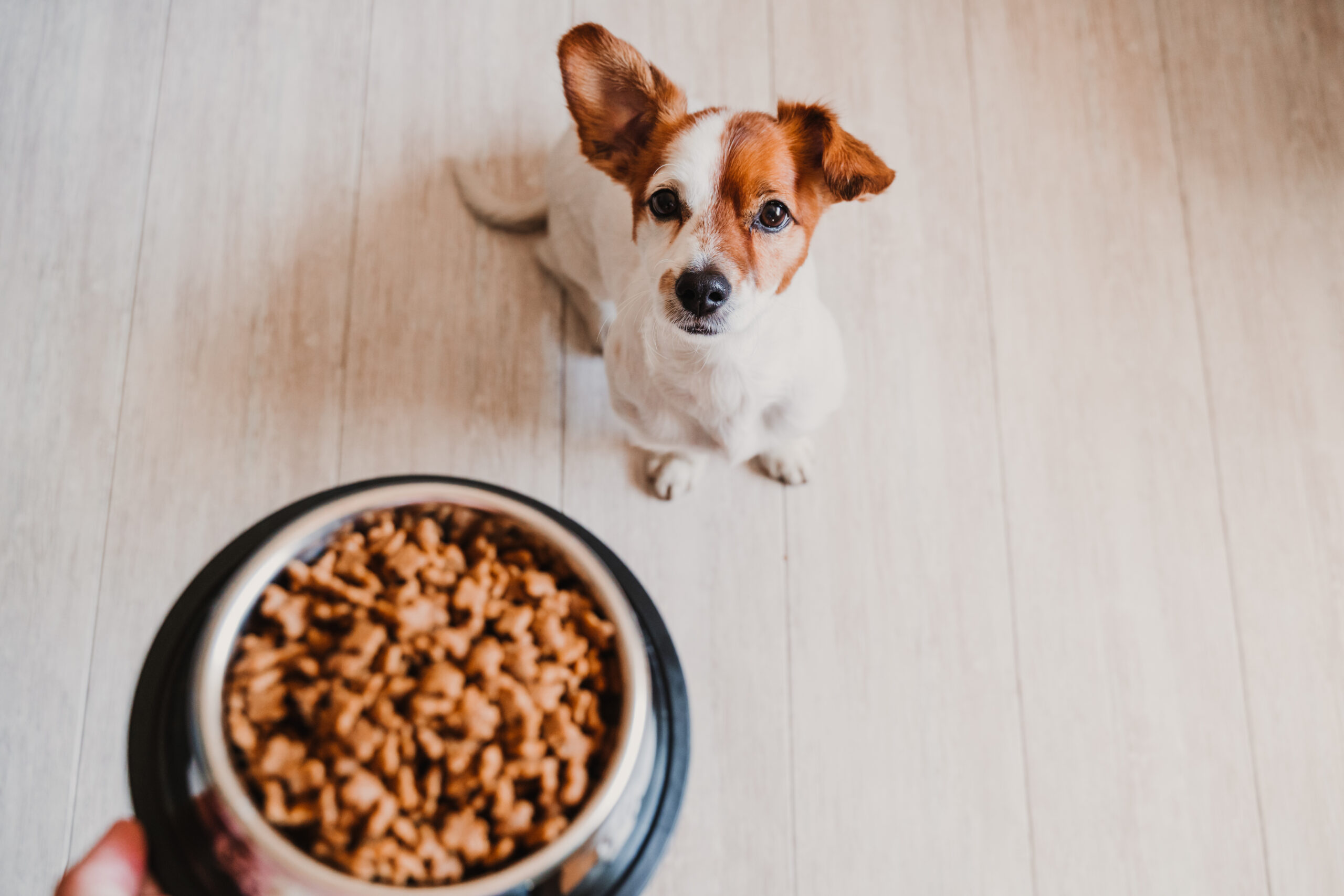
Portion sizes matter a lot for a breed this small. The difference between the right amount and too much is often just a few kibbles per meal. Here’s a general framework — always check the specific food’s label and confirm with your vet:
🍽️ Shih Tzu Feeding Guide by Age
- 8–12 weeks: 1/4 to 1/3 cup per day, split into 3–4 meals. Use small-breed puppy formula.
- 3–6 months: 1/3 to 1/2 cup per day, still 3 meals. Growth is rapid — don’t restrict calories here.
- 6–12 months: 1/2 cup per day, split into 2–3 meals. Begin transitioning toward adult feeding schedule.
- 1 year+: 1/2 to 3/4 cup per day, split into 2 meals. Switch to adult small-breed formula around 12 months.
- Senior (8+ years): Reduce slightly if activity drops. Consider senior formula with joint support.
These are estimates. A 16 lb Shih Tzu needs more food than a 10 lb one. Always follow your specific food brand’s recommendations and adjust based on body condition.
Treats count toward daily calories. For a Shih Tzu eating 1/2 cup of food per day, just a few high-calorie treats can push them into a caloric surplus. Stick to small, low-calorie training treats and factor them into the total.
You might also want to consider targeted supplements for Shih Tzu puppies during the growth phase, especially if your pup is a picky eater who isn’t getting full nutritional coverage from food alone. Just check with your vet first — over-supplementing calcium, for example, can cause more harm than good in growing dogs.
Factors That Affect Shih Tzu Growth
Growth charts show you averages. Your specific dog might vary for reasons that are completely normal:
Genetics: The size of both parents is the strongest predictor of adult size. If your pup’s parents were both on the smaller side, don’t expect a 16 lb dog. Conversely, if both parents were 15 lbs, a lighter-than-average puppy might still fill out to a similar weight.
Spay/neuter timing: Research suggests that early spay or neuter (before 6 months) can cause dogs to grow slightly taller because it delays growth plate closure. The effect in toy breeds is usually minor but worth knowing about when you’re using charts as a reference.
Nutrition quality: Puppies fed high-quality food appropriate for their size and age develop more consistently than those on generic or inappropriate diets. Grain-free isn’t necessarily better — what matters is protein quality, calorie density, and whether it meets AAFCO nutritional standards for growth.
Health history: Parasites, illness, or poor early nutrition can cause growth to stall temporarily. A puppy who gets treated for roundworms at 10 weeks might see a noticeable weight gain spurt once the parasites are cleared.
Shih Tzus can also be prone to certain health issues that affect their energy and appetite, including skin allergies that cause chronic discomfort and anxiety issues that can suppress appetite. If your dog’s growth seems off and there’s no obvious dietary reason, a vet visit is the right call.
When to Call the Vet About Growth Concerns
Most of the time, minor variations from the charts are nothing to worry about. But certain signs warrant a conversation with your vet:
- Your puppy has lost weight since the last weigh-in (any weight loss in a puppy is a red flag)
- Weight is consistently more than 20% below the chart average for their age
- Puppy seems lethargic, has poor coat quality, or isn’t eating well
- Rapid weight gain in an adult dog with no diet changes
- Visible bloating or distended abdomen at any age
- An adult Shih Tzu over 18 lbs (obesity significantly shortens lifespan in small breeds)
Your vet will likely do a body condition assessment and may check thyroid function if there’s unexplained weight gain. Regular checkups — at least once a year for adults, more frequently for puppies and seniors — are the best way to catch problems before they become serious.
Speaking of senior care, once your Shih Tzu hits around 8 years old, it’s worth looking into supplements specifically formulated for older Shih Tzus that support joint health, cognitive function, and immune system resilience.
For a comfortable dog at every age, a good sleeping setup matters more than you might think. The right dog bed for a Shih Tzu provides orthopedic support that protects developing joints in puppies and aging joints in seniors.
Coat Care During Growth: What Changes
Here’s something the charts don’t tell you: a Shih Tzu’s coat goes through a significant transition between 10 months and 18 months. The puppy coat “blows” and the adult coat comes in, which can look alarming if you’re not expecting it. Your dog isn’t sick — they’re just growing up.
During this transition, supporting skin and coat health with the right nutrition and grooming routine helps the adult coat come in healthy and full. Daily brushing during the transition also prevents the matting that can get severe when puppy and adult coat are growing simultaneously.

Frequently Asked Questions: Shih Tzu Weight and Growth
Male Shih Tzus typically weigh 2–4 lbs at 1 month, 8–12 lbs at 6 months, and 10–16 lbs fully grown. Females run slightly lighter: 2–3.5 lbs at 1 month, 7–11 lbs at 6 months, and 9–15 lbs at full adult size. Both sexes reach adult weight by around 12 months.
Q: When is a Shih Tzu fully grown?Most Shih Tzus reach their full adult height and weight by 10–12 months. Some continue to fill out very slightly through 14–18 months, but major growth is complete by 12 months.
Q: How much should a 3-month-old Shih Tzu weigh?A 3-month-old male Shih Tzu typically weighs 5–8 lbs, while a female at the same age usually weighs 4–7 lbs. These are averages — a healthy puppy could weigh slightly above or below this range.
Q: Is my Shih Tzu underweight?If you can see your Shih Tzu’s ribs or spine without touching them, or feel the ribs with minimal pressure and they feel sharp rather than cushioned, your dog may be underweight. Consult your vet if you’re concerned.
Q: How much should I feed my Shih Tzu puppy?Shih Tzu puppies under 6 months generally need about 1/4 to 1/2 cup of small-breed puppy food per day, divided into 3–4 meals. From 6–12 months, transition to 2–3 meals per day totaling about 1/2 cup. Always follow your specific food brand’s guidelines.
Q: Do male Shih Tzus weigh more than females?Yes, typically 1–2 lbs more. Males usually top out at 10–16 lbs while females typically reach 9–15 lbs. Both sexes share the same height range at 8–11 inches at the shoulder.
Q: Can I predict my Shih Tzu’s adult weight?A rough estimate: take your Shih Tzu’s weight at 8 weeks and multiply by 3 to 4. Parent sizes are an even better predictor — if both parents were around 12 lbs, expect a similar adult weight.
Q: Why is my Shih Tzu puppy not gaining weight?Several factors can slow weight gain: intestinal parasites, inadequate calorie intake, poor food quality, or underlying illness. If your puppy isn’t gaining weight week over week, schedule a vet visit promptly.
Q: What age should I start tracking my Shih Tzu’s growth?Start tracking from 8 weeks old when you bring your puppy home. Weigh them weekly for the first 4 months, then monthly through 12 months. After that, a monthly or quarterly weigh-in is enough for most adults.
Q: When do Shih Tzu growth plates close?Shih Tzu growth plates typically close between 10 and 14 months. Until then, avoid high-impact activities like jumping from furniture or rough play on hard surfaces.

Bottom Line
Tracking your Shih Tzu’s weight by age isn’t about hitting exact numbers on a chart. It’s about making sure your dog is growing steadily, eating well, and staying in a healthy range for their frame and genetics. The charts in this guide give you solid reference points — use them as a sanity check, not a pass/fail test.
The most important thing you can do is weigh your pup regularly and pay attention to trends. A puppy who gained weight last week but seems flat this week deserves a closer look. An adult dog who’s crept up 3 lbs without a diet change needs a vet conversation. Small dogs have small margins — changes that seem minor are worth catching early.
Keep up with regular vet visits, feed a quality small-breed diet, and don’t let the treat jar get out of hand. A Shih Tzu at a healthy weight is a happier, more active dog who’ll stay with you a lot longer. That’s the goal.








 English (US) ·