
If you’re searching for the least aggressive dog breeds, you’re not alone — more families today are prioritizing temperament over looks or size when choosing a dog. The truth is, “aggressive” isn’t a fixed trait. It’s usually the result of poor training, lack of socialization, fear, or even misunderstanding your dog’s signals.
So instead of asking, “What breed isn’t aggressive?” it’s better to ask, “Which breeds are naturally gentle, easygoing, and adaptable?”
That’s what this list is all about — dogs with reputations for kind hearts, calm temperaments, and family-friendly manners.
By the end of this guide, you’ll know the seven breeds most celebrated for their relaxed, non-aggressive personalities — plus what truly shapes a dog’s gentle nature.
Why “Less Aggressive” Doesn’t Mean “No Risks”
Let’s clear up one common misconception: no dog breed is 100% non-aggressive.
Even the sweetest Golden Retriever can growl or snap if they’re scared, in pain, or feel cornered. That’s not “bad behavior” — that’s communication. In fact, modern canine behavior research (including 2024 studies from the American Veterinary Society of Animal Behavior) confirms that fear and anxiety are the top triggers for aggression, not genetics.
So what really makes a dog gentle? Three main factors:
- Temperament: Some breeds are naturally patient and people-oriented, making them easier to train and socialize.
- Socialization: Dogs exposed early to different people, animals, and environments are less likely to react out of fear.
- Training & environment: Positive reinforcement and consistent routines help dogs feel safe — and safe dogs stay calm.
Pro Tip: The goal isn’t to find a “perfectly calm breed.” It’s to create a confident, relaxed environment where your dog feels secure. That’s when gentleness shines — no matter the breed.
1. Golden Retriever — The People Pleaser

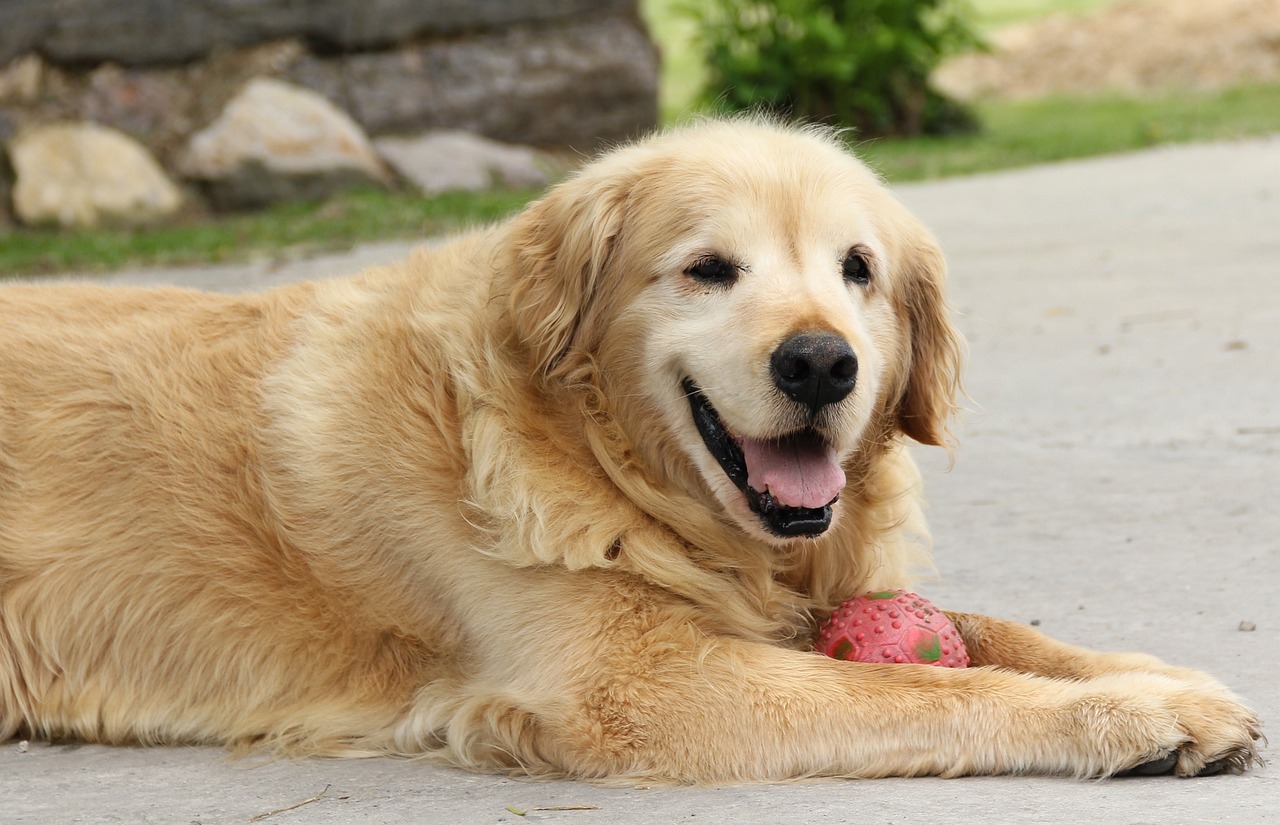
If there’s one dog that defines “friendly,” it’s the Golden Retriever.
Known for their soft eyes, big hearts, and easy smiles, Goldens consistently rank among the least aggressive dog breeds in temperament studies — and for good reason.
They were bred to retrieve game gently (without damaging it), which shaped their famously soft mouth and calm demeanor. Combine that with high intelligence and an eagerness to please, and you’ve got a breed that’s nearly impossible not to love.
Goldens adore children, get along well with other pets, and are patient with strangers — whether they’re greeting a mail carrier or meeting the neighbor’s toddler for the first time.
💡Pro Tip: Goldens thrive on purpose and praise. Give them daily walks, mental games, or simple training cues. A happy, active mind = a calm, gentle dog.
Vet Tip: Watch their hips and waistline. Because they’re food-motivated, Goldens can gain weight easily — and extra pounds can stress their joints over time.
2. Labrador Retriever — The Happy Helper
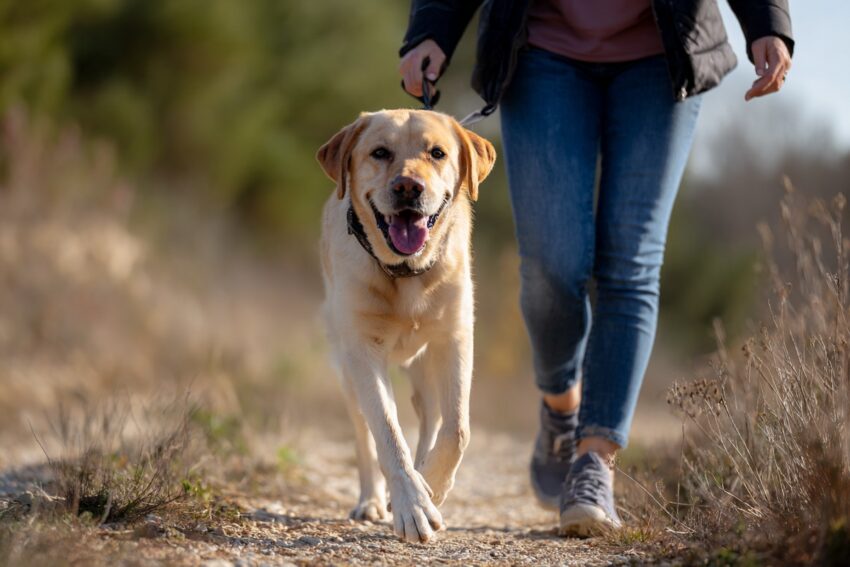
The Labrador Retriever is one of those dogs who just radiates joy.
Labs are famous for their wagging tails, goofy grins, and big hearts — and they consistently top lists of the least aggressive dog breeds thanks to their calm, people-loving nature.
Originally bred as working dogs to retrieve waterfowl, Labs were designed to cooperate closely with humans. That heritage shows today — they love having a role in family life, whether that’s fetching tennis balls, greeting guests, or comforting you on the couch after a long day.
Labs are social butterflies who generally get along with everyone — kids, strangers, even other pets. Their eagerness to please and steady temperament make them ideal therapy, guide, and service dogs.
💡Pro Tip: Labs are happiest when they’re mentally and physically engaged. Daily exercise, interactive toys, and basic obedience training go a long way toward keeping their energy focused and their temperament steady.
Vet Tip: Labs can be prone to hip and elbow dysplasia and love snacks a little too much. Keep them fit and trim with measured meals and low-impact activities like swimming.
3. Beagle — The Cheerful Companion

With their soulful eyes and wagging tails, Beagles have an uncanny ability to melt stress away.
Originally bred for pack hunting, these small hounds were designed to work cooperatively — which is part of why they rank among the least aggressive and most sociable dog breeds today.
Beagles are naturally curious, outgoing, and affectionate. They love meeting new people, exploring new smells, and playing with kids or other dogs. Their friendliness can border on fearless, which makes them great family pets but not the best guard dogs — they’re more likely to greet strangers than scare them off!
Because Beagles are both smart and independent, they can get mischievous when bored. That’s not aggression — it’s just their curious mind at work. Keeping them busy with scent games, puzzle feeders, and daily walks helps channel their energy into positive behaviors.
💡Pro Tip: Beagles have strong noses and stronger appetites. Use scent-based games and food puzzles to turn their sniffing instinct into a confidence-boosting activity.
Vet Tip: Regular exercise and portion control are key — Beagles are prone to weight gain, which can affect both their energy levels and overall temperament.
4. Great Dane — The Gentle Giant
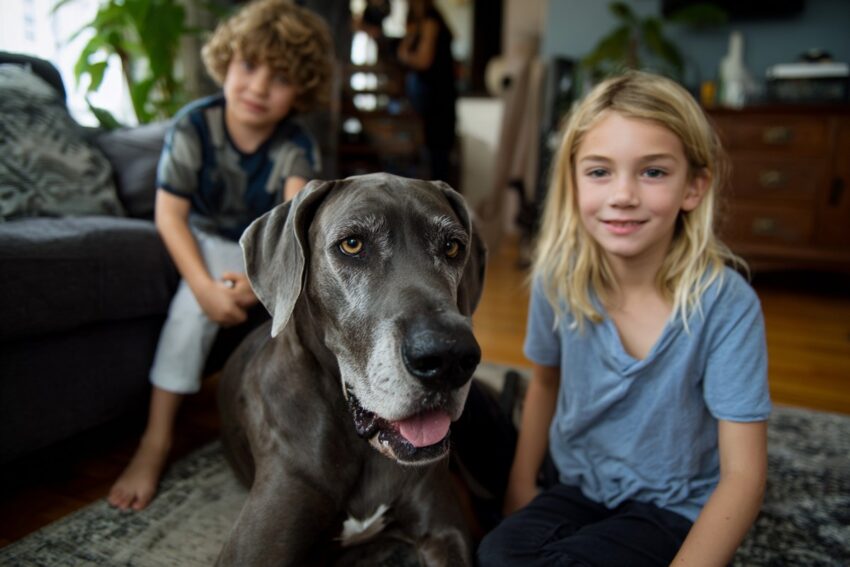
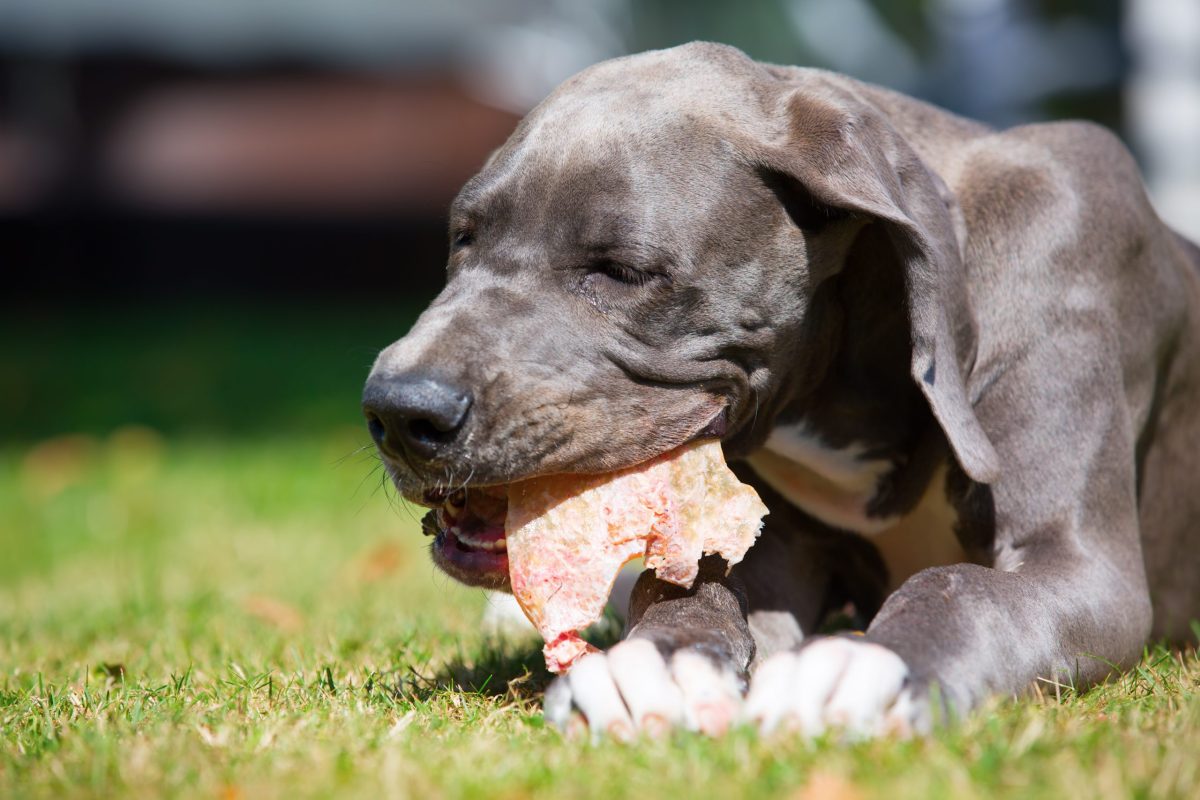
Few dogs turn heads like a Great Dane — but behind that towering frame lies one of the gentlest, calmest personalities in the dog world.
Nicknamed “gentle giants,” Great Danes are patient, affectionate, and remarkably sensitive to their family’s emotions. Despite their size, they’re often described as lap dogs at heart — leaning, nuzzling, and curling up beside their humans like oversized teddy bears.
They’re excellent with children and typically friendly toward other pets, though their sheer size means early training is important to prevent accidental knocks or bumps during playtime.
Great Danes don’t bark excessively or show aggression without reason. They’ll protect their family if needed, but they’re more likely to greet guests with curiosity and calm confidence than with growls.
💡Pro Tip: Because of their size, start leash and manners training early — a joyful jump from a Great Dane feels more like a linebacker tackle than a hug!
Vet Tip: Great Danes are prone to bloat and joint issues. Feed them smaller, more frequent meals and avoid vigorous play right after eating. Gentle walks and stretching exercises are perfect for keeping them healthy and mellow.
5. Newfoundland — The Nanny Dog
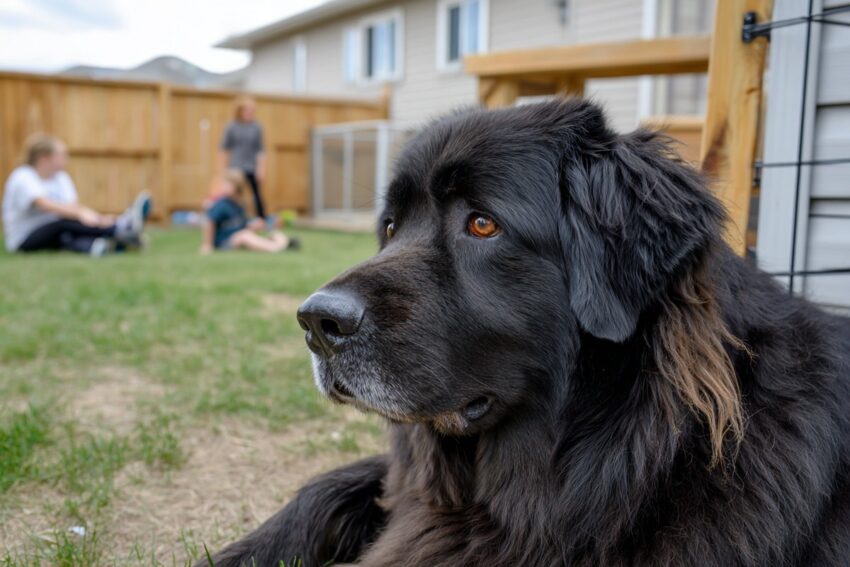
Massive, majestic, and mellow, the Newfoundland (or “Newfie”) is one of the kindest, calmest breeds you’ll ever meet.
Despite their size, these dogs are famously gentle and patient — especially with children. It’s no wonder they’ve earned the nickname “the nanny dog.”
Originally bred as working and rescue dogs in cold Canadian waters, Newfoundlands were designed to pull nets, haul loads, and save people from drowning — all requiring bravery without aggression. That same temperament makes them loving protectors at home.
Newfies are social, affectionate, and rarely reactive. They’d much rather sit on your feet (literally) than cause any trouble. Their deep bark can sound intimidating, but it’s almost always just a polite announcement, not a threat.
💡Pro Tip: Newfoundlands thrive on being near their people. They don’t do well with isolation — they’re happiest as full-time family members, not backyard dogs.
Vet Tip: Due to their size, joint care is essential. Keep your Newfoundland at a healthy weight and provide soft bedding to protect those giant, gentle hips.
6. Irish Setter — The Social Butterfly
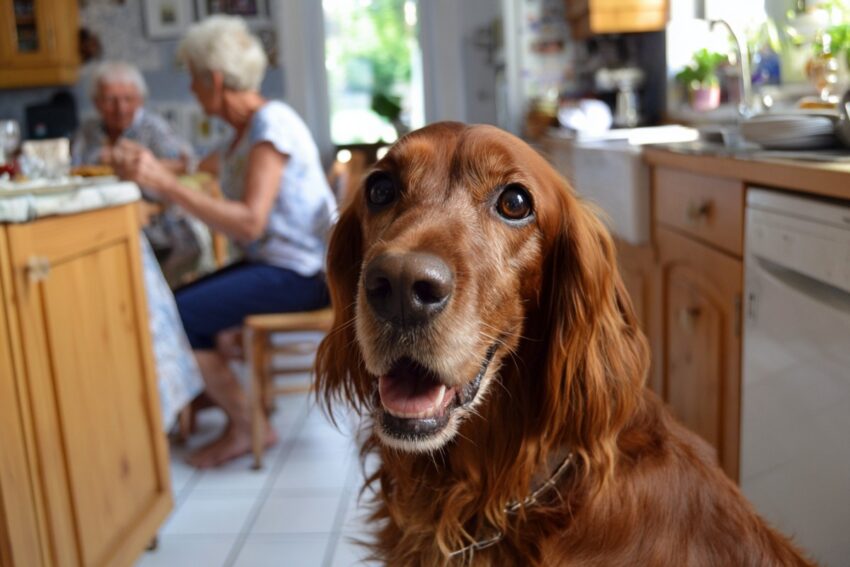
Elegant, athletic, and full of charm, the Irish Setter is proof that high energy doesn’t equal high aggression.
This breed thrives on attention and affection — they want to be part of every family adventure, whether it’s a backyard game or a road trip.
Irish Setters are known for their playful, people-loving personalities. They’re social with both humans and other pets, and their natural curiosity makes them eager to meet new friends rather than challenge them. When properly exercised and included in family life, they’re among the most easygoing and joyful companions you can have.
💡Pro Tip: Irish Setters need both mental and physical stimulation — long walks, fetch sessions, and interactive training keep their minds focused and their temperaments balanced. A bored Setter may get rowdy, but never mean-spirited.
Vet Tip: Because of their athletic build, they’re prone to bloat (like other large, deep-chested breeds). Feed smaller meals and avoid vigorous exercise right after eating to keep them healthy and calm.
7. Pug — The Easygoing Entertainer

With their round faces, expressive eyes, and endless desire to snuggle, Pugs are the comedians of the dog world — gentle, goofy, and full of personality.
Despite their playful nature, Pugs are among the least aggressive small dog breeds you’ll find. They adore human company and tend to get along with just about everyone — kids, guests, cats, and even other dogs. They’d much rather nap beside you than start any drama.
Pugs are emotionally intelligent, picking up quickly on your mood and adjusting their energy level to match. That makes them wonderful therapy dogs and ideal companions for city or apartment living.
💡Pro Tip: Pugs love attention — and they’ll happily trade a little silliness for your laughs. Just remember to keep their exercise light, especially in hot weather.
Vet Tip: Because of their short noses (brachycephalic build), Pugs can overheat easily. Keep them cool indoors, use a harness instead of a collar, and watch for any signs of breathing difficulty during play.












 English (US) ·