
One of the most neglected parts of dog health is the skin. The majority of pet owners are concerned with feeding their pets quality food or giving them proper exercise. However, the health of the coat and skin of a dog is also very important. The skin of a dog serves as the initial barrier against environmental hazards, bacteria, and allergens.
The balance of skin chemistry of your pet is a huge factor in the comfort of your pet. Long-term itchiness or flaking of a dog normally occurs with an imbalance in the skin pH of a dog. The pH scale describes the acidic or alkaline nature of a surface. The correct ratio is important in keeping the coat of a dog shiny, tough, and infection-free.
Learning about the impact of skin pH and the condition of the coat can change your grooming procedure. Not all dogs demand the same grooming process, and the incorrect choice of products may strip away natural defenses. By learning the science behind your dog’s skin, you can know how the skin of your dog works and avoid chronic irritations and keep it comfortable.
Understanding Dog Skin pH
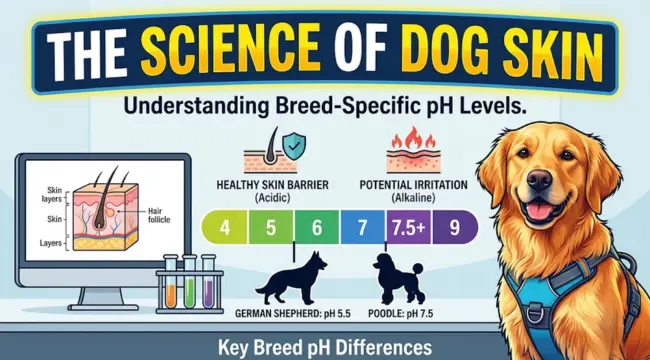
The pH can be defined as the potential of hydrogen. It is used to determine the degree of acidity or alkalinity of a substance between 0 to 14. A pH of 7 is completely neutral. A pH less than 7 is acidic and a pH greater than 7 is alkaline.
Typical pH Range of Dog Skin
Dog skin is also mostly neutral and a little bit alkaline with a range of 6.2 to 7.5. However, human skin is a little bit acidic at about 5.5. Such a difference is important since applying human shampoos on dogs may upset their fragile balance, causing either dryness or discomfort.
The right pH of the skin of a dog assists in keeping:
- Healthy hair follicles
- Natural oils that make the coat shiny.
- Bacteria and fungi resistance.
- Proper moisture balance
The skin protective barrier is weakened even when the pH alters slightly. This is why it is necessary that every dog owner understands and pays attention to their dog’s skin health.
What is the Acid Mantle?
The acid mantle is a very fine and slightly acidic layer that coats the outermost portion of the skin. It is produced when the sebum (the natural oils secreted by the sebaceous glands of the skin) combines with sweat. This microscopic film is an invisibility shield. Although the skin pH of a dog in general is more alkaline than that of a human being, this particular surface coating still offers an important chemical protection.
The Role of Acid Mantle
Acid Mantle is not some fancy name. It is a very important thing in keeping your dog healthy. Here’s how:
- Antibacterial and anti-fungal: This moderately acidic condition prevents the growth of the harmful microbes.
- Maintains skin moisture: It keeps the skin moist and stops flaking and dryness.
- Enhances healthy hair growth: Hair follicles need a stable, secure environment to grow strong and shiny fur.
Dogs may be infected with itchy, irritated or inflamed skin when the acid mantle is harmed by harsh shampoos, over-bathing or environmental stress. The products you apply when bathing a dog and the frequency of grooming the dog also contribute to the integrity of the acid mantle of the dog.
Why Different Breeds Have Different Skin Needs
Each breed of dog has its physical characteristics and the skin and coat types they have differ greatly. Due to this reason, breed-specific dog grooming is necessary to ensure the right pH and help the dog’s acid mantle.
- Huskies and Double-Coated Breeds
Dogs that have thick double coats keep the air between the skin and the coat to control body temperature. These breeds depend on natural oils to make the skin and coat healthy. The frequent baths or harsh shampoos used to take away these oils may leave you with dry and itchy skin.
- Poodles and Curly-Coated Dogs
Curly hair has a tendency to hold oils near the skin. This trapped material blocks the free flow of air unless brushed regularly and forms a breeding ground for bacteria. The owners of a snickerdoodle dog or other poodle mixes should place a high emphasis on regular brushing to enable the skin to breathe and to have a balanced acid mantle.
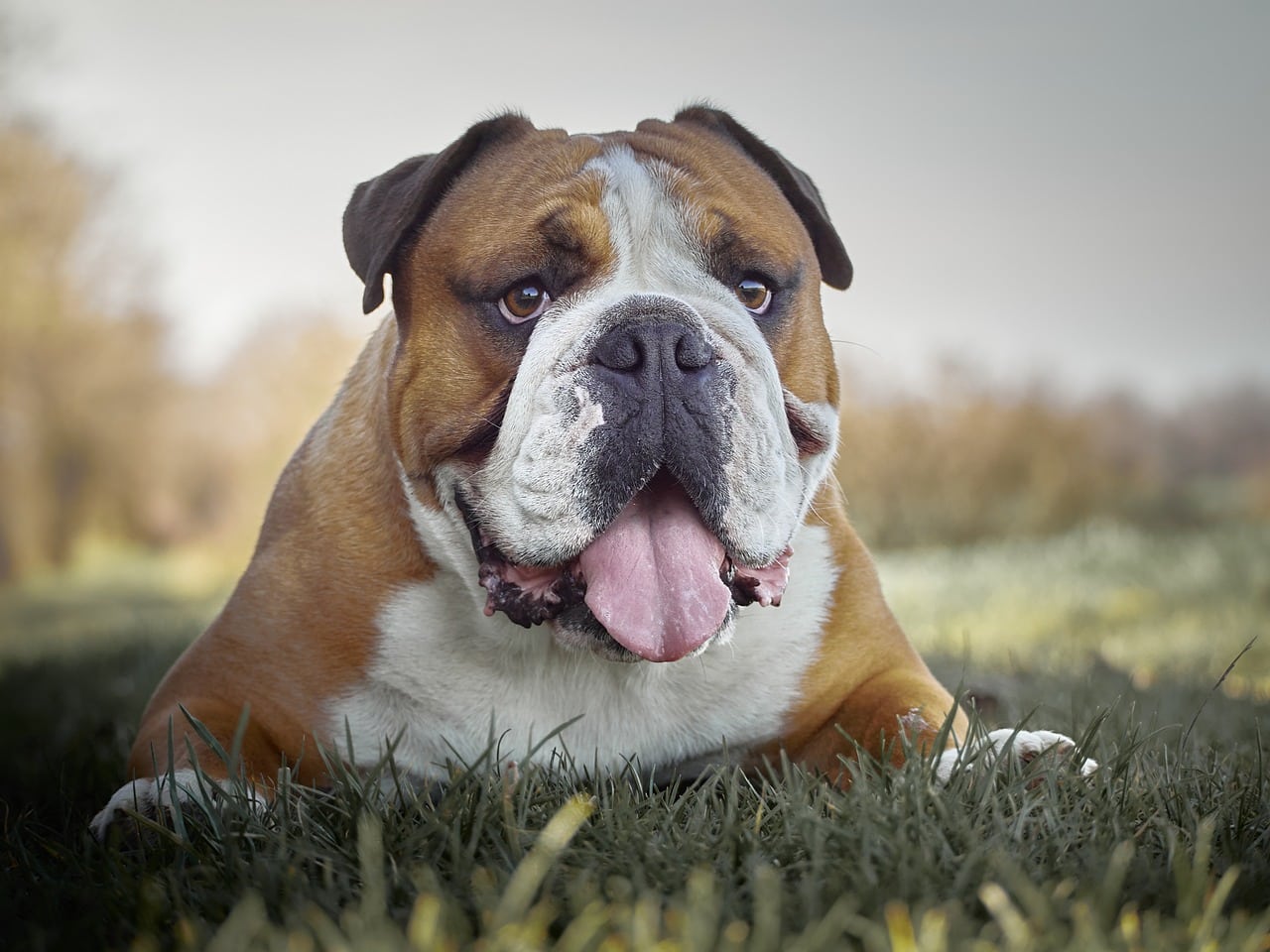
- Bulldogs and Wrinkled Skin
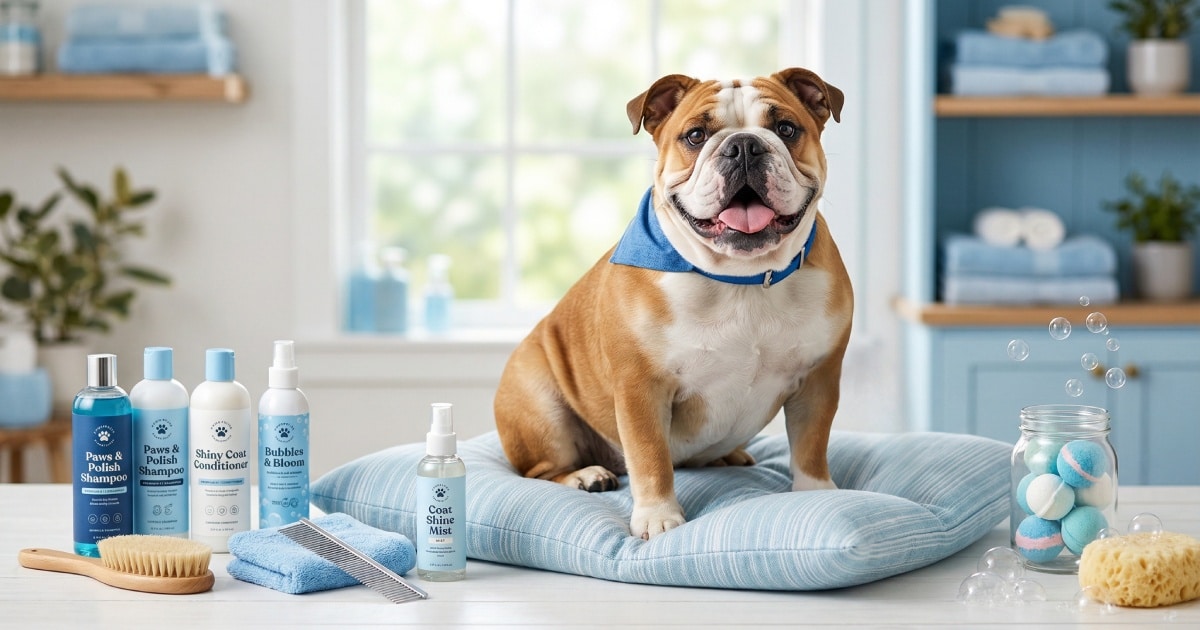
Heavy-skinned dog breeds have special biological problems. Yeast and bacteria grow best in the dark, warm, and moist atmosphere found in a wrinkle. These crevices may easily cause an imbalance in the skin pH. These folds should be wiped by the owners every day to avoid harmful skin infections.
- Short-Haired and Muscular Breeds
Short-haired breeds expose skin directly to environmental conditions. Due to their limited coat, it increases sensitivity to sun exposure, dry climates, and chemical irritants. Regular bathing with mild shampoo and gentle brushing maintains oil distribution across the skin surface.
How Incorrect Grooming Products Affect Skin pH
The fastest way to ruin the skin of a dog is by using the incorrect products during bath time. Since the human skin is more acidic, shampoos that are designed to suit human beings are tailored to preserve that low pH level.
- Human Shampoos
When a dog is bathed using human shampoo including soft baby shampoo, the natural acid mantle of a dog is disturbed. To compensate for the loss or to dry out, the skin overproduces oil. This exposes the tissue to environmental stressors.
- Over-Bathing
Excessive bathing leads to the same problem. Dogs do not sweat through their skin in a manner that human beings do and therefore do not need to have showers every week. Bathing a dog too often removes all the protective oils, changing the skin’s pH, and bringing about microscopic cracks in the epidermis that allow bacteria to enter.
- Harsh Chemicals
Certain shampoos even contain detergents, dyes or even fragrances that are too harsh to the skin of a dog. Irritation is almost instant for sensitive dogs.
Grooming Practices That Maintain Healthy Skin
It is very important to maintain a healthy acid mantle and normal pH. By following these tips, we can maintain our pets’ health.
- Read the Labels
It is always important to find labels that clearly indicate that the product is dog-formulated. Use products that contain natural ingredients like oatmeal and aloe vera.
- Rinse Thoroughly
Even a good shampoo can become a problem when left on the skin, and it will be an irritant. Use twice the time on rinsing as on lathering. As an owner who is not comfortable performing this procedure at home, one can get the help of professional dog grooming services to be sure that no residue of the product is left behind with special high-pressure equipment.
- Supplement from the Inside Out
Skin health is not just superficial. The omega-3 fatty acids (present in fish oil) assist the body in producing the high-quality sebum that is required in the formation of a strong acid mantle.
- Monitor Frequency
Your grooming procedure according to the season. During the winter due to the drying of the air by indoor heating, you may have to bathe your dog less often or apply a conditioner that has moisture to restore the skin barrier.
Signs a Dog’s Skin pH May Be Imbalanced
Early detection of skin issues helps in preventing major health problems. Your dog’s behavior and physical condition require attention so that you can change the grooming routine and adjust to the situation.
- Dry white flakes on the coat or bedding of your dog
- An unpleasant, strong, or Fritos-like smell
- Any patchy or sudden loss of your dog’s hair
- Excessive Shedding
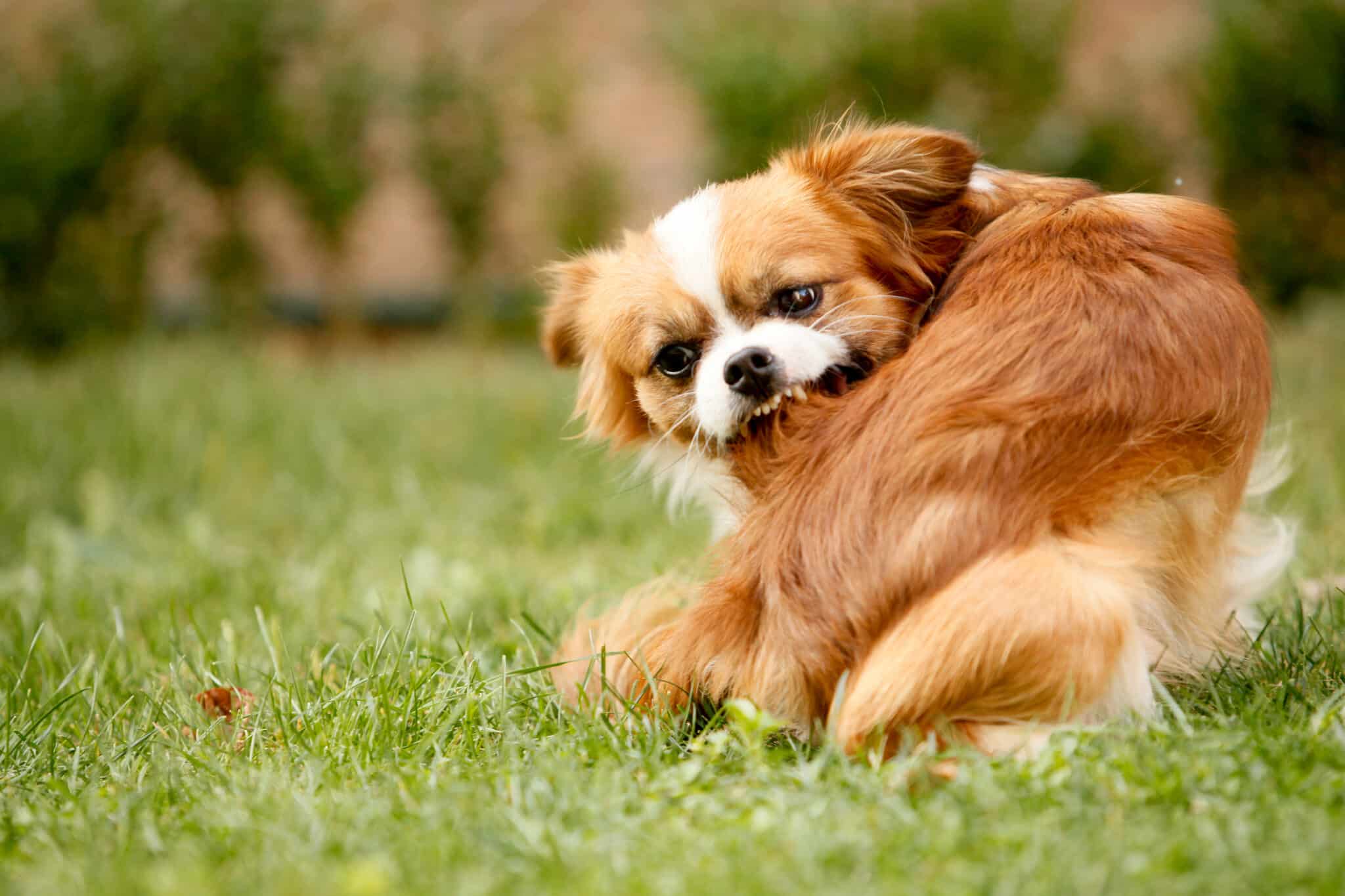
- Licking, scratching, and chewing the paws
If these symptoms do not go away after a fixed grooming routine, visit a veterinarian.
Conclusion
The shining coat and healthy skin are signs of a healthy dog. You should save the dog’s skin pH science, protect their natural acid mantle, and avoid painful dermatological problems.
Use the high-quality products that are dog-friendly, and brush your dog on a regular basis to spread the natural oils. Whether you have a Bulldog or a German Shepherd, understanding their biology is the first step toward a happier, healthier pet.





 English (US) ·