
I get it how frustrating it can be when you’re ready for bed and your puppy suddenly decides it’s time do zoomies around the living room. Many Dachshund owners are surprised when their pup seems to get a sudden burst of energy in the evening instead of winding down.
This behavior is so common it has a few nicknames: the “puppy witching hour,” “the zoomies,” or, more formally, Frenetic Random Activity Periods (FRAPs). It may look a little chaotic, and sometimes exhausting to watch, but it’s a normal part of puppyhood.
Raising a puppy can be exhausting and lead to the puppy blues. Knowing why your puppy gets so hyper in the evenings and how to respond can make life with your Dachshund baby a lot easier.
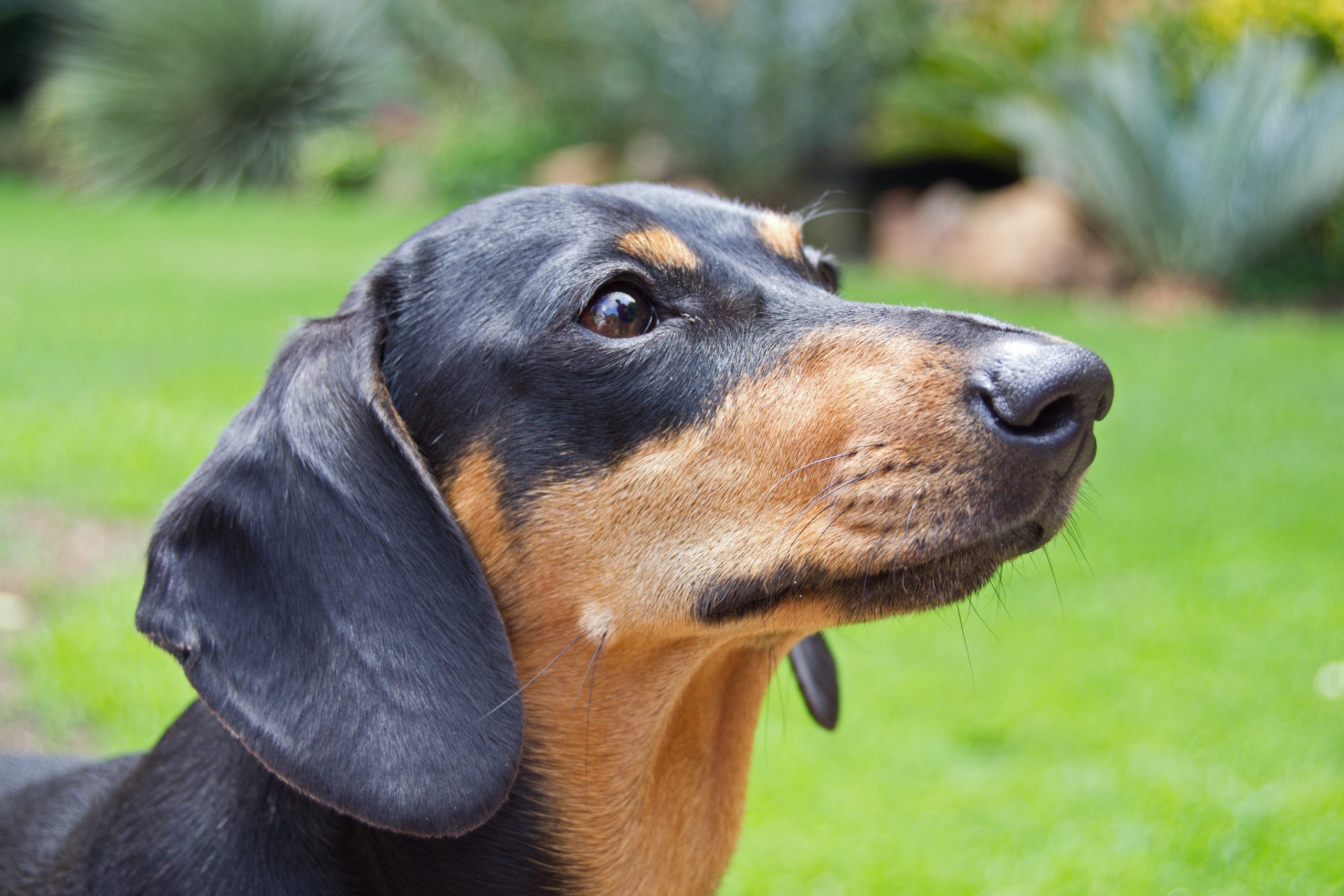
 Photo Credit: Depositphotos/Judithdz
Why Dachshunds Get the Zoomies
Zoomies are short bursts of frantic energy. A puppy might suddenly sprint from room to room, leap onto furniture, become really bitey, or play-bow at you before dashing off again.
The exact reason dogs do this isn’t fully understood, but several common triggers have been identified:
- Excess energy – Puppies need an outlet for all that stored energy, and zoomies are one way it comes out.
- Excitement – Playtime, a walk, or even just seeing you after work can spark a zoomie session.
- Overtiredness – Much like children who get silly when they miss a nap, puppies can get a “second wind” when they should be resting.
- Overstimulation – Too much noise, activity, or interaction can leave a pup overwhelmed, and zoomies may be how they release the tension.
While zoomies themselves aren’t harmful, they can be a clue about your puppy’s needs. Some Dachshunds simply need more physical exercise and mental enrichment throughout the day. Others may need more downtime to prevent overstimulation or overtired meltdowns.
When Zoomies Signal Overtiredness
One of the most common, but less obvious, reasons for evening hyperactivity is fatigue. I hear all of the time: “I take my puppy on several short walks a day, and entertain them all of the time, so I don’t understand why they still have all of this energy at the end of the day.”
Puppies require a huge amount of sleep – up to 18–20 hours a day – and when they don’t get enough rest, they can spiral into overtired chaos.
An overtired Dachshund puppy may:
- Become unusually nippy or grouchy
- Bark more than usual to get your attention
- Ignore basic training cues they normally know
- Stick to you like glue, looking for comfort
- Drink or lick excessively
- Pant even when they haven’t been running hard
This kind of behavior is driven by a stress hormone surge (cortisol), which makes it harder for them to settle. In other words, they’re too tired to know how to rest. A similar phenomenon occurs in human babies when they are too tired.
When Zoomies Come From Overstimulation
On the other end of the spectrum, your Dachshund may go wild because their environment is just too overwhelming. Too many people, noises, or new experiences can make it difficult for a young dog to cope.
Signs of overstimulation include:
- Pacing or restlessness
- Panting or excessive licking
- Jumping and nipping even after socializing
- Compulsive behaviors like paw chewing or chasing their tail
- Looking for somewhere to hide or retreat (often their crate)
If your puppy seems wired and anxious rather than joyfully playful, overstimulation may be the reason.
How to Help Your Hyper Dachshund Puppy
The first step in calming your puppy is figuring out whether their zoomies come from -excitement, excess energy, fatigue, or overstimulation. Once you know the likely cause, you can choose a response that actually helps.
For Puppies With Excess Energy
Sometimes the best thing you can do is let them run it off in a safe space. A game of fetch, a quick training session, or a food puzzle can help burn that energy.
Mental work is especially powerful. Solving puzzles or working for treats often tires a Dachshund out faster than physical play.
Hint: If you initially think your puppy is acting crazy because they aren’t getting enough exercise and their behavior doesn’t get better, or gets worse, when you increase activity and play, it’s probably because it was one of the two reasons below instead.
For Overtired Puppies
If your pup is melting down because they need sleep, adding more activity won’t help. Instead, create a predictable routine that builds in naps during the day and a calming bedtime ritual at night.
- Encourage quiet time in their crate or a designated puppy-safe space.
- Gently stroking them, especially rubbing the flap of their ears, can help some Dachshunds relax.
- Aim for consistency (puppies thrive on routine).
Once I realized my puppy was acting out because he was overtired, I took it as a communication that he needed a nap. I put him in a crate with a natural chew, and most of the time he quickly fell asleep.
For Overstimulated Puppies
If your puppy’s zoomies seem stress-driven, reduce the stimulation around them.
- Move to a quieter area or dim the lights.
- Give them a safe space like their crate.
- Keep your own energy calm and steady, since dogs pick up on human stress.
- Introduce new environments gradually, building tolerance over time.
One person can remain with puppy if they are in a relaxed mindset (puppies feed off our energy). Breathing deep and slow around the puppy can help calm them too.
When Will My Dachshund Puppy Calm Down?
One of the most common questions owners ask is whether their puppy will ever grow out of this behavior or not. The answer is yes, at least partly. In my experience, most Dachshund puppies begin to settle around 1.5 years of age as they mature.
That said, Dachshunds are energetic little dogs at any age. Daily walks, interactive play, and enrichment will always be part of keeping them happy and healthy. The goal isn’t to eliminate their energy, but to give it an appropriate outlet.
Final Thoughts
Dachshund puppies are full of personality, and sometimes that comes out in the form of wild nighttime zoomies. While it can be frustrating if you’re trying to wind down, the behavior is both normal and temporary.
By learning to tell the difference between excess energy, overtiredness, and overstimulation, you can respond in a way that helps your puppy calm down faster. More importantly, you’ll be building healthy habits that set the stage for a calmer, well-adjusted adult dog.
The puppy stage doesn’t last forever. With patience, structure, and a little understanding, you’ll look back one day and miss those silly, whirlwind zoomies.












 English (US) ·