
 1 month ago
73
1 month ago
73
If you’ve ever spotted a Bernese Mountain Dog at the dog park and stopped in your tracks, you know exactly why. That coat is striking. But if you’re wondering whether Berners come in any colors beyond the classic three-toned look, you’re asking the right question. The short answer: not exactly. But the full story is more interesting.
This guide covers everything you need to know about Bernese Mountain Dog colors in 2026, from the AKC-recognized standard to the rare, non-standard variations that occasionally show up in litters.
Quick Facts: Bernese Mountain Dog Colors
- AKC-recognized color: Tricolor only (black, white, and rust)
- Non-standard colors: Sable, dilute (blue), chocolate, and partial tricolor
- Coat type: Double coat, thick and moderately long
- Heavy shedding seasons: Spring and fall
- Daily grooming time: 10-20 minutes to manage shedding
The Classic Bernese Mountain Dog Color: Tricolor
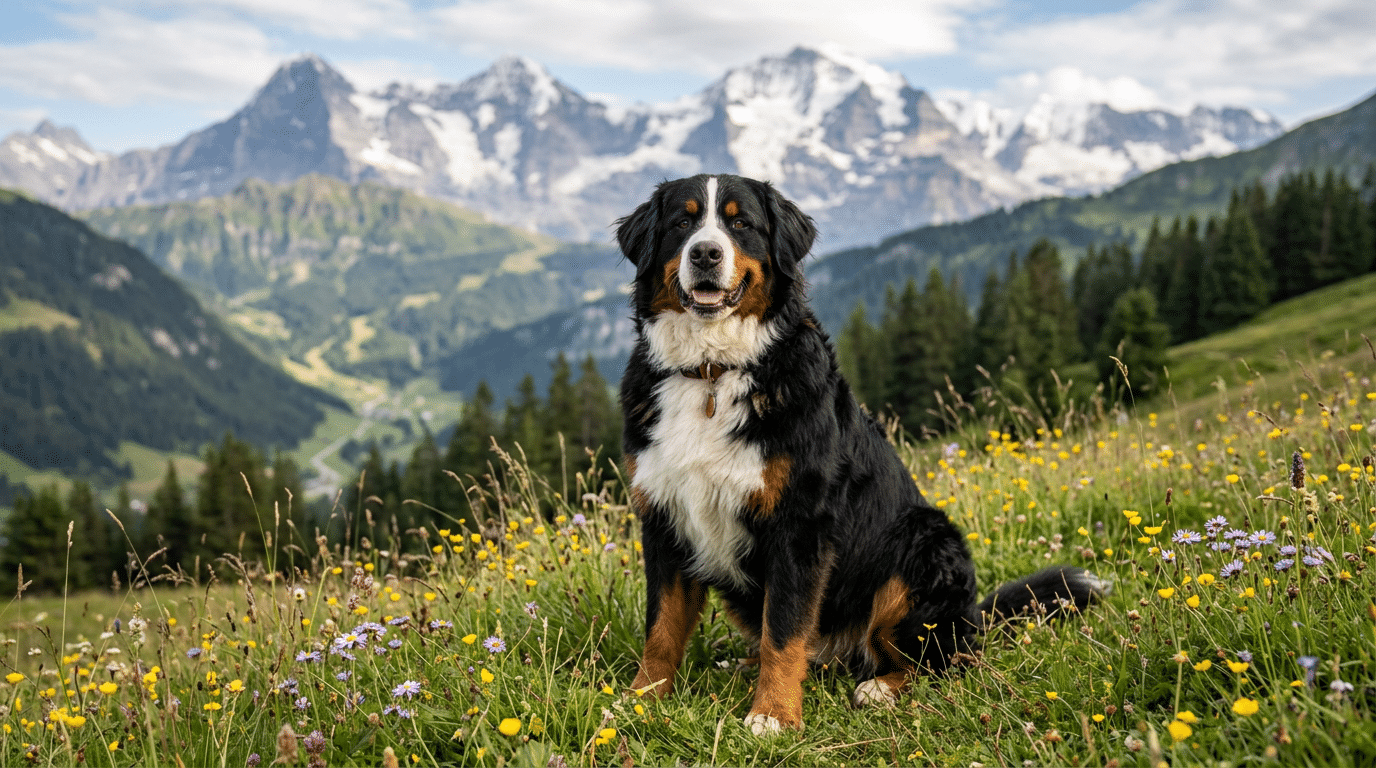
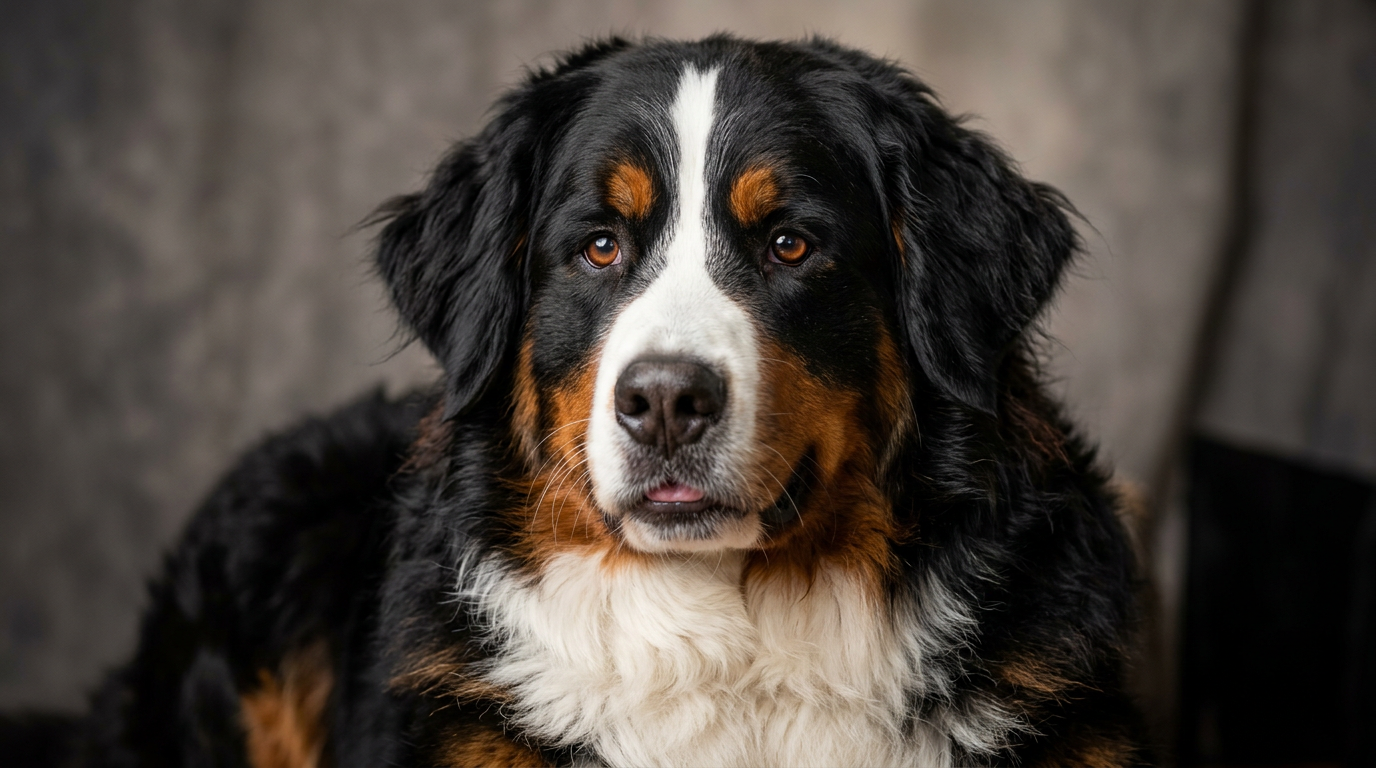
The Bernese Mountain Dog has one AKC-recognized color pattern: tricolor. That means black, white, and rust (sometimes called tan), arranged in a specific way that’s been consistent across the breed for centuries.
Here’s what a proper tricolor Berner looks like:
- Black: Covers most of the body, including the back, sides, and top of the head
- White: Appears on the chest, muzzle blaze, feet, and tail tip – forming a distinctive “Swiss cross” pattern on the chest
- Rust/Tan: Sits above each eye as spots, on the cheeks, sides of the muzzle, legs, and under the tail
The symmetry of this pattern isn’t just cosmetic. Breeders and show judges pay close attention to how evenly the markings fall. A dog with a strong, even white blaze running up the muzzle and a clear white chest patch will score well in conformation. A poorly marked Berner (asymmetrical face, weak rust, or excessive white) might be considered “pet quality” but is no less lovable.
So where did this look come from? The Bernese Mountain Dog originated in the Swiss Alps, specifically the canton of Bern. Farmers there used these dogs for drafting, droving cattle, and general farm work. The tricolor was simply what the working dogs of that region looked like. When the breed was formally recognized in the early 1900s, the standard locked in those colors.
Non-Standard Bernese Mountain Dog Colors
While the AKC only recognizes tricolor, other color variations do appear in Bernese Mountain Dogs. You won’t see them in the show ring, and reputable breeders aren’t intentionally producing them. But they exist, and if you’re buying a puppy from a large litter, you might occasionally encounter one.
Sable Bernese Mountain Dog
Sable Berners have a coat where individual hairs are banded with multiple colors, usually black-tipped with a lighter base. The result is a softer, more blended look compared to the sharp black patches of a standard tricolor. The rust and white markings are still present, but the black areas look almost brownish or golden in certain lighting.
This coloring comes from the agouti gene pathway. It’s a recessive trait that surfaces occasionally when both parents carry the relevant allele. It doesn’t affect temperament or health.
Dilute (Blue) Bernese Mountain Dog
A dilute Berner carries two copies of the dilution gene (dd genotype), which turns black pigment into a blue-gray color. The rust markings also lighten to a pale cream or beige. The overall appearance is softer and less saturated than a standard tricolor.
One important note: dogs with the dilution gene can be more prone to a condition called color dilution alopecia (CDA), which causes coat thinning and skin problems in affected areas. Not every dilute dog develops CDA, but it’s something to be aware of.
Chocolate (Liver) Bernese Mountain Dog
Chocolate Berners have brown pigment instead of black. Their “black” areas are a rich brown, and their nose and eye rims match. Like sable, this comes from recessive gene expression (the b allele in the TYRP1 gene). Both parents must carry the recessive gene for a chocolate pup to appear.
Chocolate Berners still carry the tricolor pattern – they’re just brown, white, and tan instead of black, white, and tan. Some people find this color genuinely striking, but it won’t be competitive in AKC shows.
Partial or Poorly Marked Tricolor
Some Berners technically have all three colors but with significantly reduced white markings. You might see a dog where the white chest patch is small, the blaze on the muzzle is faint, or one side of the face has noticeably less rust than the other. These dogs are still tricolor but don’t meet the ideal conformation standard.
Breeders call these “minimally marked” or “poorly marked” dogs. They’re entirely healthy and wonderful pets – they just wouldn’t win a dog show based on appearance.
Berner Color Pattern at a Glance
| Black/White/Rust Tricolor | Yes | Standard breed gene expression | None specific |
| Sable | No | Agouti pathway (recessive) | None specific |
| Dilute/Blue | No | Dilution gene (dd) | Possible CDA risk |
| Chocolate/Liver | No | TYRP1 gene (bb recessive) | None specific |
Does Color Affect Berner Temperament or Health?
Here’s a question that comes up a lot: does a Berner’s coat color say anything about their health or personality?
For the most part, no. A standard tricolor Berner, a sable, and a chocolate will all have the same gentle, affectionate, patient temperament that makes this breed so beloved. Color is controlled by pigment genes that don’t influence behavior or general health.
The one exception worth noting is the dilute (blue) gene. Dogs with CDA can develop patchy hair loss, dry flaky skin, and recurring skin infections. This doesn’t happen in every dilute dog, but it’s a real enough risk that responsible breeders avoid intentionally producing dilute puppies.
If you’re buying from a breeder and they’re specifically marketing “blue Berners” or “rare color Berners” at a premium price, that’s a red flag. Good breeders focus on health testing, temperament, and conformation – not on producing unusual colors for novelty.
The Bernese Mountain Dog Double Coat: What You’re Actually Dealing With
That gorgeous tri-color coat? It comes with a trade-off. Berners have a thick double coat – a soft, dense undercoat beneath a longer, slightly wavy topcoat. It protects them from alpine cold, keeps them comfortable in moderate heat, and… absolutely buries your house in fur.
Let’s be honest about what ownership looks like:
- Year-round shedding: Berners shed moderately all year. You’ll find fur on your couch, your clothes, and somehow in your food even if the dog is three rooms away.
- Seasonal “blowing the coat”: In spring and fall, Berners go through heavy shedding cycles where the undercoat comes out in clumps. During these weeks, daily brushing is basically required.
- The undercoat is the real culprit: The dense soft undercoat is what causes most of the mess. A slicker brush and an undercoat rake are your best tools for managing it.
Color doesn’t change how much a Berner sheds. A chocolate Berner sheds just as much as a standard tricolor – you’ll just find brown fur instead of black.
Bernese Mountain Dog Coat Maintenance: A Practical Routine
You don’t need to spend hours a week grooming a Berner, but you do need to be consistent. Here’s what actually works:
Daily (Takes 10 Minutes)
Run a slicker brush through the main body. Focus on areas that mat easily: behind the ears, under the armpits, around the collar, and where the legs meet the chest. This is also when you check for debris, burrs, or early matting.
Weekly (Takes 30 Minutes)
Do a full brushout with a combination of a pin brush and an undercoat rake. Get down to the skin in sections, moving in the direction of hair growth. Check nails, ears, and teeth while you’re at it.
During Shedding Season
Up the brushing to daily full sessions. An undercoat rake (the FURminator or a comparable double-row rake) will pull out loose undercoat before it ends up everywhere. Some owners invest in a high-velocity dog dryer during this period – it blasts out loose fur in minutes.
Bathing
Every 6-8 weeks is fine for most Berners. Their coat is somewhat self-cleaning and bathing too often can strip natural oils. Use a dog-specific shampoo, and make sure you rinse thoroughly – shampoo residue trapped near the undercoat causes skin irritation.
If coat maintenance feels overwhelming, most Bernese Mountain Dog owners end up finding a professional groomer every 2-3 months for a deep bath-and-brush. It’s a reasonable investment to keep things manageable, especially if you’re dealing with a puppy learning to tolerate grooming.
For more on keeping your Berner healthy and well-fed alongside all that grooming, check out our guide to the best puppy foods for Bernese Mountain Dogs. Nutrition plays a bigger role in coat health than most people realize.
How to Read a Berner’s Markings
The AKC standard describes the ideal marking pattern in specific terms, and breeders use these to evaluate puppies. Here’s a quick breakdown:
The blaze: A white stripe running from between the eyes up over the top of the muzzle. The ideal blaze is centered and clearly defined – not too wide (which would look “dirty”) and not so narrow that it’s barely visible.
The chest cross: White on the chest should form a clear “Swiss cross” shape – a vertical stripe with an intersecting horizontal bar. Dogs without this pattern are considered poorly marked.
The four eyes (or pumpkin seeds): Rust spots above each eye. These should be symmetrical and clearly visible. Asymmetrical spots are one of the most common marking faults.
White feet: All four feet should have white. The amount varies, but complete absence on any foot is a fault.
White tail tip: A white tip on the tail is desirable but not always present. Most standard Berners have at least a small amount of white at the end.
None of this matters for pet ownership. Your dog doesn’t care whether their blaze is perfectly centered. But if you’re considering showing your Berner or breeding from them, understanding the marking standard is essential. You can read more about what AKC judges look for in a well-structured dog when you explore other large, working dog breeds.
Buying a Berner: What Color Questions Actually Matter
If you’re shopping for a Bernese Mountain Dog puppy, here’s practical advice on the color front:
Don’t pay extra for “rare” colors. Non-standard colors aren’t more valuable – they’re just unusual. A reputable breeder pricing puppies higher because they’re “sable” or “blue” is using novelty to extract money, not because those dogs are healthier or better.
Do ask about color genetics if you plan to breed. If you want to breed Berners in the future, knowing whether your dog carries recessive alleles (chocolate, dilute) is relevant. A breeder can often provide this information or help you find it.
Puppy coat color can shift slightly. Berner puppies are born with their tricolor pattern, but the rust areas often deepen and the black areas become more clearly defined in the first year. Don’t panic if your puppy’s rust looks washed out at 8 weeks.
Sun fading is real. A standard tricolor Berner’s black coat can take on a brownish hue if the dog spends a lot of time in direct sunlight. This is just oxidation and doesn’t mean the dog is a different color genetically.
Comparing Berner Colors to Similar Breeds
Bernese Mountain Dogs are part of the Swiss working dog family alongside the Greater Swiss Mountain Dog (Swissy), the Appenzeller, and the Entlebucher Mountain Dog. All four breeds share the tricolor pattern, which is considered the traditional Swiss herding and drafting dog look.
If you’re drawn to the tricolor pattern but want a different size or energy level, there are several large breeds that share similar personality traits worth considering before you commit.
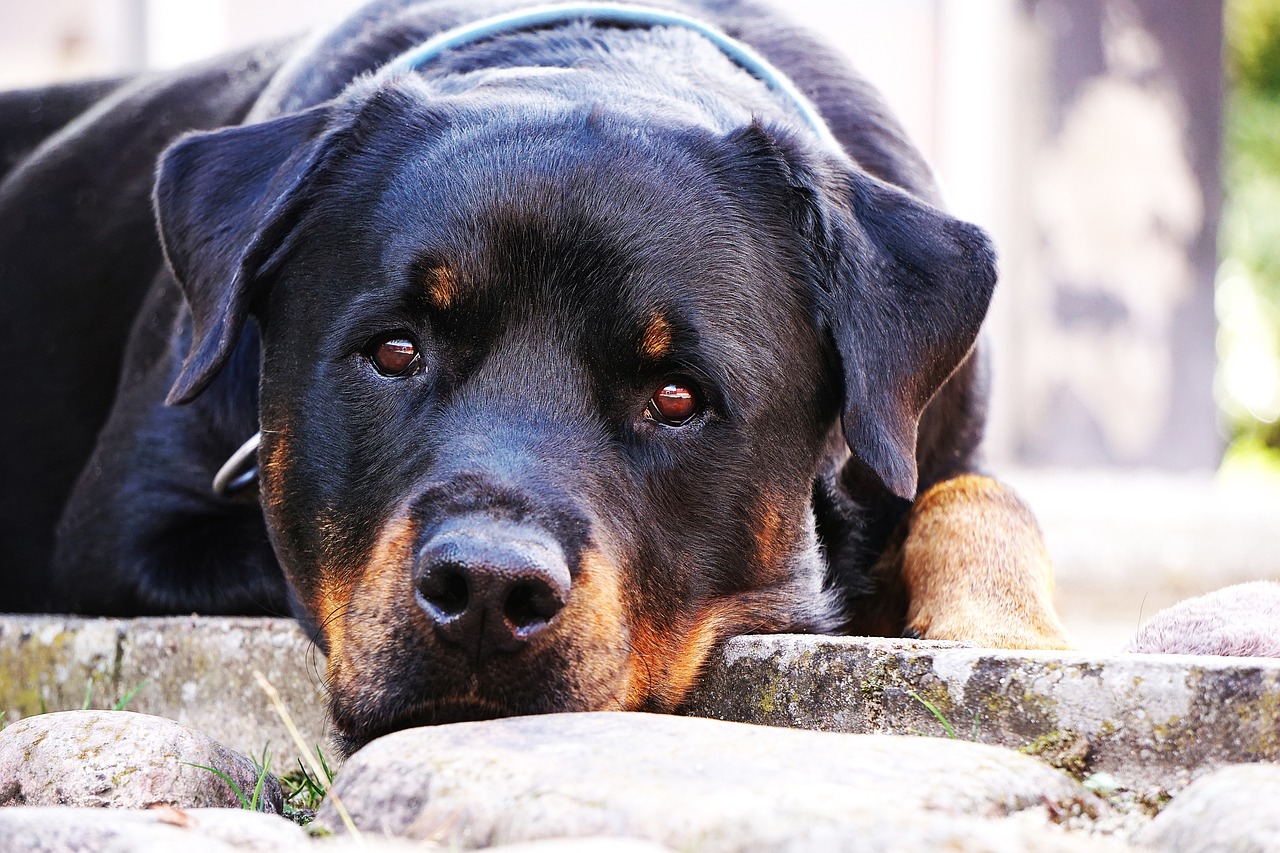
The Rottweiler and Doberman also share a black-and-rust (two-color) pattern that’s related to the Berner’s tricolor at the genetic level – both come from the same agouti pathway. The Berner’s white markings are the distinguishing factor.
Frequently Asked Questions About Bernese Mountain Dog Colors
Can Bernese Mountain Dogs be all black?
No. A genetically all-black Berner isn’t possible within normal breed genetics. If you’ve seen what appears to be a solid black dog described as a Bernese Mountain Dog, it’s almost certainly a mix. Standard Berners always carry the white and rust markings.
Do Bernese Mountain Dogs come in white?
Not as a primary color. White appears in the tricolor pattern on the muzzle, chest, and feet – but an all-white or predominantly white Berner isn’t a recognized variation. If a dog looks mostly white with minor black markings, it’s likely not a purebred Berner.
What does a sable Bernese Mountain Dog look like?
A sable Berner has a more muted, blended version of the tricolor. The black areas appear brownish or have lighter-tipped hairs mixed in, giving the coat a softer overall look. The rust and white markings are still present. It’s subtle enough that many people wouldn’t notice unless they were specifically looking for it.
Are “merle” Berners real?
No. Merle is a coat pattern found in breeds like Australian Shepherds and Collies. It’s not part of the Bernese Mountain Dog gene pool. Any breeder offering “merle Berners” is selling you a mixed-breed dog, intentional or not.
Can two tricolor Berners produce a non-standard color puppy?
Yes, if both parents carry the recessive alleles for chocolate or dilute. Two dogs that look standard tricolor can carry hidden genes and produce sable, chocolate, or dilute puppies. This is relatively uncommon but does happen in legitimate litters.
Does Berner coat color fade with age?
It can. Some Berners develop gray muzzles and lightening around the face as they age, similar to many black-coated breeds. The rust areas may also soften slightly. This is normal aging, not a coat color problem.
How do I keep my Berner’s coat looking its best?
Regular brushing (daily during shedding season, 2-3 times per week otherwise), bathing every 6-8 weeks, and good nutrition. A high-quality diet rich in omega fatty acids makes a noticeable difference in coat sheen and reduces excessive shedding. If the coat looks dull or the fur is dry, nutrition is usually the first thing to look at.
Bottom Line
Bernese Mountain Dogs come in one recognized color: the classic black, white, and rust tricolor that’s been their signature look for over a century. It’s a stunning pattern, and the breed’s standard has preserved it well.
Non-standard colors – sable, chocolate, dilute – do exist, but they’re the result of recessive genetics, not intentional breeding. A good breeder isn’t trying to produce “rare” colors, and you shouldn’t pay extra for one. What actually matters in a Berner is health testing, temperament, and a lineage free from the serious conditions this breed is prone to.
As for that coat: yes, it sheds. A lot. But with a consistent grooming routine and the right tools, it’s completely manageable. The payoff – that gorgeous tri-color dog that turns heads everywhere you go – is more than worth it. For feeding advice to complement your care routine, take a look at our breakdown of the best dog foods for Bernese Mountain Dogs with no fillers.
And if you’re still early in your research and considering other gentle giants, our guide to dog breeds with quiet personalities and strong presence is a good place to continue.







 English (US) ·