
Last month, I shared a story about a neighbor’s dog who passed away due to internal bleeding related to a spleen tumor.
It’s a really sad story — but it’s not the end of the story.
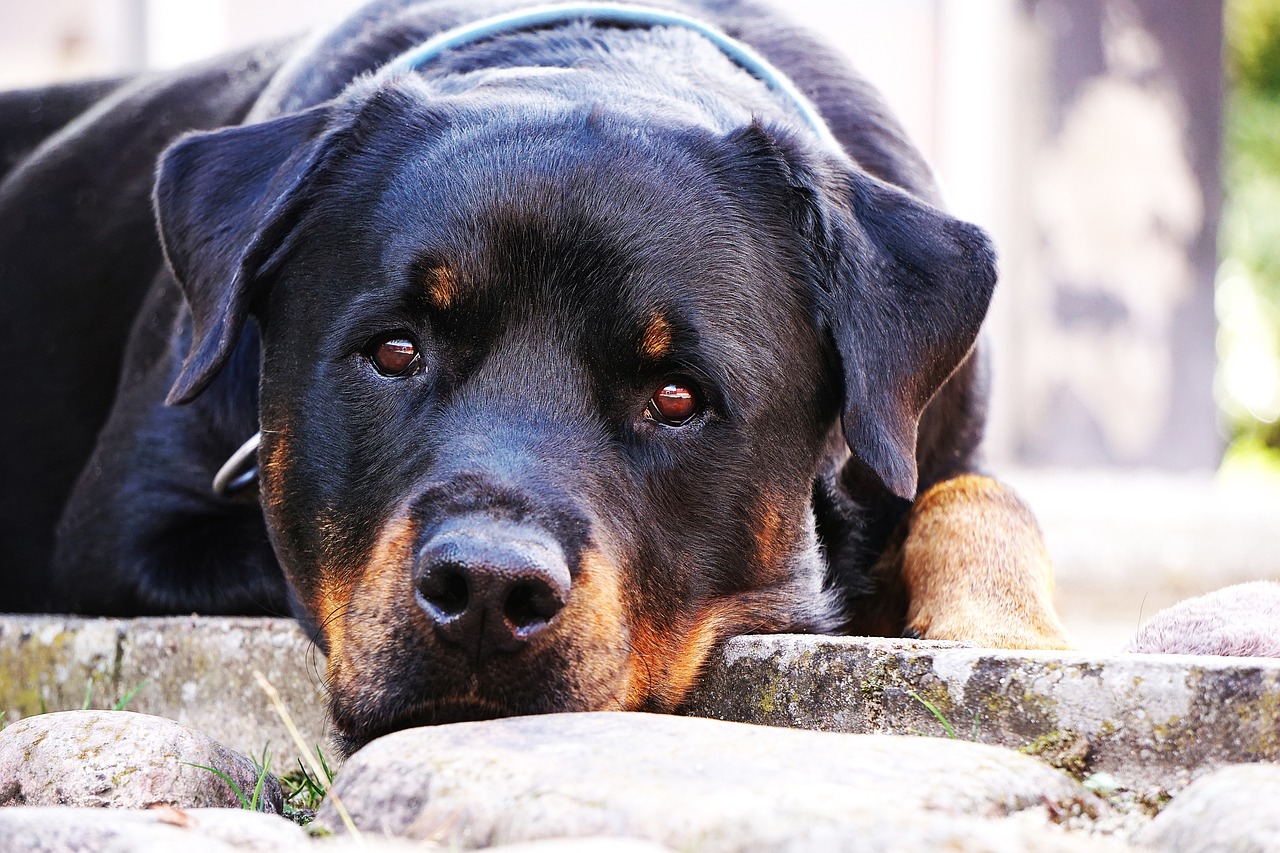
The dog who passed away had a sister who I’ll call “Lola”.
When a Senior Dog’s Mobility Starts to Decline
I was aware that Lola’s parents were really worried about the possibility of a similar problem. So I suggested running blood work and doing an ultrasound to make sure nothing serious was developing internally. The tests came back clear, but there was still a problem:
Lola’s mobility had been declining for a few years. She was stiff and uncomfortable, often refusing to go for a walk.
When I was still seeing patients at my clinic, mobility issues were one of the main reasons people requesting euthanasia. When our dogs can’t move, their quality of life and health drops rapidly.
In fact, a study published in the journal Osteoarthritis found that around 80% of dogs over the age of 8 show signs of osteoarthritis or mobility decline.¹
The dog who used to sprint to the door now gets up slowly. Walks become shorter. Stairs and jumping up in the car become harder.
That’s what Lola was like.
She is deeply loved and cared for by her parents, but I could see they were kind of lost and didn’t know how to help her.
I wanted to do something to help but I didn't want to overwhelm them with a complicated protocol.
A Natural Approach to Senior Dog Joint Health
So, I suggested we begin with just a simple change: switch to raw food, do a liver cleanse, and add omega-3s to Lola’s diet.
More specifically, FeelGood Omega and LiverTune.
I often prefer to start with a simple intervention so we can clearly see what’s helping. So Lola began receiving FeelGood Omega and LiverTune daily with her meals.
And then something wonderful happened.
Omega-3s for Dogs
Within about two weeks, Lola’s parents and I began noticing changes.
She was moving more easily and wanted to go on longer walks again. In fact, she refused to go back to the car, wanting to go further!
She started asking to come visit Pax and me, something she hadn’t shown interest in for a while.
I’ve seen improvements like these with my own eyes countless times and it’s also supported by clinical research.
For example, a controlled study in dogs with osteoarthritis found that dogs receiving higher EPA and DHA intake showed improved mobility and weight-bearing compared with dogs on control diets.²
We also know that reducing toxin and heavy metal levels by a cleanse will markedly improve metabolism and mobility.
Most importantly for Lola, she seemed happier, more energetic and slimmer — like a dog who had rediscovered life again!
Over the years I’ve seen this pattern many times.

Diet, Detox, and Canine Mobility Support
When dogs get fresh non-processed food, do a simple detox, and receive adequate levels of omega-3 fatty acids they rapidly improve — and the same is true for us, too.
Unfortunately, dogs and their guardians typically don’t get adequate levels of omega-3s.
A global study analyzing more than 500,000 blood samples found that North Americans tend to have the lowest omega-3 levels in the world.³
Thousands of hair analysis tests I have done have also confirmed that most dogs have increased heavy metal levels.
Simply put, addressing diet, omega-3 deficit, and doing a gentle cleanse can make a big difference for most of us — and our dogs.
If your dog is slowing down, showing stiffness, or struggling on walks, this kind of natural dog mobility support can be a simple place to start.
If you haven’t tried FeelGood Omega and LiverTune line yet discover it here.
Your order is backed by a 100% Satisfaction LIFETIME Money-Back Guarantee.


Frequently Asked Questions
What is FeelGood Omega and how does it help dogs with arthritis and mobility issues?
FeelGood Omega is a calamari‑based omega‑3 oil rich in EPA and DHA that supports joint, heart, brain, and overall health. EPA provides strong anti‑inflammatory support, which can reduce joint pain and stiffness, while DHA supports nerve and brain function that influence coordination and mobility. Clinical research in dogs with osteoarthritis shows that higher EPA and DHA intake improves weight‑bearing and mobility compared to control diets.
How does LiverTune support my dog’s liver and detoxification?
LiverTune is a certified‑organic, naturally fermented herbal formula designed to support liver function, enhance detoxification pathways, and help eliminate heavy metals and toxins. The fermentation process makes the herbal nutrients more bioavailable and boosts their antioxidant and anti‑inflammatory effects, which can translate into better energy, metabolism, and mobility.
How long does it usually take to see mobility improvements like Lola’s?
Some dogs may show noticeable changes in 2–3 weeks, such as more willingness to walk, play, and use stairs, while others may take 4–8 weeks depending on age, weight, and underlying issues. Because cartilage and inflammation take time to change, it is best to commit to at least one to two months of consistent omega‑3 and LiverTune use before judging results.
What dose of FeelGood Omega should I give my dog, and can I increase it for arthritis?
The standard daily dose on the label is designed for general health, but the dose can be doubled in dogs with arthritis or acute inflammation to increase the anti‑inflammatory EPA intake. It is best to increase gradually, divide the total into meals, and monitor stools, as very high doses can sometimes soften stools.
How often should I use LiverTune for my dog – is it a one‑time cleanse or ongoing?
LiverTune is typically used as a four‑week first‑time cleanse, followed by ongoing support where it is given daily for one week each month as part of a detox and longevity program. Frequency can be adjusted based on age, toxin exposure, and lab results, ideally with guidance from your veterinarian.
Can my dog and I use the same omega‑3 products from Dr. Dobias?
FeelGood Omega for dogs and FeelGood Omega H+ for people use the same high‑quality calamari‑based omega‑3 oil, with labeling and dosing tailored to each species. Families often share a bottle between people and dogs as long as each follows their appropriate dose.
Is calamari oil really safer than regular fish oil for my dog?
Calamari are low on the marine food chain, which means they tend to accumulate fewer heavy metals and pollutants than many larger fish species. FeelGood Omega is micro‑filtered, tested for EPA and DHA content, and batch‑tested for toxins and heavy metals to ensure purity and safety.
Are omega‑3 and LiverTune safe with my dog’s current medications?
Omega‑3s are generally very safe and commonly used alongside medications, though at high doses they can have mild blood‑thinning effects, so your veterinarian should be informed. LiverTune supports liver detoxification and may influence how drugs are metabolized, which is why it is important to consult your vet, especially if your dog has liver disease or takes multiple medications.
What specific early signs show omega‑3 and LiverTune are working for mobility?
Guardians often notice that their dogs get up more easily, ask for longer walks, manage stairs or jumping into the car with less hesitation, and show brighter mood and engagement. Subtle changes such as improved coat quality, leaner body condition, and steadier energy across the day can also signal that inflammation and liver burden are decreasing.
How do heavy metals and toxins actually affect my dog’s joints and energy?
Heavy metals and environmental toxins can increase oxidative stress and chronic inflammation, interfere with mitochondrial function, and put extra load on detox organs, which together can worsen joint pain and reduce vitality. By supporting liver function and detox pathways, LiverTune helps the body clear these substances more efficiently, which may translate into better metabolism, energy, and mobility.
How should I combine FeelGood Omega, LiverTune, and joint products without doing too much?
A simple structure is to start with fresh food, FeelGood Omega, and a four‑week LiverTune cleanse, then add joint‑specific products such as JointButter or JointPowder if your dog needs more focused joint support. This staged approach makes it easier to stay consistent and see which changes are helping.
Is there a different protocol for very senior, large‑breed, or overweight dogs?
Senior, large‑breed, and overweight dogs often need extra attention to weight management, gentle low‑impact exercise, and sufficient omega‑3 intake, sometimes at the higher end of the recommended range. Because their joints and organs are under more strain, it is wise to personalize dosing and detox frequency with the help of an integrative veterinarian.
What should I do if I don’t see improvement after 4–6 weeks on omega‑3 and LiverTune?
First, make sure the diet is fresh and species‑appropriate, and that supplements are being given consistently at the right dose. If mobility is still poor, it is important to reevaluate spine and joint health, weight, and other conditions with your veterinarian, and consider adding dedicated joint formulas or therapies.
Can omega‑3 and LiverTune be used preventively in younger dogs?
Yes, omega‑3 and periodic liver support can be used proactively to counter modern diets high in omega‑6 and environmental toxin exposure, supporting long‑term joint, heart, and brain health. Starting early helps maintain a healthier inflammatory balance and may reduce the risk or severity of future mobility decline.
Do I need to change my dog’s diet if I’m adding FeelGood Omega and LiverTune?
You will see the best results if omega‑3 and LiverTune are layered onto a fresh, non‑processed, species‑appropriate diet because processed kibble often drives chronic inflammation. Transitioning gradually from kibble to raw or cooked fresh food while adding these supplements helps reduce stress on the gut and liver and supports more complete healing.
Can I give FeelGood Omega to a dog with heart or kidney disease?
Omega‑3s are widely used to support heart and kidney health because they help calm inflammation, support healthier blood fats, and protect blood vessels. Dogs with heart or kidney disease can often benefit from omega‑3s, but dosing and monitoring should be individualized with a veterinarian, especially if prescription diets or cardiac medications are involved.
How do omega‑3 and liver detox help with weight loss and body condition?
Omega‑3s can improve insulin sensitivity and reduce chronic inflammation, which supports healthier metabolism and can make weight loss easier. LiverTune helps the liver process fats and toxins more efficiently, so together they can support a leaner body, better energy, and less strain on joints.
Is it safe to use LiverTune continuously, or should I only use it in short cleanses?
LiverTune is intended for an initial four‑week cleanse, followed by ongoing support where it is used for one week each month as part of a long‑term detox and longevity plan. In dogs with elevated liver enzymes, it can be continued until values normalize and then cycled as needed, with liver values rechecked every 3–6 months.
How long did it take for your dog’s mobility to improve on FeelGood Omega and LiverTune?
Many guardians report early changes, such as increased willingness to walk or play, within 2–4 weeks, with more pronounced improvements developing over 2–3 months when diet and weight are also addressed. Timelines vary with age, severity of arthritis, and other health issues, so tracking your dog’s specific progress is more useful than comparing with others.
Is it too late to start omega‑3 and LiverTune if my dog can barely walk?
Even dogs with advanced mobility issues can often experience better comfort, mood, and engagement when inflammation and toxin load are reduced, though improvements may be more modest and gradual. A focused 4–6 week trial, under veterinary supervision, can clarify how much benefit is still possible before making final decisions about quality of life.
Scientific References
- Johnston SA. Osteoarthritis. Joint anatomy, physiology, and pathobiology. Vet Clin North Am Small Anim Pract. 1997.
- Roush JK, et al. Evaluation of the effects of dietary supplementation with fish oil omega-3 fatty acids on weight bearing in dogs with osteoarthritis. J Am Vet Med Assoc. 2010 Jan 1;236(1):67-73.
- Torrissen M, et al. Global variations in omega-3 fatty acid status and omega-6:omega-3 ratios: insights from >500,000 whole-blood dried blood spot samples. Lipids Health Dis. 2025;24:260.

















 English (US) ·