
 1 month ago
79
1 month ago
79
French Bulldogs are one of the most popular dog breeds in the United States, and a lot of that has to do with their looks. Those bat ears, the smooshed face, the compact build. But Frenchies also come in a wider range of coat colors than most people expect – from classic brindle to rare and wildly expensive shades like isabella and lilac that can cost more than a used car.
Whether you’re shopping for a puppy and trying to understand why prices vary so much, or you’re curious what’s actually behind these colors genetically, this guide breaks it all down. You’ll get the full list of AKC-recognized colors, the rare and exotic shades that command premium prices, honest notes on health risks, and real 2026 breeder price ranges for each color.
French Bulldog Colors at a Glance (2026)
| Brindle | Yes | $2,000-$3,500 | Low |
| Fawn | Yes | $2,000-$3,500 | Low |
| White | Yes | $2,500-$4,000 | Low-Moderate |
| Cream | Yes | $2,500-$4,000 | Low |
| Pied | Yes | $2,500-$4,000 | Low |
| Blue | No | $4,000-$6,000 | Moderate-High (CDA risk) |
| Chocolate | No | $4,000-$6,500 | Moderate |
| Merle | No | $5,000-$10,000+ | High (vision/hearing) |
| Lilac | No | $6,000-$9,000 | Moderate-High (CDA risk) |
| Isabella | No | $8,000-$15,000+ | Moderate-High (CDA risk) |
AKC-Recognized French Bulldog Colors
The American Kennel Club recognizes five main colors and patterns for French Bulldogs: brindle, fawn, white, cream, and pied. If you plan to show your dog in conformation events, these are the only options that qualify. For most pet owners, though, AKC recognition isn’t the priority – it’s just helpful context when comparing prices and making sense of breeder listings.
1. Brindle
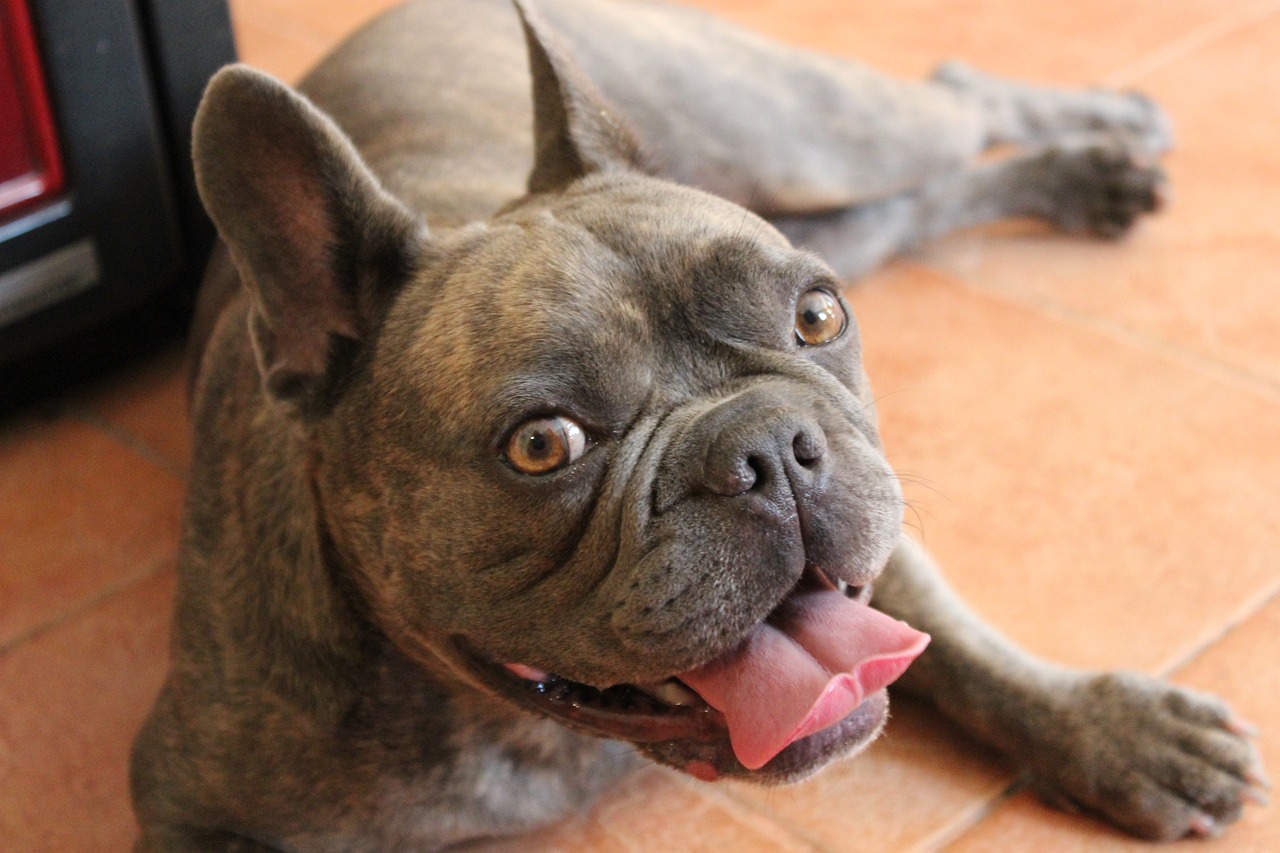
Brindle is the most classic Frenchie color, and it’s what most people picture when they imagine the breed. The coat has a base color – usually fawn or cream – overlaid with dark streaks that create a tiger-stripe effect. The intensity varies a lot. Some brindle dogs look nearly black. Others are mostly light with just scattered dark markings.
A “reverse brindle” flips the ratio: dark background with lighter streaks showing through. It’s a subtle distinction, but breeders and show judges pay attention to it.
Brindle is widely available. You won’t pay a premium for the color itself. A brindle Frenchie from a reputable breeder typically runs $2,000-$3,500, and there are no known color-specific health concerns tied to brindle genetics.
2. Fawn
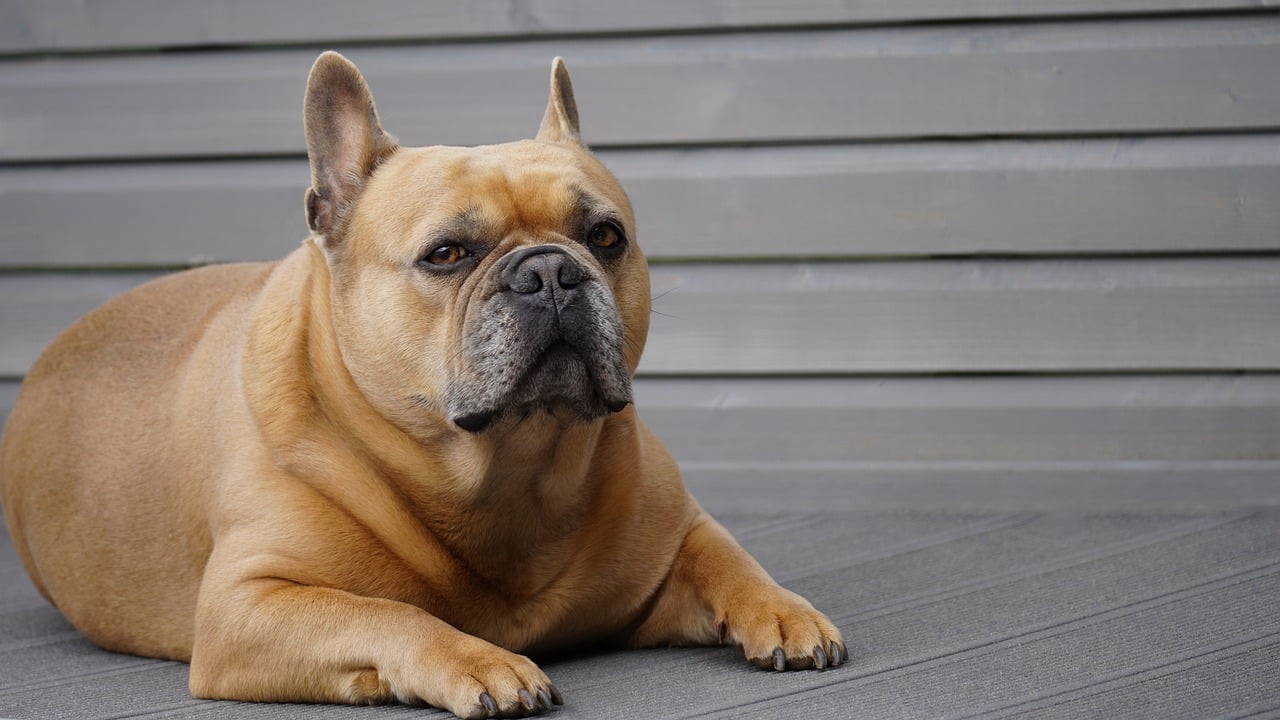
Fawn runs from a pale tan to a deep reddish-honey, and most fawn Frenchies have a dark mask around their muzzle and eyes. That contrast between the light coat and the dark mask is part of what makes the fawn look so expressive and appealing.
It’s one of the most photogenic colors in the breed – which is probably why fawn Frenchies dominate Instagram. The coat is uniform and smooth, which highlights every wrinkle and facial feature nicely.
No color-specific health risks. Prices are similar to brindle – $2,000-$3,500 from a responsible breeder.
3. White
White French Bulldogs have a bright, predominantly white coat with minimal warm undertone. Don’t confuse them with cream – a true white Frenchie reads as stark white rather than buttery or off-white.
There’s something important to know here. White Frenchies, especially those with reduced pigmentation around the eyes and nose, can carry a gene linked to congenital deafness. It’s not a guarantee – plenty of white Frenchies hear perfectly fine – but it’s worth asking your breeder whether they BAER test their puppies. The Brainstem Auditory Evoked Response test is quick, painless, and gives you certainty before you commit.
White dogs also tend to need a bit more attention to skin health. Their lighter pigmentation offers less protection from sunburn, and some white Frenchies develop skin sensitivity with age. Price range: $2,500-$4,000.
4. Cream
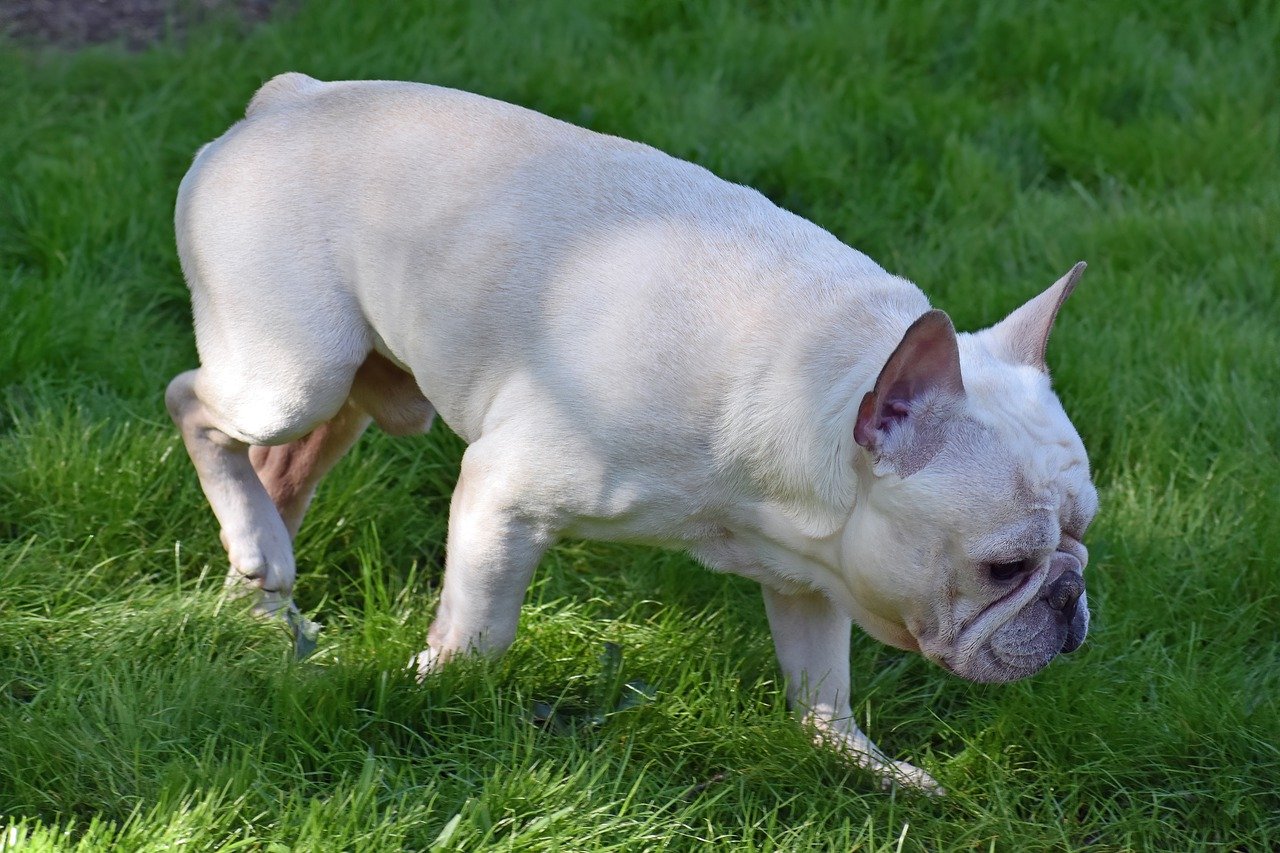
Cream is a diluted fawn. The coat is pale – almost white – but with a warm, buttery undertone that’s unmistakable once you know what to look for. Cream Frenchies typically have darker noses and eye rims than white ones, which helps tell them apart.
From a health standpoint, cream is one of the safest color choices. No dilution gene complications, no merle risks. The genetics are clean and well-understood.
One heads-up: some sellers call a very light fawn a “cream” to justify a higher price. A true cream has even, pale pigmentation throughout – not just a washed-out fawn with some lighter patches. Ask to see both parents if you’re unsure. Prices typically run $2,500-$4,000.
5. Pied

Pied is technically a pattern, not a color. A pied Frenchie has a predominantly white coat with patches of a second color – black, brindle, or fawn most commonly. Each pied dog’s patch pattern is unique, which makes them especially popular with people who want a dog with a distinctive look.
You’ll often see them listed as “brindle pied” or “fawn pied” in breeder ads. The amount of coloring varies widely. Some pied Frenchies are nearly all white with just a few small patches; others have large, irregular markings covering half their body.
The AKC recognizes pied as a standard pattern. Prices typically run $2,500-$4,000, with more unusually marked dogs sometimes fetching a bit more.
Rare and Exotic French Bulldog Colors
The colors below aren’t AKC-recognized, and some are controversial within the breed community. But they’ve become extremely popular among pet buyers, and the demand has pushed prices to eye-watering levels. Here’s what’s actually behind each one – and what you need to know before you pay a premium.
Blue French Bulldogs

Blue Frenchies aren’t actually blue – the coat is a cool steel-gray that picks up a bluish shimmer in certain light. The color comes from the dilution gene (the “d” allele), which reduces black pigment and turns it into that distinctive slate shade. A dog needs two copies (dd) to express the full blue color.
They’re beautiful dogs. That part is true. But they carry a real health risk in the form of Color Dilution Alopecia (CDA) – a chronic skin and coat condition caused by the same dilution gene. Affected dogs develop patchy hair loss, dry flaky skin, and recurring skin infections. Estimates vary, but some studies suggest 30-40% of blue dogs with the dilute gene are affected to some degree.
Not every blue Frenchie gets CDA. But you should go in knowing the risk is real and management is ongoing. Getting a solid pet insurance plan for your French Bulldog before bringing one home is a smart move. Vet bills for chronic skin conditions add up fast.
Blue Frenchies typically cost $4,000-$6,000. If you see one advertised under $2,500, that’s a warning sign – something’s off about the breeding operation.
Chocolate French Bulldogs

Chocolate Frenchies have a deep brown coat that ranges from milk chocolate to nearly espresso. Most have amber or green eyes, which contrasts beautifully with the dark fur. Some chocolate Frenchies also have a lighter nose pigment – sometimes called a “liver” or “self” nose.
The color comes from the “b” allele, a recessive gene that converts black pigment to brown. Because it’s recessive, both parents must carry at least one copy for their puppies to have any chance of inheriting the chocolate color. If both parents are carriers but not chocolate themselves, about 25% of their puppies will be chocolate. That rarity is a big part of why chocolate Frenchies cost more.
Chocolate dogs can be prone to skin sensitivities, so diet quality matters. Feeding a dog food without unnecessary fillers can help keep their coat healthy and reduce flare-ups. Prices from reputable breeders run $4,000-$6,500.
Merle French Bulldogs
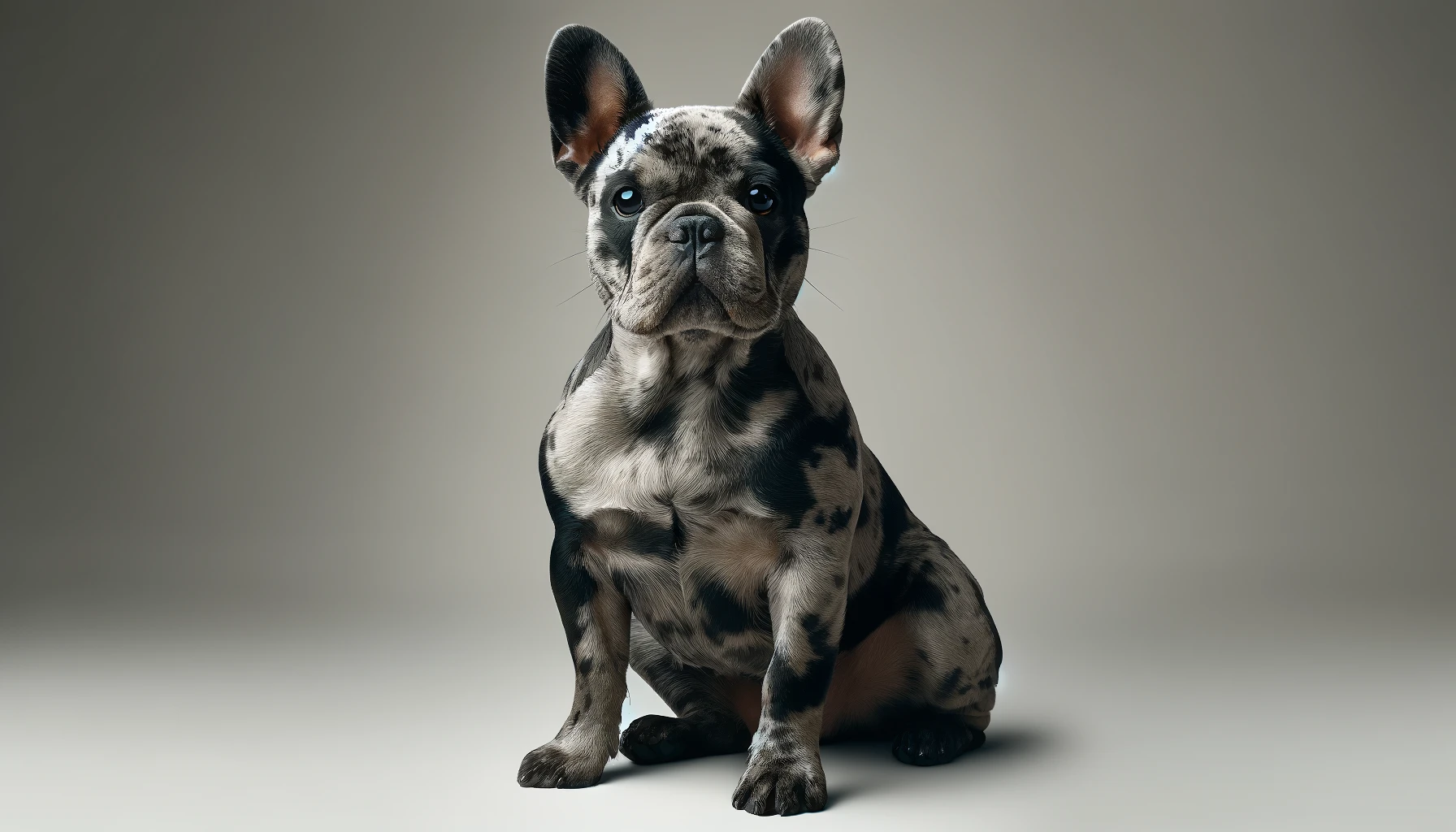
Merle is the most visually dramatic pattern in the breed. The coat shows mottled patches of color – blues, grays, blacks, and tans – with each dog’s pattern being completely one-of-a-kind. Merle Frenchies often have striking blue or heterochromatic (mismatched) eyes, which makes them look especially unusual.
Here’s what you need to understand before buying one: merle genetics weren’t originally part of the French Bulldog gene pool. The merle pattern was introduced through crossbreeding with other breeds, which is why the AKC doesn’t recognize it and many breed purists actively oppose merle Frenchies.
The health concern with merle isn’t just theoretical. A single copy of the merle gene (Mm) can increase risk of eye and ear abnormalities. A double merle dog (MM, produced by breeding two merles together) faces dramatically elevated odds of blindness, deafness, or both – sometimes severe enough to require lifelong care. If you want to understand the full picture of merle genetics, this breakdown of merle dog breeds and their health facts is worth reading.
Only buy a merle Frenchie from a breeder who DNA tests all parents and explicitly confirms they never pair two merle dogs. Prices range from $5,000-$10,000 and often higher for “exotic” merle combinations.
Lilac French Bulldogs
Lilac Frenchies have a soft, pale grayish-purple tint that’s immediately striking. The color comes from stacking two recessive genes – both the blue dilution gene (dd) AND the chocolate gene (bb) have to be present. A lilac Frenchie needs to carry two copies of each recessive allele to express the color, which is why they’re genuinely rare.
Most lilac Frenchies have pale eyes – blue, green, or sometimes a pale amber – and a lighter nose pigment. The overall effect is subtle but distinct once you know what you’re looking at.
Since lilac dogs carry the dilution gene, they share the CDA risk with blue Frenchies. Not every lilac dog develops skin problems, but the risk is real enough to factor into your decision. Prices typically run $6,000-$9,000 from reputable breeders.
Isabella French Bulldogs
Isabella – sometimes called “true lilac” by breeders – is one of the rarest French Bulldog colors you’ll find anywhere. The coat is a very soft, warm beige with a subtle lilac or gray tint. It’s hard to describe without seeing it in person, but it reads as a faded, almost champagne-like tone. Not quite brown, not quite gray, not quite lilac.
The genetics behind isabella involve stacking multiple dilution factors including the testable chocolate gene (the “cocoa” or “at” alleles) combined with additional dilution genes. The more recessive genes required, the rarer the outcome – and the higher the price.
Isabella Frenchies typically have the palest eyes of any color variation, often appearing nearly white-blue or very pale gray. Their noses and eye rims are usually a soft lavender-pink. They don’t turn up often, and when they do, prices start at $8,000 and can easily hit $15,000 or more for an exceptional example. If you find one listed for $3,000, ask a lot of questions before trusting the seller.
French Bulldog Color Price Guide 2026
Prices from reputable breeders with health testing. Puppy mills and backyard breeders may charge less upfront – but vet bills often catch up.
| Brindle / Fawn | $2,000-$3,500 | Standard colors, widely available |
| Cream / White / Pied | $2,500-$4,000 | Popular, slightly higher demand |
| Blue / Blue Fawn | $4,000-$6,000 | Dilution gene, selective pairing |
| Chocolate | $4,000-$6,500 | Recessive gene in both parents required |
| Merle | $5,000-$10,000+ | Complex genetics, strong market demand |
| Lilac | $6,000-$9,000 | Two double-recessive genes needed |
| Isabella | $8,000-$15,000+ | Extremely rare gene stacking |
Health Concerns Linked to French Bulldog Colors
Frenchies already face health challenges that come with the breed – breathing difficulties, spinal issues, heat sensitivity. Color genetics can add another layer of concern for some dogs, and it’s worth understanding before you buy.
Color Dilution Alopecia (CDA) is the most common color-related health problem in Frenchies. It affects blue, lilac, and isabella dogs that carry the dilution gene. The condition causes patchy hair loss, dry or flaky skin, and recurring bacterial infections. It’s not life-threatening, but it’s chronic. You’re looking at regular vet visits and ongoing skin management for the dog’s life. Feeding a diet designed for Frenchies with sensitive stomachs can help manage skin health from the inside out.
Deafness is a concern in white Frenchies with reduced pigmentation, particularly around the ears. BAER testing is the gold standard for confirming hearing ability. If your breeder doesn’t offer it or hasn’t done it, ask why – any responsible breeder of white Frenchies should test their puppies.
Vision and hearing defects carry the most serious risk in merle genetics. Single merle copies raise the risk somewhat. Double merle dogs face very high odds of blindness, deafness, or severe underdevelopment of eye structures. This isn’t a fringe concern – it’s well-documented in canine genetics. If you’re interested in dogs with a higher-than-average risk for heritable conditions, this list of dog breeds with higher genetic disorder risks is worth reviewing.
None of this means you can’t responsibly own a rare-color Frenchie. Plenty of blue, lilac, and even merle Frenchies live long, healthy lives with the right care. But going in with clear eyes is important. Knowing the risks helps you find a better breeder, ask better questions, and prepare for what might come.
Once your Frenchie gets older, keep in mind that their nutritional needs shift. Senior French Bulldog supplements can support joint health, digestion, and energy as they age – regardless of coat color.

Frequently Asked Questions About French Bulldog Colors
What are the AKC-recognized French Bulldog colors?
The AKC recognizes brindle, fawn, white, and cream as standard colors, along with pied as a recognized pattern. These are the only colors accepted for conformation show competition. Any Frenchie can be registered regardless of color, but non-standard colors like blue, lilac, merle, chocolate, and isabella won’t be competitive in the show ring.
What is the rarest French Bulldog color?
Isabella (sometimes called “true lilac”) is widely considered the rarest. It requires a specific combination of multiple recessive dilution genes stacking together – the blue dilution gene (dd), the chocolate gene (bb), and additional modifiers. True isabella Frenchies are seldom available and command prices of $8,000-$15,000+.
Are blue French Bulldogs healthy?
They can be, but they carry an elevated risk of Color Dilution Alopecia (CDA) – a chronic skin and coat condition. Not every blue Frenchie develops it, but the risk is real. Work with a breeder who health-tests parents and has clear records of skin health in their lines. Pet insurance is especially worth considering for blue Frenchies.
Why are merle French Bulldogs controversial?
Merle isn’t a naturally occurring pattern in French Bulldogs – it was introduced through crossbreeding with other breeds. The AKC doesn’t recognize it, and many breed clubs oppose it. The bigger concern is health: the merle gene can cause vision and hearing defects, especially when a double merle (two merle parents bred together) is produced. Responsible merle breeders DNA test all dogs and never pair two merles.
What’s the difference between lilac and blue French Bulldogs?
Blue Frenchies carry just the dilution gene (dd), which turns black pigment into a steel gray. Lilac Frenchies carry both the dilution gene (dd) AND the chocolate gene (bb), which creates a grayish-purple tone rather than a pure steel gray. Lilac dogs tend to have lighter noses and often have more pronounced greenish or pale blue eyes compared to blue Frenchies.
Do French Bulldog color and temperament go together?
No – coat color doesn’t determine temperament. A brindle Frenchie isn’t any calmer or more energetic than a blue one. Temperament in Frenchies comes down to genetics from both parents, socialization from the breeder, and your training as an owner. If you’re working on potty training your French Bulldog, the techniques work the same regardless of coat color.
Is a cheap rare-color French Bulldog a red flag?
Almost always, yes. A “blue” or “lilac” Frenchie priced at $1,500 is almost certainly from a puppy mill or a backyard breeder who cuts corners on health testing, socialization, and genetic screening. The price gap between a standard-color Frenchie and a rare-color one exists for real reasons. If the price seems too good to be true, it usually is.

Bottom Line: Picking the Right French Bulldog Color for You
Here’s what it comes down to: the color of a Frenchie doesn’t make it a better or worse dog. A brindle Frenchie from a responsible breeder with solid health testing is going to be a better long-term companion than a lilac Frenchie from someone who prioritizes rare genetics over health screening.
That said, knowing the full picture helps. If you love the look of a blue or chocolate Frenchie, go for it – just find a breeder who does thorough health testing and can give you real information about CDA prevalence in their lines. If you’re drawn to merle, do your homework on the genetics and only work with someone who DNA tests every breeding pair.
For most people buying a Frenchie as a family pet, a standard-color dog – brindle, fawn, cream, or pied – gives you the best combination of value, health predictability, and availability. You’ll spend $2,000-$4,000 instead of $8,000-$15,000, and you’ll likely end up with a dog just as lovable and photogenic as any rare-color counterpart.
Whatever color you choose, your Frenchie is going to need quality food, regular vet checkups, and plenty of attention. Finding the right food for your French Bulldog is one of the most important decisions you’ll make as an owner – and one that pays off over time in better coat health, energy, and longevity.














 English (US) ·