
 3 weeks ago
27
3 weeks ago
27
iHeartDogs is reader-supported. When you buy via links on our site, we may earn an affiliate commission at no extra cost to you.
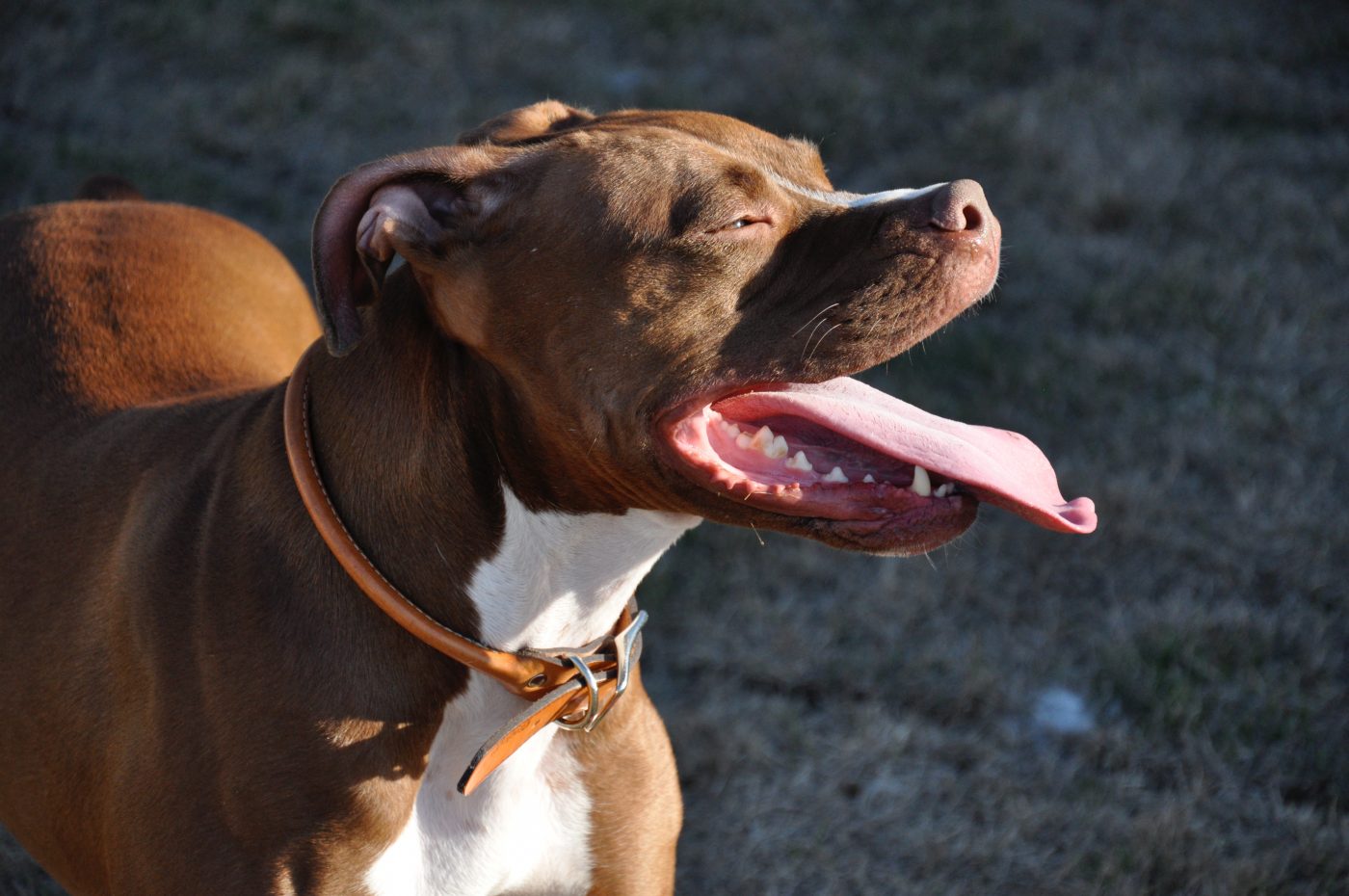
If you’re trying to figure out whether your Pit Bull is the right size for their age, you’re not alone. It’s one of the most common questions new owners have, and for good reason. Pit Bulls grow fast, and the jump from tiny puppy to stocky adult happens quicker than most people expect.
This guide covers pit bull weight by age for both males and females, from newborn all the way to 3 years. You’ll also find height charts, feeding amounts, healthy weight ranges, and a breakdown of how their muscle develops over time. All of it is in one place so you don’t have to hunt around.
How Fast Do Pit Bulls Grow?
Pit Bulls are a medium-to-large breed, and they grow pretty quickly during the first 6 months of life. Most puppies hit a growth surge right around 3-4 months, when they can look almost gangly with big paws and a still-lean frame. Don’t worry. That’s totally normal.
By 12 months, most Pit Bulls are close to their full height. But they keep filling out muscle-wise for another year or more. A 2-year-old Pit Bull can look noticeably more built than a 1-year-old, even at the same height.
Males tend to be heavier and broader than females. The size difference becomes more obvious around 9-12 months when males start developing more chest and shoulder muscle.
Male Pit Bull Weight & Height by Age
The table below shows average weights and heights for male Pit Bulls from newborn to 3 years. These are ranges, not absolutes. Your dog’s genetics, diet, and activity level all affect where he lands.
| Newborn | 0.5-1 | 0.2-0.45 | 2-4 | 5-10 |
| 1 month | 5-9 | 2.2-4 | 6-9 | 15-23 |
| 2 months | 10-20 | 4.5-9 | 9-11 | 23-28 |
| 3 months | 20-30 | 9-13.6 | 11-13 | 28-33 |
| 4 months | 30-40 | 13.6-18 | 13-15 | 33-38 |
| 5 months | 40-50 | 18-22.6 | 15-17 | 38-43 |
| 6 months | 50-60 | 22.6-27 | 17-19 | 43-48 |
| 7-9 months | 60-70 | 27-31.7 | 18-20 | 46-51 |
| 10-12 months | 70-80 | 31.7-36.2 | 19-21 | 48-53 |
| 2 years | 75-85 | 34-38.5 | 21-23 | 53-58 |
| 3 years | 75-85 | 34-38.5 | 21-23 | 53-58 |
Always check with your vet if you’re unsure whether your male Pit Bull is tracking appropriately. They can factor in things like whether he’s neutered, his activity level, and his specific body type.
Female Pit Bull Weight & Height by Age
Females are typically 5-15 pounds lighter than males at comparable ages, and a bit shorter too. They tend to stay leaner overall and often reach their adult size a little earlier than males.
| Newborn | 0.5-0.9 | 0.2-0.4 | 2-4 | 5-10 |
| 1 month | 4-8 | 1.8-3.6 | 5-8 | 13-20 |
| 2 months | 9-18 | 4-8.1 | 8-10 | 20-25 |
| 3 months | 18-27 | 8.1-12.2 | 10-12 | 25-30 |
| 4 months | 27-36 | 12.2-16.3 | 12-14 | 30-35 |
| 5 months | 36-45 | 16.3-20.4 | 14-16 | 35-40 |
| 6 months | 45-55 | 20.4-24.9 | 16-18 | 40-45 |
| 7-9 months | 55-63 | 24.9-28.5 | 17-19 | 43-48 |
| 10-12 months | 63-70 | 28.5-31.7 | 18-20 | 46-51 |
| 2 years | 65-75 | 29.4-34 | 20-22 | 51-56 |
| 3 years | 65-75 | 29.4-34 | 20-22 | 51-56 |
These figures are estimates based on typical American Pit Bull Terriers and American Staffordshire Terriers. Staffies tend to run a bit smaller, while XL or XXL bloodlines can run considerably heavier. Know your dog’s specific background if you can.
Healthy Adult Pit Bull Weight Ranges
- Males: 35-60 lbs for standard Pit Bulls; 50-80 lbs for larger lines
- Females: 30-50 lbs for standard Pit Bulls; 45-65 lbs for larger lines
- Height (males): 18-21 inches at the shoulder
- Height (females): 17-20 inches at the shoulder
- Body condition: Ribs should be felt but not clearly visible; waist visible from above
- XL/XXL lines: Males 80-120 lbs; Females 60-90 lbs (these are non-standard)
What Affects Pit Bull Growth?
Not every Pit Bull hits the middle of these charts. Several things push dogs toward the heavier or lighter end.
Genetics. The biggest factor by far. A dog from larger parents will almost always be larger. If you can see the parents, that tells you a lot about where your dog is headed.
Diet. Puppies fed a high-quality, protein-rich food tend to develop more muscle mass than those on lower-quality food. Check out the best Pit Bull puppy foods if you’re not sure what to feed during the growth phase.
Spay/neuter timing. Dogs neutered before 12 months sometimes grow slightly taller than intact dogs, because the sex hormones that signal growth plates to close aren’t present as early. The tradeoff is that some studies link early neutering to joint issues, so talk to your vet about timing.
Activity level. A dog that runs, plays, and exercises regularly will build more muscle than a couch potato. That said, avoid high-impact exercise like long runs or jumping on hard surfaces until your Pit Bull is at least 12-14 months old. Growth plates are still open and can be damaged.
Health issues. Parasites, poor gut health, or metabolic conditions can all slow weight gain in puppies. If your puppy seems to be falling well behind the chart despite eating well, a vet visit is a smart move.
How Much to Feed a Pit Bull by Age
Feeding amounts change a lot as Pit Bulls grow. Puppies need more calories per pound of body weight than adults, and they need those calories spread across more meals per day. Here’s a general feeding guide. Always check your specific food’s guidelines too, since calorie density varies by brand.
| 2-3 months | 4 | 1-1.5 cups | Puppy formula, high protein |
| 3-6 months | 3 | 1.5-2.5 cups | Increase with weight gain |
| 6-12 months | 2-3 | 2.5-4 cups | Transition to 2x/day by 9 months |
| 1-2 years | 2 | 3-5 cups | Transition to adult food at 12-18 months |
| 2+ years | 2 | 3-5 cups | Adjust for activity level and weight |
These numbers assume a standard dry kibble at roughly 350-400 calories per cup. Raw or wet food diets will have different amounts. A good rule of thumb: if you can feel your dog’s ribs easily but can’t see them, and there’s a visible waist tuck from above, you’re in the right zone.
For growing puppies, a calcium-to-phosphorus ratio that’s balanced matters a lot. Large-breed puppy formulas are designed for this. You can also look into supplements for Pit Bull puppies that support joint health and bone development during the growth phase.
Pit Bull Muscular Development by Age
Pit Bulls are known for their athletic, muscular build. But they don’t look that way right out of the whelping box. Here’s what to expect as that muscle develops.
0-3 months: Puppies look chunky but not muscular. They’re roly-poly and soft. That’s completely normal. Muscle definition doesn’t develop until they’re moving around a lot and building coordination.
3-6 months: You’ll start to see their frame take shape. Legs get longer, the chest starts to widen, and shoulders become more defined. They may look a little awkward or uncoordinated during this stretch. Think of it as the teenage phase.
6-12 months: This is when Pit Bulls start looking more like Pit Bulls. Chest broadens, neck thickens, and muscle definition becomes visible in the legs and hindquarters. Males especially develop noticeable shoulder muscle during this period.
12-24 months: Serious fill-out happens here. Even if your dog has reached full height by 12 months, they’ll continue adding muscle mass and chest width through their second year. This is when regular exercise really pays off. Short runs, fetch, tug, and structured play all help build healthy muscle.
2-3 years: Most Pit Bulls reach their peak physical condition somewhere between 2 and 3 years of age. A well-conditioned adult male can look dramatically different from a 1-year-old, even if the scale says roughly the same weight.
Supporting joint health through this period is smart. Hip and joint supplements for Pit Bulls can help as they build muscle and put more stress on those joints. It’s not just for seniors.
Key Pit Bull Growth Milestones
- 2-3 months: Weaned, eating solid food, rapid weight gain begins
- 4-6 months: Growth surge; can gain 5-10 lbs per month
- 6-9 months: Close to half of adult weight; chest broadening begins
- 12 months: Near full height; muscle fill-out still in progress
- 18 months: Most dogs reach adult weight; some males still filling out
- 2-3 years: Full physical maturity; peak muscle development
- 7+ years: Senior stage begins; senior supplements become relevant
Is My Pit Bull Overweight or Underweight?
The number on the scale only tells part of the story. Two Pit Bulls at 70 pounds can look very different depending on muscle mass and body fat. That’s why vets use body condition scoring (BCS) instead of just weight alone.
Here’s how to check your dog at home:
Ribs: Run your fingers along your dog’s side. You should be able to feel individual ribs without pressing hard. If you can’t feel them at all, your dog is likely overweight. If they’re clearly visible, he’s probably too lean.
Waist: Looking down from above, you should see a visible tuck behind the ribs. No waist visible means excess weight.
Belly tuck: From the side, the belly should rise up behind the rib cage. A flat or drooping belly often means the dog is carrying extra weight.
If you’re unsure, ask your vet at the next checkup. They can give you a body condition score (1-9 scale) and recommend a specific daily calorie target. Don’t try to guess at calorie math on your own if the dog is significantly over or under weight.
Keeping up with training also plays a role. A well-exercised Pit Bull maintains a healthier weight and is easier to manage. Online training classes for Pit Bulls are a great way to build structure and burn energy at the same time.
When Do Pit Bulls Stop Growing?
Height: most Pit Bulls stop growing taller around 12-18 months. Their growth plates close, and after that point, additional height is off the table.
Weight: that’s a different story. Pit Bulls can continue gaining muscle mass until they’re 2-3 years old. So if your 14-month-old looks lean, don’t panic. They may fill out significantly over the next year.
Males especially tend to finish their physical development later. A 1-year-old male Pit Bull can look like a different dog at 2.5 years, even at a similar weight, just because of how their chest and shoulders fill in.
A comfortable, supportive place to rest matters more once they’re full-grown and active. The best dog beds for Pit Bulls account for their dense muscle and joint needs.

Frequently Asked Questions
How much should a 4-month-old Pit Bull weigh?
A male at 4 months typically weighs 30-40 lbs, and a female around 27-36 lbs. These are averages. Genetics play a big role, so don’t stress if your puppy is slightly outside that range. As long as they’re active, eating well, and gaining steadily, they’re probably fine.
How much should a 6-month-old Pit Bull weigh?
At 6 months, males usually weigh 50-60 lbs and females 45-55 lbs. This is often when owners notice how fast their dog is growing. Daily weight checks aren’t necessary, but a monthly weigh-in helps you spot any concerns early.
How much does a full-grown male Pit Bull weigh?
A standard adult male Pit Bull weighs 35-60 lbs. Dogs from larger bloodlines often land in the 65-85 lb range. XL and XXL varieties can exceed 100 lbs, but those aren’t considered standard Pit Bulls by most breed standards.
How much does a full-grown female Pit Bull weigh?
Adult females typically weigh 30-50 lbs for standard lines, or 50-70 lbs for larger bloodlines. Females are usually 5-15 lbs lighter than males from the same breeding.
When do Pit Bulls reach full size?
They hit full height by 12-18 months. But most don’t reach full weight and muscle development until 2-3 years. Males tend to fill out later than females.
Why isn’t my Pit Bull gaining weight?
Several things can cause slow weight gain: low-quality food, intestinal parasites, overactive metabolism, or an underlying health issue. If your dog is eating a good amount but not gaining, see your vet. A fecal test for parasites is usually the first step.
Is a 70-pound Pit Bull overweight?
Depends on the dog. A large-framed male with dense muscle could be healthy at 70 lbs. A small-framed female at 70 lbs would be significantly overweight. Body condition score is more useful than the number on the scale. When in doubt, ask your vet.
What should I feed my Pit Bull puppy to support growth?
Look for a large-breed puppy food with real meat as the first ingredient, at least 25-30% protein, and a proper calcium-to-phosphorus ratio. Avoid foods with excessive fillers. You can also add puppy supplements designed for muscle and joint development.
Do Pit Bulls gain muscle naturally?
Yes, especially with regular exercise. Pit Bulls are naturally athletic dogs that build muscle through normal play and activity. You don’t need a special weight-gain program. Good food, consistent exercise, and time will do most of the work.
My Pit Bull looks thin at 8 months. Is that normal?
Completely possible. Many Pit Bulls go through a lanky teenage phase between 6-12 months where they’re tall but haven’t filled out yet. As long as they’re eating well and your vet isn’t concerned, they’ll fill in over the next 12-18 months.

Bottom Line
Pit Bulls are fast growers early on and slow, steady developers as they move through adolescence and into adulthood. The charts above give you a solid baseline, but remember they’re ranges, not rules. Your dog’s individual genetics, diet, and activity level all shape where they end up.
The most practical thing you can do is keep regular vet appointments through the first two years. Weigh your dog monthly, watch their body condition, and adjust food amounts as they grow. Don’t stress every pound. Do pay attention to trends.
And if your Pit Bull looks a little lanky at 10 months? Give it another year. Some of the most impressive adult Pit Bulls were the scrawniest teenagers you’d ever seen.
Don’t forget dental care as part of overall health. Good teeth help your dog eat comfortably and support long-term wellbeing. Check out the best dental chews for Pit Bulls to keep their teeth clean between vet visits.






 English (US) ·