
 3 weeks ago
27
3 weeks ago
27
So you brought home a Shiba Inu, or you’re about to. One of the first questions every owner asks is: is my dog growing the way they should? That’s a fair concern. Shiba Inus are compact, athletic dogs, and their growth curve is actually pretty quick in the first year. By 12 months, most have hit their full height. But they keep filling out in muscle and body weight until around 2 to 3 years.
This guide breaks down Shiba Inu weight by age with separate charts for males and females, feeding recommendations, growth stages, and a quick way to check whether your dog’s at a healthy weight. Bookmark it. You’ll want to check back as your pup grows.
Shiba Inu Size at a Glance
Shiba Inu Size Summary
- Adult male weight: 23-30 lbs (10.4-13.6 kg)
- Adult female weight: 17-23 lbs (7.7-10.4 kg)
- Adult male height: 14.5-16.5 inches at the shoulder
- Adult female height: 13.5-15.5 inches at the shoulder
- Full height reached: 12-15 months
- Full adult weight reached: 18-24 months
- AKC breed standard weight: Males 23 lbs, Females 17 lbs
Keep in mind: these are averages. Your individual dog’s genetics, diet, and activity level all play a role. A dog who falls a pound or two outside the chart isn’t automatically underweight or overweight. Your vet’s the best person to assess your specific dog.
Male Shiba Inu Weights & Heights by Age
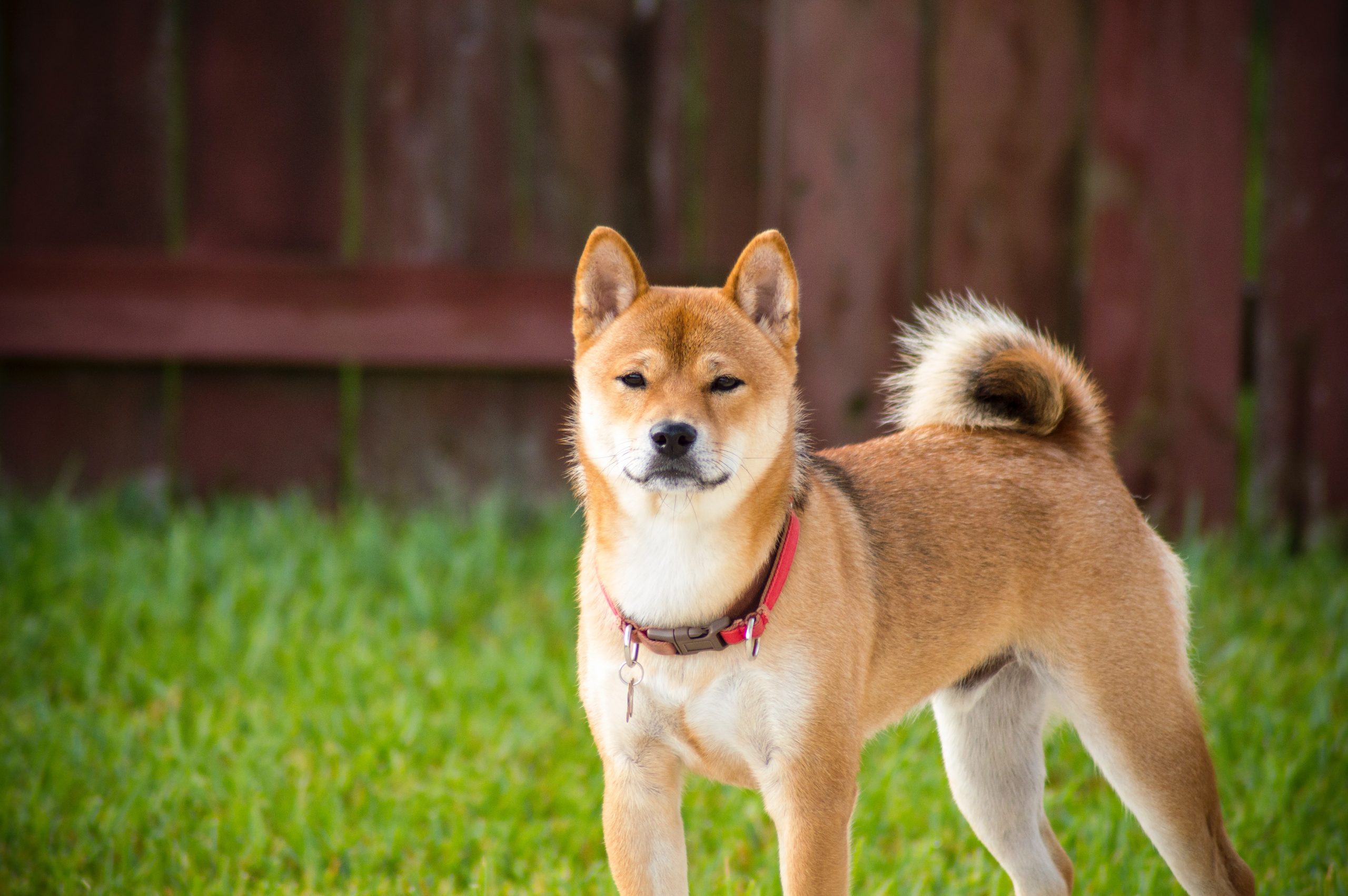
Male Shibas grow fast in the first 6 months, then slow down significantly as they approach their first birthday. The table below covers birth through 3 years. Always check with your vet if you’re worried your dog is growing too fast or too slow.
| Newborn | 0.5 – 1.0 | 0.23 – 0.45 | 3-4 | 7.6-10.2 |
| 1 Month | 4 – 6 | 1.8 – 2.7 | 5-7 | 12.7-17.8 |
| 2 Months | 8 – 11 | 3.6 – 5.0 | 7-9 | 17.8-22.9 |
| 3 Months | 11 – 15 | 5.0 – 6.8 | 9-11 | 22.9-27.9 |
| 4 Months | 15 – 20 | 6.8 – 9.1 | 10-12 | 25.4-30.5 |
| 6 Months | 20 – 25 | 9.1 – 11.3 | 12-14 | 30.5-35.6 |
| 8 Months | 22 – 28 | 10.0 – 12.7 | 13-15 | 33.0-38.1 |
| 10 Months | 23 – 29 | 10.4 – 13.2 | 13.5-16 | 34.3-40.6 |
| 12 Months | 24 – 30 | 10.9 – 13.6 | 13.5-17 | 34.3-43.2 |
| 2 Years | 23 – 30 | 10.4 – 13.6 | 14-17.5 | 35.6-44.5 |
| 3 Years | 23 – 30 | 10.4 – 13.6 | 14-17.5 | 35.6-44.5 |
Female Shiba Inu Weights & Heights by Age
Females are noticeably smaller than males – usually 5 to 8 pounds lighter at full maturity. They also tend to finish growing a bit earlier. Here’s what you can expect at each stage.
| Newborn | 0.4 – 0.9 | 0.18 – 0.4 | 2.5-3.5 | 6.4-8.9 |
| 1 Month | 3 – 5 | 1.4 – 2.3 | 4.5-6 | 11.4-15.2 |
| 2 Months | 7 – 10 | 3.2 – 4.5 | 6-8 | 15.2-20.3 |
| 3 Months | 10 – 14 | 4.5 – 6.4 | 7-9 | 17.8-22.9 |
| 4 Months | 13 – 18 | 5.9 – 8.2 | 8-10 | 20.3-25.4 |
| 6 Months | 16 – 22 | 7.3 – 10.0 | 9-11.5 | 22.9-29.2 |
| 8 Months | 18 – 24 | 8.2 – 10.9 | 9.5-12.5 | 24.1-31.8 |
| 10 Months | 19 – 25 | 8.6 – 11.3 | 10-13 | 25.4-33.0 |
| 12 Months | 19 – 26 | 8.6 – 11.8 | 10.5-14 | 26.7-35.6 |
| 2 Years | 19 – 26 | 8.6 – 11.8 | 11-14.5 | 28.0-36.8 |
| 3 Years | 19 – 26 | 8.6 – 11.8 | 11-14.5 | 28.0-36.8 |
These numbers are based on breed standards and general guidelines. Individual variation is completely normal. If your female Shiba is tracking a little heavier or lighter than the chart, check with your vet rather than adjusting food on your own.
Shiba Inu Growth Stages
Shibas don’t grow on a straight line. They go through distinct phases, and knowing what to expect at each one makes it a lot easier to tell normal from concerning.
Newborn to 4 Weeks
Newborn Shiba Inu puppies are tiny – usually under a pound. They can’t regulate their own body temperature, so they stay close to mom. Eyes and ears are still closed at birth and open around 2 weeks. Weight gain is fast during this stage. A puppy who isn’t gaining weight steadily in the first two weeks needs a vet check right away.
1 Month to 3 Months
This is when things get fun. Puppies start exploring, playing, and eating solid food around 3-4 weeks. By 8 weeks, most Shiba pups weigh 7-11 pounds, depending on sex. This is also when most puppies go home with their new families. Their immune system is still developing, so this window is critical for socialization and vaccinations.
If you’re choosing food for this stage, check out our guide to the best puppy foods for Shiba Inus – the right diet here sets the foundation for healthy adult weight.
3 Months to 6 Months
Growth is still rapid. Males can gain 3-5 pounds per month. You might notice your dog looking a little awkward – legs seeming too long for their body, or their head a bit oversized. That’s totally normal. They grow in chunks, not evenly. Ears typically stand up firmly by 8-10 weeks, but some pups are a little slower.
Feeding frequency matters here. Three meals a day works well for most puppies in this age range. For exact amounts, our Shiba Inu feeding amount guide has the specifics by weight and age.
6 Months to 12 Months
Growth slows noticeably. Your Shiba is gaining height and starting to fill out, but the dramatic pound-per-week gains are over. Most dogs hit close to their full height by 10-12 months. This is also when many owners switch from puppy to adult food – usually around 9-12 months.
Sexual maturity happens during this window too. Females typically have their first heat cycle between 6-10 months. Intact males start showing more territorial behavior. If you’re planning to spay or neuter, talk to your vet about timing – many now recommend waiting until after the first year to let growth plates close properly.
1 Year to 3 Years
Your Shiba looks fully grown, but they’re still filling out. Chest depth increases, muscle mass builds, and the body becomes more proportionate. Males especially can look noticeably more “built” at 2 years compared to 1 year, even at the same height. Weight typically stabilizes by 18-24 months for females and up to 36 months for some males.
This is also when you’ll notice personality really locking in. Shibas become more confident and independent during this window. If you haven’t started structured training yet, it’s still not too late – our guide to online training courses for Shiba Inus covers some good options for adult dogs too.
How Much to Feed a Shiba Inu by Age
Diet is one of the biggest factors in healthy growth. Too little food and your puppy won’t reach their genetic potential. Too much and you risk joint stress during rapid growth phases. Here’s a general framework.
Shiba Inu Daily Feeding Guide
| 8-12 weeks | 0.5 – 0.75 cups | 3-4x | Puppy kibble |
| 3-6 months | 0.75 – 1.25 cups | 3x | Puppy kibble |
| 6-12 months | 1.0 – 1.5 cups | 2-3x | Puppy kibble |
| 1-7 years | 1.0 – 1.5 cups | 2x | Adult kibble |
| 7+ years | 0.75 – 1.25 cups | 2x | Senior formula |
Amounts are for standard dry kibble at ~350-400 calories per cup. Adjust based on your specific food’s calorie density and your dog’s activity level. When in doubt, check with your vet.
These are starting points, not rules. A highly active Shiba who runs with you daily needs more food than a couch potato who gets one 20-minute walk. The complete Shiba Inu feeding guide goes deeper on calorie needs, wet vs. dry food, and ingredient quality to look for.
One thing owners often miss: Shibas are prone to food-motivated weight gain as they age. That cute begging face is hard to resist, but extra treats really do add up. A 25-pound dog who gains 3 extra pounds is carrying 12% more body weight than ideal – the equivalent of a 180-pound person gaining 22 pounds.
How to Tell If Your Shiba Inu Is at a Healthy Weight
Numbers on a chart don’t tell the whole story. Here’s a quick hands-on check you can do at home right now.
The rib test: Run your hands along your dog’s sides behind their front legs. You should be able to feel the ribs with light pressure – like feeling the knuckles on a closed fist. If you need firm pressure to feel ribs at all, your dog’s likely overweight. If ribs are easily visible without touching, they’re probably underweight.
The waist check: Look down at your dog from above. There should be a visible waist – a narrowing behind the rib cage. A dog shaped like a tube when viewed from above is carrying extra weight.
The tuck check: Look at your dog from the side. The belly should tuck up slightly behind the rib cage, not hang level or below the chest.
These checks work for dogs of any age. A puppy under 4 months should feel slightly rounder – that’s normal – but still shouldn’t have no visible waist. If you’re unsure, your vet can give you a body condition score (BCS) on a 1-9 scale. You’re aiming for a 4 or 5. For food options that support healthy weight, see our picks for the best dog foods for Shiba Inus – they’re chosen specifically with this breed’s metabolism in mind.
Shibas also tend to look leaner than they are due to their dense double coat. If you’re not sure how to assess through all that fur, part the coat and check the skin-level view. You’ll get a much more accurate read.
Shiba Inu vs. Other Spitz Breeds: Size Comparison
Shibas sit in the middle of the Spitz family size-wise. They’re smaller than Akitas and Siberians, but bigger than Pomeranians. Here’s a quick comparison to put their size in context.
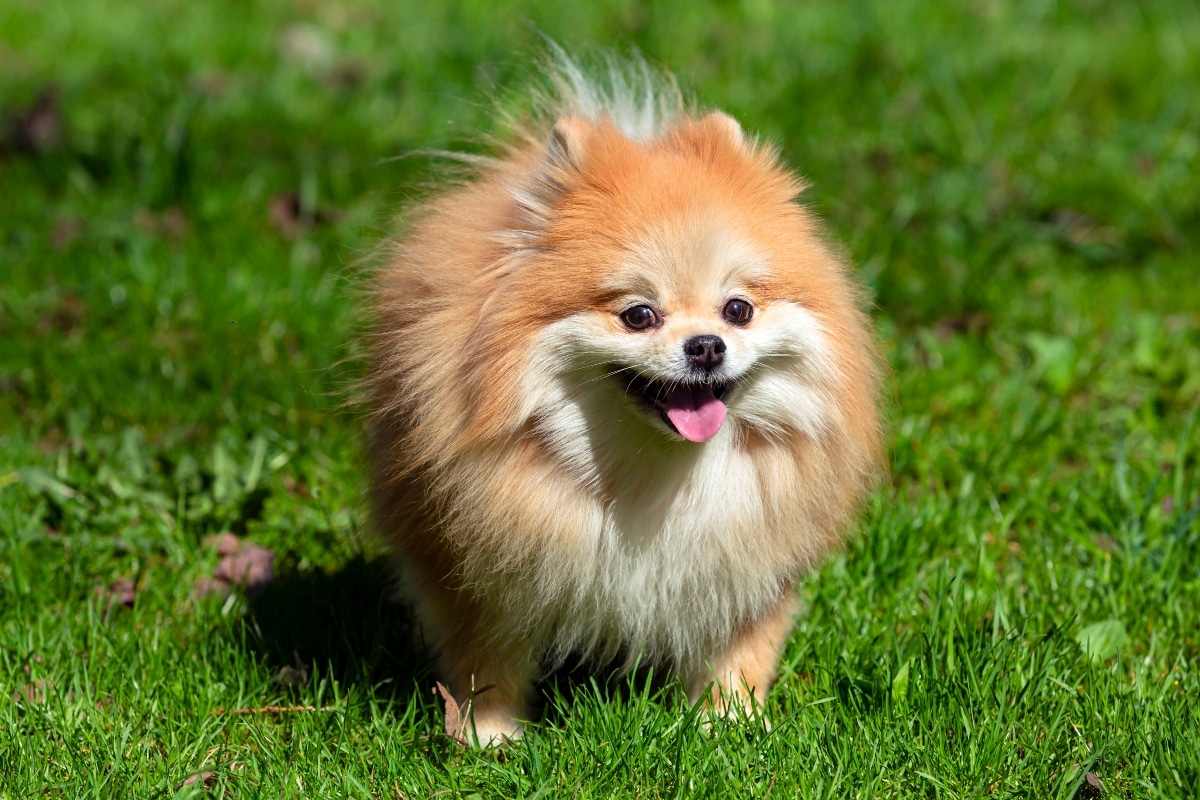
- Pomeranian: 3-7 lbs – much smaller, toy breed
- American Eskimo Dog (miniature): 10-20 lbs – similar range, slightly smaller
- Shiba Inu: 17-30 lbs – the compact mid-range Spitz
- Akita Inu: 70-130 lbs – the large Japanese cousin
- Siberian Husky: 35-60 lbs – bigger but similar energy
If you’re comparing Shibas to other breeds you’re considering, our article on dog breeds similar to Shiba Inu breaks down how they stack up in size, temperament, and energy level.
Supporting Healthy Growth: Key Tips
There’s no magic trick here, but a few things make a real difference in whether your Shiba grows up lean and strong or ends up overweight or with joint problems.
Feed for age and weight, not appearance. A chubby puppy isn’t a healthy puppy – extra weight during rapid bone growth can stress developing joints. Stick to feeding guidelines and adjust every 4-6 weeks as your pup grows.
Go easy on high-impact exercise before 12 months. Shibas are energetic and love to run, but hard running on pavement or lots of jumping should wait until growth plates close (usually 12-14 months). Play is great. Forced long runs are not.
Don’t over-supplement. Unless your vet recommends a specific supplement, a high-quality puppy food covers what your dog needs. More isn’t better – excess calcium, for example, can actually interfere with bone development. If you do want to add support, our guide to supplements for Shiba Inu puppies covers the ones that are worth it.
Regular vet weight checks matter. Most puppy visits already include a weigh-in. Between visits, you can track at home using a regular bathroom scale – weigh yourself holding the dog, then weigh yourself alone. The difference is your dog’s weight.

Frequently Asked Questions About Shiba Inu Weight and Growth
How much should a Shiba Inu weigh?
Adult male Shiba Inus typically weigh 23-30 pounds (10.4-13.6 kg). Females usually weigh 17-23 pounds (7.7-10.4 kg). The AKC breed standard targets 23 pounds for males and 17 pounds for females, but healthy dogs can fall a few pounds outside those numbers depending on frame size and build.
When is a Shiba Inu fully grown?
Shiba Inus reach their full height by 12-15 months. But they keep filling out – adding chest depth and muscle mass – until 18-24 months for females and up to 36 months for some males. So a 1-year-old Shiba looks close to adult height but hasn’t finished maturing yet.
How fast do Shiba Inu puppies grow?
Shiba Inu puppies grow very quickly in the first 6 months. Males can gain 3-5 pounds per month during peak growth phases. Growth slows significantly after 6 months and is mostly done by 12-15 months for height. Weight gain continues at a slower pace through year 2 or 3.
Is my Shiba Inu overweight?
The easiest home check is the rib test: run your fingers along your dog’s ribcage. You should feel ribs easily with light pressure. If you can’t feel them without pressing hard, your dog is likely overweight. From above, there should be a visible waist. From the side, the belly should tuck up slightly. If you’re unsure, a vet can assign a body condition score (1-9 scale, with 4-5 being ideal).
What should I feed my Shiba Inu puppy for healthy growth?
Feed a high-quality puppy kibble formulated for small to medium breeds. Look for real meat as the first ingredient and appropriate calcium-to-phosphorus ratios for growing bones. Avoid adult food before 9 months – it doesn’t have the right nutrient profile for puppies. Feed 3-4 times daily under 6 months, then reduce to 2-3 times from 6-12 months.
When should I switch my Shiba Inu from puppy to adult food?
Most Shiba Inus can transition to adult food between 9-12 months. Some owners wait until 12 months to make sure growth is complete. Always transition slowly over 7-10 days by gradually mixing in the new food to avoid stomach upset.
Why does my Shiba Inu puppy look uneven or gangly?
Puppies don’t grow evenly – legs, head, and body develop at different rates. It’s normal for a 4-6 month old Shiba to look a bit leggy or awkward. They usually even out by 8-12 months as muscle development catches up with bone growth. It’s not a cause for concern unless your vet flags something specific.
Do male and female Shiba Inus grow at different rates?
Yes, slightly. Females tend to reach their full height a bit earlier and are noticeably lighter at maturity (17-23 lbs vs. 23-30 lbs for males). Both sexes follow a similar growth curve in the first 6 months, but males continue filling out longer – sometimes up to 3 years of age.
When do Shiba Inu ears stand up?
Most Shiba Inu puppies have ears that stand up between 6-10 weeks of age. If they haven’t risen by 5 months, they may stay semi-erect. Teething can sometimes cause ears to flop temporarily around 3-5 months – this usually resolves on its own as permanent teeth come in.
How can I track my Shiba Inu’s growth at home?
Step on a bathroom scale while holding your dog, then without. The difference is your dog’s weight. For height, have them stand on a flat surface and measure from the floor to the highest point of the shoulder (withers) with a soft measuring tape. Do this monthly and log the numbers. It’s an easy way to spot sudden changes early.

Bottom Line
Shiba Inus are pretty predictable growers when they’re fed right and not pushed too hard physically during their first year. Males hit 23-30 pounds at maturity, females land at 17-23 pounds, and most reach full height by 12-15 months. The weight charts and growth stages above give you a solid baseline to check against your dog’s progress.
The most important thing isn’t matching the chart exactly – it’s knowing your dog’s normal and catching changes early. Monthly weight checks, regular vet visits, and the rib-waist-tuck test are your best tools. If something seems off, don’t wait. A quick call to your vet is always worth it.
And if you’re still working out how much to actually feed your Shiba day-to-day, the complete Shiba Inu diet guide and our picks for best dry dog foods for Shiba Inus are good next reads.






 English (US) ·