
Let’s just say it upfront: the term hypoallergenic dog has done a lot of people dirty.
You bring home a Poodle, a Doodle, or some other breed the internet swears won’t trigger your allergies… and two weeks later you’re standing in your kitchen, sneezing into a paper towel, wondering what went wrong.
There’s a real reason this happens, and it has nothing to do with getting the “wrong” dog.
Let’s talk about what “hypoallergenic” actually means (and what it absolutely does not mean), why you might still be reacting, and what you can realistically do about it without rehoming your dog or living in a cloud of antihistamines.
First: “Hypoallergenic” Does Not Mean Allergen-Free
There is no such thing as a 100% allergy-proof dog. Not a single one.
The word hypoallergenic simply means “less likely to cause a reaction.” It does not mean “will never make you sneeze.”
Most people are allergic to a protein called Can f 1. It’s found in:
- Saliva
- Skin cells (dander)
- Urine
Notice what’s not on that list? Fur.
So even if your dog doesn’t shed much (or at all), they still produce saliva and skin cells. And when they lick their coat, that allergen dries and becomes airborne. Now it’s floating around your house like it pays rent.
That’s why you can have a low-shedding breed and still feel miserable.
The Real Reason You’re Still Sneezing
Here are the most common culprits.
1. Dander Is the Actual Problem
Dander is microscopic. You can’t see it. It clings to walls, furniture, carpets, curtains, and yes, your favorite hoodie.
Even low-shedding breeds still produce skin cells. They just don’t fling them around the room in dramatic fashion.
(Although, if you’ve ever watched a Doodle shake off after a bath, you know they’re fully capable of spreading things around when motivated.)
2. Coat Type Affects Distribution, Not Production
Curly and wire-haired coats tend to trap shed hair and dander closer to the body. That’s helpful.
But if you’re not grooming regularly, that trapped dander builds up. Then you brush the dog… and suddenly it’s airborne.
This is why consistent grooming matters. Not just for looks. For air quality.
3. Your Home Is Holding Onto Allergens
Carpet is basically a dander storage unit.
So are fabric sofas. Area rugs. Dog beds. Throw pillows. Curtains.
If you switched from a heavy-shedding breed to a “hypoallergenic” one but didn’t deep clean the house, you might still be reacting to the old buildup.
Allergens can linger for months.
4. You Might Be Allergic to Something Else
Sometimes it’s not the dog. Pollen sticks to coats. Dust mites love soft surfaces. Mold can hide in HVAC systems.
And if your dog sleeps in your bed (no judgment here), you’re getting a concentrated dose of everything they tracked in from outside.
So… What Can You Actually Do About It?
Here’s the practical part. Because telling someone “just don’t have allergies” isn’t helpful.
Invest in a High-Quality Air Purifier
This is not the time for the tiny desktop model that claims to “freshen air.”
You want a purifier with a true HEPA filter that captures microscopic particles. Place one in:
- The room your dog spends the most time in
- Your bedroom
- Any carpeted living area
It won’t eliminate allergens entirely, but it absolutely reduces what’s floating around in the air. And yes, you’ll probably notice the difference within a few days.
We love the Oneisall Air Purifier below, but if you’re looking for other options, check out our complete list of the best pet air purifiers over on Technobark.
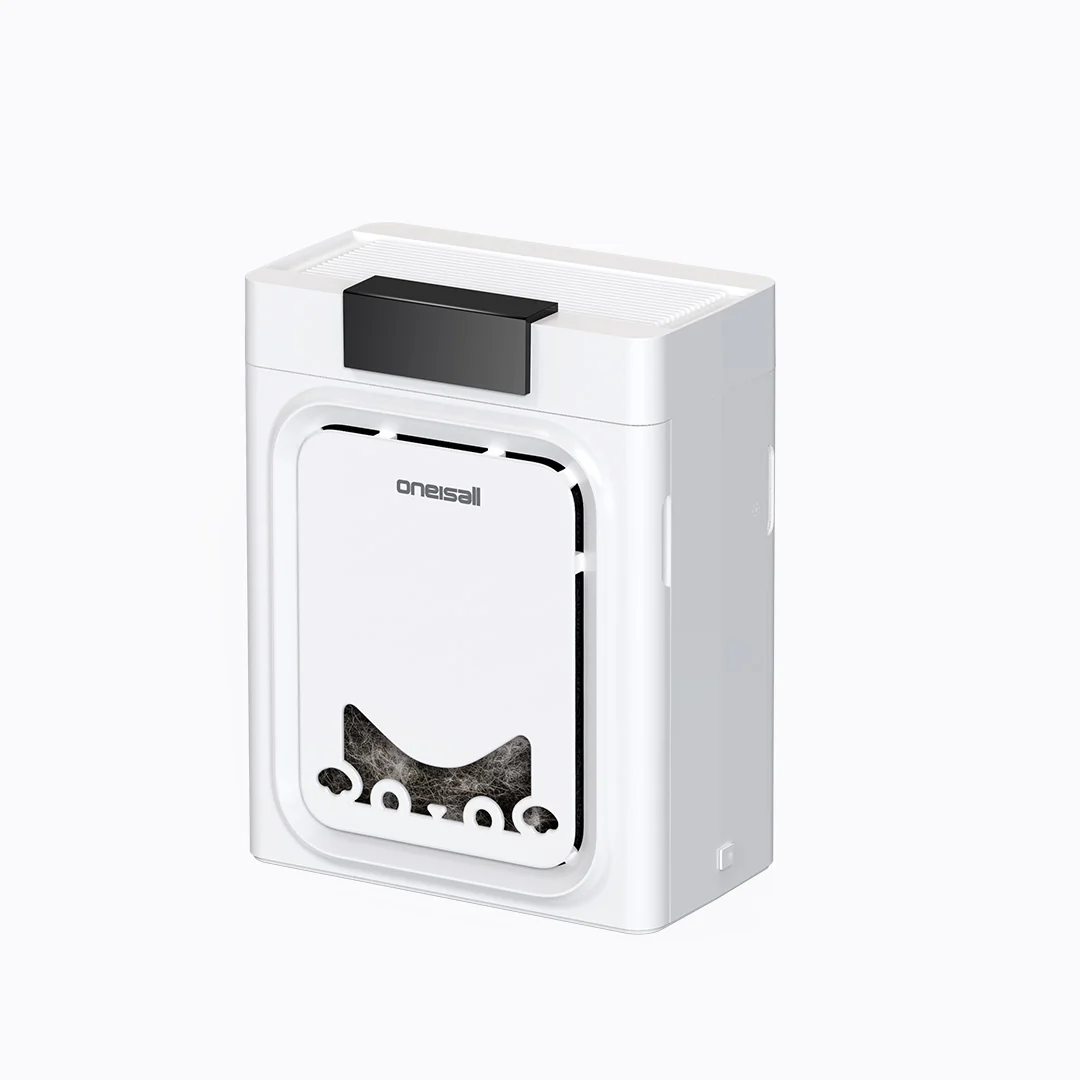
We earn a commission if you make a purchase, at no additional cost to you.
Vacuum Like You Mean It
If you have carpet, you need a vacuum with strong suction and a sealed HEPA filtration system. Regular vacuums can actually blow fine allergens back into the air. Which is not what we’re going for.
Vacuum:
- Carpets
- Upholstered furniture
- Dog beds
- Under furniture
Twice a week is a good baseline. More during high-shedding seasons.
Check out our picks for the best vacuums for dog hair that actually work.
Groom Smarter, Not Just More
Frequent brushing helps remove trapped dander before it spreads through your house.
But here’s the thing: brushing indoors without containment just redistributes allergens.
This is where grooming vacuums come in handy. Tools like the Uproot 7-in-1 grooming vacuum pull loose hair and dander directly into a collection bin while you brush.
Less floating fur cloud. Less sneezing.
It’s especially helpful for curly-coated dogs who don’t shed much but hold onto everything.
Bathing can also help reduce allergens on the coat. Just don’t overdo it. Once every 3–4 weeks is usually enough unless your vet says otherwise.
Uproot Clean Pet Groomer Vacuum Kit 7 in 1
Keep pet grooming mess-free with this ultra-quiet vacuum, designed to capture 99.9% of hair and debris while you groom. With 7 attachments, you can brush, trim, detangle, and even dry your pet with ease. Thanks to SilentGroom Tech, it runs at a comfortable 52 dB—much quieter than standard vacuums. Plus, it’s reusable and easy to maintain; simply empty the container and continue grooming without hassle.
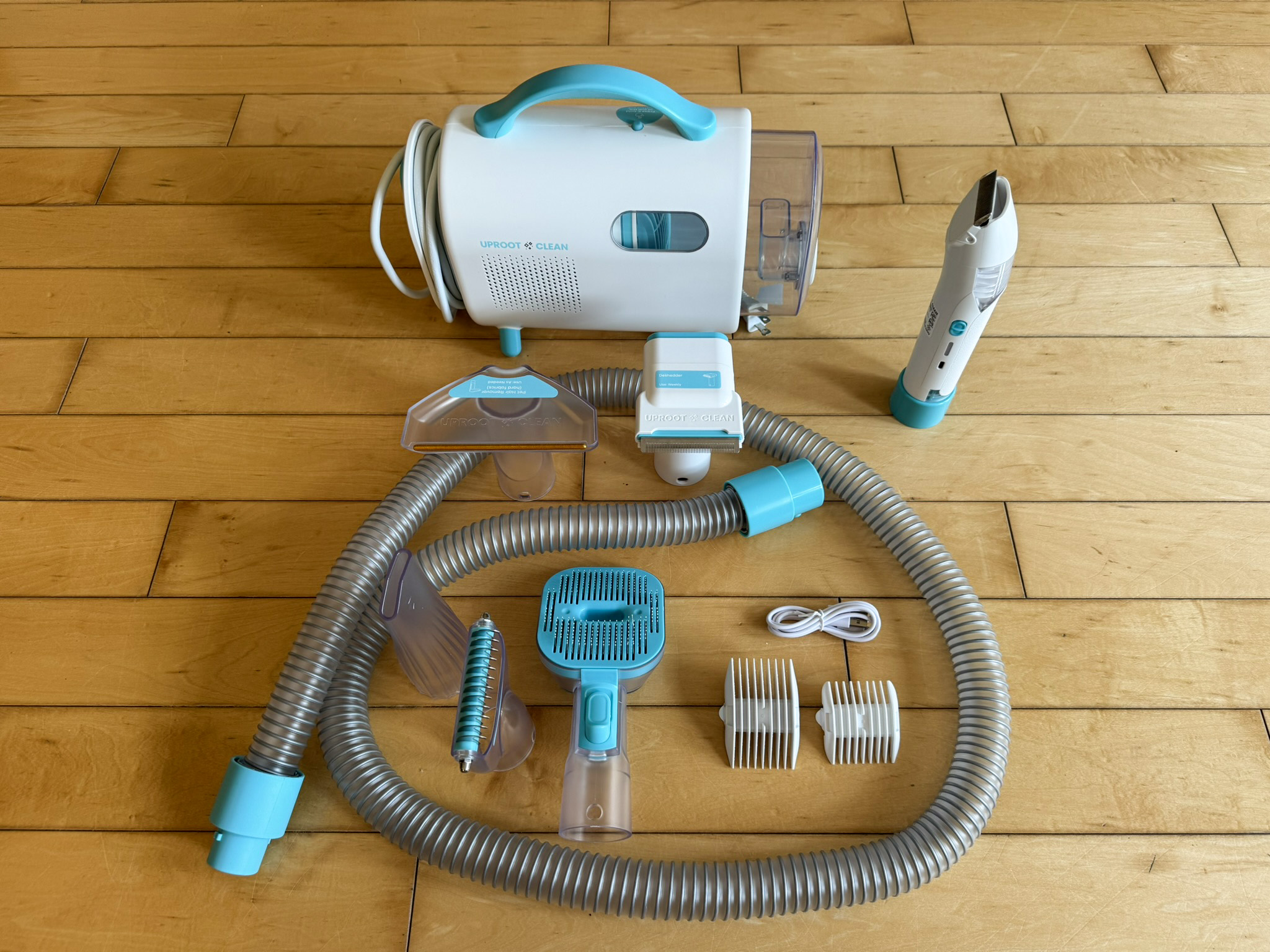
We earn a commission if you make a purchase, at no additional cost to you.
Create Dog-Free Zones
I know. This one is hard.
But making your bedroom a dog-free zone can dramatically reduce nighttime symptoms.
You spend 7–8 hours in there. That’s a long exposure window.
Even if your dog still rules the couch, giving your immune system a break overnight makes a difference.
Wash Everything
Hot water is your friend.
- Dog bedding: weekly
- Your bedding: weekly
- Throw blankets: weekly
- Soft toys: regularly
If it’s fabric and the dog touches it, assume it needs washing.
Upgrade Flooring (If You’re Renovating Anyway)
If you’re already thinking about updating floors, hard surfaces like hardwood, tile, or laminate are far easier to manage than wall-to-wall carpet.
This isn’t a “rip your house apart” recommendation. Just something to consider if renovations are already on your radar.
Are Some “Hypoallergenic” Breeds Better Than Others?
Some breeds are generally easier for allergy sufferers to live with. Poodles, Bichon Frises, Portuguese Water Dogs, and certain terriers tend to produce less loose dander in the environment.
But individual dogs vary.
Even within the same litter, one puppy might trigger you more than another.
If allergies are severe, spending time with a specific dog before committing is always smart.
What If You’re Still Reacting?
If symptoms are moderate to severe, talk to an allergist.
Options can include:
- Allergy testing
- Immunotherapy (allergy shots)
- Prescription medications
And sometimes, over time, your body adapts. Many people find their reactions lessen after extended exposure. Not everyone. But it happens. My ex was allergic to cats in general, but after a few months he wasn’t allergic to OUR specific cats anymore.
The Bottom Line
A hypoallergenic dog isn’t a myth. It’s just misunderstood.
They’re lower allergen, not no allergen.
If you’re sneezing, it doesn’t mean you made a mistake. It usually means:
- Allergens are building up in your environment
- Grooming needs adjusting
- Air filtration isn’t strong enough
- Or your immune system is just… dramatic
(Immune systems can be like that.)
With consistent cleaning, smart grooming tools, and a decent air purifier, most people can significantly reduce symptoms without giving up their dog.
And honestly? A few practical changes beat a house full of tissues any day.
If you’re living with a “hypoallergenic” dog and still sneezing, you’re not alone. You just need a better strategy.

















 English (US) ·