
 1 month ago
48
1 month ago
48
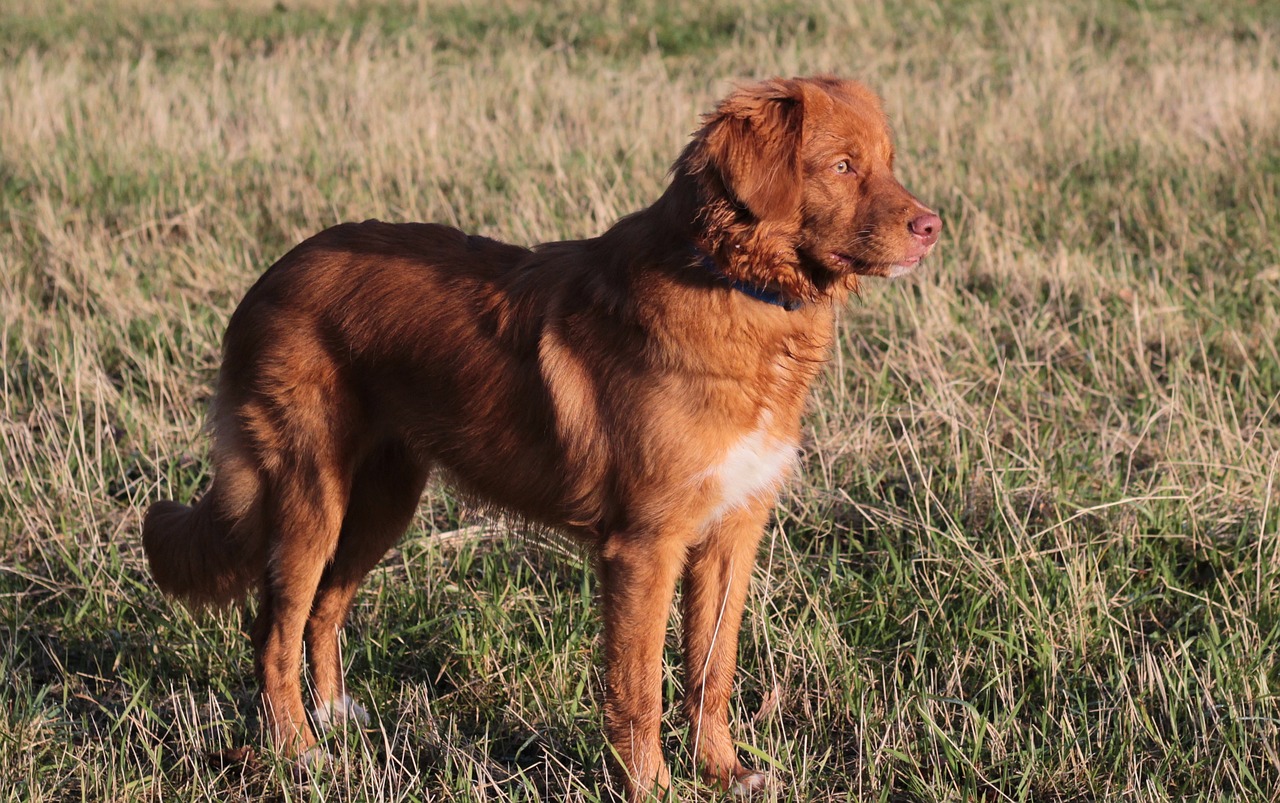
If you’ve been researching the Nova Scotia Duck Tolling Retriever, you’ve probably noticed something: they’re not easy to find, and they’re not cheap. The Nova Scotia Duck Tolling Retriever price reflects a breed that’s genuinely rare – the smallest of all retrievers, with a devoted but small breeder community in North America.
So what does a Toller actually cost in 2026? And what should you know before you write that check? Here’s the complete breakdown – purchase price, regional variations, ongoing costs, and what separates a legitimate breeder from one you should walk away from.
Nova Scotia Duck Tolling Retriever Price: Quick Facts (2026)
- Breeder price range: $1,500 – $3,500+
- Average breeder price: ~$2,000 – $2,500
- Rescue/adoption fee: $200 – $500
- First-year cost (total): $3,500 – $6,000+
- Annual ongoing cost: $1,200 – $2,500/year
- Lifetime cost estimate (12-14 years): $18,000 – $35,000+
Nova Scotia Duck Tolling Retriever Price by US Region
Where you live affects what you’ll pay – sometimes by $500 or more. Tollers are relatively uncommon even among breed enthusiasts, so demand in high-cost-of-living areas tends to push prices up significantly.
| Northeast | NY, MA, CT, NJ, PA | $1,800 – $3,000 | Higher cost of living; limited regional breeders |
| Southeast | FL, GA, NC, TN, VA | $1,500 – $2,500 | Slightly lower average; growing breeder base |
| Midwest | IL, MI, MN, OH, WI | $1,500 – $2,500 | Competitive pricing; some of the best-established breeders |
| South/Southwest | TX, CO, AZ, NM | $1,500 – $2,500 | Fewer local breeders; may require travel or transport |
| West Coast | CA, WA, OR | $2,000 – $3,500 | Premium pricing; high demand relative to breeder availability |
One thing to know about Tollers: reputable breeders often have waiting lists of 6-18 months. If someone offers you an available Toller puppy immediately with no waiting period at a suspiciously low price, that’s a reason to ask more questions.
What Affects the Nova Scotia Duck Tolling Retriever Price?
Not all Toller puppies are priced the same, even from the same general region. Here’s what actually drives the price up or down:
Health testing. Responsible Toller breeders test for Progressive Retinal Atrophy (PRA), Collie Eye Anomaly (CEA), and hip dysplasia at minimum. Some also test for thyroid issues and degenerative myelopathy. A puppy from fully health-tested parents costs more, but you’re paying for real peace of mind – these are meaningful health problems in the breed, not just checkbox tests.
Breeder reputation and experience. A breeder who’s been producing healthy, titled Tollers for 15 years charges more than someone who just had their first litter. The extra cost usually reflects years of investment in quality bloodlines, health testing, and proper whelping conditions.
Bloodlines and pedigree. Puppies from parents with hunt test titles, conformation championships, or dock diving records command higher prices. If you want a Toller for hunting or competition work, these lines are worth the premium – they’ve been tested in the field, not just on paper.
Geographic location. As shown in the regional table, location affects price. Breeders in high cost-of-living states charge more simply because their operating costs are higher.
Coat color and markings. While all Tollers are red/orange with white flashings, some specific markings are considered more desirable in the show ring. This can influence price slightly for show-prospect puppies vs. pet-quality puppies from the same litter.
Breeder vs. Rescue: Which Makes More Sense for You?
Rescue adoption costs $200-$500 for a Nova Scotia Duck Tolling Retriever. That’s a significant difference from the $2,000+ breeder price. But the comparison isn’t purely financial.
Rescue adoption makes sense if:
- You’re open to an adult dog (most rescue Tollers are 1-5 years old)
- You don’t have specific requirements around hunting ability or show potential
- You want a dog that’s already past the puppy chaos stage
- The adoption fee savings matter to your budget
Buying from a reputable breeder makes more sense if:
- You want a puppy you can raise from scratch
- Hunting or field work is a priority (you need known hunting bloodlines)
- You have specific health history requirements
- You’re willing to wait on a waitlist for the right litter
For rescue Tollers, the Nova Scotia Duck Tolling Retriever rescue network in the US is small but dedicated. Most dogs come through the NSDTRC-USA rescue program. Wait times for rescue Tollers can also be long due to the breed’s rarity – don’t assume rescue is a quick option.
Why Tollers Cost What They Do
Tollers are one of North America’s rarer breeds. They’re not a Golden Retriever or a Labrador – there isn’t a breeder in every city with puppies available year-round. The retrievers that look similar to Golden Retrievers are far more commonly bred and available at lower average prices.
Good Toller breeders often have one litter per year, sometimes less. Each puppy benefits from the breeder’s significant investment in:
- OFA hip certification ($300-500 per dog)
- CAER eye exams for PRA/CEA ($50-75 per exam, done yearly)
- DNA panels for genetic health conditions ($150-300 per panel)
- Whelping and raising costs ($1,500-3,000+ per litter)
- Socialization, early neurological stimulation, and puppy evaluations
When you pay $2,000-2,500 for a health-tested Toller from a reputable breeder, a meaningful portion of that is covering the actual cost of producing a healthy, well-socialized puppy – not profit margin.
First-Year Costs Beyond the Purchase Price
The puppy price is only the beginning. Here’s a realistic breakdown of what to expect in year one:
| Puppy purchase | $1,500 – $3,500 | Varies by region and breeder |
| Initial vet visit + vaccines | $200 – $400 | Puppy series vaccines, first exam |
| Spay/neuter (if not kept intact) | $300 – $700 | Depends on region and clinic |
| Food (first year) | $500 – $1,000 | Quality kibble runs $50-80/month for an adult |
| Supplies (crate, collar, leash, bed) | $150 – $400 | One-time setup costs |
| Puppy training classes | $150 – $400 | Highly recommended for this active breed |
| Grooming (tools + professional) | $200 – $400 | Tollers have moderate grooming needs |
| First-year total estimate | $3,000 – $6,800 | Varies widely by region and choices |
Ongoing Annual Cost of Owning a Toller
After the first year, annual costs generally run $1,200-$2,500. Here’s where that money goes:
- Food: $600-$1,000/year for a high-quality diet
- Routine vet care: $300-$600/year (annual exam, heartworm test, preventatives)
- Grooming: $200-$400/year (Tollers need occasional professional grooming and regular at-home brushing)
- Toys, treats, supplies: $200-$400/year
- Pet insurance (optional but recommended): $300-$600/year for a comprehensive policy
- Training/dog sports: $0-$500/year depending on your involvement level
Tollers are also a breed that tends to do better with some structured activity – hunt tests, dock diving, agility. These sports come with entry fees and travel costs if you get involved, but many owners find it’s worth it for a breed this high-energy and intelligent.
Health Costs to Plan For
Tollers are generally healthy, but they do have some breed-specific health concerns that are worth budgeting for:
Progressive Retinal Atrophy (PRA): A genetic eye condition that causes vision loss. Reputable breeders test parents to avoid producing affected puppies. If you buy from health-tested parents, risk is low.
Collie Eye Anomaly (CEA): Another inherited eye condition. Again, DNA testing of parents eliminates the risk for planned litters from health-tested parents.
Hip dysplasia: Less common than in larger retrievers but present in the breed. OFA-certified parents reduce risk significantly.
Autoimmune conditions: Tollers have a slightly elevated incidence of immune-mediated conditions including hypothyroidism and systemic lupus erythematosus. This isn’t common, but it’s more prevalent in Tollers than in some other retriever breeds.
Pet insurance is worth considering for this breed – not because they’re unusually sickly, but because a serious health event can run $3,000-$8,000 out of pocket. A good policy costing $300-$500/year can save significant money if something goes wrong.
Red Flags When Buying a Toller
Because Tollers are rare and expensive, the breed attracts some sellers who prioritize profit over the health of their dogs. Watch out for:
- No health testing documentation – Any reputable breeder will share OFA results and DNA test reports willingly
- Always-available puppies – Good breeders plan litters carefully and often have waitlists
- Prices below $1,000 – Not realistic for responsibly-bred Tollers; this signals a puppy mill or backyard breeder situation
- Won’t let you visit – You should be able to see where the puppies are raised and meet at least the mother
- No contract or health guarantee – Reputable breeders use contracts and stand behind their puppies
The NSDTRC-USA (Nova Scotia Duck Tolling Retriever Club of the USA) maintains a breeder referral list that’s a solid starting point for finding vetted breeders.
Frequently Asked Questions About Nova Scotia Duck Tolling Retriever Price
How much does a Nova Scotia Duck Tolling Retriever puppy cost in 2026?
From a reputable breeder, expect to pay $1,500-$3,500 depending on your region, bloodlines, and the breeder’s health testing program. The average falls around $2,000-$2,500 for a well-bred pet-quality puppy.
Why are Tollers so expensive compared to Golden Retrievers?
Tollers are significantly rarer than Golden Retrievers, with far fewer breeders producing litters each year. This scarcity, combined with the cost of proper health testing, keeps prices higher. A Lab puppy from a good breeder typically runs $800-$1,800 – less than a Toller – partly because Labs have a much larger breeding population.
Can I find a Toller for less than $1,000?
Yes, but you shouldn’t. At that price point, health testing has almost certainly been skipped. The money you save upfront can easily be spent on vet bills from preventable genetic conditions. It’s not a deal worth taking.
How long is the wait for a Toller puppy?
Plan for 6-18 months with a reputable breeder. Some breeders have shorter wait times if you’re flexible about which litter you join. Being patient is worth it – rushing into a purchase from a less reputable source to avoid a waitlist often costs more in the long run.
Is adopting a rescue Toller a realistic option?
It’s possible but requires patience. Toller rescues are rare because the breed is rare. Most rescue dogs that become available are surrendered by families whose lifestyle wasn’t compatible with the breed’s energy and drive. Expect to wait months for the right dog to come available.
What’s the total lifetime cost of owning a Nova Scotia Duck Tolling Retriever?
Over a 12-14 year lifespan, plan on $18,000-$35,000+ including the purchase price. Annual costs of $1,200-$2,500 add up significantly, and any major health events can push the total considerably higher. Pet insurance helps manage those unexpected spikes.
Do Tollers make good family dogs?
Yes, for the right family. They’re athletic, intelligent, and deeply loyal – but they need real exercise and mental stimulation. A Toller with a couch-potato family is a frustrated dog. For active families, they’re outstanding companions and one of the best breeds for water activities.
The Price You Pay Now vs. the Cost of Getting It Wrong
The Nova Scotia Duck Tolling Retriever isn’t a budget dog. The purchase price is real, the ongoing costs are real, and the commitment level this breed demands is real. But Toller owners are famously devoted to the breed for good reason – these are exceptional dogs that are smart, athletic, and deeply bonded to their families.
The best investment you can make isn’t in the cheapest puppy available. It’s in a puppy from a breeder who did the health testing, raised the litter properly, and can support you through the first year and beyond. That extra $500-$1,000 upfront can easily save you $3,000-$5,000 in preventable health costs – and it’s the difference between a dog you worry about and a dog you just enjoy.
Take your time with the search, join the waitlist of a reputable breeder, and plan your finances realistically. Your Toller is worth the wait.

















 English (US) ·