
 1 month ago
47
1 month ago
47
Ask most people to picture a pit bull and they’ll likely describe a solid-colored, stocky dog with a block head. But spend any time around the breed and you’ll quickly realize the coat variety is honestly one of the most striking things about them. Pit bull type dogs — which includes the American Pit Bull Terrier, American Staffordshire Terrier, and Staffordshire Bull Terrier — come in nearly every color and pattern you can imagine.
So why does it matter? A few reasons. If you’re choosing a pit bull puppy, certain colors are linked to specific genetic traits that affect more than just looks. If you already have one, knowing the genetics behind your dog’s coat helps you understand potential health watch-outs. And honestly, it’s just fascinating stuff.
This guide covers all the major pit bull colors you’ll actually encounter, what causes each one, and what (if anything) you should know about health or genetics before choosing based on color. Pit bulls are one of the breeds that look intimidating but are surprisingly gentle — and that’s true regardless of coat color.
Pit Bull Color Quick Reference
| Blue | Uncommon | Dilution gene (dd) | Color dilution alopecia possible |
| Red Nose | Uncommon | Recessive red gene | None specific |
| Brindle | Common | Kbr allele | None specific |
| White | Less common | Extreme white spotting | Deafness risk, sun sensitivity |
| Black | Common | Dominant black allele | None specific |
| Chocolate | Uncommon | b/b recessive gene | None specific |
| Fawn | Common | Recessive yellow/e gene | None specific |
| Merle | Rare / atypical | Merle gene (mixed lineage) | Deafness, blindness risk |
| Blue Fawn | Rare | Double dilution (dd + ee) | Color dilution alopecia possible |
The 7 Main Pit Bull Colors
These are the colors you’ll reliably see in purebred pit bull type dogs. Each one has a specific genetic explanation, and most come with no health strings attached.
1. Blue Pit Bull
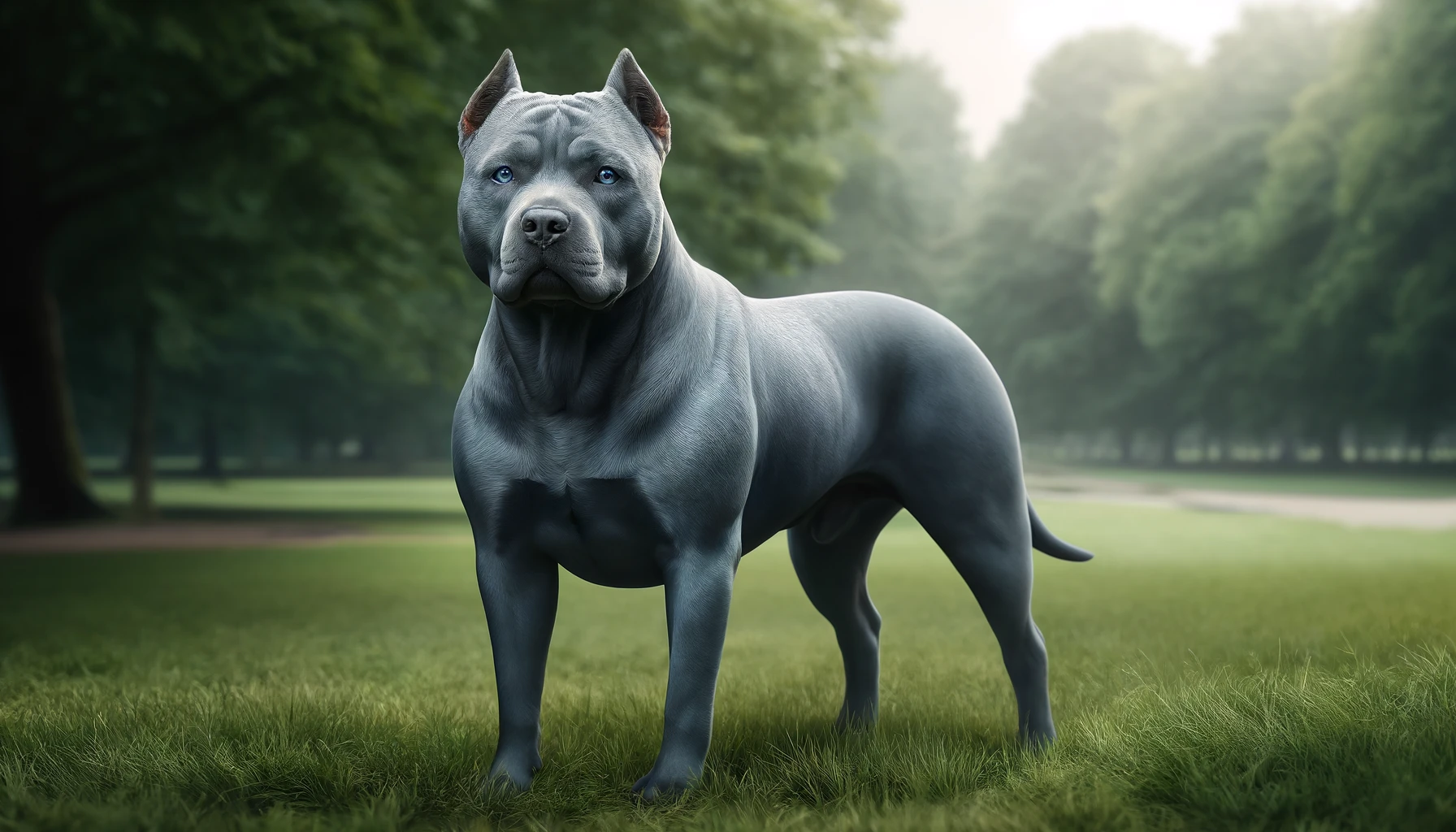
The blue pit bull is probably the most talked-about color variation in the breed. The coat isn’t truly blue — it’s a steel gray that catches the light in a way that reads almost blue-silver. That coloring comes from the dilution gene (the “dd” genotype), which dilutes the black pigment in the coat and skin.
You’ll usually see a blue pit bull with a matching blue-gray nose. Some have light amber or gray eyes. The whole package makes for a visually striking dog that draws attention on every walk.
One thing worth knowing: blue dogs of all breeds can be susceptible to Color Dilution Alopecia (CDA), a skin condition that causes patchy hair loss and flaky skin. Not every blue pit bull develops it, but it’s worth asking a breeder about family history. If your blue pit bull starts showing dry, flaky patches or uneven coat loss, bring it up with your vet sooner rather than later.
Outside of that potential, blue pit bulls are exactly the same as any other pit bull. Same loyalty. Same goofiness. Same need for daily exercise and a couch to collapse on afterward.
2. Red Nose Pit Bull
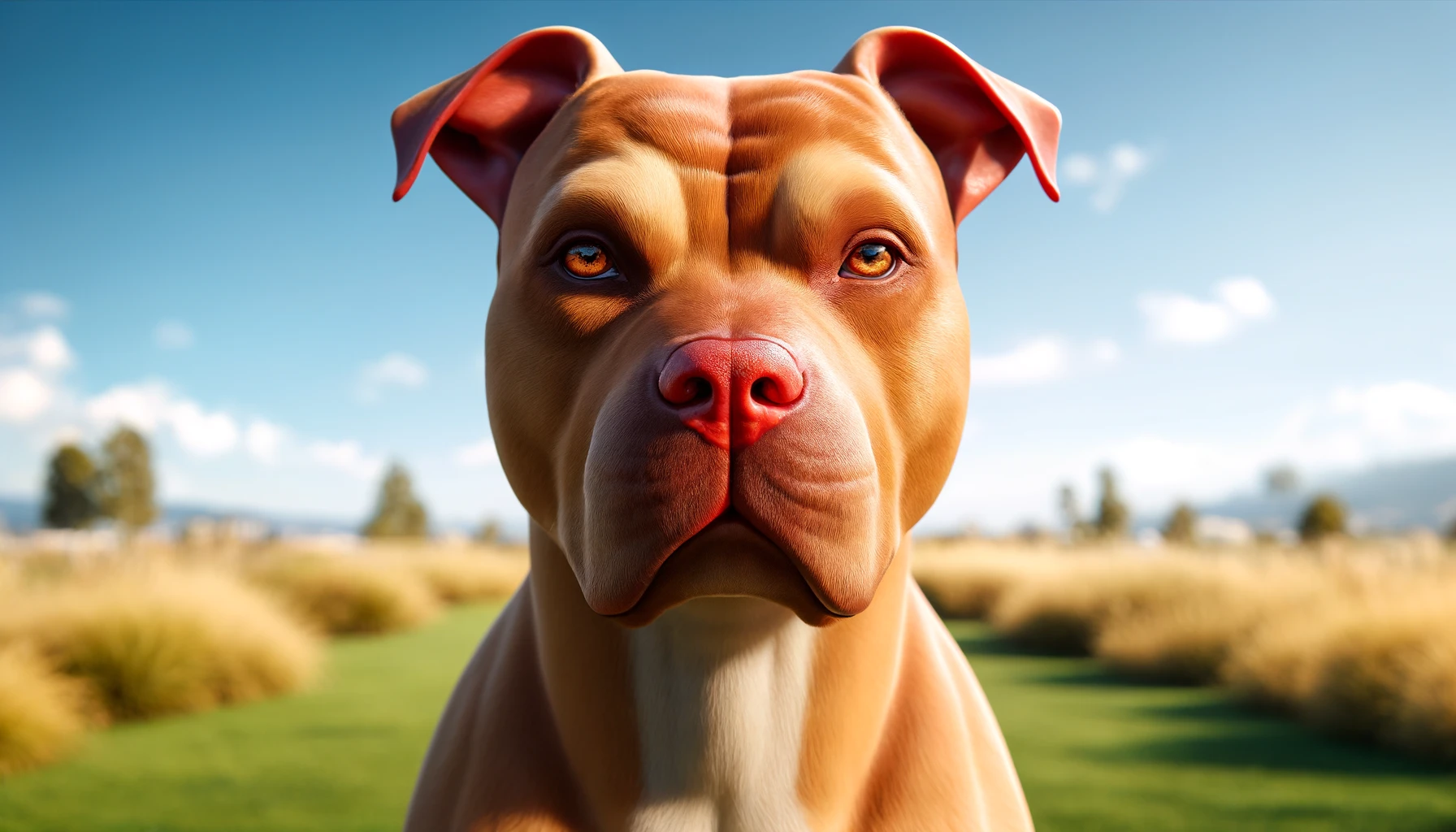
A red nose pit bull isn’t just a dog with a red nose. It’s a full pigmentation package: a warm copper or reddish-brown coat, a brick-red or liver-colored nose, red-toned lips, amber eyes, and reddish toenails. The whole look comes from a recessive gene that affects eumelanin (the dark pigment), producing red and brown tones throughout.
The most famous red nose lineage is the Old Family Red Nose strain, which originated in Ireland and came to America in the 19th century. These dogs were highly prized for their gameness and athleticism. Today, “red nose” is mostly used to describe the color type rather than any specific bloodline.
Red nose pit bulls are no different from other pit bulls in terms of personality — energetic, people-focused, and incredibly loyal. They don’t require any special care based on color. The copper tones in the coat can fade slightly in strong sunlight, which is worth knowing if coat appearance matters to you.
3. Brindle Pit Bull
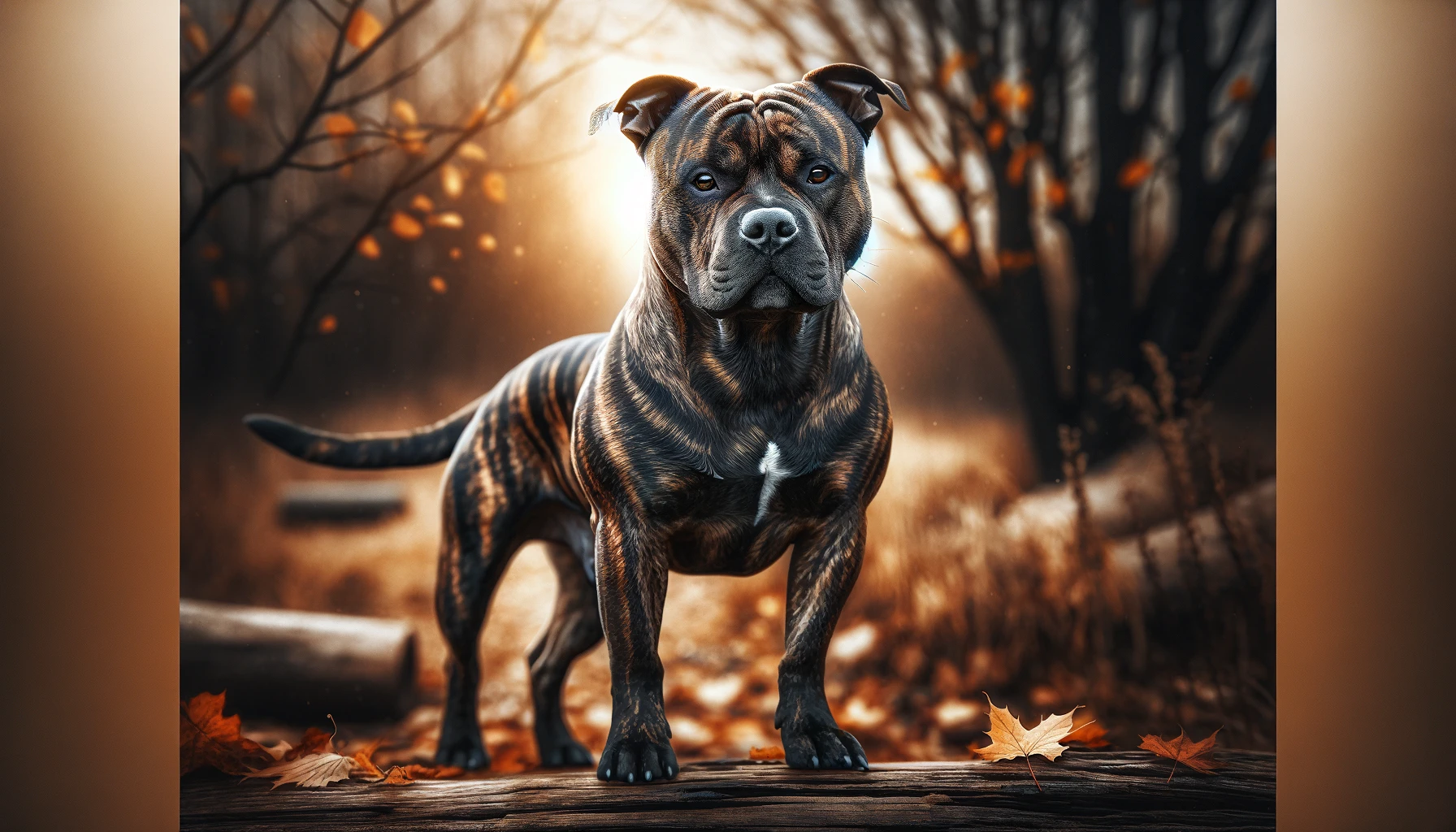
Brindle is a pattern, not a color. It creates irregular streaks or stripes of darker color over a lighter base. In pit bulls, you’ll typically see black or dark brown stripes over a brown, fawn, or red base — the classic “tiger stripe” look. The pattern ranges from barely visible (reverse brindle, which looks almost solid dark) to heavy and striking stripes that make every individual dog look unique.
Brindle is caused by the Kbr allele, which sits between fully dominant black (KB) and non-black (ky) in the dominant order. It’s one of the more common patterns in pit bulls. You’ll often see brindle pit bulls in shelters — not because there’s anything wrong with them, but simply because the pattern is genetically widespread in the breed.
Brindle pit bulls have zero health issues tied to their coat. No heat sensitivity, no skin concerns. They’re just visually interesting dogs who happen to look like they’ve been painted with a wide brush. If you want a pit bull that looks a little wild without any of the associated complications, brindle is an excellent choice.
4. White Pit Bull
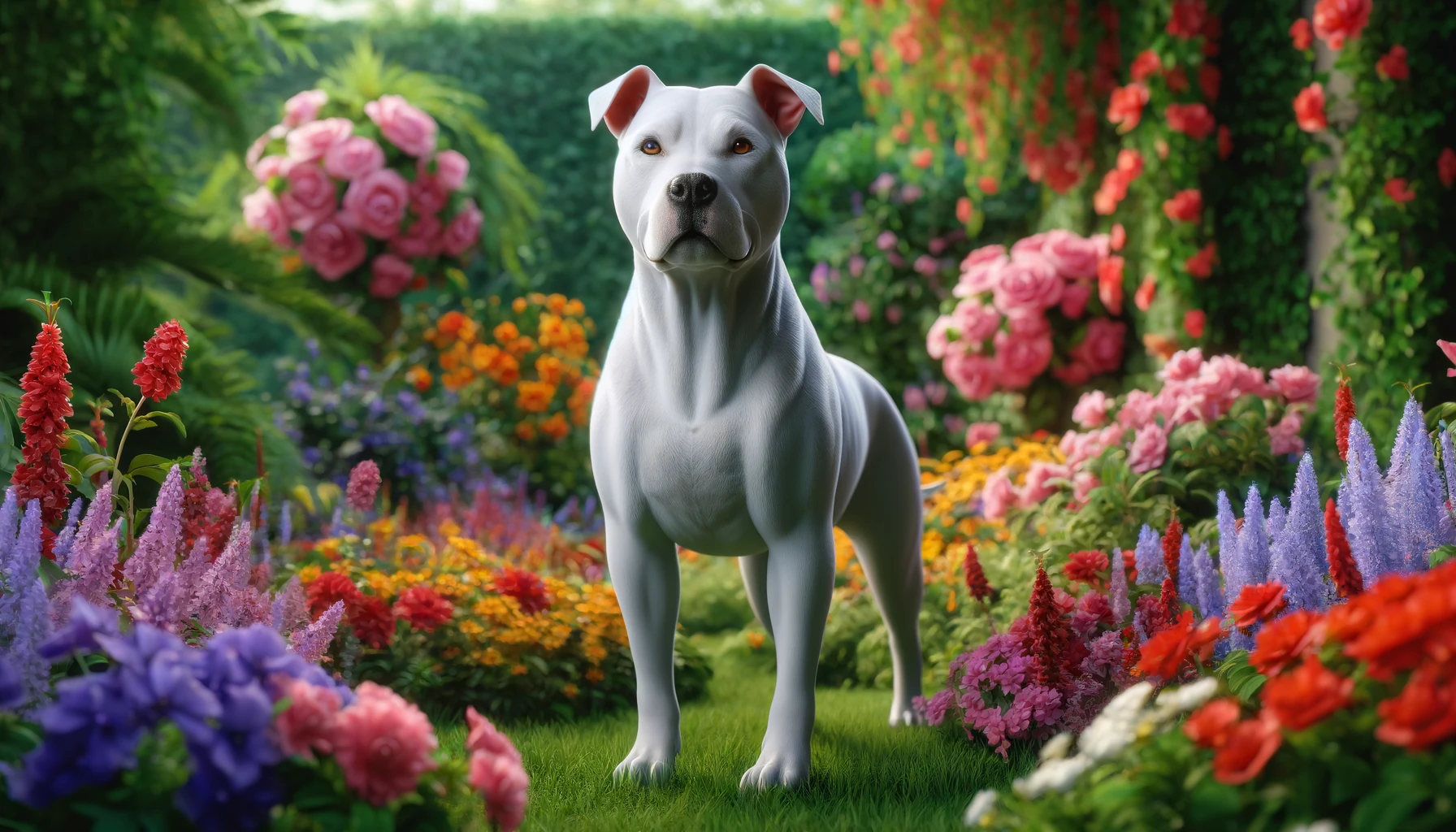
White pit bulls are absolutely striking — a pure white, muscular dog is genuinely head-turning. But this is the color where prospective owners should do the most homework before committing.
True white in pit bulls comes from extreme white spotting genes that suppress pigmentation across the coat and skin. When pigment-producing cells (called melanocytes) are absent from the inner ear, deafness can result. Not every white pit bull is deaf — in fact, most aren’t — but the risk is higher than in pigmented dogs. Reputable breeders will BAER test their white pit bulls before placing them. If you’re getting a white pit bull puppy, ask for that test result.
Beyond deafness, white pit bulls with pink skin can sunburn. This isn’t a reason to avoid the color, but it does mean you should apply dog-safe sunscreen to their ears and nose during long outdoor sessions, especially in summer. A white pit bull at the beach without sun protection isn’t doing so great.
Otherwise, these dogs are wonderful. Personality-wise, there’s nothing different about them. Many owners actually find deaf pit bulls to be exceptionally tuned-in to their owners since they watch body language constantly.
5. Black Pit Bull
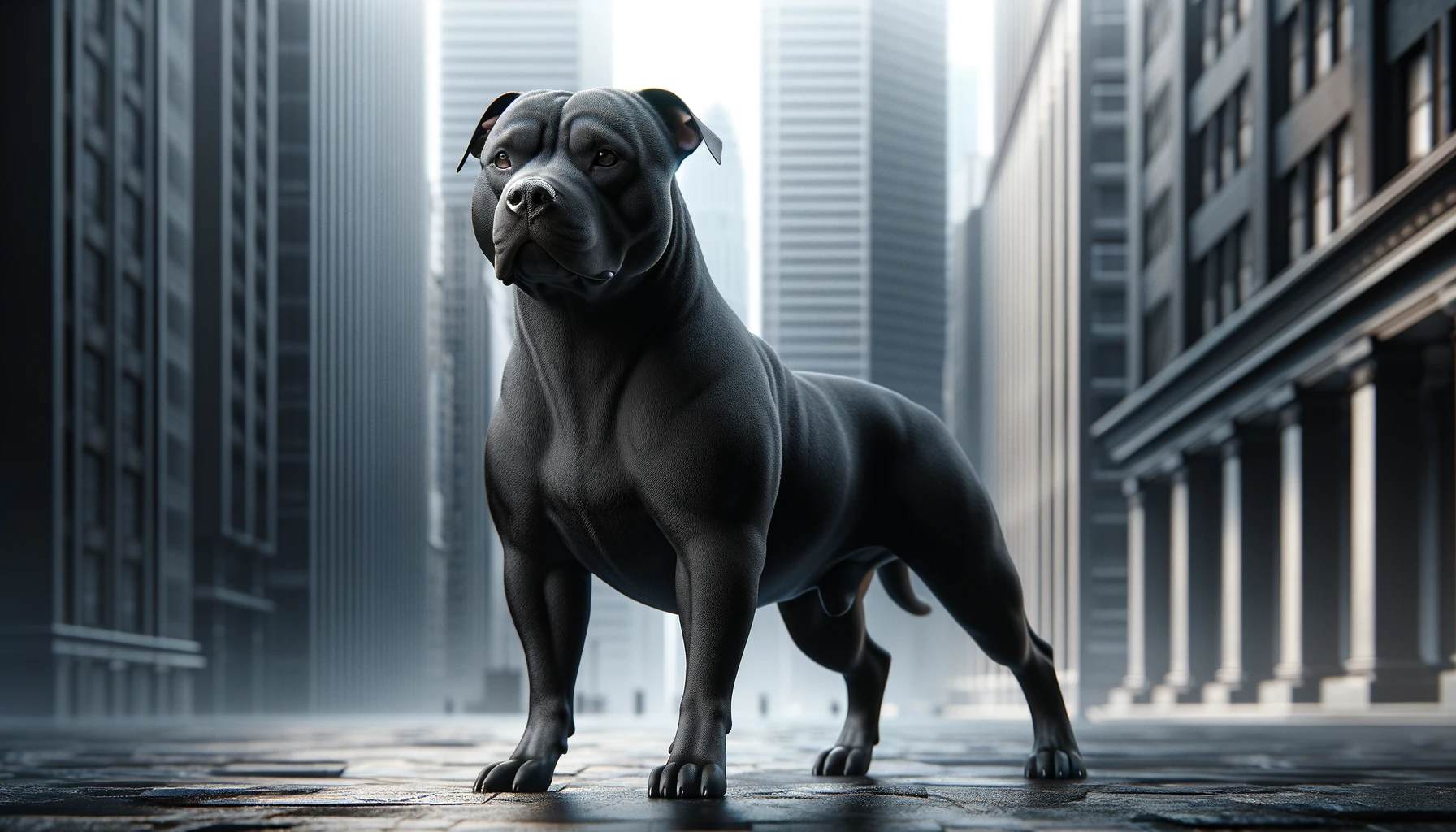
Black pit bulls are the jet-black luxury car of the breed world. Their coats have a natural sheen that looks almost glossy in sunlight. This color is genetically dominant, caused by the KB allele, which means black pit bulls are relatively common.
There are no health concerns tied to solid black coloring. No dilution effects, no hearing issues, no skin sensitivity. A black pit bull is a pit bull in its most straightforward genetic form.
Black dogs in general tend to be overlooked in shelters — a phenomenon shelter workers actually call “black dog syndrome.” If you’re considering adopting, a black pit bull is often waiting longest for a home, not because there’s anything wrong with them, but because darker dogs photograph less vividly on adoption websites. Black pit bulls deserve the same homes as their flashier-coated cousins. They’re among the most overlooked breeds in US shelters, which makes every adoption story that much more meaningful.
6. Chocolate Pit Bull
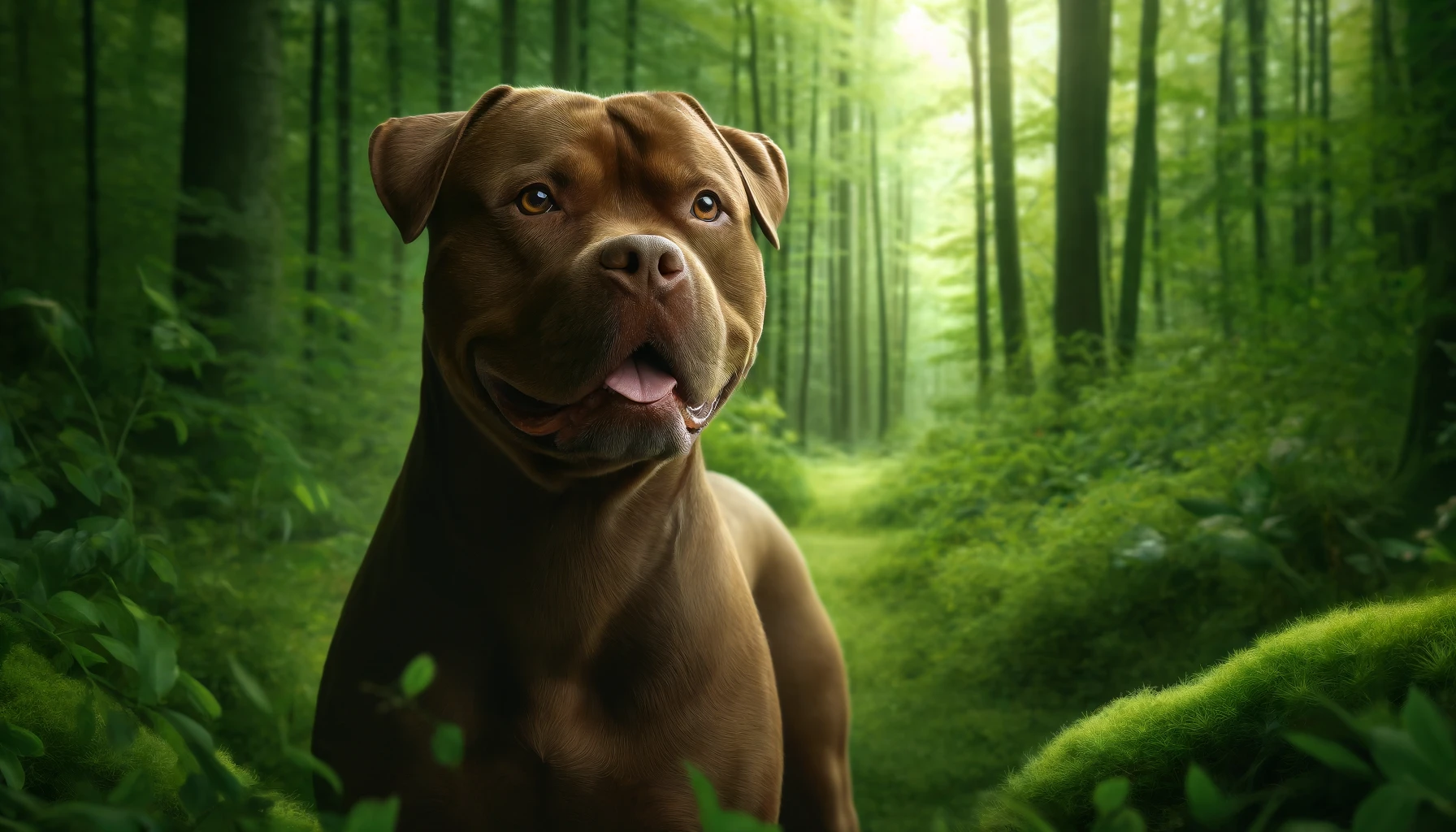
Chocolate pit bulls have a deep, warm brown coat that ranges from milk chocolate to dark espresso. It’s caused by the recessive b allele (bb genotype), which converts black pigment into brown. To get a chocolate pit bull, both parents need to carry the recessive gene — which is why this color is less common than black.
Chocolate pit bulls often have brown or hazel eyes and a liver-colored nose, which complements their coat nicely. The overall effect is warm and approachable — less intense than a blue or black pit bull, but still undeniably beautiful.
No specific health issues come with chocolate coloring. These dogs do have the same general pit bull health considerations as any other variation: hip dysplasia potential, skin allergies, and the importance of keeping their muscular bodies fed properly. If you’ve got one, check out the complete pit bull feeding guide for help dialing in their nutrition.
7. Fawn Pit Bull
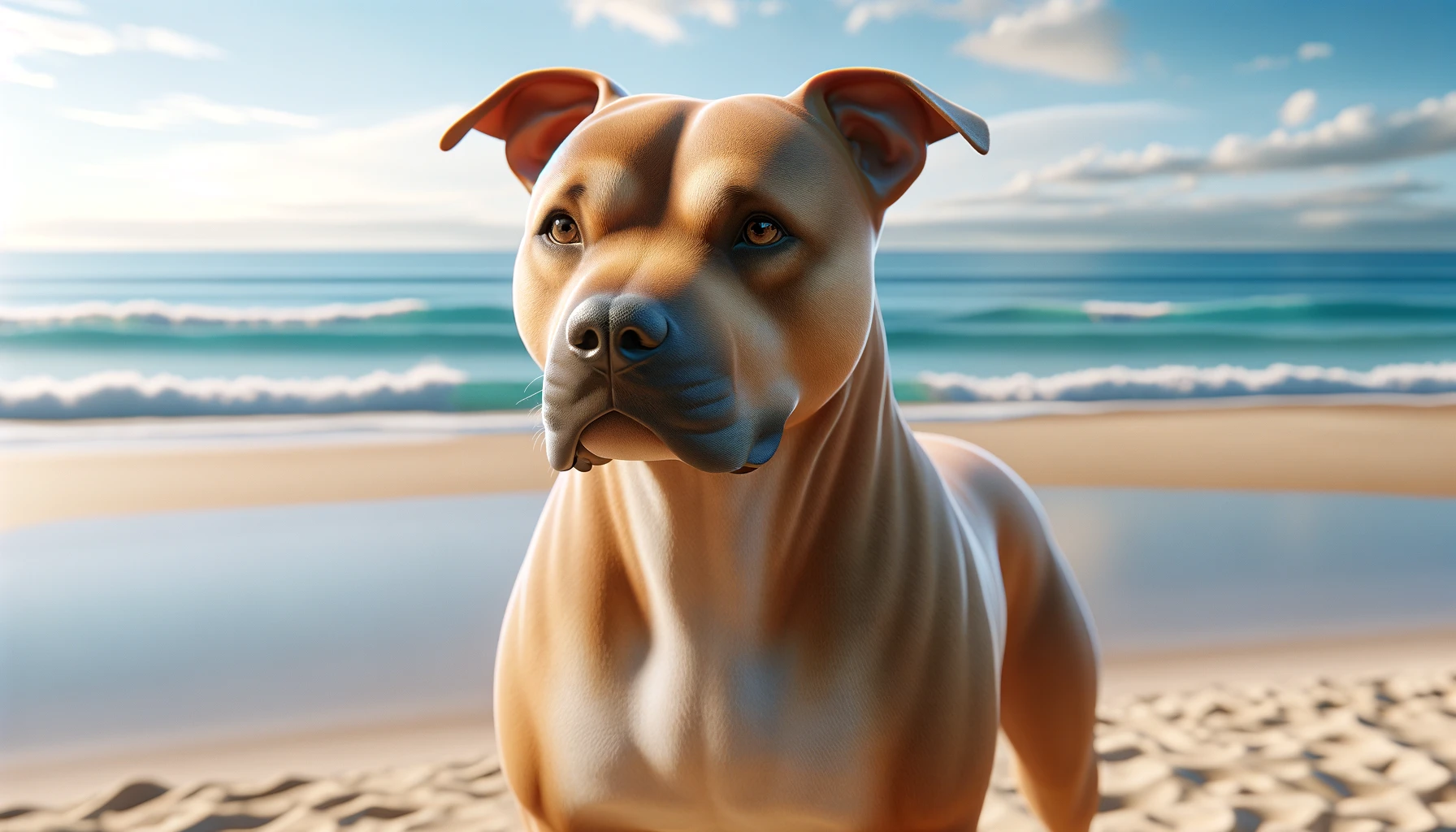
Fawn is a warm, light tan to golden color that covers a wide spectrum. Some fawn pit bulls look almost cream or pale sand, while others lean toward a deeper golden or deer-red shade. Many have a white chest, white paws, or both. The combo of fawn and white is one of the most popular looks in the breed.
Fawn is caused by the recessive yellow (ee) gene, which blocks the production of dark eumelanin entirely and only allows the lighter phaeomelanin pigment. It’s not the same as dilute fawn (more on that below), which has an additional genetic factor at play.
Fawn pit bulls pair their friendly-looking coat with the standard pit bull personality. They’re energetic, love their families, and are notoriously bad at personal space. If you have a fawn pit bull puppy, make sure you’re feeding them well from the start — check out the best puppy foods for pit bulls to get them growing strong.
Additional Pit Bull Colors Worth Knowing
Beyond the classic seven, you’ll occasionally see pit bull type dogs in other color variations. Some are genuinely beautiful. A few come with significant health considerations.
Blue Fawn (Lilac / Silver)
Blue fawn pit bulls are rare and visually striking. This color combines the dilution gene (dd) with the recessive yellow gene (ee), resulting in a very pale, silvery-fawn coat. It’s sometimes called “lilac” or “silver.” The nose is typically gray or pinkish.
Because blue fawn involves double dilution, it carries a higher risk of Color Dilution Alopecia than standard blue. If you’re considering a blue fawn pit bull, ask about the breeder’s experience with the color and whether they screen for skin issues in their line.
Tricolor Pit Bull
Tricolor pit bulls have three distinct coat colors — typically black, white, and tan, arranged in a pattern similar to a Rottweiler or Bernese Mountain Dog. The pattern comes from the agouti gene expressing tan points alongside other colors. It’s relatively uncommon in pit bull type breeds.
No health issues are specifically tied to the tricolor pattern. These dogs tend to get a lot of attention at dog parks. People who’ve never looked twice at a pit bull will stop and stare at a well-marked tricolor.
Merle Pit Bull
Merle is where things get complicated. The merle pattern creates mottled patches of diluted color — often gray, blue, or marbled-looking — and is associated with blue or heterochromatic (two different colored) eyes. It’s visually dramatic. Breeders charge a premium for it.
Here’s the problem: merle is not a naturally occurring pattern in purebred American Pit Bull Terriers or American Staffordshire Terriers. A merle pit bull almost always indicates mixed breeding somewhere in the line, typically with an Australian Shepherd or Catahoula Leopard Dog. Some breeders are open about this. Others aren’t.
Worse, double merle (merle x merle breeding) produces dogs with severe vision and hearing impairments at a high rate. If you’re considering a merle pit bull, research the breeder carefully. Responsible breeders won’t breed merle to merle. If you want a dog that looks striking, a brindle or blue nose gets you there without the ethical questions. Pit bulls are already dogs with surprisingly sensitive personalities — they deserve responsible breeding regardless of color trends.
Health Considerations by Coat Color
| Blue | Low | Patchy hair loss, dry flaky skin | Ask breeder about CDA history; vet check if coat changes |
| Blue Fawn | Low-moderate | CDA (higher than single dilute) | Screen breeder’s lines for skin issues |
| White | Moderate | Deafness, sunburn | Request BAER test; use dog sunscreen on exposed skin |
| Merle | High (double merle) | Deafness, blindness, eye defects | Avoid double merle at all costs; ask about lineage |
| All others | None specific | Standard breed health concerns | Regular vet checks, good diet, exercise |
Does Coat Color Affect Temperament?
Short answer: no. Not even a little.
Temperament in pit bulls is shaped by genetics (personality, not coat color), early socialization, training, and the environment they’re raised in. A blue pit bull isn’t more aggressive than a fawn one. A red nose pit bull isn’t more driven than a black one. Color is just a coat thing.
What does matter is how a dog is raised and trained. Pit bulls respond remarkably well to positive reinforcement training. They’re one of the breeds with the toughest exteriors and gentlest hearts, and that holds across every color variation in the bunch. Be skeptical of any breeder who claims a specific color means a “more game,” “more protective,” or “more aggressive” dog. That’s just sales talk.
What About Nose Color?
Nose color is directly tied to coat color genetics. Here’s the quick breakdown:
- Black nose — found on black, brindle, fawn, and most other standard-colored pit bulls
- Blue/gray nose — found on blue pit bulls and some blue fawn dogs; a result of the dilution gene
- Red/liver nose — found on chocolate and red nose pit bulls; caused by reduced eumelanin production
- Pink nose — common in white pit bulls and dogs with minimal pigmentation; indicates low or absent melanin in the skin
Nose color doesn’t mean anything special about the dog’s personality, value, or health. “Blue nose” and “red nose” are useful shorthand for color types, but they’re not separate breeds and don’t warrant special pricing. If you see a breeder advertising a “rare red nose pit bull” at a significant premium over similarly bred litters, that’s a marketing play.
Feeding your pit bull well regardless of color is what matters. A balanced diet supports coat health and pigmentation — the best dog foods for pit bulls are worth knowing about for any color variation.
Pit Bull Coat Genetics: The Basics
You don’t need a genetics degree to understand why pit bulls come in so many colors. The basics come down to two pigments: eumelanin (dark, produces black and brown) and phaeomelanin (light, produces red and yellow). Genes control how much of each is produced and where it shows up.
The dilution gene can dilute black to blue/gray or brown to chocolate. Other genes control whether patterns like brindle or white spotting appear. Stack a few of these together and you get the color diversity you see in the breed today.
Interestingly, pit bulls rank among the most muscular dog breeds — and all that musculature looks completely different depending on the coat color sitting on top of it. Same body structure, wildly different visual impression.
Frequently Asked Questions About Pit Bull Colors
What are the most common pit bull colors?
Black, brindle, and fawn are the most commonly seen pit bull colors. Black is genetically dominant, brindle is widespread in the breed, and fawn shows up across all major pit bull type breeds. Blue and red nose are notable but less common. Chocolate is less common still, and merle is rare and atypical for purebred dogs.
What’s the rarest pit bull color?
True blue fawn (sometimes called lilac or silver) is one of the rarest natural pit bull colors. It requires two specific recessive genes to express simultaneously. Merle is rare in pit bulls too, but that’s largely because it’s not a natural part of the breed’s genetics and usually indicates crossbreeding.
Do pit bull colors change as they age?
Yes, somewhat. Pit bull puppies often look different at 8 weeks than they will at 2 years. Brindle puppies may darken significantly. Fawn puppies can deepen in tone. Blue puppies sometimes look almost black at birth before the dilution shows. Expect the final adult color to be established around 12-18 months.
Is there a difference between blue nose and red nose pit bulls?
They’re the same breed type — just different color variations. Blue nose refers to the slate-gray nose found on blue pit bulls. Red nose refers to the brick-red or liver nose found on red/copper-coated pit bulls. Neither is a separate breed. Both deserve to eat well — see the quick hack for pit bulls who are picky eaters if yours turns their nose up at dinner.
Can two fawn pit bulls produce a brindle puppy?
No. Two fawn (ee) parents can only produce fawn or similar light-colored offspring, since the ee genotype suppresses dark pigment entirely. To get brindle, at least one parent needs to carry the brindle allele (Kbr). Genetics are predictable enough that a good breeder can estimate likely coat outcomes for a planned litter.
Are white pit bulls harder to care for?
A bit, yes. White pit bulls with pink skin need sun protection, especially during summer. Their ears, nose, and exposed belly skin can burn. Beyond that, if a white pit bull has been born deaf, owners will need to learn hand signals or vibration-based training methods instead of relying on verbal cues. Deaf dogs can absolutely be trained well — it just requires adjustment.
Do coat colors indicate anything about a pit bull’s bloodline or lineage?
Sometimes. Red nose coloring has historical ties to the Old Family Red Nose lineage. Blue coloring is more prevalent in certain American Bully bloodlines. But color alone doesn’t reliably indicate specific lineage, temperament, or working ability. Health testing, temperament evaluations, and reputable breeding matter far more than color.
Is merle a sign of a purebred pit bull?
Usually not. Merle is not found in purebred American Pit Bull Terriers or American Staffordshire Terriers according to UKC and AKC breed standards. If you see a “merle pit bull,” it almost always means crossbreeding. That’s not necessarily a problem — mixed-breed dogs are wonderful — but buyers should know what they’re getting and avoid breeders who aren’t transparent about it.
How do I maintain my pit bull’s coat regardless of color?
Pit bulls have short, dense coats that are genuinely low-maintenance. Weekly brushing, monthly baths, and a high-quality diet covers it. Dogs with lighter coats may show dirt more noticeably. Blue dogs may need a gentle, moisturizing shampoo if they’re prone to dry skin. Omega-3 fatty acids in the diet help all pit bull coat colors stay shiny and healthy.
Bottom Line
Pit bull colors range from the everyday (black, brindle, fawn) to the striking (blue, chocolate, red nose) to the genuinely rare (blue fawn, tricolor). Each one has specific genetics behind it, and a handful of colors come with health considerations worth knowing before you commit.
The things that don’t change across any pit bull color: their loyalty, their need for exercise, their capacity for affection, and their sensitivity to how they’re treated. Whether you’re drawn to the steel-gray elegance of a blue pit bull or the warm friendliness of a fawn, you’re getting the same core dog underneath the coat.
Pick the color you love. Then commit to raising them well. That means good nutrition — the best foods for pit bulls without fillers are a good starting point — plenty of training, and a home where they can be themselves. That’s really what matters.








 English (US) ·