
 3 weeks ago
41
3 weeks ago
41
Your dog can’t tell you something’s wrong. That’s the hard part. But they can show you, and if you know what to look for, these signals are surprisingly clear. Dogs are stoic by nature, which means they often mask discomfort until it becomes impossible to hide. Small changes in behavior can be the earliest warning signs you’ll ever get.
This guide covers the 6 behavior changes that vets consistently flag as red flags for underlying health problems. Some are obvious. Others are subtle enough that most owners miss them for weeks. Don’t be one of those owners.
🐾 Quick Reference: Behavior Change vs. What It May Mean
| Sudden Aggression | Pain, brain tumor, seizures, vision/hearing loss | Onset is sudden, no prior history |
| Appetite Changes | GI issues, Cushing’s, dental pain, cancer | Lasts more than 24-48 hours |
| Hiding / Withdrawal | Illness, pain, nausea, anxiety, end-of-life | Sudden change in a social dog |
| Lethargy | Infection, anemia, hypothyroidism, heart disease | Lasts more than 2 days |
| Weight Changes | Thyroid disease, diabetes, kidney disease, cancer | Any unexplained gain or loss |
| Excessive Panting | Pain, Cushing’s disease, respiratory issues, anxiety | Panting at rest, at night, or in cool temps |
1 – Sudden Aggression
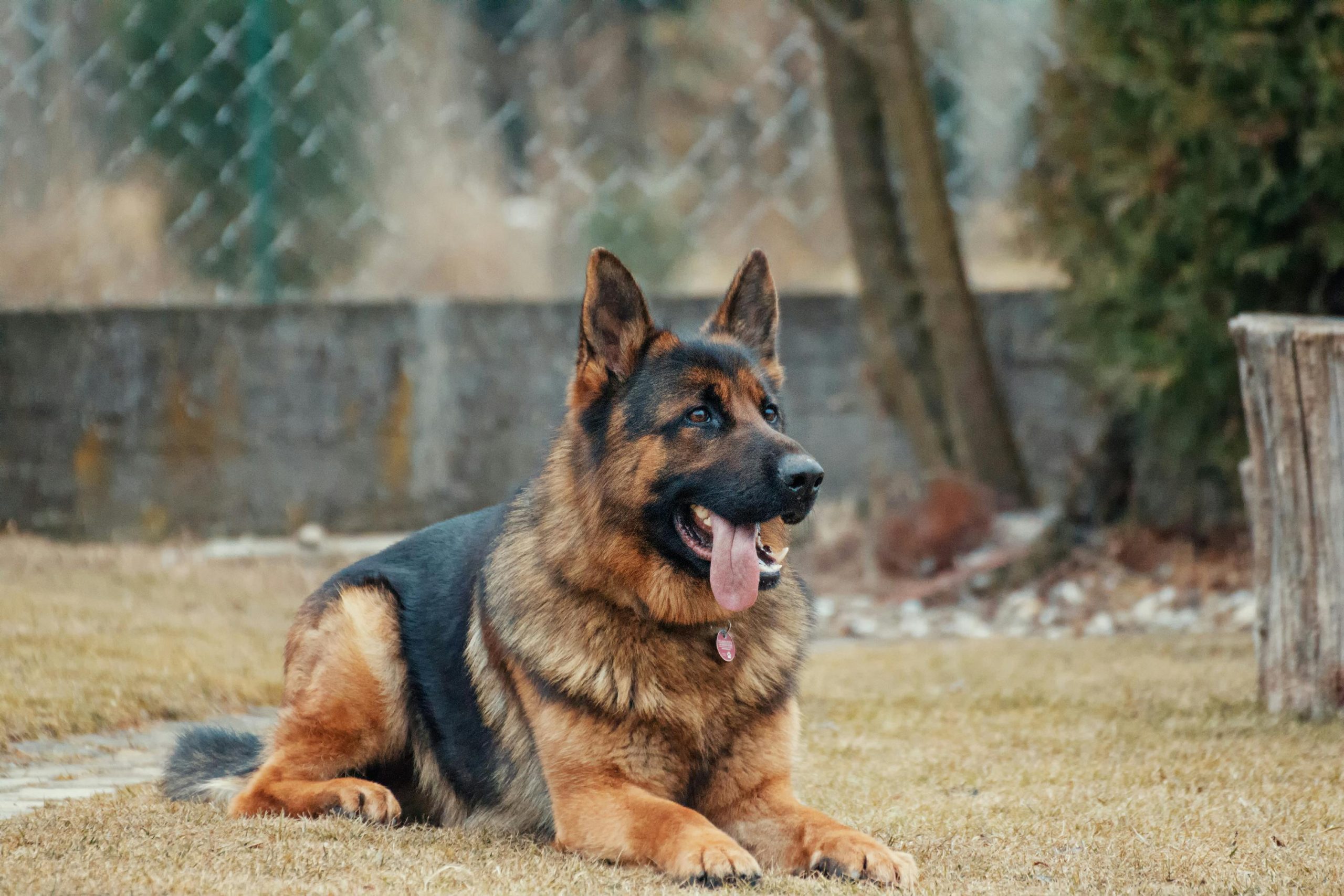
Dogs don’t become aggressive overnight without there being a significant underlying issue. If your dog has never shown any aggression before, it’s a good idea to take a trip to the veterinarian. The older your dog is without exhibiting aggressive before, the more alarming its onset should be. While aggression is often a training issue, it can also be caused by medical conditions. For example, brain tumors or seizures can create aggressive behavior that was never seen before. If your dog is in pain, he may only be able to tell you by growling or biting when touched in the sensitive area. Sometimes a loss of hearing or eyesight can make your dog feel more vulnerable, so he shows aggression out of fear. Regardless of what is happening, aggression shouldn’t be ignored and before you call a trainer, your best bet is to get a check-up with your veterinarian.
Think about it this way: if a person suddenly started snapping at everyone around them, you’d ask what was wrong, not send them to obedience school. The same logic applies to your dog.
Pain is one of the most common medical drivers of sudden aggression. A dog with an ear infection, arthritis, or an injury may growl or snap when touched near the sore spot. It’s not bad behavior. It’s your dog doing the only thing they can to say “that hurts.” Similarly, dogs who lose hearing or vision, especially older dogs, may become reactive because the world suddenly feels unpredictable and threatening. They can’t see you coming. Of course they’re on edge.
Neurological causes are rarer but serious. Brain tumors and conditions that affect the brain like heartworm-related inflammation can alter a dog’s personality and impulse control. Seizure activity, even when not visible as a full convulsive episode, can cause aggression before or after a seizure event.
When to call the vet: Any sudden aggression in a dog with no prior history warrants a same-week appointment. If the dog is snapping at family members without warning or showing other neurological signs (circling, confusion, head pressing), call the vet the same day.

2 – Appetite Changes
Your dog’s appetite can change for a variety of reasons, many of which are medical concerns. If you notice your dog can’t seem to be satisfied after a meal, more so than the average begging for snacks, you’ll want your veterinarian to rule out underlying causes. An increased appetite can be caused by very many ailments. On the flip side, your dog might lose her appetite completely if she’s feeling ill. This should call for a veterinary visit as well, because the causes for a decrease in appetite are almost limitless – from a minor upset stomach to a very serious illness.
Here’s what a lot of owners miss: both directions matter. A dog who suddenly can’t stop eating is just as concerning as one who won’t touch their bowl.
Increased appetite without weight gain can point to Cushing’s disease (hyperadrenocorticism), diabetes, or intestinal parasites. Cushing’s is especially common in middle-aged to older dogs and often shows up as a dog who acts ravenous all the time. Diabetes causes glucose to not be properly processed, leaving the body constantly craving energy. Both conditions are manageable with treatment, but they do need a diagnosis first.
Loss of appetite is trickier. A dog who skips one meal on a hot day? Probably fine. A dog who hasn’t touched their food in 48 hours? That’s a vet call. Dental pain is a sneaky culprit here – your dog may want to eat but stops because chewing hurts. Nausea, kidney disease, liver disease, and yes, cancer, can all suppress appetite. The sooner you catch these, the more options you have.
One thing to watch: diet changes. If you recently switched foods, especially to a grain-free diet, which carries its own health considerations, that can cause a temporary appetite dip. But if the change persists beyond a week, see your vet.
When to call the vet: Skip one meal and monitor. Skip two in a row, or notice dramatic changes in hunger level, and schedule an appointment. If your dog is also vomiting, drinking more water, or losing weight, make it urgent.

3 – Hiding
If your dog normally greets you and friends at the door and is suddenly avoiding saying hello, there’s likely something going on that needs to be addressed. Most dogs generally don’t hide, as they are very social animals and want to be with their people. However, they might be in pain or not feeling well in some other way that makes them not want to interact with friends or family members alike. A friendly dog that suddenly hides is cause for concern and you should consider a veterinary visit.
Dogs are pack animals. Hiding goes against their social instincts. When a normally outgoing dog starts tucking themselves away under the bed, in a closet, or behind the couch, something has shifted – and it’s rarely nothing.
In the wild, sick or injured animals hide because showing weakness makes them a target. That instinct doesn’t go away in domestic dogs. Your dog isn’t being dramatic when they crawl under the bed and refuse to come out. They may be genuinely unwell and reverting to a protective survival behavior.
Hiding can also signal nausea, intense pain, extreme anxiety, or even the early stages of dying. Older dogs sometimes withdraw as their bodies begin to fail. It’s a hard thing to acknowledge, but watching for this behavior matters. If your dog has also started sleeping in a different room or seems generally disconnected, that pattern is worth investigating.
That said, hiding after a stressful event (a thunderstorm, a houseguest, a vet visit) is different from spontaneous hiding with no obvious trigger. Context matters.
When to call the vet: If your social dog has been hiding for more than a day with no obvious environmental trigger, book an appointment. If they’re also refusing food, seem painful when touched, or have labored breathing, call your vet immediately.

4 – Lethargy
Lethargy is always cause for concern, especially in a dog that is normally very active. For our more couch potato companions, it can be more difficult to spot their lethargy, but it can be done. In fact, most owners are in touch enough with their dogs that they notice even a slight activity change. We can expect our dogs to be tired after a big outing, such as a camping trip or perhaps a training weekend if we compete in any dog sports, but unordinary lethargy should not be ignored.
You know your dog. That matters more than any baseline chart. If your Labrador who normally bounces off the walls has been lying around for two days and doesn’t want to play, something’s off, even if they’re technically still eating and drinking.
Lethargy is a symptom, not a diagnosis. The list of conditions that cause it is long: infections (bacterial, viral, fungal), anemia, hypothyroidism, heart disease, kidney or liver failure, tick-borne illnesses like Lyme disease or ehrlichiosis, and more. Puppies who become lethargic quickly can go downhill fast, since they have less physiological reserve than adults. Senior dogs may have slower declines, but that doesn’t make it less urgent.
A rough rule of thumb: one day of low energy after hard exercise is normal. One day of low energy with no clear cause? Monitor closely. Two or more days of lethargy with no obvious explanation? Call the vet. Don’t wait and hope it passes.
One helpful test: offer your dog something they normally love, like a walk, a treat, or their favorite toy. If a dog who’s crazy about fetch isn’t interested in the ball at all, that’s a meaningful signal.
When to call the vet: Lethargy lasting more than 48 hours, or any lethargy paired with fever, loss of appetite, vomiting, diarrhea, or pale gums needs same-day or emergency care.

5 – Weight Changes
Just like in people, unexpected weight changes should not be taken lightly. A sudden increase or decrease in your dog’s weight, regardless of how much they are eating, should be evaluated by a veterinarian. Thyroid disease, cancers, diabetes, kidney disease and many more all cause changes in weight. If you notice a difference, consult your veterinarian before just changing your dog’s diet.
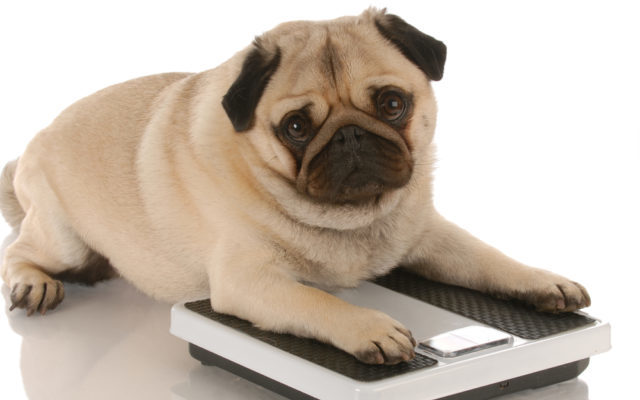
Weight changes that happen slowly are often the hardest to catch. You see your dog every day, so a gradual shift of 5-10% of body weight might go unnoticed until someone who hasn’t seen your dog in a while comments on it. This is actually one reason vets recommend weighing your dog at home every month or two, especially in dogs over 7 years old.
Unexplained weight loss is one of the top clinical signs vets associate with serious illness. Cancer, kidney disease, diabetes, and hyperthyroidism can all cause a dog to drop weight even while eating normally. The body just can’t absorb or use nutrients properly. Some dogs lose muscle mass first, which shows up as a bony spine, prominent hip bones, or hollowing around the temples.
Weight gain without dietary changes is also a red flag. Hypothyroidism (underactive thyroid) is probably the most common culprit, and it’s very treatable once diagnosed. Cushing’s disease can also cause weight redistribution, giving dogs a pot-bellied appearance even without significant calorie increases. Certain dog breeds prone to longer lifespans have higher rates of thyroid issues as they age, so knowing your breed matters.
Don’t make the mistake of just adjusting food portions when you notice weight changes. That can mask the real problem and delay diagnosis. Always rule out medical causes first.
When to call the vet: Any unexplained weight change of 5% or more in under a month, or any steady unintentional weight loss over time, deserves a full workup including bloodwork and urinalysis.

6 – Excessive Panting
Dogs pant to regulate their body temperatures and we should certainly expect them to do so. Panting during physical exercise or a heat wave is not out of the ordinary, but panting while lying around the house or while standing outside in snow should be taken into account. Dogs not only pant to stay cool, they pant due to stress. Emotional stress, such as fear and anxiety, can cause panting in dogs. Physical stress, like pain, will also bring your dog to pant when normally they wouldn’t. If you notice panting you don’t think is really necessary, consider a trip to the veterinarian.
Normal panting makes sense: it’s hot, your dog just ran, they’re excited. Abnormal panting doesn’t fit any of those situations. If your dog is panting while resting on the couch on a cool night, pay attention.
Pain is a big driver of unexplained panting. Dogs in chronic pain, especially from arthritis or an internal injury, often pant continuously even when they appear otherwise calm. Cushing’s disease is another major cause – it triggers excessive panting along with increased thirst, pot-bellied appearance, and hair loss. Respiratory problems like laryngeal paralysis (common in larger, older breeds) make every breath harder, leading to heavy, open-mouthed panting even at rest.
Anxiety and fear are legitimate medical concerns too, not just behavioral quirks. Dogs with separation anxiety, noise phobia, or PTSD from trauma may pant excessively and constantly. There are now excellent resources for helping anxious and shy dogs feel safer, but ruling out physical causes first is always the right move.
Nighttime panting in older dogs can be a sign of cognitive dysfunction syndrome, essentially canine dementia, or pain that’s worse after lying in one position for hours.
When to call the vet: Panting at rest in a cool environment, panting that wakes your dog from sleep, or panting accompanied by a swollen abdomen (possible bloat, which is a medical emergency) all need immediate attention.

What Else to Watch For
These six behavior changes are the most common, but they’re not the only ones worth tracking. Changes in bathroom habits (going more or less frequently, accidents in the house from a trained dog), changes in posture or gait, and sudden shifts in social behavior all deserve attention. Understanding your dog’s emotional signals makes it easier to catch when something feels “off” before it becomes a crisis.
Keep a simple log. Nothing fancy – just jot down what you notice with a date. When you bring your dog to the vet, that timeline can help your vet identify patterns that point to a specific diagnosis. “He’s been a little off for about 3 weeks” is less helpful than “He stopped greeting me at the door on March 12th, started eating slower on March 15th, and I noticed he’s lost about 2 pounds since his last visit.”
Also worth knowing: some of common foods that are harmful to dogs can cause sudden behavior changes including lethargy, vomiting, and disorientation. If the onset was sudden and you’re not sure why, think about what your dog may have gotten into.

Bottom Line: Trust Your Gut
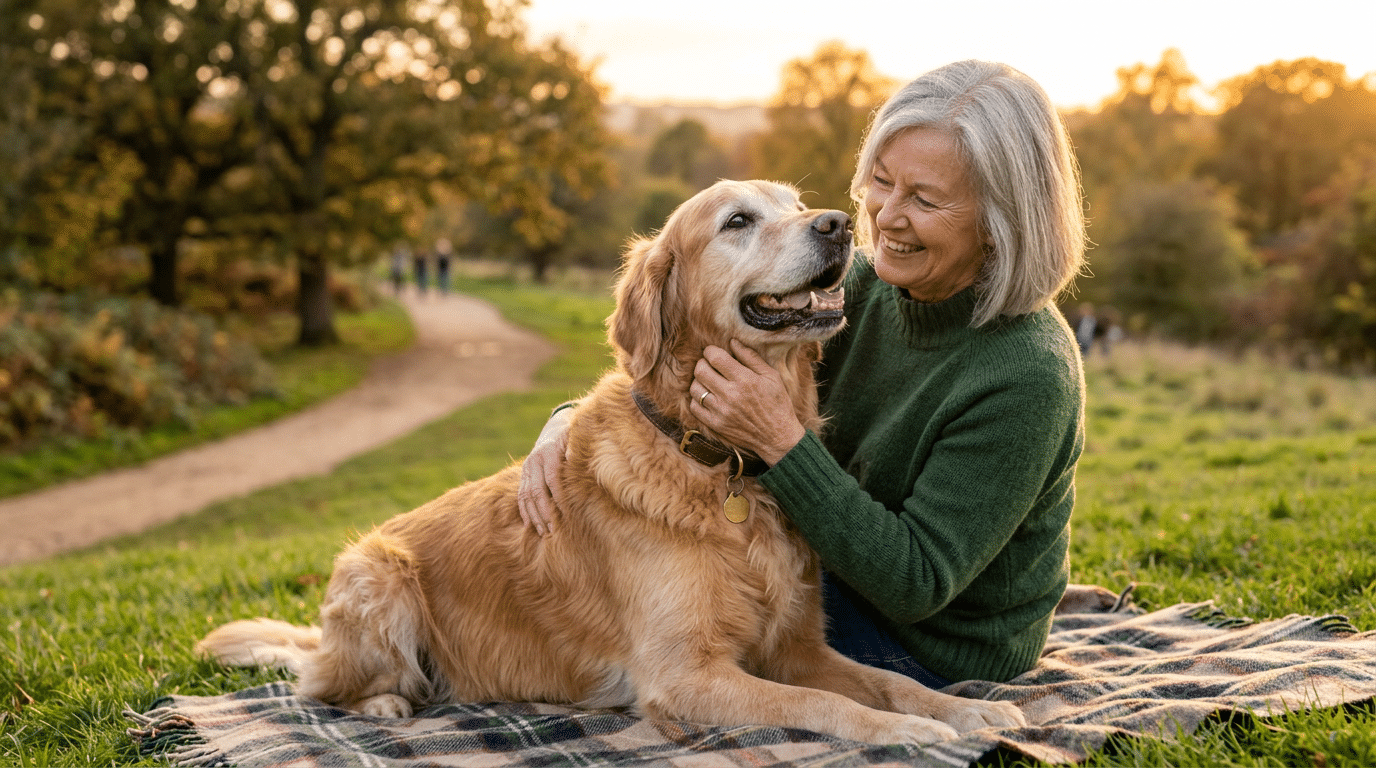
You know your dog better than any vet does. Vets know medicine. You know your dog. When something feels wrong, that instinct is worth acting on. You’re not being an overprotective pet parent by calling your vet when something seems off. You’re being a good owner.
The six behavior changes in this guide, sudden aggression, appetite shifts, hiding, lethargy, unexplained weight changes, and excessive panting, are all signs your dog’s body is trying to communicate something. The earlier you catch them, the better the outcome usually is. Some conditions, caught early, are easy to treat. The same conditions, caught late, can be life-threatening.
Schedule regular annual (or semi-annual for dogs over 7) wellness exams with your vet. Keep your dog’s baseline habits in mind. And when something changes, don’t wait and see for too long. Your dog is counting on you to notice.

Frequently Asked Questions: Dog Behavior Changes and Health
Why did my dog suddenly become aggressive?
Sudden aggression in a dog with no prior history is almost always a medical red flag. Common causes include pain (arthritis, injury, ear infection), neurological issues like brain tumors or seizure disorders, and sensory loss such as hearing or vision decline. Before assuming it’s a training problem, have your vet rule out physical causes first. If the aggression is severe or the dog has bitten someone, seek veterinary help the same day.
How long can a dog go without eating before it’s a problem?
Most healthy adult dogs can skip one meal without concern, especially in hot weather. But if your dog refuses food for 48 hours or more, it’s time to call the vet. Puppies and small breeds should be seen sooner, as they can develop hypoglycemia (low blood sugar) faster. If the appetite loss is paired with vomiting, diarrhea, lethargy, or weight loss, treat it as urgent and call your vet the same day.
Why is my dog hiding and acting scared for no reason?
A normally social dog who suddenly hides may be sick, in pain, or experiencing extreme anxiety. Dogs instinctively hide when they’re unwell, a survival behavior from their wild ancestors. If there’s no obvious environmental trigger (like a thunderstorm or a recent move), hiding behavior lasting more than a day or two warrants a vet visit. In older dogs, hiding can sometimes signal cognitive decline or end-of-life decline and should be evaluated promptly.
What causes sudden weight loss in dogs?
Unexplained weight loss in dogs can be caused by cancer, kidney disease, diabetes, hyperthyroidism, gastrointestinal conditions, intestinal parasites, or simply not absorbing nutrients properly. A dog can lose weight even while eating their normal amount of food if their body can’t process it. Any weight loss of 5% or more in a month without a change in diet should be investigated with bloodwork, a urinalysis, and a full physical exam.
When is panting in dogs a sign of something serious?
Panting is normal after exercise, in hot weather, or when excited. But panting that occurs at rest, in a cool environment, or at night is a warning sign. It can indicate pain, Cushing’s disease, respiratory problems, heart disease, or anxiety disorders. Emergency panting, especially when the abdomen looks distended or the dog seems distressed, could indicate bloat (GDV), which is life-threatening and requires immediate emergency care.
How can I tell if my dog’s behavior change is medical vs. behavioral?
The key question is: did the change happen suddenly with no obvious trigger? Medical causes typically produce abrupt changes in a dog with a previously consistent temperament. Behavioral issues usually have a gradual onset or a clear environmental cause (new pet, new baby, move to a new home). When in doubt, start with a vet visit to rule out physical problems first. It’s much easier to address behavioral issues once you know there’s nothing medically wrong.












 English (US) ·