
 1 month ago
48
1 month ago
48
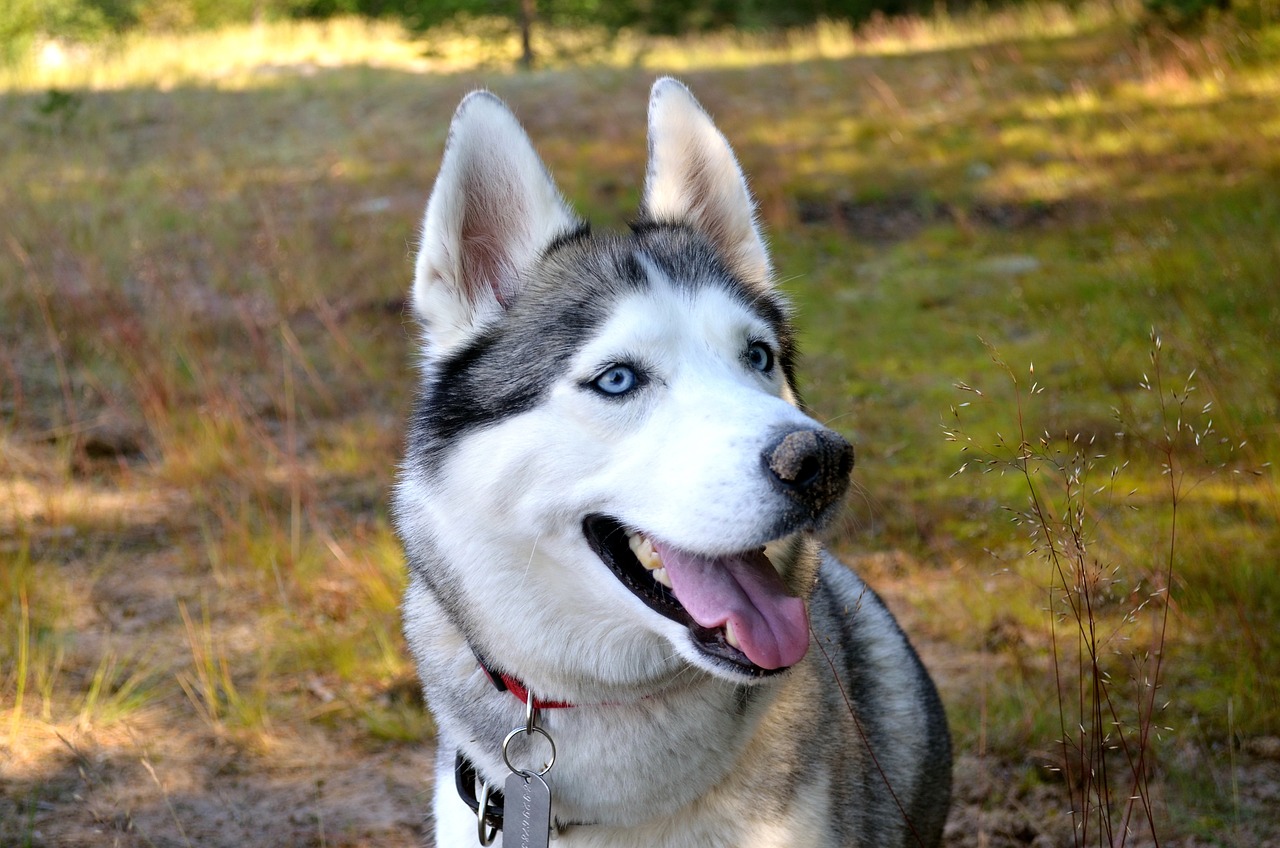
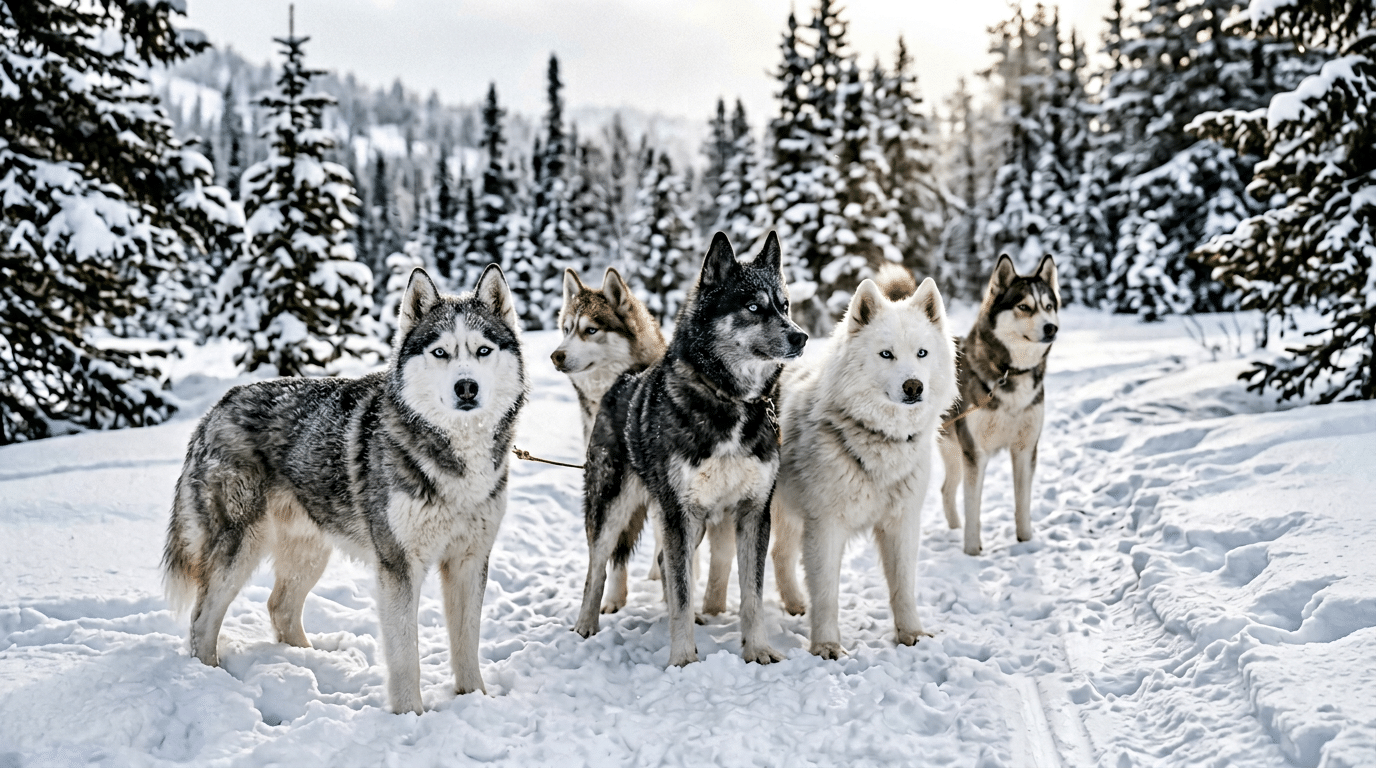
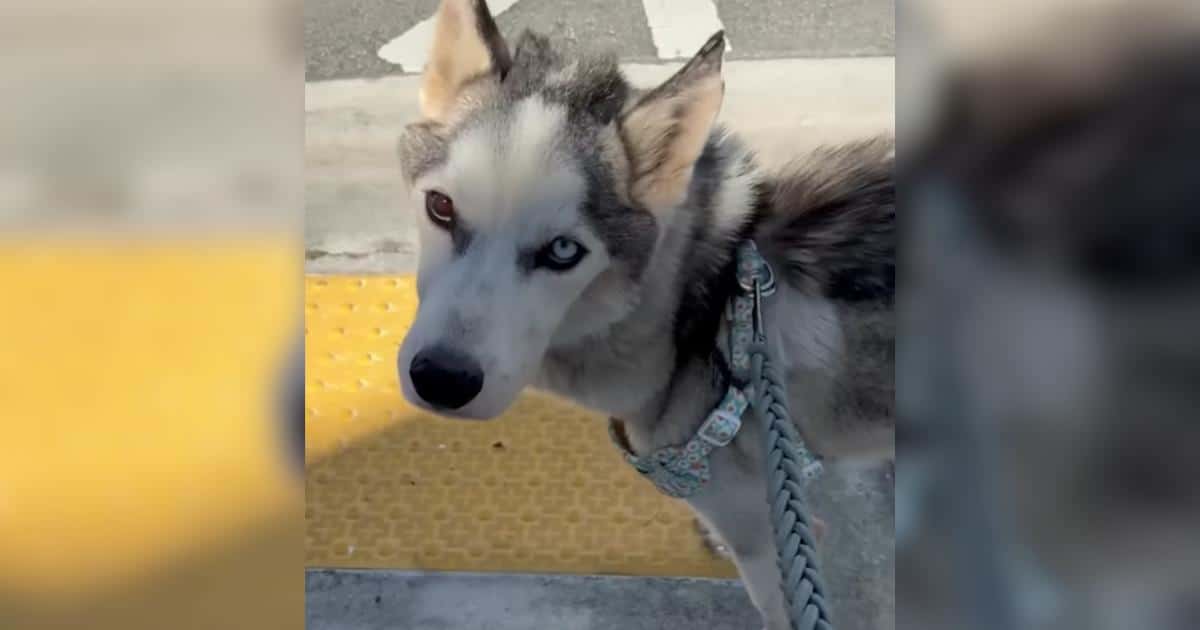
If you love Siberian Huskies but want to explore your options, you’re not alone. Maybe you want something bigger, smaller, calmer, or just a little easier to manage. Whatever the reason, there are plenty of dog breeds similar to Huskies that share that same wolf-like look, thick double coat, and working-dog drive.
This guide ranks 10 breeds by three key factors: appearance similarity, energy level, and independence. That way you can find the right match for your lifestyle, not just your aesthetic.
👁️ Quick Comparison: 10 Breeds Similar to Huskies
| Alaskan Malamute | ⭐⭐⭐⭐⭐ | Very High | High | Large |
| Tamaskan Dog | ⭐⭐⭐⭐⭐ | High | Moderate | Large |
| Alaskan Klee Kai | ⭐⭐⭐⭐⭐ | Moderate | Moderate | Small |
| Samoyed | ⭐⭐⭐⭐ | High | Low | Medium |
| Greenland Dog | ⭐⭐⭐⭐ | Very High | Very High | Large |
| Canadian Eskimo Dog | ⭐⭐⭐⭐ | Very High | High | Large |
| Norwegian Elkhound | ⭐⭐⭐ | High | Moderate | Medium |
| Shiba Inu | ⭐⭐⭐ | Moderate | Very High | Small |
| Akita | ⭐⭐⭐ | Moderate | Very High | Large |
| Finnish Lapphund | ⭐⭐ | Moderate | Low | Medium |
1. Alaskan Malamute
The Alaskan Malamute is probably the breed most people mistake for a Husky. They share the same thick double coat, erect ears, and wolf-like face – but Malamutes are noticeably bigger. Adult males typically weigh 85 pounds or more, compared to the Husky’s 35-60 pounds. If you’ve ever stood next to one, you know the difference immediately.
Bred to haul heavy freight across Arctic terrain, Malamutes were built for endurance rather than speed. They’re slower than Huskies but can pull far more weight over longer distances. That working-dog DNA shows up in their daily behavior: they need a lot of exercise, and they don’t do well sitting around all day.
One key difference is eye color. Huskies are famous for blue eyes, but Malamutes almost always have brown eyes. They’re also more stubborn and independent than Huskies, which means training takes more patience. That said, they’re affectionate, playful, and great with families – just don’t skip the exercise. Finding the right food for an Alaskan Malamute is also worth researching since their size means their nutritional needs differ from smaller breeds.
Best for: Active owners with large yards who want a big, loyal companion.
2. Tamaskan Dog
Tamaskans were specifically bred to look like wolves – and they nail it. They have the same wolf-like facial structure as Huskies, with thick coats, erect ears, and a muscular build. Unlike some wolf-dog hybrids, Tamaskans have zero wolf content. They’re entirely domestic, which makes them more predictable and easier to live with.
Personality-wise, Tamaskans are highly social and thrive on human connection. They don’t like being alone for long periods – you’ll know about it if they get bored. They’re agile, athletic dogs that do well in dog sports like agility and sled racing. If you want that striking Husky-adjacent look with a slightly more trainable temperament, Tamaskans are worth a serious look.
One thing to know: they’re still rare. Finding a reputable breeder takes research and possibly a waitlist. But for the right owner, the wait is worth it.
Best for: People who want the wolf aesthetic with a family-friendly personality.
3. Alaskan Klee Kai
Think of the Alaskan Klee Kai as a Husky in a smaller package. Created in the 1970s specifically as a companion-sized version of the Husky, Klee Kais come in three sizes – toy, miniature, and standard – with the largest topping out around 22 pounds. They have the same mask-like facial markings, striking eyes, and thick double coat.
Despite their small size, Klee Kais are alert, energetic, and can be quite vocal. They bond tightly with their families and tend to be more reserved around strangers than a typical Husky. That wariness means early socialization really matters. They’re intelligent and quick to learn, though they can be a bit willful.
Apartment living is possible with a Klee Kai, but they still need daily exercise and mental stimulation. They’re not content to just lounge around.
Best for: Husky lovers who want a smaller, apartment-friendly option.
4. Samoyed
Samoyeds share the same Siberian roots as Huskies. Both breeds worked in Arctic conditions – Huskies pulling sleds, Samoyeds herding reindeer and keeping their owners warm at night. The result is a breed that looks like someone turned a Husky into a cloud.
That signature white coat is stunning, but it comes with a maintenance requirement. Samoyeds shed heavily, and their thick fur mats if not brushed several times a week. If you’re not prepared for that, this might not be the right fit. Check out the ultimate Samoyed feeding guide to understand the full scope of their care needs.
On the personality side, Samoyeds are notably more social and less independent than Huskies. They’re people-pleasers at heart, which makes them easier to train. They’re also gentler and better suited to families with small children. Their famous “Sammy smile” – a slight curl at the corners of the mouth – is not just cute; it actually prevents drooling in cold weather.
Best for: Families who want a friendly, social dog and don’t mind heavy grooming.
5. Greenland Dog
Greenland Dogs are one of the oldest and most primitive sled dog breeds in existence. The Inuit people have relied on them for transportation and hunting for thousands of years. They look like a slightly stockier, more rugged version of a Husky – same erect ears, thick double coat, and wolf-like face.
What makes Greenland Dogs stand out is their extraordinary independence. These dogs were bred to make decisions on the ice without constant human direction, and that instinct runs deep. They’re not going to wait for you to tell them what to do. That makes them challenging for first-time owners but fascinating for experienced handlers.
They need a lot of space and a lot of exercise. These are working dogs at heart, and they don’t thrive in suburban backyards. If you have land and love outdoor adventures, a Greenland Dog can be a remarkable companion.
Best for: Experienced owners with space who want a primitive, working-breed dog.
6. Canadian Eskimo Dog
The Canadian Eskimo Dog is critically endangered – there are fewer than 300 purebred individuals left in the world. That alone makes them worth knowing about. Like Huskies, they were bred by Indigenous Arctic peoples for sled pulling and survival in extreme cold. They’re powerful, loyal, and built for endurance.
They share a lot of physical traits with Huskies: thick coat, erect ears, plumed tail, and athletic build. Temperament-wise, they’re highly social within their pack but can be dominant and challenging. They need an owner who understands working breeds and can provide firm, consistent leadership alongside plenty of exercise.
If you’re drawn to Huskies because of their connection to Arctic history and indigenous cultures, the Canadian Eskimo Dog carries that history even more directly.
Best for: Knowledgeable owners committed to a rare, culturally significant breed.
7. Norwegian Elkhound
Norwegian Elkhounds are ancient dogs – they’ve been hunting elk alongside Scandinavian hunters for thousands of years. They’re compact and spitz-type, with a thick gray double coat, curled tail, and the alert, upright ears you’d recognize from a Husky. They don’t look exactly like Huskies, but the family resemblance is clear.
These are bold, confident dogs. They bark more than most Husky-adjacent breeds and have a strong prey drive, so a secure yard is a must. They’re loyal to their families and generally good with kids, though they can be standoffish with strangers.
Training a Norwegian Elkhound takes consistency. They’re smart but independent, and they’ll test limits if you’re not clear about expectations. Once you establish trust, though, they’re reliable and affectionate. They’re also one of the dog breeds that need more exercise than most people expect – daily vigorous activity is non-negotiable.
Best for: Active owners who want a versatile, medium-sized working dog.
8. Shiba Inu
The Shiba Inu is smaller and Japanese in origin, but they share something fundamental with Huskies: a fierce, independent spirit that’s equal parts charming and exhausting. Shibas have a thick double coat, erect ears, and a curled tail – they look like a miniature fox version of a spitz dog.
Their personality is famously cat-like. They’re clean, self-sufficient, and deeply uninterested in being told what to do. Shibas rarely come when called unless it suits them. They can also be possessive of food and toys, which means early socialization matters a lot. Dog breeds similar to Shiba Inus share this same independent streak, which makes them all a unique challenge to train.
That said, Shibas are loyal and entertaining companions. They don’t need as much exercise as a Husky, and they’re generally quieter – though the “Shiba scream” is a real thing, and it’s startling the first time you hear it.
Best for: Experienced owners who want a small, low-maintenance dog with a big personality.
9. Akita
Akitas are large, powerful dogs from Japan with a dignified, almost regal presence. They have the same thick double coat and erect ears as Huskies, and their build conveys strength and confidence. One look at an Akita and you understand why they’ve been considered a symbol of good health and loyalty in Japanese culture for centuries.
Where Huskies are social and welcoming, Akitas are reserved. They bond deeply with their families but tend to be aloof or even suspicious around strangers. They’re not a dog for someone who wants a friendly, outgoing companion – they’re for someone who wants a loyal protector that takes time to trust.
Training an Akita requires experience. They’re stubborn, dominant, and won’t respond to harsh methods. If you’re not sure how to handle a high-independence dog, read up on the least obedient dog breeds first – Akitas fit squarely in that group and need an owner who understands the dynamic.
Best for: Experienced owners who want a loyal, protective dog rather than a social one.
10. Finnish Lapphund
Finnish Lapphunds round out this list as the most family-friendly option. Bred for centuries to herd reindeer in the harsh Lapland region, they’re sturdy, cold-weather dogs with a thick double coat and a sweet, expressive face. They’re gentler and more adaptable than most of the other breeds here.
Lapphunds are highly attuned to their owners’ emotions – which makes them excellent therapy or family dogs. They’re eager to please and respond well to training, which is a big contrast from the more independent breeds on this list. They’re also one of the few on this list that might actually do okay in a smaller home, as long as they get daily exercise.
If you’re drawn to the Husky look but want something calmer and more cooperative, the Finnish Lapphund deserves serious consideration. They’re not as striking as a Malamute or Tamaskan, but they’re a joy to live with.
Best for: Families with kids who want an easygoing, trainable cold-weather breed.
📗 Key Husky Traits at a Glance
| Weight | 35-60 lbs |
| Lifespan | 12-15 years |
| Energy Level | Very High (needs 2+ hours daily) |
| Coat Type | Thick double coat, sheds seasonally |
| Trainability | Moderate (smart but stubborn) |
| Good With Kids | Yes, with socialization |
| Ideal Climate | Cool to cold; struggles in heat |
Huskies need at least 2 hours of vigorous exercise per day. If they don’t get it, they’ll redecorate your house. If you’re dealing with a picky eater Husky, that’s a whole separate challenge worth reading about.
Frequently Asked Questions
What dog looks the most like a Husky?
The Alaskan Malamute, Tamaskan Dog, and Alaskan Klee Kai are the three breeds that most closely resemble Siberian Huskies. Malamutes share the same wolf-like features but are significantly larger. Tamaskans were specifically bred for a wolf-dog appearance. Klee Kais are essentially miniature Huskies.
What is the calmest dog breed similar to a Husky?
The Finnish Lapphund is the most easygoing breed on this list. They’re gentle, eager to please, and much calmer than Huskies or Malamutes. Samoyeds are also more relaxed and social, making them great choices if you want the look without as much intensity.
Are there small dogs that look like Huskies?
Yes. The Alaskan Klee Kai was created specifically to be a small companion version of the Husky. They come in toy, miniature, and standard sizes, with the largest weighing about 22 pounds. Shiba Inus share some visual similarities too, though they look more like a compact fox than a Husky.
What’s the difference between a Husky and an Alaskan Malamute?
Size is the most obvious difference – Malamutes are much larger, often weighing 85-100 pounds compared to the Husky’s 35-60 pounds. Huskies also tend to have blue eyes, while Malamutes almost always have brown eyes. Huskies are faster; Malamutes are stronger. Both are high-energy working breeds, but Malamutes are generally more stubborn and independent.
Which Husky-like breed is easiest to train?
Samoyeds and Finnish Lapphunds are the easiest to train from this list. Both breeds are eager to please and respond well to positive reinforcement. Huskies themselves rank pretty low on trainability due to their independence, so if that’s been a frustration for you, these two breeds offer a refreshing change.
Do all Husky-like breeds have double coats?
Every breed on this list has a double coat. It’s one of the defining traits of spitz-type and Nordic working breeds – the outer coat repels water and snow while the dense undercoat provides insulation. All of them shed heavily, especially during seasonal coat blows. If shedding is a dealbreaker, check out some low-shedding dog breeds instead.
Are Husky-type dogs good for first-time owners?
Honestly, most of them aren’t. Huskies, Malamutes, Greenland Dogs, Akitas, and Canadian Eskimo Dogs all have strong wills and high exercise needs that can overwhelm first-time owners. The Finnish Lapphund and Samoyed are more forgiving options if you’re newer to dog ownership but still want that Nordic breed energy. Make sure you know what you’re getting into – these wild energy dog breeds need owners who are genuinely prepared.
Bottom Line
Every breed on this list shares something meaningful with Siberian Huskies – whether it’s the thick double coat, the wolf-like face, the working-dog stamina, or that unmistakable independent streak. But they’re not interchangeable. The right choice depends on your space, your experience level, and how much exercise you can genuinely commit to every day.
If you want the look and the energy, go with a Malamute or Tamaskan. If you want something smaller, the Klee Kai or Shiba Inu will keep you on your toes. If you want the Husky vibe but an easier temperament, the Samoyed or Finnish Lapphund are your best bets. And if you’re drawn to the most primitive, historically connected breeds, the Greenland Dog and Canadian Eskimo Dog are in a category of their own.
Whatever you choose, make sure you’re ready for the exercise commitment. Nordic breeds aren’t couch dogs – they’re athletes who happen to live in your house. Get that right, and you’ll have one of the most rewarding relationships in dog ownership.





 English (US) ·