
 1 month ago
52
1 month ago
52
Looking for a dog breed that starts with the letter L? You’re in the right place. The L group is smaller than some letters, but what it lacks in size it more than makes up for in variety. You’ve got America’s most popular dog, a lion-maned giant from Germany, an ancient temple guardian from Tibet, and a truffle-sniffing curly dog from Italy — all in one letter.
This guide covers 20 dog breeds that start with L, with descriptions, size info, and temperament notes for each one. Whether you want a gentle family dog, an athletic working breed, or something rare and unusual, there’s an L breed in this list worth your time.
 From family favorites to ancient temple guardians, dog breeds that start with L cover an impressive range of sizes, temperaments, and working styles.
📊 L Breed Fast Facts
- Most popular L breed in the US: Labrador Retriever (top AKC breed for 30+ consecutive years)
- Largest L breed: Leonberger (up to 170 lbs)
- Smallest L breed: Löwchen (9–18 lbs)
- Best L breed for families: Labrador Retriever and Leonberger
- Best L breed for apartments: Lhasa Apso and Löwchen
- Most unique L breed: Lundehund (6 toes on each foot)
- Rarest L breed on this list: Levriero Sardo (Sardinian Sighthound)
- AKC-recognized L breeds: 7 officially recognized breeds
The Complete List of Dog Breeds That Start With L
1. Labrador Retriever
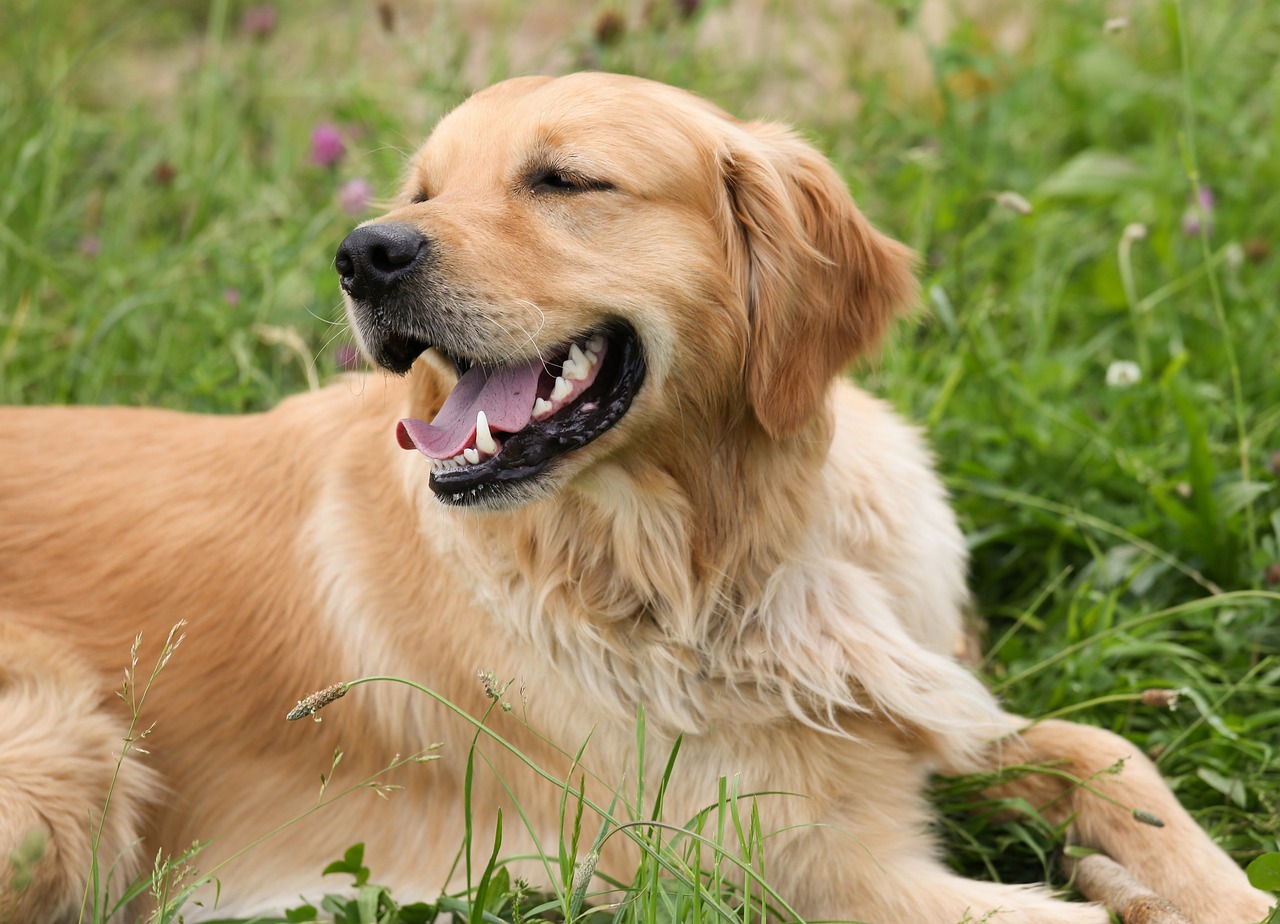
If you’ve ever spent time around dogs, you’ve almost certainly met a Lab. The Labrador Retriever held the top spot on the AKC’s most popular breed list for over 30 consecutive years. That kind of staying power says something real about this breed.
Size: Medium to large (55–80 lbs)
Temperament: Friendly, outgoing, eager to please
Labs come in three colors — yellow, black, and chocolate — but personality-wise, they’re pretty consistent across all three. They’re good with kids, easy to train, and genuinely happy dogs. The tradeoff is energy and shedding. Labs need daily exercise and shed year-round, so be prepared for dog hair on everything. Still, for first-time owners and experienced dog people alike, it’s hard to beat a Lab.
2. Leonberger
If you want a dog that makes people stop on the street, the Leonberger delivers. These magnificent dogs were bred in Leonberg, Germany in the 19th century, originally created to resemble the lion on the town’s crest. They’re massive, fluffy, and surprisingly gentle.
Size: Giant (90–170 lbs)
Temperament: Patient, loyal, calm but playful
Don’t let the size fool you — Leonbergers are known for being excellent family dogs. They’re patient with children and tend to be calm indoors once they get their exercise. The grooming is significant, and they drool, but owners who have one rarely switch to anything else. If you have the space and the time, this breed rewards you generously.
3. Lhasa Apso
The Lhasa Apso is one of the oldest dog breeds still in existence, developed over a thousand years ago in the Himalayan monasteries of Tibet. Tibetan monks kept them as indoor sentinel dogs — small enough to live inside, but alert enough to bark at anything out of the ordinary.
Size: Small (12–18 lbs)
Temperament: Independent, loyal, a bit stubborn
Don’t mistake the small size for neediness. Lhasa Apsos are confident, assertive little dogs with a big-dog attitude. They’re loyal to their family but wary of strangers, which is exactly what they were bred for. Training requires patience since they have an independent streak, but they’re not impossible. Their long, floor-length coat is gorgeous but needs regular brushing.
4. Lagotto Romagnolo
This Italian breed might be the most practical dog on this entire list. The Lagotto Romagnolo is the world’s only recognized truffle-hunting dog, used by hunters in Italy and increasingly around the world to sniff out the prized fungi. Their curly, dense coat helped them work in marshy wetlands as a water retriever before truffle hunting became their specialty.
Size: Medium (24–35 lbs)
Temperament: Affectionate, loyal, keen nose, loves to dig
Lagottos are great family dogs that bond closely with their people. The nose-work instinct is strong — give them a job, any job, and they’re happy. Without mental stimulation, they’ll use that digging instinct on your backyard. Their curly coat is considered low-shedding, which makes them a solid pick for allergy-prone households.
5. Lancashire Heeler
The Lancashire Heeler is a small herding and ratting dog from northern England. These compact dogs were used to drive cattle to market and control vermin on farms. The AKC granted them full recognition in 2024, making them one of the newest officially recognized breeds.
Size: Small (13–18 lbs)
Temperament: Clever, alert, energetic
Don’t underestimate the Lancashire Heeler. They’re small but loaded with working-dog energy and intelligence. They do well with families who can give them activity and training. Without it, they get bored and mouthy. Their short black and tan coat is easy to maintain, which is a nice bonus if you want a low-grooming herder.
6. Löwchen (Little Lion Dog)
The Löwchen’s name translates directly to “little lion dog” in German, and the traditional lion cut that’s given to the breed makes that name literal. The hindquarters are shaved close while the front is left long and flowing, creating a small dog that looks like a miniature lion.
Size: Small (9–18 lbs)
Temperament: Playful, affectionate, confident
Löwchens are one of the rarer breeds on this list, but they’re genuinely wonderful companions. They’re adaptable enough for apartment living, friendly with strangers, and easy to train. The show clip is high-maintenance, but plenty of owners keep them in a natural or puppy cut that’s much more practical. If you want a rare, charming small dog, the Löwchen is worth looking into.
7. Lakeland Terrier
The Lakeland Terrier comes from the Lake District of England, where farmers bred them to hunt foxes that preyed on sheep. They’re tough, fearless little dogs built for rough terrain and determined prey. The good news is that personality also makes them entertaining and spirited family dogs.
Size: Small to medium (15–17 lbs)
Temperament: Bold, confident, playful
Lakeland Terriers are smart and trainable, but terrier stubbornness is real. They do best with owners who can stay consistent and patient. They love games, get along with children, and have a wiry coat that needs hand-stripping to look its best. One thing to know: they have a high prey drive and shouldn’t be trusted off-leash in open areas.
8. Large Munsterlander
The Large Munsterlander is a German versatile hunting dog, bred to track, point, and retrieve across all terrain types. These dogs are less well-known in the US but are popular in Germany and other parts of Europe with serious hunters. The breed gets its name from the Munster region in Germany.
Size: Large (55–65 lbs)
Temperament: Loyal, intelligent, high-energy
Large Munsterlanders are excellent family dogs if you can meet their exercise needs, which are substantial. They need long daily runs or active work. They’re eager to please and bond deeply with their families. Their striking black and white coat is moderately easy to maintain, though they do shed. If you’re an active household, this is a genuinely great all-around dog.
9. Landseer
The Landseer looks like a Newfoundland in a tuxedo — white with large black patches across the back and head. In fact, the Landseer and the Newfoundland share common ancestry, though they’ve developed separately enough that the FCI recognizes the Landseer as its own breed.
Size: Giant (100–150 lbs)
Temperament: Sweet-tempered, gentle, calm
Like Newfoundlands, Landseers were bred as water rescue dogs. They’re strong swimmers, gentle with children, and known for their patience. They drool, they shed heavily, and they need space — but if you want a calm, noble giant dog, the Landseer delivers everything a Newfoundland does with a different look.
10. Lapponian Herder
The Lapponian Herder is a Finnish breed developed by the Sami people to herd reindeer across the subarctic landscape. It’s a medium-sized, weather-resistant herding dog that’s been doing the same job in the same harsh environment for hundreds of years.
Size: Medium (55–65 lbs)
Temperament: Calm, obedient, hardworking
Lapponian Herders are not common outside Scandinavia, but they’re practical, intelligent dogs that adapt well to family life. They’re calmer than many herding breeds and do well with children. Their thick double coat handles cold winters without any trouble. If you live somewhere with cold winters and want an unusual but capable herding breed, this one deserves a look.
11. Lithuanian Hound
The Lithuanian Hound is a rare scent hound from Lithuania, developed over centuries for hunting hare and fox in the Eastern European forests. These dogs are known for their stamina, loud voice, and relentless tracking ability.
Size: Medium (55–70 lbs)
Temperament: Tenacious, energetic, independent
Lithuanian Hounds are working dogs through and through. They’re not particularly suited to casual pet ownership without firm training and plenty of exercise. That said, they’re loyal and affectionate with their family. Their short, dense black and tan coat is very low-maintenance. Outside of Lithuania, these dogs are genuinely rare — finding one requires real effort.
12. Lurcher
The Lurcher isn’t a purebred in the traditional sense — it’s a cross between a sighthound (usually a Greyhound, Saluki, or Whippet) and a herding or terrier breed. Lurchers have been a fixture in Britain and Ireland for centuries, originally used by poachers who needed a fast, versatile hunting dog that didn’t fit the typical purebred mold.
Size: Medium to large (varies by cross)
Temperament: Gentle, fast, a bit lazy indoors
What makes Lurchers interesting is the combination of sighthound speed and herding or terrier intelligence. They’re typically gentle and calm at home — Greyhound crosses especially — but absolutely electric when something catches their eye outdoors. They’re popular in the UK and gaining attention in the US among dog lovers who want something different.
13. Labradoodle
The Labradoodle — a cross between a Labrador Retriever and a Poodle — became one of the most popular dogs in America almost overnight after being developed in Australia in the 1980s. They were originally created as low-shedding guide dogs for people with allergies.
Size: Medium to large (varies; 30–65 lbs)
Temperament: Friendly, playful, sociable
The thing to understand about Labradoodles is that shedding and coat type vary a lot depending on which parent the puppy takes after. Some are nearly non-shedding; others shed quite a bit. First-generation crosses (F1) are the most unpredictable. Multigenerational Labradoodles tend to be more consistent. They’re smart dogs that train easily and genuinely love people — a big reason they’re still wildly popular.
14. Laekenois
The Belgian Laekenois (pronounced lak-in-WAH) is the rarest of the four Belgian Shepherd varieties. While the Malinois and Tervuren have become household names in working dog circles, the Laekenois has stayed relatively obscure despite being just as capable. Its rough, wiry coat sets it apart visually from its smooth-coated siblings.
Size: Medium (55–65 lbs)
Temperament: Alert, intelligent, loyal, protective
The Laekenois was originally used to guard flax fields in Belgium. Today it excels in protection sports, search and rescue, and competitive obedience. The AKC fully recognized the breed in 2020. This is not a dog for first-time owners — they need structure, training, and a consistent handler. But in the right hands, they’re exceptional dogs.
15. Louisiana Catahoula Leopard Dog
The Louisiana Catahoula Leopard Dog is the official state dog of Louisiana and one of the most distinctly American breeds in existence. Developed by Native Americans and early settlers to hunt wild boar, this is a working dog with striking looks — often spotted or merle-coated with striking glass eyes.
Size: Medium to large (50–95 lbs)
Temperament: Energetic, assertive, loyal, independent
Catahoulas are fascinating dogs, but they’re not for everyone. They’re incredibly energetic, highly intelligent, and can be dominant with other dogs. They need a confident, experienced owner who gives them real work or serious exercise. Get that right and you have a loyal, capable dog unlike anything else. Skip the exercise and training and you’ll have a very difficult time. If you’re exploring long-lived working breeds, check out our guide to dog breeds with the longest lifespans.
16. Levriero Sardo
The Levriero Sardo is a sighthound from the Italian island of Sardinia, descended from ancient Mediterranean hunting dogs that have existed on the island for thousands of years. It’s one of the rarest breeds on this entire list and is not yet recognized by the AKC.
Size: Medium (33–55 lbs)
Temperament: Athletic, sensitive, reserved with strangers
Like all sighthounds, the Levriero Sardo is built for speed and has a strong chase instinct. They’re gentle and calm indoors but need room to run. If you’re a sighthound enthusiast looking for something truly unusual, this is a breed worth researching. Finding one outside of Sardinia and Italy will take serious effort.
17. Labrador Husky
Despite the name, the Labrador Husky is not a Labrador Retriever and Husky mix. It’s actually a distinct spitz-type sled dog breed that developed in the Labrador region of Canada. It’s closer genetically to wolf-like working dogs than to the Labrador Retriever.
Size: Large (60–100 lbs)
Temperament: Energetic, loyal, strong-willed
Labrador Huskies are bred for endurance and pulling, so their exercise needs are significant. They thrive in cold climates and need experienced owners who understand working sled dogs. They’re rare outside of Northern Canada, but for dog enthusiasts who want something genuinely different from a traditional Husky, this is a fascinating option.
18. Lacy Dog (Blue Lacy)
The Lacy Dog — also known as the Blue Lacy — is the official state dog of Texas and a breed developed entirely in America. The Lacy family of Texas created this working ranch dog in the 1800s to help herd and hunt in the harsh Texas landscape.
Size: Medium (25–50 lbs)
Temperament: Driven, intelligent, alert
Lacy Dogs come in three coat colors (blue/gray, red, and tricolor) despite the “Blue Lacy” name. They’re lean, athletic dogs that were purpose-built for work. They excel at hunting, herding, and tracking. As a pet, they need a job or serious daily exercise, or they’ll become restless and destructive. In the right active household, though, they’re outstanding dogs.
19. Longdog
The Longdog is similar to a Lurcher but specifically describes a cross between two sighthound breeds, rather than a sighthound and a working breed. Common combinations include Greyhound x Saluki, Greyhound x Whippet, or Deerhound x Greyhound. The goal is always speed and endurance.
Size: Medium to large (varies by cross)
Temperament: Swift, gentle, laid-back indoors
Longdogs are elegant dogs with the same indoor calmness that makes Greyhounds such appealing pets. They’re quiet, clean, and easy-going at home, but absolutely need a safe space to sprint at full speed regularly. A fenced yard or access to a lure coursing field is nearly essential. They’re not aggressive and generally do well with other dogs.
20. Lundehund (Norwegian Lundehund)
The Lundehund might be the strangest dog on this list in the best possible way. This Norwegian breed was developed specifically to hunt puffins on steep sea cliffs. To navigate those cliffs, the Lundehund evolved (or was selectively bred) to have six toes on each foot. Yes, really. They can also fold their ears shut, bend their head backward to touch their spine, and spread their front legs flat to the side.
Size: Small (13–20 lbs)
Temperament: Alert, curious, loyal
The Lundehund is rare because puffin hunting has been banned in Norway, and the breed nearly went extinct multiple times. Today’s population numbers only a few thousand worldwide. They can be tricky to own due to a unique digestive disorder called Lundehund Syndrome, which affects nutrient absorption. But for the right owner, they’re one-of-a-kind dogs with ancient history behind them.
🐾 Choosing an L Breed for Your Lifestyle
- Best for apartments: Lhasa Apso, Löwchen, Lakeland Terrier
- Best for active families: Labrador Retriever, Lacy Dog, Louisiana Catahoula Leopard Dog
- Best for first-time owners: Labrador Retriever, Leonberger, Labradoodle
- Best working dogs: Laekenois, Louisiana Catahoula Leopard Dog, Lapponian Herder, Large Munsterlander
- Best low-shedding option: Lagotto Romagnolo, Labradoodle
- Best gentle giants: Leonberger, Landseer
- Rarest picks: Levriero Sardo, Lundehund, Labrador Husky, Longdog
 The Labrador Retriever and Lhasa Apso couldn’t be more different — one is built for water and work, the other for mountain temples and indoor life.
Frequently Asked Questions About Dog Breeds That Start With L
What is the most popular dog breed that starts with L?
The Labrador Retriever is by far the most popular dog breed starting with L. It held the number-one spot on the AKC’s annual popularity ranking for over 30 consecutive years. The Leonberger and Lhasa Apso are also well-known, though much less common than the Lab.
What L breed is best for first-time dog owners?
The Labrador Retriever, Labradoodle, and Leonberger are the best picks for new owners. They’re trainable, sociable, and forgiving of rookie mistakes. Avoid breeds like the Laekenois, Louisiana Catahoula Leopard Dog, and Lacy Dog if you’re new to dogs — they need experienced handlers.
Are there any L dog breeds that don’t shed much?
Yes. The Lagotto Romagnolo and Labradoodle are the best low-shedding options starting with L. The Lagotto’s curly coat traps loose hair, and well-bred multigenerational Labradoodles can be nearly non-shedding. The Löwchen and Lhasa Apso also shed less than average, though their long coats need regular brushing.
What is the biggest dog breed starting with L?
The Leonberger is the largest breed starting with L, typically weighing between 90 and 170 pounds. The Landseer is close behind at up to 150 pounds. Both are gentle giant breeds with calm temperaments, despite their impressive size.
Which L dog breed is best for active families?
The Labrador Retriever, Louisiana Catahoula Leopard Dog, and Lacy Dog are the top L breeds for active families. All three thrive on daily exercise and outdoor activity. The Large Munsterlander and Lapponian Herder are great options too, especially if you want a versatile working-dog type.
What dog breed starting with L is good for apartments?
The Lhasa Apso, Löwchen, and Lakeland Terrier are the best L breeds for apartment living. They’re smaller, adaptable, and don’t need a yard. The Lhasa Apso is particularly well-suited since it’s naturally calm indoors. The Labradoodle can work in apartments too, provided you commit to daily exercise.
How many dog breeds start with the letter L?
The AKC officially recognizes 7 dog breeds starting with the letter L: Labrador Retriever, Lagotto Romagnolo, Lakeland Terrier, Lancashire Heeler, Leonberger, Lhasa Apso, and Löwchen. When you include FCI-recognized international breeds, rare regional breeds, and popular mixed breeds like the Labradoodle and Lurcher, the total exceeds 20.
 The Leonberger and Labrador Retriever represent two very different ends of the L breed spectrum — one a towering gentle giant, the other a friendly all-purpose family dog.
Bottom Line: Which L Breed Is Right for You?
The letter L covers a genuinely impressive range of dogs. You’ve got the world’s most popular dog, ancient temple guardians, truffle hunters, cliff-climbing puffin dogs, and everything in between. That variety is actually useful — it means whatever you’re looking for in a dog, there’s a real chance an L breed fits the bill.
Here’s a quick summary to help narrow it down:
- Want a family dog? Labrador Retriever, Leonberger, or Labradoodle.
- Live in an apartment? Lhasa Apso, Löwchen, or Lakeland Terrier.
- Need a working or hunting dog? Louisiana Catahoula Leopard Dog, Large Munsterlander, or Lacy Dog.
- Want something low-shedding? Lagotto Romagnolo or Labradoodle.
- Looking for a giant, calm dog? Leonberger or Landseer.
- Want something rare? Lundehund, Levriero Sardo, or Labrador Husky.
If you’re still exploring, we’ve got similar guides for other letters. Our dog breeds that start with B covers 25 more great options, and our dog breeds that start with G includes 22 breeds from German Shepherd to Glen of Imaal Terrier. If you want to go bigger, check out dog breeds that start with S — one of the largest letters in the alphabet with 25 breeds covered. And for even more options, dog breeds that start with P rounds out the alphabet exploration.
Once you’ve settled on a breed, make sure the nutrition side is covered too. Our comparison of Purina Pro Plan vs Royal Canin breaks down two of the top vet-recommended dog foods, so your new dog starts life on the right foot.
Take your time with the decision. The right dog is worth the research.








 English (US) ·