
 1 month ago
56
1 month ago
56
You want your dog around for as long as possible. That’s not a complicated wish, it’s just love. And while no breed comes with a guarantee, some dogs are simply built to last. Knowing which dog breeds with the longest lifespan tend to be can help you make a more informed choice, whether you’re picking a puppy or just curious about what’s ahead for the dog already asleep on your couch.
The average dog lives 10-13 years. But some breeds consistently blow past that number, reaching 15, 16, or even 20 years with proper care. Small breeds dominate this list, though a few medium-sized dogs sneak their way in too.
Here are 17 dog breeds known for living long, healthy lives, along with what actually makes them tick.
🐾 Top 10 Dog Breeds Ranked by Average Lifespan
| 1 | Chihuahua | 14-17 years | Toy |
| 2 | Toy Poodle | 14-18 years | Toy |
| 3 | Papillon | 13-16 years | Toy |
| 4 | Jack Russell Terrier | 13-16 years | Small |
| 5 | Yorkshire Terrier | 13-16 years | Toy |
| 6 | Dachshund | 12-16 years | Small |
| 7 | Pomeranian | 12-16 years | Toy |
| 8 | Maltese | 12-15 years | Toy |
| 9 | Beagle | 12-15 years | Small-Medium |
| 10 | Shih Tzu | 10-18 years | Toy |
Lifespans reflect typical ranges from AKC and veterinary breed data. Individual dogs vary based on genetics, diet, and care.
17 Dog Breeds With the Longest Lifespans in 2026
1. Chihuahua (14-17 years)
The Chihuahua holds a strong claim to the title of longest-living dog breed. These little characters routinely hit 15 or 16 years, and there are documented cases of Chihuahuas living past 20. At just 3-6 pounds, they’re the smallest recognized breed, and their small size works heavily in their favor.
Their lifespan advantage comes largely from genetics and body size. Smaller dogs age more slowly at a cellular level compared to larger breeds. That said, Chihuahuas do have a few health vulnerabilities you’ll want to know about: patellar luxation (slipping kneecaps), dental disease (their mouths are tiny but pack a full set of teeth), and a condition called hydrocephalus in some puppies.
Longevity tip: Dental health is a big deal for Chihuahuas. Daily brushing or regular dental cleanings can add years to their life by preventing bacteria from entering the bloodstream.
2. Toy Poodle (14-18 years)
Toy Poodles are genuinely one of the longest-lived dog breeds out there. They’re also among the smartest, most trainable, and lowest-shedding dogs you can own. It’s kind of unfair, honestly.
This breed benefits from strong genetic selection and a lean, athletic build that stays agile well into old age. You’ll often see a 15-year-old Toy Poodle trotting around like a dog half their age. Common health concerns include progressive retinal atrophy (PRA) and Addison’s disease, but responsible breeding has reduced these significantly over the decades.
Longevity tip: Keep Toy Poodles mentally active as they age. Cognitive decline in senior dogs is real, and regular puzzle toys or training sessions help keep their minds sharp.
3. Maltese (12-15 years)
Maltese dogs have been around for thousands of years, which might explain why they’re still going strong. This ancient breed is hardy despite looking like a little cloud of silk. Most Maltese live 12-15 years, with many reaching the higher end of that range when given proper care.
They’re prone to dental issues and knee problems (again, the small-breed pattern), but overall health is solid. Their low-shedding coat makes them a favorite for people with allergies, and they tend to stay playful and curious well into their senior years.
Longevity tip: Watch their calorie intake. Maltese can become overweight easily, and extra weight accelerates joint wear and strain on the heart.
4. Yorkshire Terrier (13-16 years)
Yorkies pack enormous personality into 4-7 pounds of dog, and they tend to stick around for a good long while. A healthy Yorkshire Terrier commonly reaches 14 or 15 years, sometimes more. They’re feisty, confident dogs with a terrier’s stubborn streak, and that tenacity seems to extend to their lifespan too.
Common concerns include portosystemic shunts (a liver condition), hypoglycemia in puppies, and tracheal collapse in older dogs. Getting a puppy from health-tested parents cuts the risk of liver issues significantly.
Longevity tip: Harnesses instead of collars are a must for Yorkies. Collars put pressure on their delicate tracheas, which can cause damage over time.
5. Jack Russell Terrier (13-16 years)
Jack Russells are workhorses in a small body. Originally bred to hunt foxes, they’ve got the energy and endurance of dogs three times their size. That rugged build translates into impressive longevity. Most live 13-16 years, and active Jack Russells often push the upper end of that range.
They’re generally very healthy dogs, but you’ll want to watch for Legg-Calve-Perthes disease (a hip joint issue common in small breeds) and deafness, which can appear in dogs with high white coloring. Their biggest health risk is often boredom leading to destructive behavior, which isn’t exactly a medical issue but it does affect quality of life.
Longevity tip: Exercise is non-negotiable for Jack Russells. A well-exercised Jack Russell is a healthy Jack Russell. Aim for at least 30-45 minutes of real activity daily, even in their senior years.
6. Dachshund (12-16 years)
The Dachshund’s iconic long-and-low silhouette is charming, but it also creates one major vulnerability: their elongated spine. Intervertebral disc disease (IVDD) affects a significant percentage of Dachshunds, and spinal injuries can become a serious quality-of-life issue. That said, with proper management, Dachshunds routinely live 14-16 years.
The miniature variety tends to live slightly longer than the standard size. Both types are prone to obesity, which puts extra pressure on that already-stressed spine. Keeping a Dachshund lean is one of the single best things you can do for their longevity.
Longevity tip: Avoid letting Dachshunds jump off furniture. Get ramps and steps for the couch and bed. Their spines will thank you years down the road.
7. Beagle (12-15 years)
Beagles are sturdy, adaptable, and consistently healthy dogs. Most live 12-15 years, and their even temperament helps them handle the stress of veterinary visits and changes in routine without the anxiety that shortens some breeds’ lives.
They’re prone to obesity (their noses lead their stomachs everywhere), hypothyroidism, and epilepsy. But structurally, Beagles are well-built dogs without the exaggerated features that cause breathing or joint problems in some breeds.
If you want a small-to-medium dog that thrives in its senior years, the Beagle is consistently one of the best bets.
Longevity tip: Portion control is critical. Beagles will overeat if given the chance. Use measuring cups and stick to a regular feeding schedule.
8. Shih Tzu (10-18 years)
The Shih Tzu has one of the widest lifespan ranges of any breed: 10-18 years. That’s an enormous spread, and it reflects how much care and genetics influence this breed’s outcomes. Well-bred Shih Tzus with attentive owners often hit 15+ years. Less ideal circumstances can drop that number significantly.
As a brachycephalic breed (flat-faced), Shih Tzus can struggle with breathing, heat regulation, and dental crowding. Regular dental care and keeping them cool in summer are important. Their eyes are also vulnerable to scratches and infections given how prominent they are.
Longevity tip: Keep Shih Tzus out of the heat. Their shortened airways make it hard for them to pant effectively, and heatstroke can happen fast on warm days.
9. Pomeranian (12-16 years)
Pomeranians are tiny but sturdy, and they tend to age gracefully. Their fluffy double coat and bright, alert expression often make them look younger than they are. Most live 12-16 years.
Dental disease is a common problem (small mouth, tight teeth), and collapsed trachea affects some individuals. Heart disease becomes a concern in older Pomeranians, particularly patent ductus arteriosus (PDA). Regular vet checkups help catch cardiac issues early when they’re most manageable.
Longevity tip: Skip the extra treats. Pomeranians have fast metabolisms but small frames, even a few extra ounces counts as significant weight gain for this breed.
10. Lhasa Apso (12-15 years)
Lhasa Apsos were bred as sentinel dogs in Tibetan monasteries, and they’ve carried that dignified, watchful personality for centuries. They’re generally healthy dogs that live 12-15 years, with some individuals surpassing that range.
They can develop progressive retinal atrophy and kidney disease as they age. Their long coat requires regular grooming to prevent mats that can trap moisture and cause skin infections. These aren’t dealbreakers, just management tasks.
Longevity tip: Keep up with regular kidney panels during annual vet visits once your Lhasa hits 8 years old. Early detection of kidney disease makes a real difference in management and outcomes.
11. Miniature Schnauzer (12-15 years)
Miniature Schnauzers are incredibly popular for good reason. They’re smart, affectionate, and generally healthy with a typical lifespan of 12-15 years. They don’t shed much, which is a bonus for the household but has no bearing on longevity.
Bladder stones and pancreatitis are notable concerns, the latter especially given how much Schnauzers love food. A low-fat diet reduces their pancreatitis risk substantially. They’re also prone to hyperlipidemia (high blood fat), which can be managed with diet and sometimes medication.
Longevity tip: Go easy on fatty foods and high-fat treats. For Miniature Schnauzers specifically, diet composition matters more than it does for many other breeds.
12. Cairn Terrier (13-15 years)
You might know the Cairn Terrier best as Toto from The Wizard of Oz. These scrappy little dogs were bred to flush out rodents from cairns (piles of stones) in Scotland, and they’ve got the tenacity and health to prove it. Most live 13-15 years.
They’re relatively free of the dramatic health problems that plague some other breeds, though globoid cell leukodystrophy (a neurological condition) can appear in some lines. Choosing a breeder who health-tests is important. Day-to-day, Cairns are hardy dogs that don’t ask for much beyond exercise and company.
Longevity tip: Don’t baby them. Cairn Terriers stay healthiest when they get regular exercise and mental challenges. A bored Cairn is a stressed Cairn.
13. Papillon (13-16 years)
Papillons look delicate (those butterfly ears, the silky coat, the bright eyes) but they’re genuinely resilient dogs. Most live 13-16 years, and the breed has an excellent reputation for health and longevity among toy breeds.
They’re athletic little dogs that do well in agility sports, and staying active as they age helps them maintain muscle mass and joint health. Their main health concerns are relatively minor: patellar luxation and progressive retinal atrophy appear occasionally, but the breed overall skips many of the serious conditions that affect other toy breeds.
Longevity tip: Papillons love learning. Teaching them new tricks or practicing agility keeps them physically and mentally fit well into their teens.
14. Australian Cattle Dog (13-15 years)
The Australian Cattle Dog is a rarity on this list: a medium-sized breed that consistently outlives most dogs its size. The world’s longest-lived verified dog, Bluey, was an Australian Cattle Dog who lived to 29 years (though that record has since been a topic of some debate). Their average lifespan of 13-15 years is impressive for a 35-50 pound dog.
These are working dogs built for endurance, not show. Their no-frills body structure means fewer exaggerated features causing health problems. Progressive retinal atrophy and hip dysplasia are the main concerns to screen for.
Longevity tip: Australian Cattle Dogs need serious exercise and a job to do. Without it, they develop anxiety and destructive behaviors that add chronic stress to their lives. Daily exercise isn’t optional for this breed.
15. Border Collie (12-15 years)
Border Collies are famous for their intelligence, and their health backs up that reputation. Most live 12-15 years, and the breed has fewer hereditary issues than many other popular dogs, largely because breeders have historically prioritized working ability over appearance.
They can develop collie eye anomaly (CEA) and hip dysplasia, but the bigger concern for Border Collies is mental health. These are dogs that genuinely need purpose, without enough stimulation, they become anxious, compulsive, and unhappy. Chronic stress has real physiological effects.
If you enjoy long-living dog breeds that age gracefully, the Border Collie is a wonderful example of how an active lifestyle extends both the quality and length of a dog’s life.
Longevity tip: Give Border Collies herding activities, agility courses, fetch marathons, or canine sports. They live longer when they have something to do.
16. Shetland Sheepdog (12-14 years)
Shelties are gentle, intelligent herding dogs that typically live 12-14 years. They’re loyal, responsive, and a bit more manageable than the Border Collie in terms of energy levels, though they still need regular activity.
The breed is prone to MDR1 gene mutation (which affects how they process certain medications), dermatomyositis (a skin and muscle condition), and hypothyroidism. Knowing about MDR1 before any surgery or medication is critical. It’s a simple DNA test your vet can do.
Longevity tip: Ask your vet to test for MDR1 if you have a Sheltie. Some common anesthetics and antiparasitics can cause severe reactions in dogs with this mutation.
17. Whippet (12-15 years)
Whippets are elegantly built medium-sized dogs with a surprisingly long lifespan for their weight (25-40 pounds). Most live 12-15 years. They’re one of the healthiest sighthound breeds, largely free from the respiratory, cardiac, and joint issues that affect many other purebreds.
Arrhythmia can be a concern, and they have very little body fat, so they’re sensitive to cold and anesthesia. But structurally, the Whippet is a low-maintenance, healthy dog with a quiet, gentle personality that makes them wonderful companions.
Longevity tip: Whippets need a jacket in cold weather (they’re not built for it), and you should let your vet know about their anesthesia sensitivity before any procedure.
📊 What Actually Affects a Dog’s Lifespan
| Body Size | High | Choose a smaller breed if longevity is the priority |
| Diet Quality | High | Feed quality food; avoid overfeeding; limit high-fat treats |
| Weight Management | Very High | Keep dogs lean; overweight dogs live 2+ years less on average |
| Dental Care | Medium-High | Brush teeth regularly or schedule annual dental cleanings |
| Genetics / Breeding | High | Buy from health-tested parents; avoid puppy mills |
| Exercise | Medium-High | Daily activity maintains healthy weight and cardiovascular health |
| Vet Checkups | High | Annual exams catch problems before they become crises |
| Spay / Neuter | Medium | Reduces cancer risk; discuss timing with your vet by breed |
Why Small Dogs Live Longer (The Short Answer)
It seems backward at first. Bigger animals generally live longer in the wild. Elephants outlive mice. But dogs are different, and the reason comes down to how they were bred.
Large dog breeds were selected for rapid growth to reach working or guard dog size quickly. That fast cellular growth is associated with higher rates of cancer, faster aging, and more wear on organ systems. A Great Dane grows from 1 pound to 100 pounds in about a year. That growth rate comes at a biological cost.
Small dogs grow slowly, reach physical maturity at a more modest size, and their organs don’t face the same strain over time. A Chihuahua’s heart, for example, isn’t pumping blood through a 100-pound body. It’s working proportionally to a 5-pound frame.
That said, small breeds have their own vulnerabilities. Dental crowding, patellar luxation, and hypoglycemia are small-dog problems you don’t see in larger breeds. The key takeaway: long-lived small breeds aren’t automatically maintenance-free, they’re just long-lived.
You can read more about the top small breeds with the longest life spans if you’re narrowing down which size is right for your home.
5 Things That Actually Extend Your Dog’s Life
Breed matters, but it’s not the whole story. Here’s what the research and veterinary consensus consistently point to as the biggest controllable factors:
1. Keep them lean. This one is hard to overstate. Overweight dogs face a 2-2.5 year reduction in lifespan compared to lean dogs of the same breed, according to Purina’s landmark 14-year lifespan study. You should be able to feel your dog’s ribs without pressing hard but not see them from across the room.
2. Feed quality food consistently. Nutrition is foundational. Dogs that eat balanced, species-appropriate diets without excessive fillers, artificial preservatives, or poor protein sources age better. If you’re not sure what to feed, check out this comparison of Blue Buffalo vs Purina Pro Plan for a detailed breakdown of popular options. You might also look at dog foods that have never been recalled if safety and consistency matter to your decision.
3. Don’t skip annual vet visits. Early detection changes outcomes. A dog that gets annual bloodwork from age 7 onward is far more likely to catch kidney disease, thyroid issues, or cardiac changes before they become unmanageable.
4. Dental health isn’t optional. Oral bacteria enters the bloodstream and strains the heart and kidneys over years. This is especially true for small breeds. If you can’t brush daily, at minimum schedule annual professional cleanings.
5. Give them a stress-free home. Chronic anxiety and stress have real physiological effects in dogs. Elevated cortisol levels over long periods damage organ function. A calm, consistent home environment with predictable routines genuinely helps dogs live longer.
 Dogs in long-lived breeds often stay active and engaged well into their senior years.
Frequently Asked Questions
What dog breed has the longest lifespan?
The Chihuahua and Toy Poodle consistently rank at the top for lifespan, with averages of 14-18 years and documented cases of individual dogs living past 20. Both are toy breeds with lean builds and generally strong genetic health when sourced from responsible breeders.
Do mixed breed dogs live longer than purebreds?
Often, yes. Mixed breeds benefit from what’s called “hybrid vigor”. A wider gene pool reduces the chance of inheriting two copies of problematic recessive genes. That said, a well-bred purebred from health-tested parents can match or exceed the lifespan of a mixed-breed dog with unknown health history.
What is the average lifespan of a dog?
The overall average is about 10-13 years, depending on breed and size. Small dogs average 12-15 years, medium dogs 10-13 years, and large or giant breeds often only 7-10 years. There’s a consistent inverse relationship between body size and lifespan in dogs.
Can diet extend a dog’s life?
Absolutely. Purina’s 14-year lifespan study found that dogs kept at a lean body condition lived an average of 1.8 years longer than their slightly overweight counterparts from the same litters. Consistent, quality nutrition and calorie control are among the most powerful tools you have for extending your dog’s life.
What are the health risks for long-lived small dog breeds?
The most common health challenges for long-lived small breeds include dental disease, patellar luxation (slipping kneecaps), tracheal collapse, heart valve disease (especially mitral valve disease in Cavalier King Charles Spaniels and similar breeds), and intervertebral disc disease in elongated breeds like Dachshunds. Regular vet care and staying current on dental health addresses most of these proactively.
At what age is a dog considered senior?
It depends on size. Small breeds are generally considered senior at 10-12 years, medium breeds at 8-10, and large breeds at 6-8 years. Giant breeds like Great Danes can be considered senior at just 5-6 years. Senior dogs benefit from more frequent vet checkups, twice a year instead of once.
Is it better to get a male or female dog for longer lifespan?
The evidence on sex differences in dog lifespan is mixed. Some studies suggest spayed females live slightly longer on average, possibly due to reduced mammary cancer risk. But the effect is small compared to breed, diet, and body weight factors. Choose based on personality and compatibility with your lifestyle, not sex.
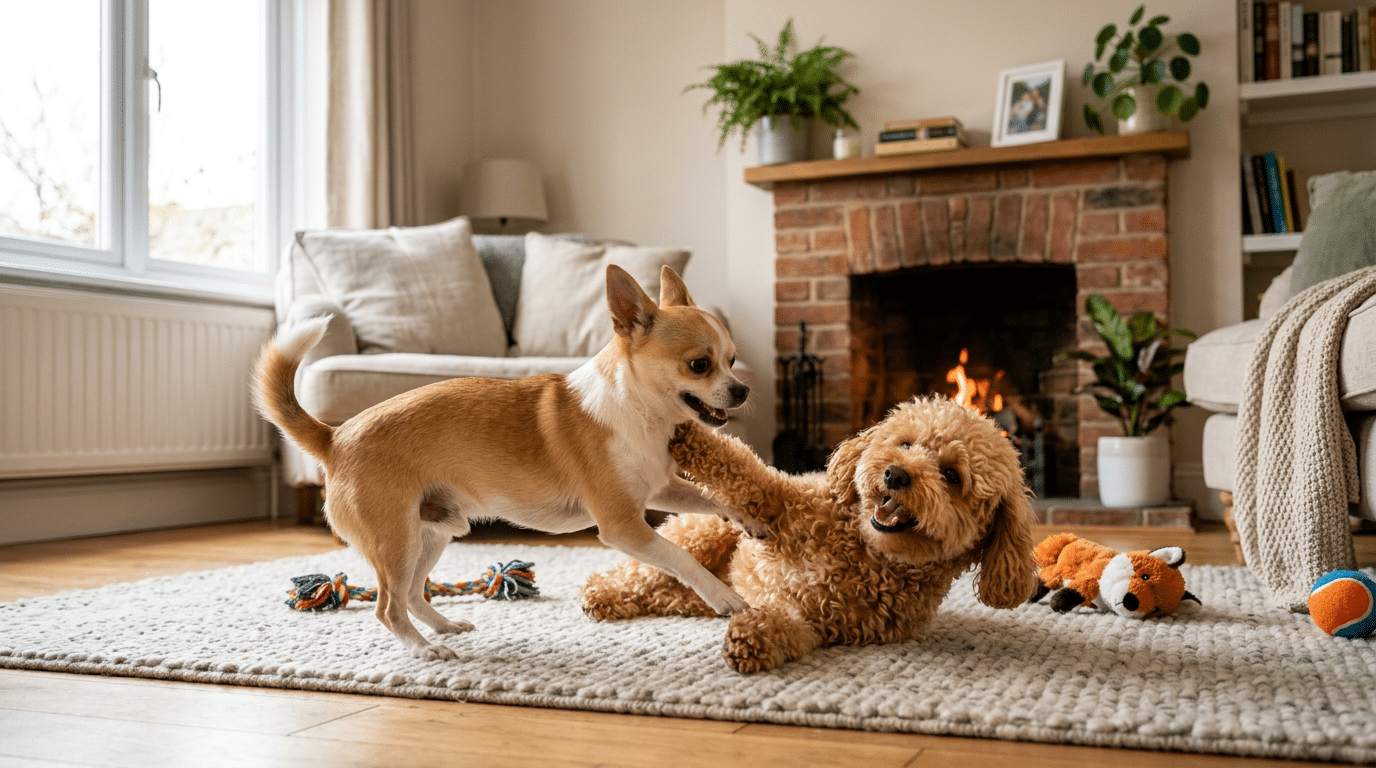 Chihuahuas and Toy Poodles are two of the longest-lived dog breeds, and they tend to stay playful well into their teens.
Bottom Line
If you want a dog that’s likely to be with you for 15 years or more, you’ve got a lot of wonderful options. Small breeds dominate this list for a reason, but it’s not the only factor that matters. Genetics, diet, dental care, and consistent veterinary attention play just as big a role in determining how long your specific dog lives.
The dogs on this list aren’t just long-lived by accident. They’re breeds with structural advantages, manageable health profiles, and care requirements that owners can realistically meet. Pick the right breed for your lifestyle, take care of the basics, and you’ve got a solid shot at a long run together.
If you’re still exploring which type of dog fits your home, check out our guide to 13 dog breeds with surprisingly long life expectancy for a few breeds that might catch you off guard. Or if low maintenance is also on your wishlist, our guide to low-shedding dog breeds covers several of the same long-lived favorites.
Your dog can’t read the statistics, but you can use them. Start there.














 English (US) ·