
 1 month ago
43
1 month ago
43
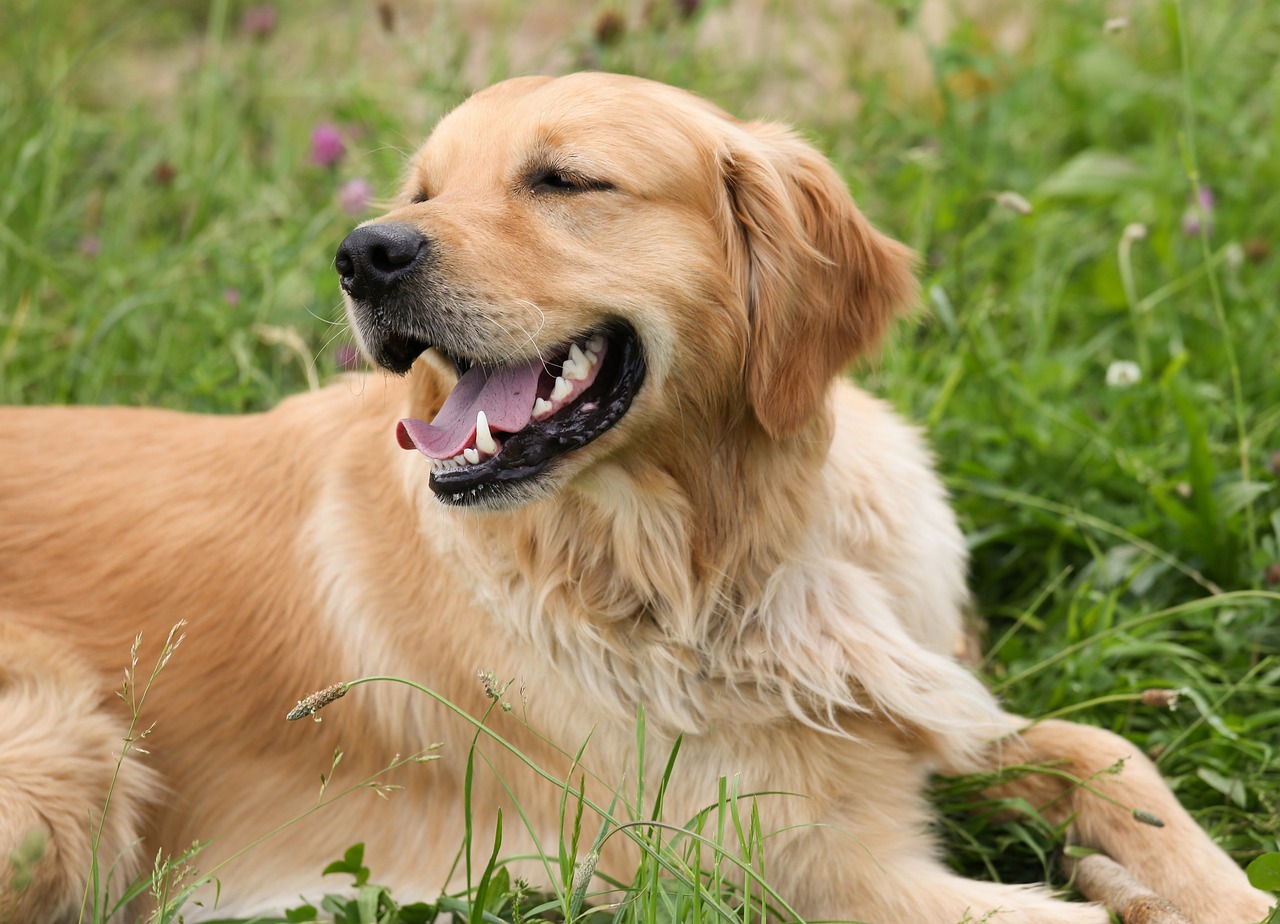
You love everything about Golden Retrievers. The wagging tail, the goofy grin, the way they treat every stranger like a long-lost friend. But maybe you want something slightly different – a different size, a shorter coat, a bit more energy, or a calmer disposition. The good news? Several breeds share the Golden’s best qualities, and a few of them might actually be a better fit for your lifestyle.
This list covers 10 dog breeds that come closest to the Golden Retriever experience, ranked by how well they match in personality, temperament, and overall family fit. We’ll break down what makes each one similar, what sets them apart, and which households they work best in.
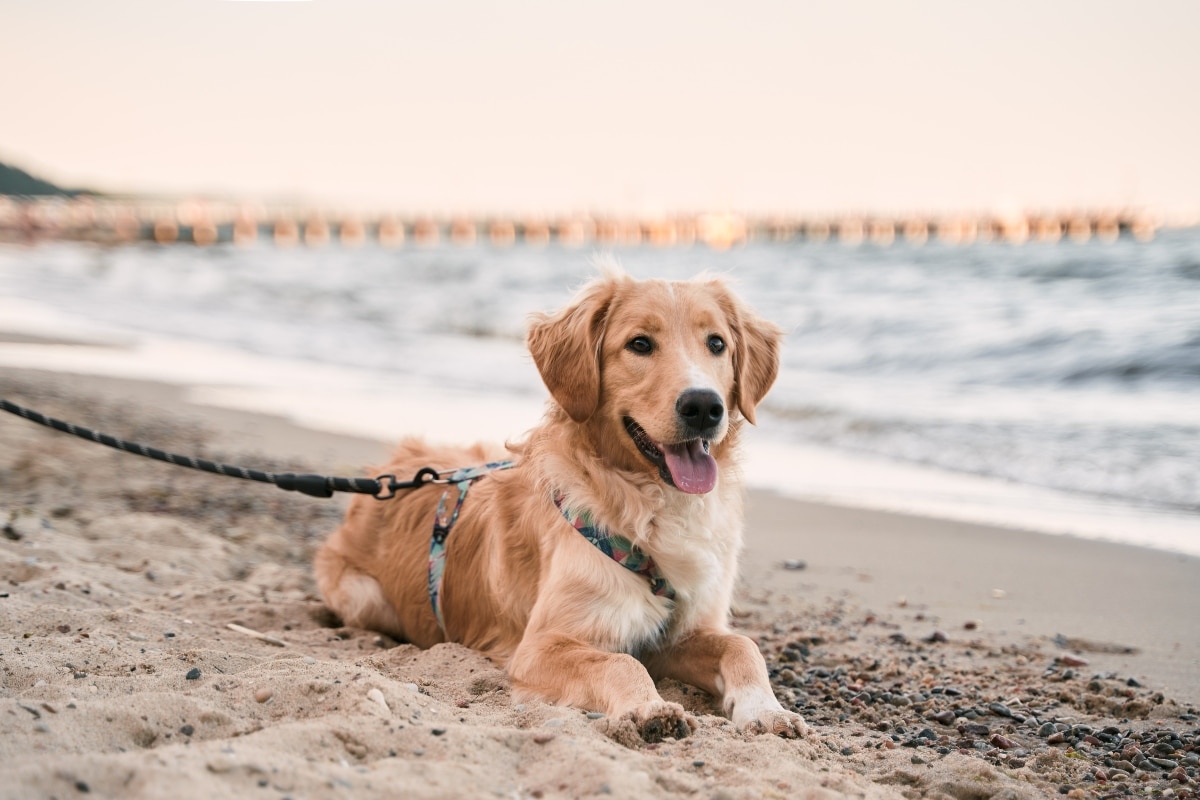
Golden Retriever Quick Stats
| Weight | 55-75 lbs |
| Lifespan | 10-12 years |
| Energy Level | High (60+ min exercise/day) |
| Trainability | Excellent – among the top 5 easiest breeds to train |
| Kid Friendly | Outstanding |
| Grooming | High – sheds heavily, needs brushing 3-4x per week |
| Common Health Issues | Hip dysplasia, cancer, heart conditions |
1. Labrador Retriever – The Closest Match Overall
If you want a Golden Retriever personality in a slightly different package, the Labrador Retriever is your answer. Labs share the same core traits – friendly, outgoing, eager to please, gentle with kids, and energetic without being wild. It’s no surprise they’ve been ranked among America’s most popular dog breeds for decades running.
The biggest differences come down to coat and build. Labs have a short, dense, water-resistant coat that needs far less brushing than a Golden’s flowing fur. You’ll still get shedding – plenty of it – but you skip the mat-removal sessions. Labs also tend to be slightly stockier and more muscular in build.
Temperament-wise, Labs are slightly more food-motivated, which actually makes training a bit easier. They respond well to positive reinforcement and can learn commands fast. Whether you want a hiking buddy, a therapy dog, or a family companion, a Lab delivers. If you’re considering adding one, check out the real cost of a Lab puppy by region before you start searching.
Best for: Families who want the Golden experience without the grooming commitment.
2. Flat-Coated Retriever – The Playful Peter Pan
Flat-Coated Retrievers are sometimes called the “Peter Pan” of retriever breeds – and it fits. These dogs stay puppy-like well into adulthood. They’re goofy, enthusiastic, and almost relentlessly cheerful. If a Golden’s sunny personality is what drew you in, the Flat-Coat doubles down on it.
They look similar to Goldens but wear a glossy black or liver-colored coat instead of gold. The coat is flat and sleek (hence the name), and it needs regular brushing but doesn’t mat as severely as a longer-coated breed.
One thing to know: Flat-Coated Retrievers have a shorter lifespan than most breeds – typically 8-10 years – largely due to a high rate of histiocytic sarcoma, a type of cancer. That’s a real consideration if you’re comparing breeds. On the personality side, they’re wonderful with kids, social with strangers, and excel at dog sports.
Best for: Active families who want the Golden’s joy and energy in a sleeker, darker package.
3. Nova Scotia Duck Tolling Retriever – The Compact Overachiever
Don’t let the size fool you. Tollers are the smallest of the retriever group – usually 35-50 lbs – but they pack as much energy and intelligence as any full-sized retriever. Their distinctive red coat and white markings give them a striking appearance, and their work ethic is genuinely impressive.
The name “tolling” refers to their traditional hunting technique: they’d frolic near the water’s edge to lure curious ducks closer, then retrieve them once shot. It’s an unusual skill, and it reflects the breed’s high intelligence and drive.
Tollers need more mental stimulation than the average family dog. They get bored fast, and a bored Toller is a destructive one. If you’re active, run with them, do dog sports, or play fetch obsessively, they’ll thrive. For a calmer household, a Toller might be more dog than you bargained for.
Best for: Active owners who want a smaller retriever with a big brain and even bigger energy.
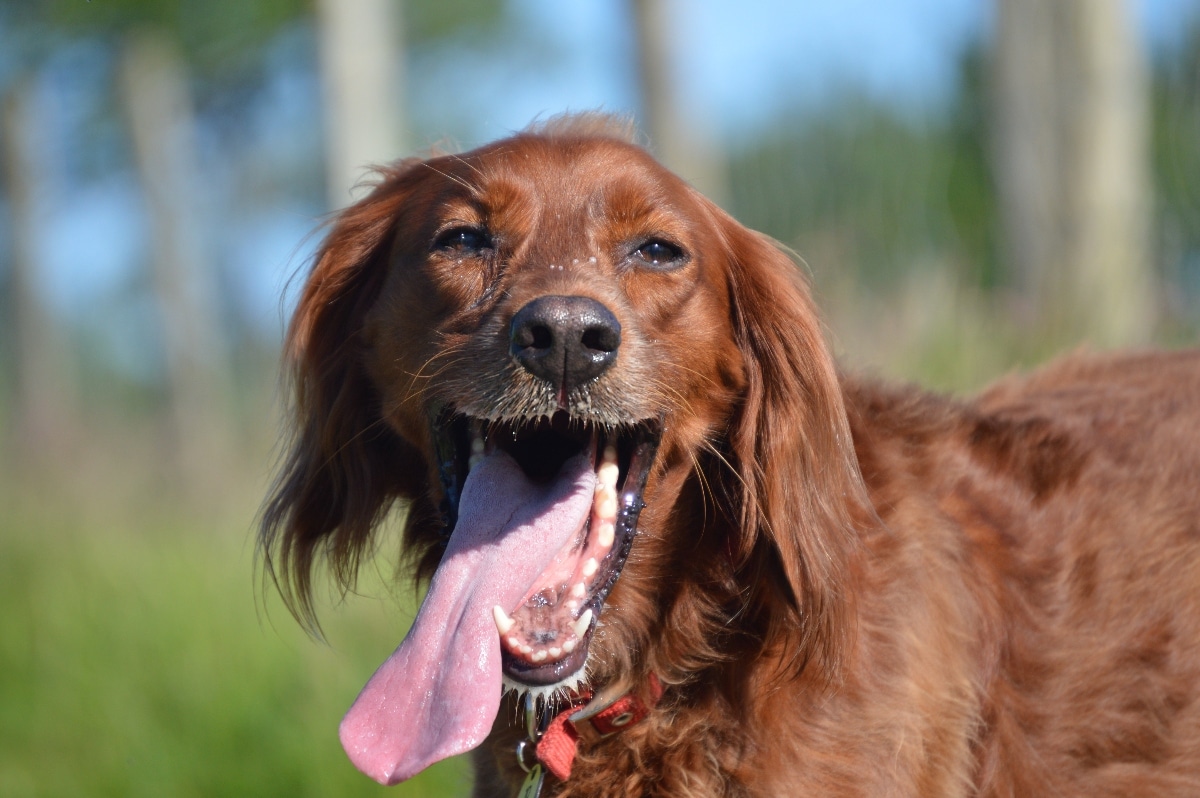
4. Irish Setter – The Showstopper
Few breeds turn heads the way an Irish Setter does. That silky, deep mahogany coat, the elegant build, the exuberant trot – they’re genuinely beautiful dogs. And underneath all that looks, you’ll find a personality that overlaps significantly with the Golden Retriever.
Irish Setters are affectionate, outgoing, and great with kids. They love to be part of the action and don’t do well with long periods of isolation. They’re also high energy – think Golden energy, but turned up a notch. These dogs need serious daily exercise, ideally an hour or more of running, not just a leisurely neighborhood walk.
Training can take a bit more patience than with a Golden. Setters are smart, but they’re also independent and can get distracted easily. They’re not stubborn per se – they’re just very interested in whatever just flew past the window. Consistent, positive training from an early age helps a lot.
Best for: Active families who want a stunning, social companion and don’t mind a dog with a slightly more independent streak.
5. Chesapeake Bay Retriever – The Loyal Workhorse
The Chesapeake Bay Retriever – “Chessie” to most fans – shares the Golden’s love of water and retrieving, but with a harder edge. These are working dogs at heart, bred to retrieve waterfowl in the rough, cold waters of the Chesapeake Bay. They’re tougher, more protective, and more reserved with strangers than a Golden.
Their dense, wavy, waterproof coat comes in shades of brown, sedge, and deadgrass. It’s designed to shed water rather than absorb it. Grooming needs are moderate – regular brushing, but no major mat issues.
The key difference from a Golden: Chessies bond closely to their family but aren’t typically warm toward everyone they meet. They can be territorial and need early socialization. They’re also more assertive – not aggressive, but they’re not pushovers either. With confident, experienced owners who provide firm structure, they’re incredibly loyal and capable. For first-time dog owners, they’re a bigger challenge.
Best for: Experienced owners who want a protective, capable family dog with strong retrieving instincts.
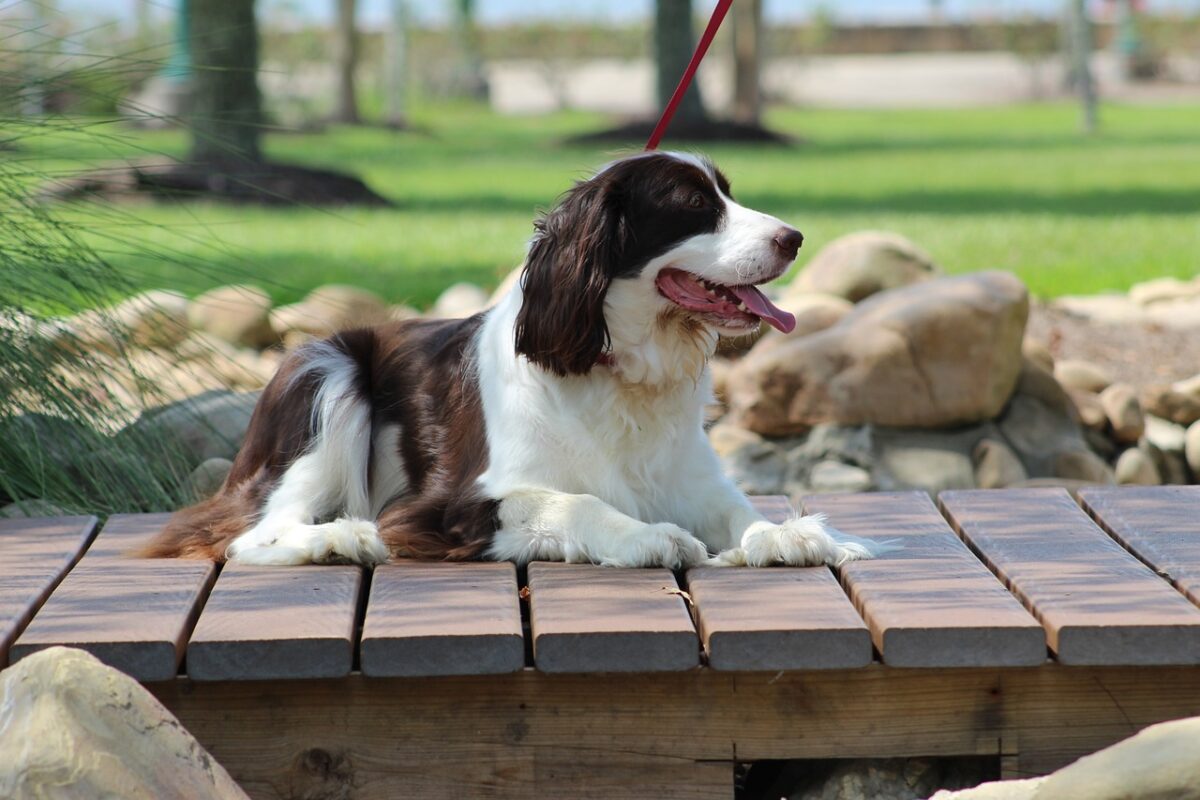
6. English Springer Spaniel – The Enthusiastic Family Dog
English Springer Spaniels bring a lot of Golden Retriever energy to a medium-sized package. They’re affectionate, playful, and deeply bonded to their families. If you’ve ever seen one bounce around a yard, you understand why the name “Springer” fits.
They’re smaller than Goldens – typically 40-50 lbs – with a silky coat that comes in liver and white or black and white. The coat needs regular grooming to avoid tangles, especially around the ears and chest.
Springers are working dogs too, so they have real drive and stamina. Daily exercise is a must. The great news for families: they’re typically gentle with kids and get along well with other dogs. They’re also highly trainable and do well in obedience and agility competitions. If you’re comparing retriever-style temperaments in a smaller frame, a Springer is worth serious consideration.
Best for: Families who want a smaller, spirited companion with the same loving personality as a Golden.
7. Bernese Mountain Dog – The Gentle Giant
Bernese Mountain Dogs share the Golden’s gentle temperament and love of family life, but in a much bigger body – typically 70-115 lbs. They’re calm, patient, and sweet-natured, and they have a striking tri-color coat of black, white, and rust that makes them one of the most beautiful breeds around.
Where Goldens are energetic and always ready to play, Berners are a bit more laid-back. They enjoy activity but don’t have the same relentless energy. A long daily walk suits them well. They’re also very good with kids – known for their patience and gentle nature – and they make excellent therapy dogs.
The main downside is health. Berners have one of the shorter lifespans among large breeds, typically 7-10 years, and they’re prone to cancer, hip and elbow dysplasia, and heart conditions. Grooming is also intensive – that thick coat sheds a lot, especially in spring and fall.
They’re one of the most gentle large-breed dogs you’ll find, and if you want a calm, loving giant rather than a bouncy retriever, they’re hard to beat.
Best for: Families who want a calm, loving large-breed dog with a beautiful coat and a gentle soul.
8. Collie – The Family Protector
Everyone knows Lassie. Collies have been popular family dogs for generations, and for good reason. They share the Golden’s loyalty, intelligence, and gentle nature – but they bring a protective instinct that Goldens largely lack.
Collies are herding dogs at heart, and they often try to “herd” children in the yard, which is more amusing than harmful. They’re highly trainable and excel in obedience competitions. They’re also excellent with kids and tend to take a watchful, protective stance over the family – which many owners love.
The rough Collie (the Lassie version) has a gorgeous long coat that requires regular brushing. The smooth Collie has a shorter coat that’s much easier to maintain. Both varieties are equally intelligent and affectionate. These dogs are among the most loyal, family-focused breeds you can find.
Best for: Families who want a loyal, intelligent dog with a gentle personality and natural protective instincts.
9. Cocker Spaniel – The Smaller, Softer Option
Cocker Spaniels are one of the more underrated alternatives to Golden Retrievers. They’re smaller – typically 20-30 lbs – but they share the Golden’s sweet, affectionate nature and love of being around people. Those gorgeous, soulful eyes? Distinctly Cocker.
They’re adaptable dogs that do well in apartments or houses, with kids or without. Their energy level is moderate – they enjoy playtime and walks but don’t demand the same daily exercise commitment as a retriever. That makes them a good fit for slightly less active families.
Grooming is significant. That silky coat tangles easily and needs brushing several times a week, plus regular professional grooming to keep it looking tidy. Their ears also need frequent cleaning to prevent infections – a common issue in floppy-eared breeds.
If you love the Golden’s personality but want a lap dog who’s content in a smaller space, the Cocker Spaniel delivers on temperament without the retriever’s high-energy demands.
Best for: Owners who want a gentle, loving companion in a smaller package with lower exercise requirements.
10. Vizsla – The Velcro Dog
Vizslas are often described as “Velcro dogs” because they don’t just like being near you – they need to be. If you want a dog that follows you from room to room, sleeps at your feet, and treats you like the center of its universe, a Vizsla delivers that in a way that even Goldens sometimes don’t match.
They have a sleek, golden-rust coat that requires almost no grooming – a major plus if you want the Golden’s warm color palette without the shedding. They’re athletic, lean, and built for endurance. Daily exercise of an hour or more is essential; without it, they become anxious and destructive.
Vizslas are highly trainable and excel in hunting, agility, and obedience. They’re sensitive dogs, so they do best with positive, gentle training methods. Harsh corrections backfire badly with this breed. They’re wonderful with kids and generally friendly with other dogs.
Best for: Active owners who want an affectionate, low-maintenance-coat companion that stays close and matches their energy.
Quick Breed Comparison: Golden Retriever Alternatives
| Labrador Retriever | Large | High | Low | Excellent |
| Flat-Coated Retriever | Large | High | Moderate | Excellent |
| Nova Scotia Toller | Medium | Very High | Moderate | Good |
| Irish Setter | Large | High | Moderate | Excellent |
| Chesapeake Bay Retriever | Large | High | Low | Good |
| English Springer Spaniel | Medium | High | Moderate | Excellent |
| Bernese Mountain Dog | Giant | Moderate | High | Excellent |
| Collie | Medium-Large | Moderate | High | Excellent |
| Cocker Spaniel | Small-Medium | Moderate | High | Excellent |
| Vizsla | Medium-Large | Very High | Very Low | Excellent |
What Makes Golden Retrievers So Hard to Replace?
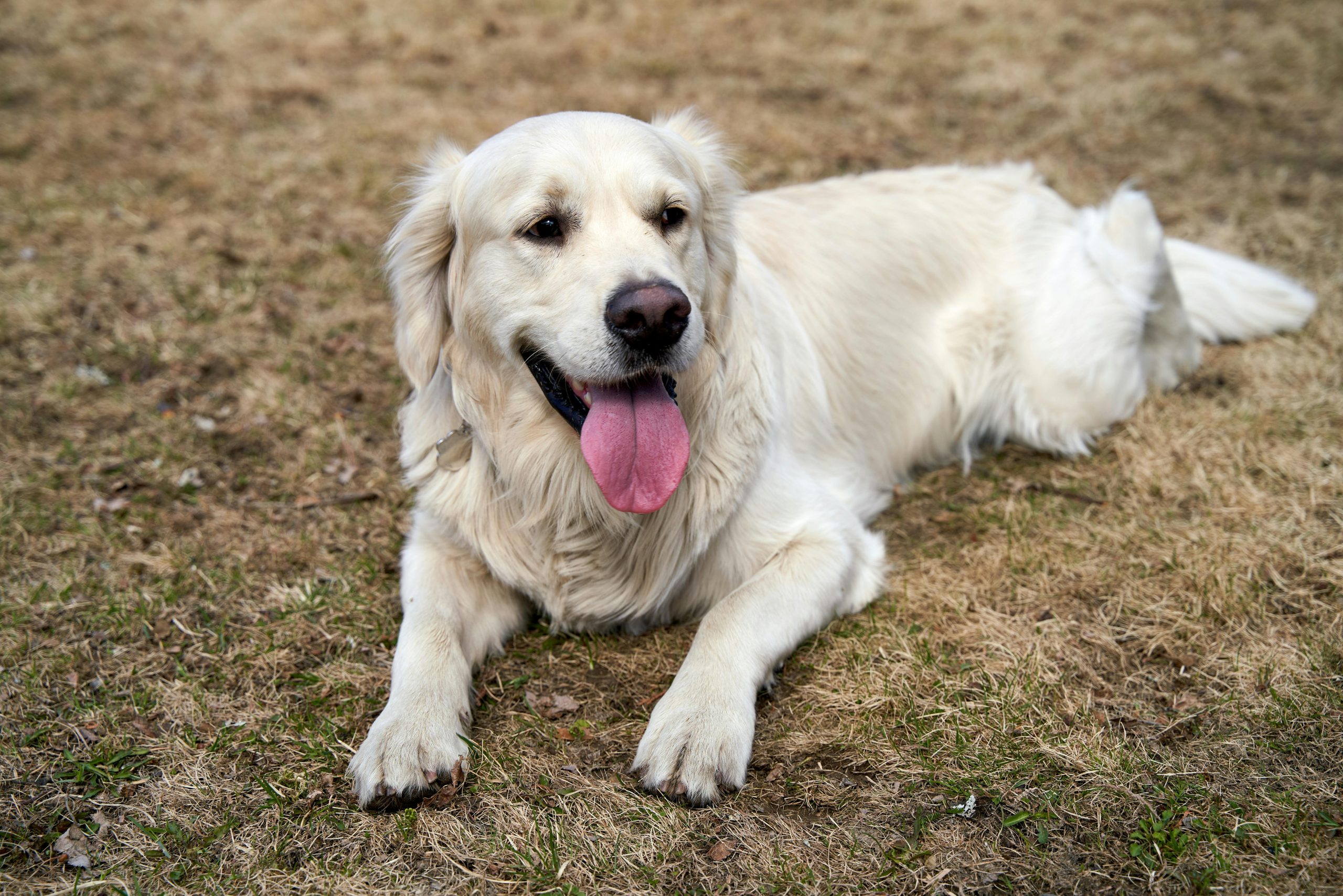
Golden Retrievers hit a specific combination of traits that’s genuinely rare: high trainability, almost zero aggression, strong sociability with people and dogs, deep loyalty, and enough energy to be fun without being exhausting. They’re not trying to dominate the household. They’re not aloof or standoffish. They just want to be with you, make you happy, and maybe bring you a sock as a gift.
That package is hard to replicate exactly. But the breeds on this list each deliver a significant portion of it. Whether you want the same retrieving drive (Lab, Flat-Coat, Toller), the same family warmth (Berner, Collie, Springer), or the same bonded loyalty (Vizsla, Chessie), there’s a real option here.
One more thing worth considering: diet makes a huge difference in long-term health for any retriever-type breed. Whether you go with a Golden or one of these alternatives, starting with quality food matters from day one. The best puppy foods for Golden Retrievers apply well to most of these breeds too, and the top freeze-dried dog food options for Goldens are worth exploring for any active retriever-type dog.

Frequently Asked Questions: Dog Breeds Similar to Golden Retrievers
What dog is most similar to a Golden Retriever in personality?
The Labrador Retriever is the closest match overall. Labs share the Golden’s friendly, eager-to-please personality, trainability, and love of family life. They’re slightly more food-motivated and require less grooming, but in terms of day-to-day temperament, they’re nearly identical.
Are there Golden Retriever-like dogs that shed less?
The Vizsla sheds significantly less than a Golden Retriever – their short, sleek coat is much lower maintenance. The Chesapeake Bay Retriever also sheds less overall. If shedding is your main concern, either of those is worth a close look.
What breed looks most like a Golden Retriever?
The Flat-Coated Retriever has the most similar build and coat type, just in black or liver rather than gold. Nova Scotia Duck Tolling Retrievers also share the reddish-golden coloring, though they’re considerably smaller. The Irish Setter has a similar long, flowing coat but in a deep red.
Are Bernese Mountain Dogs good alternatives to Golden Retrievers?
They’re a great alternative for families who want a calmer, gentler large breed. Berners share the Golden’s patience and love of family, but they’re less energetic and more sensitive. The main drawbacks are a shorter lifespan and more intensive grooming needs.
Do any of these breeds work well as therapy dogs like Golden Retrievers?
Yes – Labs, Collies, Bernese Mountain Dogs, Cocker Spaniels, and English Springer Spaniels all have strong records as therapy and emotional support dogs. They share the Golden’s gentle temperament and are commonly trained for hospital, school, and care facility visits.
Which breed is best for first-time dog owners?
Labrador Retrievers and Collies are the easiest picks for first-time owners. Both are highly trainable, forgiving of mistakes, and socially easy-going. The Chesapeake Bay Retriever and Vizsla tend to be better suited for experienced owners who understand how to set firm expectations.
What’s the best dog breed similar to a Golden Retriever for apartment living?
The Cocker Spaniel is your best bet. They’re smaller, have moderate exercise needs, and adapt well to smaller spaces. English Springer Spaniels can also work in apartments if you’re committed to daily outdoor exercise. The larger retriever breeds typically need more room to thrive.

Bottom Line: Which Breed Should You Choose?
Here’s the honest answer: no breed perfectly replaces a Golden Retriever, because Goldens are a singular combination of traits. But several of these dogs get remarkably close.
Want the same family-friendly personality with less grooming? Go with a Labrador Retriever. Want something smaller that still loves kids and cuddles? The Cocker Spaniel or English Springer Spaniel are solid picks. Want a bigger, calmer version of the Golden vibe? The Bernese Mountain Dog or Collie fit that mold.
If you’re drawn to the retriever temperament specifically, take a look at breeds like the Schnauzer alternatives or the Rottweiler-similar breeds for comparison – it helps to see the full spectrum of options before making your choice.
Whatever breed you land on, the most important thing is matching the dog’s energy and needs to your lifestyle. A Toller in an apartment with minimal exercise is a miserable Toller. A Berner in an active household with too much rough play can wear out quickly. Take the time to research, meet the breed in person if you can, and talk to owners who live with them every day. That groundwork pays off for the next decade or more.






 English (US) ·