
 1 month ago
39
1 month ago
39
If your dog has been limping, struggling to get up in the morning, or just seems less like themselves after a walk, you’ve probably gone down the rabbit hole of treatment options. NSAIDs, joint supplements, physical therapy — and maybe, if you’ve been doing a lot of research, you’ve landed on something called BPC-157.
It’s not a household name yet. But among integrative vets and dog owners who’ve tried everything else, BPC-157 for dogs is generating real interest. This article covers what it is, what the research actually says, how dosing works, and what you need to know before trying it with your own dog.
Quick note: this isn’t medical advice. It’s a thorough look at the science and real-world use of a peptide that’s still considered experimental in veterinary medicine. Always loop in your vet before starting any new treatment. View our complete guide to peptides for dogs for a broader look at this emerging field.
What Is BPC-157?
BPC-157 stands for Body Protection Compound-157. It’s a synthetic peptide made up of 15 amino acids, derived from a protein naturally found in the stomach. That’s where the “body protection” part comes from — it was originally studied for its role in protecting and repairing the gastrointestinal tract.
What makes it interesting isn’t just the gut connection. In animal research, BPC-157 has shown the ability to accelerate healing across multiple types of tissue: tendons, ligaments, muscles, nerves, and joints. It does this partly by promoting angiogenesis — the formation of new blood vessels — which brings more oxygen and nutrients to damaged areas.
It’s also unusually stable. Unlike many peptides that break down quickly, BPC-157 can survive in the stomach acid, which means oral forms may actually work. Injectable forms are generally considered more effective, but it’s one of the few peptides with a credible oral option.
Most of the existing research comes from rodent studies. Clinical trials in dogs are limited. But the results from animal models are consistent enough that many integrative vets have started using it off-label, and anecdotal reports from dog owners are stacking up.
How BPC-157 Works in Dogs

BPC-157 works by activating the body’s own repair pathways rather than suppressing symptoms the way NSAIDs do. That distinction matters. NSAIDs reduce inflammation by blocking certain enzymes, which helps with pain but doesn’t address the underlying tissue damage. BPC-157 goes a step further — it tries to actually fix the problem.
Here’s what the research shows it can do:
- Stimulate new blood vessel growth to injured areas (angiogenesis)
- Accelerate healing in tendons, ligaments, and connective tissue
- Reduce inflammation without suppressing immune function
- Protect nerve cells and support nerve regeneration
- Promote cartilage repair and joint tissue recovery
The anti-inflammatory effect without immune suppression is particularly notable. Long-term steroid use in dogs comes with real costs — thin skin, muscle wasting, hormonal disruption. BPC-157 doesn’t appear to carry those risks.
That said, dogs aren’t rodents. Extrapolating from rat studies to your 70-pound Labrador involves some uncertainty. That’s why working with a vet who understands peptide therapy isn’t just a formality — it’s genuinely important.
BPC-157 for Dog Arthritis and Joint Pain
Arthritis is one of the most common reasons dog owners start looking into BPC-157. An estimated 20% of dogs over age one have some form of osteoarthritis — and in dogs over seven, that number climbs to over 65%. For large breeds like German Shepherds, Labradors, and Golden Retrievers, joint degeneration often starts earlier.
The standard treatment ladder goes something like this: start with joint supplements (glucosamine, chondroitin), add omega-3 fatty acids, move to NSAIDs when things get bad, then consider surgery or prescription pain management. It works for a lot of dogs. But not all of them.
BPC-157 is interesting in this context because it doesn’t just manage pain — it may actually help repair damaged cartilage and soft tissue. Early evidence suggests it can reduce joint inflammation, improve synovial fluid health, and support the tissue structures that hold joints together. For a dog with early-to-moderate arthritis, that’s potentially meaningful.
Some owners report visible improvement within 1-2 weeks: better willingness to climb stairs, less stiffness in the morning, more enthusiasm on walks. For chronic or severe arthritis, results tend to take longer — 4 to 6 weeks into a treatment cycle is when most people notice significant change.
BPC-157 isn’t a cure. It won’t reverse advanced joint damage or change bone structure. But for dogs who’ve stopped responding well to traditional pain management, it may offer a path to better quality of life. If your dog is showing signs of chronic discomfort, it’s worth discussing with your vet.
BPC-157 for Dogs: Key Potential Benefits
- Joint inflammation: May reduce swelling and stiffness in arthritic joints
- Tissue repair: Promotes healing of tendons, ligaments, and cartilage
- Recovery speed: May shorten recovery time after surgery or injury
- Nerve health: Shows protective effects on nerve tissue in animal studies
- GI healing: May support dogs with IBD, leaky gut, or chronic digestive issues
- Pain reduction: Reported pain relief without immune suppression
Note: Most evidence comes from animal studies. Clinical veterinary trials are still limited.
Other Conditions BPC-157 May Help in Dogs

Joint disease gets most of the attention, but BPC-157 has a wider range of potential applications in dogs. Here’s where integrative vets are also exploring its use:
Cruciate Ligament Injuries (CCL Tears)
CCL tears are one of the most expensive orthopedic emergencies in dogs. BPC-157 has shown strong results in tendon and ligament healing in rodent models — accelerating repair and potentially reducing the extent of surgical intervention needed. It doesn’t replace surgery in severe cases, but some vets include it in post-op recovery protocols to speed healing.
Spinal Injuries and IVDD
Intervertebral disc disease (IVDD) is brutal in affected breeds like Dachshunds, Corgis, and Beagles. BPC-157’s neuroprotective properties are relevant here — it may help reduce inflammation around the spinal cord and support nerve regeneration. Again, it’s not a replacement for surgery in acute cases, but it may support recovery alongside conventional treatment.
Post-Surgical Recovery
After any surgery — orthopedic, soft tissue, or otherwise — BPC-157 may help speed wound healing, reduce post-op inflammation, and improve tissue repair. Some owners use it as part of a broader recovery plan that includes rest, physical therapy, and supportive pain management.
Gastrointestinal Issues
This is where BPC-157 started, and it’s still one of its strongest applications. Dogs with IBD, chronic gastritis, or leaky gut may benefit from its gut-healing properties. If your dog has ongoing digestive problems, check out our guide to best probiotics for dogs with IBD — probiotics and BPC-157 are sometimes used together in gut healing protocols.
BPC-157 Dosing for Dogs

There are no FDA-approved dosing guidelines for BPC-157 in dogs. What exists is based on animal research, off-label veterinary protocols, and clinical experience. The following is for informational purposes only — your vet should determine the right protocol for your specific dog.
The most commonly cited range in off-label veterinary use is 2 to 10 mcg per kilogram of body weight per day. Most vets start on the lower end and adjust based on response.
BPC-157 Dosing Reference for Dogs (Off-Label)
Based on 2-10 mcg/kg/day. Always consult your vet for actual dosing.
| 10 lbs (4.5 kg) | 9 mcg | 23 mcg | 45 mcg |
| 20 lbs (9 kg) | 18 mcg | 45 mcg | 90 mcg |
| 40 lbs (18 kg) | 36 mcg | 90 mcg | 180 mcg |
| 60 lbs (27 kg) | 54 mcg | 135 mcg | 270 mcg |
| 80 lbs (36 kg) | 72 mcg | 180 mcg | 360 mcg |
| 100 lbs (45 kg) | 90 mcg | 225 mcg | 450 mcg |
- Low dose: Mild inflammation, early arthritis, preventive use
- Mid dose: Moderate joint pain, post-surgical recovery, chronic conditions
- High dose: Severe injuries, advanced arthritis — vet-supervised only
How BPC-157 Is Given to Dogs
There are two main routes: injection and oral. Subcutaneous injection (under the skin) is the most effective delivery method. It can be given near the injury site or systemically. Many pet owners learn to do this at home after a vet demonstration — it’s similar to how diabetic dog owners administer insulin.
Oral forms (capsules, sprays, or drops) are easier to administer. They may work reasonably well for GI issues or systemic support, but bioavailability is less predictable. For serious joint or tissue injuries, most protocols default to injectable.
Typical treatment cycles run 2 to 4 weeks for acute injuries and can be extended or repeated for chronic conditions. Treatment duration depends heavily on the dog’s condition, response, and vet guidance.
Safety and Side Effects
BPC-157 has shown a strong safety profile in rodent studies — no toxicity at high doses, no immune suppression, no significant organ effects. In off-label veterinary use, dogs appear to tolerate it well. Reported side effects are rare and generally mild:
- Temporary lethargy
- Mild swelling or irritation at the injection site
- Occasional digestive upset (less common with injectable forms)
One area of caution: dogs with active cancer. Any peptide that promotes cell growth and blood vessel formation carries a theoretical risk of stimulating tumor growth. Until more research is done, most vets advise against using BPC-157 in dogs with known cancer.
Also worth knowing: BPC-157 is not FDA-approved for veterinary use. That means sourcing, dosing, and monitoring are all the responsibility of the owner and vet. There’s no quality control standard for products labeled for “research use only” — which is why sourcing from a reputable veterinary compounding pharmacy matters a lot.
You can also review these pain relief aids for dogs as complementary options to discuss with your vet.
Alternatives and Complementary Therapies
BPC-157 doesn’t exist in a vacuum. Most vets who use it treat it as one tool among several. Here’s how it fits with other options:
TB-500
TB-500 for dogs is another regenerative peptide that’s often paired with BPC-157. Where BPC-157 tends to be more targeted toward connective tissue and the gut, TB-500 has broader systemic effects — muscles, fascia, cardiac tissue, nerve healing. Some protocols use both together for 4-6 weeks, then taper. The combination is popular in canine sports medicine.
GHK-Cu
GHK-Cu for dogs is a copper-binding peptide with strong evidence for wound healing, skin repair, and anti-aging effects. It’s not directly comparable to BPC-157 but may complement it in dogs dealing with chronic inflammation, poor coat quality, or cognitive changes in older age.
Traditional joint supplements
Glucosamine, chondroitin, and omega-3 fatty acids (particularly EPA and DHA from fish oil) have real evidence behind them. They’re often a good foundation to keep in place while trying BPC-157, not something to drop. If you’re also managing diet for an arthritic dog, the best foods for dogs with arthritis can make a genuine difference in inflammation levels.
Physical and rehabilitative therapy
Hydrotherapy, laser therapy, and canine rehabilitation are often more effective when combined with peptide therapy than either approach alone. If you haven’t explored mobility aids for senior dogs, those small environmental changes can also reduce daily strain on damaged joints.
How to Talk to Your Vet About BPC-157
Most traditional veterinarians aren’t trained in peptide therapy. That’s just the reality. The field is moving fast and formal veterinary education hasn’t caught up.
So how do you approach the conversation? A few things help:
- Come prepared with your dog’s current diagnosis, treatment history, and what’s working or not
- Ask if your vet is open to discussing integrative approaches, or can refer you to someone who specializes in them
- Present BPC-157 as something you want monitored, not something you’re doing behind their back
- If your current vet isn’t comfortable, seek a second opinion from a holistic or integrative veterinary clinic
Integrative vets — especially those specializing in sports medicine, oncology, or geriatric care — are far more likely to be familiar with peptides. A referral might be the most efficient path forward.
For a broader look at BPC-157 and other peptides in the marketplace, check out the best BPC-157 products for dogs.
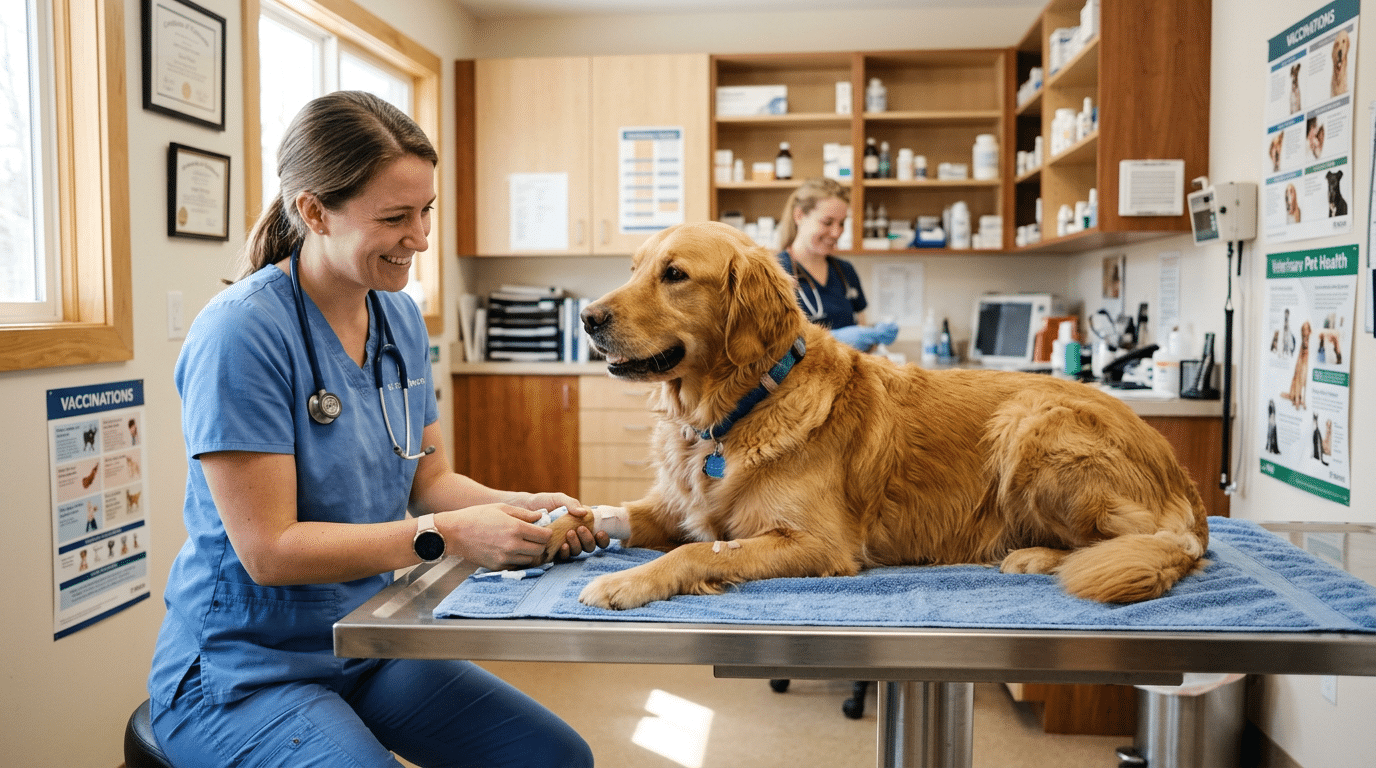
Frequently Asked Questions About BPC-157 for Dogs
What is BPC-157 and where does it come from?
BPC-157 (Body Protection Compound-157) is a synthetic peptide made up of 15 amino acids. It’s derived from a protein naturally found in the stomach, where it plays a protective and healing role. While it was originally studied for human use, it’s now being explored in veterinary medicine for its regenerative properties in dogs.
Is BPC-157 safe for dogs?
Animal studies suggest it has a strong safety profile with no toxicity at high doses. In off-label veterinary use, most dogs tolerate it well. That said, it’s not FDA-approved for dogs, so it should only be used under veterinary supervision. Avoid use in dogs with active cancer.
How is BPC-157 given to dogs?
Most commonly via subcutaneous injection (under the skin), which provides the most reliable delivery. Oral forms (capsules or sprays) are easier to give but have less predictable absorption. Your vet can help you decide which form makes sense for your dog’s specific condition.
How much BPC-157 should I give my dog?
Off-label protocols typically range from 2 to 10 mcg per kilogram of body weight per day. The right dose depends on your dog’s weight, condition severity, and how they respond. Always get specific guidance from a vet before starting.
How long before I see results?
Some owners notice improved mobility within a week or two. For tissue repair, cartilage healing, or chronic arthritis, meaningful change usually shows up after 4 to 6 weeks of consistent treatment. If there’s no noticeable improvement after a full protocol, it’s worth reassessing with your vet.
Can BPC-157 be used with other joint supplements?
Yes. It’s often used alongside glucosamine, chondroitin, omega-3s, and even NSAIDs. In some cases, dogs on BPC-157 may be able to reduce their NSAID dose over time — but don’t make that change without your vet’s input.
What conditions can BPC-157 help treat in dogs?
It’s primarily used for arthritis, joint pain, CCL tears, IVDD, post-surgical recovery, and GI issues like IBD or leaky gut. It may also support nerve regeneration and wound healing in dogs recovering from injury or illness.
Is BPC-157 legal for veterinary use?
It can be legally compounded and prescribed by a licensed veterinarian for off-label use. It’s not FDA-approved for animals, which means it doesn’t have standard veterinary labeling. Many reputable veterinary compounding pharmacies can prepare it to appropriate standards.
What should I look for when buying BPC-157?
Third-party lab testing and a Certificate of Analysis (COA) are non-negotiable. Avoid suppliers who make explicit medical claims or can’t document purity and potency. US-based compounding pharmacies working with veterinarians are the safest source.
Does BPC-157 need to be refrigerated?
Yes — injectable forms should be kept refrigerated to maintain potency. The peptide comes in lyophilized (freeze-dried) powder form and needs to be reconstituted with bacteriostatic water before use. Oral forms may have different storage requirements; check with your supplier.
Can I use human BPC-157 products on my dog?
Not recommended. Formulations, dosing concentrations, and added ingredients may differ. Products for human use might contain excipients that are fine for people but harmful to dogs. Stick with veterinary-grade or properly compounded sources.
What other peptides are used for dogs with joint issues?
The most commonly used alongside BPC-157 are TB-500 and GHK-Cu. TB-500 has a broader systemic healing effect; GHK-Cu focuses more on skin, wound healing, and cellular repair. BPC-157 is usually the starting point because of its well-documented safety profile and targeted tissue repair properties.
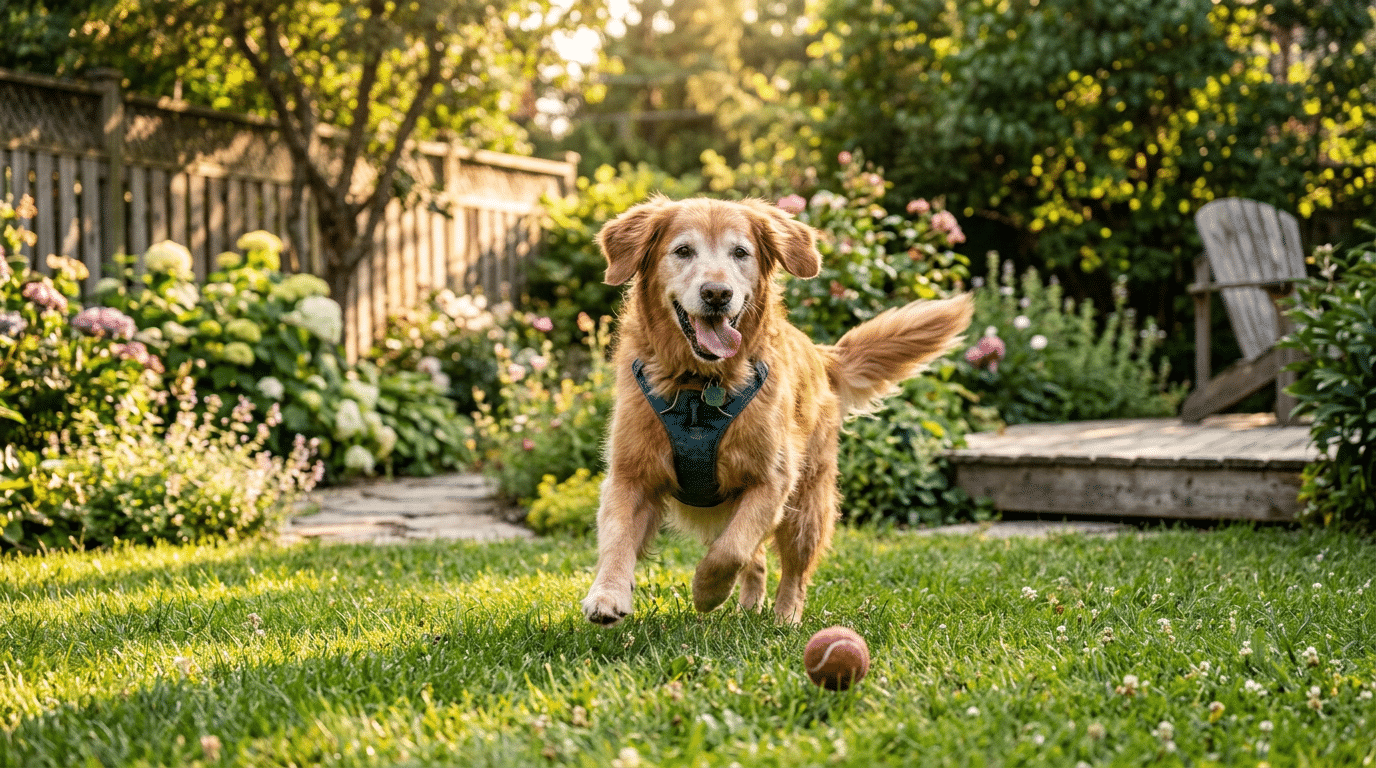
Bottom Line: Is BPC-157 Worth Trying for Your Dog?
BPC-157 isn’t a miracle cure. It won’t fix bone-on-bone arthritis, reverse structural deformities, or replace surgery when surgery is actually needed. But for dogs dealing with stubborn joint pain, slow-healing injuries, or conditions that haven’t responded well to conventional treatment, it’s one of the more interesting options available right now.
The safety profile is encouraging. The mechanism is real. And the anecdotal reports from dog owners — while not a substitute for clinical trials — are consistent enough to take seriously.
If you’re considering it, the path forward is clear: find a vet who understands integrative medicine, get proper dosing guidance, source from a reputable compounding pharmacy, and monitor your dog closely. Don’t go it alone.
Used thoughtfully as part of a broader wellness plan — alongside appropriate exercise, diet, weight management, and supportive care — BPC-157 may help your dog move more freely, hurt less, and have a better quality of life in their senior years. That’s worth exploring.
This article is for informational purposes only and doesn’t constitute veterinary advice. Always consult a licensed veterinarian before starting any new treatment for your dog.














 English (US) ·